-
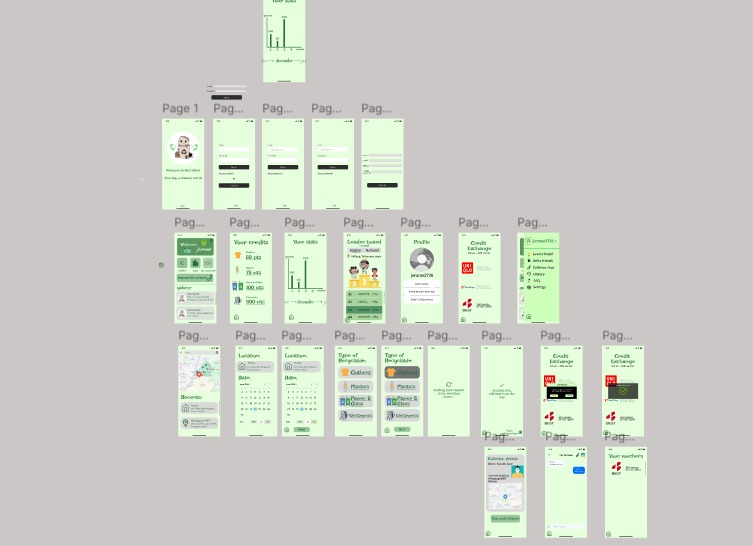
our app Re:Collect
-
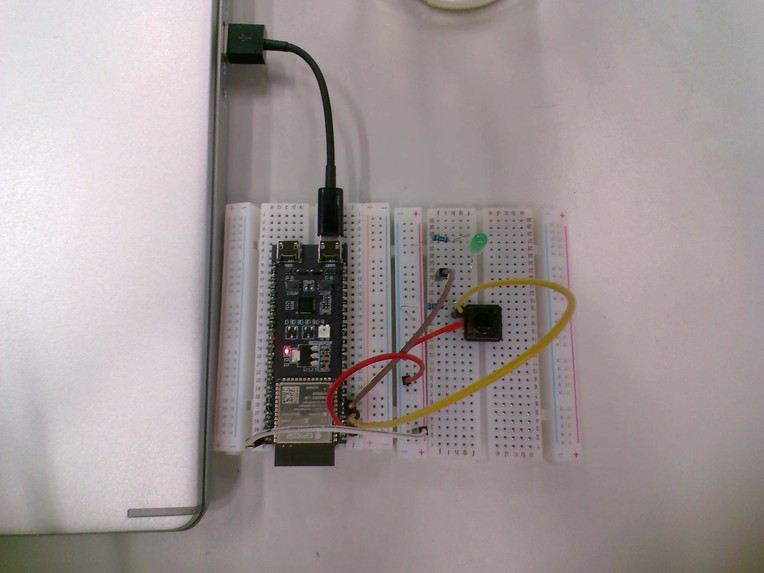
esp32 hardware
Inspiration
Local recyclable collectors that often leave leaflets at doorsteps and Karung Gunis that are a common sight to many local Singaporeans. We thought that it would be much better for residents to take up a more active role in recycling, in which such services are made accessible for them through an app, and users can be more aware of their scheduling for recyclables to better help hectic households to manage their time and see recycling as a habit in their lifestyle. We were also inspired by the collection of used coffee pods by Nespresso, in which stores provide a bag for used coffee pods to be stored in and picked up by the company right from their doorstep. Therefore, we decided to expand on this scale of concept, to collect the general recyclables of plastic, paper and glass, as well as the largest contaminants of recycling chutes such as electronics and clothings to reduce the contamination of recycling chutes.
What it does
Our app, Re:Collect allows domestic households to access recycling collection services that can help make recycling more accessible and convenient for the hectic young and less mobile elderly living in residential areas. Through the press of a button, which is developed through the ESP32 Hardware, it will send a signal of the household's location to notify recycling collectors. Alternatively, the user can schedule their own recyclables to be collected right from their doorstep. This hardware is supposed to work with our software App, that is called Re:Collect, where it has functions such as a chatting system as well as a tracking system of the collected recyclables for households to be aware of their waste recycling journey. Upon conducting our research, we found out that the main reason for the low recycling rates of domestic households is due to the contamination of recycled waste in blue bins where non recyclable wastes such as clothes and used tissues were thrown into the recycling chute. Therefore, the app has incorporated a reward system in which different kinds of credits are awarded based on what kinds of recyclables were disposed of. Such that categorised credits can be exchanged for vouchers of shopping organisations which nature aligns with their category of credits such as NTUC, Uniqlo and BEST DENKI. This not only motivates households to recycle, but also to segregate their recyclable waste into different categories such as clothes, plastics, paper and glass, and finally electronics. To ensure consistency of recycling, we have decided to add on a competitive element to encourage a habitual effort of recycling. By including a leaderboard system where users can keep track of the amount of waste they had recycled among their community, as well as a function to refer a friend to participate in this movement to further drive this recycling effort forward using the power of community.
How we built it
we used Figma software to help produce the app design and functions, as well as the esp32 to produce the hardware function of sending signals to the collectors' side of their location.
Challenges we ran into
we struggled with producing the esp32 function that we wanted where our upload had failed due to issues such as our serial port being undetected, and had tried out many online codes that we could find. we also wanted to connect one of our app pages to the esp32 function through wifi or bluetooth, but lack the capability to fulfil this concept.
Accomplishments that we're proud of
we are proud that we managed to work our way through producing this app and hardware despite not having much coding knowledge, and to have the esp32 worked out in the end. Even though it may seem like a small milestone, it still felt deeply fulfilling and fun when it worked out. Additionally, it was an unexpected joy to realise how we got more ambitious with our app functions and additional concepts adn actually had fun especially since we were quite intimidated by the daunting new experience of our first hackathon. we are also proud of hanging on all the way to the end of What The Hack! after feeling bleak about our process, and learnt to find an eye opening and enjoyable learning experience. We think we stand out because we are a team of non computing students who joined our first hackathon with no experience in coding and app development. there are no other such recycling services where households are able to make their demand anytime, which can help recycling to be more convenient for households and even encourage them to sort out their waste due to the differentiated credits system that offers specific vouchers that corresponds to their category of waste
What we learned
we learnt how to utilise esp32 and the components of this hardware and its relationship with arduino that is quite intensively rich. we also learnt how to incorporate new functions in our app to match the users' needs after much consideration of our target group, which is domestic households.
What's next for Re:Collect
If possible, we would like to fulfil the concept of connecting our esp32 to our software app to see how our ideation is produced to the end of our imagination for this theme of Sustainable Living.
Built With
- arduino
- esp32
- figma

Log in or sign up for Devpost to join the conversation.