-
-
connecting to the world
-
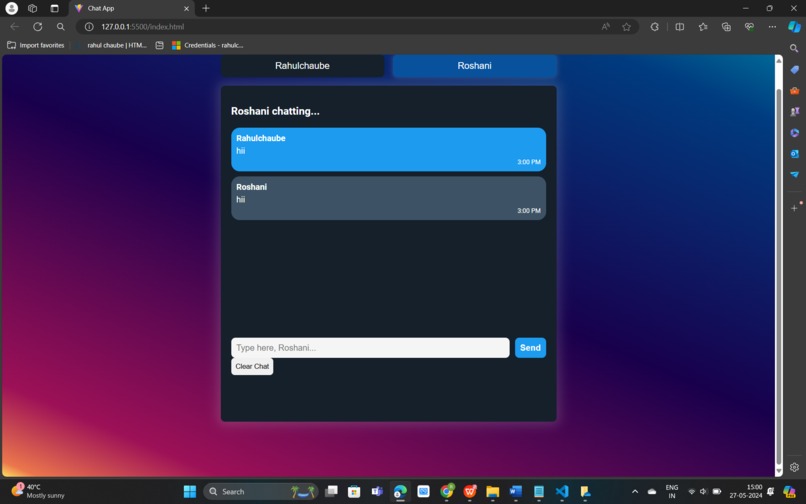
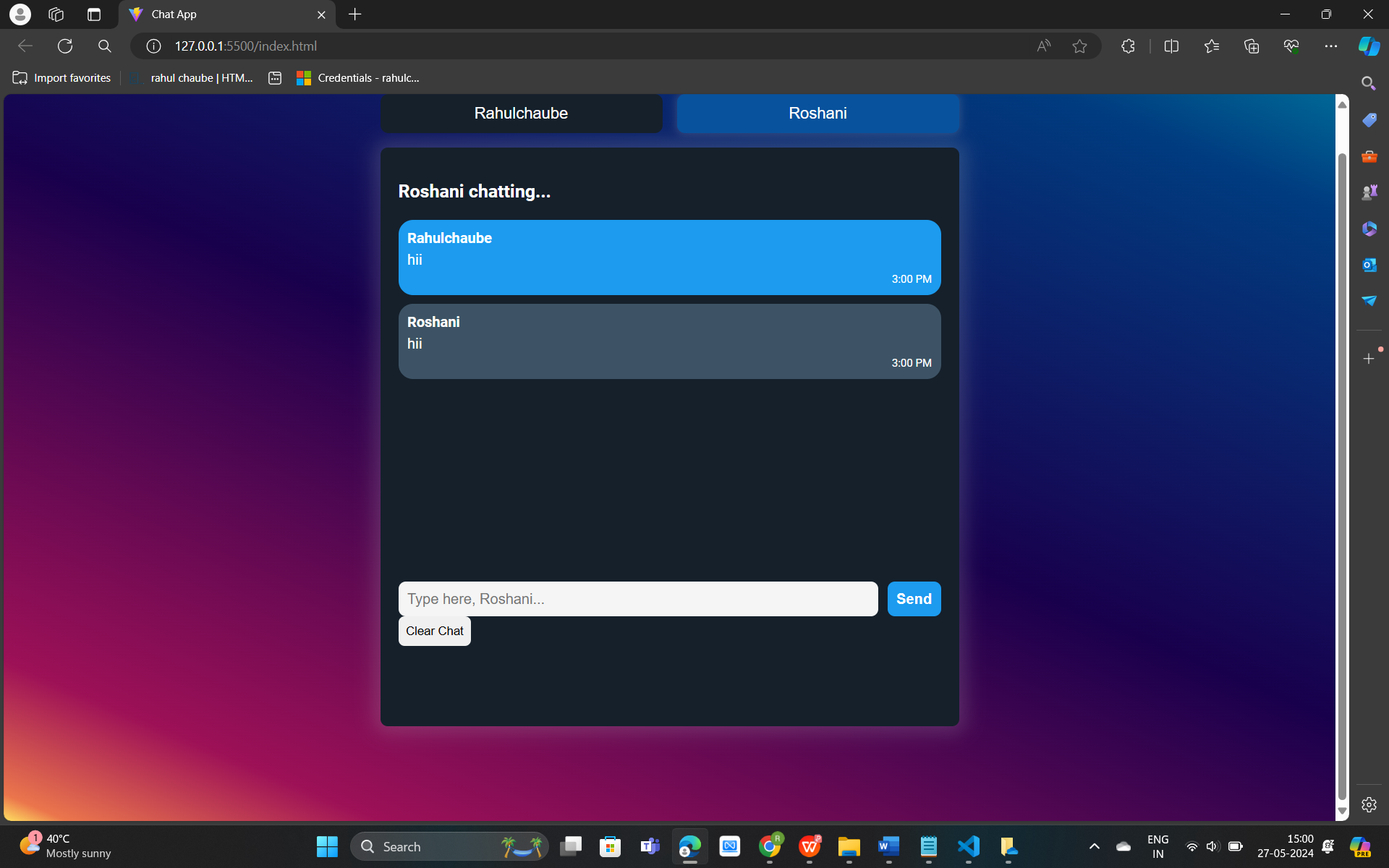
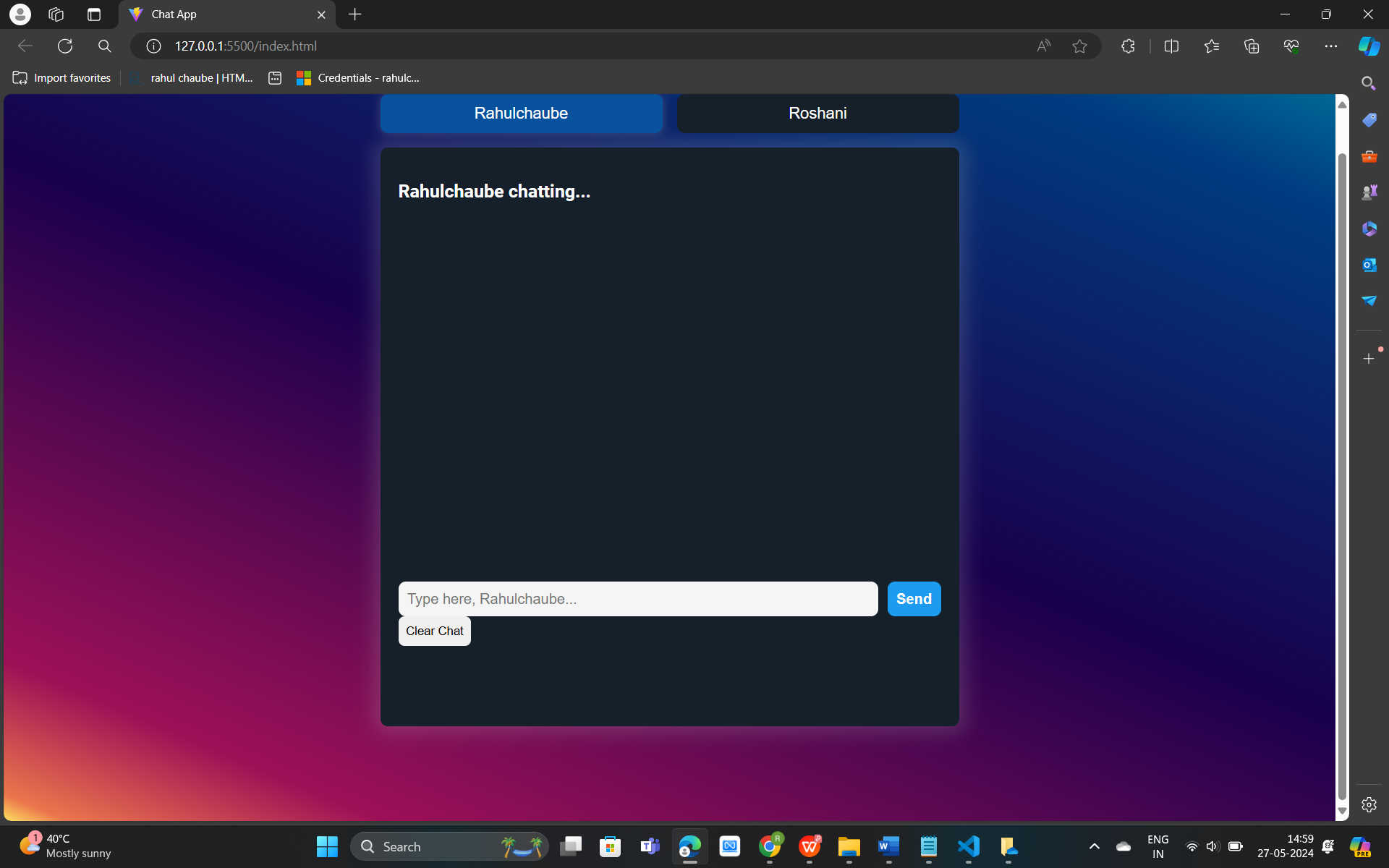
chat with peoples
-
-
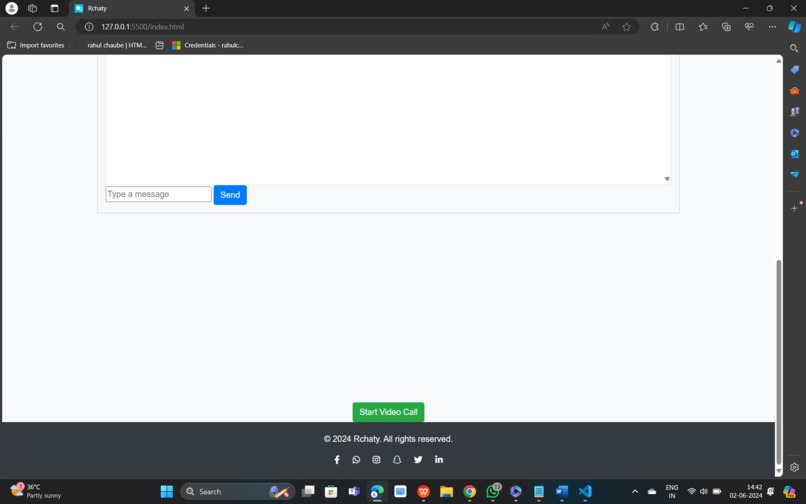
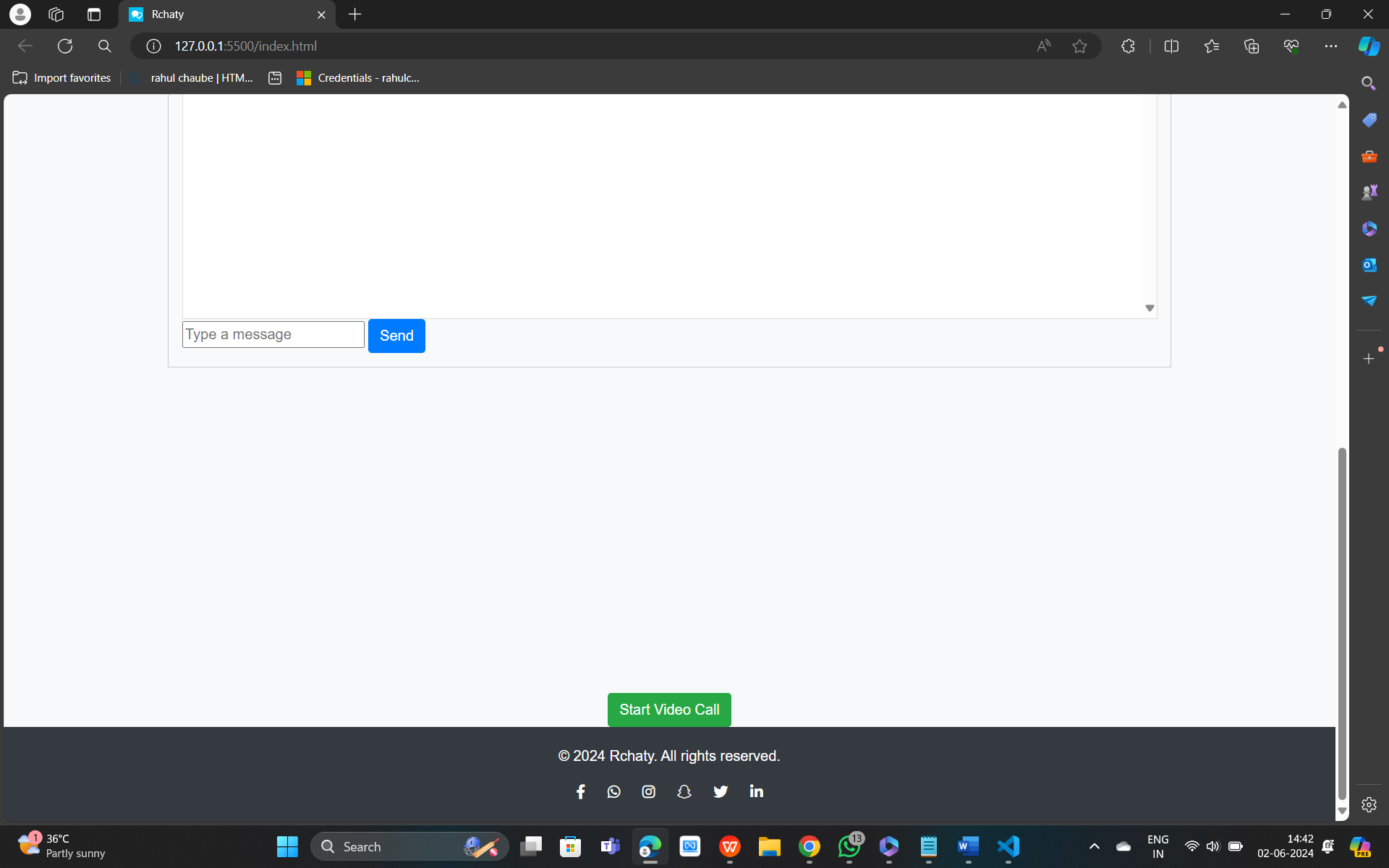
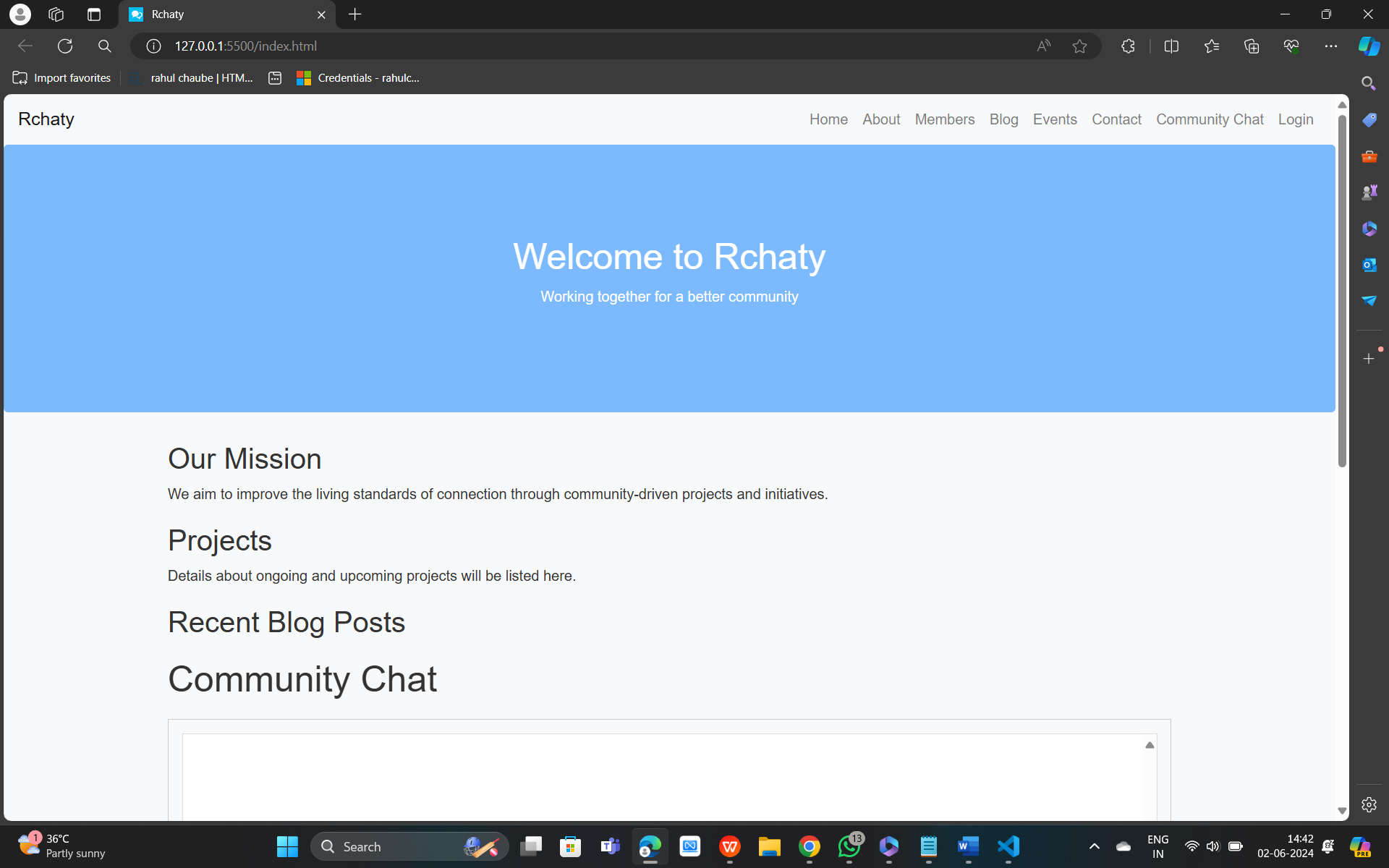
interface of Rchaty
-
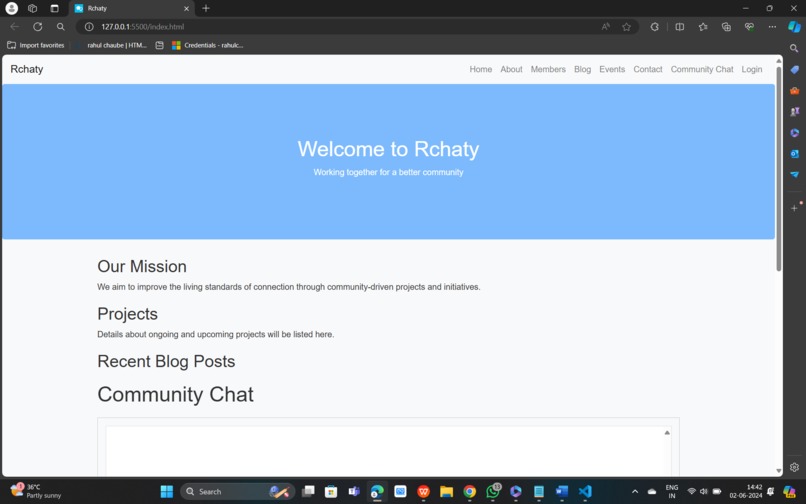
all in one
Inspiration
What it does
How we built it
Challenges we ran into
Accomplishments that we're proud of
What we learned
What's next for Rchaty
Sure! Here’s a detailed write-up in Markdown format about the inspiration, learning, development process, and challenges faced while building the "Rchaty" application.
Building "Rchaty": An All-in-One Social Media Application
Inspiration
The idea for "Rchaty" was inspired by the growing need for a unified communication platform. With so many social media and communication applications available, users often find themselves switching between multiple apps to stay connected with friends, family, and colleagues. By integrating the key features of popular applications like Instagram, Facebook, WhatsApp, LinkedIn, Snapchat, and Spotify into one platform, "Rchaty" aims to provide a seamless and efficient communication experience.
What I Learned
Building "Rchaty" was an enriching learning experience. Here are some key takeaways:
Full-Stack Development: I gained a deeper understanding of full-stack development, from setting up a backend server with Node.js and Express to building a dynamic frontend with React.
Authentication and Authorization: Implementing user registration, login, and JWT-based authentication was a valuable exercise in securing web applications.
Real-Time Communication: Using Socket.io to implement real-time chat functionality taught me how to handle WebSocket connections and manage real-time data updates.
Database Management: Working with MongoDB and Mongoose reinforced my knowledge of NoSQL databases and how to model data for user management and messaging.
Styling and UX: Creating a user-friendly and visually appealing interface using CSS and integrating Font Awesome icons enhanced my design skills.
How I Built the Project
1. Project Setup
- Backend: Initialized a Node.js project and installed necessary dependencies such as Express, Mongoose, Bcrypt, JSON Web Token, and Socket.io.
- Frontend: Created a React application and set up the project structure with components for authentication and chat functionalities.
2. Backend Development
- User Model: Designed a Mongoose schema for user data, including fields for username, email, and password.
- Authentication: Implemented registration and login routes with password hashing using Bcrypt and token-based authentication with JWT.
- Socket.io Integration: Set up a Socket.io server to handle real-time messaging, enabling users to send and receive messages instantly.
3. Frontend Development
- React Components: Built React components for user registration, login, and chat functionalities.
- State Management: Managed user state and token storage using React hooks.
- Styling: Applied CSS for layout and design, ensuring a responsive and attractive user interface.
- Icons and Social Media Links: Integrated Font Awesome for social media icons to enhance the visual appeal and provide easy access to external social media profiles.
4. Connecting Frontend and Backend
- API Integration: Connected the React frontend to the Express backend using Axios for HTTP requests.
- Real-Time Communication: Established WebSocket connections with Socket.io to enable real-time chat functionality.
Challenges Faced
1. Real-Time Updates
Implementing real-time messaging with Socket.io was challenging. Ensuring that messages were broadcasted and received correctly by all connected clients required careful management of WebSocket connections and message events.
2. Authentication Security
Securing the authentication process with JWT and Bcrypt presented several challenges, such as handling token expiration and securely storing hashed passwords. Ensuring that the authentication flow was both secure and user-friendly required meticulous testing and validation.
3. UI/UX Design
Creating a cohesive and attractive user interface that integrates multiple features from various social media platforms was challenging. Balancing functionality with simplicity and ensuring a responsive design for different devices required iterative design and feedback.
Conclusion
Building "Rchaty" was a rewarding project that combined multiple aspects of web development, from backend server setup to frontend design and real-time communication. This project not only enhanced my technical skills but also provided insights into the complexities of integrating diverse functionalities into a single platform. "Rchaty" represents a step towards more unified and efficient communication in the digital age.

Log in or sign up for Devpost to join the conversation.