-
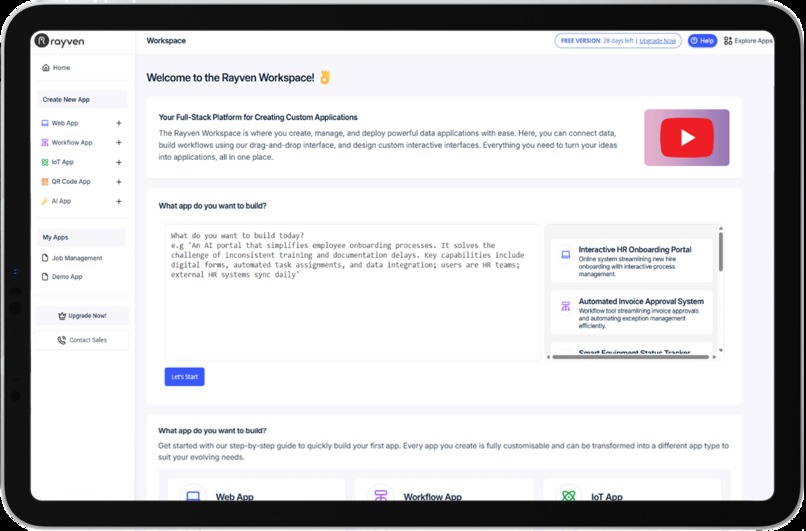
Build through prompts, drag-and-drop, templates, and code
-
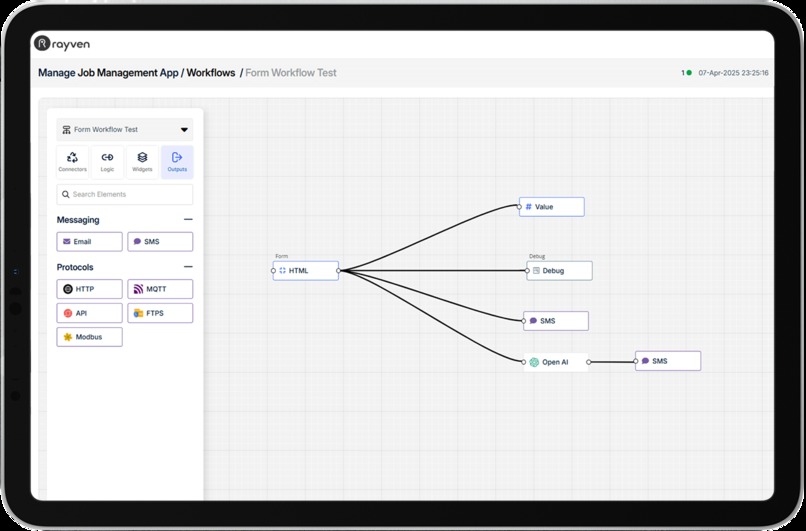
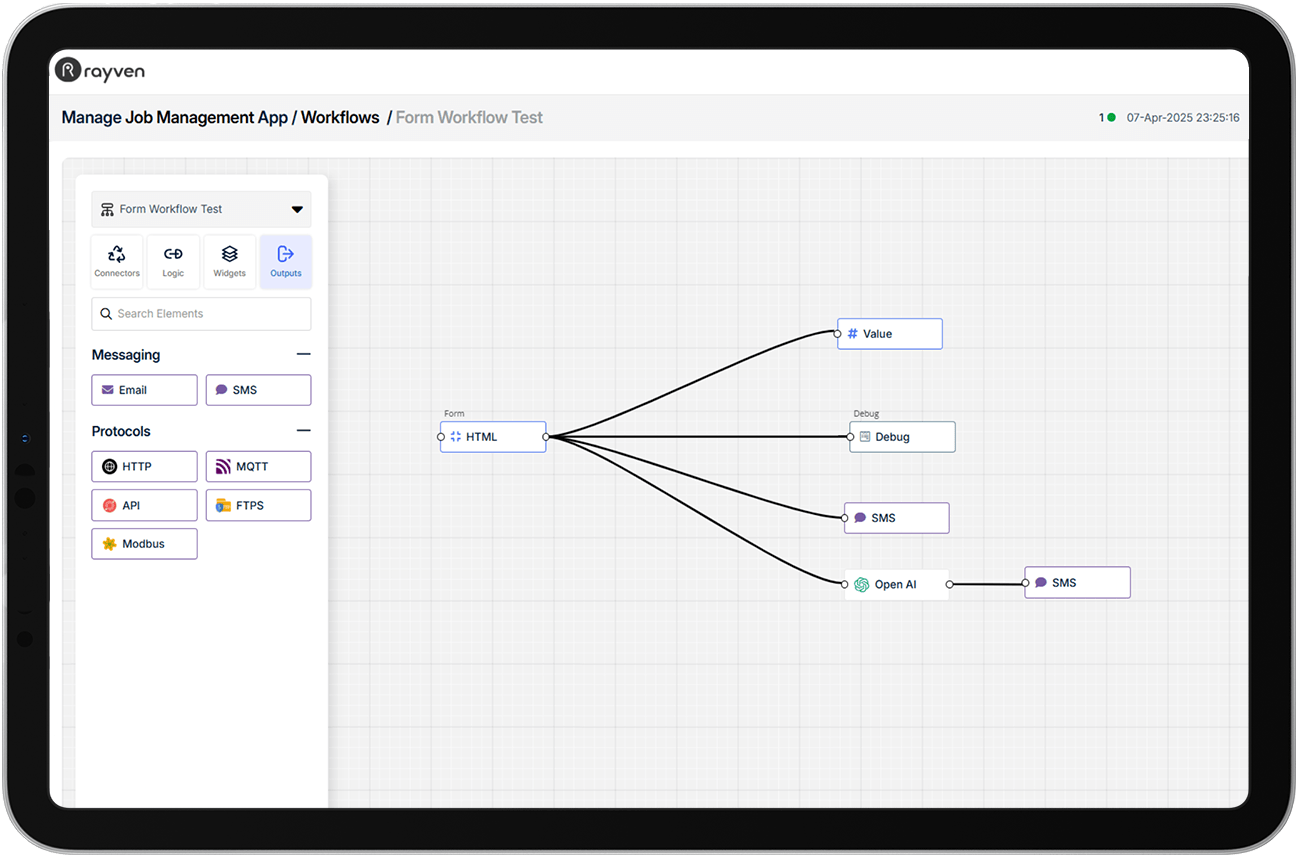
Easily configure data sources, logic, automations, and more.
-
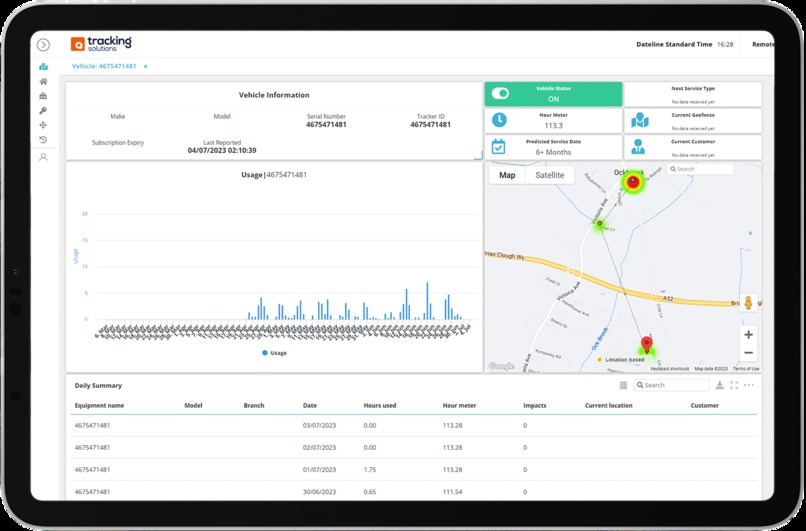
Combine external data sources and real-time.
-
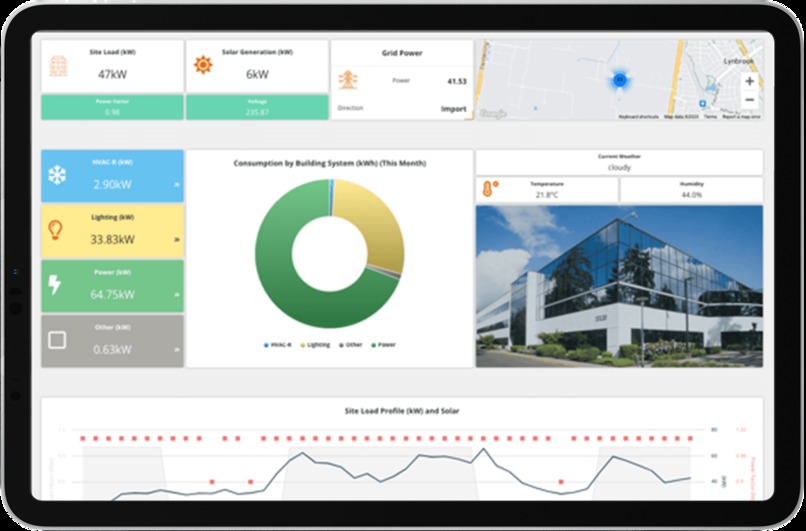
Utilise Machine Learning (drag-and-drop) and deliver predictive analytics. Use in workflows.
-
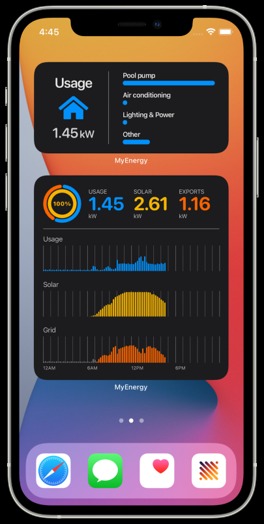
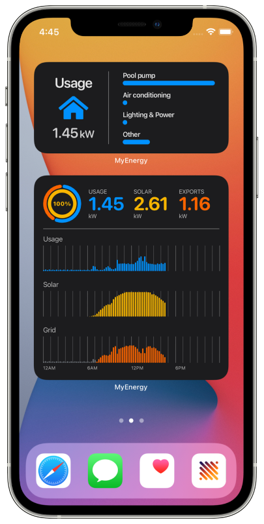
Mobile-optimised.
-
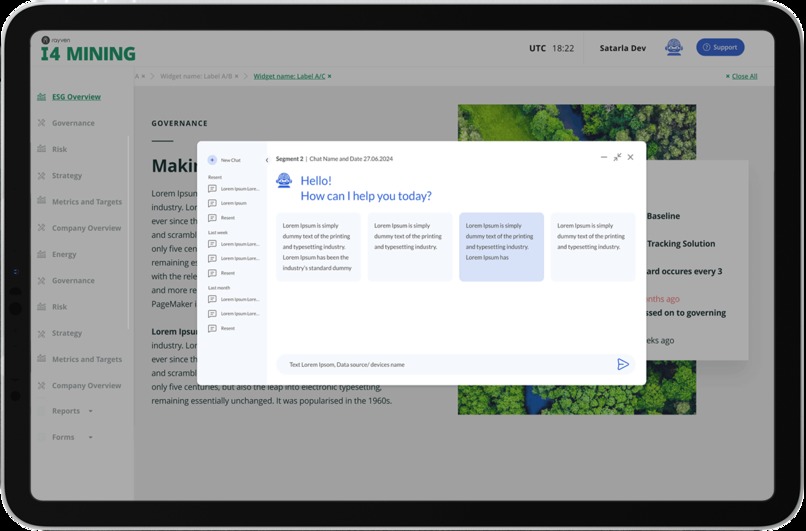
Add GenAI capabilities, train LLMs, and incorporate into apps and decision-making.
-
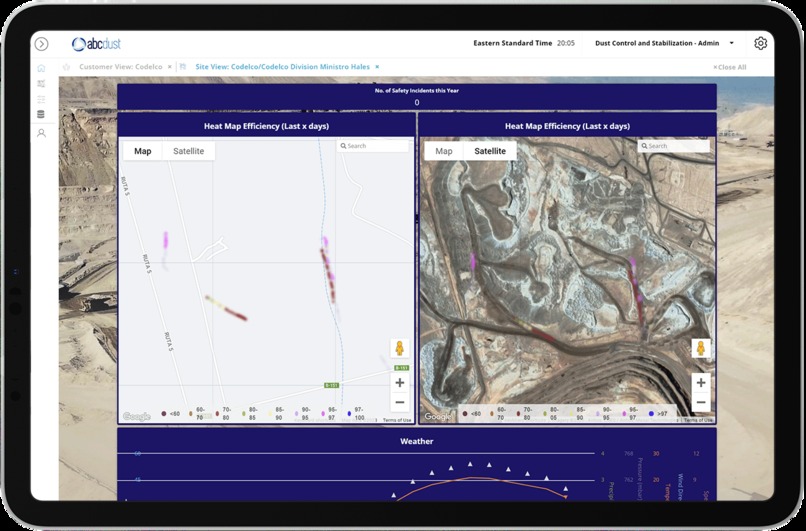
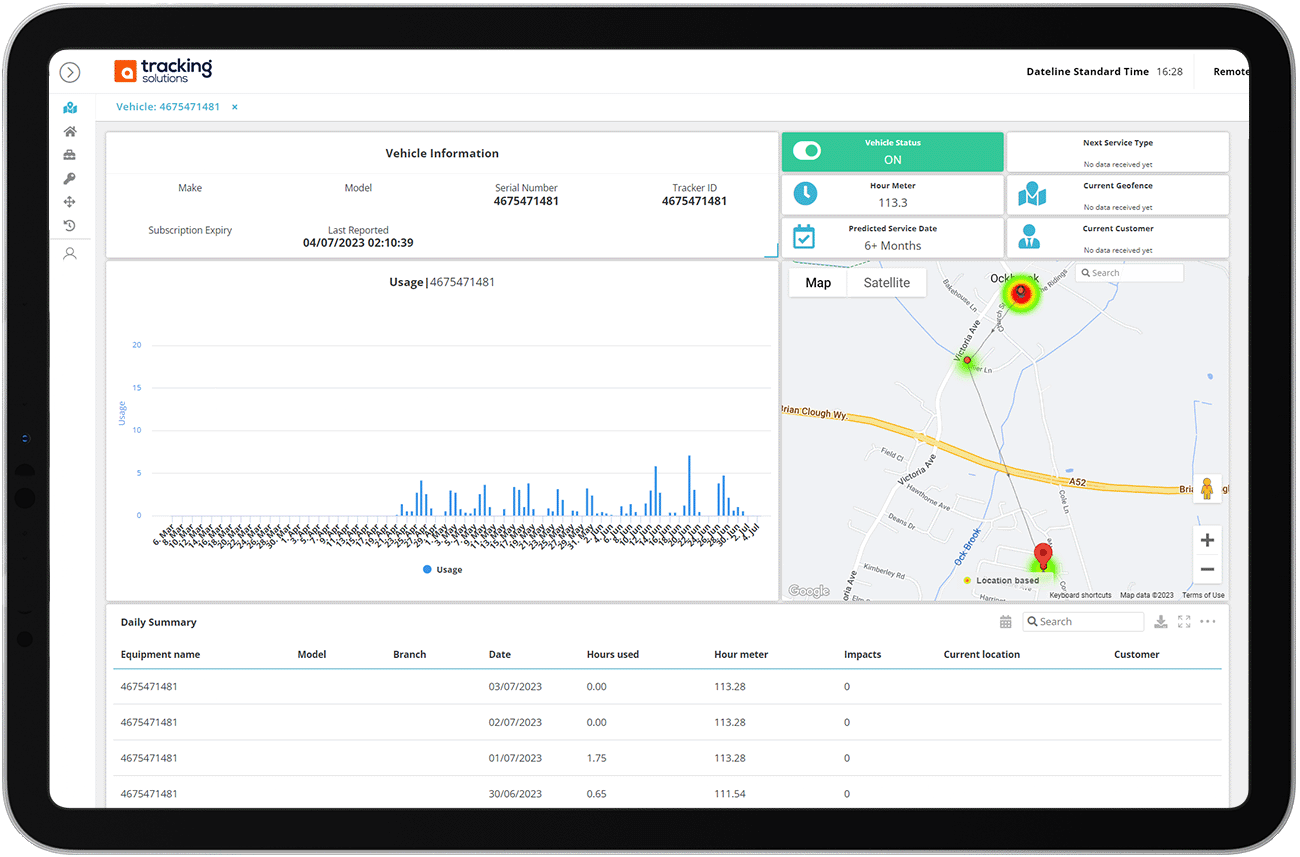
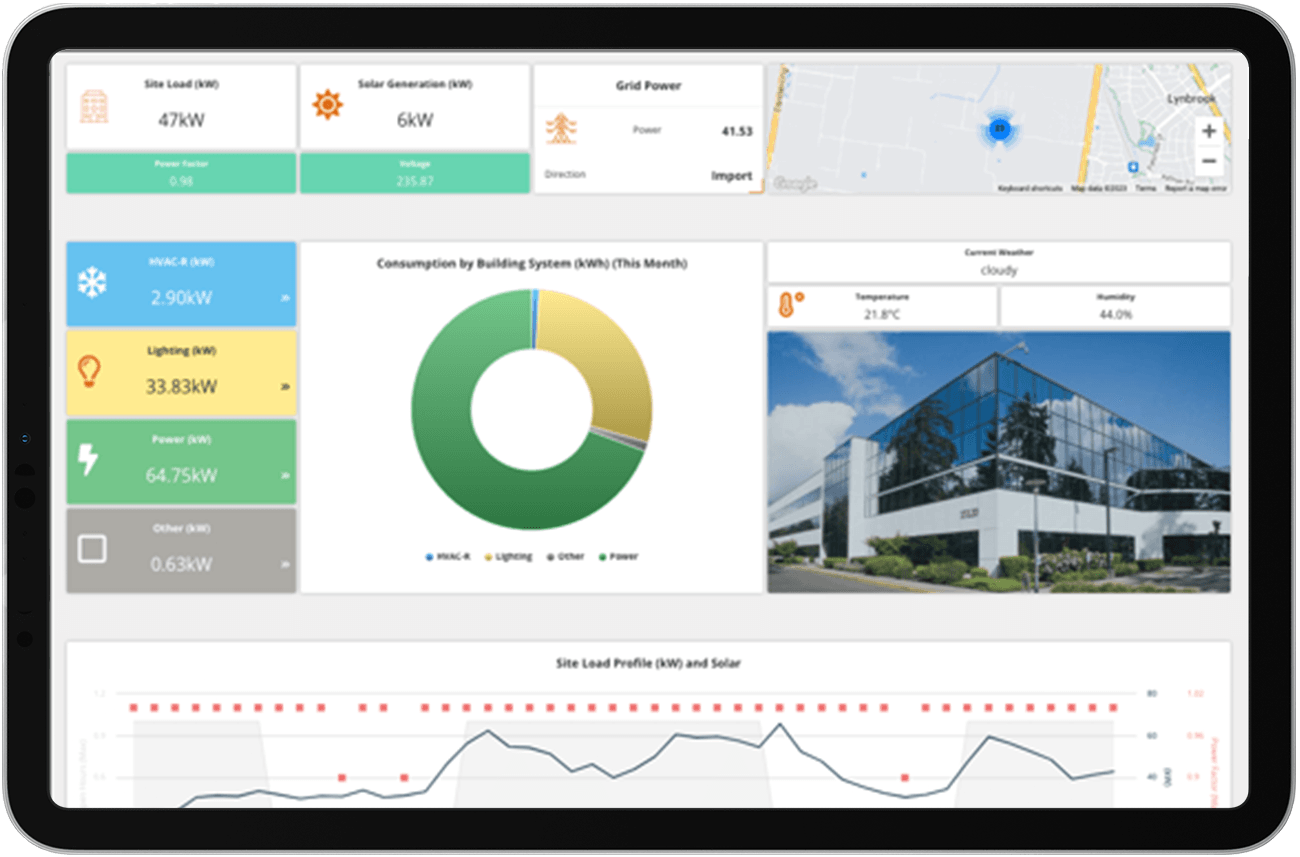
Build brilliant apps using prebuilt widgets.
-
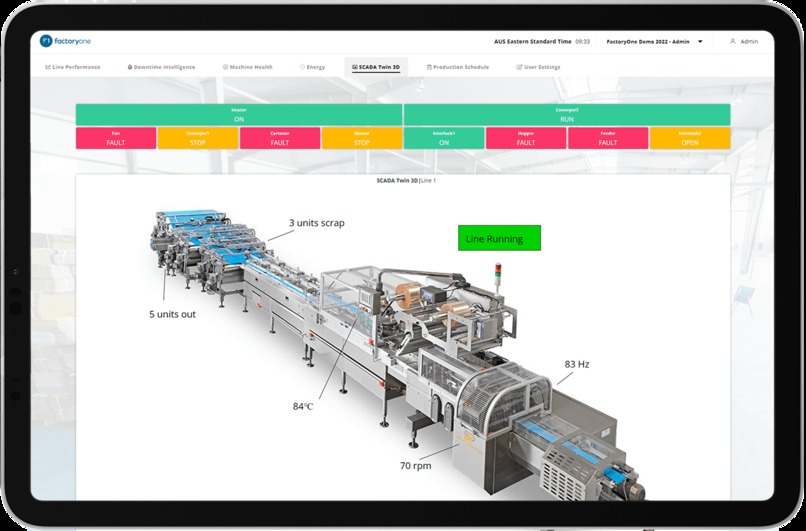
Get micro.
-
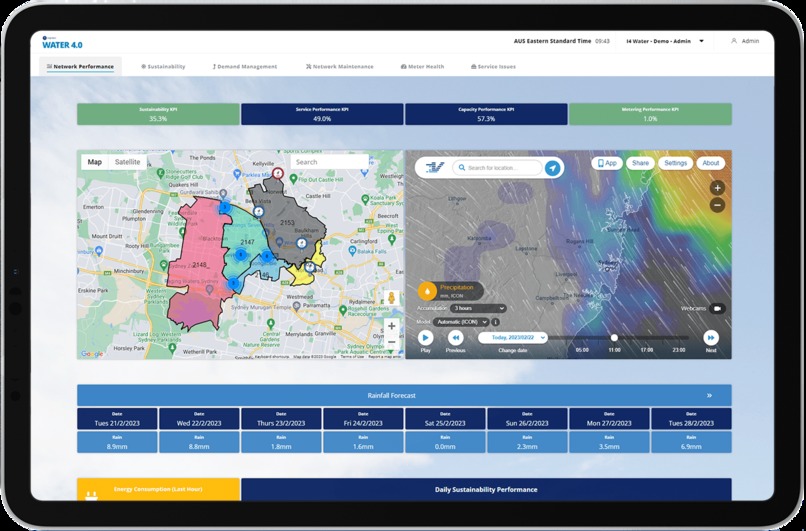
No/Low/Full-Code, all-in-one.
-
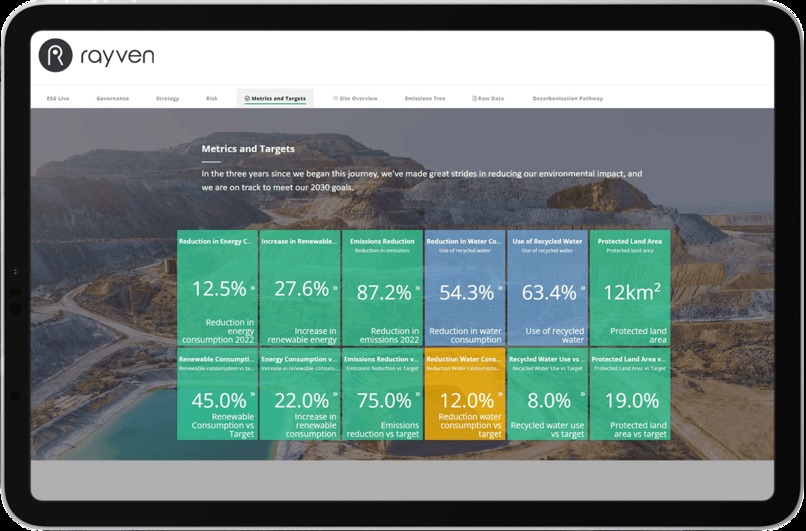
Create the apps you need, faster.
-
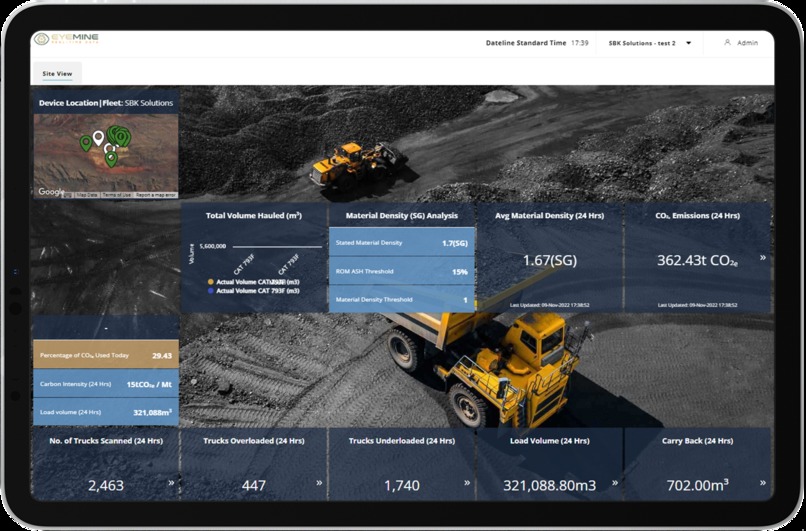
Deliver apps that fit your business and needs, perfectly.
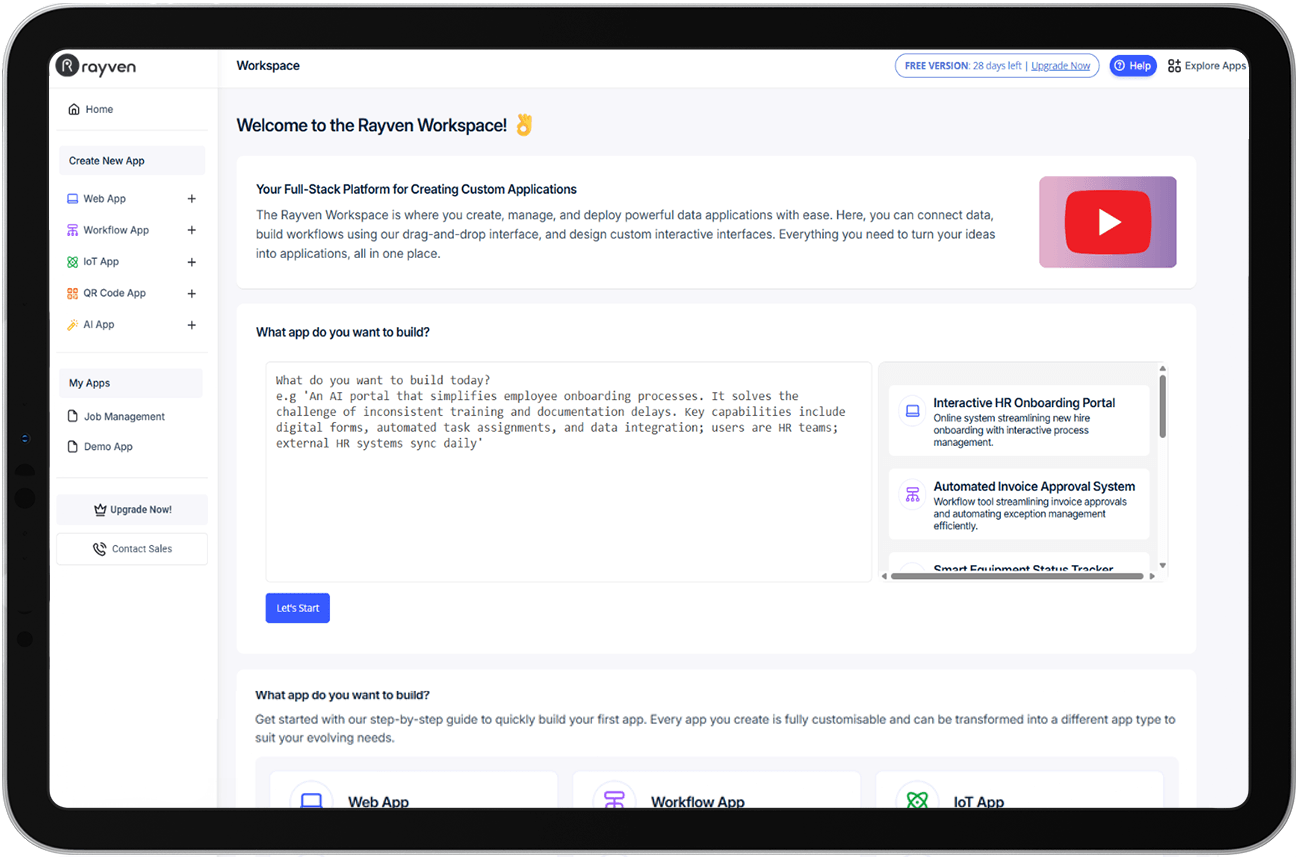
What inspired Rayven
The idea came from watching the same problem play out across dozens of organisations. They had data. They had systems. They had operational knowledge built over years. But none of it was connected, none of it was clean + none of it was structured in a way that AI could actually run on.
The statistic that stuck: 95% of AI projects never ship. Not because the AI is bad. Because the data underneath it is fragmented, stale + siloed. Businesses were spending months - sometimes years - on data engineering and integration work before they could even start building what they actually wanted.
We wanted to build the foundation that solved that problem once, rather than solving it differently for every project.
How we built it
Rayven is a five-layer unified platform built on a node-based workflow engine. Every workflow is a left-to-right graph of nodes - connectors, logic, AI, and frontend - each passing a JSON payload downstream.
The integration layer connects 600+ systems bidirectionally in real time - REST APIs, MQTT, OPC UA, Modbus, BACnet, EtherNet/IP, S3, SQL databases, cloud applications, file feeds, and more. Industrial protocols that most integration platforms won't touch.
The data layer uses a dual-storage architecture: MySQL for structured relational data (Primary and Secondary Tables) and Apache Cassandra for time-series workflow data. Data is structured and AI-ready from ingestion - not as a post-processing step.
The execution layer runs node-based automation, predictive AI, agentic AI + MCP server connectivity, allowing models like Claude and GPT to connect directly to live operational data and take actions.
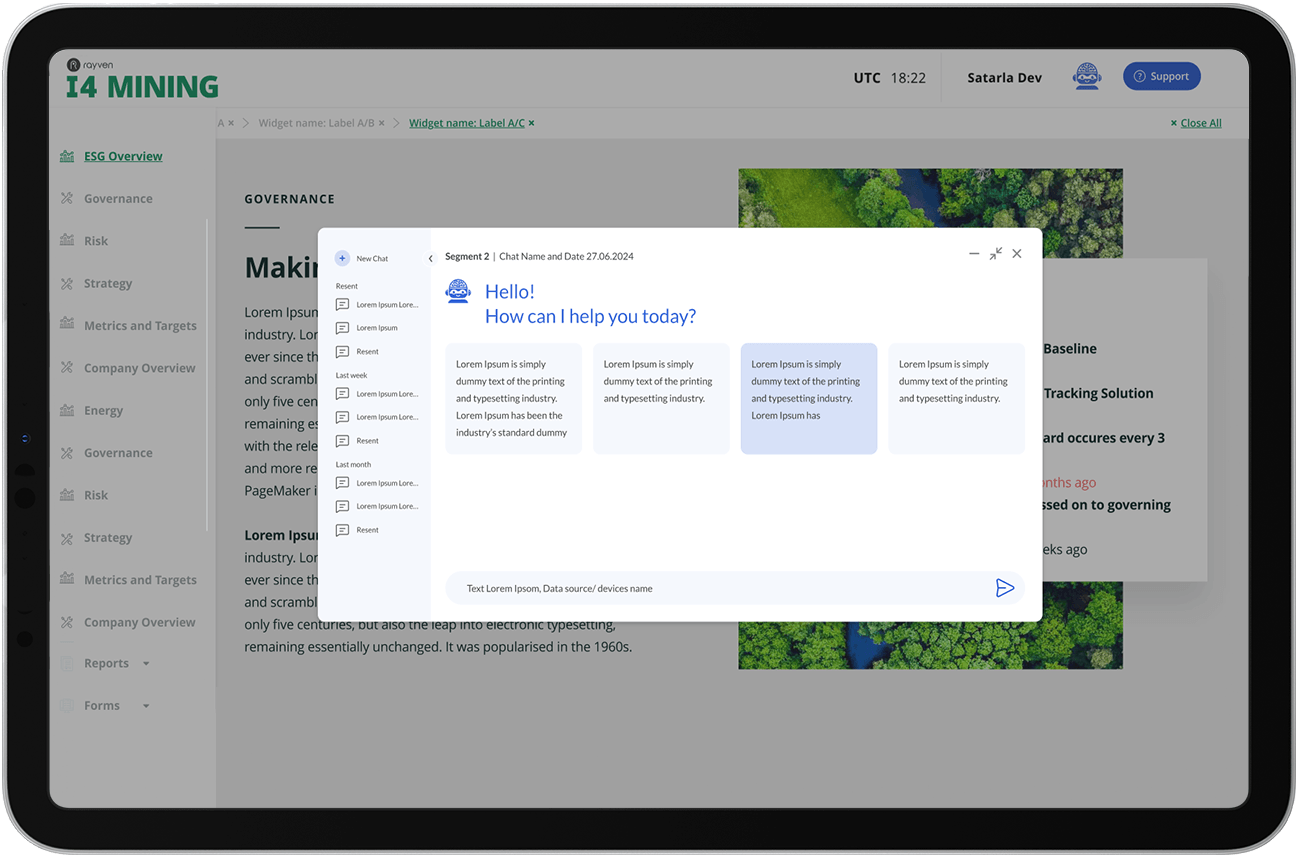
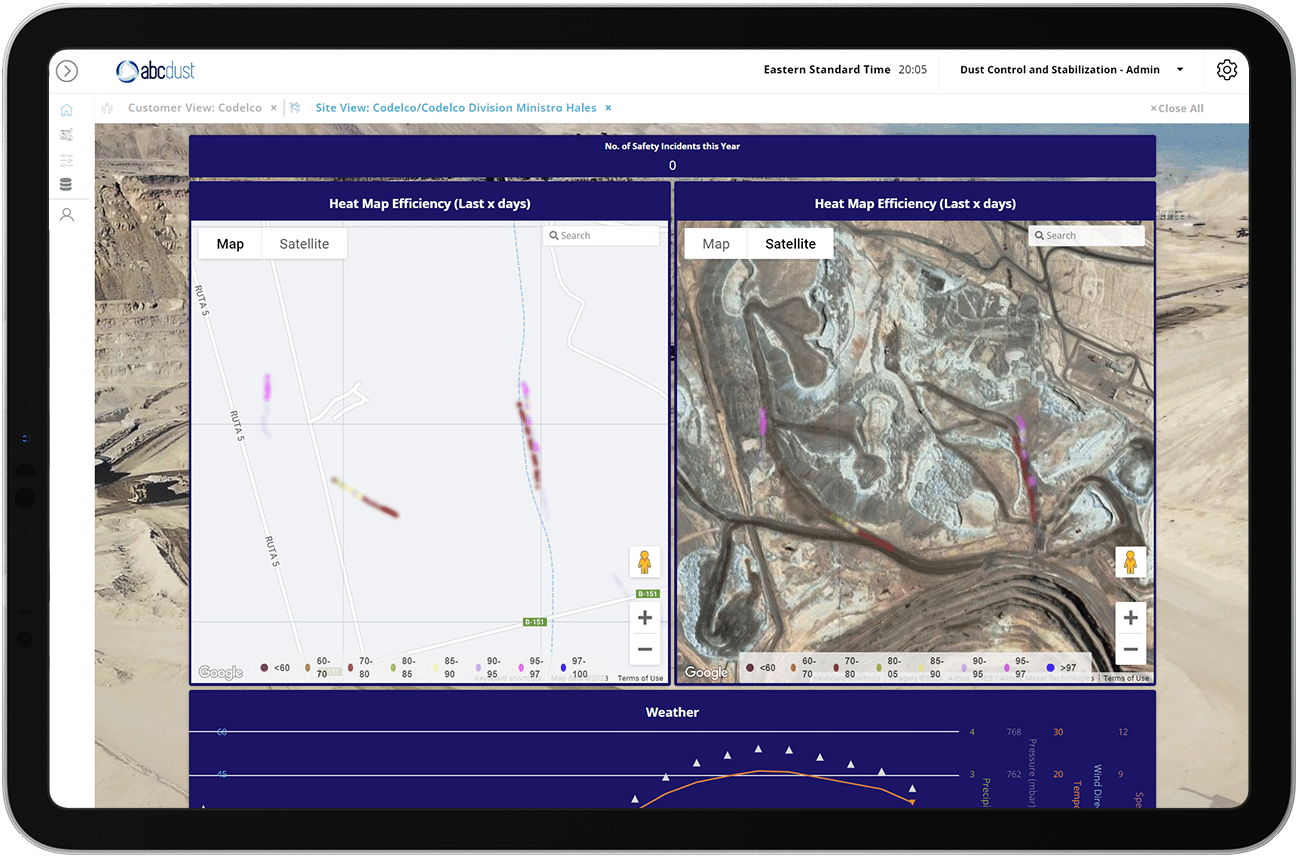
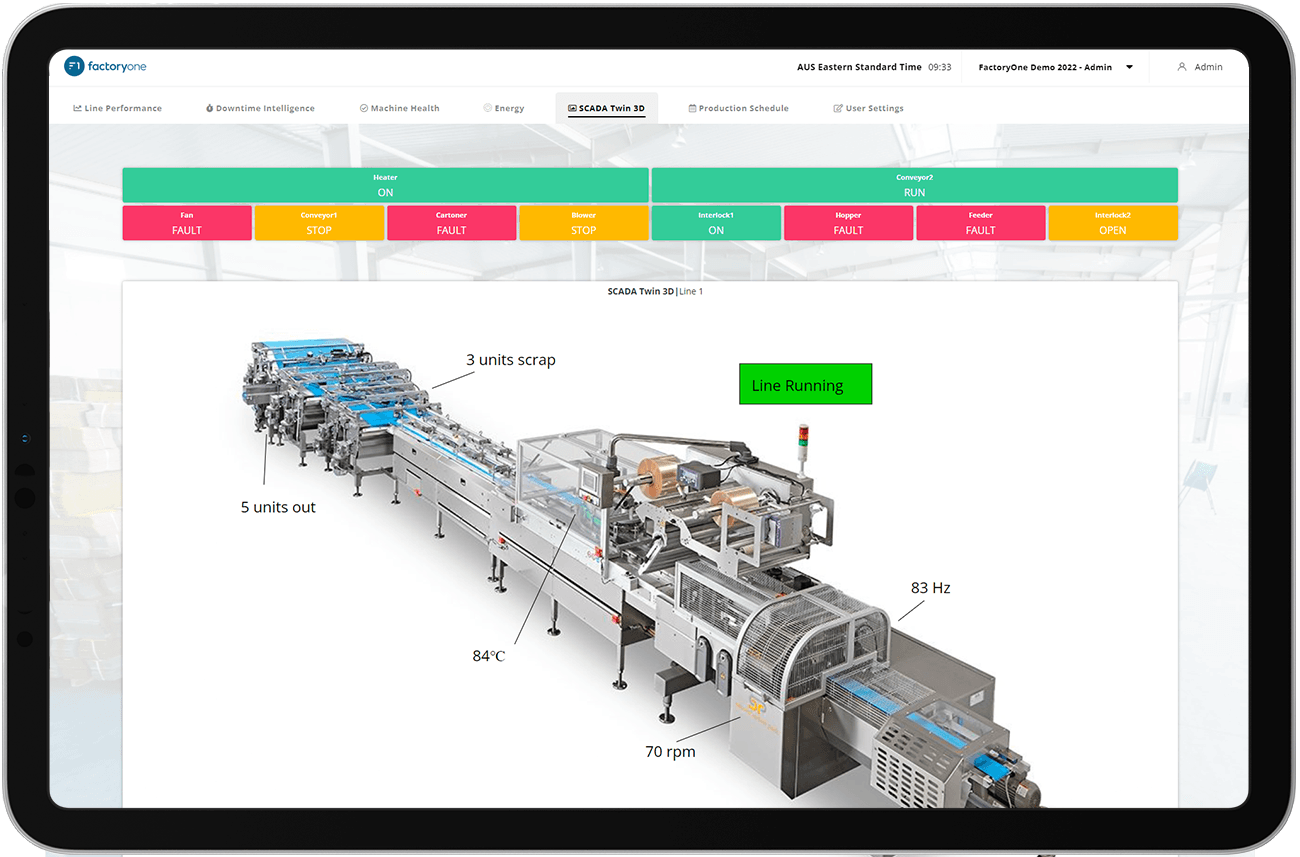
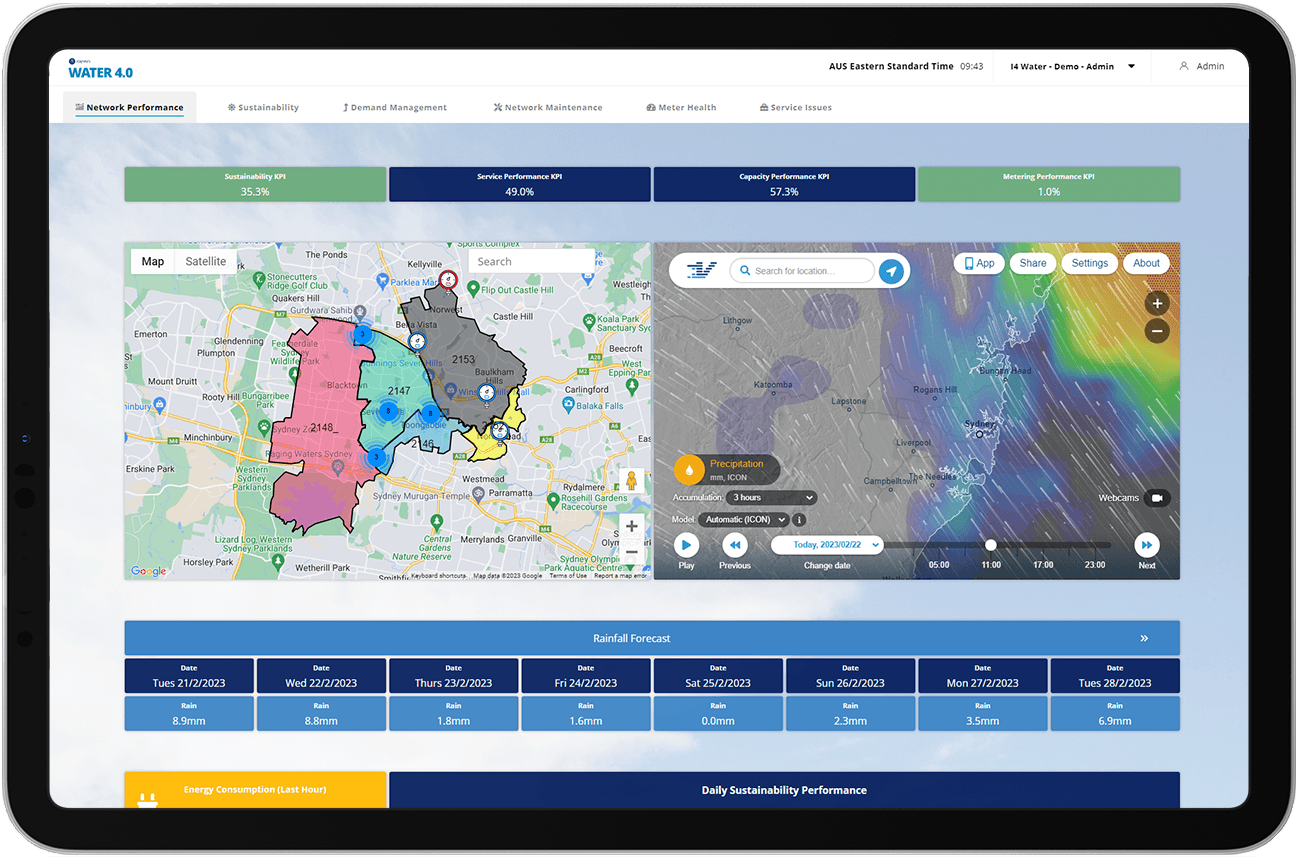
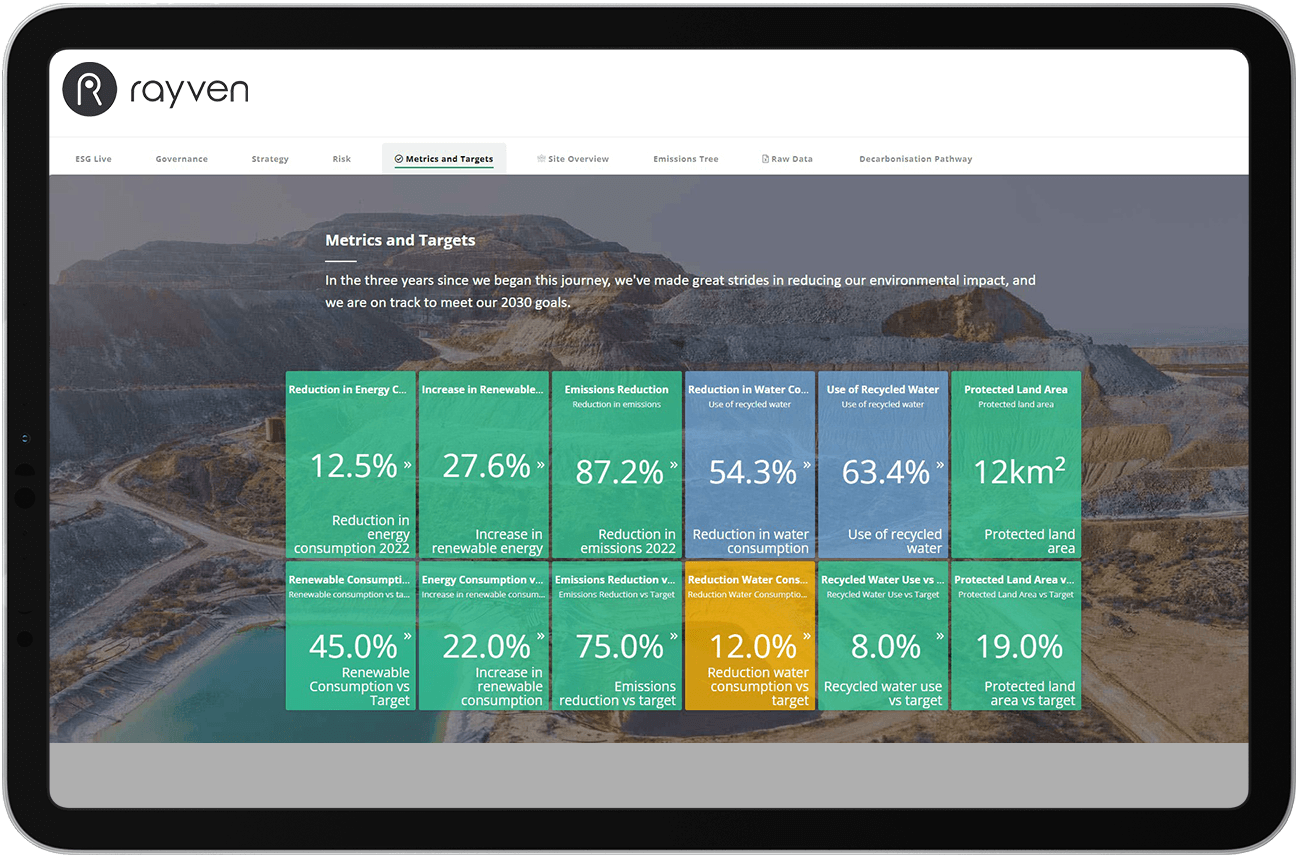
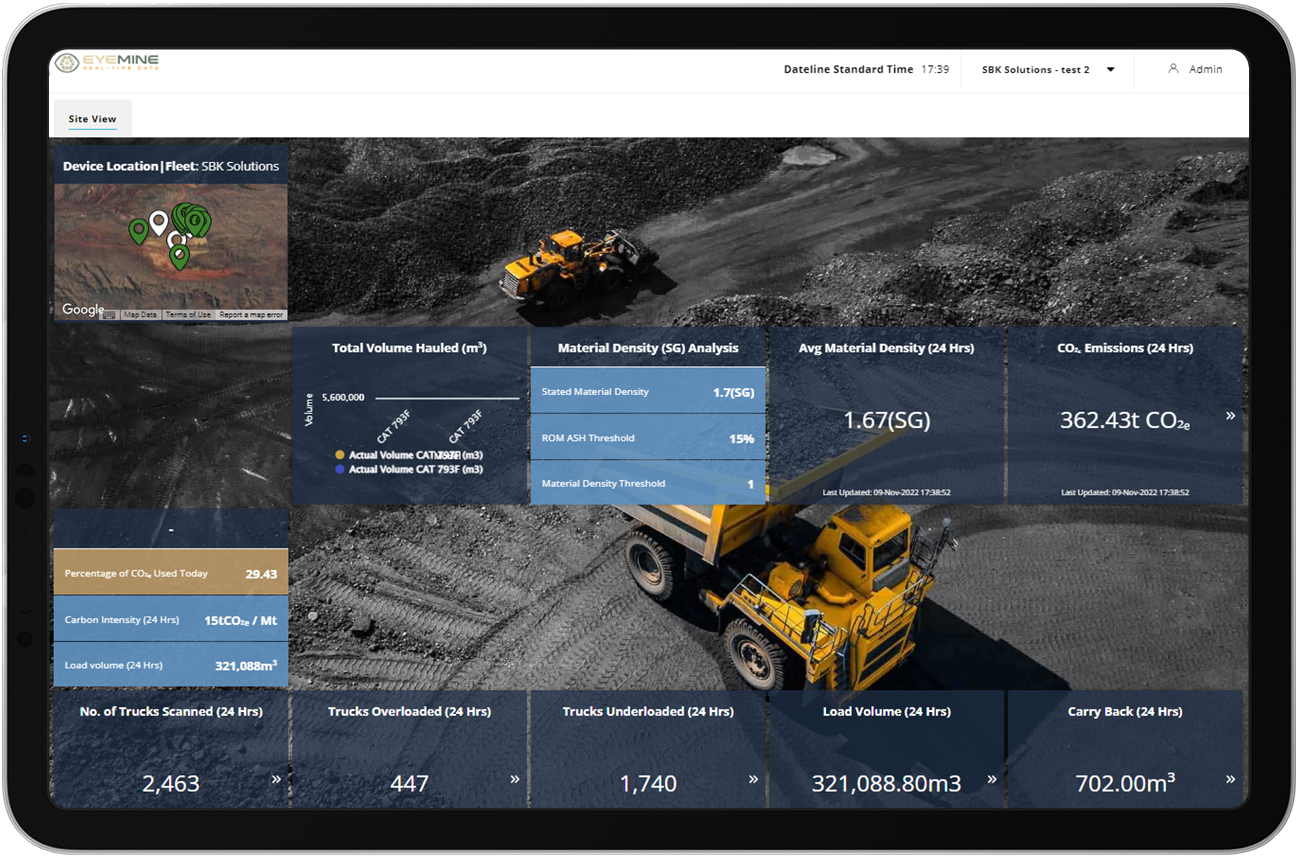
The presentation layer lets teams build custom applications, dashboards, portals, mobile apps, and conversational interfaces with drag-and-drop builders or custom JavaScript and HTML.
Security + governance is built in from day one: enterprise access control, encryption, audit logging, data residency options, and air-gapped deployment capability.
Challenges
Connecting the unconnectable
Industrial systems - PLCs, SCADA, legacy OT infrastructure - were never designed to talk to modern software. Getting bidirectional, real-time connectivity across OPC UA, Modbus, and proprietary protocols while maintaining data integrity required building a custom connector layer that goes well beyond what standard iPaaS platforms cover.
Real-time vs. batch
Most data platforms process in batches. Rayven was built for real-time from the start - sub-second event triggers, continuous model training on live data, and closed-loop writebacks to physical systems. The architectural trade-offs between throughput, latency, and data consistency at scale were a constant challenge.
Making AI work in production
AI in demos is easy. AI that writes back to a PLC based on sensor data at 3am with no human in the loop is hard. Getting AI execution reliable enough for safety-critical and mission-critical environments meant building human-in-the-loop controls, anomaly detection, and audit logging at the execution layer - not as add-ons.
Abstraction without loss of capability
Building a platform that a non-technical operator can configure with drag-and-drop while also supporting custom JavaScript, Management APIs, and agentic AI patterns requires constant balancing. Too much abstraction and you lose power. Too little and the barrier to entry defeats the purpose.
What we learned
Real AI deployment isn't an AI problem - it's a data infrastructure problem. The fastest path to production AI is investing in the data foundation first. Rayven was built on that principle, and every deployment has validated it.
The other lesson: technology alone isn't enough. The combination of platform and expert delivery team - people who understand both the software and the operational context - is what gets AI from proof of concept to working system in production.
Built With
- ai
- amazon-web-services
- amqp
- api
- azure
- bacnet
- based-on-what's-in-the-reference-files-for-the-rayven-platform:-`javascript
- c++
- cassandra
- css
- ethernet/ip
- ftp
- html
- http
- json
- llm
- lora
- mcp
- mcp-(model-context-protocol)`-anything-to-add-or-swap-out-?-specific-cloud-providers
- modbus
- mqtt
- mysql
- opc
- opc-ua
- openai
- other-languages
- python
- rayven
- rest-apis
- snmp
- sql
- udp
- webhooks


Log in or sign up for Devpost to join the conversation.