-
-
Logo
-
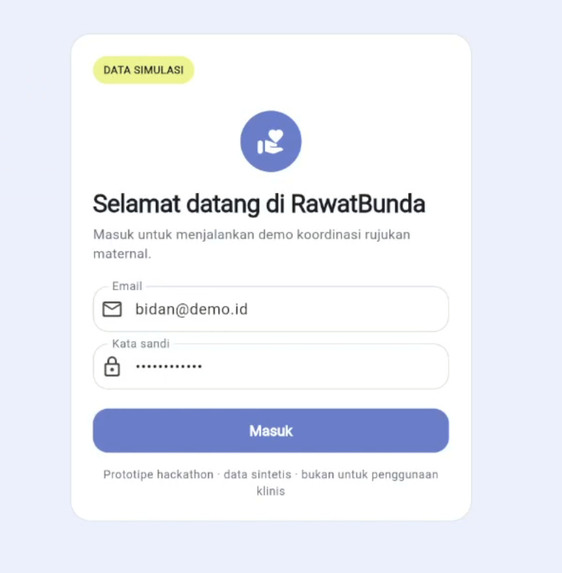
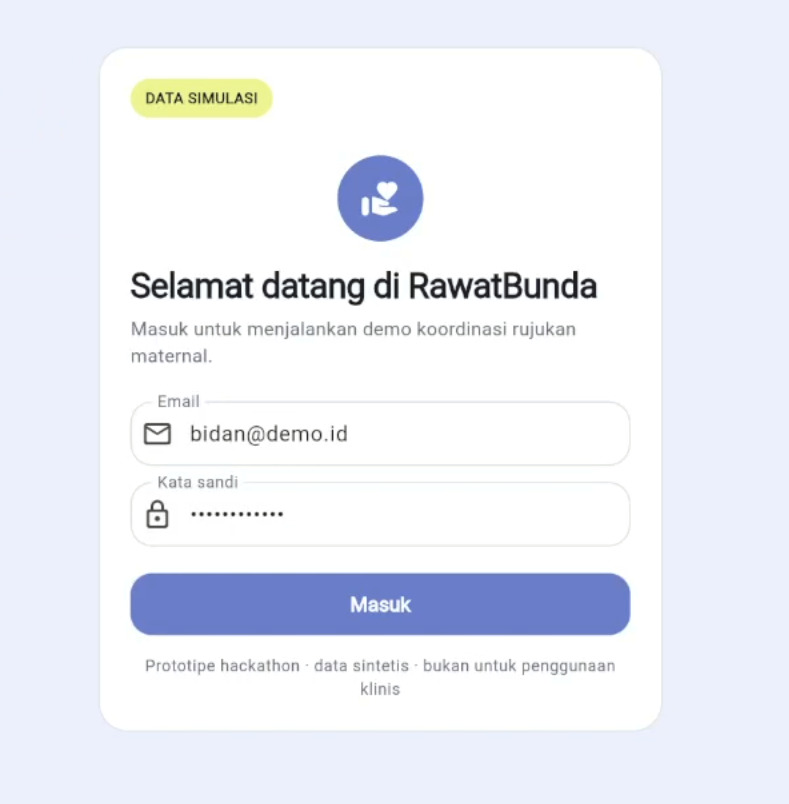
Login Page
-
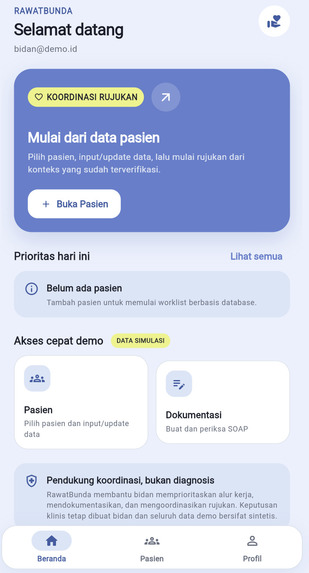
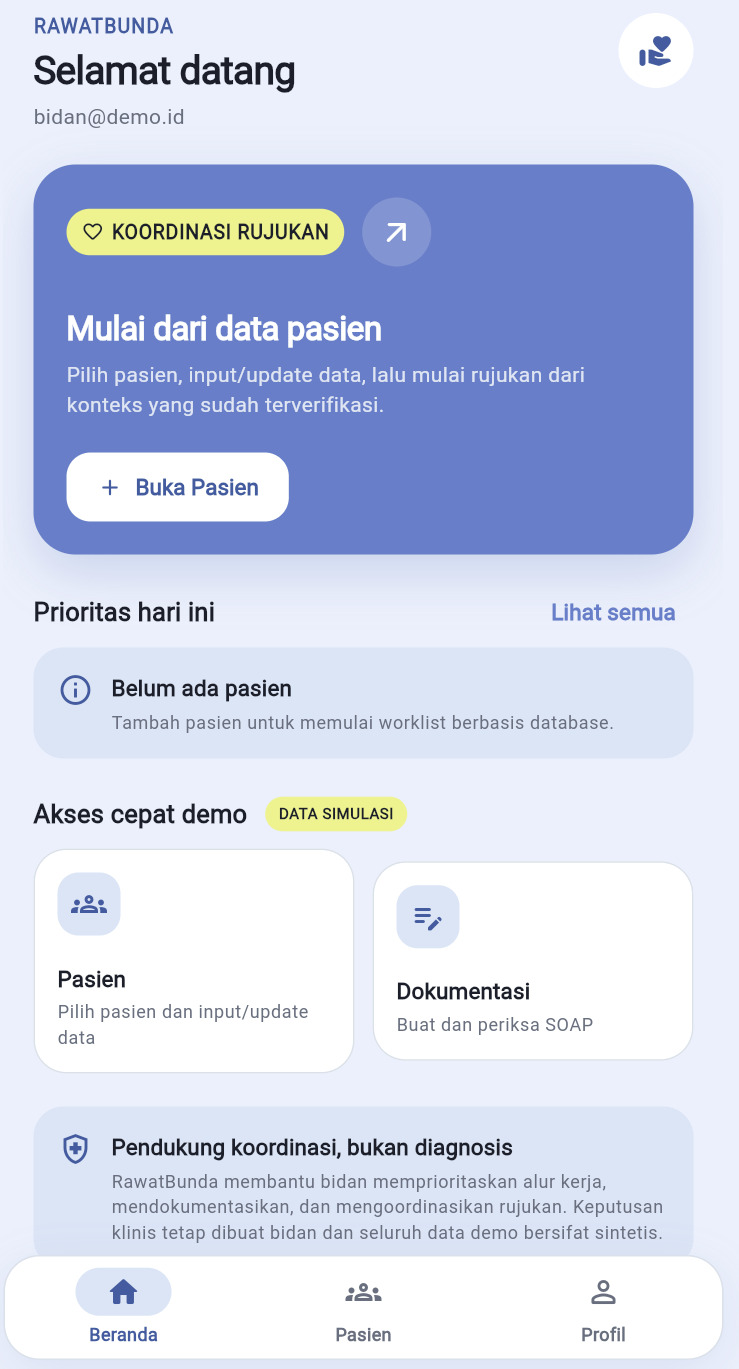
Landing Page
-
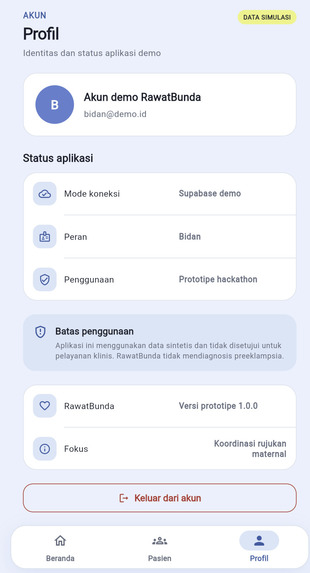
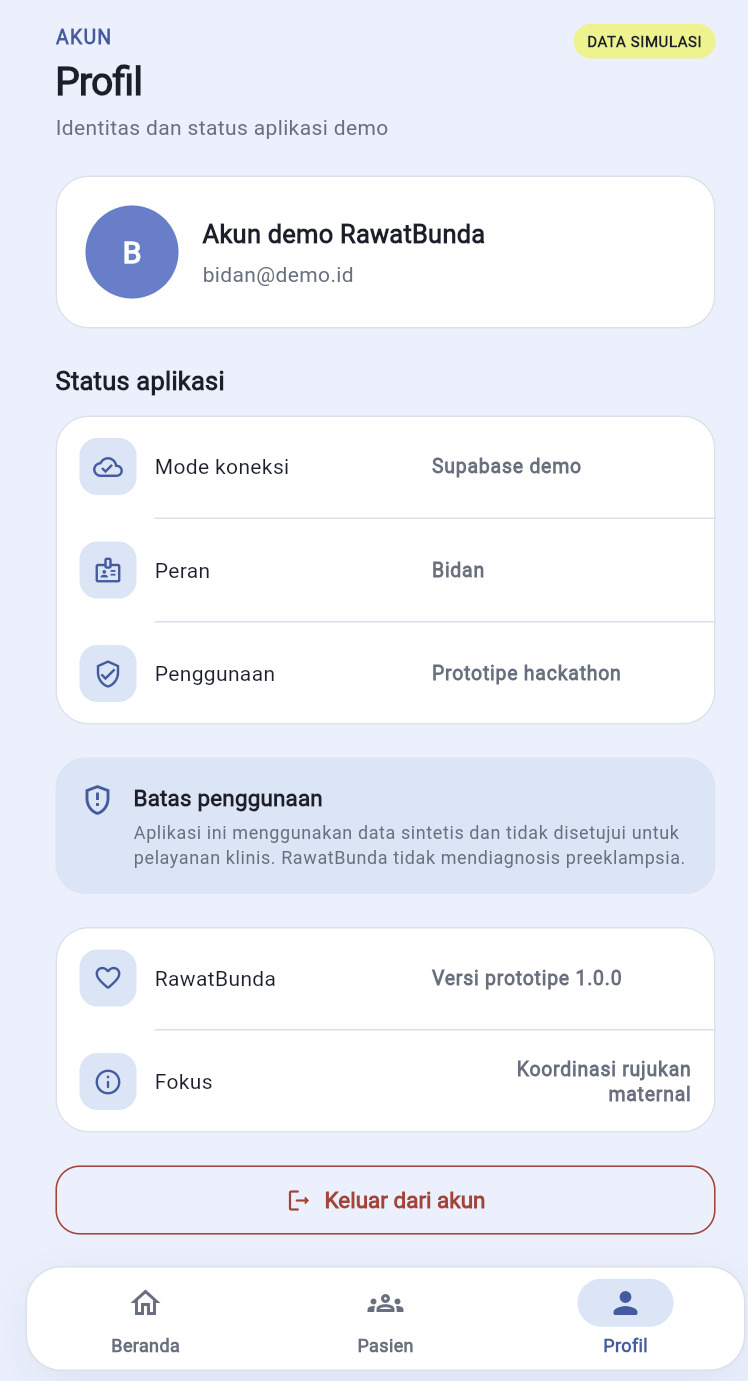
Profile Page
-
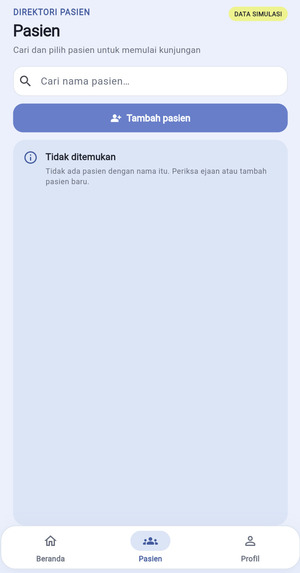
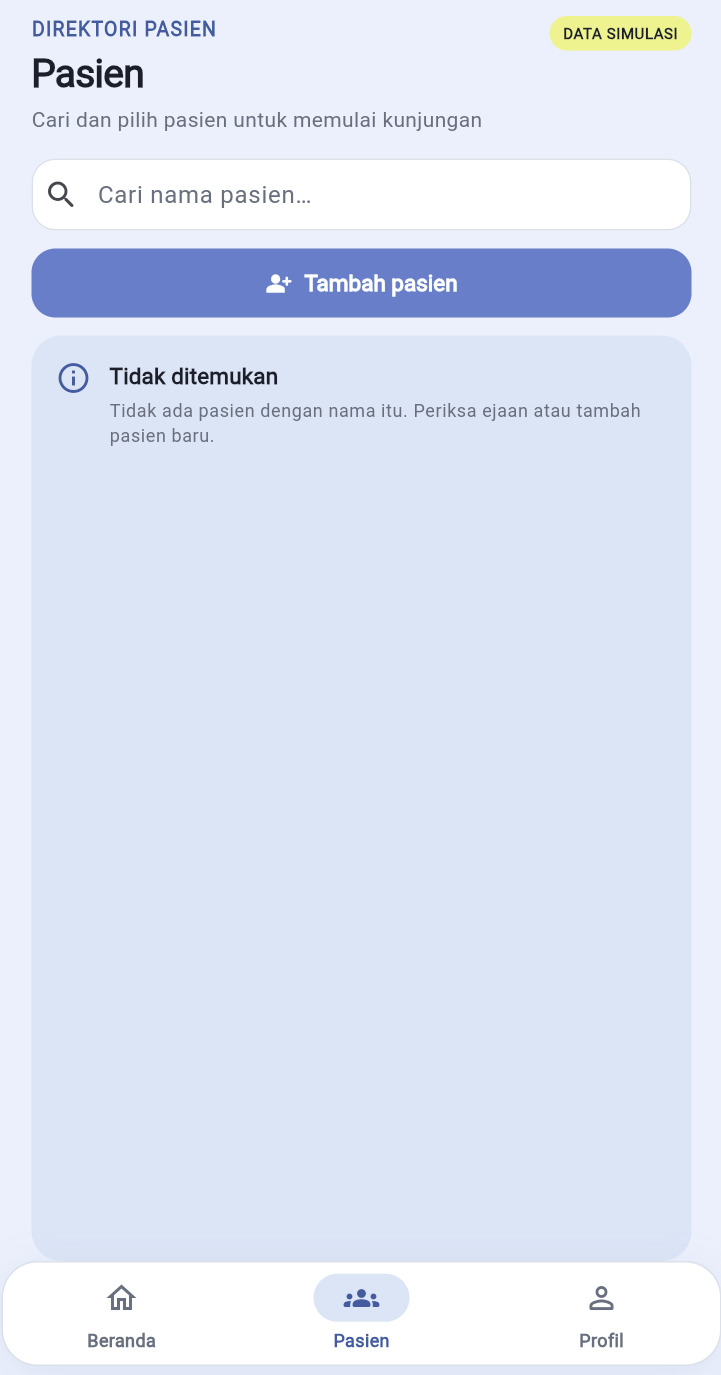
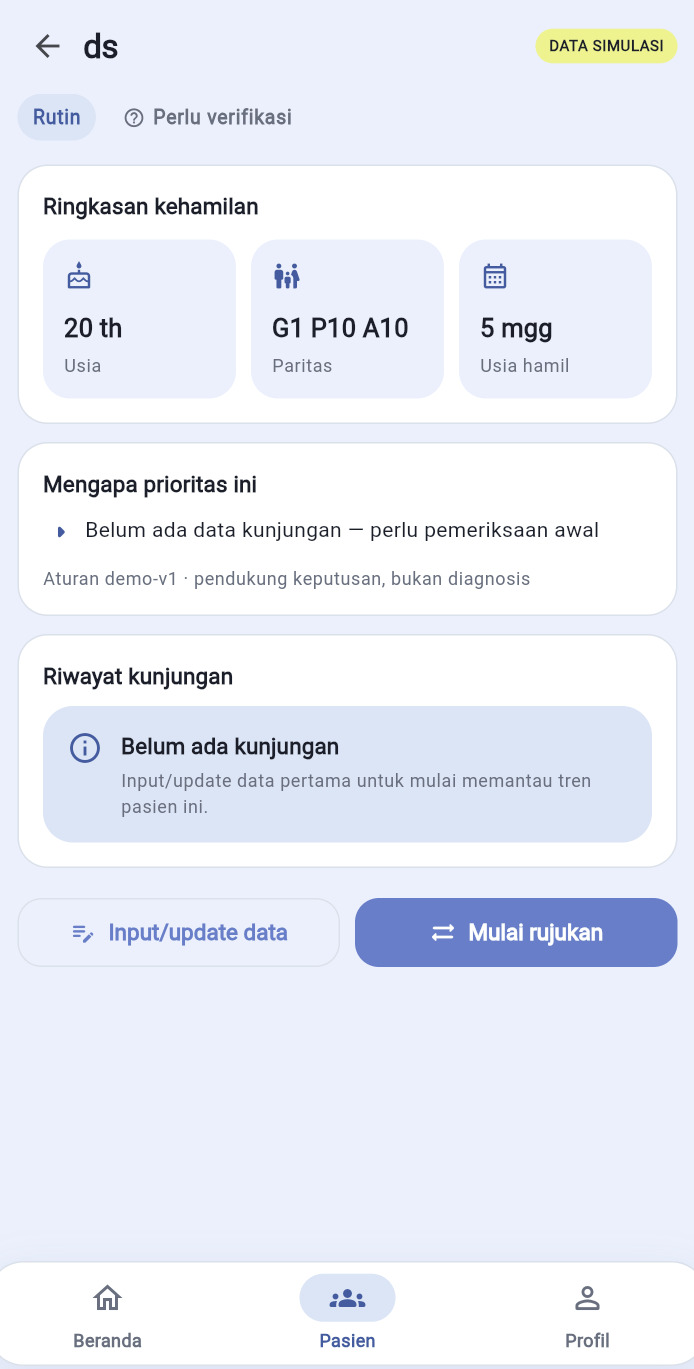
Patient Page
-
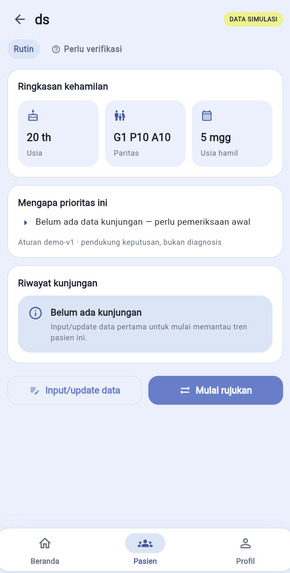
Patient Page 2
-
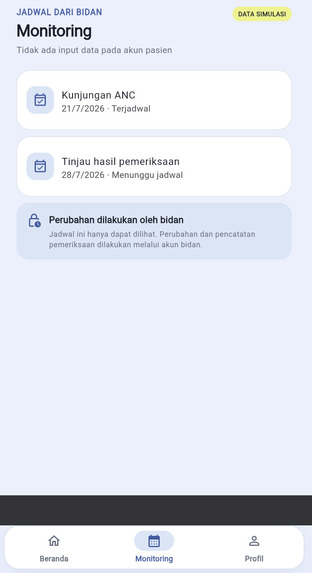
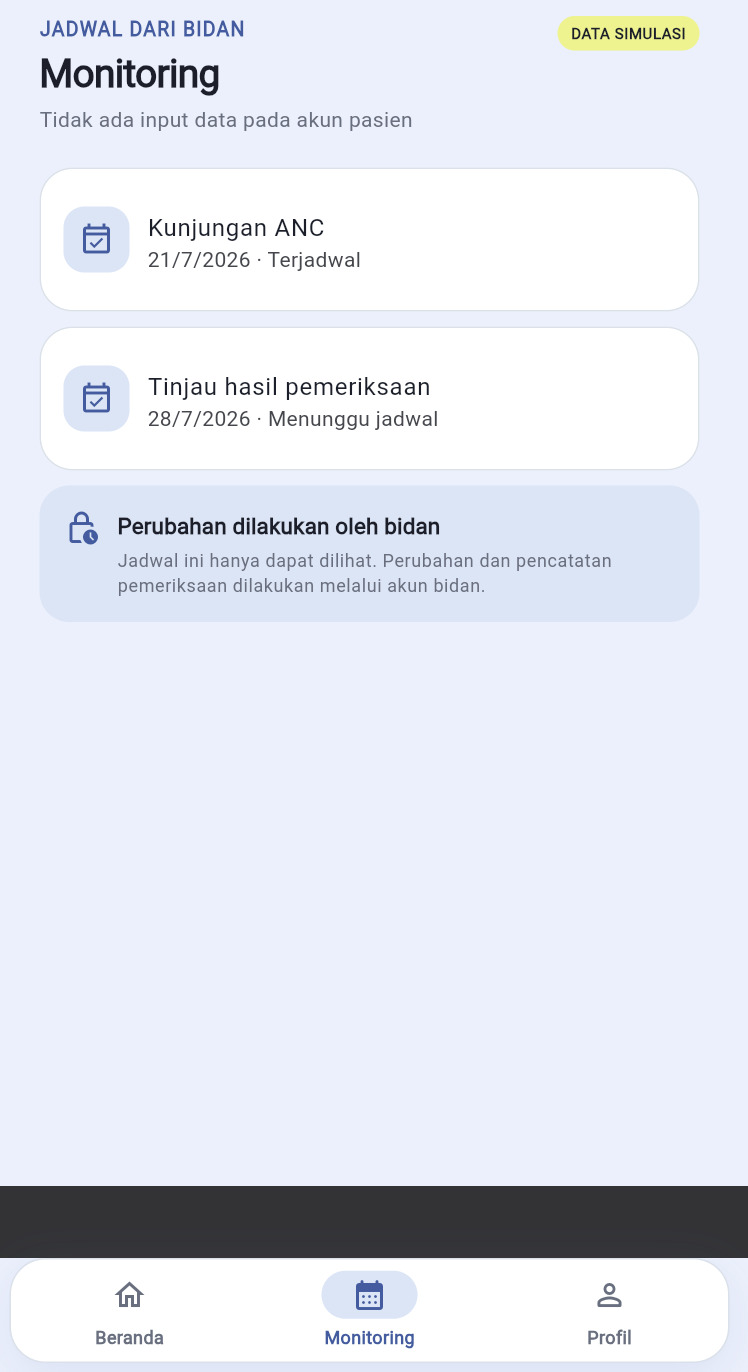
Monitoring Page
Inspiration
RawatBunda was inspired by a simple but urgent problem: maternal health risks are often recognized too late, while midwives must work with limited time, fragmented information, and manual documentation. We wanted to create a system that helps healthcare workers capture clinical information faster, identify high-risk pregnancies earlier, and coordinate referrals more effectively without removing human judgment from the process.
What it does
RawatBunda is an integrated maternal health platform that helps midwives document examinations, identify pregnancy risks, prioritize patients, and coordinate referrals more efficiently. It combines AI-assisted documentation with human clinical verification, ensuring that technology supports healthcare professionals without replacing their judgment.
AI-Assisted SOAP Documentation: Converts clinical conversations into transcripts, structured health data, and draft SOAP notes, reducing manual documentation time.
Human Verified Risk Classification: Allows midwives to review and correct the generated data before the machine learning model classifies maternal risk and calculates a priority score.
Smart Patient Prioritization: Automatically organizes patients based on urgency, helping midwives quickly identify cases that may require immediate attention.
Capability Based Facility Matching: Recommends referral facilities based on the patient’s clinical needs and the healthcare services available.
Real Time Referral and Patient Monitoring: Stores patient history, risk results, and referral progress securely, with updates synchronized across authorized devices.
How we built it
We built the mobile and web application using Flutter, with Supabase providing authentication, PostgreSQL storage, row-level security, and real-time data updates. Our Python backend acts as a secure boundary between the application, speech-to-text service, machine-learning model, and database. It validates authentication, checks patient access, processes audio into structured clinical drafts, validates confirmed assessments, runs maternal-risk classification, and writes the results to Supabase. We intentionally designed the workflow around human confirmation. Speech-to-text and machine learning provide assistance, but a midwife must verify the clinical information before it becomes part of the patient’s confirmed medical record or affects operational priority.
Challenges we ran into
One of our biggest challenges was connecting several independent components into one reliable workflow. Flutter, Supabase, speech-to-text, and the machine-learning service each had different data formats, security requirements, and failure conditions. We also had to handle incomplete clinical records carefully. Instead of silently replacing missing information with zero or generating an unreliable score, the model can abstain and report that additional data is required. Other challenges included implementing secure patient-level access, keeping data synchronized across devices, managing local backend connectivity during development, and ensuring that model output is validated before being written to the database.
Accomplishments that we're proud of
We are proud that RawatBunda became more than a collection of disconnected prototypes. We built an end-to-end workflow that starts with a clinical conversation and ends with structured, verified, and securely stored information that can support patient prioritization and referral decisions. We also created a clear separation between automated suggestions and clinical decisions. The system preserves the midwife’s role, maintains historical assessment data, protects model and database credentials on the backend, and ensures the frontend reflects trusted database changes rather than temporary local state.
What we learned
We learned that building technology for healthcare is not only about creating an accurate model. The surrounding workflow—data quality, validation, security, traceability, and human oversight—is equally important. We also learned that incomplete data should be treated transparently, especially in high-stakes environments. A system must be able to communicate uncertainty and request additional information instead of producing a confident but potentially misleading result. Most importantly, we learned that AI is most valuable in healthcare when it reduces administrative burden and supports professionals, rather than attempting to replace their expertise.
What's next for RawatBunda
Our next step is to validate and improve the risk-classification model using larger, more representative clinical datasets. We also plan to evaluate calibration, fairness, and clinical usefulness together with maternal-health professionals. On the product side, we want to deploy the backend securely, improve offline support for areas with limited connectivity, strengthen referral coordination between midwives and healthcare facilities, and provide better monitoring of referral status and patient history. In the long term, we envision RawatBunda as a trusted digital companion for maternal care—helping healthcare workers document faster, recognize risks earlier, and connect mothers with the right care at the right time.

Log in or sign up for Devpost to join the conversation.