-
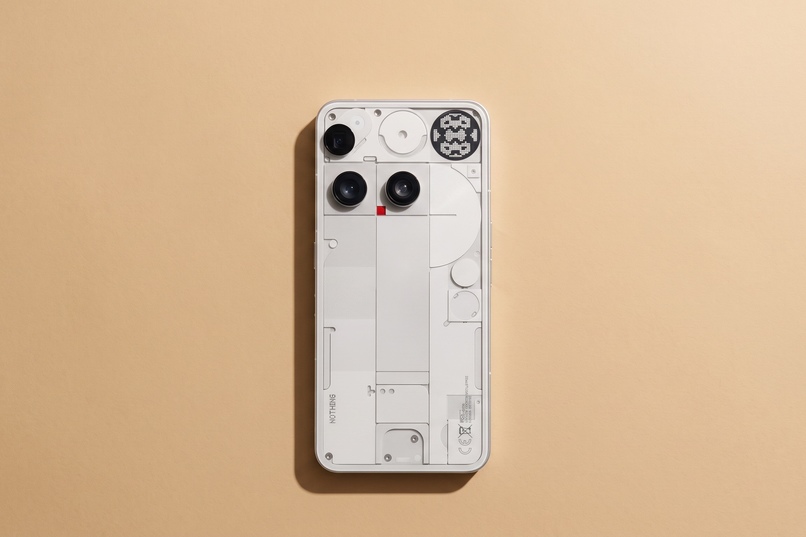
RAW v0. It's not what you can do — it's what you can't.
-
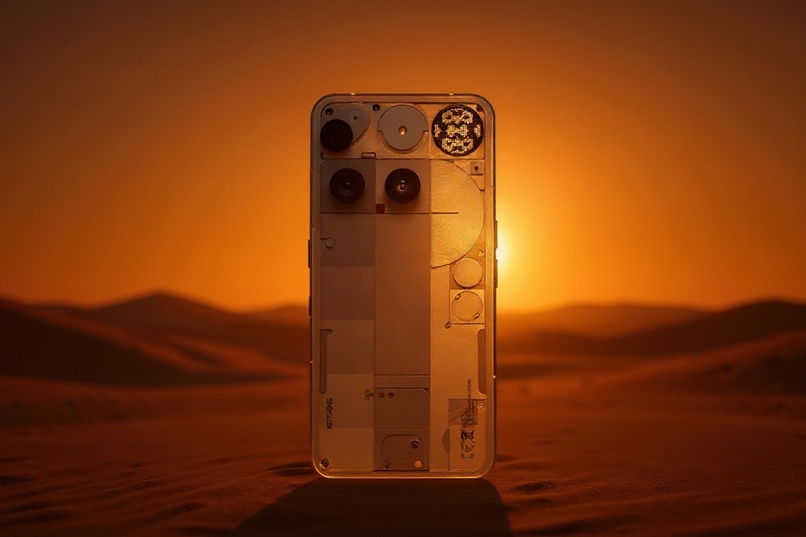
RAW. Against boredom, brainrot, and bloat — building is cool.
-
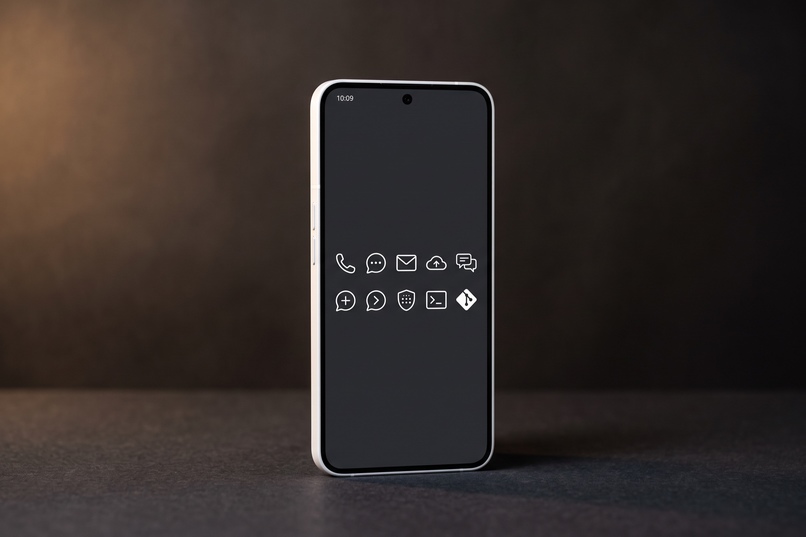
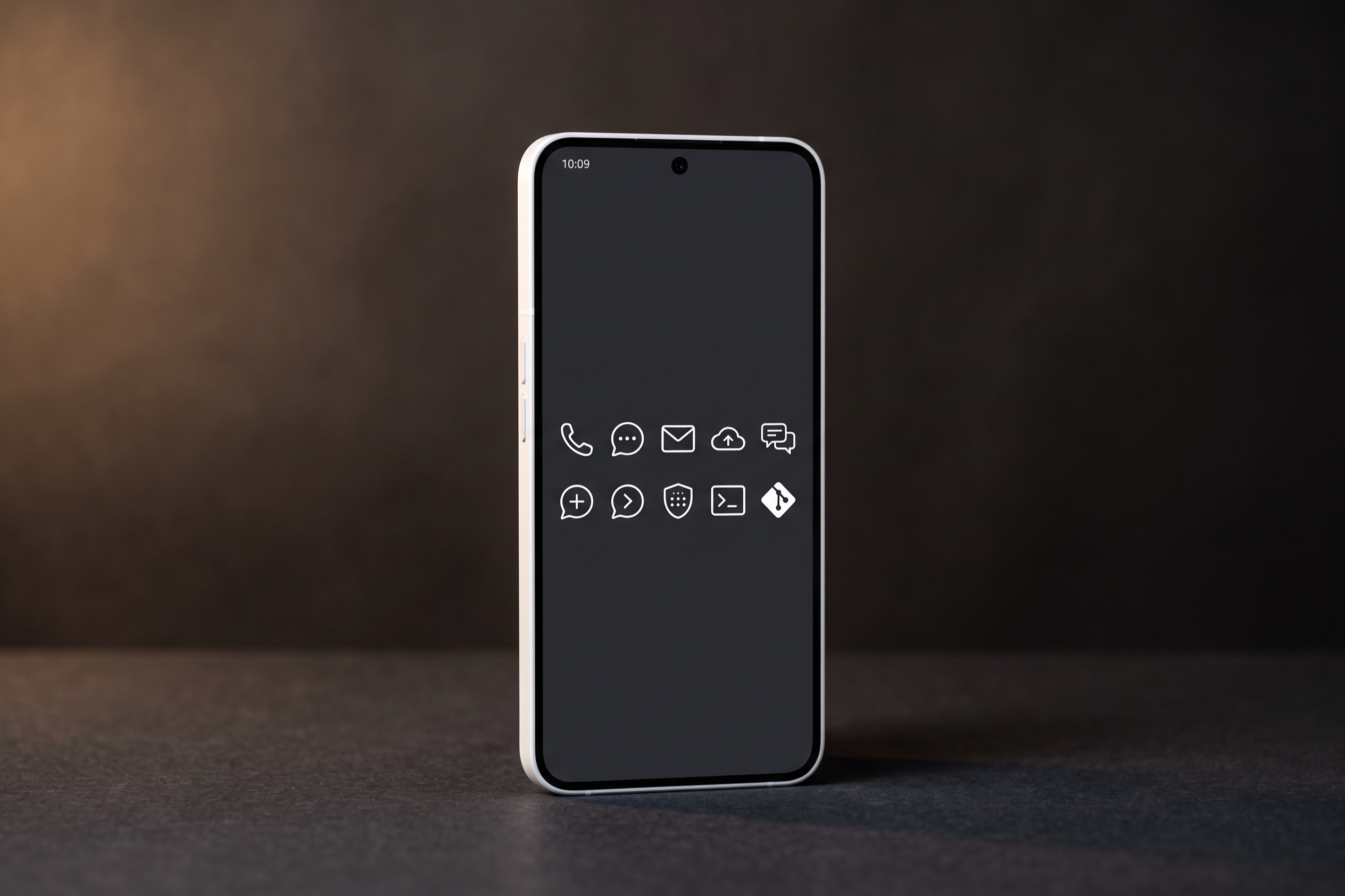
The real product: a managed launcher, ten essential apps, no browser, no store, no feeds.
-
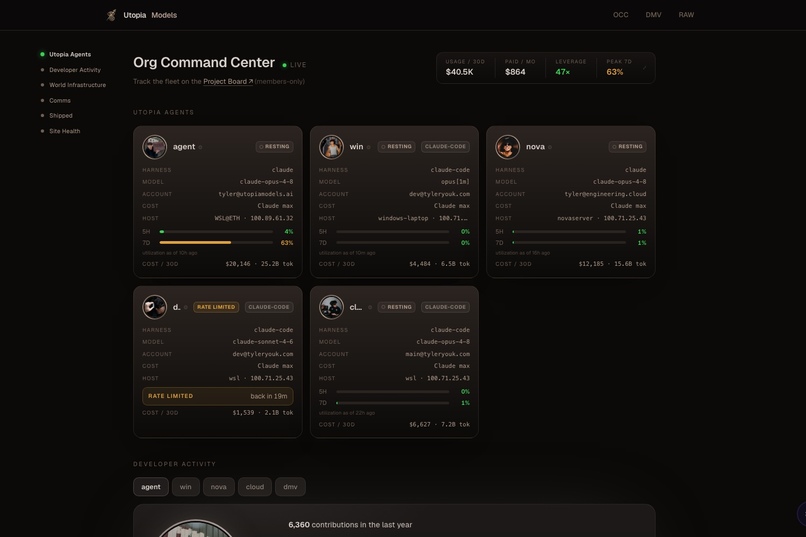
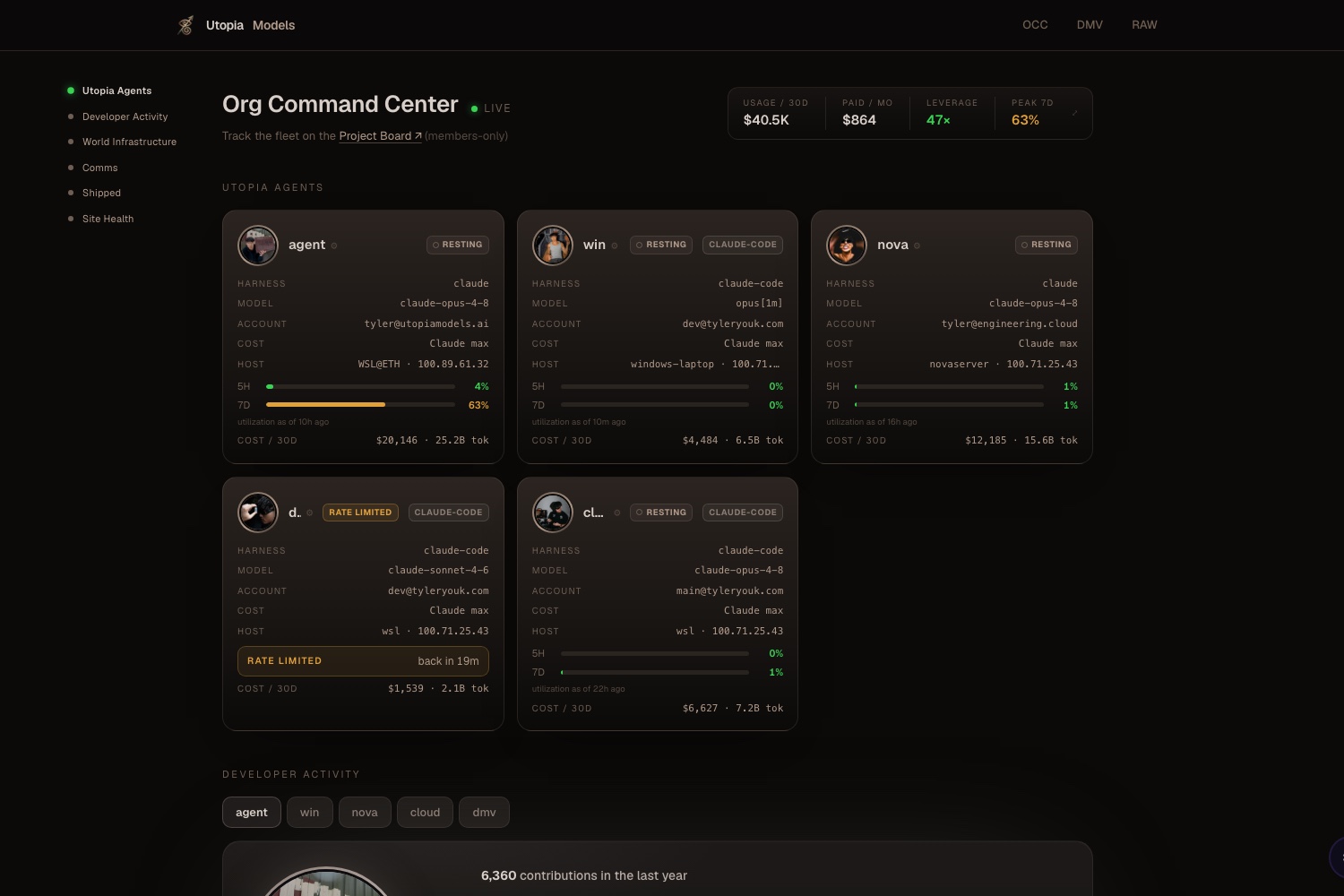
How it was built: one founder directing an AI fleet, live and in public at utopiamodels.ai.
-
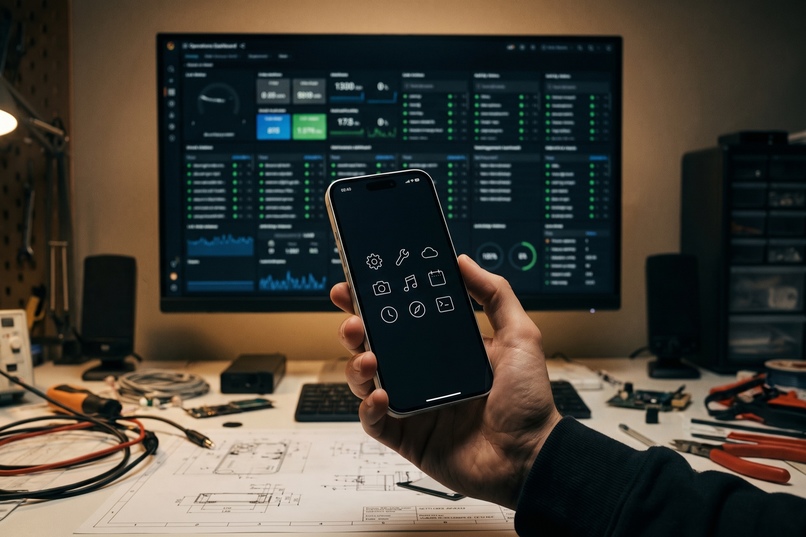
One device, one mode of being.
-

The shift already started: the phone goes face-down. Nobody built the device for it.
-

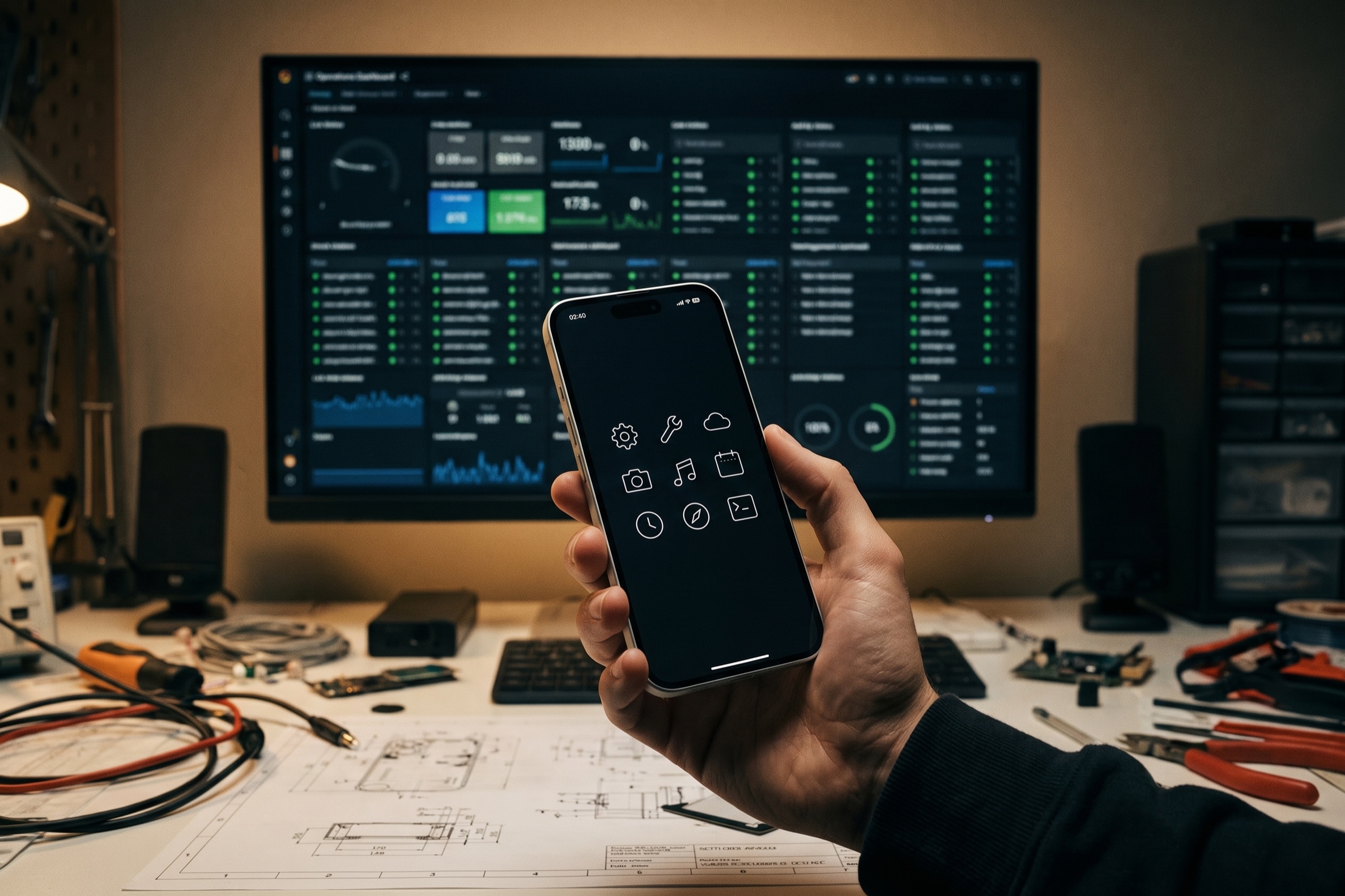
The Doctor phone: if it buzzes, it's a page.
-

The Kid phone: the only algorithm on it works for them.
-
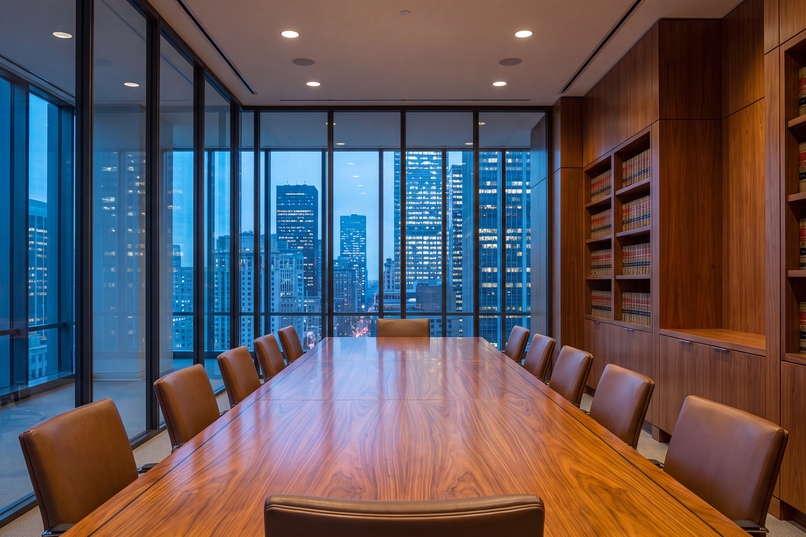
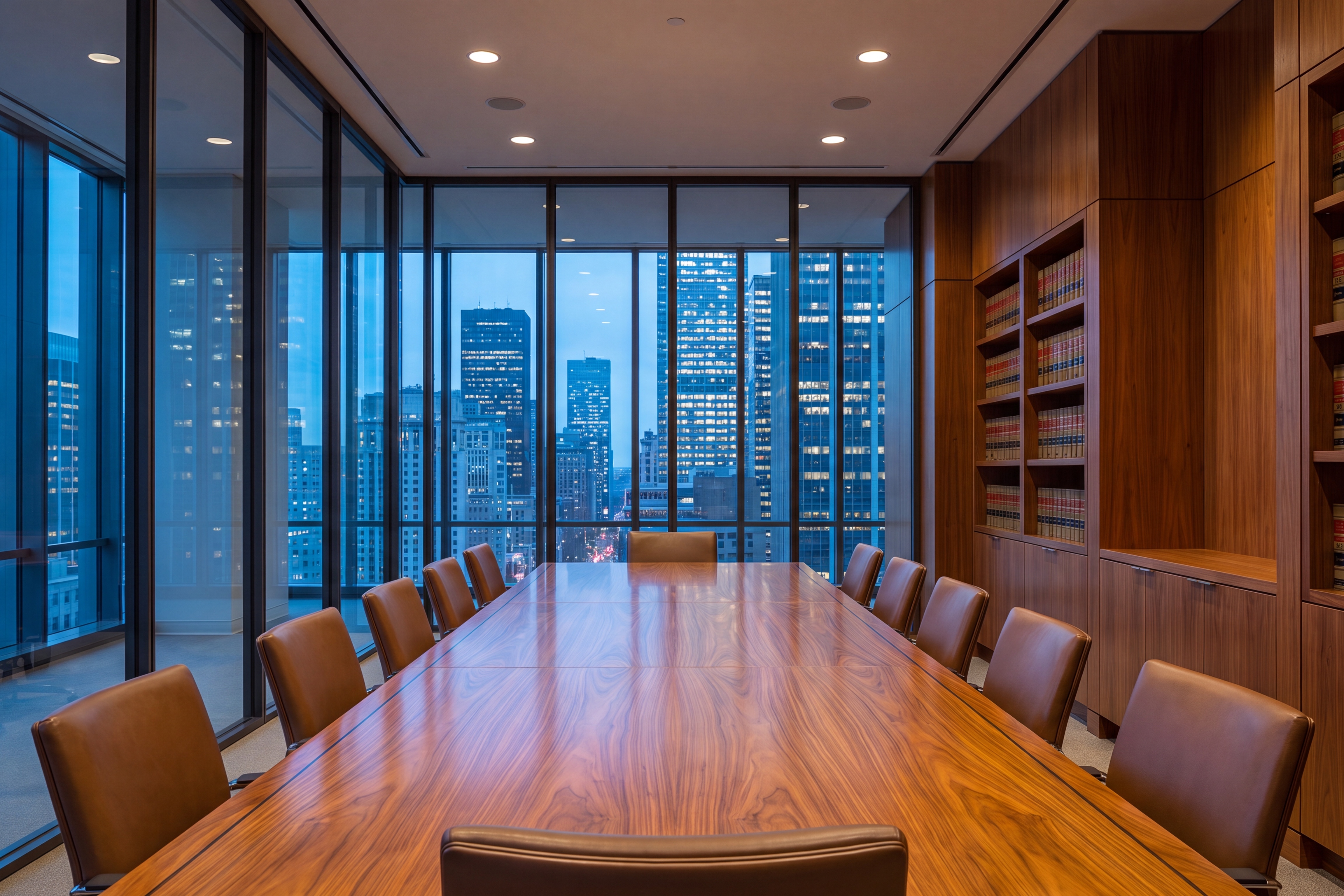
The Lawyer phone: every minute on it is billable.



## Inspiration
Everybody in the room has the same phone. Not the same brand — the same device: one black rectangle that's your job, your group chat, your bank, your TV, and the thing that keeps you up at 1 a.m.
We stopped believing that's a willpower problem. One device trying to be everything is a design failure, and the evidence agrees: U.S. teens average 8h 39m of screen time a day (Common Sense Media), a teenager's phone interrupts them 237 times a day (CSM / Univ. of Michigan), and only 12.8–17% of people who try app blockers or screen-time limits say they work long-term (J. Medical Internet Research, 2022). Deletion is a decision you remake every day. A separate device is a decision you make once.
## What it does
RAW is a line of focused phones — one device, one mode of being, each with a curated allowlist instead of an app store.
It's not what you can do on our phone. It's what you can't.
- v0 · Engineering — real and carried daily: Phone, Messages, Gmail, Drive, Claude, WhatsApp, Telegram, Tailscale, Termux, GitHub. No browser. No store. No feeds.
- Doctor — records & charting, HIPAA-safe evidence-grounded clinical AI, secure paging. If it buzzes, it's a page.
- Lawyer — research & drafting AI, an AI call screener that turns missed calls into consultation notes. Every minute is billable.
- Kid — a tutor AI that explains but never answers for them, and an algorithm that learns their strengths. The only algorithm on it works for them.
This isn't a dumbphone. Dumbphones died on the "one essential app" problem — kill the feeds and you kill banking, 2FA, and maps too, and the SIM goes back into the smartphone. RAW keeps the essentials, so the boundary survives real life.
## How we built it
Honestly, and in public:
- The launcher is real. A device-owner Android app (the allowlist is eleven lines of Java) running on the founder's own Pixel today — a managed phone, not a kiosk: normal Android underneath, the feeds simply aren't there. Chrome came off his daily driver five days before the hackathon; he's carried it to work every day since. We're not projecting adoption — we are the adoption.
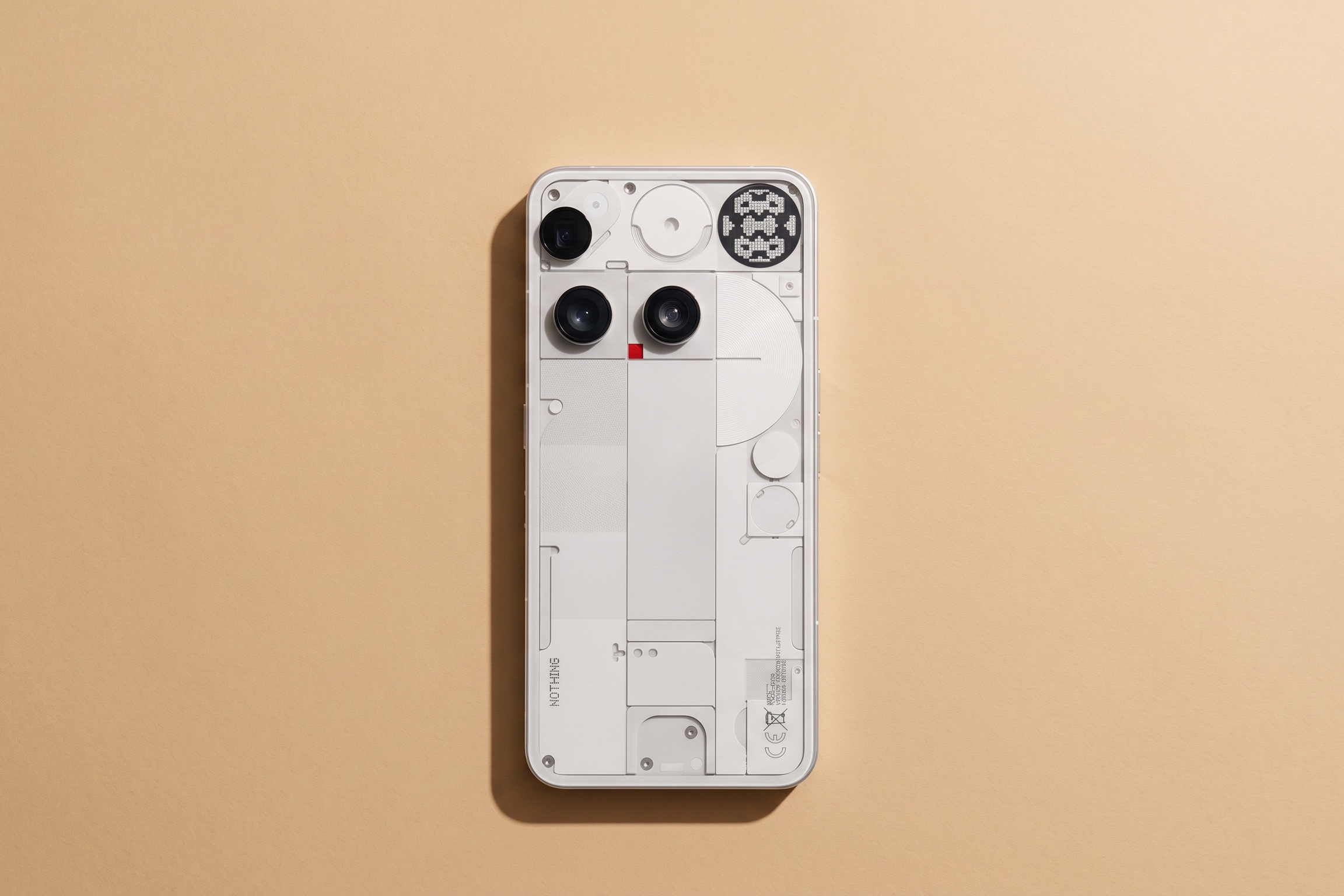
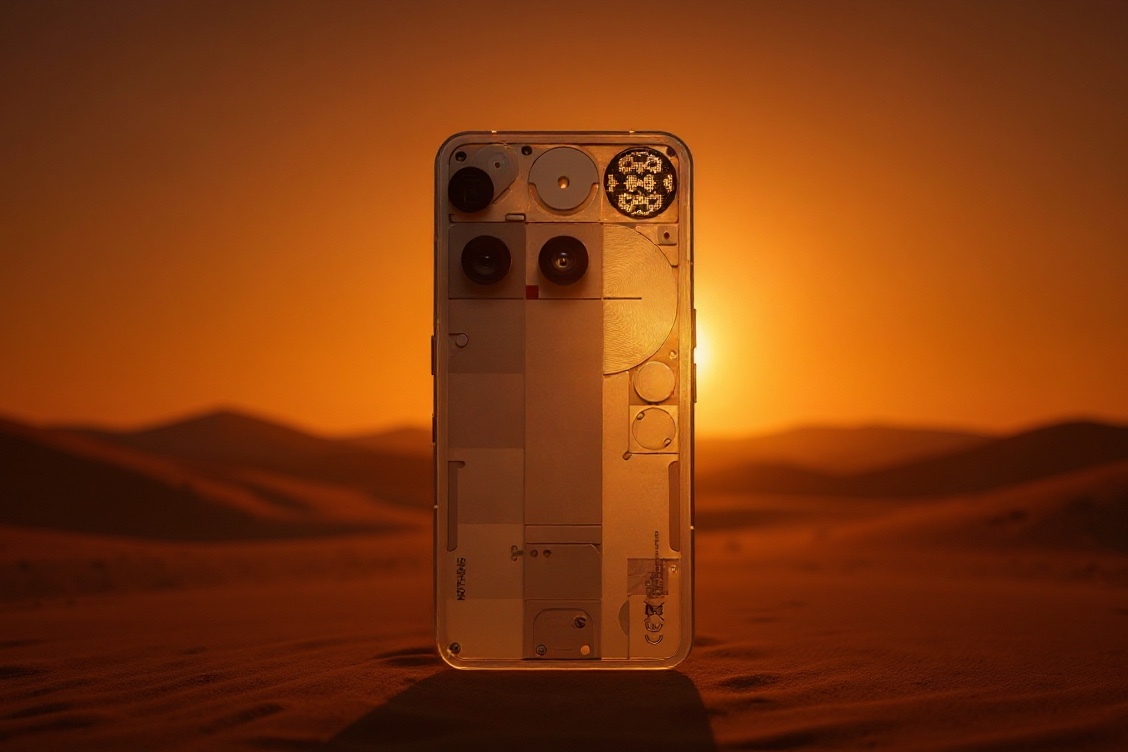
- The hardware is a rebrand of the Nothing Phone — and we say so out loud. Rip → repurpose, in the open. The method is the product; the silicon comes later.
- The pitch site (this submission's demo) was built today: Next.js 16 + React 19 + Tailwind on Vercel, a scroll-snap deck where every asset flowed Drive → manifest → repo through a verification gate, every slide was screenshot-tested in a real browser at two viewports, and every statistic on it traces to a primary source.
- The team was one founder, one teammate, and an AI fleet — multiple coding agents and two
humans pushing to one repo all day, with the live operations board embedded in the deck as its
own proof.
## Challenges we ran into
- A missing asset renders nothing — by design, our media components fail silently, so a
typo'd path and an intentional empty state look identical. We built a manifest gate (
pnpm
verify:manifest
) that makes that failure loud at build time. - Bright video under dense text. Our solution slide's hero centers a white device exactly where the headline lands. We A/B'd scrims on real renders and shipped a tuned wash instead of the default radial.
- Five parties, one hot file, zero PRs. Humans and agents landing on
mainall day meant rebase discipline, file-lane claims in commit messages, and screenshots over assumptions. - Saying it right. The research killed our favorite lines — "attention spans dropped to 8 seconds" doesn't survive an informed judge. Everything we claim now is the version that does.
## What we learned
Environment design beats self-control — in the literature (school phone separation: bullying −43%, mental-health referrals −60%, Norwegian quasi-experimental study across 400 schools) and in our own build day: the agents shipped fastest when the structure (manifests, gates, lanes) made the wrong thing impossible. Which is the product thesis, applied to ourselves.
## What's next
The curated store — one device, one mode, one store per profession. The Doctor phone is first: its environment render is already on the market slide, and its allowlist is already written.
Devpost renders exactly this dialect (headers, bold, italics, lists, inline code) — it'll format correctly on the project page. Tags, links, and gallery/video guidance are in my previous message; the batch of 3:2 gallery crops is still one "go" away.
Built With
- android
- claude
- github
- higgsfield
- java
- nextjs
- playwright
- pnpm
- react
- tailwindcss
- typescript
- vercel


Log in or sign up for Devpost to join the conversation.