-
-
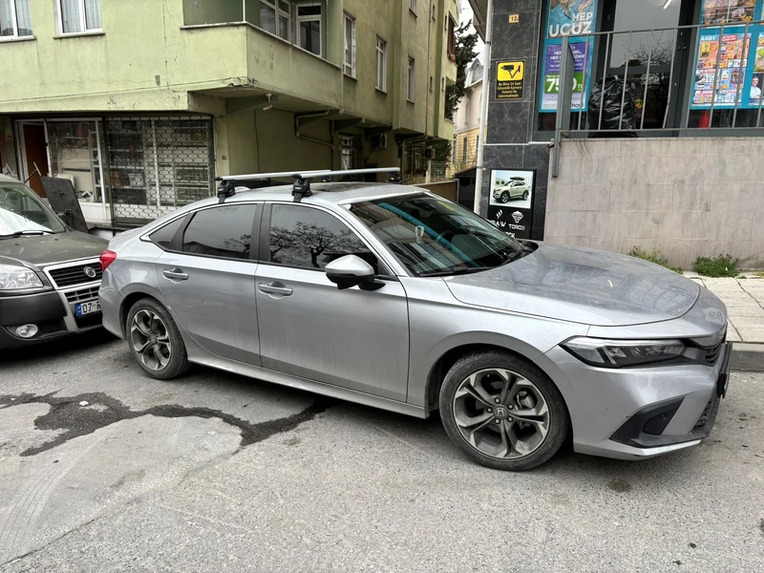
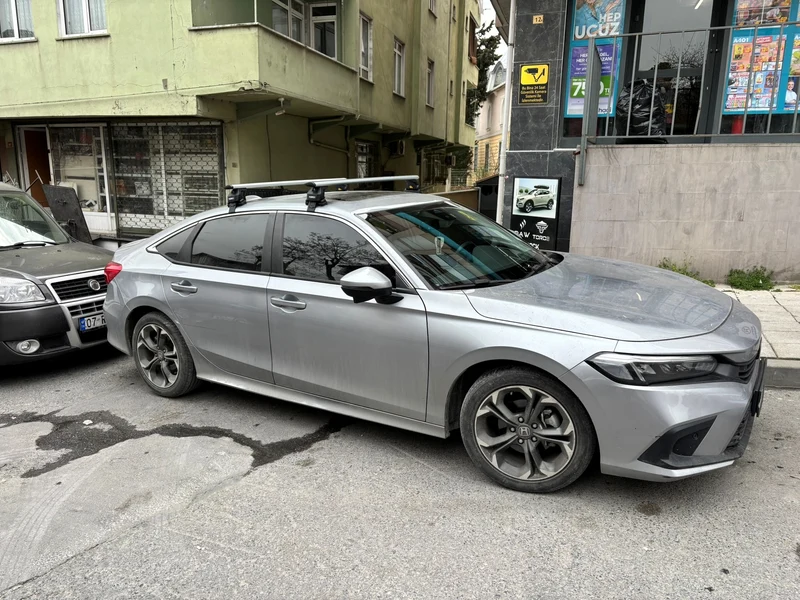
silver honda civics case
Inspiration
Last month, our campus at the University of Maryland, College Park held its breath for six days.
Dilan Shaan Ashar, a 22-year-old UMD student, was last seen around 2:30 a.m. on October 2 near the Terrapin Trail Garage. For almost a week there were flyers, group chats, search teams and a lot of people refreshing the news. On the evening of October 7, he walked out of a wooded area near the Xfinity Center, went up to a Howard County Search and Rescue vehicle, and asked, "Are you looking for me?" He was dehydrated, disoriented and hungry, but alive, and he was reunited with his family. (NBC Washington)
He was found less than a mile from where thousands of us walk to class every day.
That stuck with us. Thousands of students wanted to help, and almost all of us did the same thing: we shared a post and went back to our phones. Every missing-person case depends on someone noticing, but alerts only live on our screens for a few seconds. By the time the right person walks past, they've already forgotten what they were looking for.
We wanted to fix that gap between the alert and the moment it matters.
What it does
Raven Eyes is a smart-glasses app that turns everyday people into informed witnesses.
- Real cases, right now. It pulls live public data the moment it opens: long-term missing persons, crimes against children and wanted cases from the FBI's San Francisco field office, plus recent SFPD incident activity nearby. These are real people that families and investigators are looking for today.
- Look, then match. Blink to scan, or turn on Auto mode and forget about it. Raven Eyes compares what you see against each active case: plate, make and color for vehicles, and clothing, build, hair and distinctive marks for people.
- Clear next steps. If something looks close, you see the scene side by side with the official photo, a confidence score, and exactly what to do: don't approach, note the time and place, and contact 911, the FBI tip line, SFPD or 1-800-THE-LOST.
- You make the call. Nothing is ever reported automatically. A person always confirms or dismisses every match.
Amber Alerts are where this gets even more powerful. They go out nationwide, and they almost always come with exactly what Raven Eyes is good at matching: a vehicle, a color and a license plate. Most people read the plate once and lose it. Glasses can keep holding it for you for hours.
This isn't hypothetical. Anyone in San Francisco wearing Raven glasses could run Raven Eyes today against real, open cases, and possibly be the person who helps bring someone home.
How we built it
- Platform: Python on the Raven glasses SDK, prototyped in the Raven simulator, where gaze handles selection and blinks handle input.
- Data: We use the FBI Wanted API, filtered to the San Francisco field office, and DataSF's police incident API. Data refreshes every 10 minutes and is cached locally, so the app keeps working offline, and the header shows whether the data is Live, Cached or Offline.
- Matching: A multimodal vision model compares a camera frame against each case's structured description and photo, and returns a confidence score along with the specific features that matched.
- Interface: It's designed for a see-through display, with black backgrounds, minimal text and controls on the right edge, so it avoids blocking your view of the world.
Challenges we ran into
- No public Amber Alert API. We planned to plug straight into California's Amber Alerts and found out there is no open feed. We rebuilt the data layer around the FBI's public listings and kept one clearly labeled sample Amber case, so we could show the full child-plus-vehicle flow honestly.
- Errors that hid the real problem. Early scans just said "failed." The SDK's built-in AI helper was swallowing the real error, so we couldn't tell a bad key from missing credits from a bug. We switched to direct API calls and now show the actual cause on screen.
- Native crashes on macOS. Python kept quitting unexpectedly, sometimes in the middle of recording our demo. We traced it to grabbing webcam frames on a background thread, which macOS doesn't handle safely. We moved camera access to the main thread, kept only network calls in the background, and added a clean shutdown for timers, audio and the camera.
- False positives. The worst thing this app could do is flag an innocent stranger. Matches on real people need high confidence and a distinctive feature, like a tattoo, a specific piece of clothing or a plate, before anything shows up. Even then, it only suggests and doesn't accuses.
Accomplishments that we're proud of
- It runs on real, current cases, not mock data.
- Privacy is part of the design itself: high match thresholds, human confirmation and no automatic reporting.
What we learned
The hardest part of building AI for public safety isn't the model. It's earning trust: knowing when to stay quiet, how to show uncertainty, and how to keep a human in control of a high-stakes decision. We also learned that "just use real data" usually means discovering the data you wanted isn't public, and then designing around that honestly.
What's next for Raven Eyes
- Live Amber Alert and NCMEC integration through official partner access, so alerts reach the glasses the minute they're issued
- Coverage that follows you, with cases for wherever you are, starting with campuses like ours
- On-device matching, so camera frames stays on the glasses
- Structured tips that send the time, location and snapshot straight to the right agency
Six days felt like forever on our campus. For families of missing children, every hour counts even more. If Raven Eyes helps even one of them come home sooner, that's why we built it.
