-
-
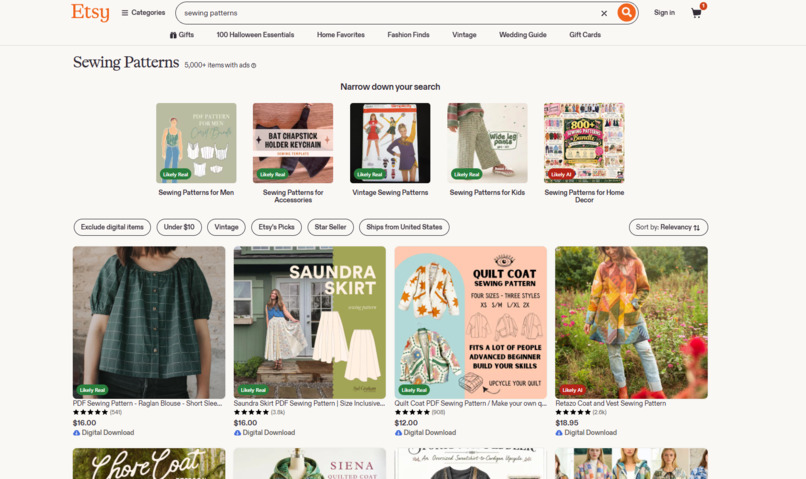
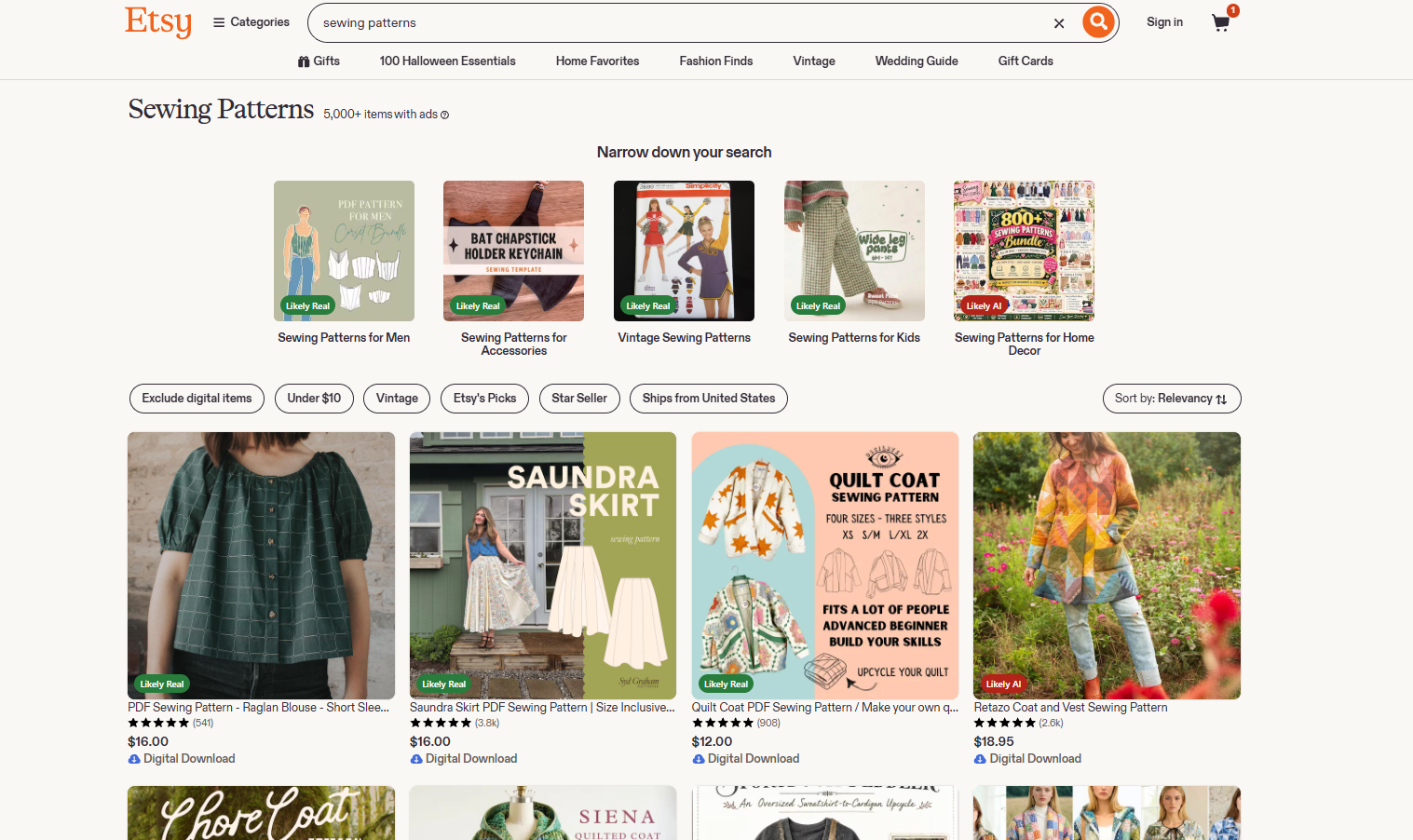
Image Ratings of Sewing Patterns on Etsy with badges
-
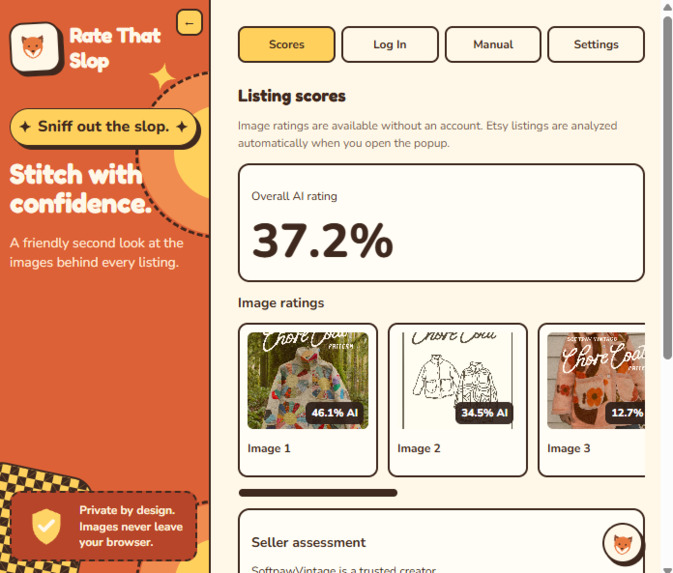
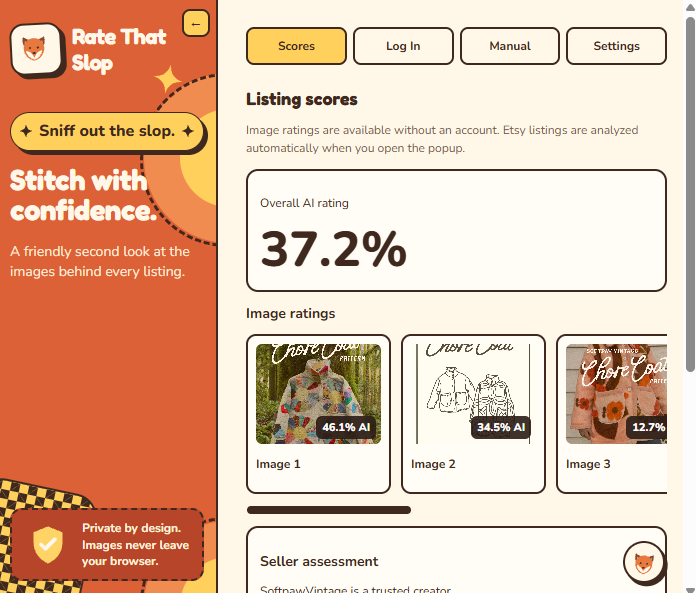
Extension Score Tab (top half)
-
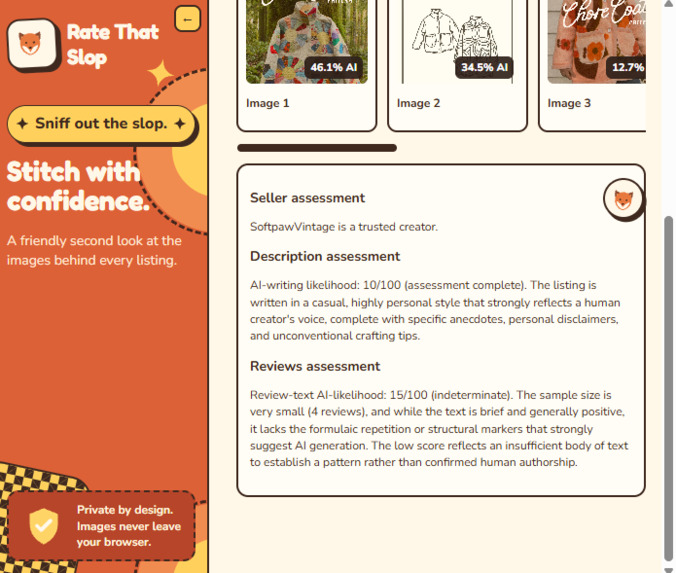
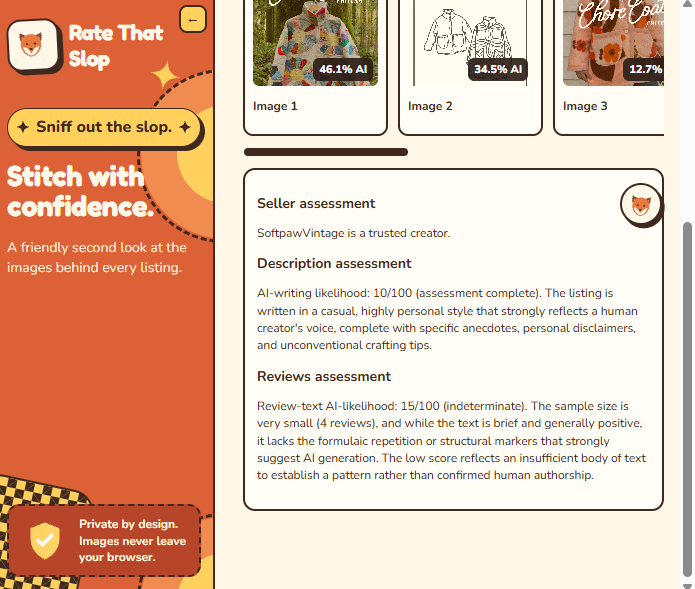
Extension Score Tab (bottom half)
-
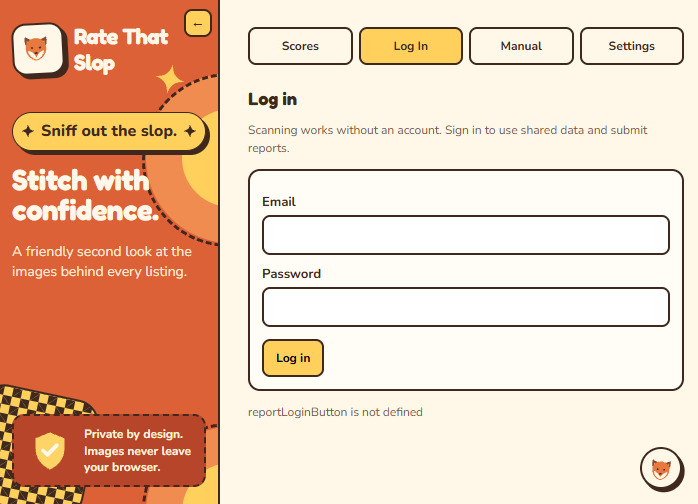
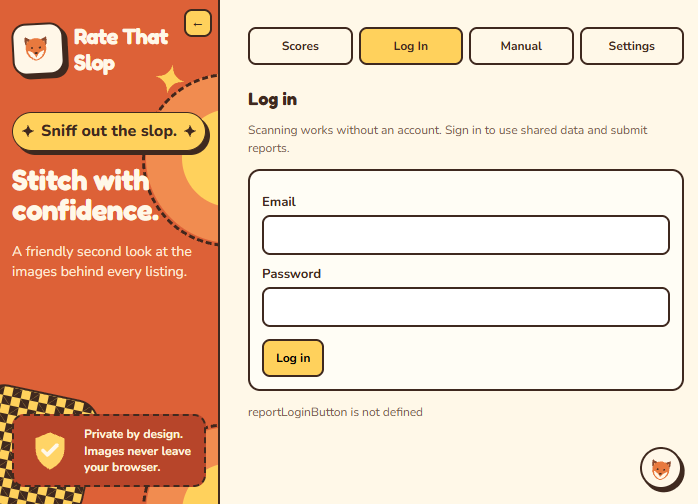
Extension Login tab (signed out)
-
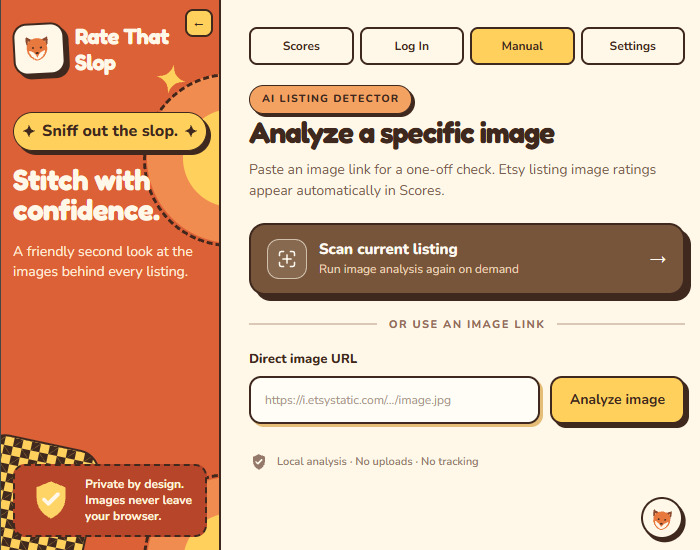
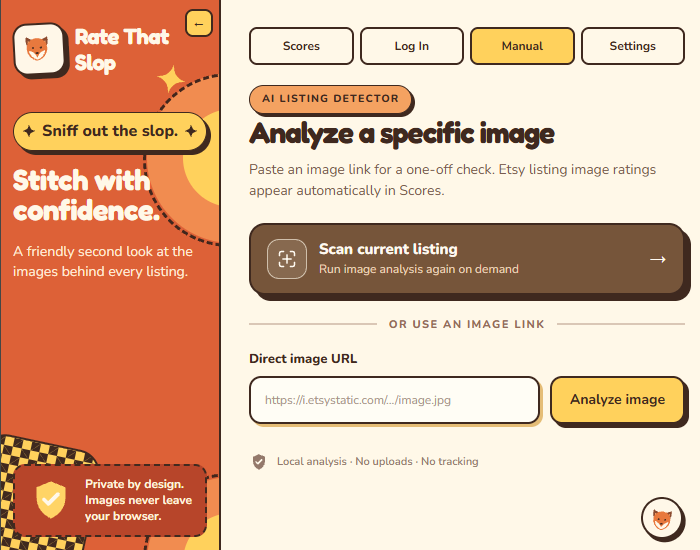
Extension Manual tab
-
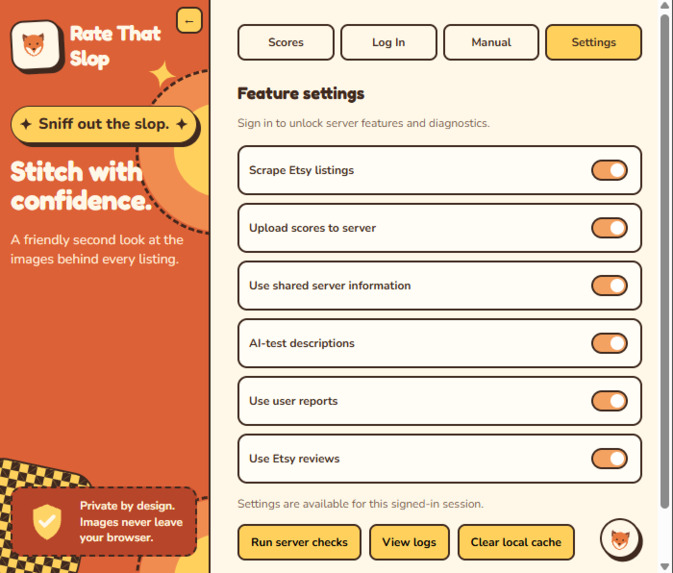
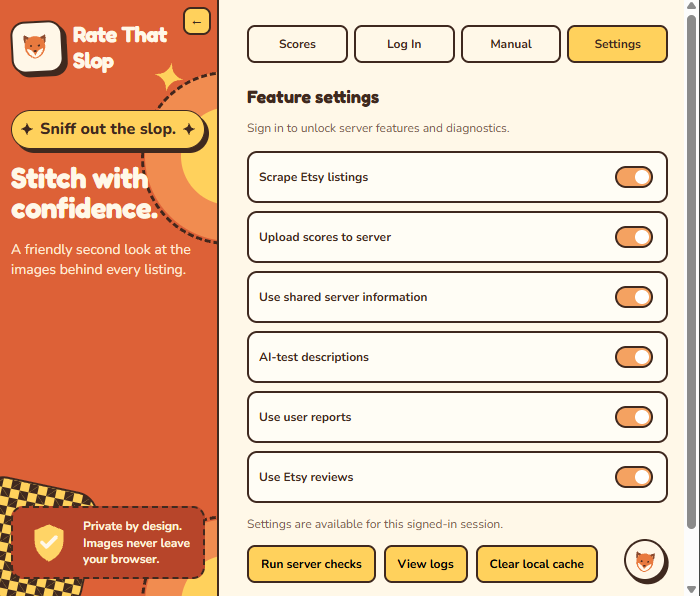
Extension Settings tab (signed in)
-
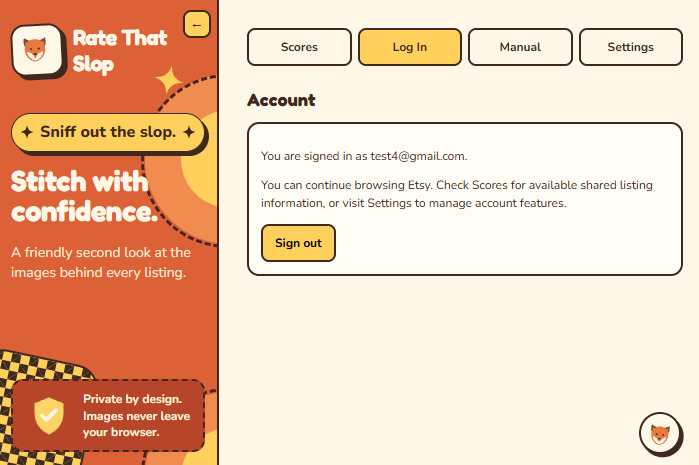
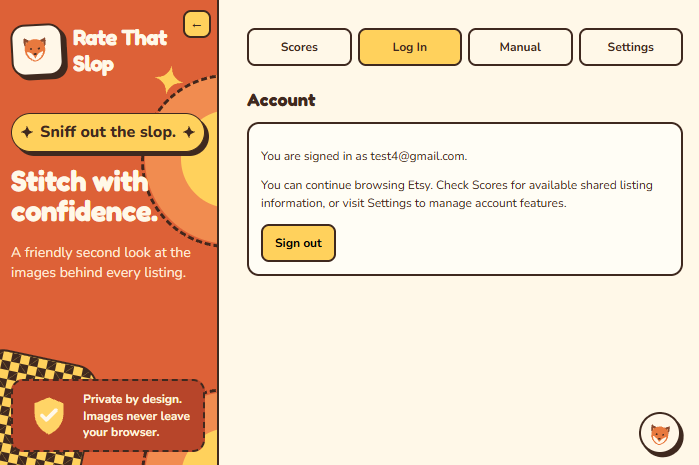
Extension Login tab (signed in)
-
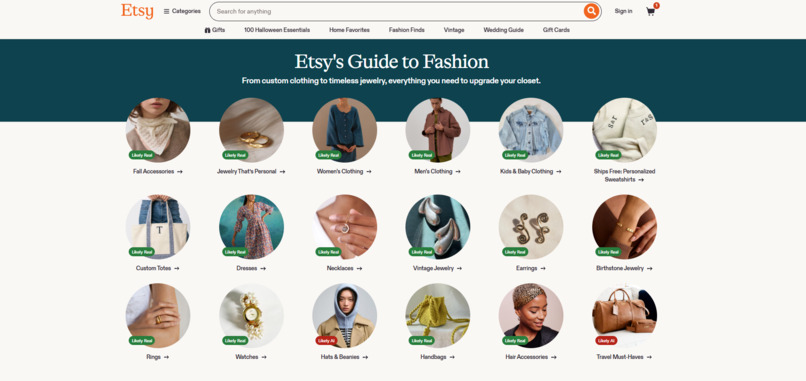
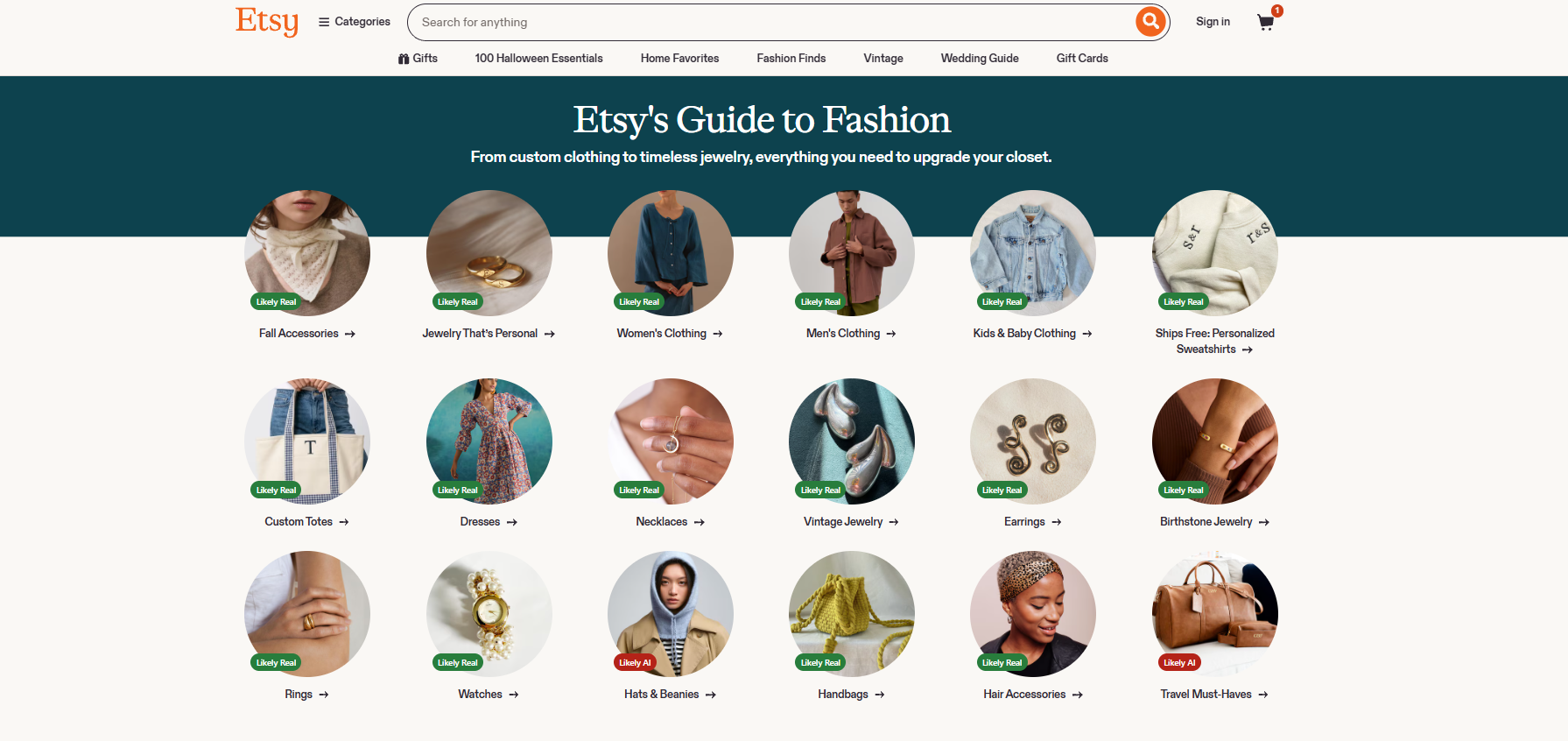
Image ratings are also compatible with other Etsy listings
Inspiration
Etsy used to be a great place to find unique, fun sewing patterns. But with the rise of AI, we've gone from discovering amazing designs to scrolling through slop after slop. Listings can look great at first glance, only for the actual pattern to have inconsistent measurements, questionable fabric recommendations, or instructions that clearly weren't made by someone who knows how to sew.
We wanted to make it easier to find patterns worth stitching. So we built Rate That Slop to help sewists sniff out the slop before they buy, and stitch with confidence.
What It Does
Rate That Slop is a Chrome extension that helps you spot potentially AI-generated sewing patterns on Etsy before you buy them.
- Sniff Out the Slop: Uses an open-source AI detection model to analyze listing images right in your browser.
- Look at the Whole Picture: Combines image scores with listing descriptions and reviews to give each listing an overall risk rating.
- See the Red Flags: Etsy badges flag potential concerns, while the popup shows a detailed breakdown with individual scores and explanations for images, descriptions, and reviews, plus whether a seller is recognized as trusted through manual admin review.
- Keep It Private: Image analysis runs locally in your browser, and image bytes aren't uploaded during ordinary server interactions.
How We Built It
We wanted to go beyond checking whether a single image looked AI-generated, so we brought together several different signals to get a better picture of each listing.
- We integrated an open-source ONNX image-detection model that runs directly in the browser.
- We built a weighted scoring system in Javascript that combines results across listing images and other available evidence.
- We used Google's Gemini models to evaluate descriptions and reviews for additional context.
- We built a backend hosted on DigitalOcean to support shared listing data and account-based features.
- We designed a high-contrast interface with separate tabs and customizable settings, so users can choose what matters to them. We built it using Javascript, HTML, and CSS.
Challenges We Ran Into
Getting everything to work together was definitely harder than we expected!
- Getting the Pieces to Talk: Connecting the browser extension, AI models, and backend without breaking something along the way took plenty of debugging.
- Caching and Syncing: Storing results and getting them to sync reliably with the server took some trial and error.
- Branching Out (Literally): With different team members working on separate branches, merging everything together came with its fair share of headaches.
- Unexpected Bugs: We ran into errors we hadn't planned for and had to add more error handling and spend time tracking down what went wrong.
Accomplishments That We're Proud Of
We're proud that Rate That Slop grew beyond a simple AI image detector into a tool that looks at listings from multiple angles.
- A More Complete Picture: Combined image analysis with other listing signals to create an overall risk rating.
- AI That Runs Locally: Got image inference working in the browser without needing a separate inference server.
- A Working Full-Stack Setup: Connected our extension to a hosted backend for shared features.
- Putting Users in Control: Built a customizable interface that lets users decide which features they want to use.
What We Learned
This project taught us that getting an AI model to work is only half the battle. Turning its output into something people can actually use takes a lot more thought.
One of our biggest takeaways was that building a browser extension is very different from building a web app. We had to rethink how we approached several things:
- Storage and Caching: We needed to cache results and avoid repeating expensive image analysis wherever possible.
- Thinking Beyond Local Development: A server running on our own machines works during development, but isn't a long-term solution for other users. We learned the importance of hosting our backend so server-dependent features can work outside our local environments.
- Designing for a Different Interface: A browser extension isn't a standalone website. We had to rethink how to organize information, display our ratings, and make everything feel intuitive within the extension's popup.
- Working Within an Existing Website: Instead of designing an entire page ourselves, we had to integrate our features into Etsy's existing interface without getting in the way of the shopping experience.
We also learned how important it is to test everything together rather than assuming that individually working components will automatically make a working product.
Most importantly, an AI score isn't proof that a listing is a scam. We want to help sewists spot potential red flags and make informed decisions, not make snap judgments for them.
What's Next for Rate That Slop?
We've got plenty more we'd love to do!
- Make Detection Better: Test and refine our scoring against real, manually reviewed sewing patterns.
- Catch Fewer False Alarms: Improve our ability to distinguish AI-generated images from legitimate product photos.
- Build a Stronger Community: Expand shared ratings and community reporting to help sewists learn from one another.
- Keep Improving: Make the extension faster, more reliable, and clearer about why a listing gets its rating.
Our goal is simple: help people find patterns worth stitching, without having to dig through endless slop to get there.
Outfox the slop. Stitch with confidence.


Log in or sign up for Devpost to join the conversation.