-
-
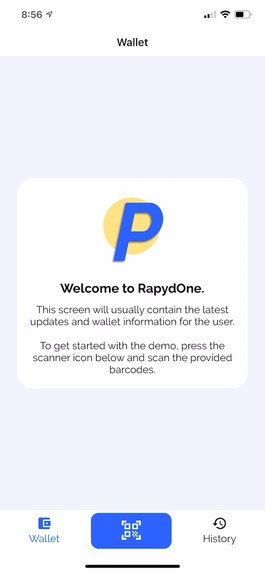
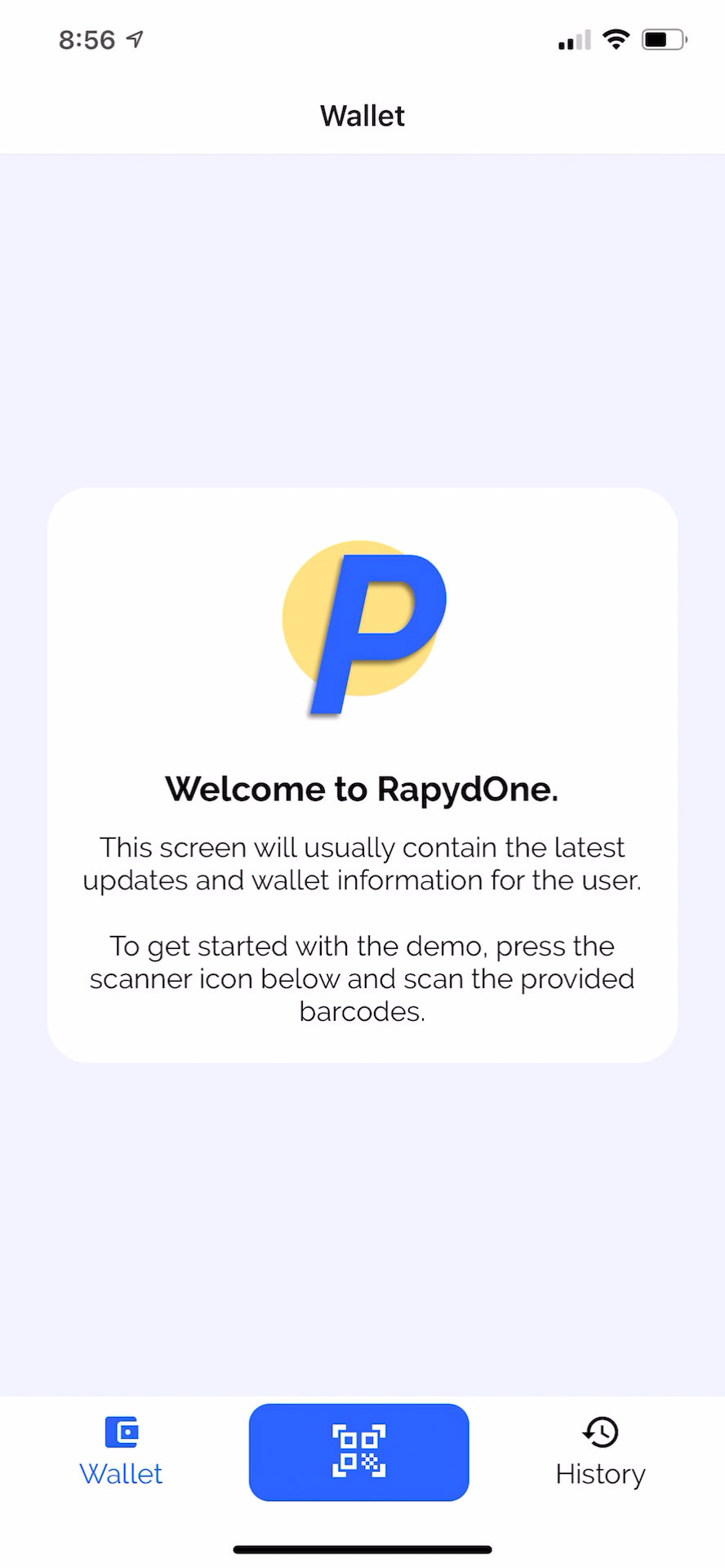
Home screen of the demo app
-
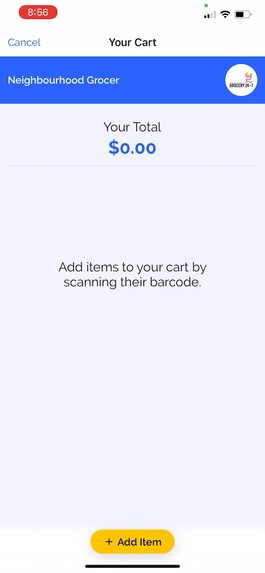
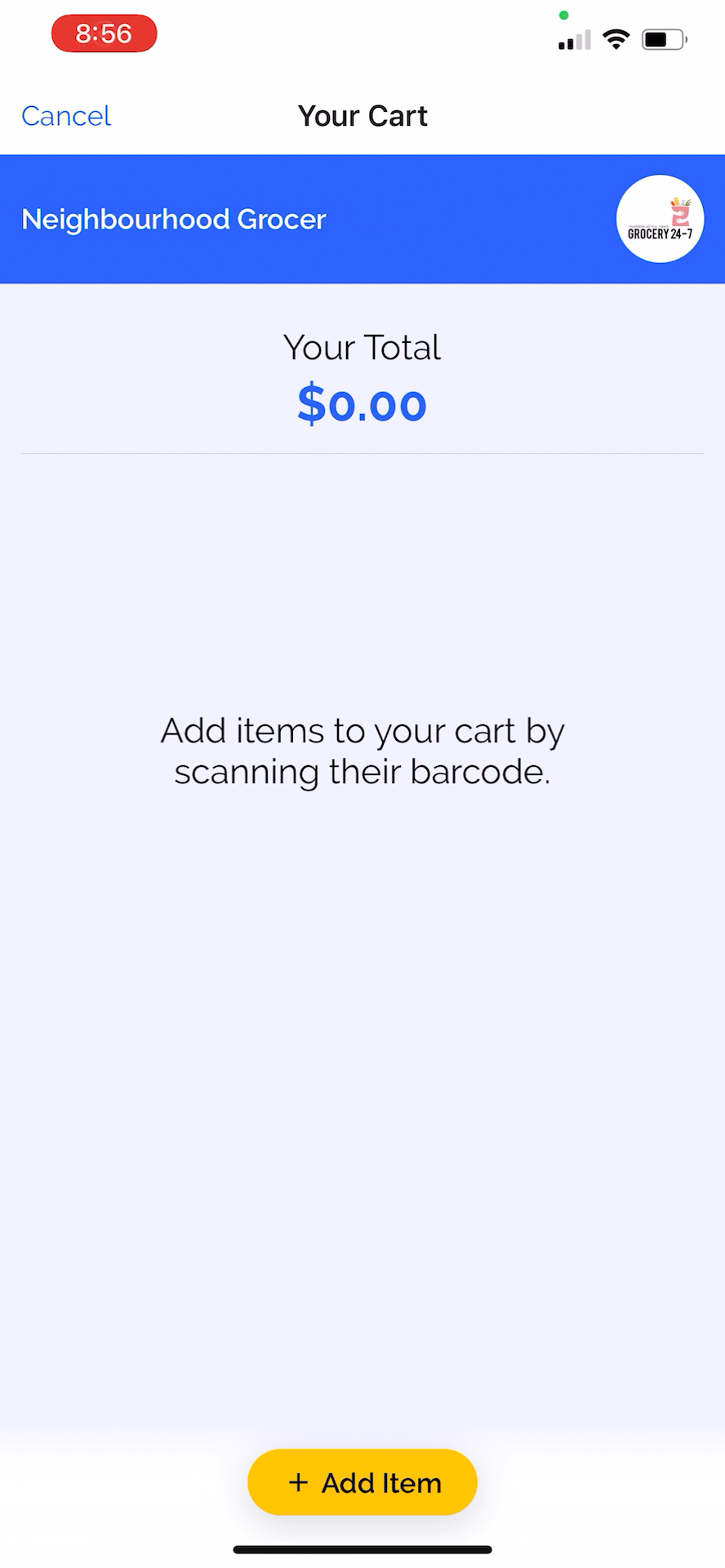
After scanning a merchant's QR code, the user is directed to the shopping screen.
-
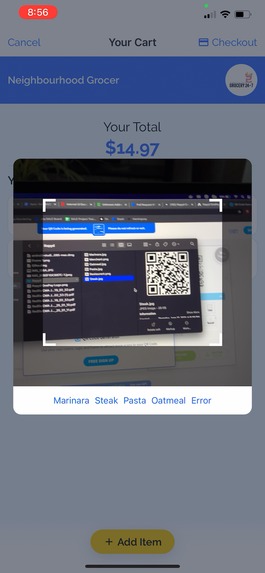
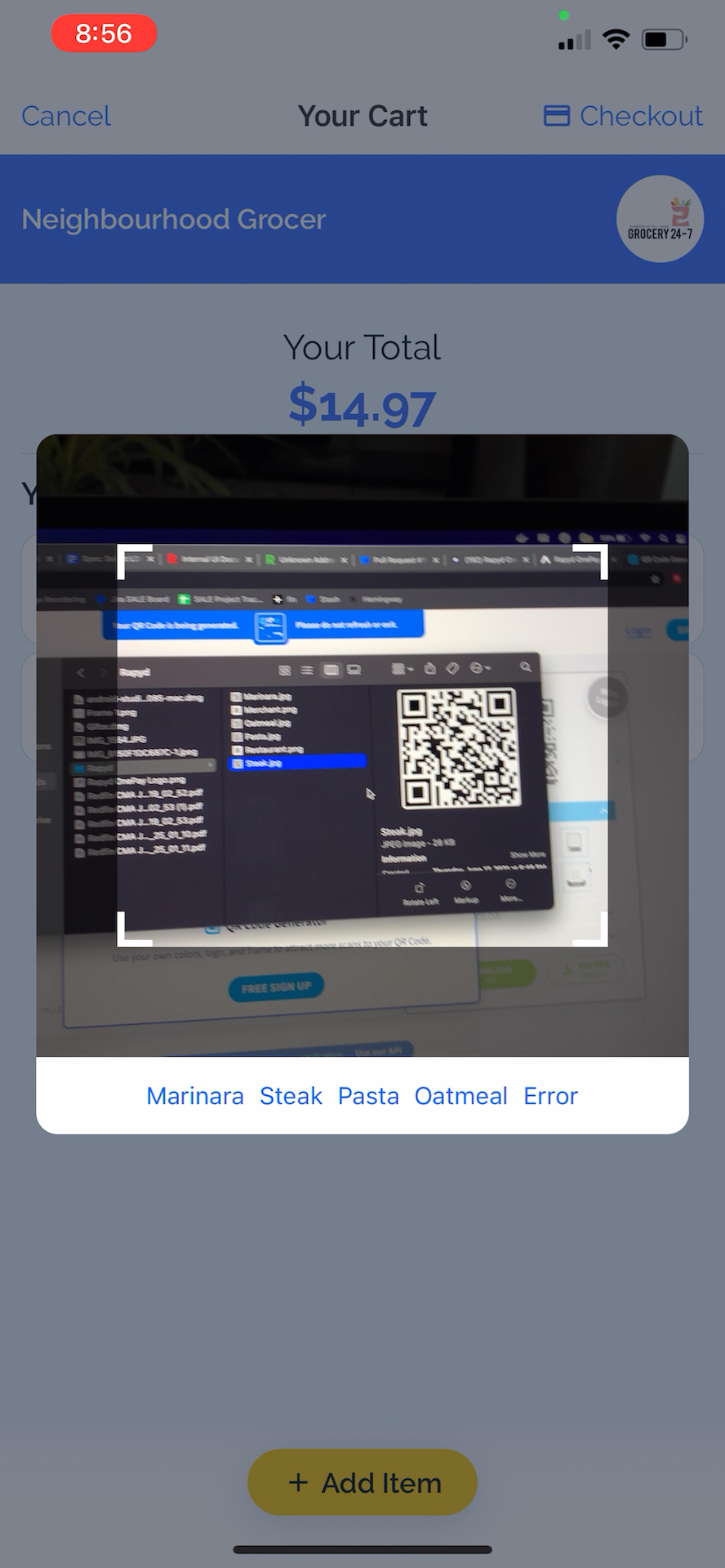
Users can now scan product barcodes to add items to the cart
-
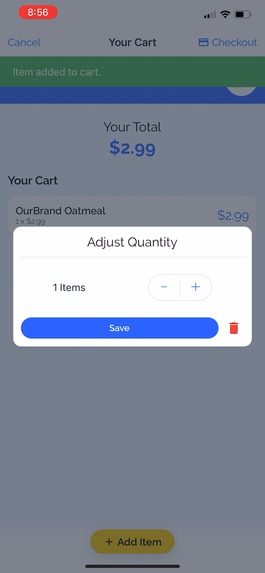
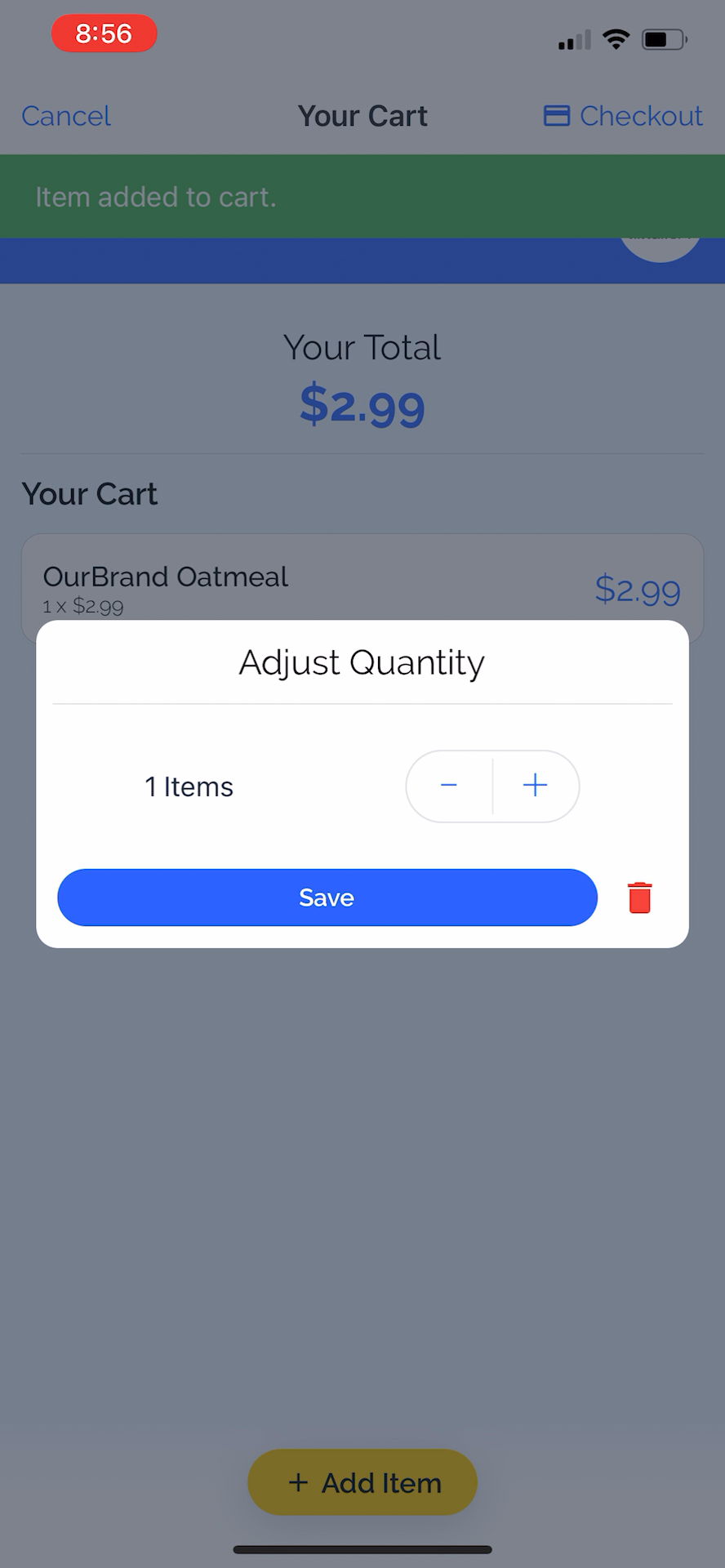
Users can adjust quantity and delete items when shopping
-
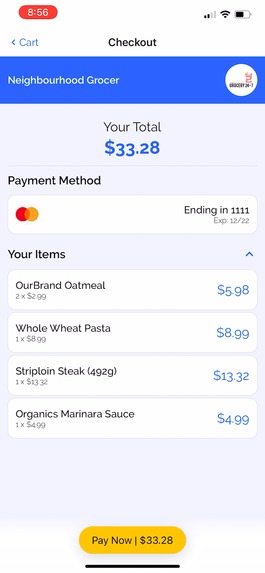
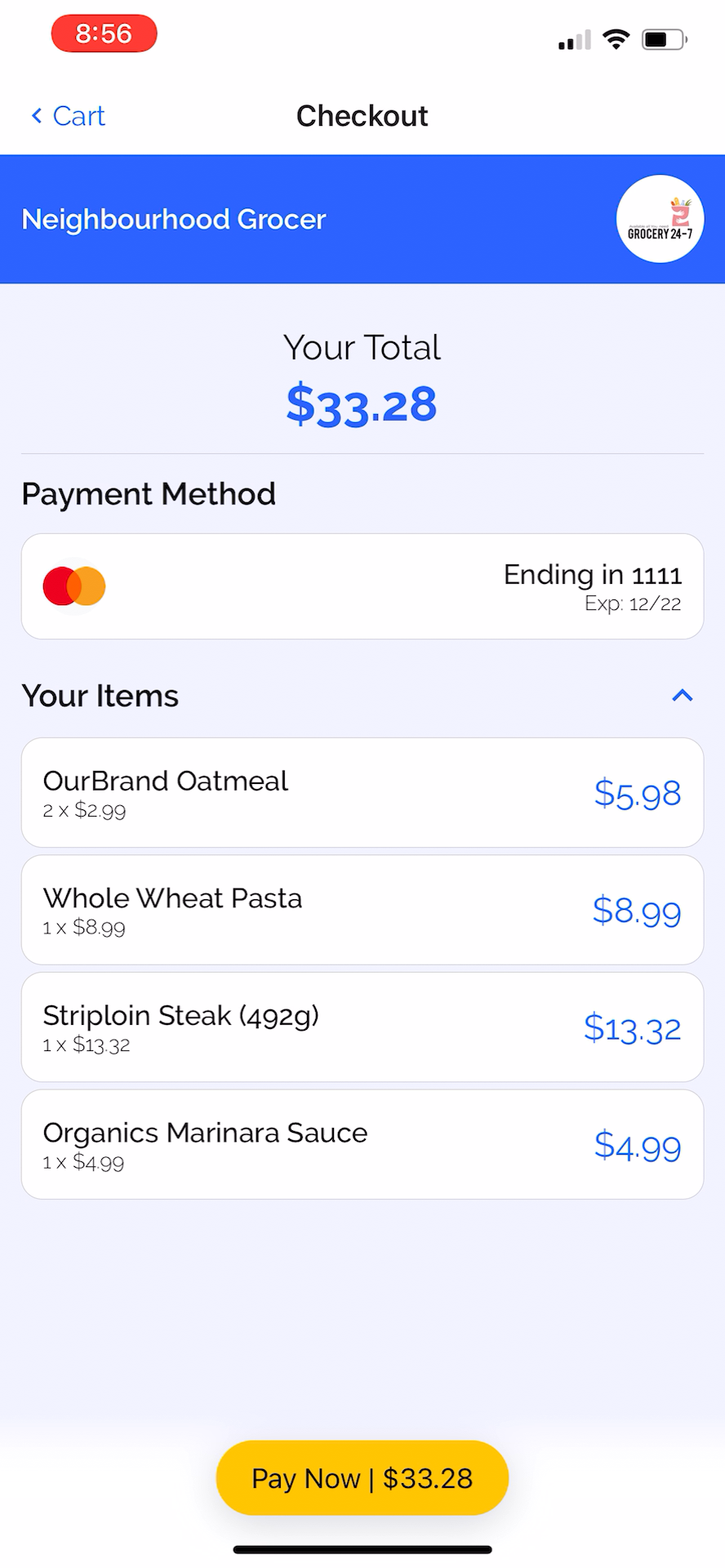
When the user is ready to pay, they can proceed onto the checkout screen.
-
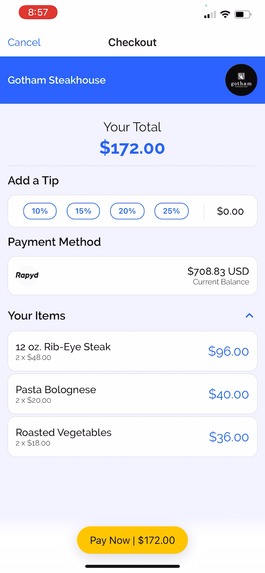
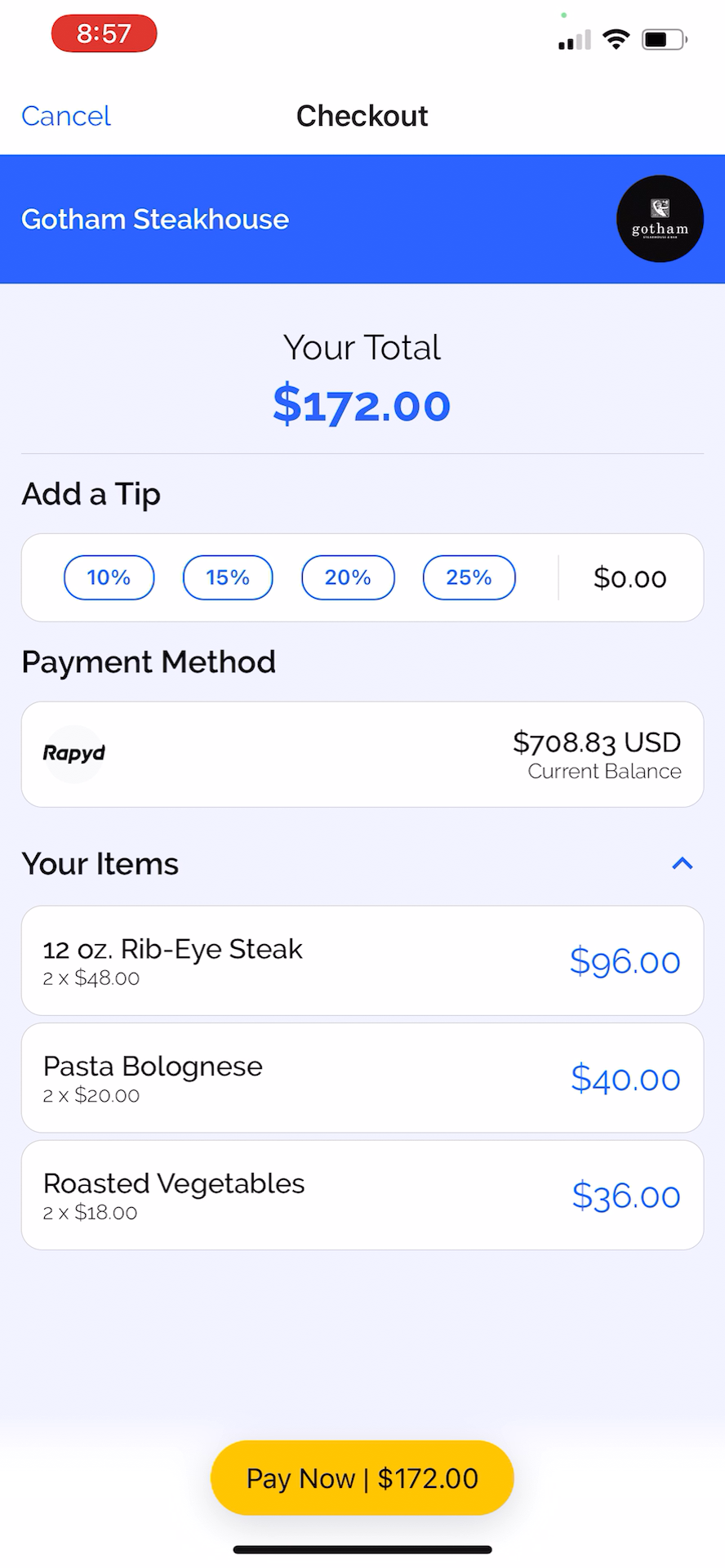
For restaurant workflows, users have the opportunity to add a tip
-
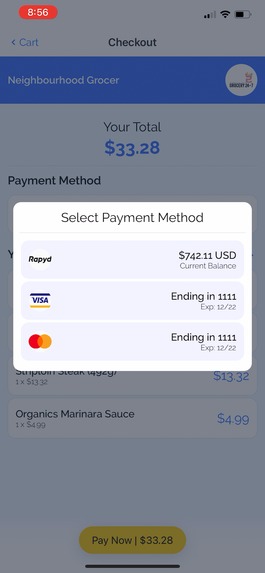
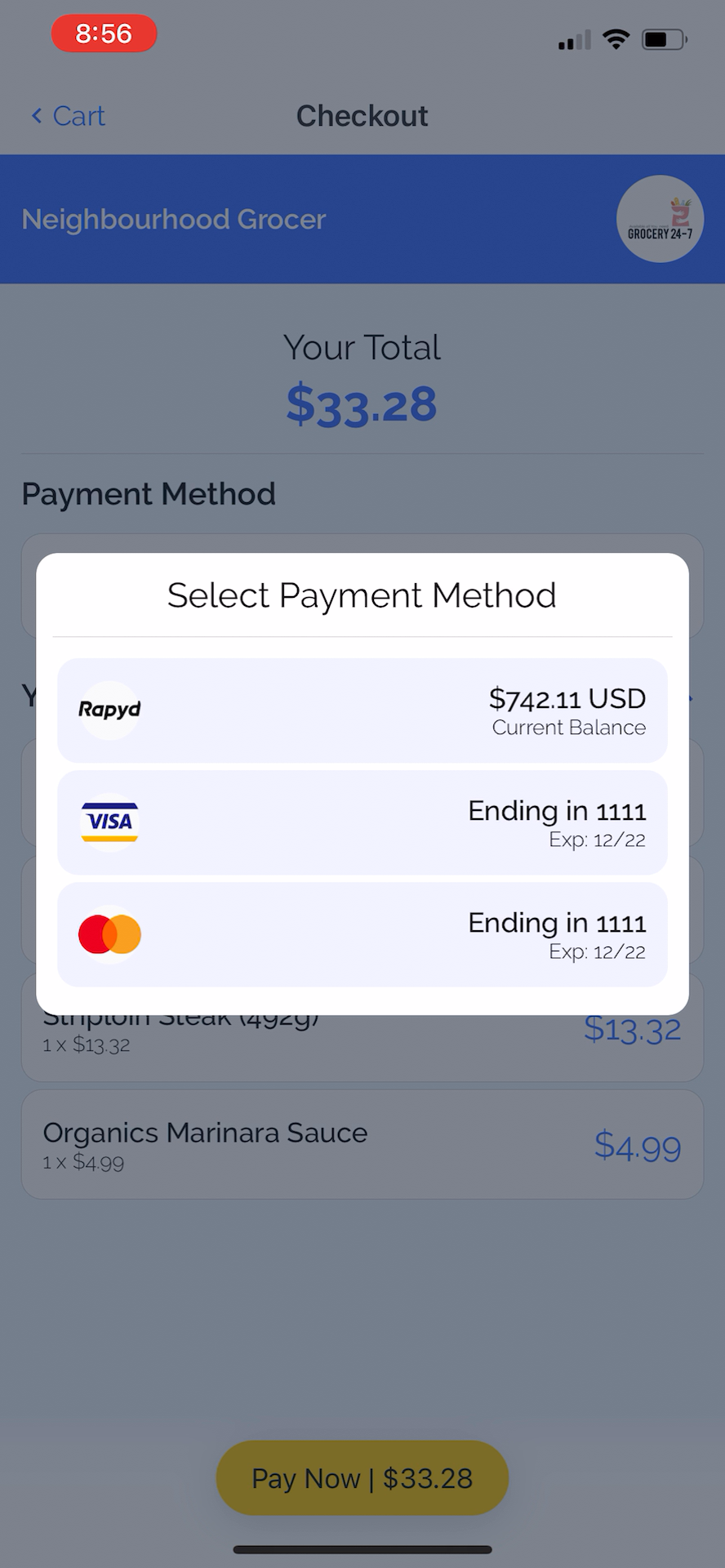
Users can pay with any linked payment method through Rapyd, including their eWallet
-
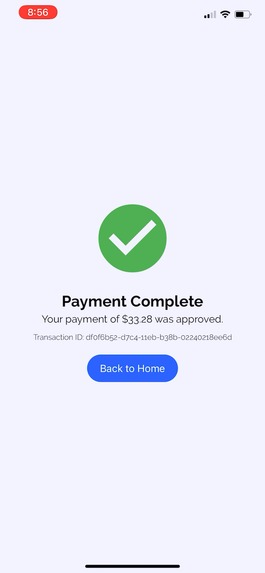
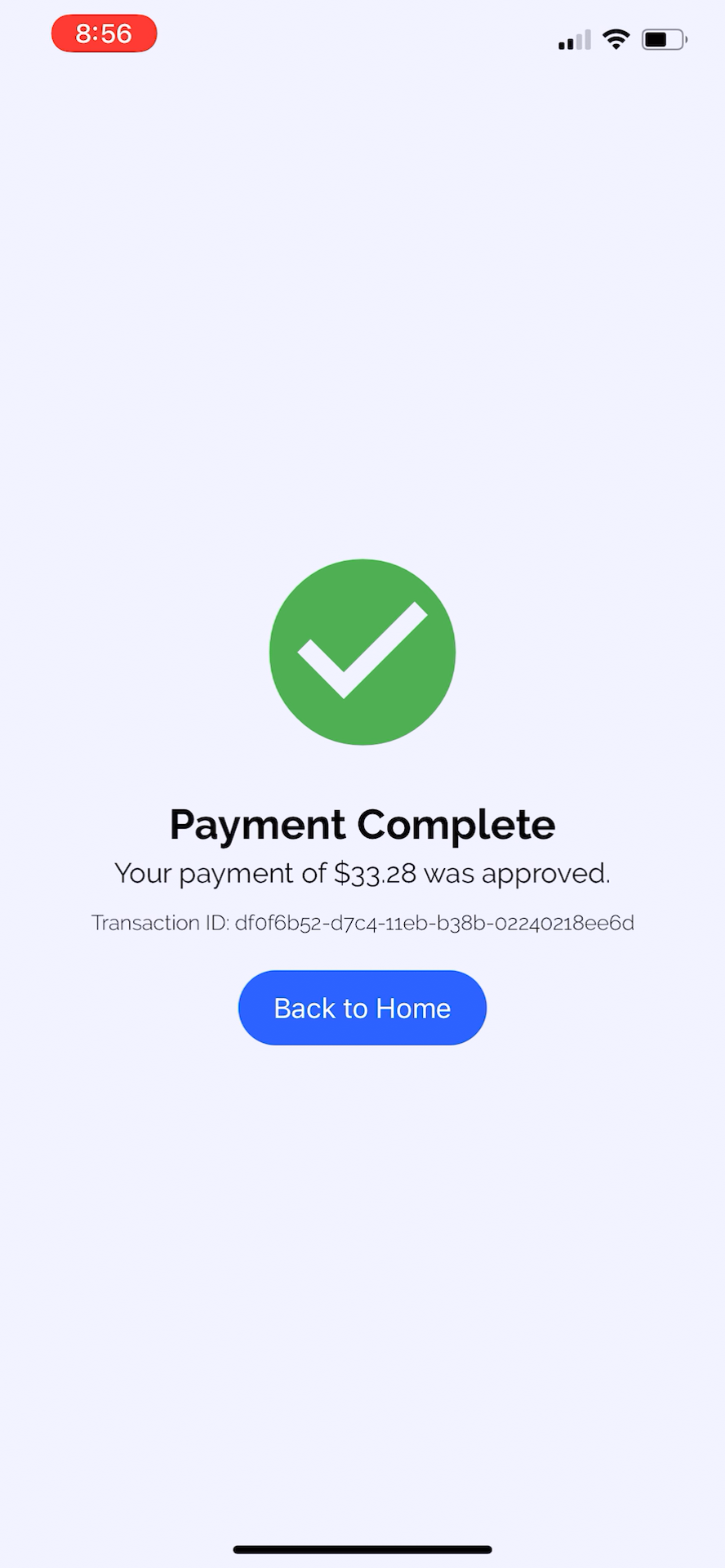
Once the user pays, they can show the confirmation to the cashier and exit the store - no more waiting in line!
Why?
Online eCommerce is rewarding and seamless. Technologies developed by companies such as Rapyd have enabled digital checkout to be optimized for speed and customer satisfaction.
But brick & mortar shopping is a completely different story. Think back to the last time that you've waited way too long at the checkout queue, or the drawn-out delay for the next available credit card machine when paying for your restaurant bill. Compared to digital payments, in-person commerce seems antiquated and slow.
It doesn't have to be. By integrating physical experiences with digital tools, retailers & service providers have the opportunity to streamline the in-person experience. This process starts with a global payments company - one such as Rapyd.
eCommerce makes up only 20% of total retail sales, making in-person retail a large opportunity space for growing technology companies. The COVID-19 pandemic has also accelerated the adoption of digital tools. With the transition back into physical retail, this is a unique time to reimagine in-person commerce.
So instead of attempting to introduce yet another product into the ever-crowded eCommerce space. I asked - how can we reinvent physical checkout?
How?
Rapyd OnePay is a unified and cross-platform payment solution. Users create a Rapyd OnePay account and link their preferred payment methods (including the ability to create and fund a Rapyd eWallet). They can then use the OnePay app to checkout at all participating physical locations and online stores.
Shopping In-Store?
Scan a store's QR code to begin shopping -> Scan product barcodes with your phone -> Checkout directly in app
Dining out?
Get a Rapyd QR code with the bill -> Scan the QR code within the app -> Add a tip, and pay right away
Shopping online?
Login with your OnePay account to pay directly, or scan the QR on the checkout page to send a payment instantly
Integration with Rapyd ensures that customers have a familiar payment interface regardless of which website they visit or where they travel. Rapyd's payment API's also enable automatic FX - so users can pay with any linked payment method, no matter if they're dining out on a vacation to Italy or buying groceries at their neighbourhood Trader Joe's.
What's Next?
Making Rapyd OnePay a reality is more than building an application on top of existing Rapyd API's. I would love to work with the Rapyd team to enable the ability for customers to access a unified & streamlined checkout experience across Rapyd merchants.
OnePay has the opportunity to grow beyond a checkout-only workflow. For example, retailers could integrate with their own rewards system, or offer exclusive discounts to Rapyd customers. There are also opportunities to augment the current in-store shopping experience, such as leveraging user data to enable in-app product recommendations.
App Demos
The Expo-published project connects to a Next.js REST server deployed on Vercel. On each scanner screen, test buttons are added to simulate scanning certain barcodes - this is so that you can demo the app on an emulator (which doesn't support camera functions).
Built With
- next.js
- react
- react-native

Log in or sign up for Devpost to join the conversation.