-
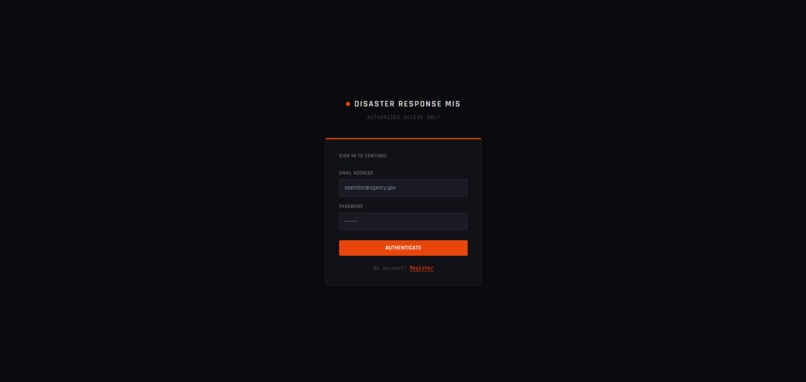
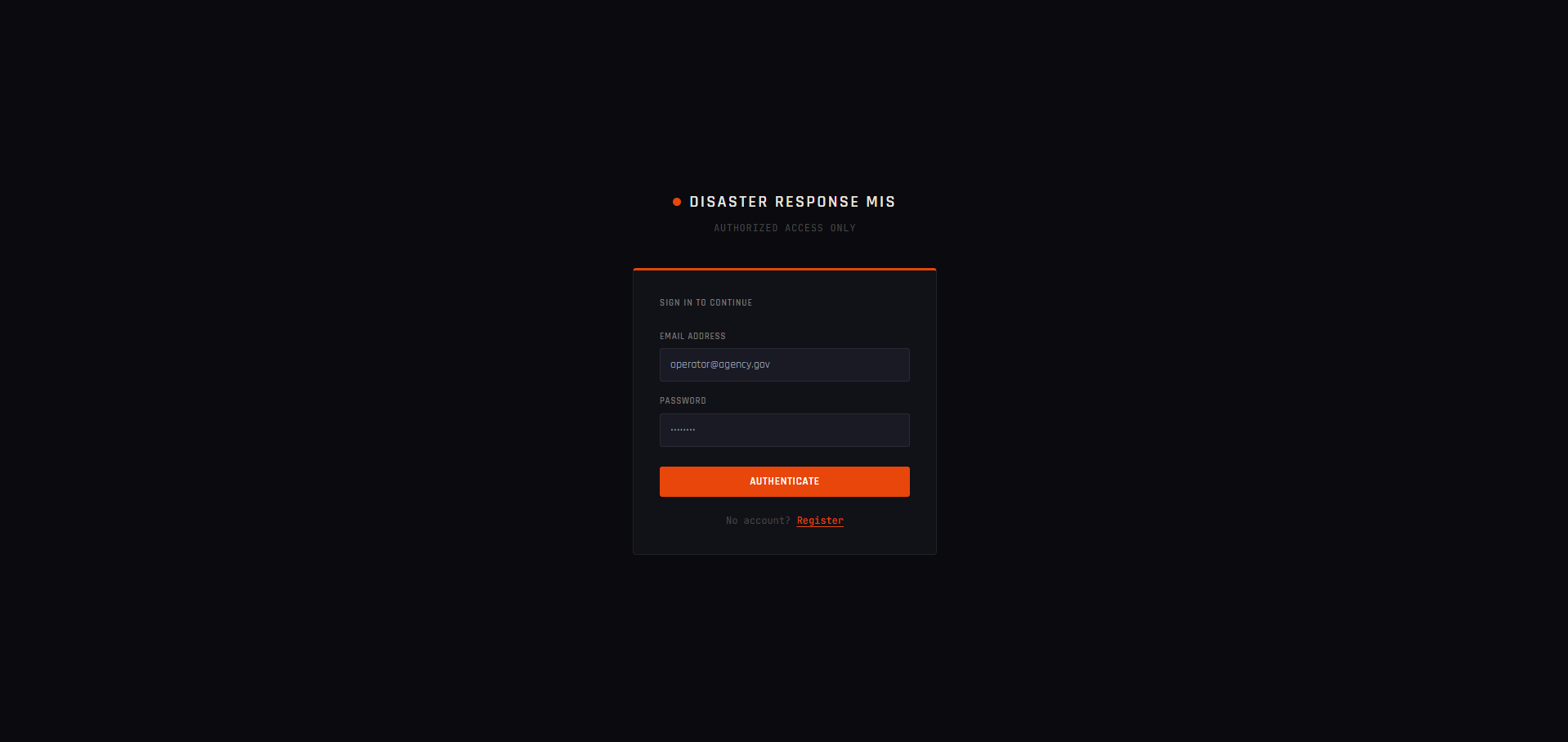
Login/Signup Page
-
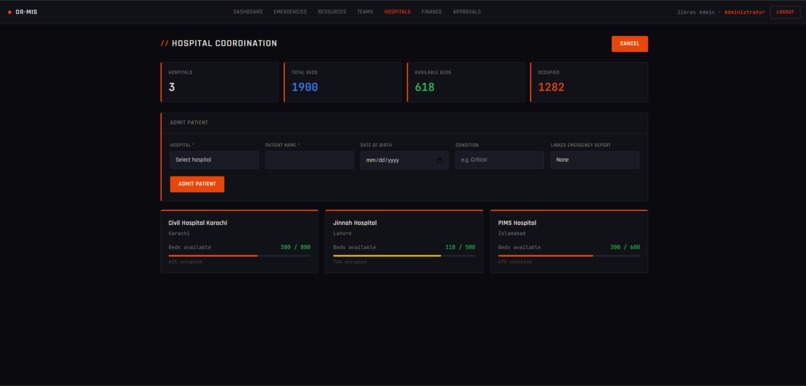
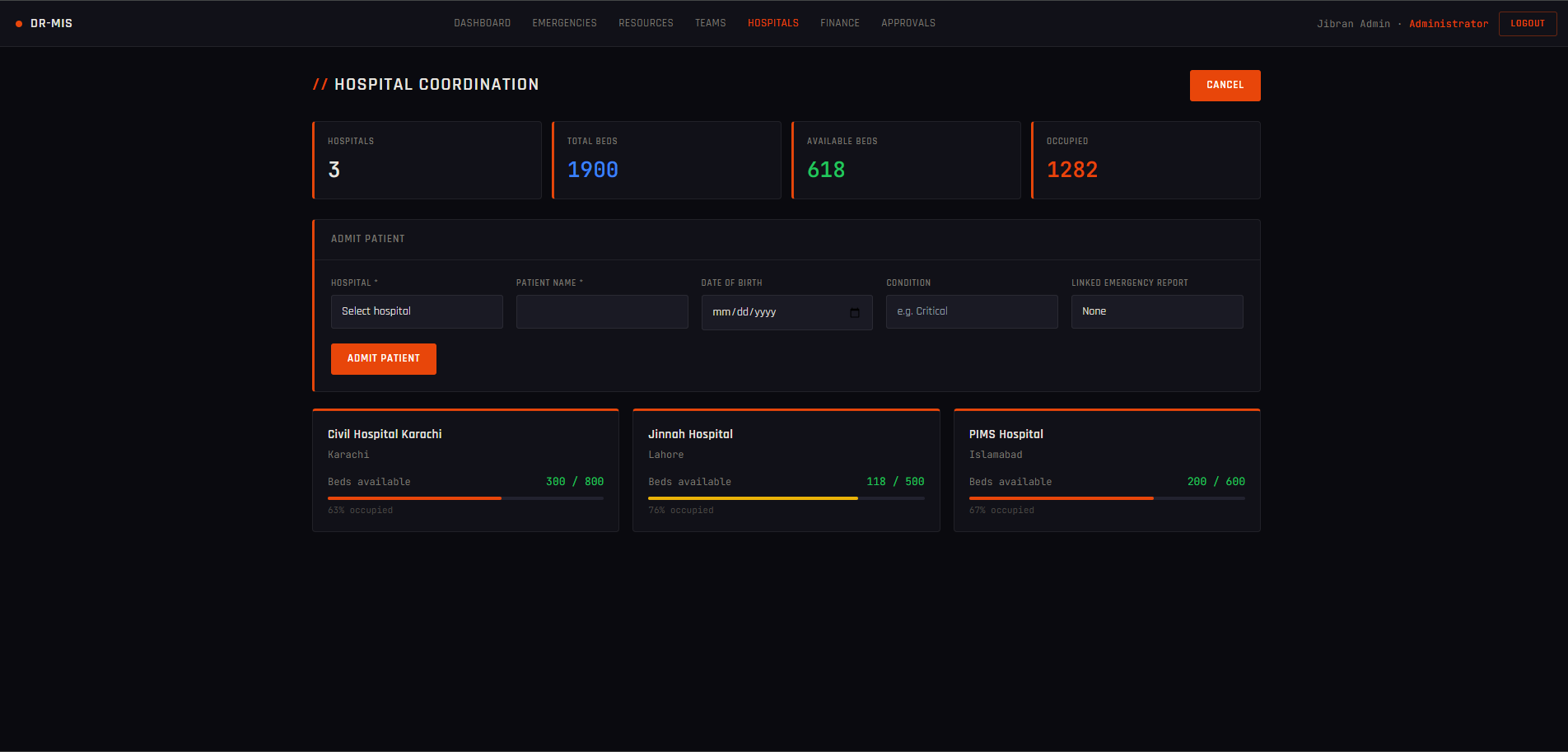
Hospital Coordination
-
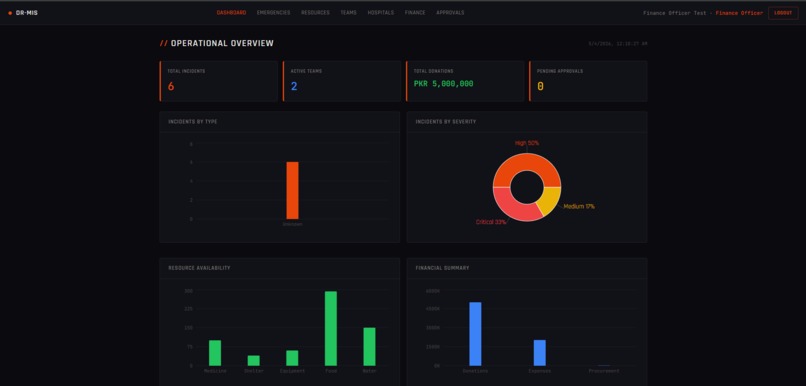
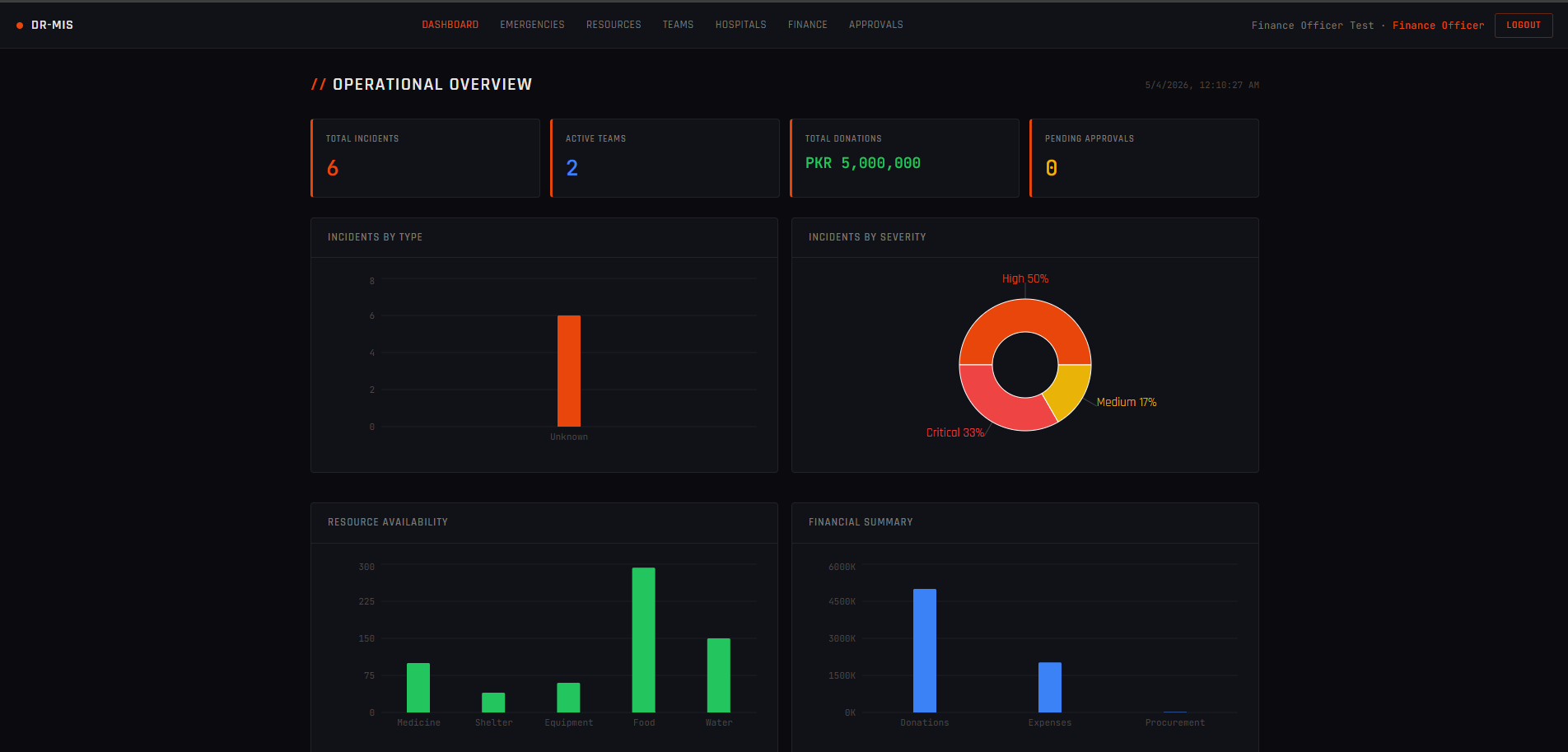
Dashboard Analytics
-
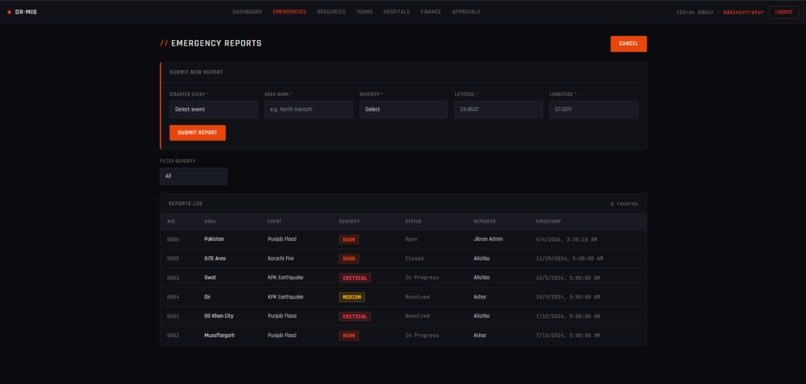
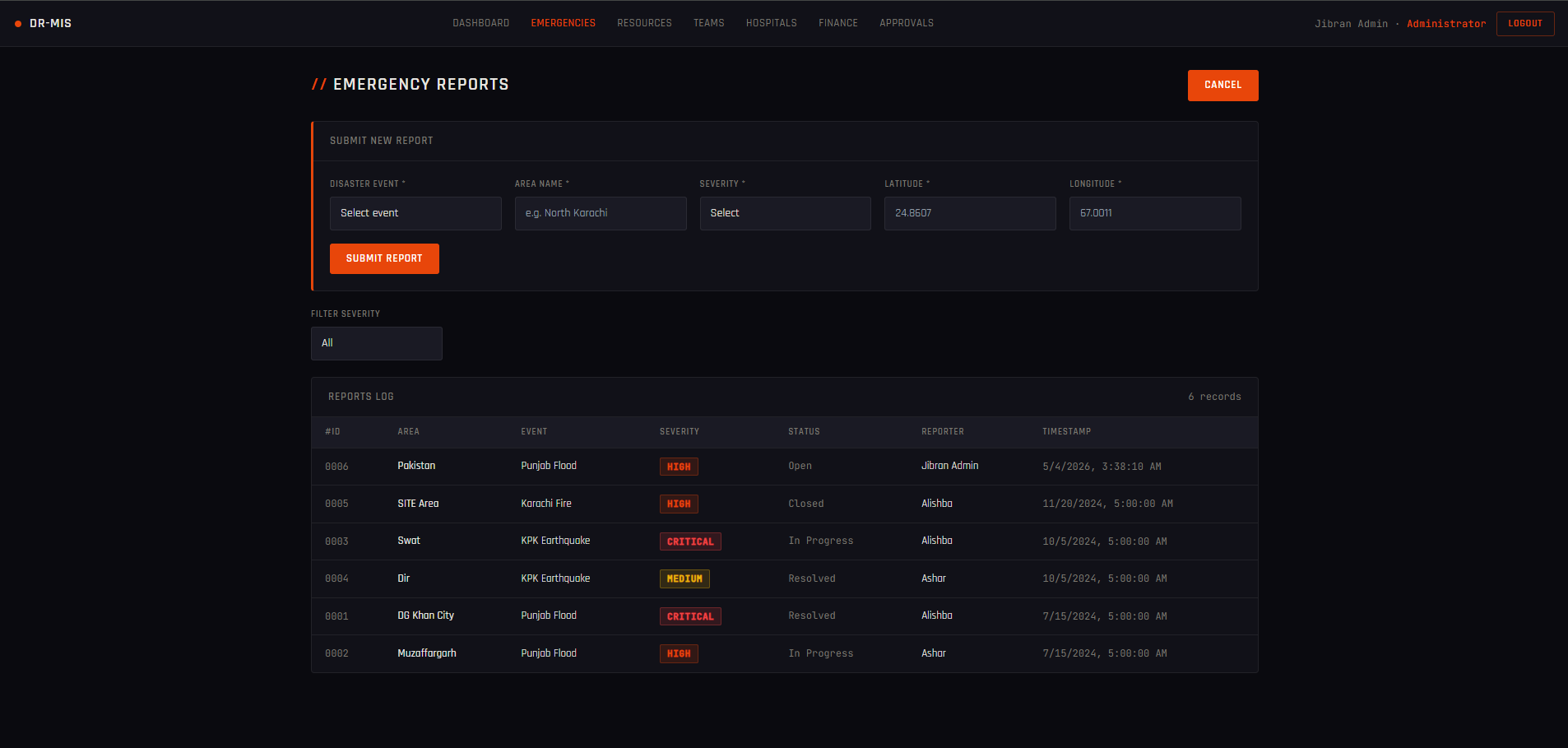
Emergency Reports
-
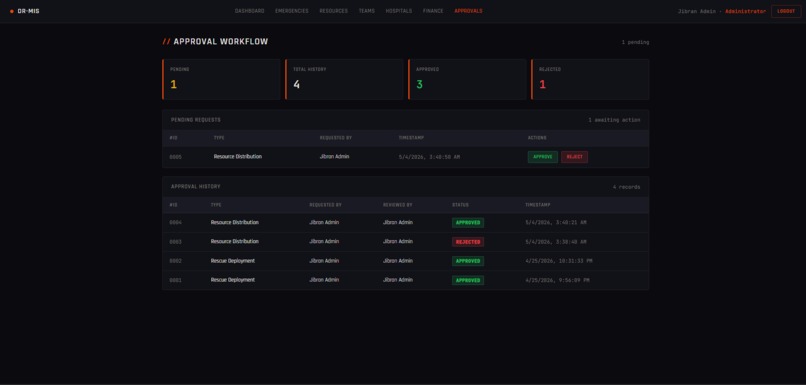
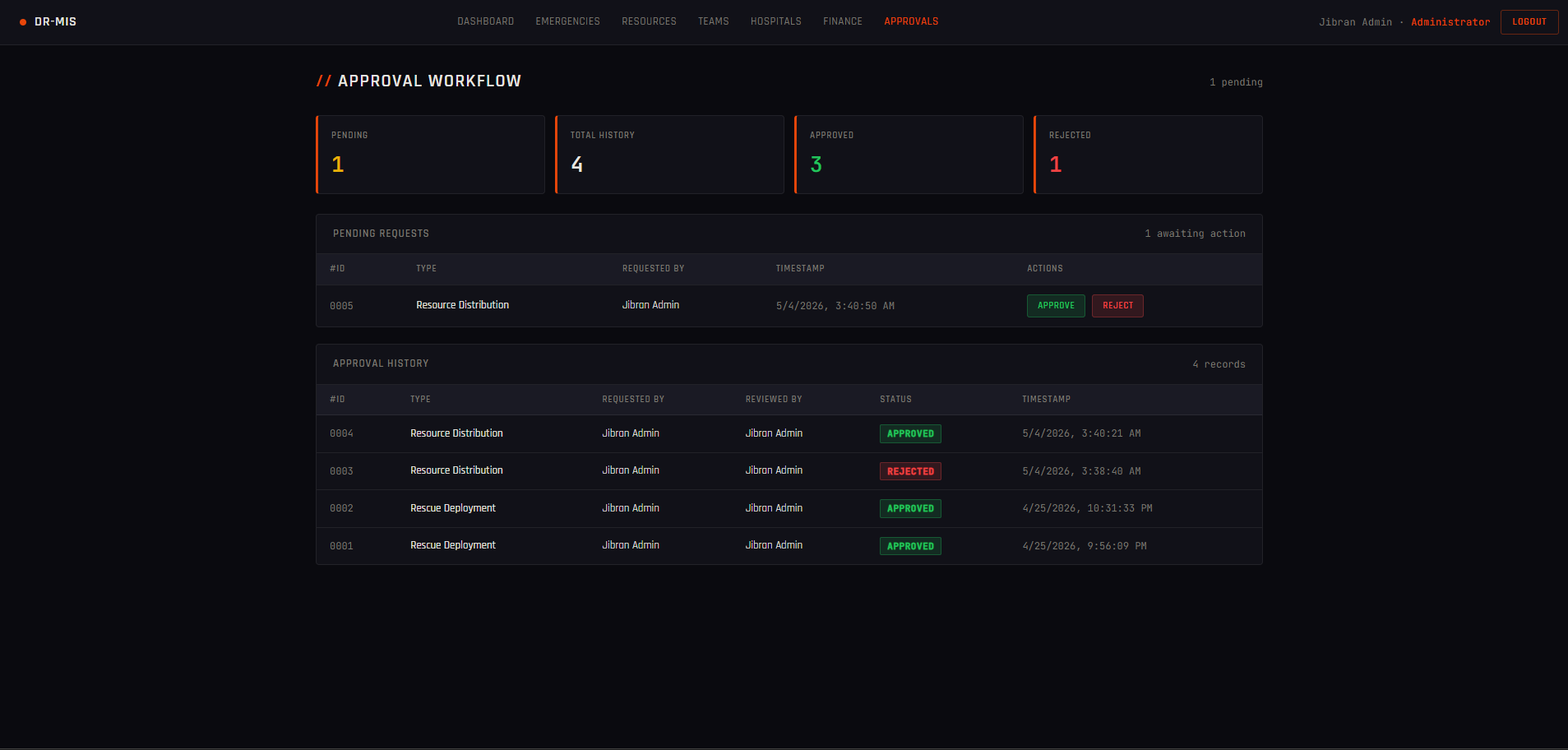
Workflow Approval
-
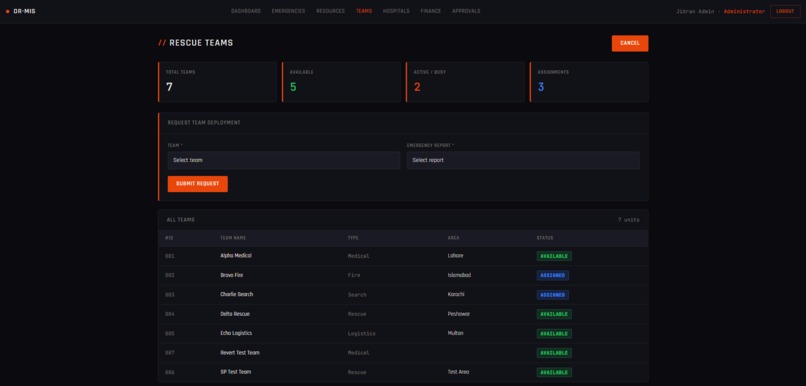
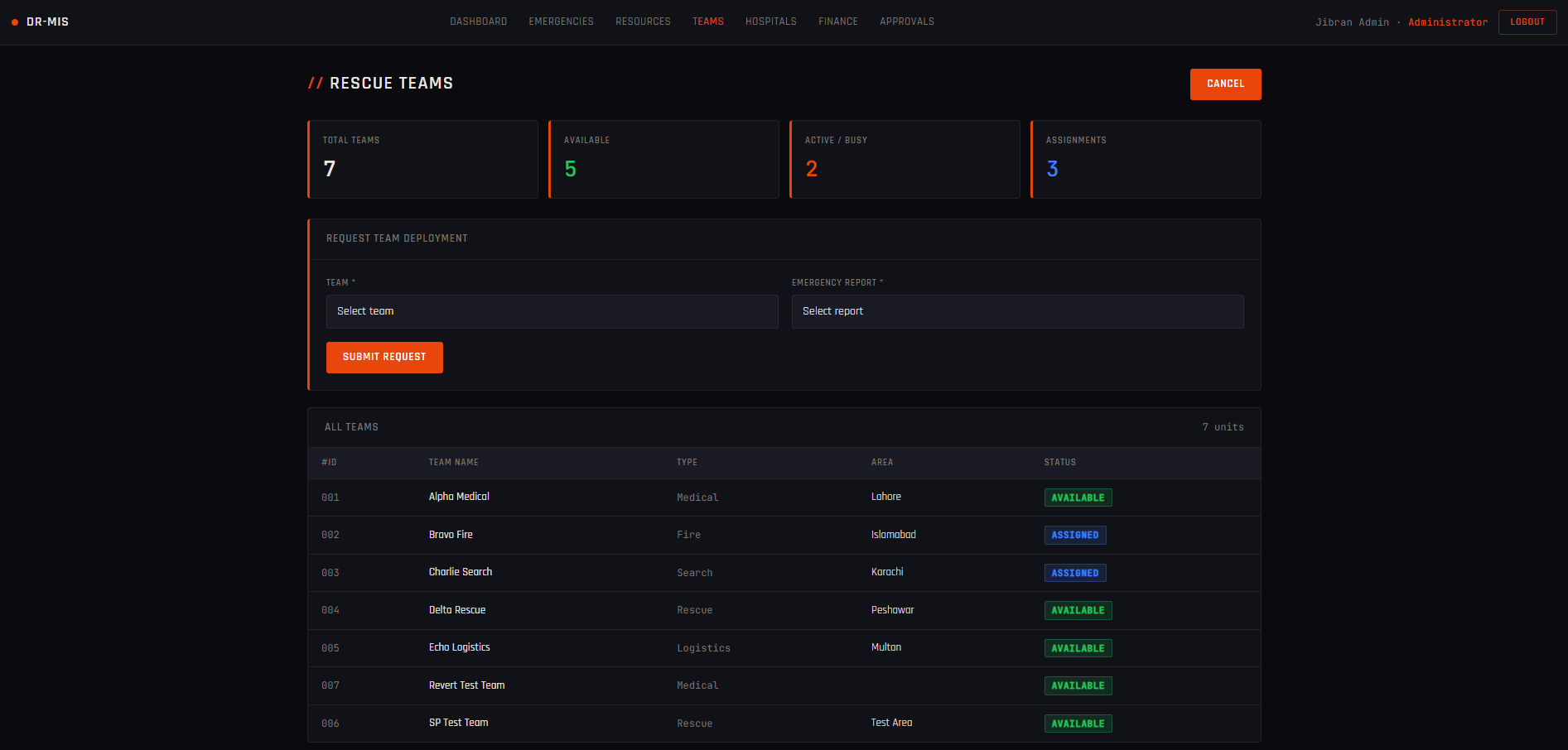
Rescue Teams operations
-
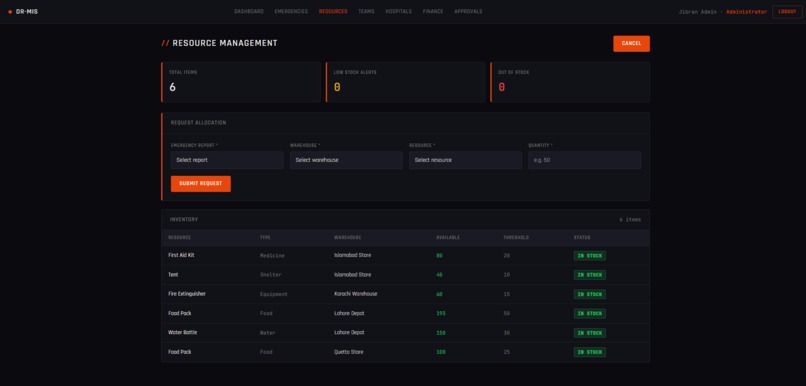
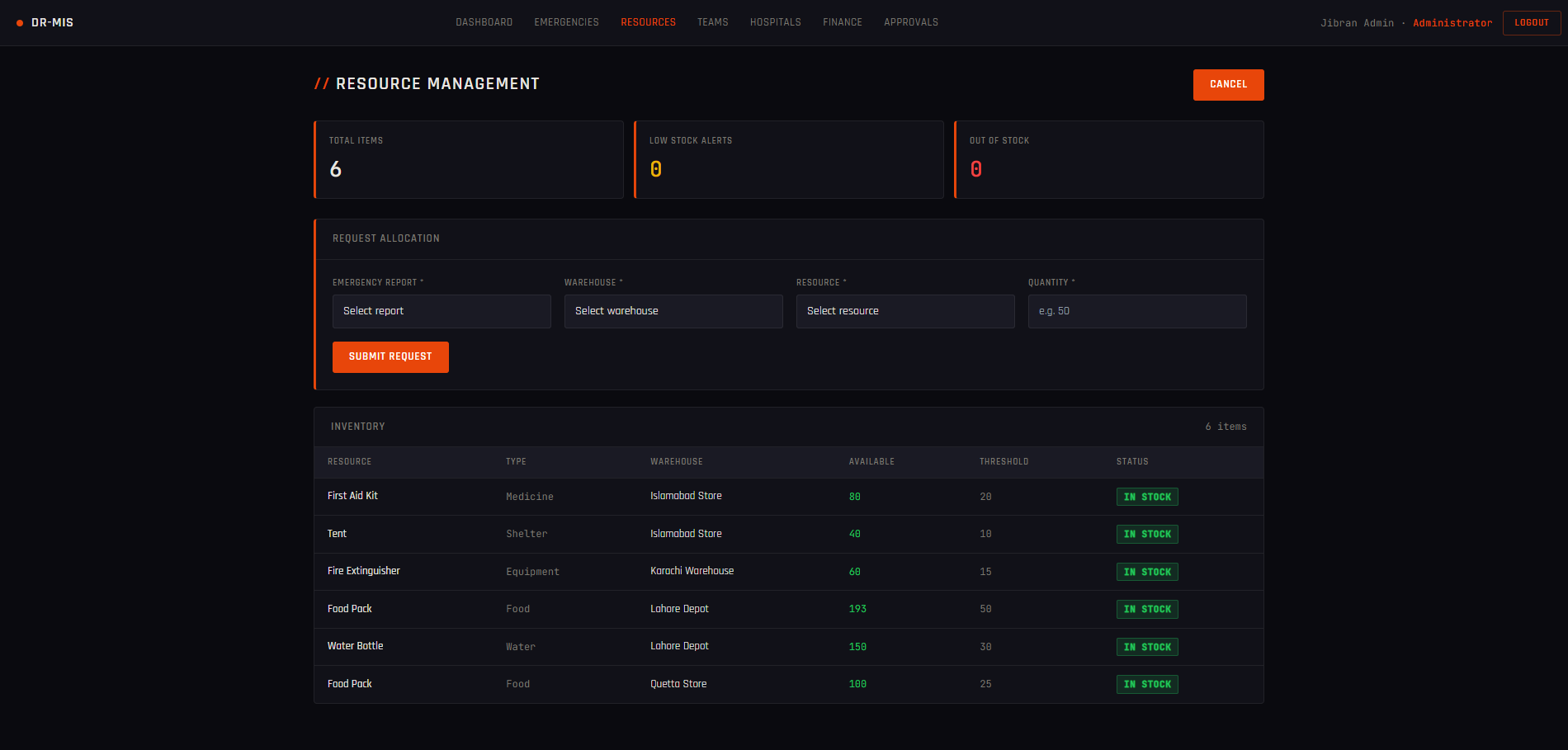
Resource Management
-
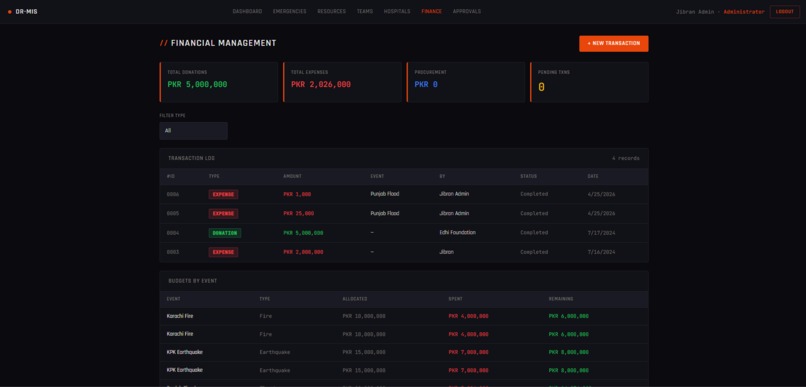
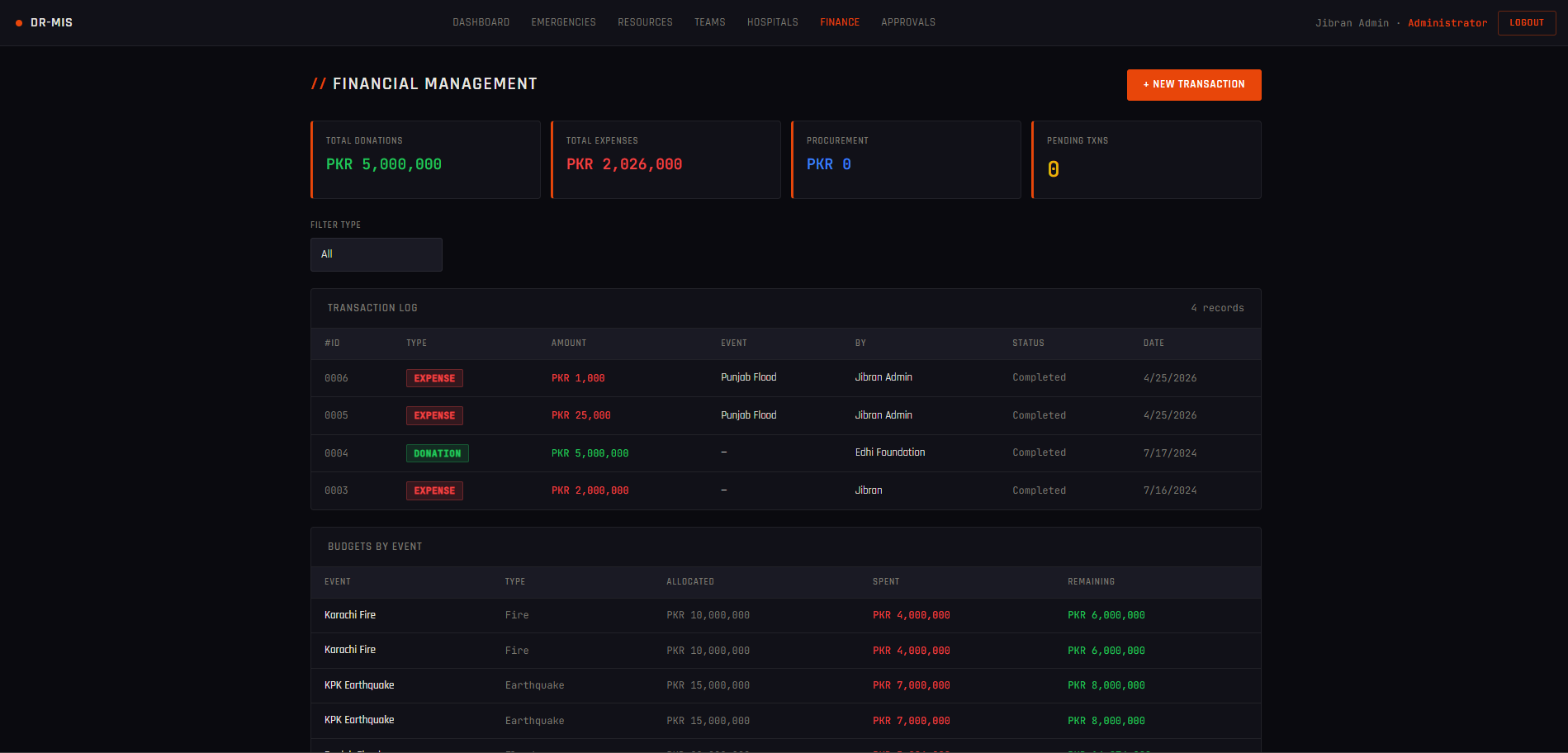
Finance Management
Inspiration
When disasters like floods, fires, or earthquakes hit, local response coordination often collapses into chaos. Emergency reports come in faster than they can be logged, resources get tracked on paper or spreadsheets, hospital bed availability isn't visible to dispatchers, and there's no audit trail for who approved what. We built RapidAid MIS to replace this fragmented manual process with a single, structured, role-based platform that gives disaster response coordinators real-time visibility into emergencies, teams, hospitals, resources, and finances and that can serve as the foundation for an AI-driven triage layer next.
What it does
RapidAid MIS is a full-stack web platform for coordinating disaster response operations. Authenticated users (Administrators, Emergency Operators, Field Officers, Warehouse Managers, Finance Officers) log in to a role-based dashboard where they can:
- Log and track emergency reports with location, severity, and status
- Manage rescue teams and assign them to active emergencies
- Monitor hospital bed capacity and patient admissions tied to specific emergency reports
- Track warehouse inventory and resource allocation to disaster areas
- Handle financial transactions, donor records, procurement, and budgets for disaster relief funding
- Route sensitive actions through an approval workflow
- View a full audit log of system actions for accountability and compliance
Every action is governed by role-based access control (RBAC), so each user only sees and does what their role permits.
How we built it
We designed the database first using a normalized relational schema with 15+ interconnected tables covering users/roles, disaster events, emergency reports, hospitals, patients, rescue teams, warehouses, inventory, financial transactions, procurement, budgets, approvals, and audit logs. SQL Server triggers and stored procedures enforce business rules and automatically write audit log entries at the database level, so data integrity doesn't depend solely on application code.
The backend is a Node.js/Express REST API with JWT-based authentication and custom RBAC middleware applied globally before requests reach any route handler, exposing endpoints for emergencies, teams, resources, hospitals, finance, approvals, transactions, and audit logs.
The frontend is a React 18 + Tailwind CSS single-page app with protected routes, an authentication context, and dedicated dashboards for Emergencies, Teams, Hospitals, Resources, Finance, Approvals, and Audit Log, with charts powered by Recharts for at-a-glance situational views.
Challenges we ran into
Designing a schema that stayed in $3NF$ while supporting real disaster-response workflows (resource allocation, team assignment, financial approvals) without creating circular dependencies was tricky we resolved this with careful junction tables and foreign key constraints. Implementing global RBAC middleware that applies correctly across nine different route modules, each with different role permissions, also required a consistent permissions model defined at the database level rather than hardcoded into each route.
Accomplishments that we're proud of
We have a genuinely functional, end-to-end MIS not just mockups: working authentication, nine fully wired API route modules, a normalized database with triggers, stored procedures, and views, performance-tested queries, and a complete multi-page React dashboard covering the entire disaster response lifecycle from emergency reporting to financial accountability.
What we learned
We learned how much of "intelligent" disaster response actually depends on getting the underlying data model and access control right first before AI can meaningfully help triage or summarize anything, the system needs structured, validated, role-secured data to work with. We also gained practical experience designing database-enforced business rules (CHECK constraints, triggers, stored procedures) as a complement to application-layer logic.
What's next for RapidAid MIS
Our next phase focuses on adding an AI layer on top of this foundation:
- AI severity classification of incoming emergency reports
- AI-powered natural language query assistan.
- AI-driven resource allocation recommendations across warehouses and emergencies
- AI-based hospital routing suggestions based on bed availability and proximity
turning our structured data platform into an intelligent triage system.
Built With
- anthropic
- axios
- bcryptjs
- claude
- cors
- express.js
- javascript
- jwt-(jsonwebtoken)
- microsoft-sql-server
- mssql
- node.js
- react
- react-router
- recharts
- tailwind-css


Log in or sign up for Devpost to join the conversation.