-
-
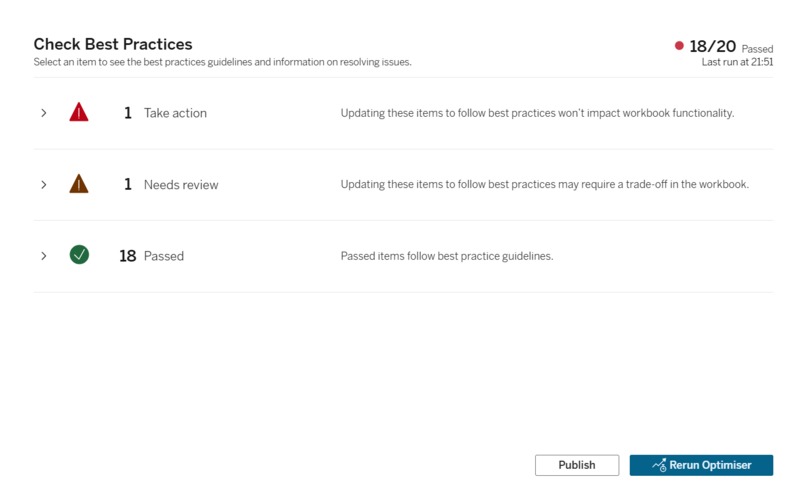
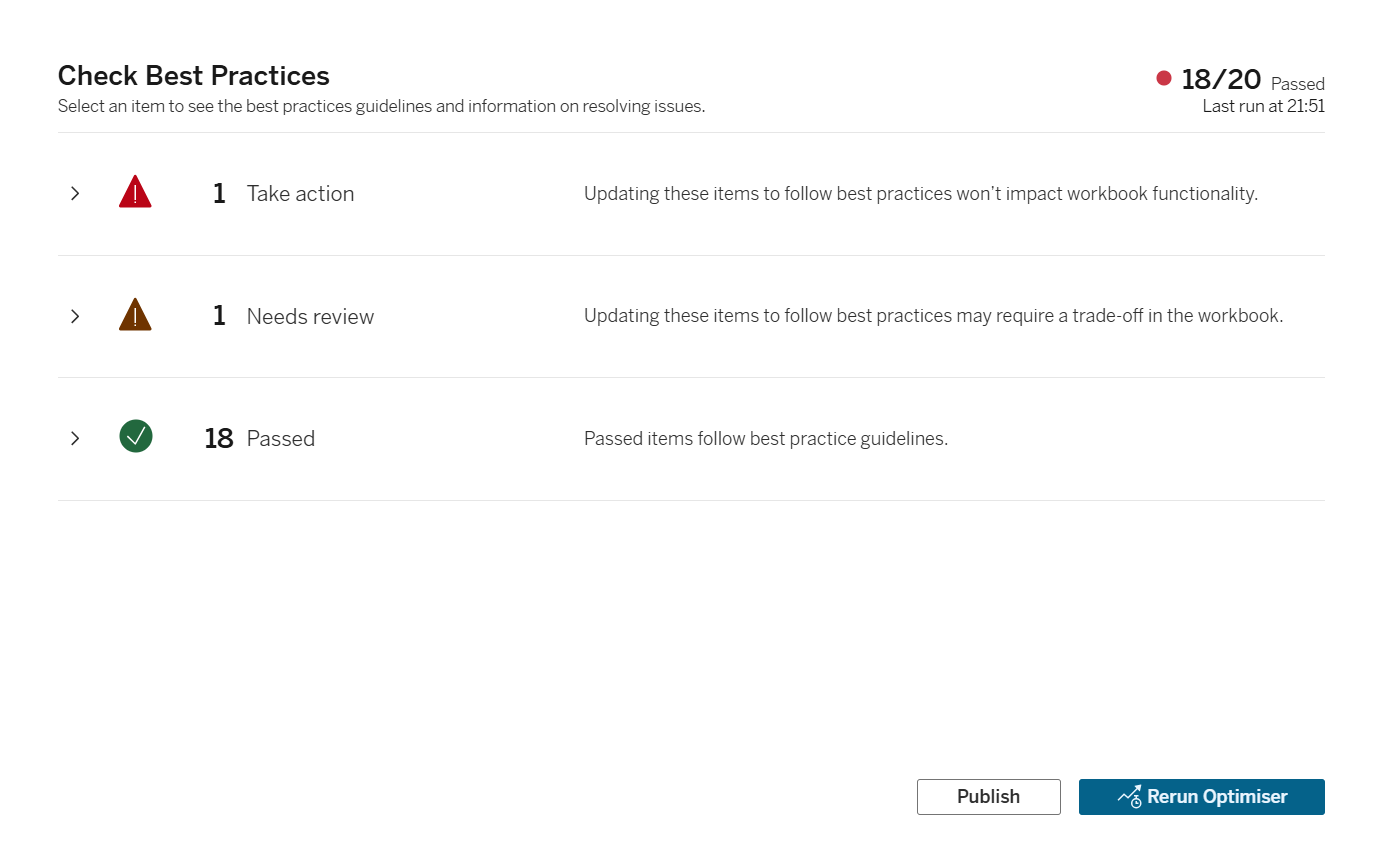
output of our project
Inspiration
Coupled with a sense of emergency response situations, I came up with the ResQNet integration to glue incidents and unit data into one place. Skilled in Tableau visualization techniques to address difficulties with filtering and fields to drive real-time insights, enabling dispatchers to make quicker and smarter lifesaving decisions.
What it does
“ResQNet – Emergency Dispatch Dashboard” gives the user an aggregated view of the information of the incident as well as the readiness status of the units through a single screen. The system allows for the view of the map for the incident, key metrics such as the time of response and number of SLAs exceeded, in addition to the readiness status of the units.
How we built it
To build ResQNet, we created two datasets: incidents and units. Using Tableau, we created two worksheets, one with the key performance indicators and another with the incident map and the status sheet of the units. These two sheets were merged into one dashboard, which displayed live data through the application of filters. Student Activity:
Challenges we ran into
There were challenges that came up as a result of Tableau mis-identifying the categorical columns to be used as dates. Organizing filters across various sheets as well as the layout of the dashboard were also difficult. The challenges were not easy to handle, but they contributed to our skills as well as the dashboard that we developed.
Accomplishments that we're proud of
We are pleased that we were able to design and develop an emergency dispatch dashboard for handling incidents, metrics, and the status of the units in a real-time manner that actually functions. Furthermore, to make this pleasant experience even sweeter, the emergency that was a part of the hackathon challenge has been eliminated for the purpose of launching this new invention.
What we learned
We were able to learn how to use emergency datasets to develop insightful information using Tableau. Ideas such as knowledge development for working with dimensions or measures, working with filters, or developing KPI tiles are now a strength for us. Working on the application assignment within a time constrained situation improved our ability to persevere, whereas the assignment development for ResQNet brought back memories of why we were all so passionate about creating applications that could positively impact everyday life.
What's next for - Rapid Response Monitor
Going forward, we will further enhance Rapid Response Monitor with predictive analytics, including machine learning that projects the locations of incidents and what resources will be needed. Stronger data sets, greater mobile accessibility, and real‑time alerts make a more robust dashboard that will help emergency teams have quicker insights and better decision‑making.
Built With
- and
- and-the-preprocessing-of-the-data-was-accomplished-through-the-usage-of-sql.-the-analysis
- calculated
- developed
- field
- filters
- function
- maps
- of
- resqnet-was-developed-using-tableau-cloud.-the-incident-level-data-as-well-as-the-unit-data-in-the-form-of-csv/excel-was-integrated
- the
- through
- were


Log in or sign up for Devpost to join the conversation.