-
-
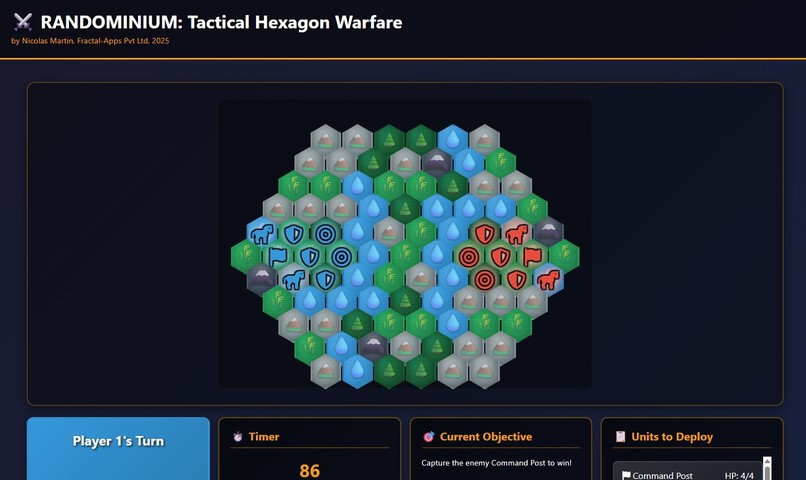
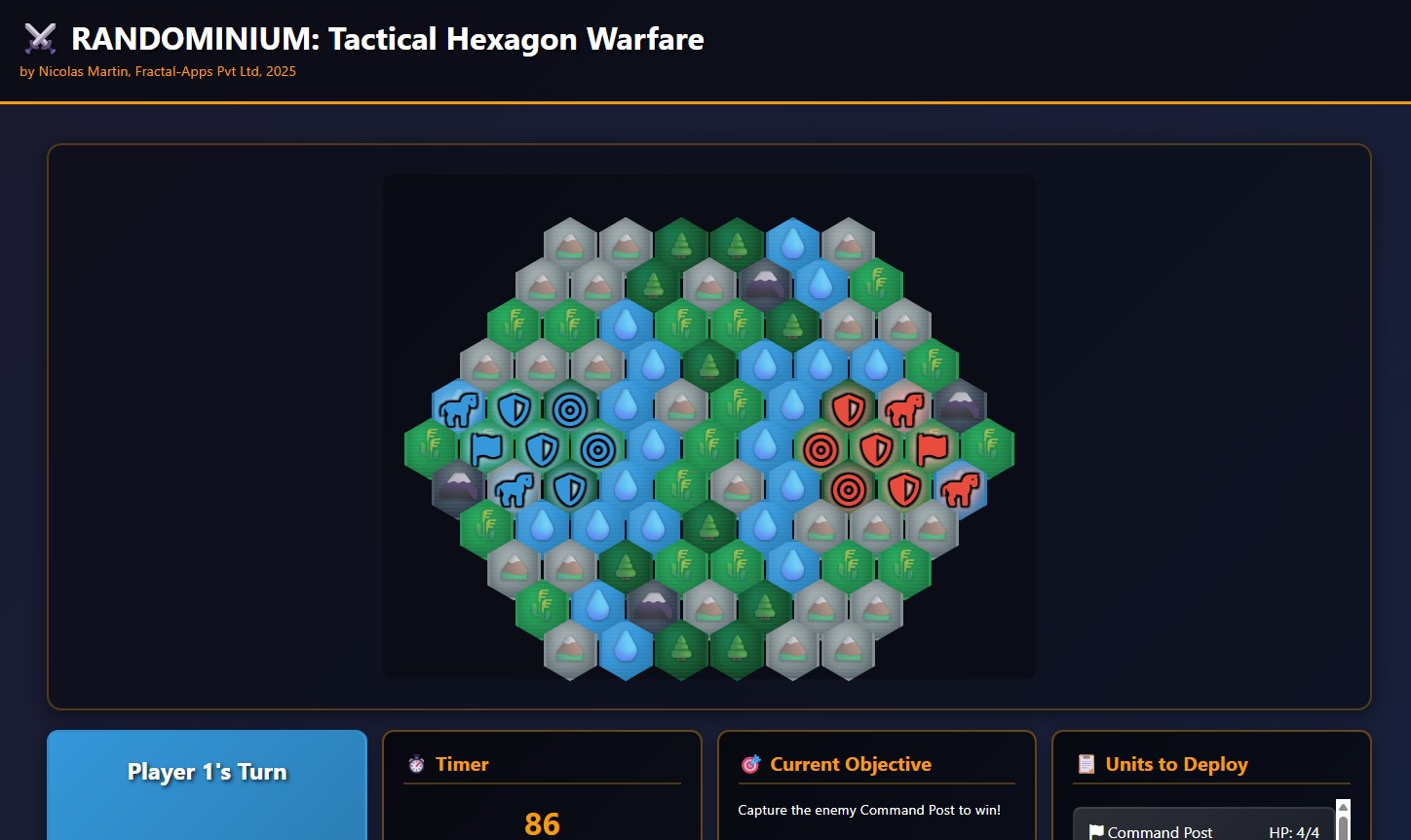
Randominium, main game screen on a PC
-
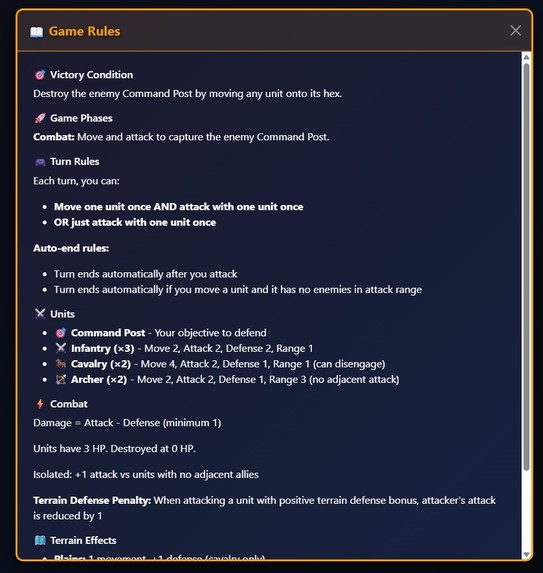
Rules
-
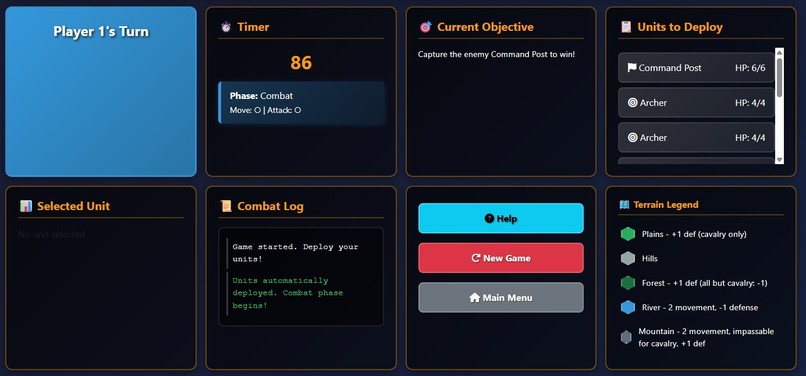
Game info interface
-
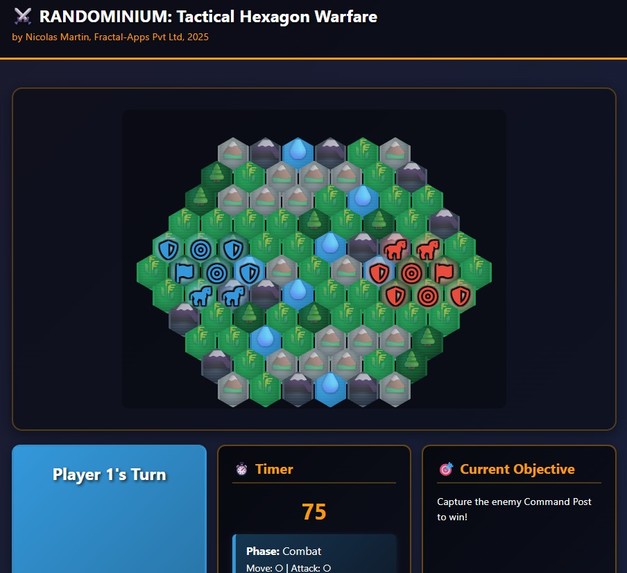
Tablet view
-
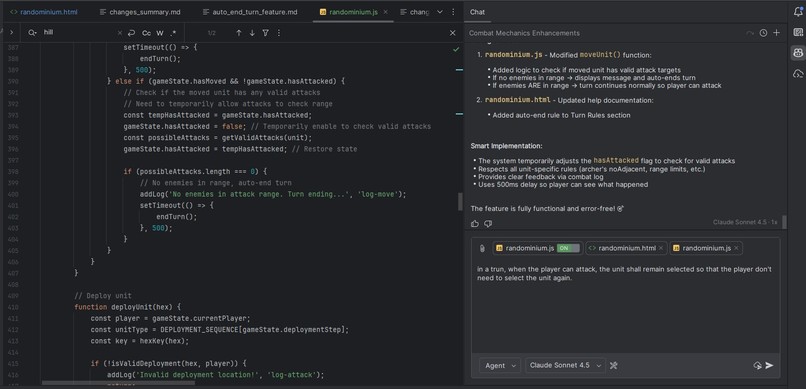
Dev with PyCharm / CoPilot
-
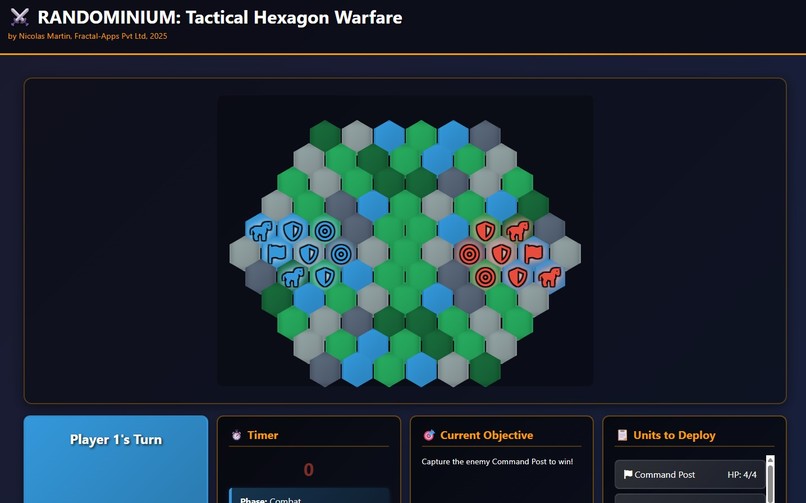
First version without design improvement
-
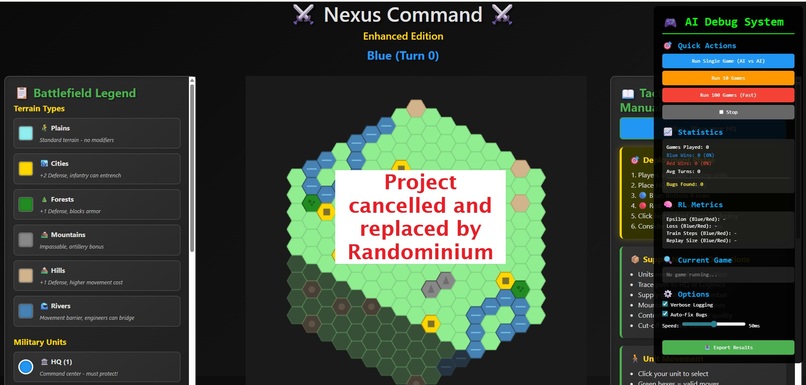
Previous game "Nexus Command" that was abandoned because it was too complex
-
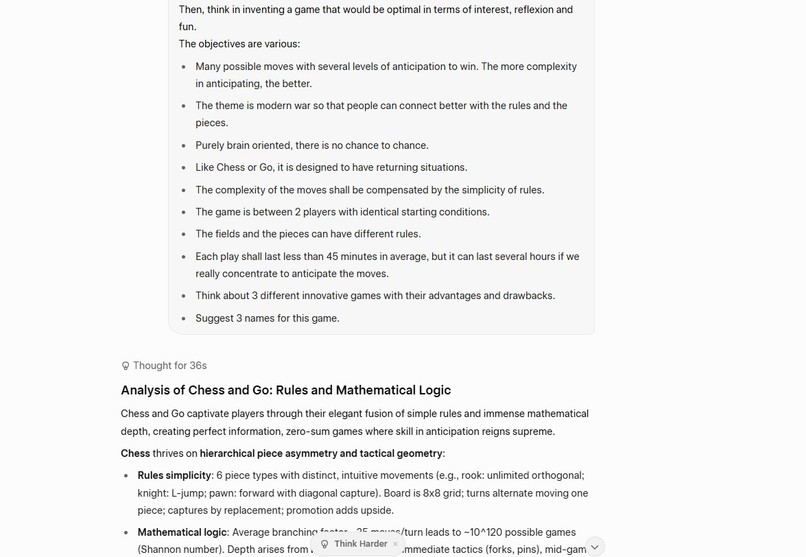
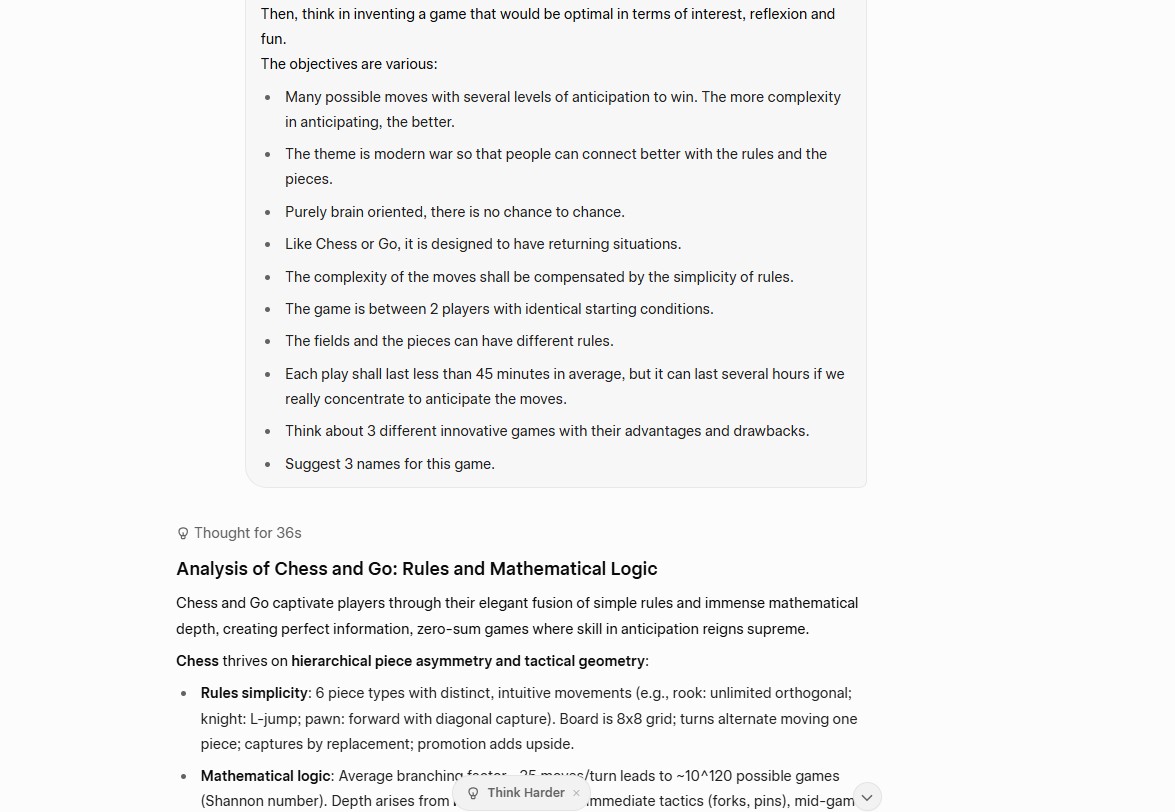
Initial prompt to create Chess/Go games with AI, that lead to Nexus Command
-
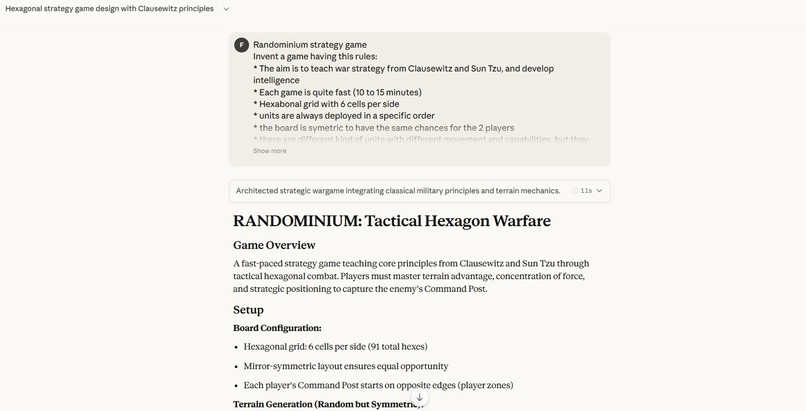
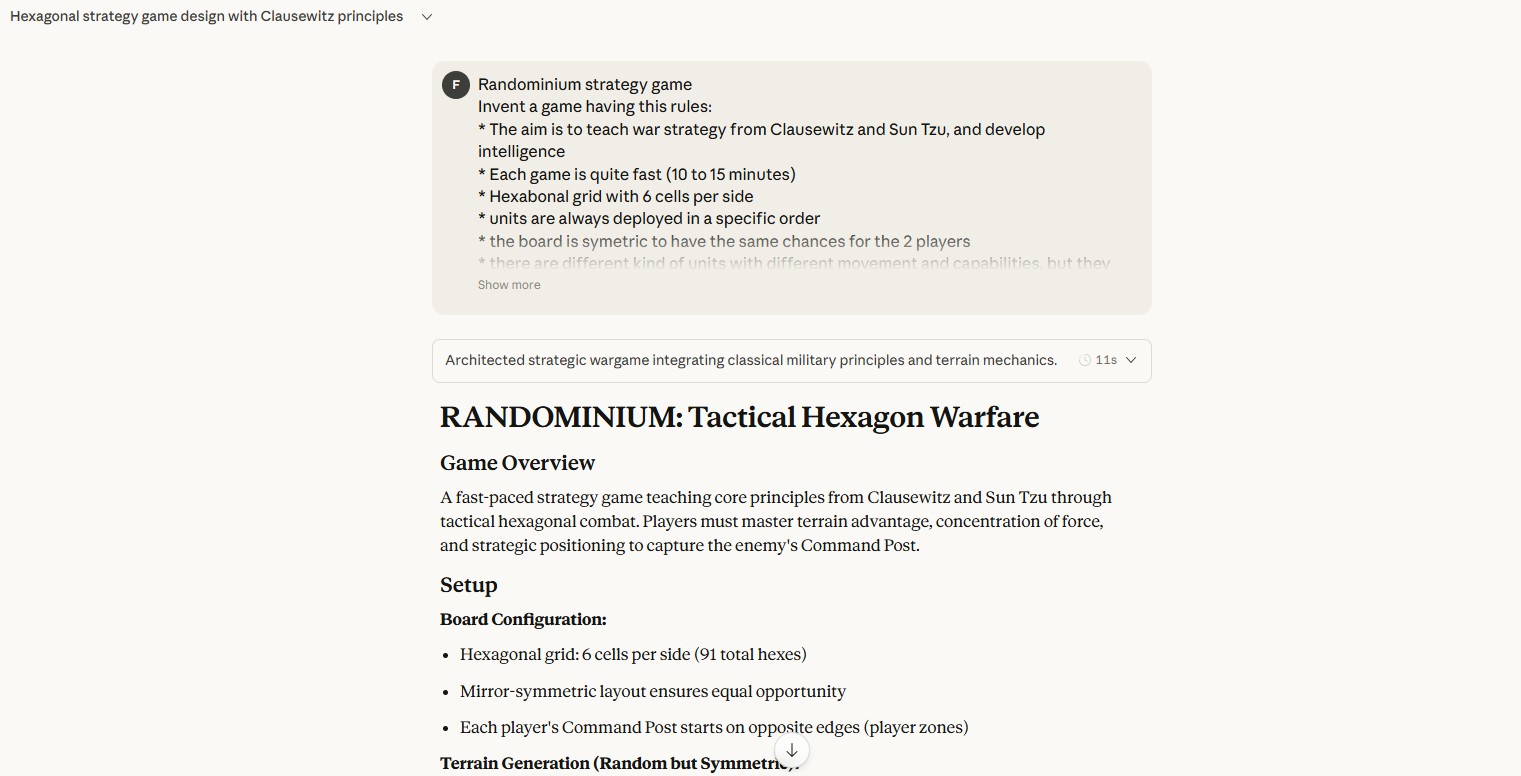
Randominium creation initial prompt after the failure of Nexus Command


Inspiration
Randominium was born from a desire to fuse the sharp tactical clarity of Chess with the fluid territorial flow of Go, while injecting real military philosophy from Clausewitz and Sun Tzu. After brainstorming with four different AI chatbots and getting roughly ten concepts, the most promising was “Nexus Command” — a supply-line-heavy wargame on a huge random board. It looked great on paper but felt sluggish and bloated in actual play. After days of, dozens of iterations, and even training a small Reinforcement Learning bot to test balance, I threw it all away and started fresh. The result: Randominium (“Random” terrain + “Dominium”), a lean, fast, and deeply strategic hexagonal wargame that finally nailed the elegance I was chasing.
What it does
Two players battle on a compact, mirror-symmetric 91-hex board with randomly generated (but perfectly fair) terrain. Each commands exactly eight units (3 Infantry, 2 Cavalry, 2 Archers, 1 immobile Command Post). The sole victory condition: move any unit onto the enemy Command Post. Matches last 10–15 minutes thanks to a strict 90-second turn timer. Terrain matters hugely — hills grant defense and extended vision, forests hide units, rivers slow movement — and clever rules like isolated-unit penalties and free cavalry disengages reward concentration of force, flanking, and deception over mindless rushing.
How we built it
100 % vanilla HTML5 + JavaScript + PyCharm with CoPilot (no frameworks, no backend, no install required). I used mostly Claude Sonnet 4.5 with CoPilot to develop the main design and the game mechanics, and it required many AI and manual adjustments.
- Mirror-symmetric procedural terrain generation ensures identical strategic possibilities for both sides while keeping every match fresh.
- Pure client-side logic: deterministic combat, turn timer, and full undo for local hotseat play.
- Hundreds of solo playtests + micro-adjustments (terrain percentages, movement costs, vision rules, isolated penalty, etc.) until the balance felt perfect.
- Mobile-first responsive design so it runs smoothly on phones, tablets, and desktops with touch or mouse.
Challenges we ran into
Starting over completely after sinking days into Nexus Command was painful but necessary. Keeping randomness truly fair (mirror symmetry without feeling repetitive). Tuning unit stats and terrain effects so no single strategy dominates (early versions had cavalry steamrolls or complex supply system). Making deep strategy emerge from very simple rules while staying under 15-minute game length. Implementing a good unit balance and vision on hexes purely in JS and HTML without performance hits on low-end phones.
Accomplishments that we're proud of
A complete, polished, zero-install strategy game that works instantly in any modern browser. Balance so tight that the same opening deployment can lead to completely different midgames depending on terrain and mind-games. Successfully baked real military theory (center of gravity, economy of force, terrain advantage, intelligence) into mechanics that feel natural rather than tacked-on. Games are fast yet every match feels like a mini military campaign with dramatic turning points.
What we learned
Less is more — cutting features (supply lines, dozens of unit types, huge boards) dramatically increased fun and depth. Iterate brutally and early; killing your darlings (goodbye Nexus Command) is sometimes the only way forward. Symmetric randomness + deterministic combat = infinite replayability with zero luck frustration. Pure HTML/JS is still an incredibly powerful platform for rich strategy games in 2025.
What's next for Randominium
Built-in AI opponent — preview dropping within weeks.
The browser version is ready — the AI preview is the next big milestone. Get ready to conquer some hexes!
Built With
- claude
- html
- javascript

Log in or sign up for Devpost to join the conversation.