-
-
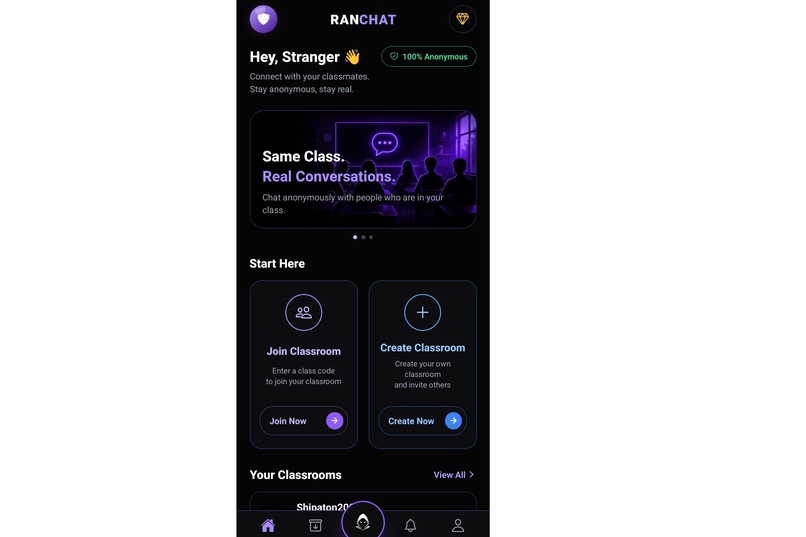
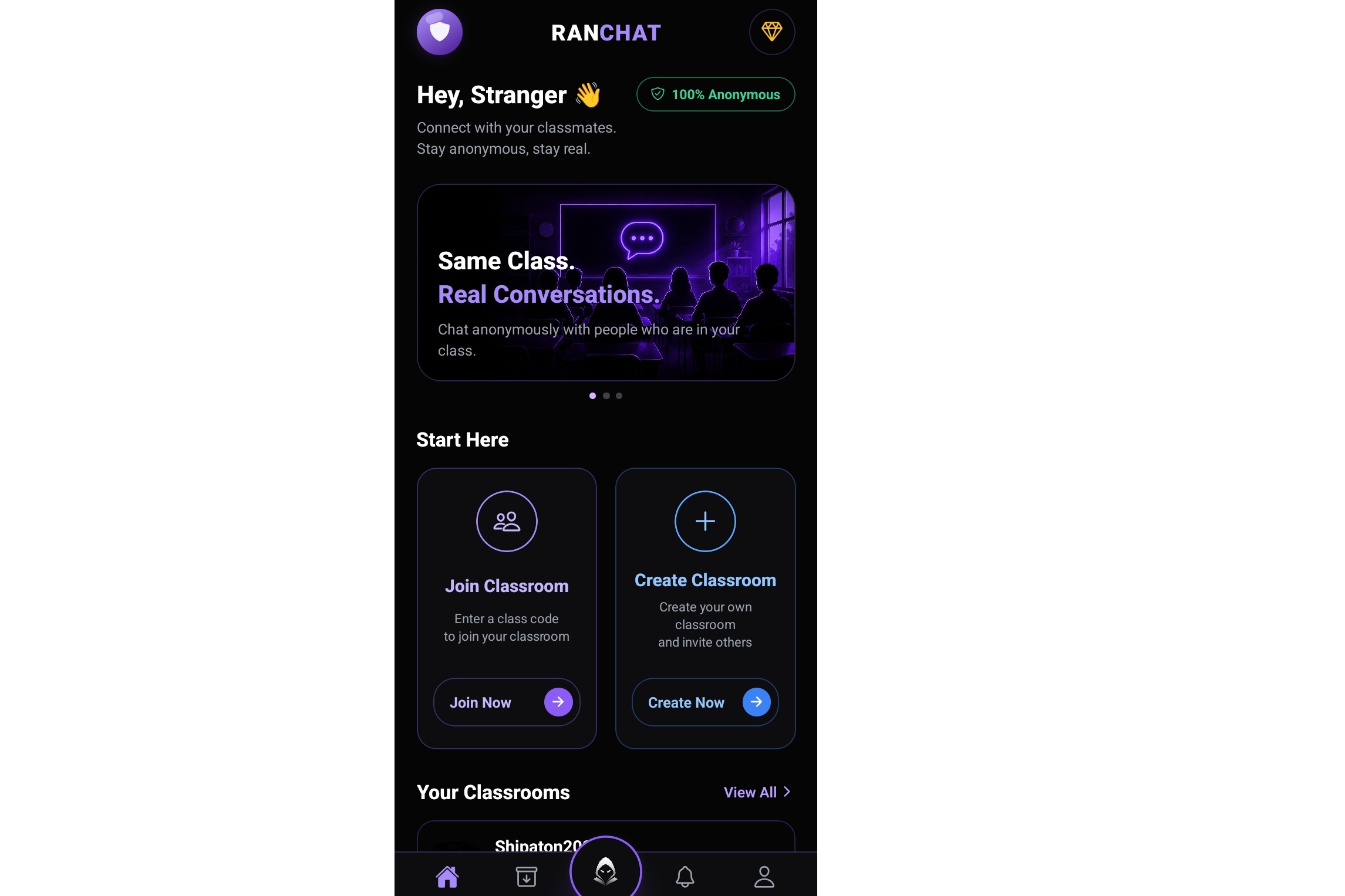
Home
-
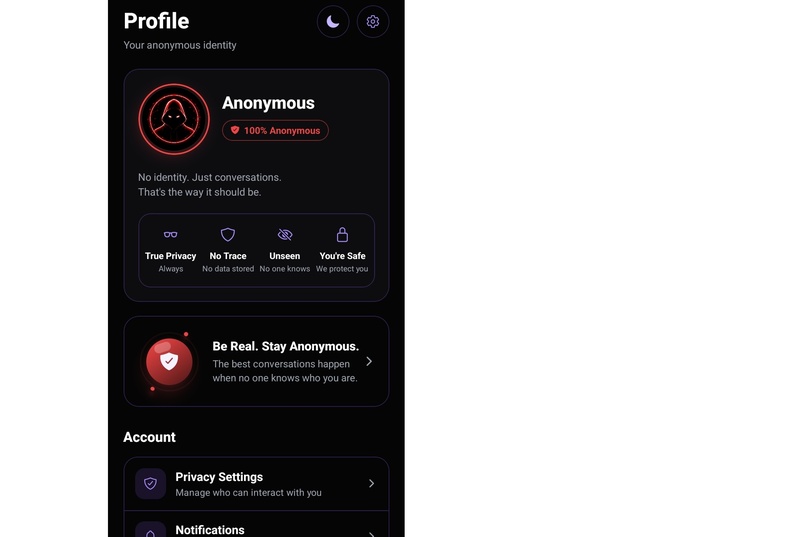
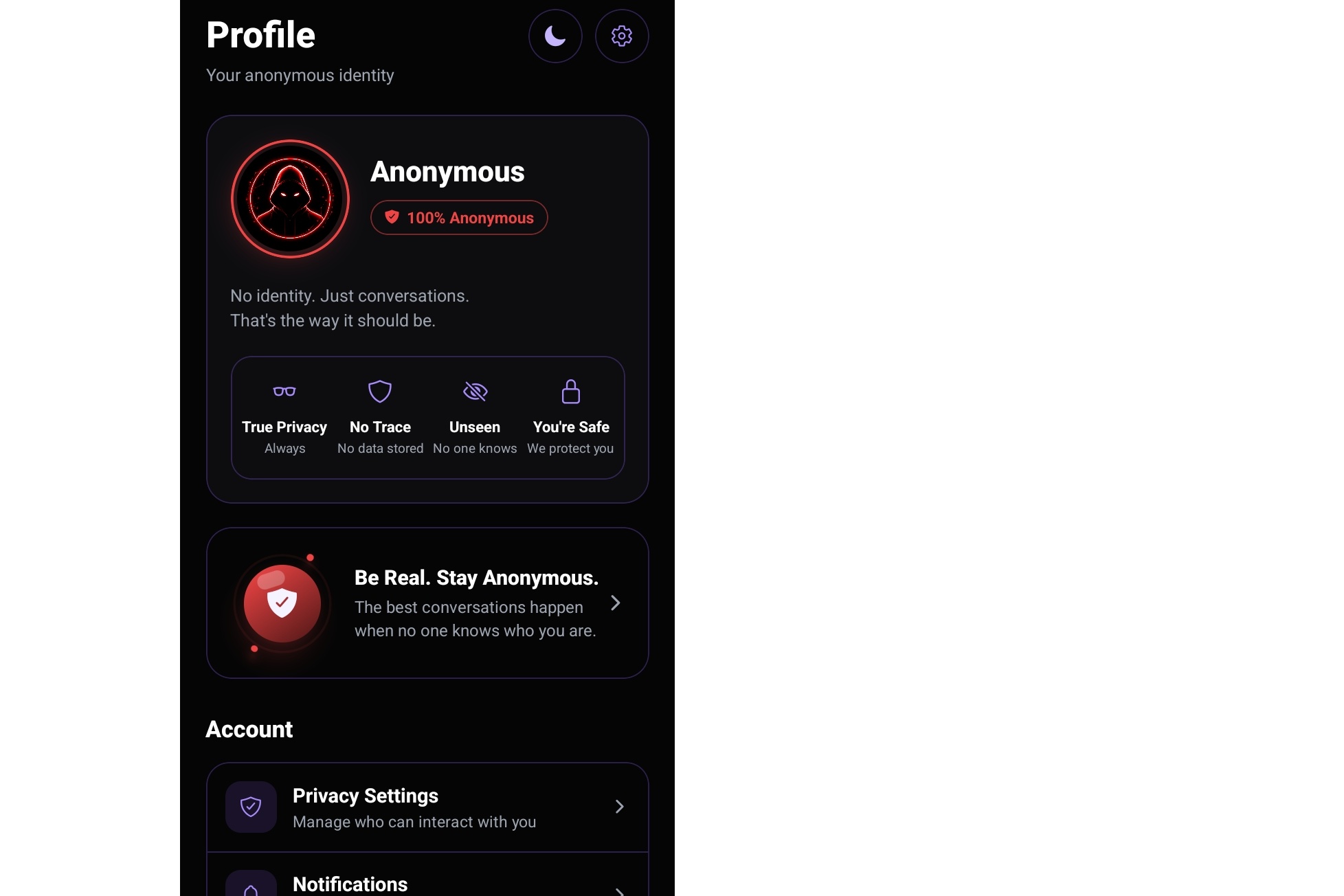
Profile
-
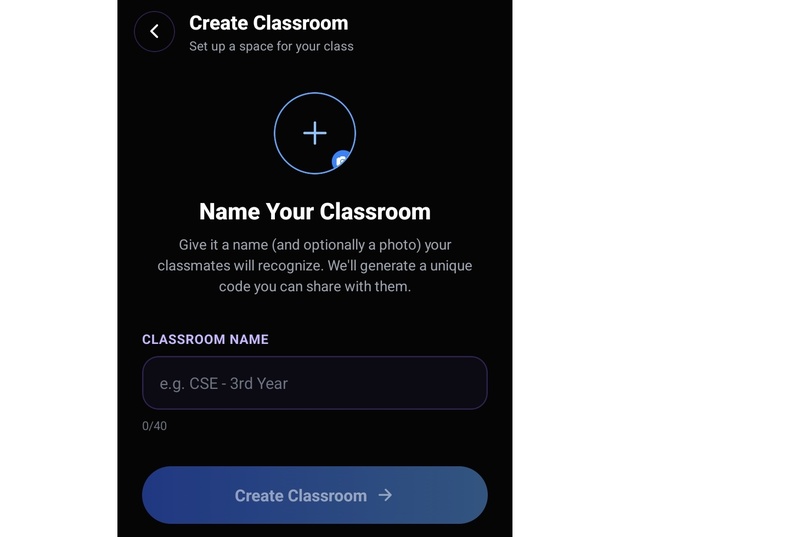
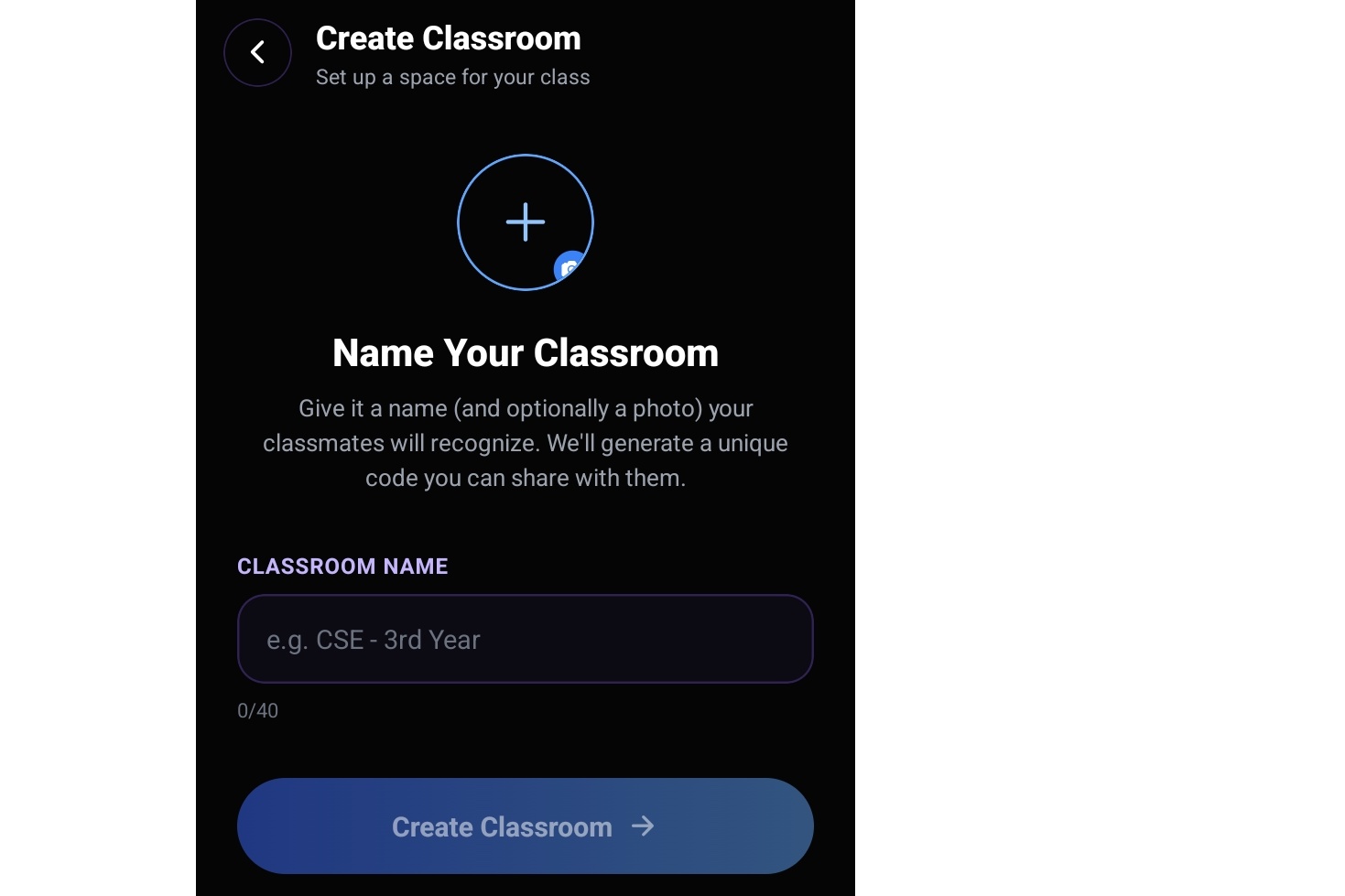
Create Classroom
-
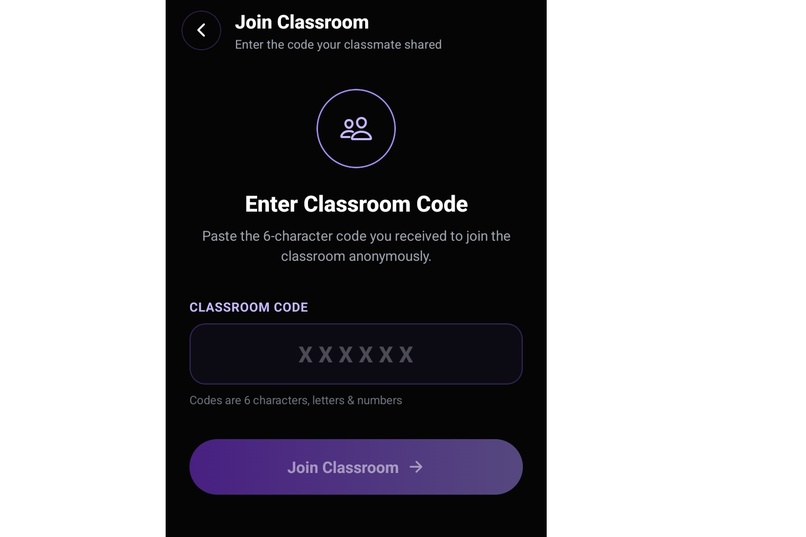
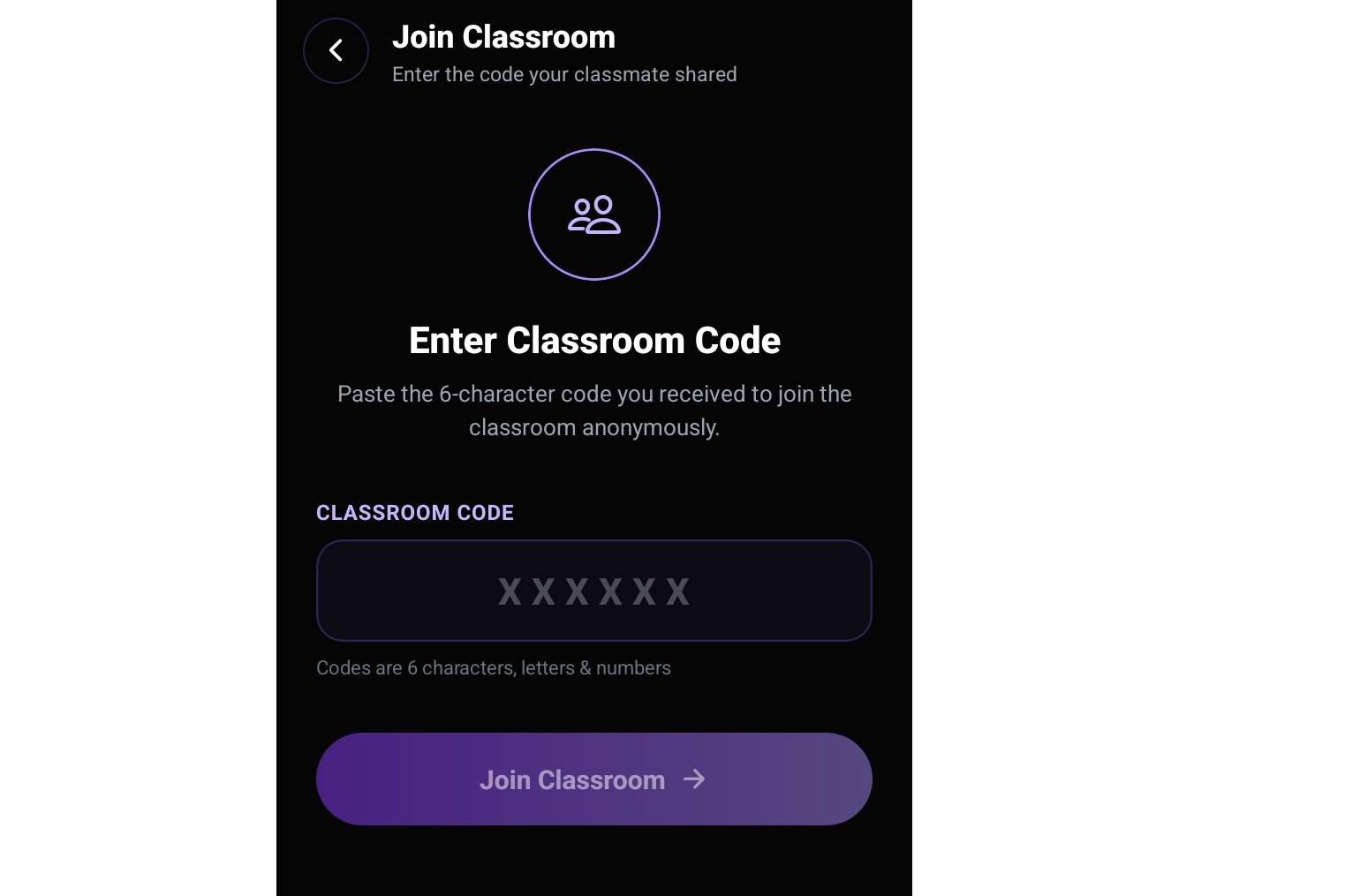
Join Classroom
-
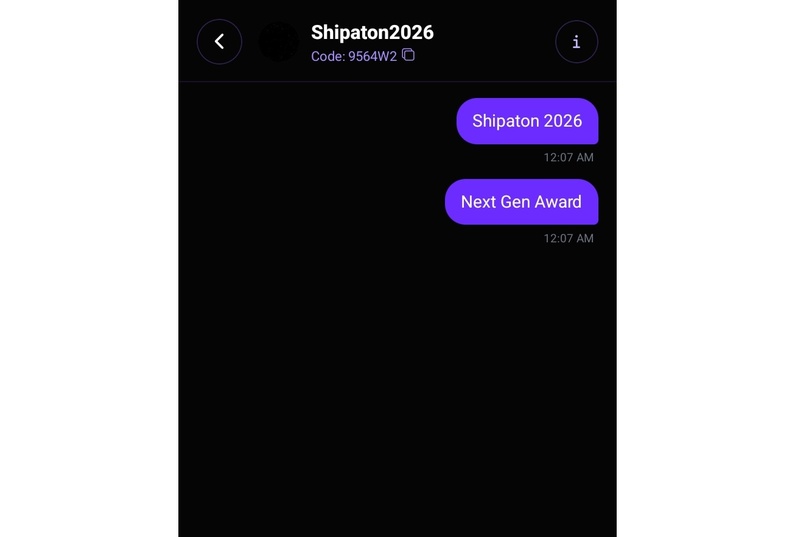
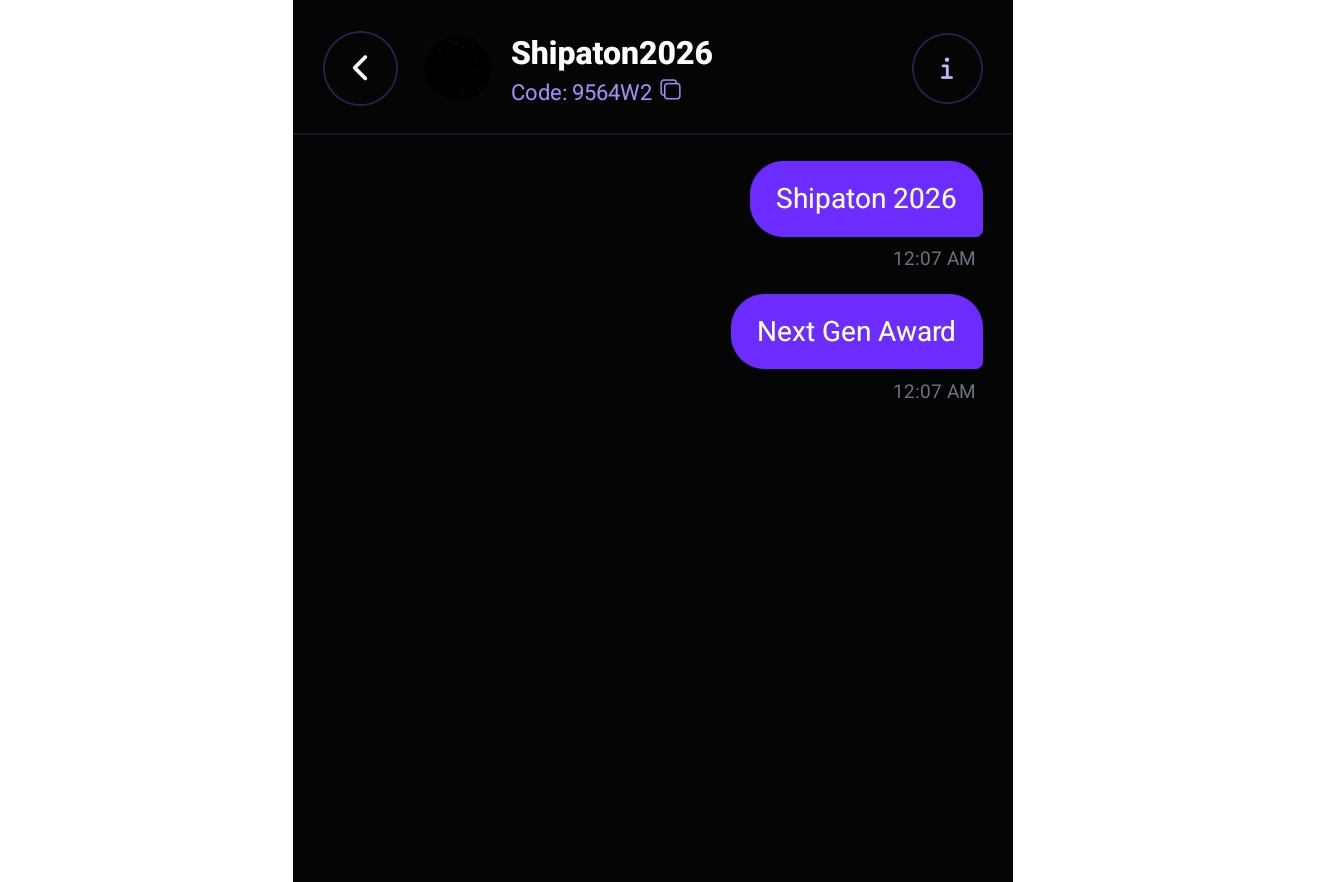
Classroom Chat
-
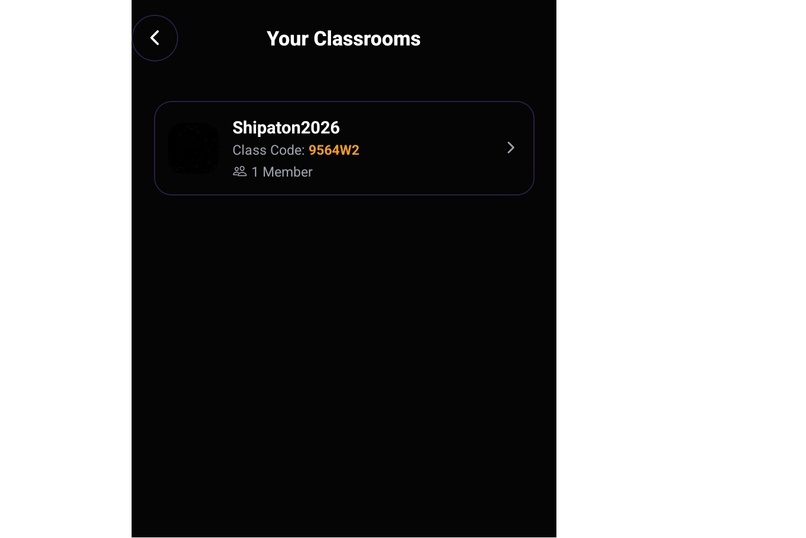
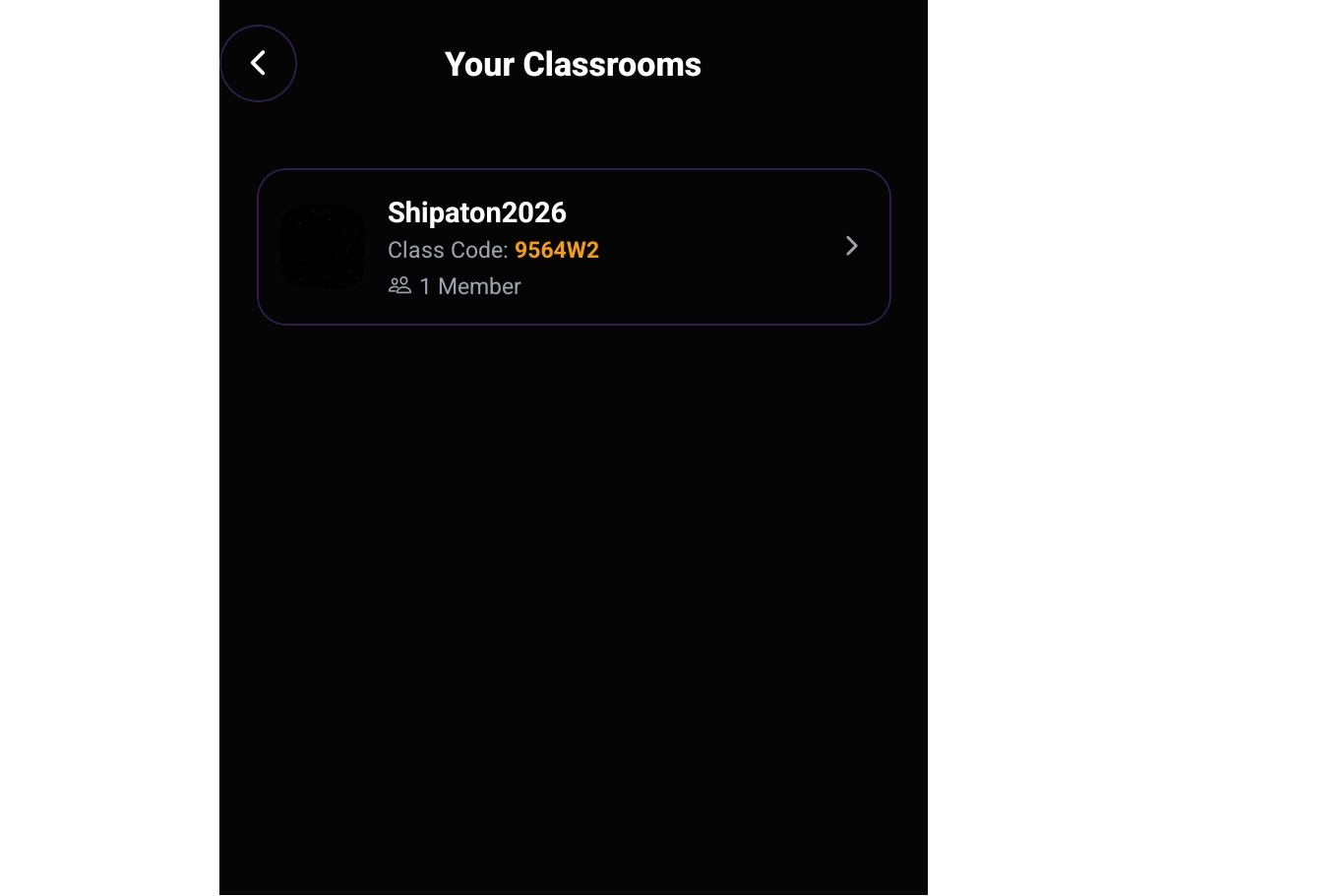
All Classroom
-
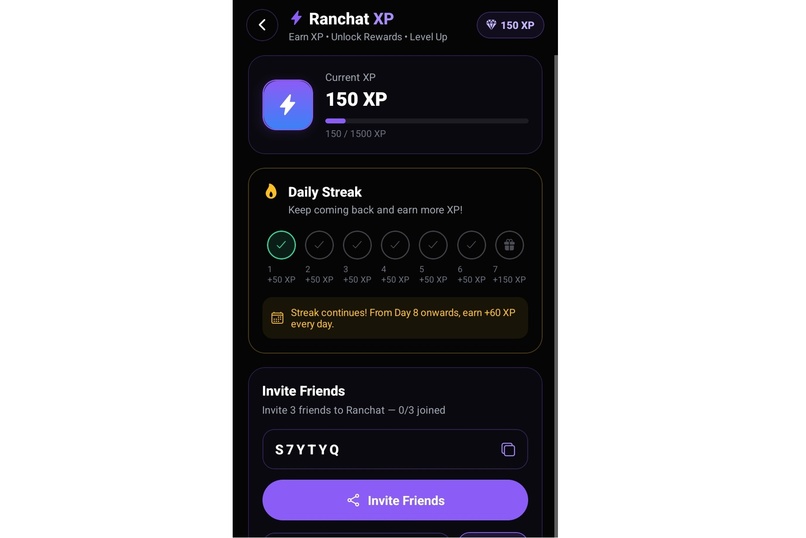
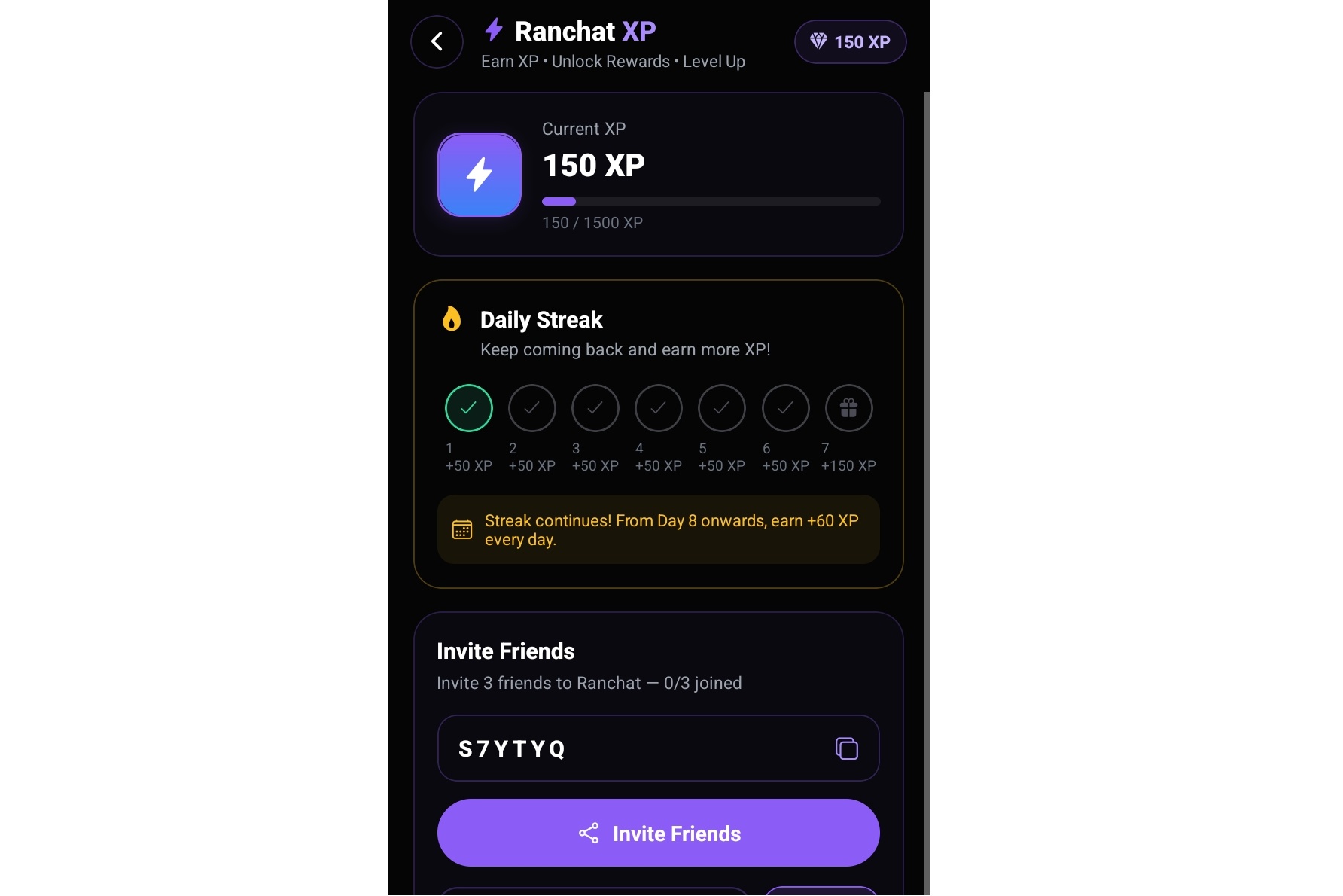
XP System
-
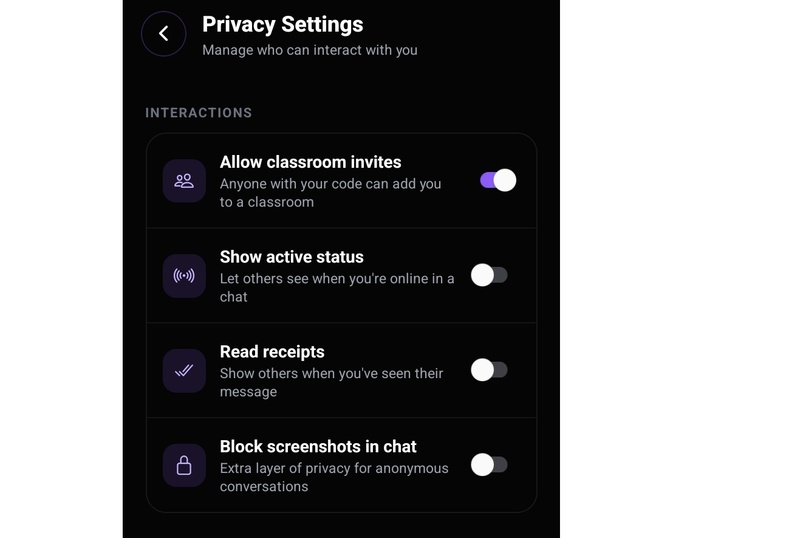
Privacy
-
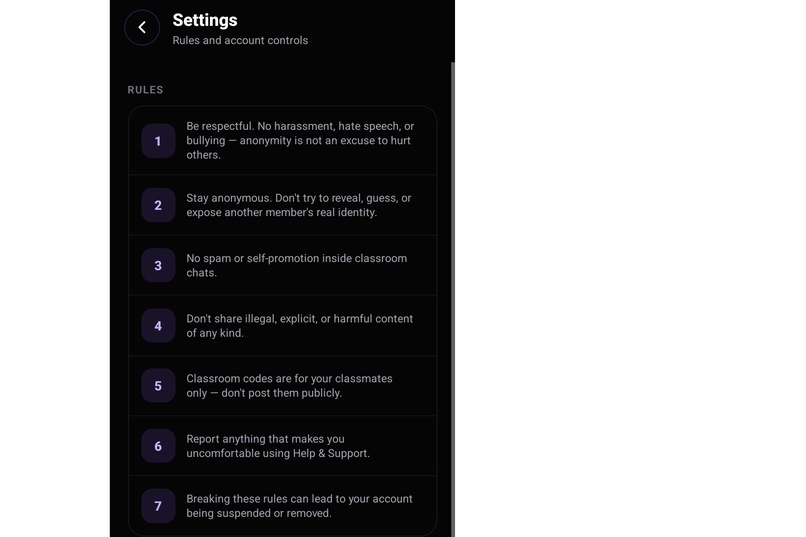
Settings
Inspiration
I am 17 years old and I have liked computers, coding and development for a long time. Since I was a kid, I always wanted to make something of my own. Not just another normal project, but something that I had never seen before and something that could solve a real problem. The idea of Ranchat came from something I noticed in schools and colleges. There are many things people want to say but cannot say openly. It can be an idea, an opinion, something they are going through, or even something they want to say about something that happened in their classroom. For example, imagine something happens in a classroom involving a teacher, or someone has an opinion about something, but they are scared that if they say it openly, everyone will know it was them. There are also many introverted people who have things to say but don't feel comfortable saying them directly. I kept thinking about this and eventually I thought:What if people could just say what they wanted to say without having to reveal who they are? That was where the idea of Ranchat came from.Ranchat is an anonymous messaging app where people can communicate and share their thoughts without directly revealing their identity.
What it does
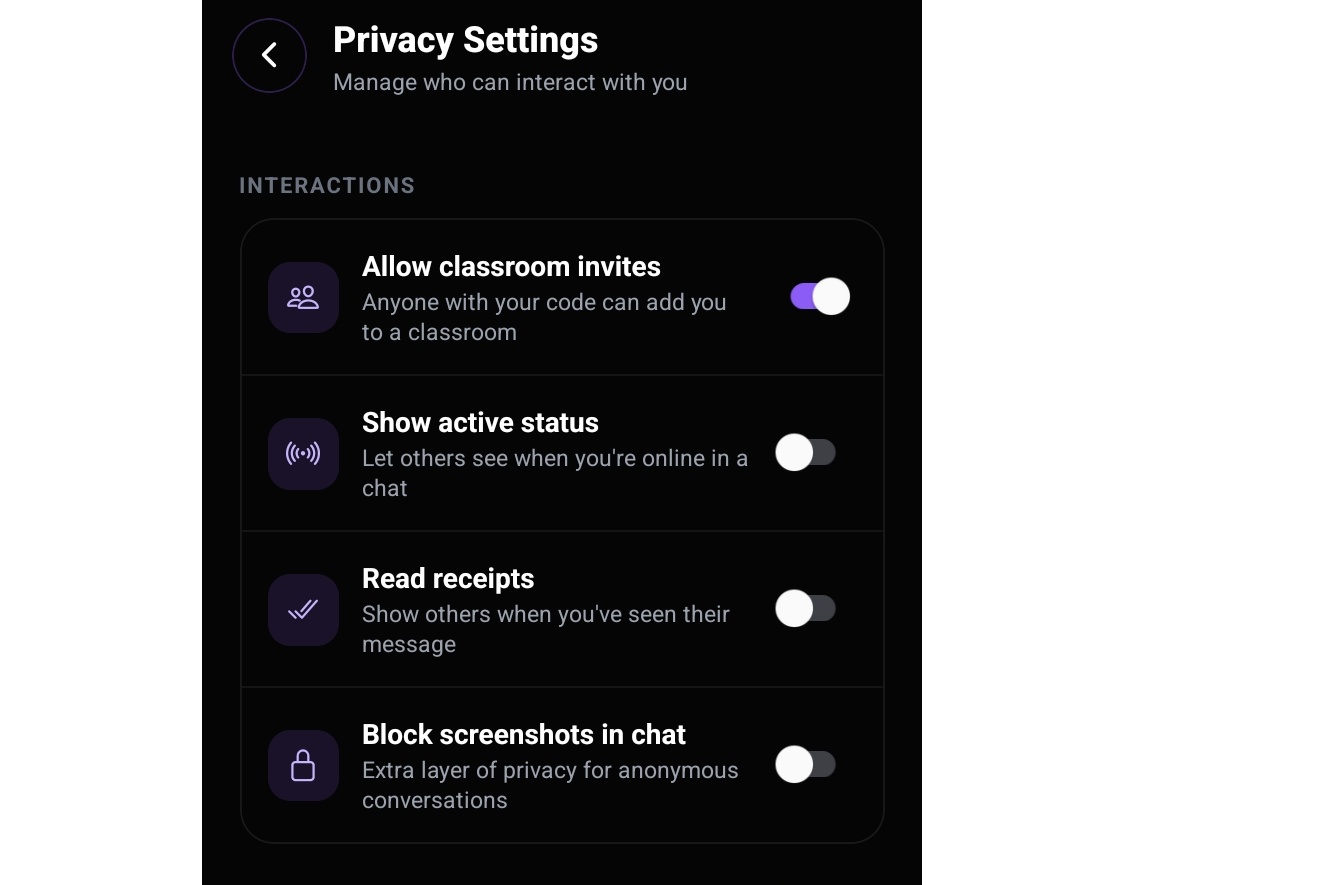
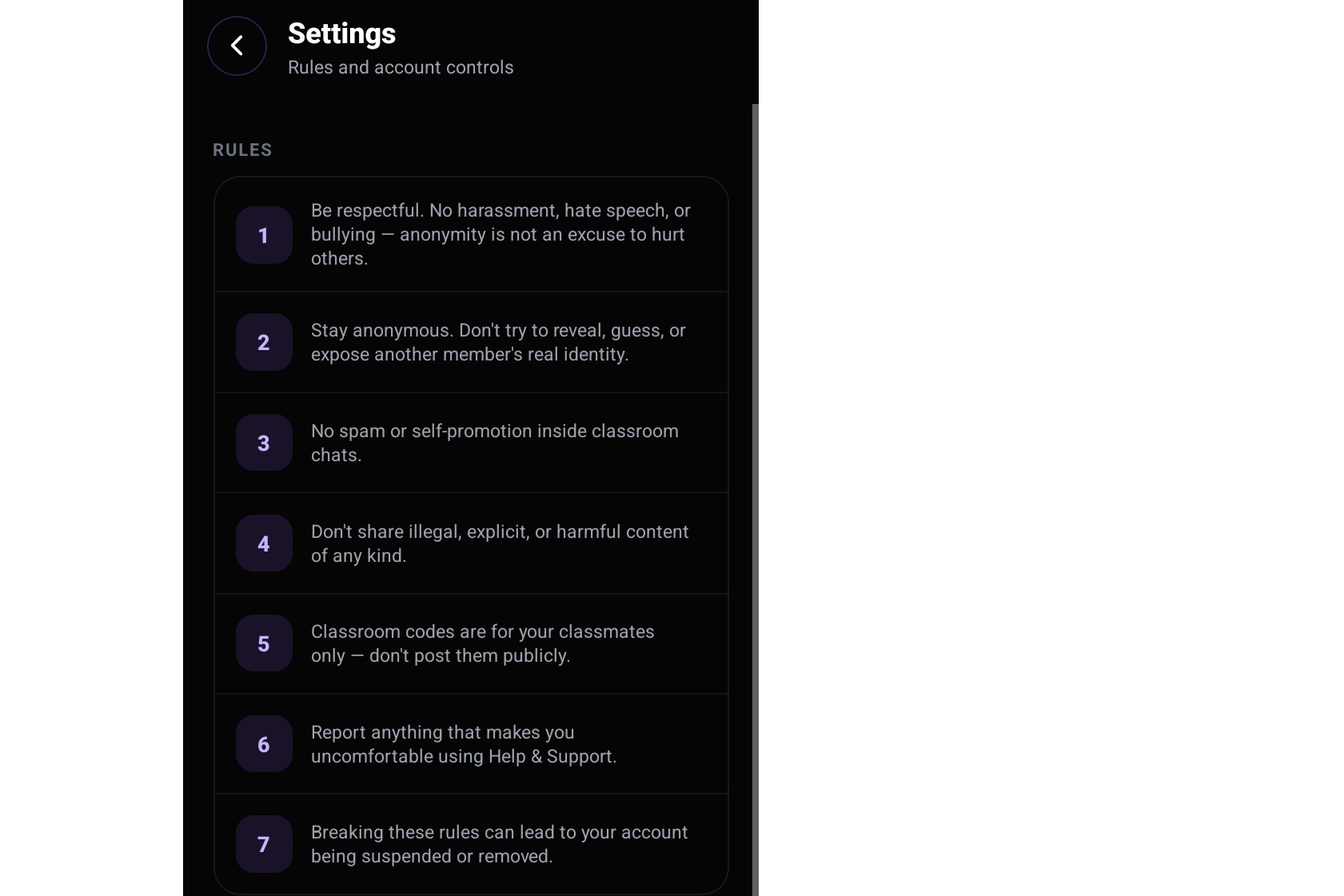
Ranchat is made for people who want to communicate without putting their real identity in front of everyone. The main idea is very simple. You can join, start conversations and share your thoughts while staying anonymous. I wanted to make something where people don't have to think, "What will happen if they know I said this?" At the same time, I know that anonymity can also create problems, so I want safety and responsible use to be an important part of Ranchat as I continue developing it.
How we built it
I built Ranchat by myself. To be honest, when I started this project, I wasn't a very experienced developer. A lot of what I know about coding now, I learned while building Ranchat. It took me 93 days to build it. I worked on the frontend, backend, database, APIs, UI and many other parts of the app while learning at the same time. There were many times when I didn't know what I was doing and had to search, try different things and learn from my mistakes. I also used AI tools when I got stuck, but I used them mainly to understand problems, find possible solutions and learn things that I didn't know.
Challenges we ran into
The hardest part was definitely debugging. There were times when the frontend was working but the backend wasn't working at all. Then I would fix the backend and somehow something else in the frontend would stop working. Some errors took me four or five days to solve. Sometimes I would spend hours trying different solutions and still get the same error. Another problem was internet connectivity. In my hometown, there are times when the internet is not reliable. When I couldn't work online, I started using a notebook to write down ideas, things I wanted to build next and problems that I needed to solve. There were also many nights when I stayed up until 3 or 4 AM working on the app. My family would often ask me what I was doing with my laptop all day and tell me to study instead of always sitting in front of the computer. I understand why they said that. But I had been thinking about building something of my own for a very long time, and I didn't want to stop just because it was difficult.
Accomplishments that we're proud of
For me, the biggest accomplishment is simply finishing the app. I started Ranchat without knowing everything I needed to know. I learned while building it, and after 93 days I had something that actually worked. There were many points where I thought a problem was too difficult, but eventually I found a way around it. I am also proud that I didn't stop working on Ranchat because of the errors I faced. This project started as an idea in my head, and now I can actually open the app and use something that I built myself. That is probably the part I am most proud of.
What we learned
I learned a lot while building Ranchat. I learned frontend and backend development, APIs, databases, debugging, UI/UX and many other things that I had never worked with before. But more than anything, I learned how to keep working when I don't know the answer. Before Ranchat, if I saw a difficult error, I would think that I didn't know how to solve it. While building Ranchat, I learned that not knowing something doesn't mean I can't figure it out. I just have to keep trying.
What's next for RanChat
I still have a lot of things I want to add to Ranchat. I want to improve the UI, make the app more stable, improve the anonymous communication experience and add better safety features. I also want to eventually make Ranchat available to more people. One of my dreams since childhood has been to create something that people will know me for. After spending 93 days building Ranchat, I found Shipaton 2026. When I read about Shipaton, I thought this could be the first step towards that dream. There was one problem though. I am only 17, so I don't have my own Google Play Developer or Apple Developer account. Then I found out about the Next Gen category. It meant that I could still submit something I built as a young student developer, without needing my own app store developer account. So I decided to submit Ranchat. I don't think Ranchat is perfect. I still have a lot to learn and a lot more things I want to build. But this app represents 93 days of my life where I learned, failed, fixed things and kept going. And hopefully, one day I will be able to show my family Ranchat and say: "I made it. I actually built this."
For now, this is just the first step.


Log in or sign up for Devpost to join the conversation.