-
-
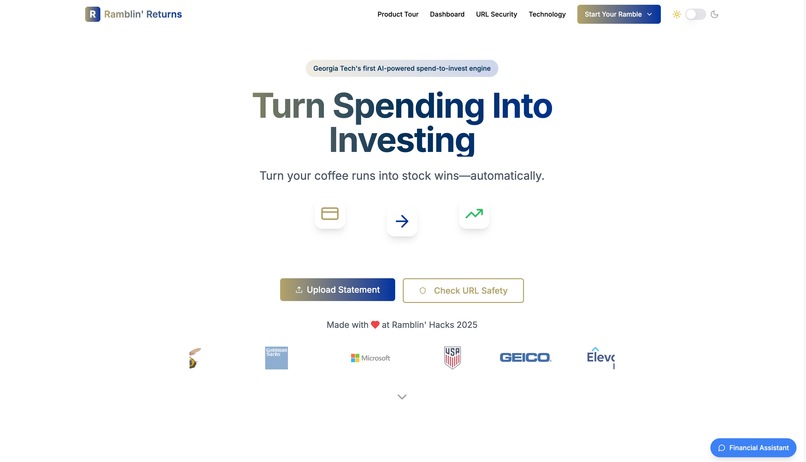
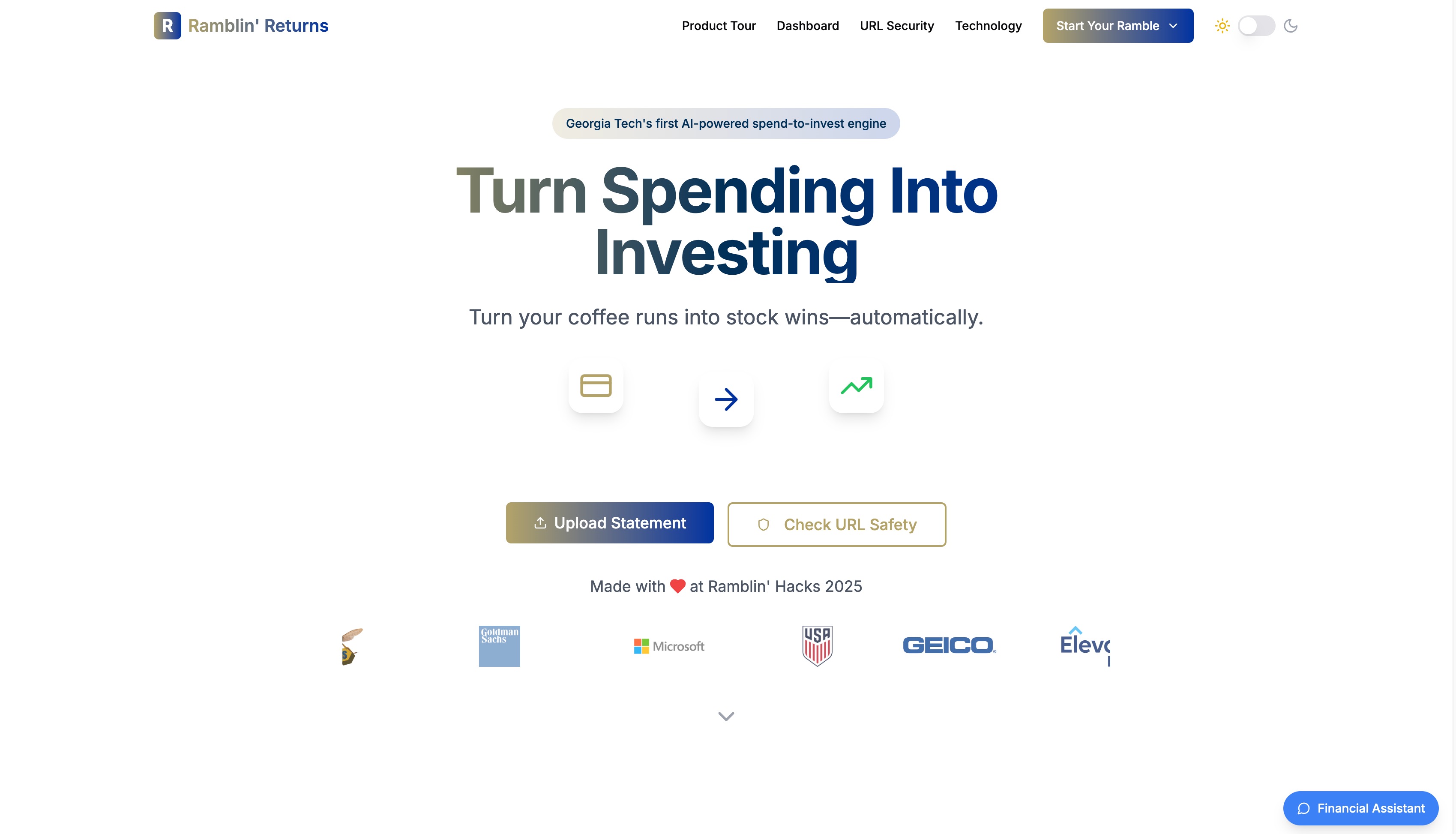
Landing Page
-

Logo
-
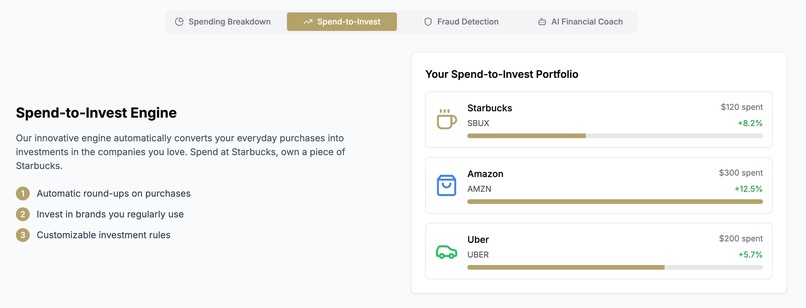
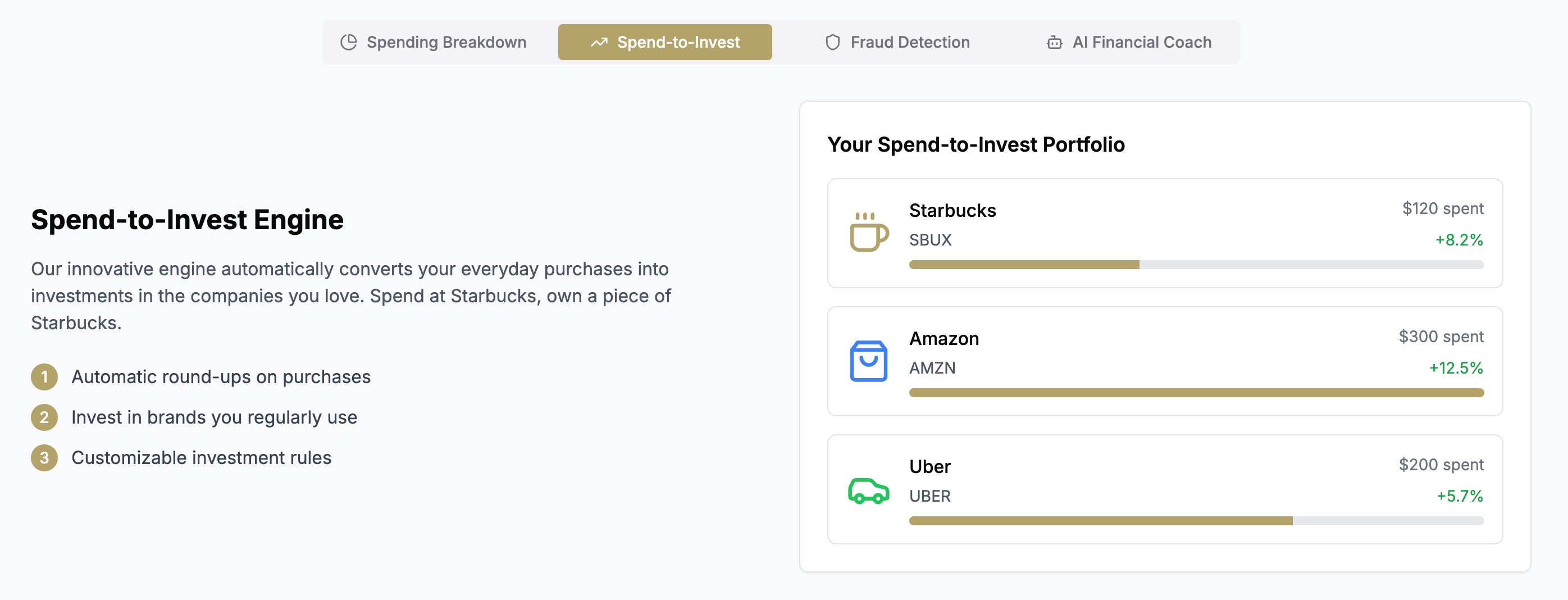
Spend to Invest
-
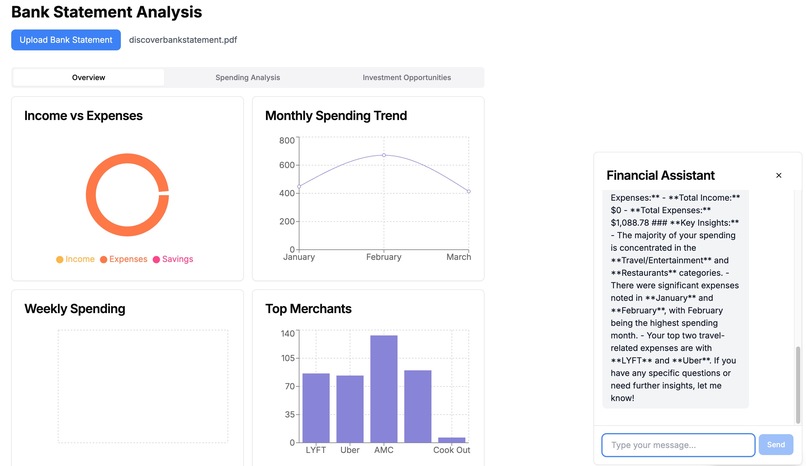
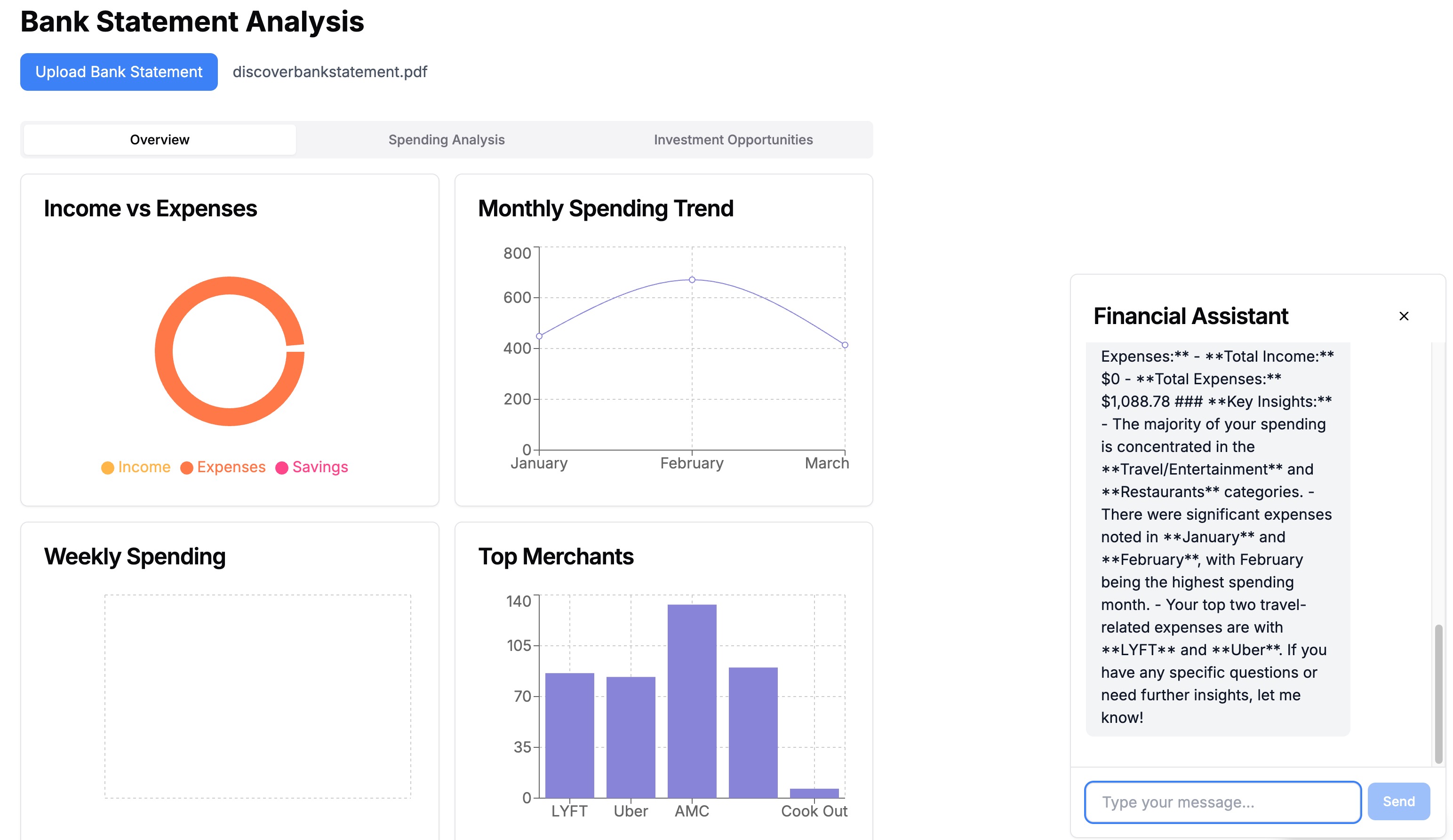
Bank Statement Analysis
-
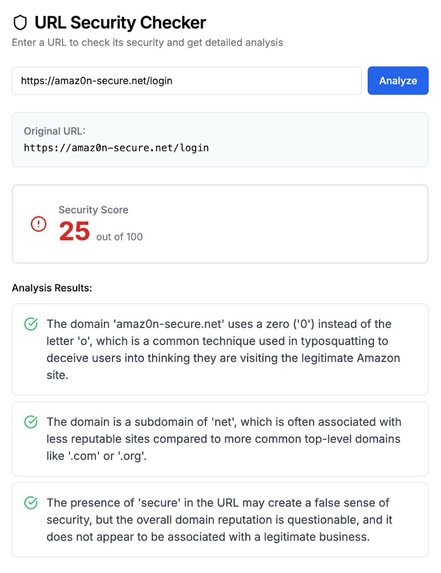
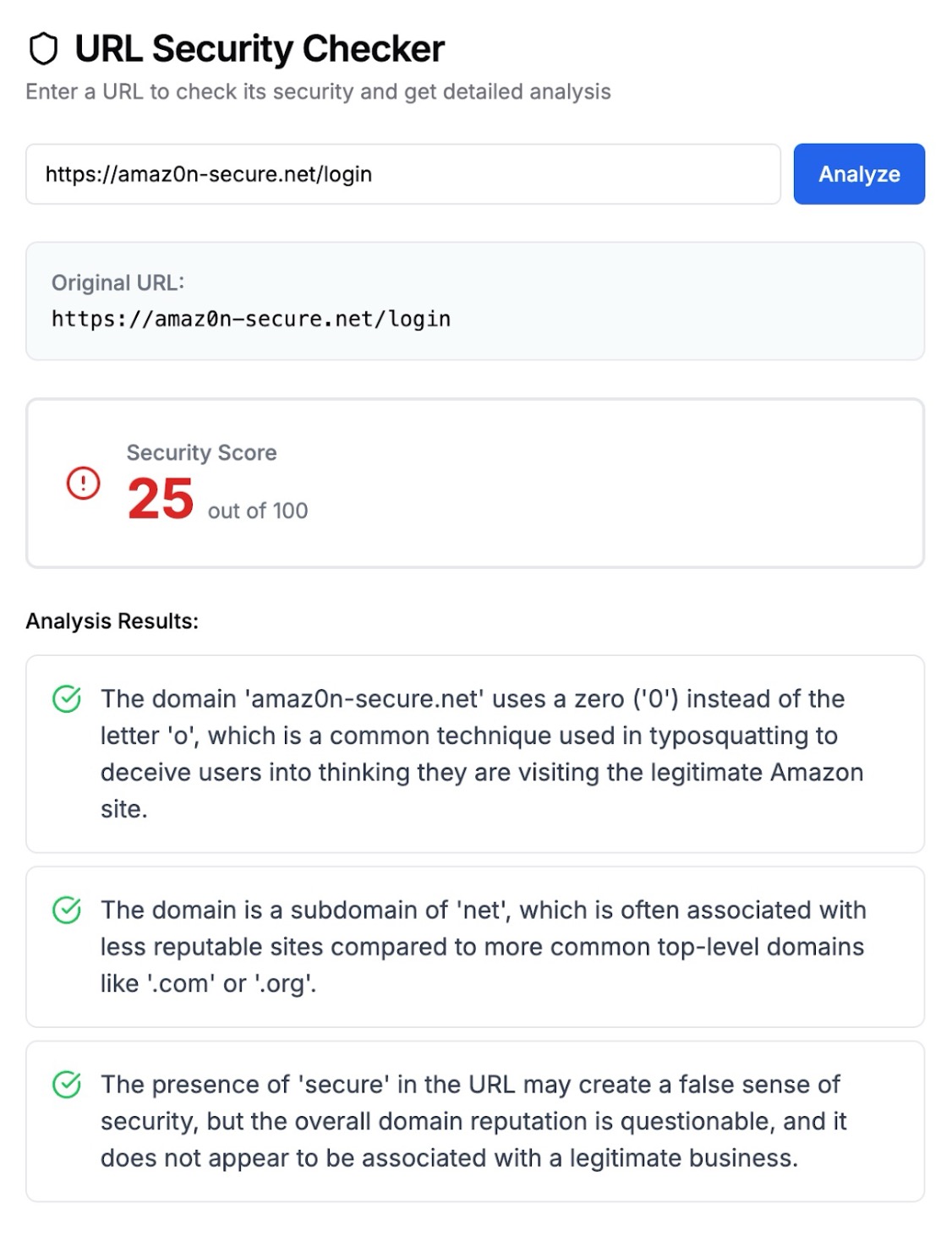
URL Security

Inspiration
At Georgia Tech, I observed two common issues:
- Students routinely spend $25–30 per day on discretionary purchases like food, coffee, and delivery.
- Many lack access to traditional investment tools.
This intersection of behavioral spending and financial exclusion led to Ramblin' Returns — a system that converts everyday expenses into micro-investments. Named after the "Ramblin’ Wreck" tradition, it embodies Georgia Tech’s ethos of practical innovation.
What it does
Ramblin' Returns helps students build wealth passively through three core features:
Spend-Matching Investments
- Automatically invests a percentage of purchases into relevant stocks
- Includes pre-configured rules for Georgia Tech campus merchants
- Supports round-ups and customizable merchant-specific logic
- Automatically invests a percentage of purchases into relevant stocks
Financial Health Monitoring
- Analyzes spending patterns and benchmarks against peers
- Provides runway estimates and opportunity cost visualizations
- Offers personalized recommendations based on user history
- Analyzes spending patterns and benchmarks against peers
Student-Centric Security Tools
- Detects phishing and unsafe links
- Sends real-time fraud alerts
- Offers educational tips on identifying scams
- Detects phishing and unsafe links
The interface uses Georgia Tech’s color palette and includes celebratory visuals to reinforce progress. It requires under five minutes of weekly engagement.
How I built it
- Design: Created user flows and interface mockups using Figma
- Backend: Built custom rules engine, merchant parser, and security module
- Frontend: Implemented a responsive user interface with real-time investment feedback
- Documentation: Produced a walkthrough video, technical writeup, and pitch deck
Challenges
- Parsing financial data from bank statements proved complex
- Trading APIs required unconventional handling
- Designing a playful yet credible user experience was a balancing act
- Working solo required tight focus and rapid decision-making
Accomplishments
- Delivered a complete prototype from end to end
- Developed merchant-based spend-matching algorithms
- Designed a user interface that simplifies onboarding
- Managed and executed the entire project independently, including a successful live demo
Lessons learned
- Financial APIs require robust error handling
- Gamified investing significantly increases user engagement and trust
- Timeboxing and documentation are critical when building solo
- Even simple features need thoughtful design and testing
What’s next
- Conduct user testing on the Georgia Tech campus
- Integrate live banking via Plaid
- Expand merchant database
- Add machine learning-based security features
- Launch mobile applications
- Explore partnerships with Goldman Sachs and Georgia Tech financial literacy initiatives


Log in or sign up for Devpost to join the conversation.