Inspiration
RakhtConnect was inspired by the idea that during life-threatening emergencies like road accidents, every second matters. We felt that with the rise of AI and smart vehiles, there had to be a better way to respond in such moments - especially when it comes to coordinating blood donations. The current systems are mostly manual and slow, and that gap made us think - what if technology could simulate emergencies and instantly connect recipients and hospital?
What it does
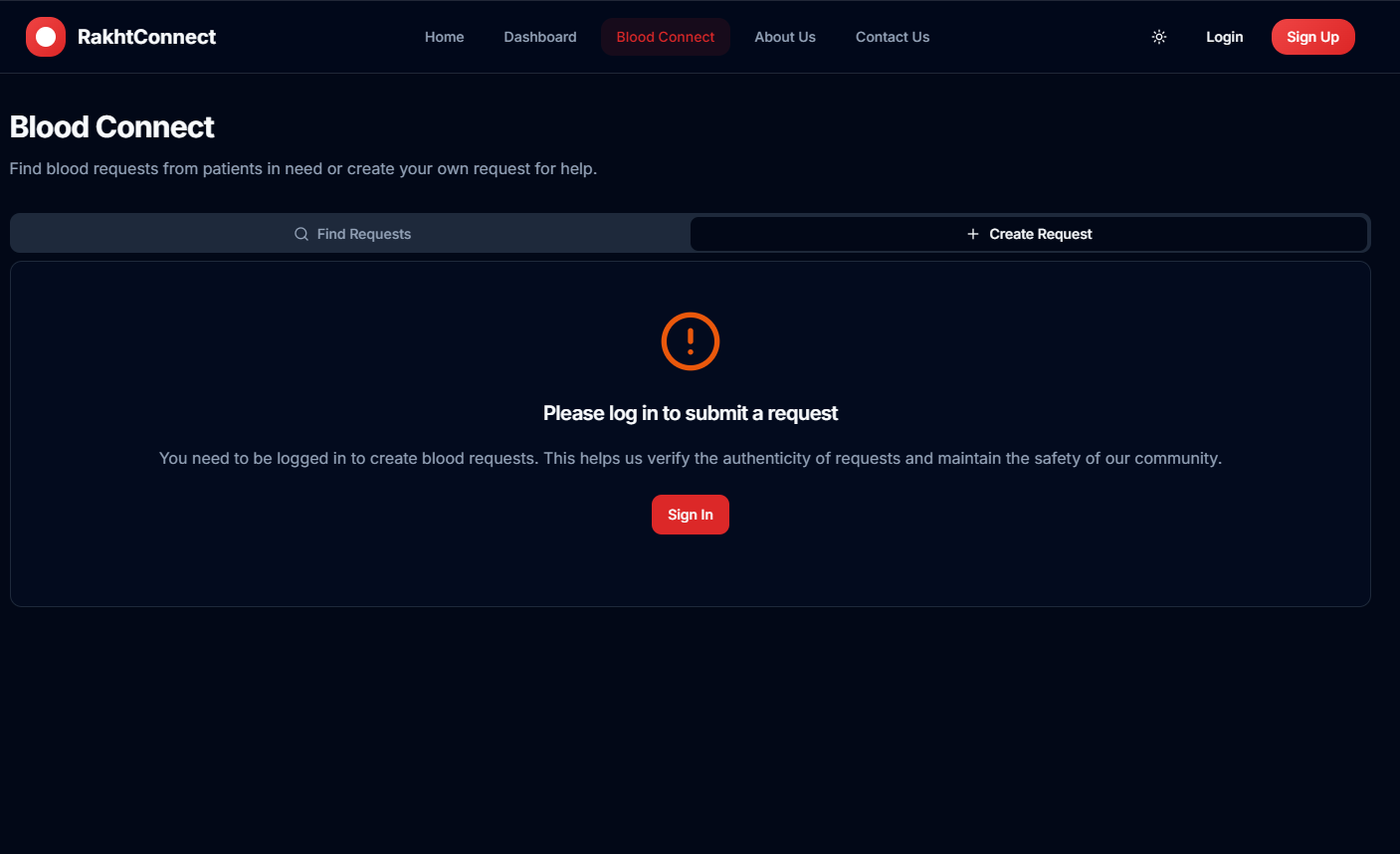
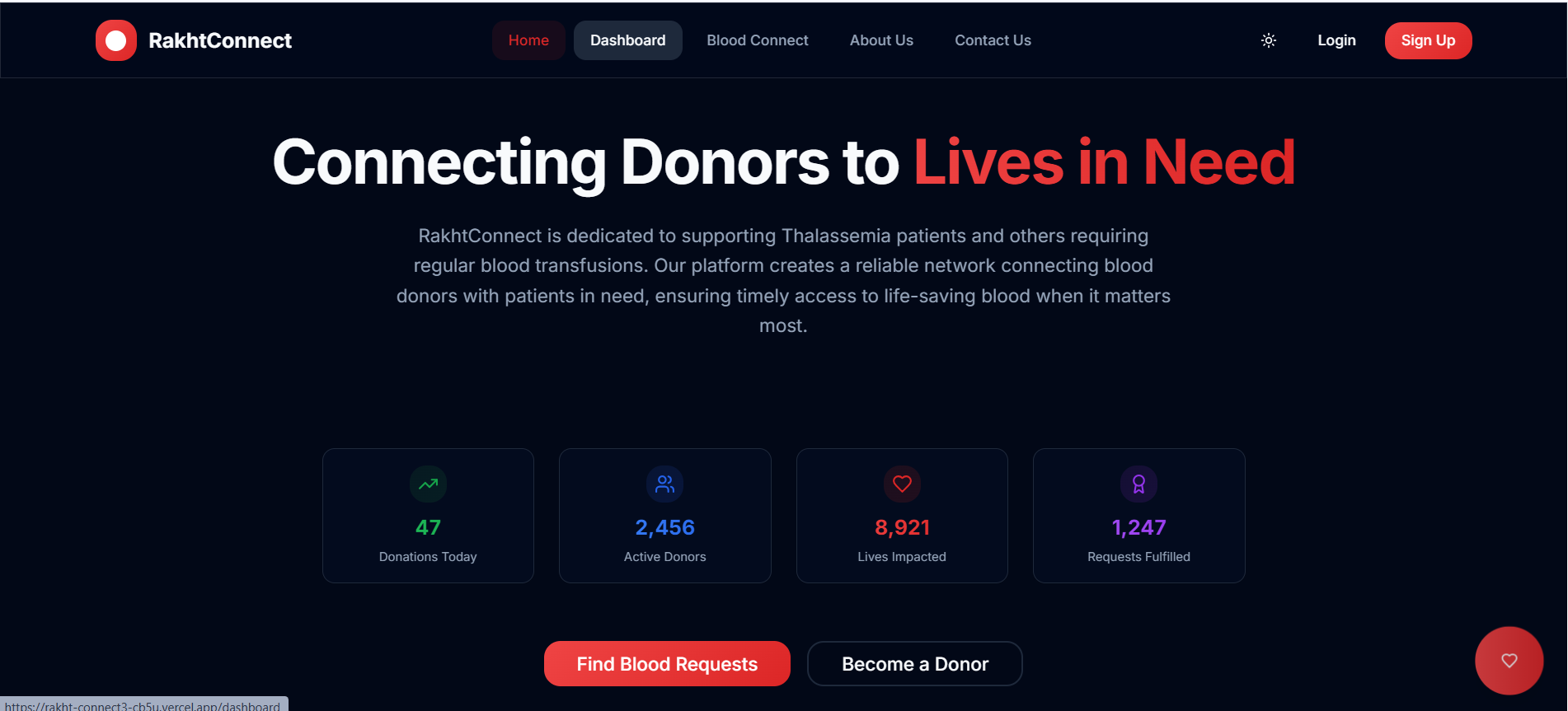
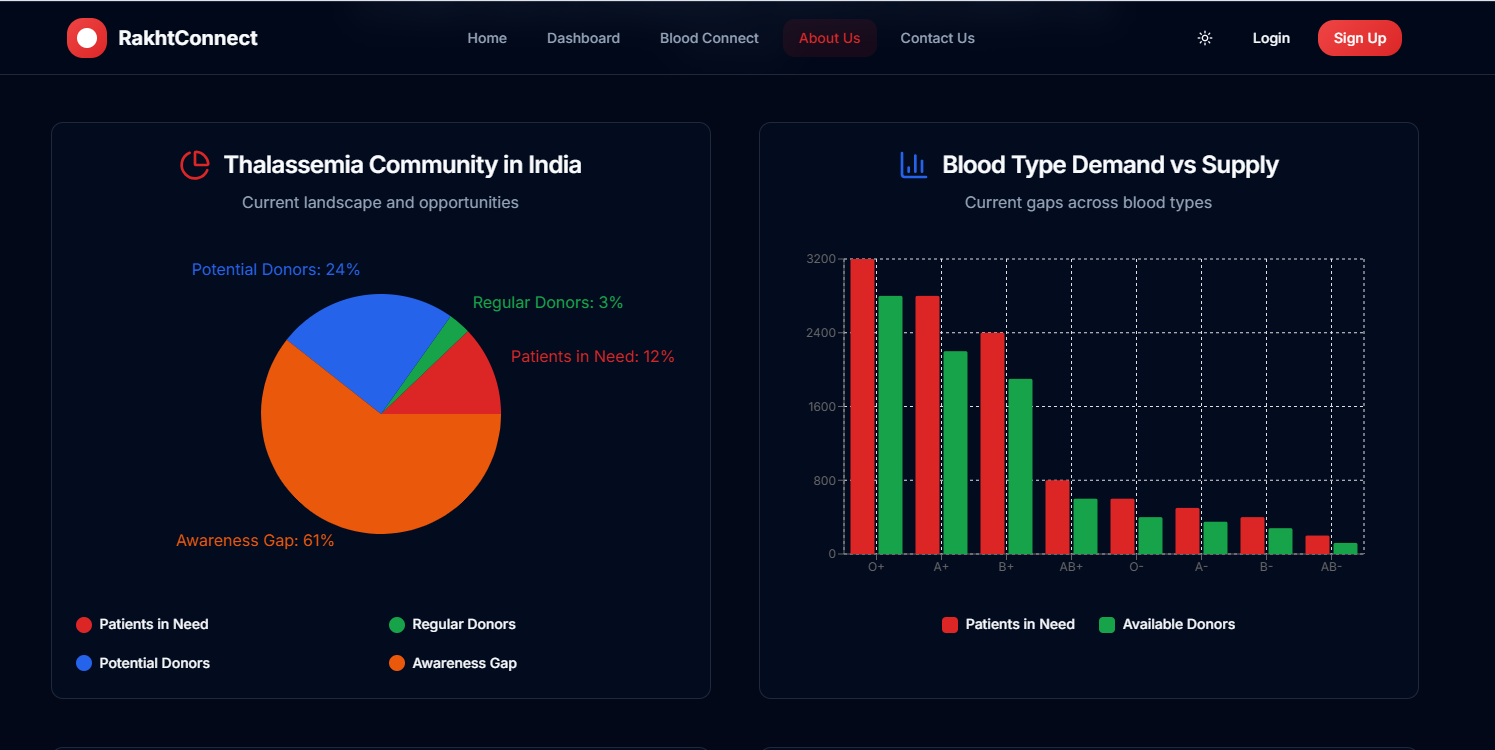
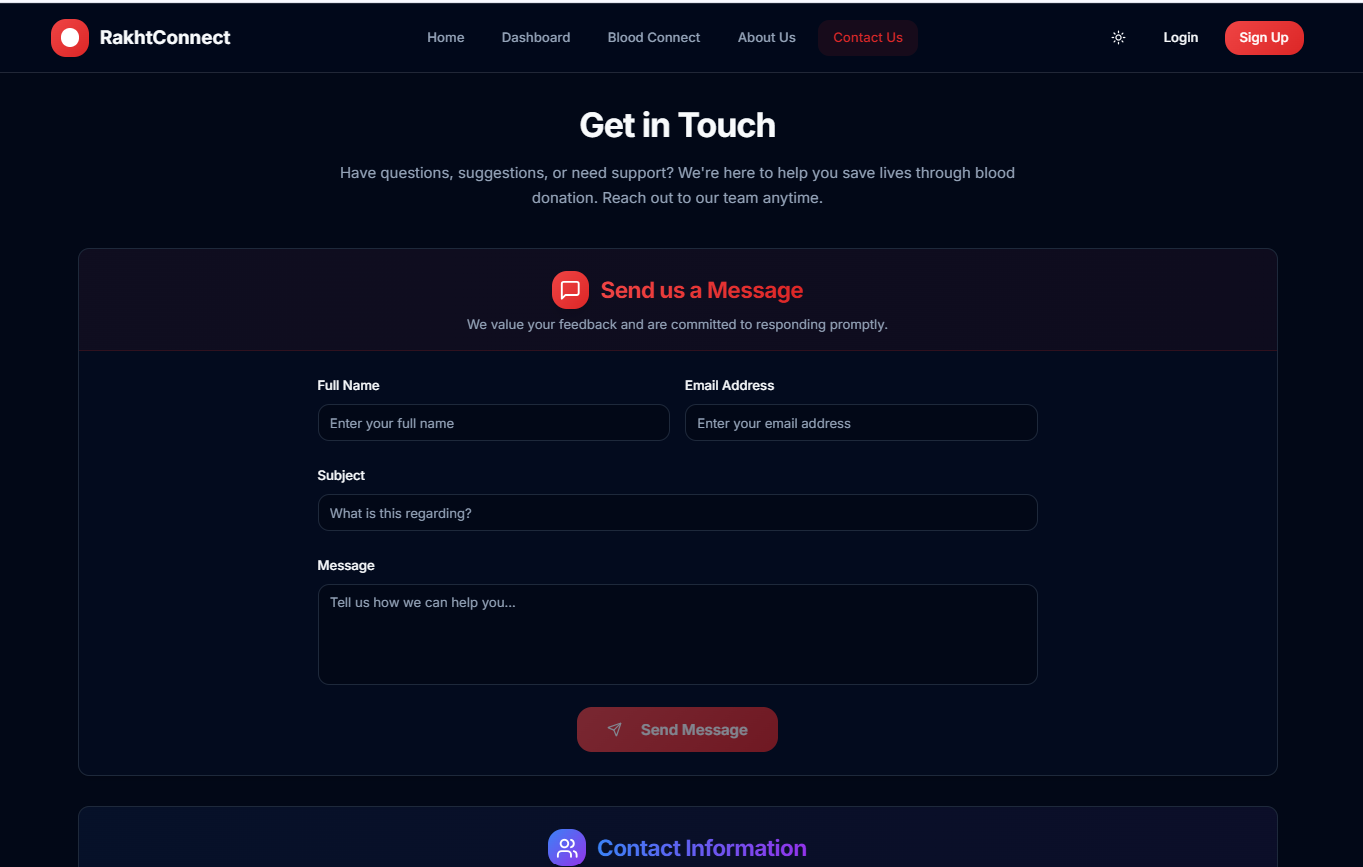
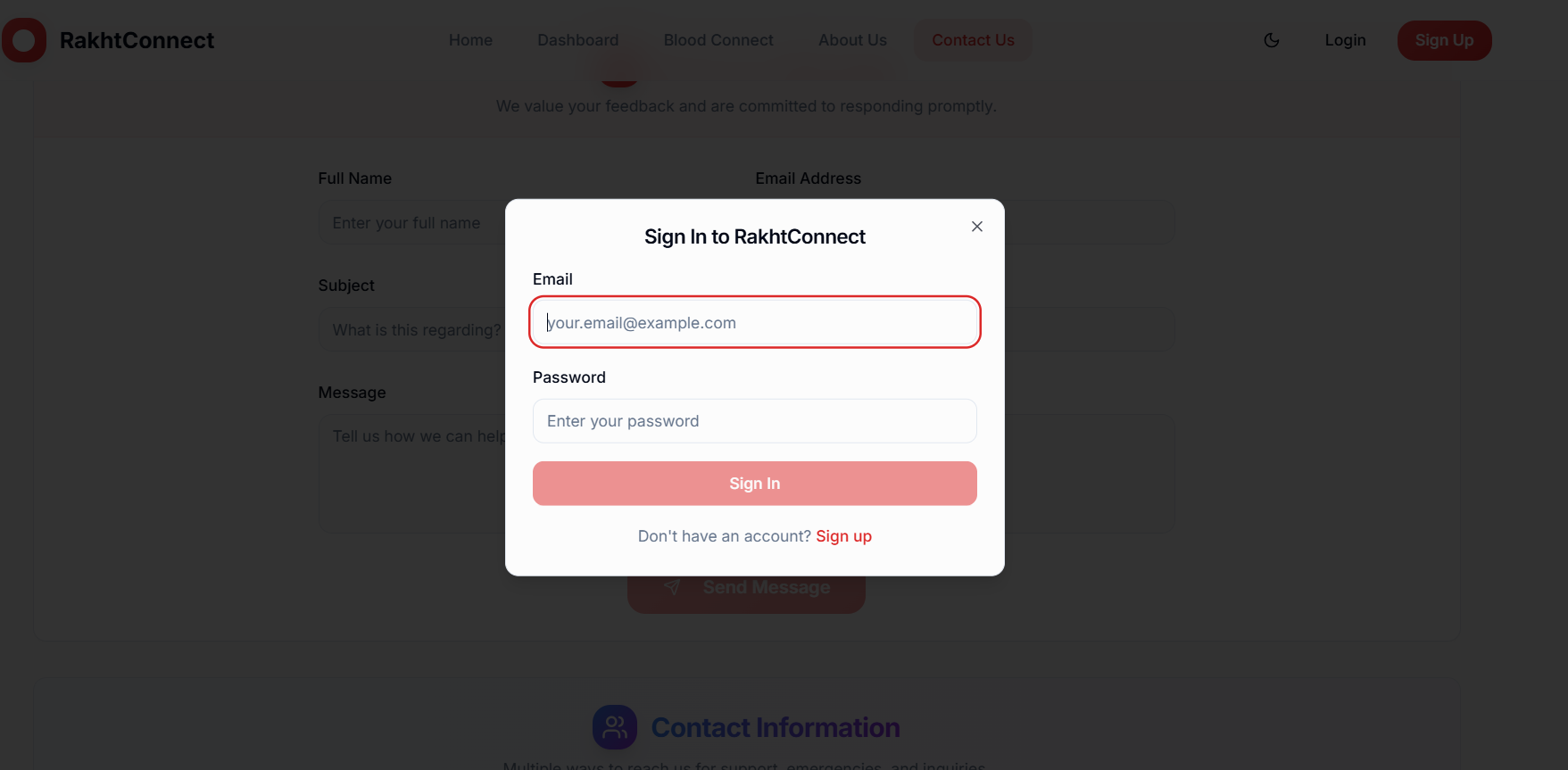
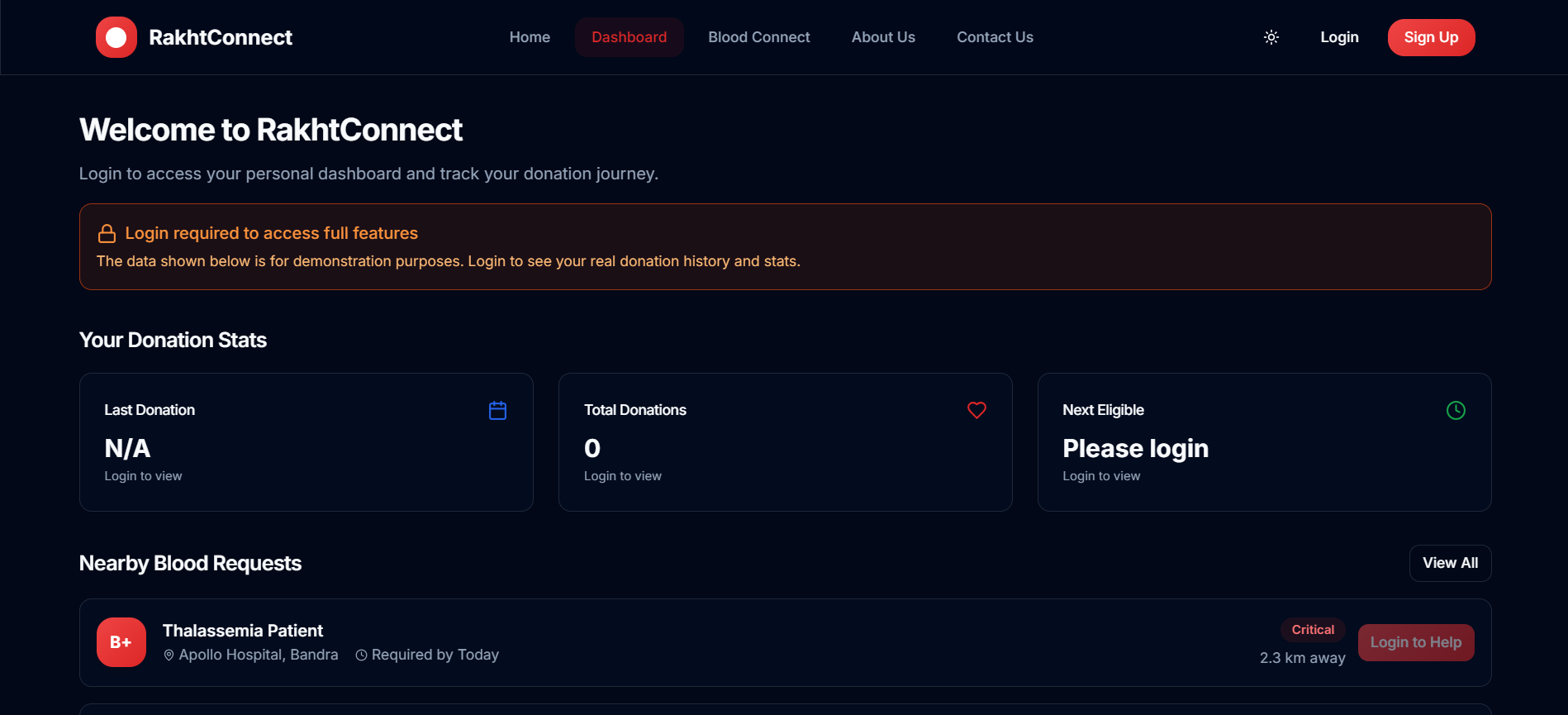
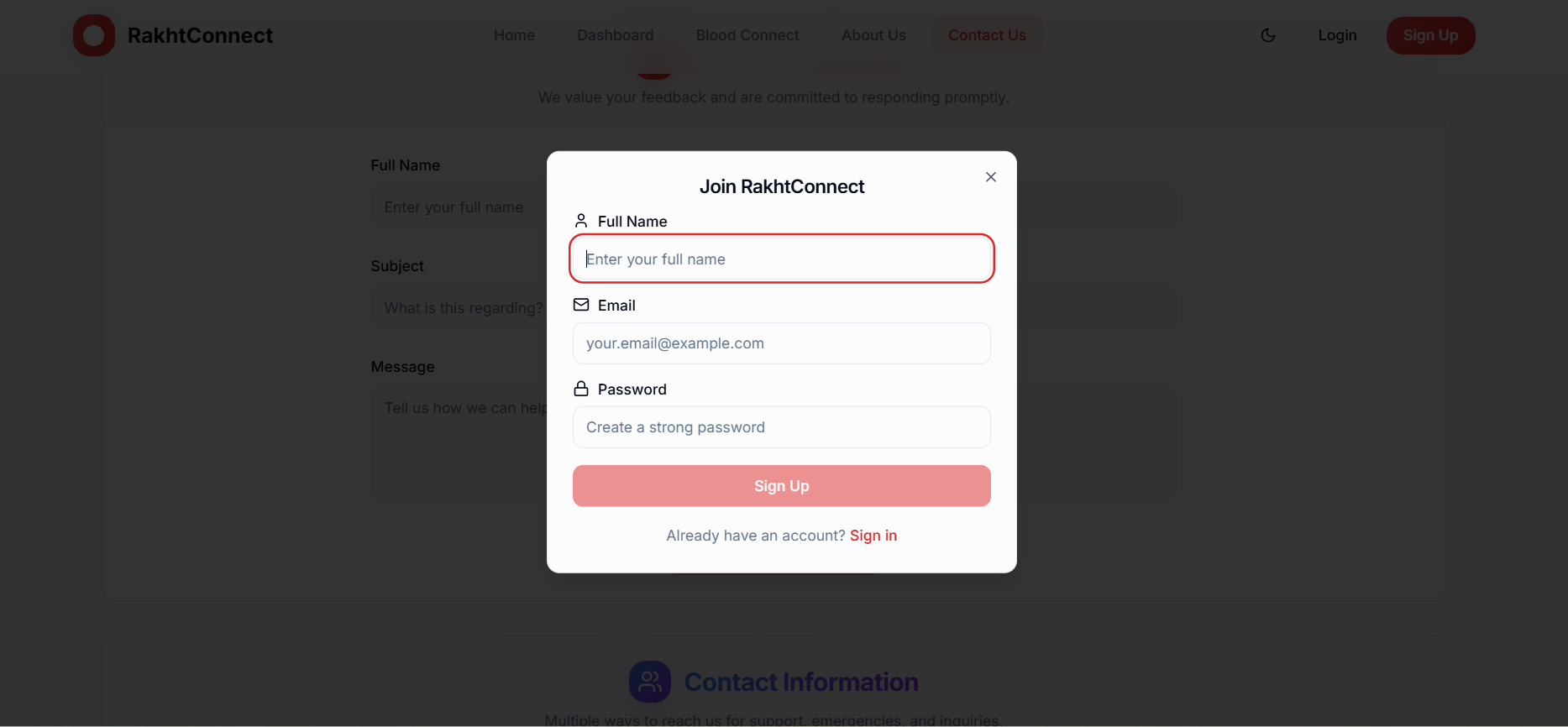
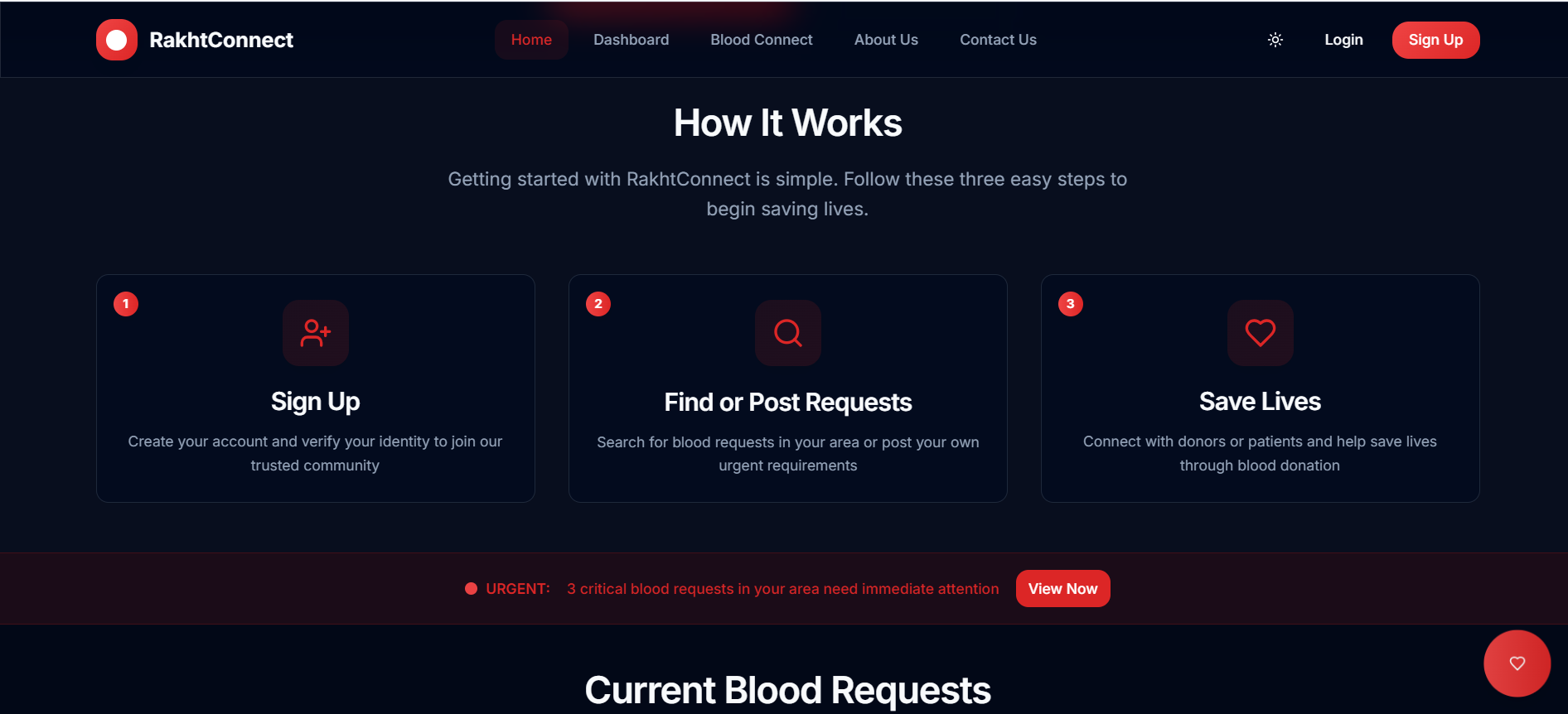
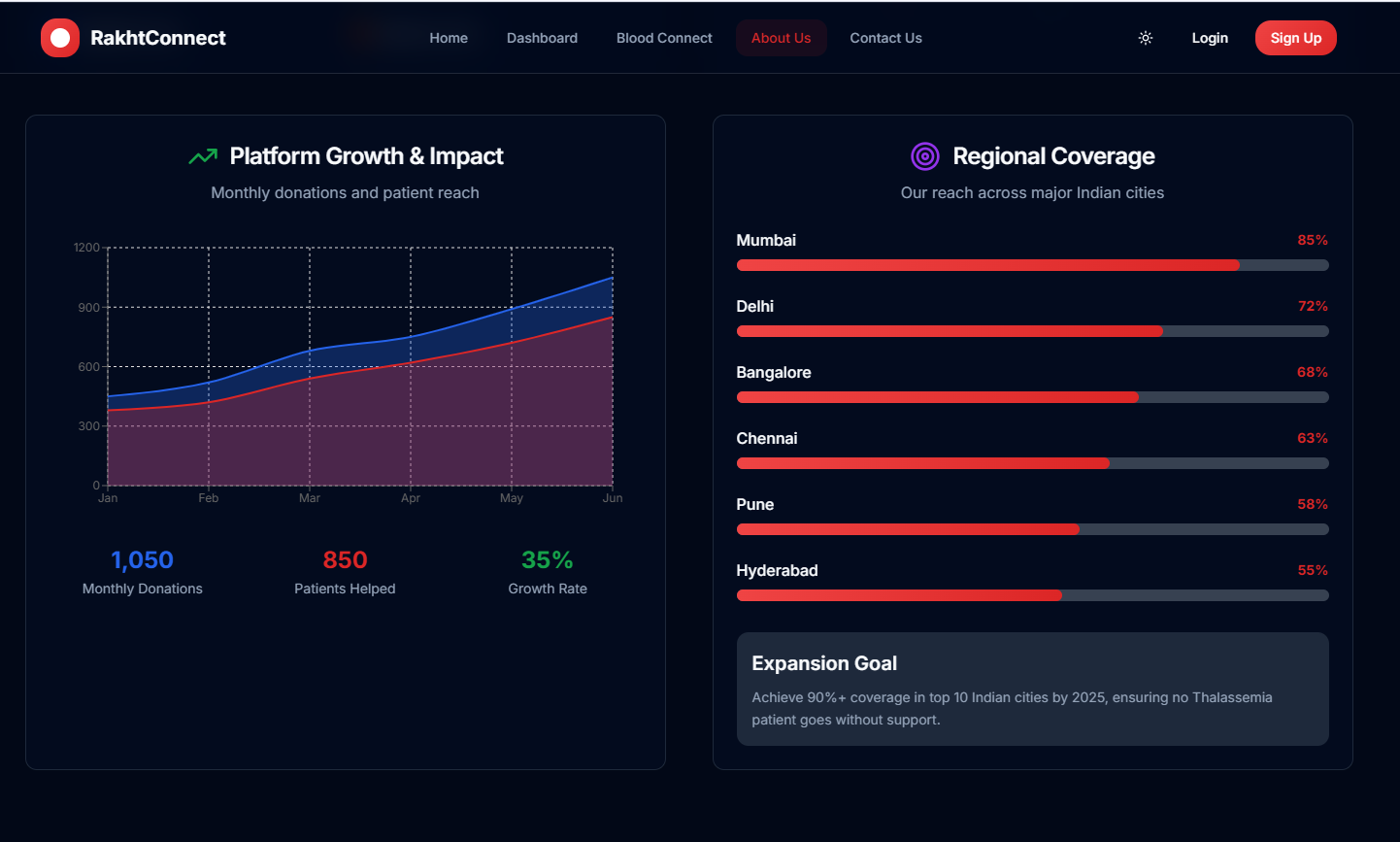
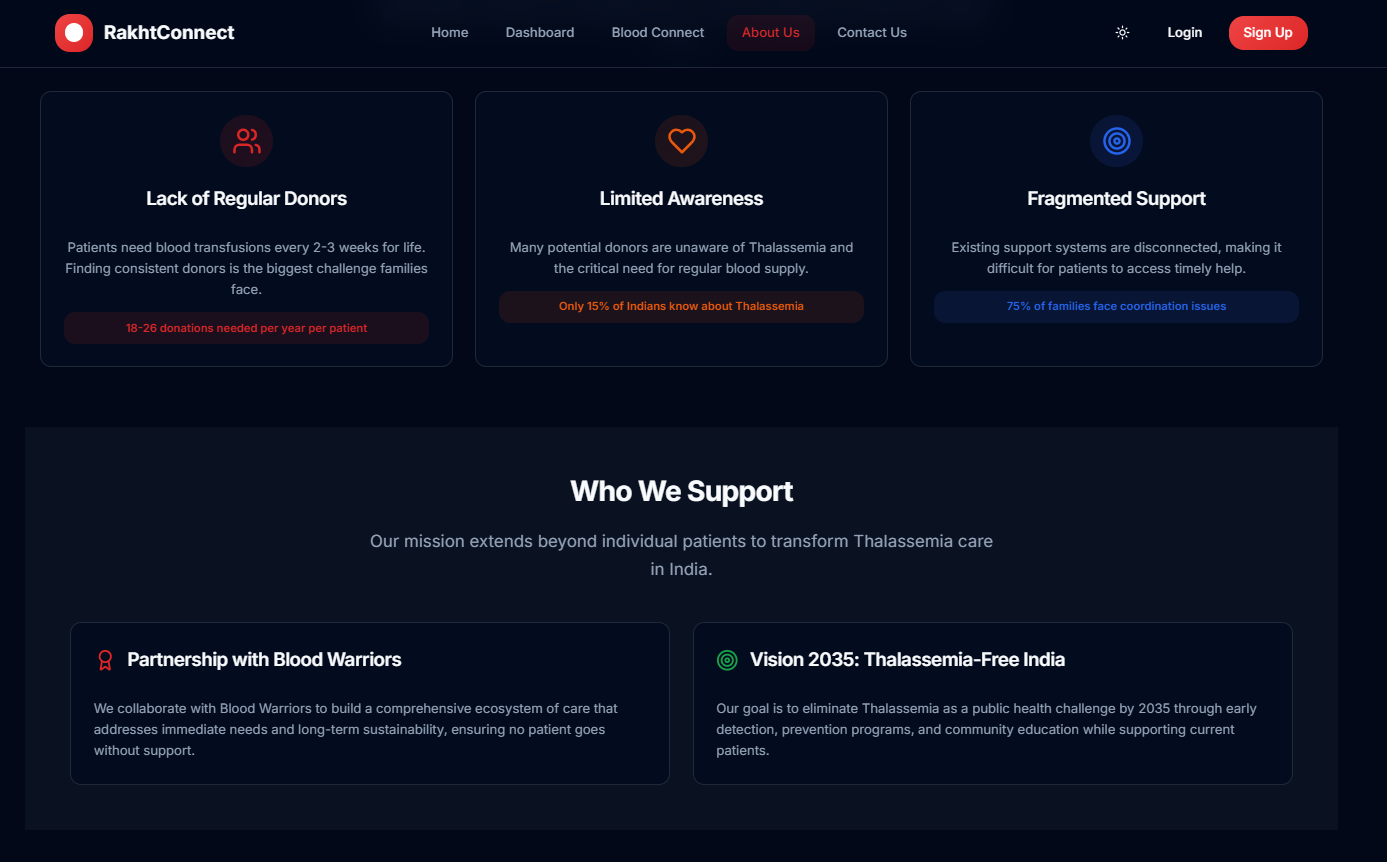
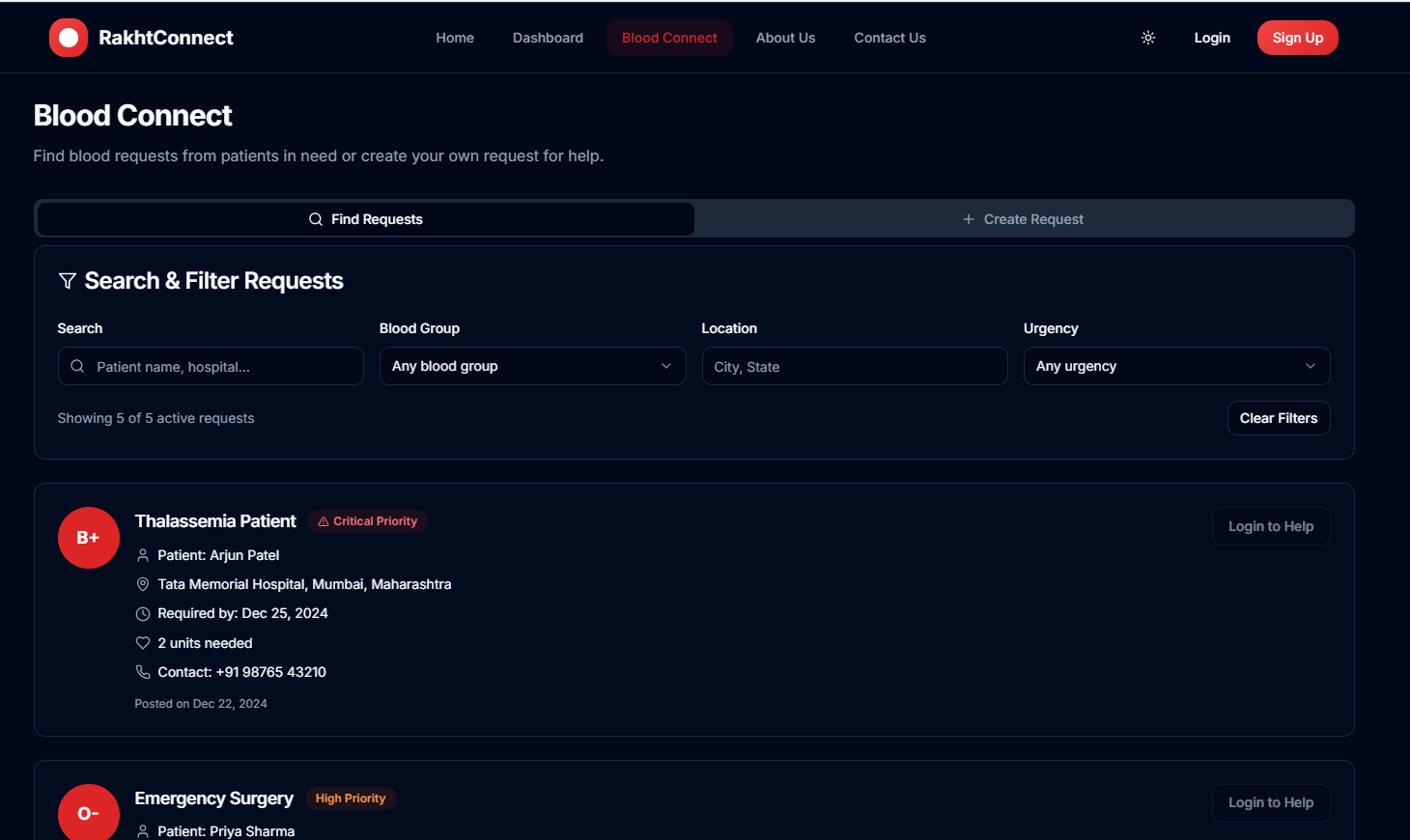
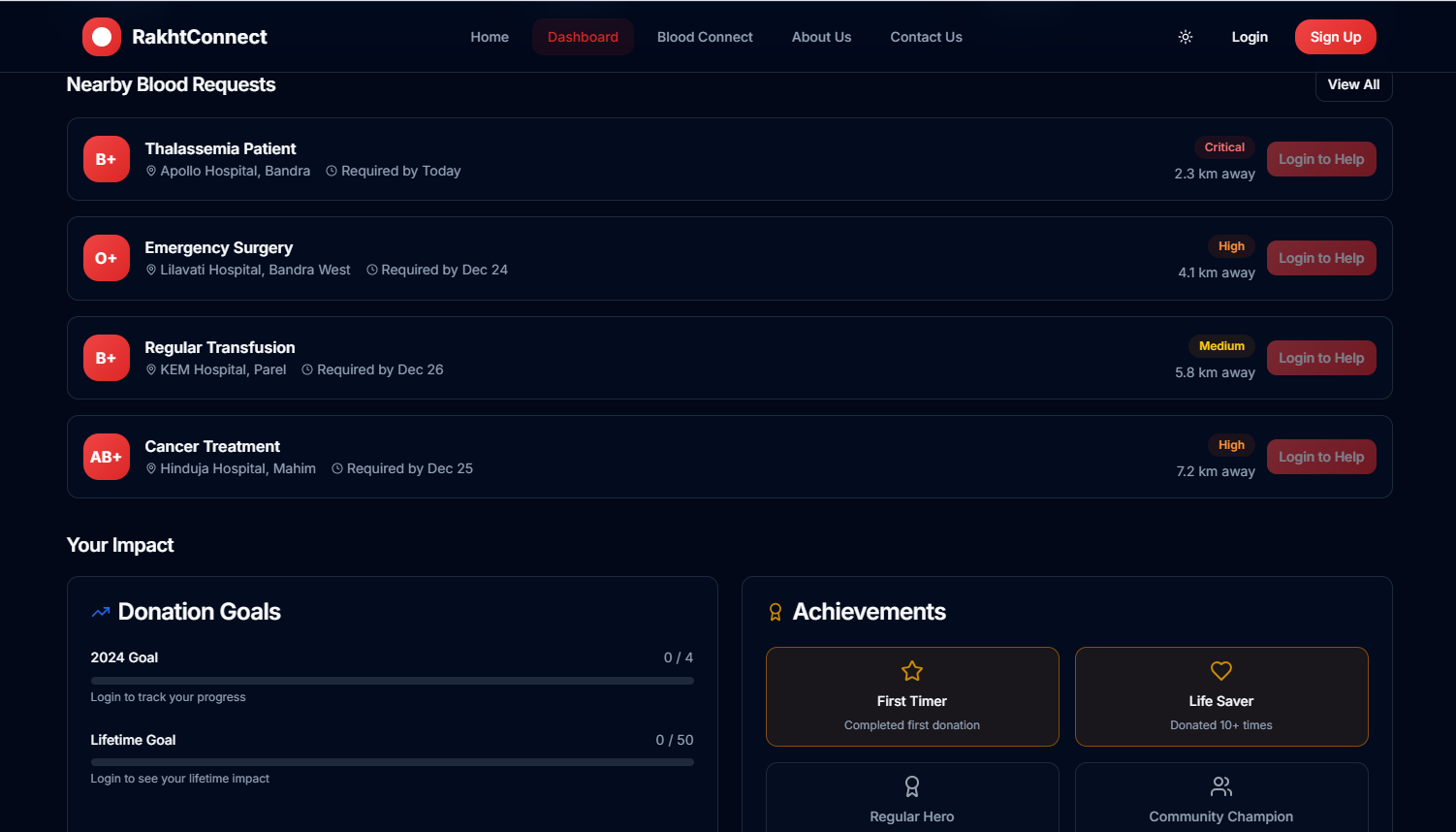
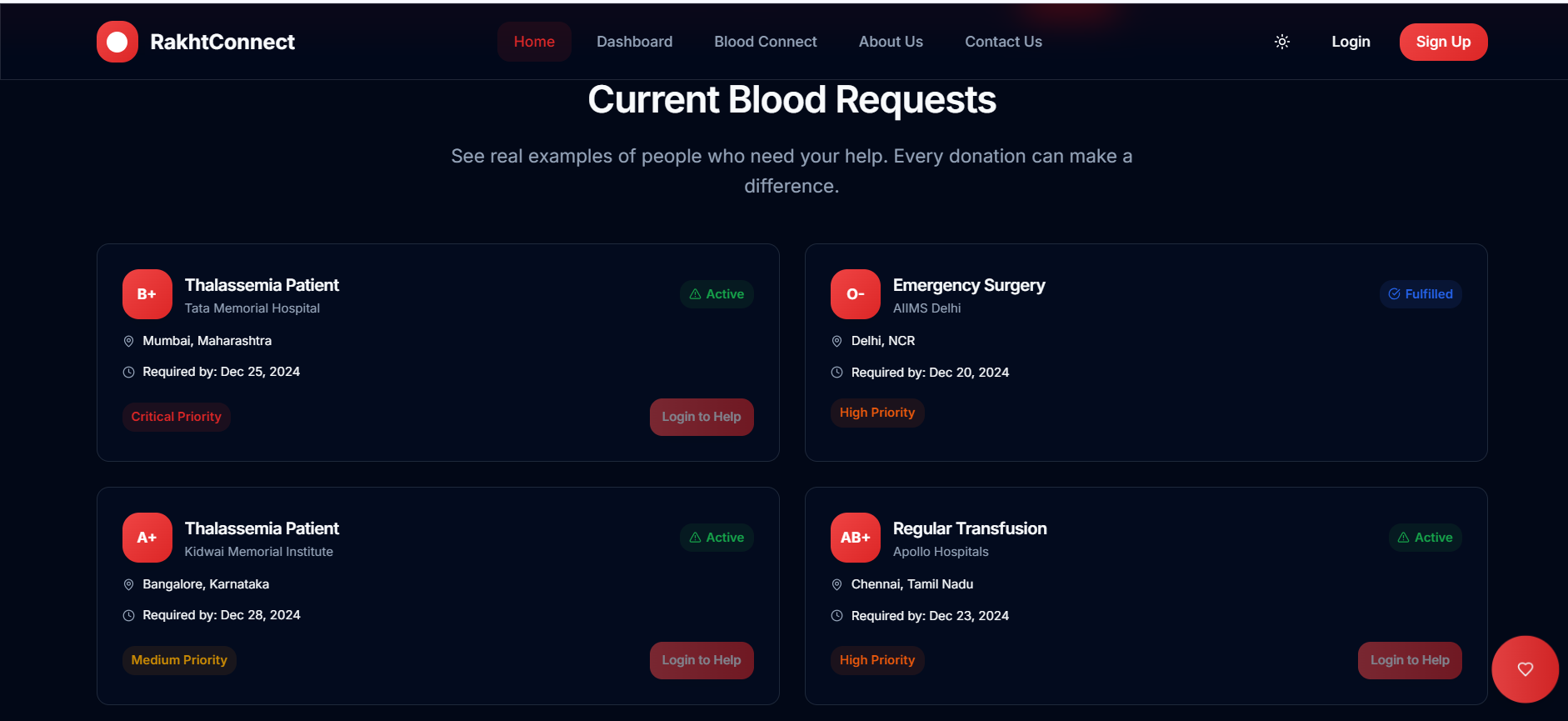
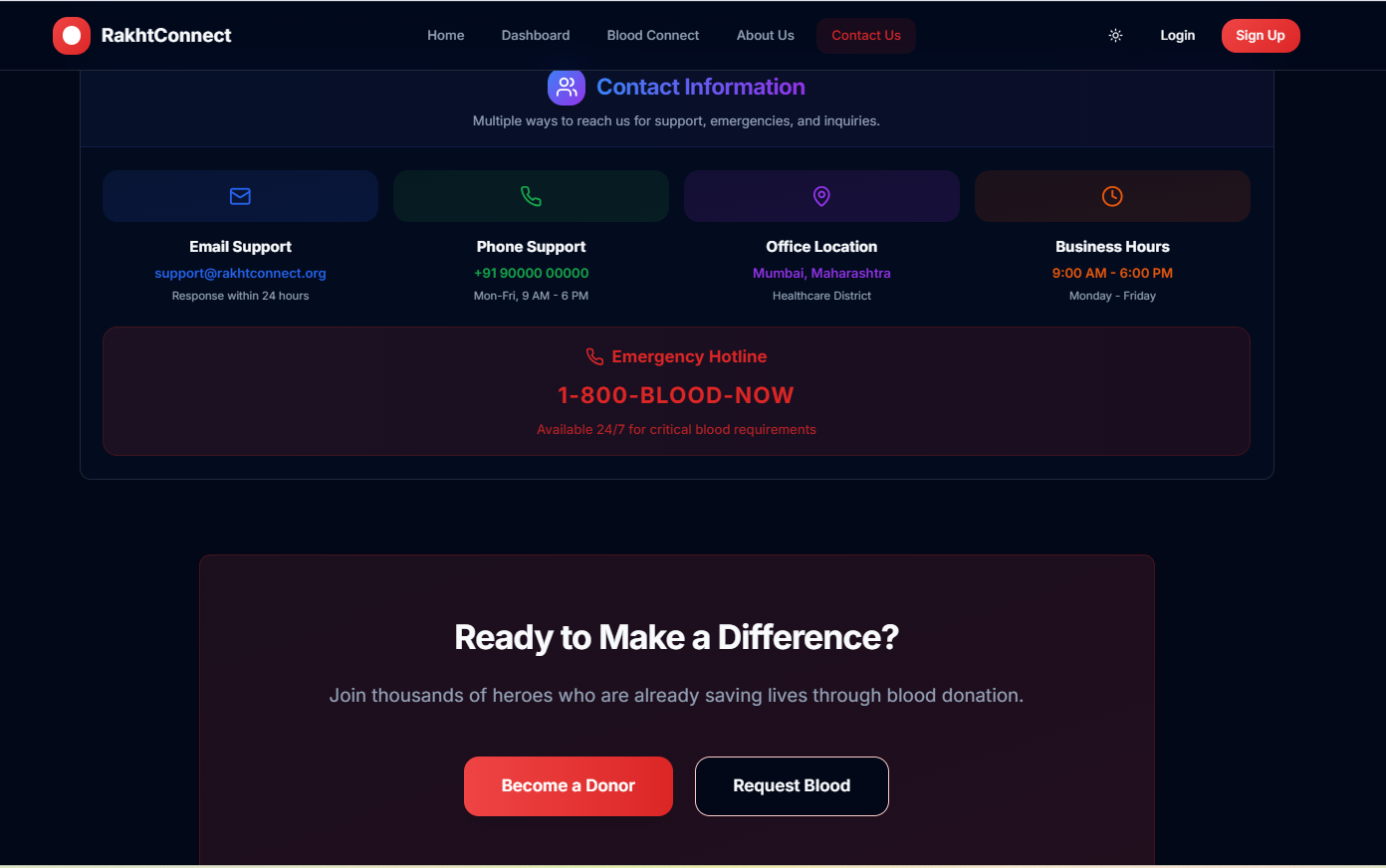
RakhtConnect is a smart blood donation coordination platform that simulates emergency scenarios trigerred by smart vehicles. It creates a virtual testing environment where users can see how AI can streamline the process of finding donors and delivering help faster. It includes a clean interface, switches from demo to real user data after login and guides users through a simple, meaning flow. Everything works smoothly across devices, ensuring accessibility when it matters most.
How we built it
I built RakhtConnect using React, Tailwind CSS and Vite. The app structure was kept modular and scalable for easier testing and future additions. During development, I used dummy data to simulate emergency situations and focused on clear transtitions between states - such as demo to real data post-login. I also paid close attention to error handling, fallback, pages, and clean UI behaviours to ensure the app worked well even in edge cases.
Challenges we ran into
One big technical challenge I faced was deployment routing. I was using Vite on the frontend and Express-like routing locally, but when I deployed to vercel, every route except / threw 404 errors. It took time to figure out that we needed a vercel.json with proper rewrite rules to make routing work. Debugging this taught me how different environments handle routes routes and gave me hands-on experience fixing frontend deployment issues.
Accomplishments that we're proud of
I am proud that I was able to take a complex problem and break it down into a simple, usable project. From designing an intuitive UI to ensuring a smooth user journey - especially with te demo-to-live transition- I am happy with how it all came together. I am also made sure the app is accessible and responsive across devices, which was important for me from day one.
What we learned
I learned how critical it is to plan user experience alongside the technical flow. Designing fallback pages, simulating smart vehicle behaviou and handling state transtiton helped me grow in both frontend development and UX thinking. I also learned a lot about the differences between local development bs deployment environments and how small misconfigurations can break things unexpectedly.
What's next for RakhtConnect
Going forward, I want to connect RakhtConnect to real-time database and possibly integrate geolocation features. I would also love to explore notification for nearly donors and hospitals in real emergencies. Long term I see this envolving into a full platform that can plug into smart vehicle ecosystems and actually trigger real blood donation requests when needed.
Built With
- css
- github
- html
- javascript
- react
- tailwind
- vercel
- vite


Log in or sign up for Devpost to join the conversation.