-
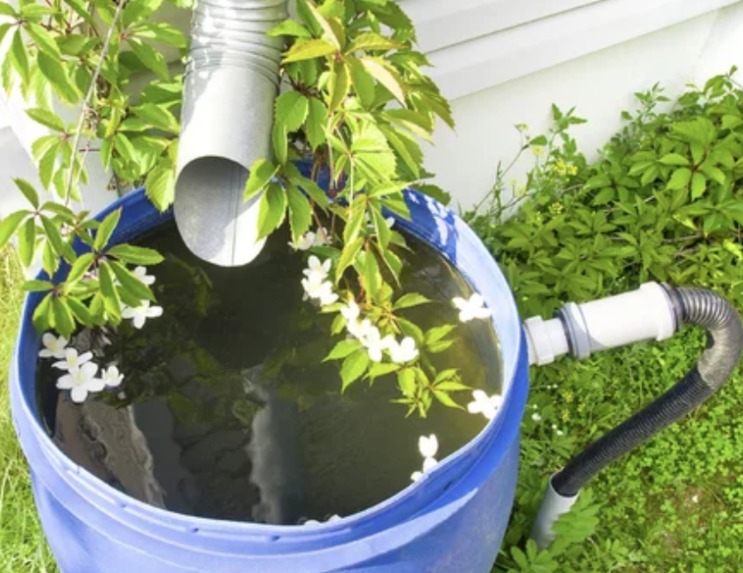
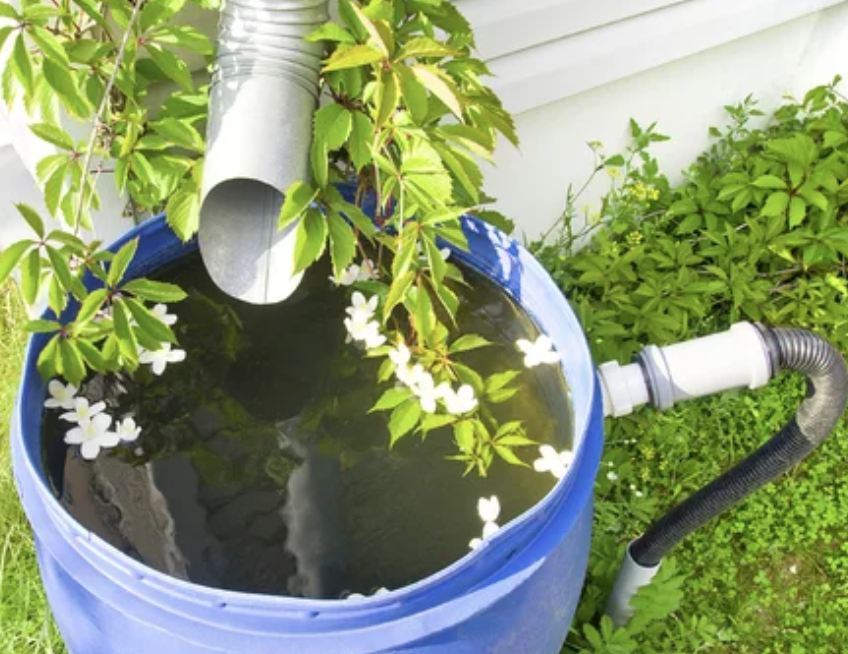
an example of rainwater harvesting
Inspiration
Seeing that our state of California received record rainfall in the year 2022, we were inspired to analyze the effect this had on the "boom & bust" cycles that our state had been experiencing. This means that in the years following 2022, it was more likely that we would experience statistically lower levels of rainfall. To mitigate the effects of these cycles, researched methods like rainwater harvesting and wanted to promote them throughout the community.
What it does
The user is first directed to a website which provides information about rain water harvesting and techniques and overall data. There is also information about how to use the app and its functionalities. It is mainly used as a promotional tool for the actual application, which can be downloaded in the form of a zip file from the app. Upon launching the app, the user is prompted to enter their home's roof size and their current position in the form of latitude and longitude. These two data entries can also automatically be filled if location privacy settings are enabled. The app then presents a bar chart of rainfall by month for that location and metrics on how much they can save.
How we built it
We primarily used flutter SDK which was coded in google's Dart language. This made it easy to code the functionalities of the app along with the design elements. We also used HTML to create the website and Figma for the presentation + prototyping.
Challenges we ran into
We initially found difficulty in implementing the flutter SDK app launcher in the HTML code for the website and ultimately decided on having the user download the app and run it themselves in the form of a zip file. We also faced issues relating to the development of our app in general including limited scope and design elements.
Accomplishments that we're proud of
We were proudly able to make use of and integrate climate data API's from the NOAA and successfully code an app in Dart, which is an app primarily used for google, while also being able to show up in IOS simulator, an apple product)

Log in or sign up for Devpost to join the conversation.