Inspiration
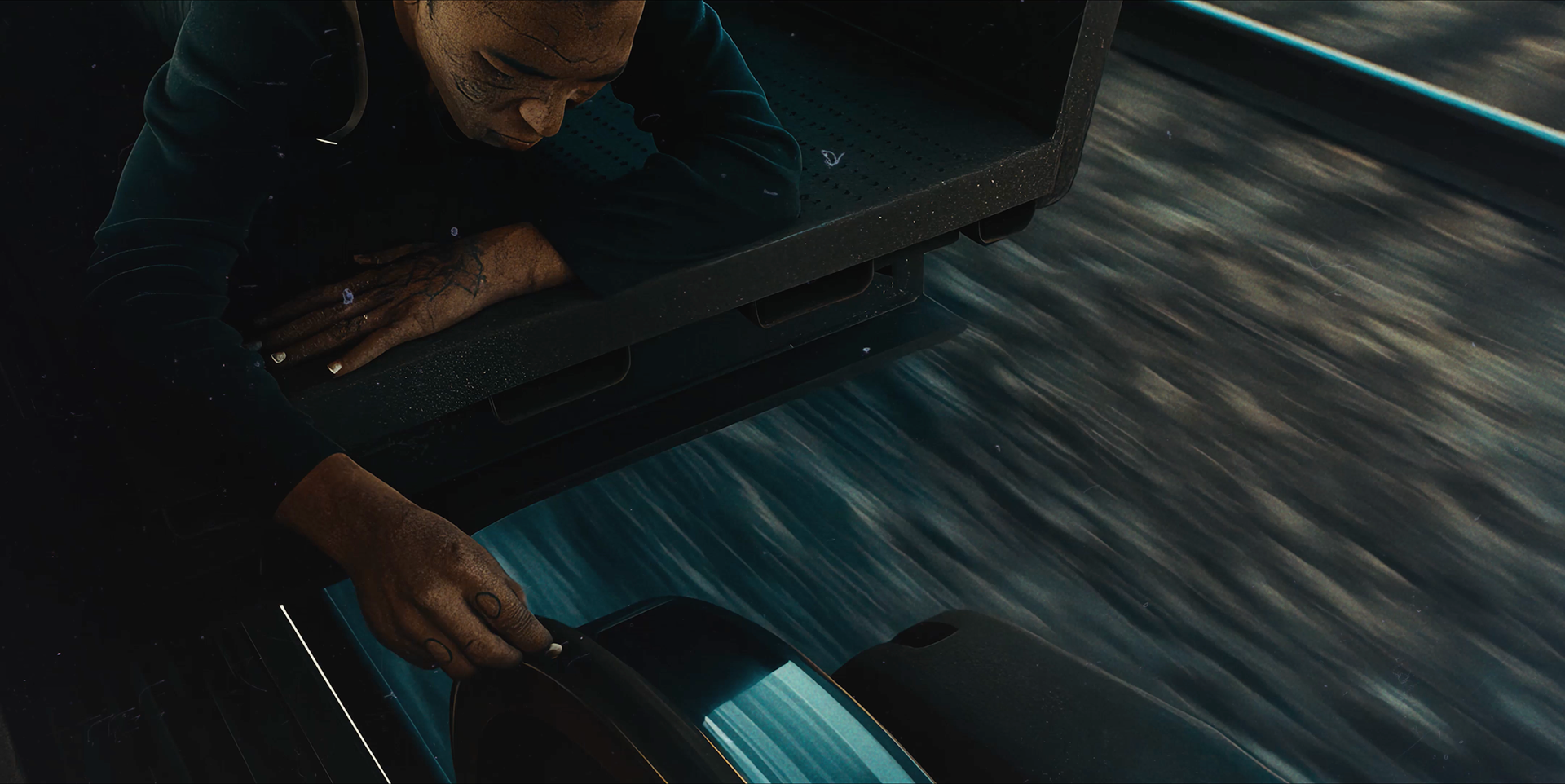
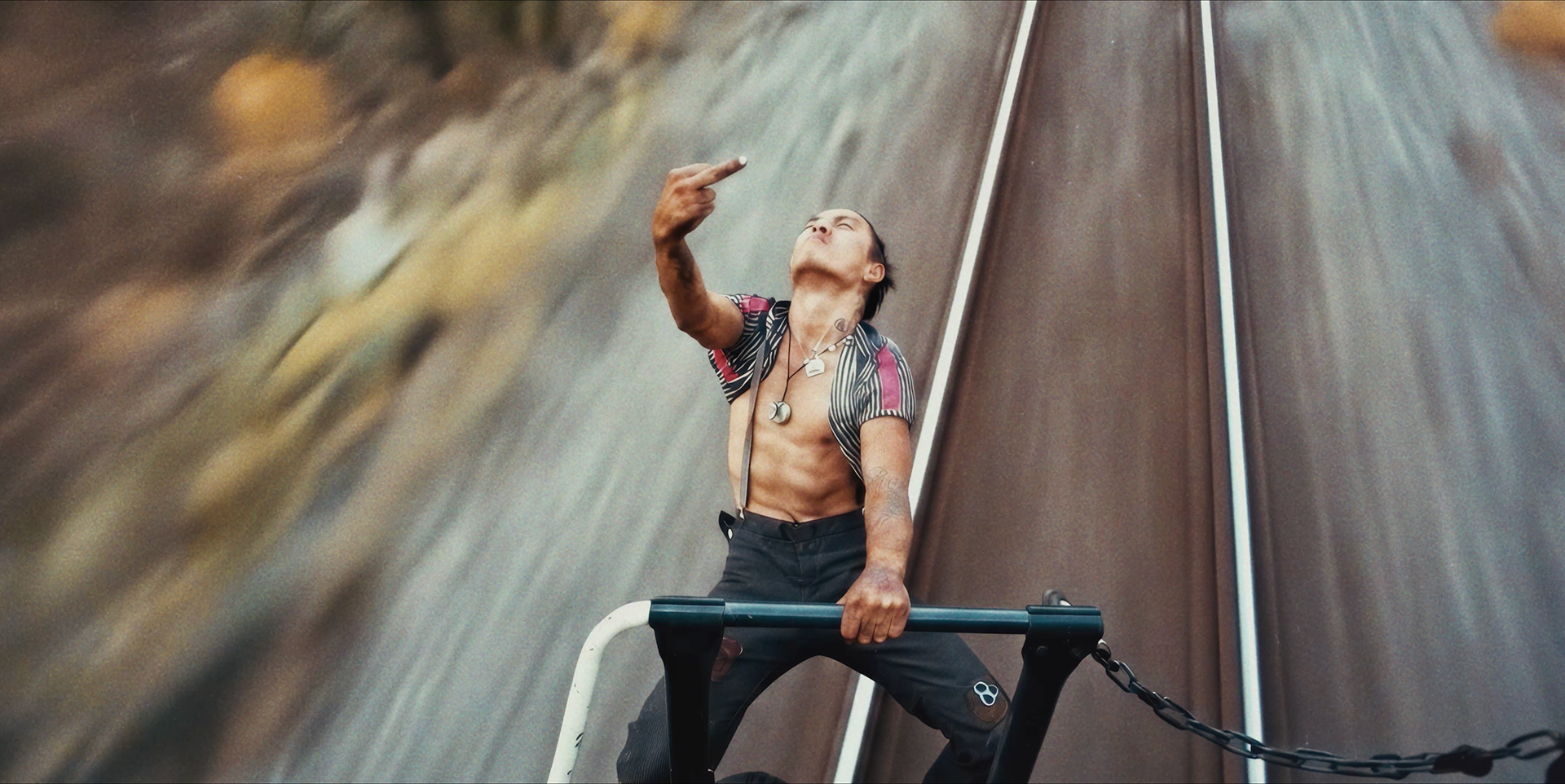
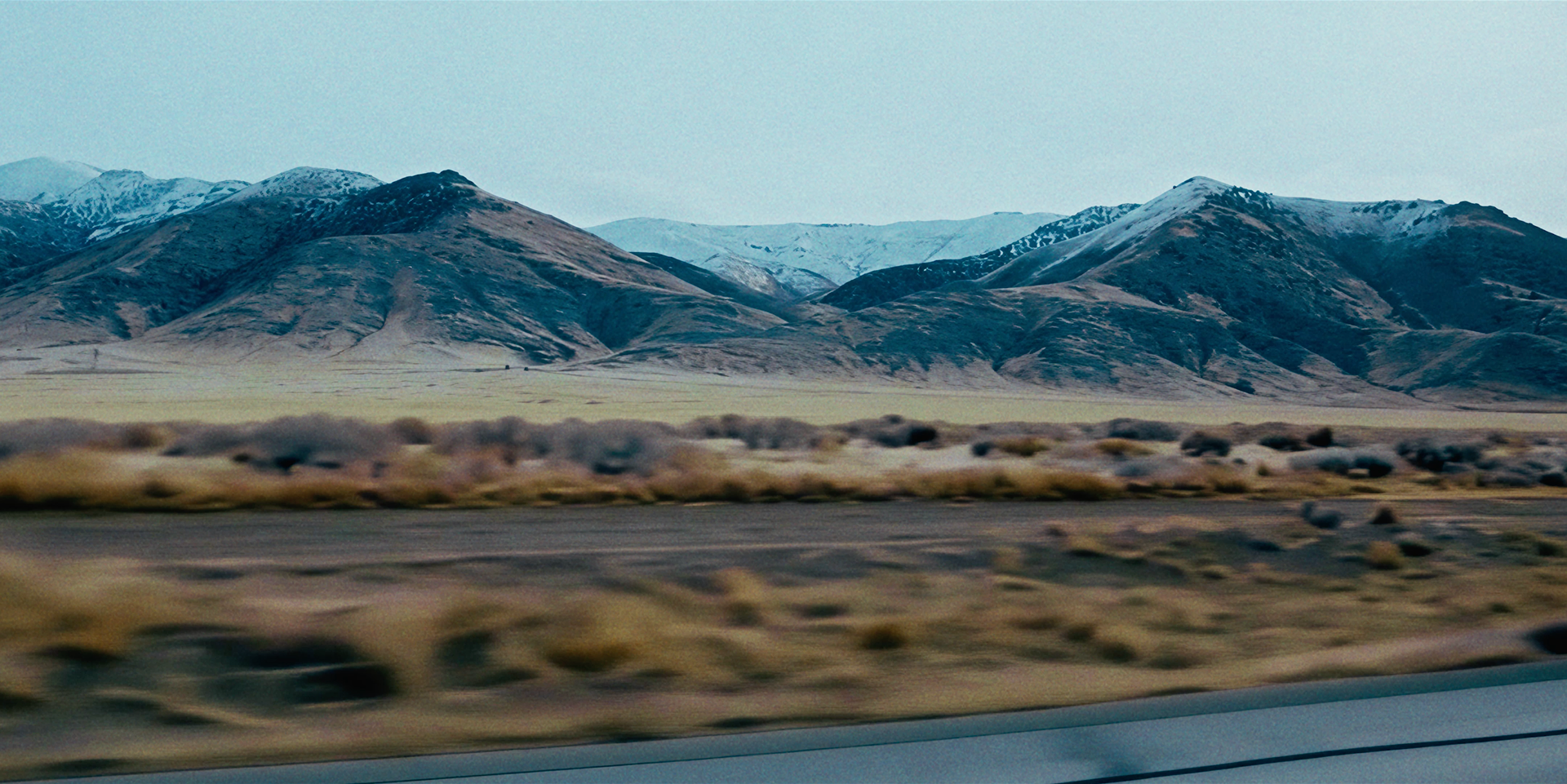
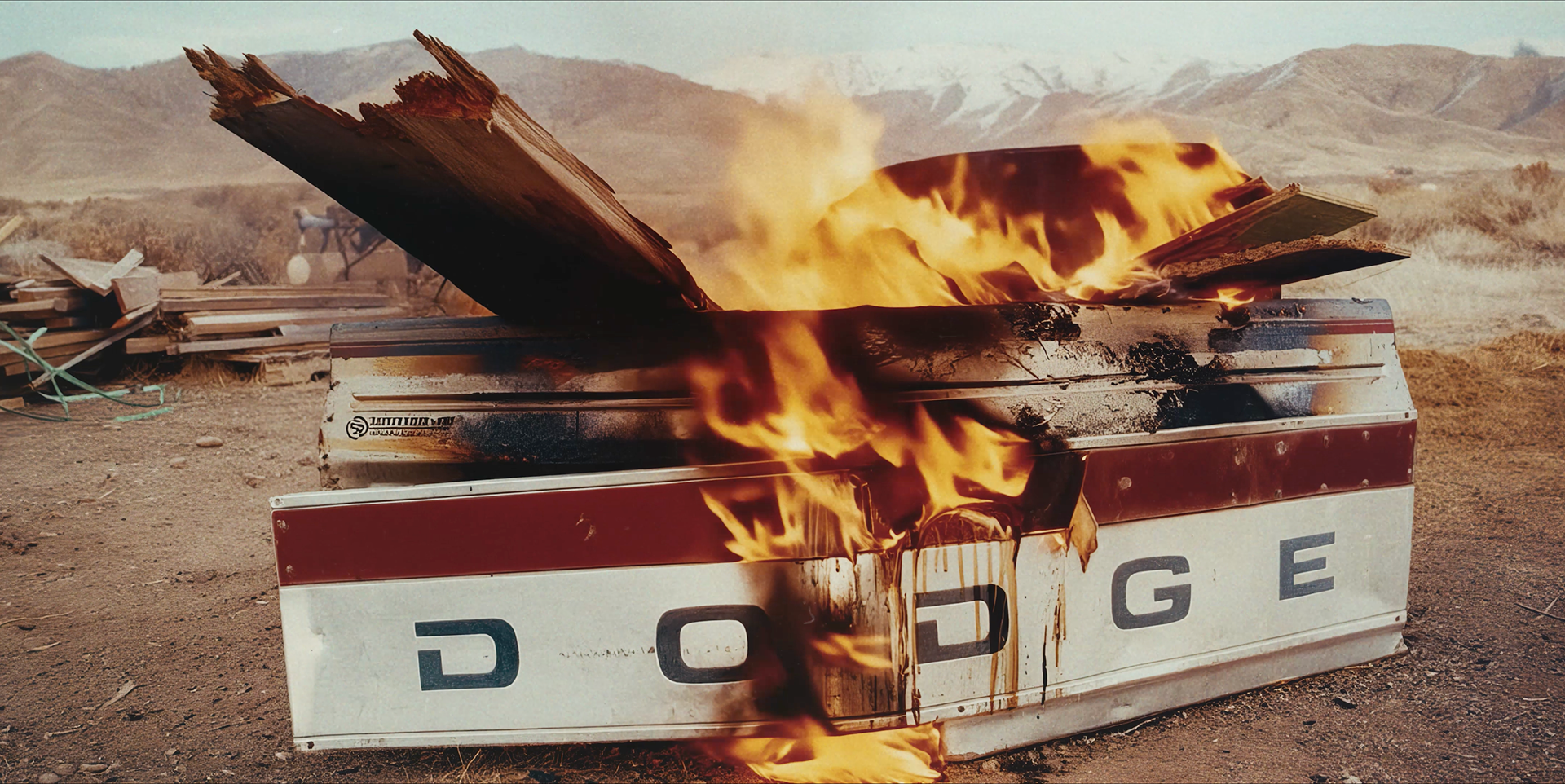
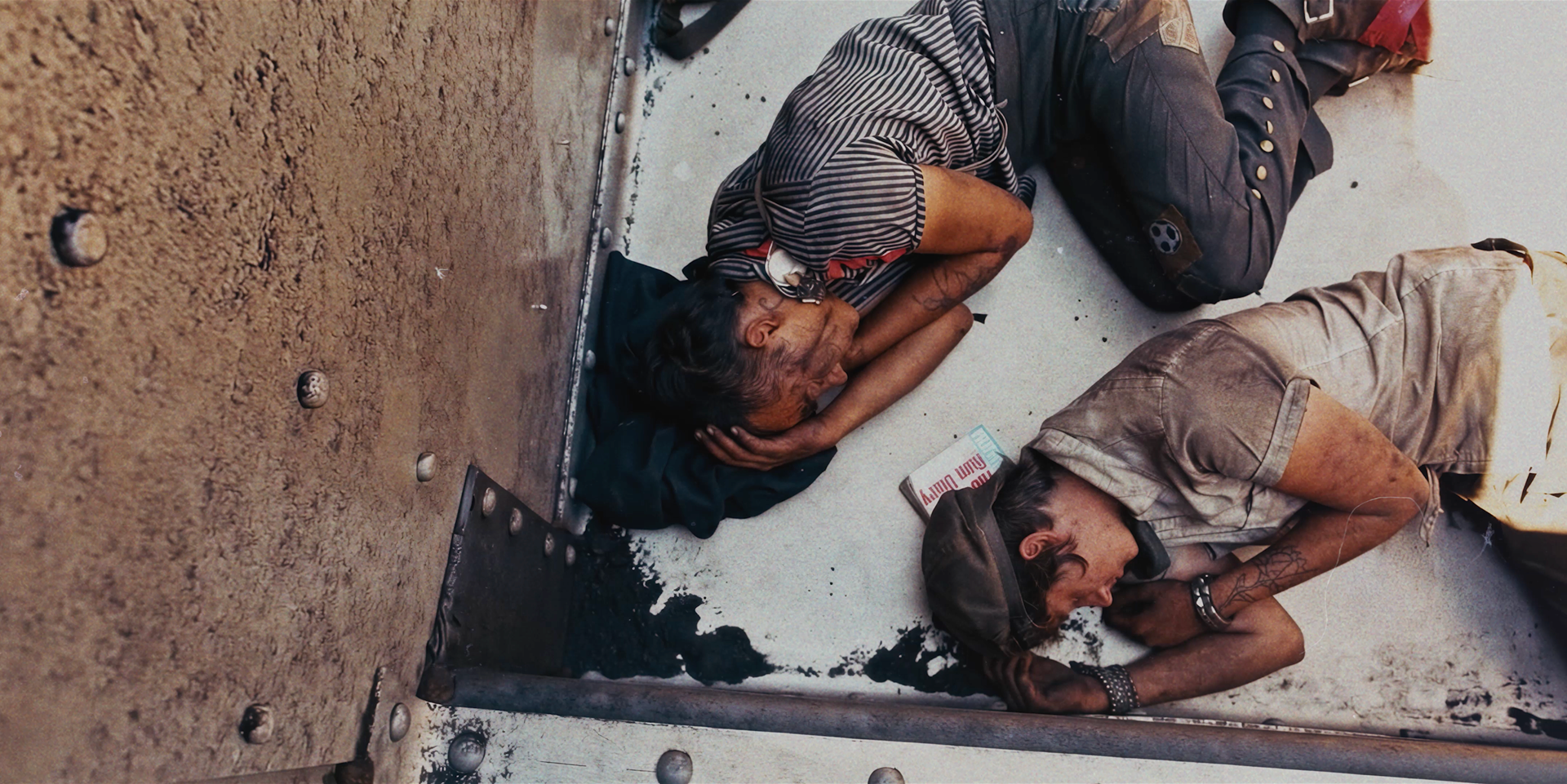
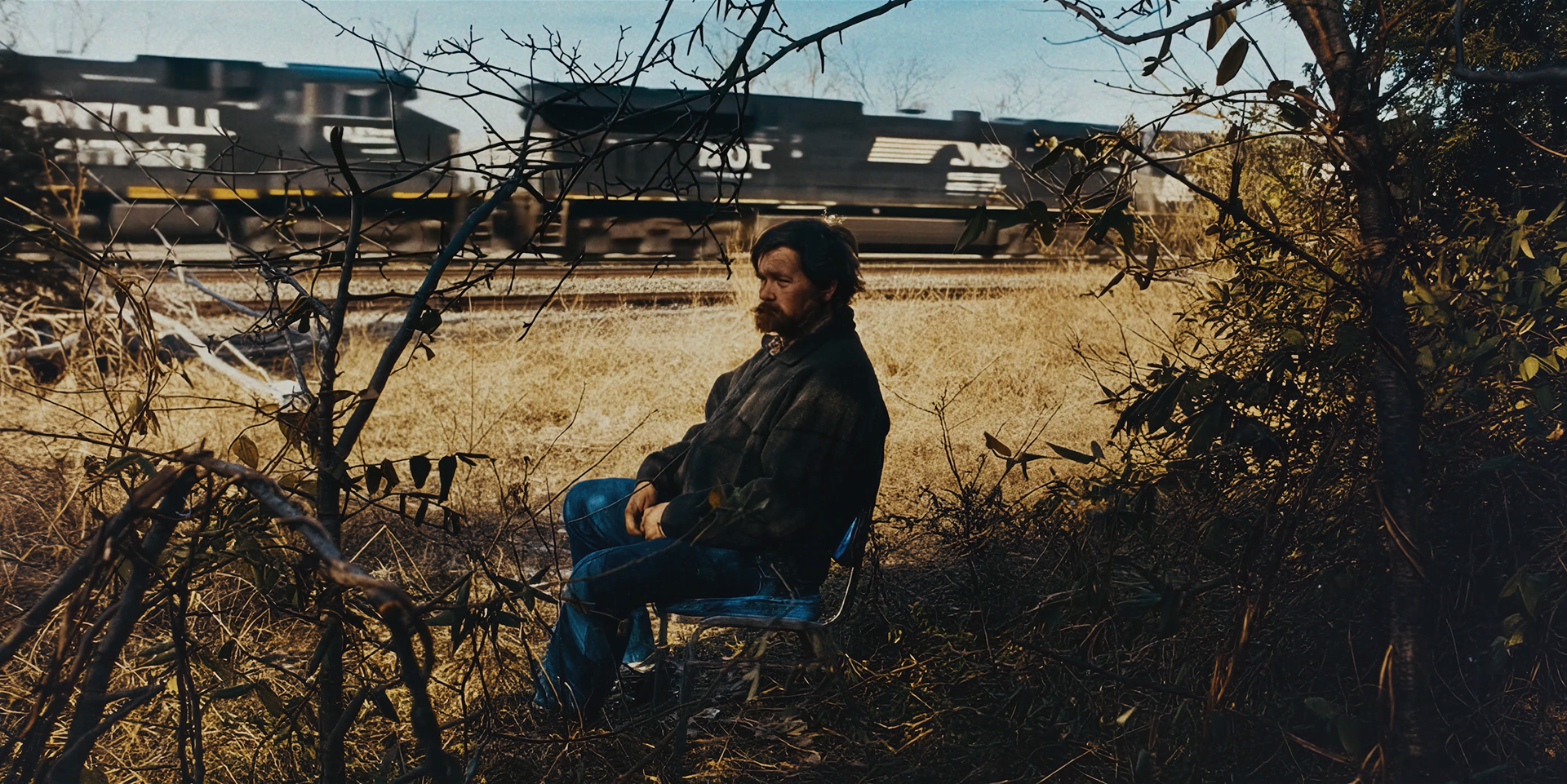
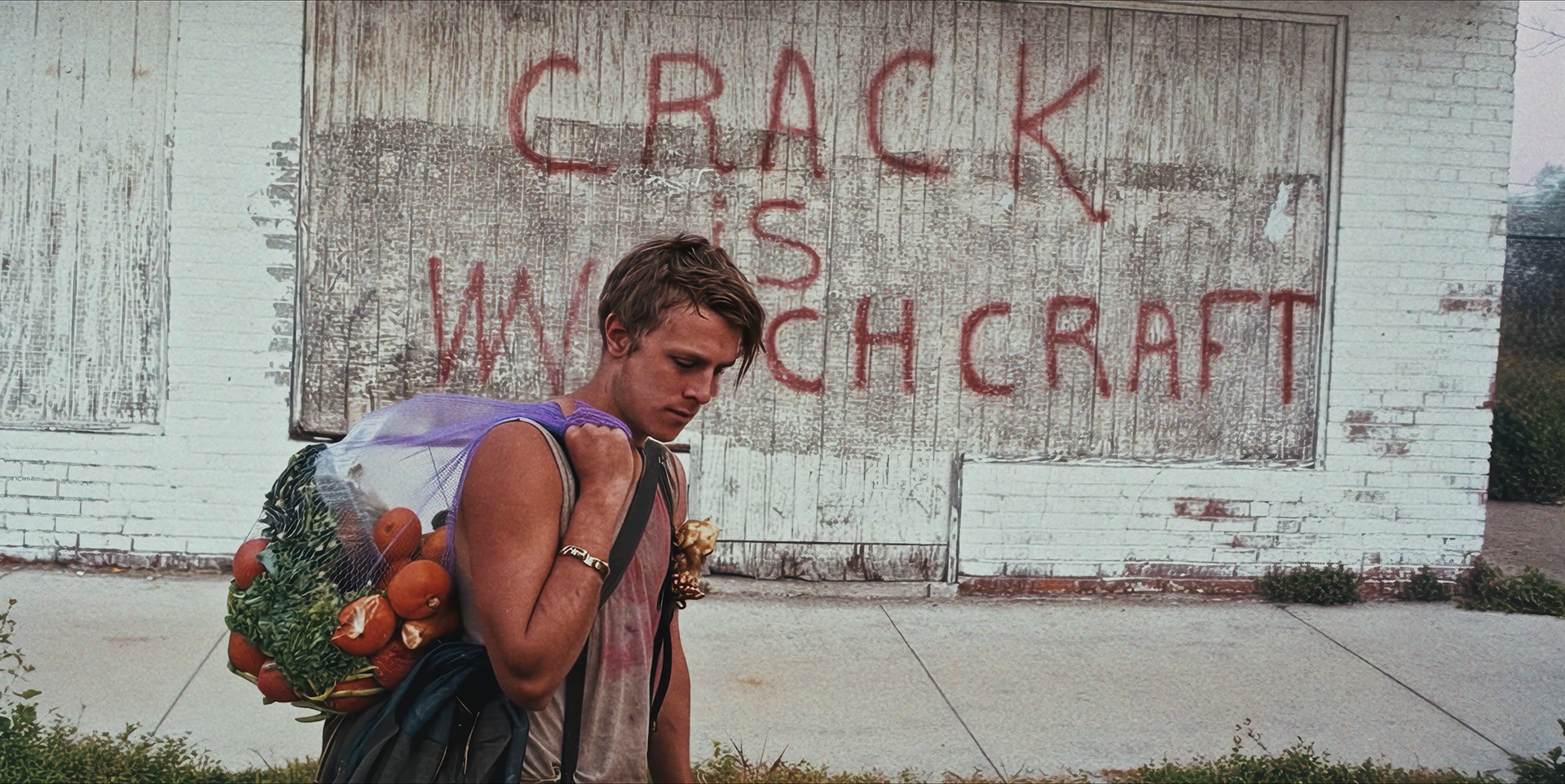
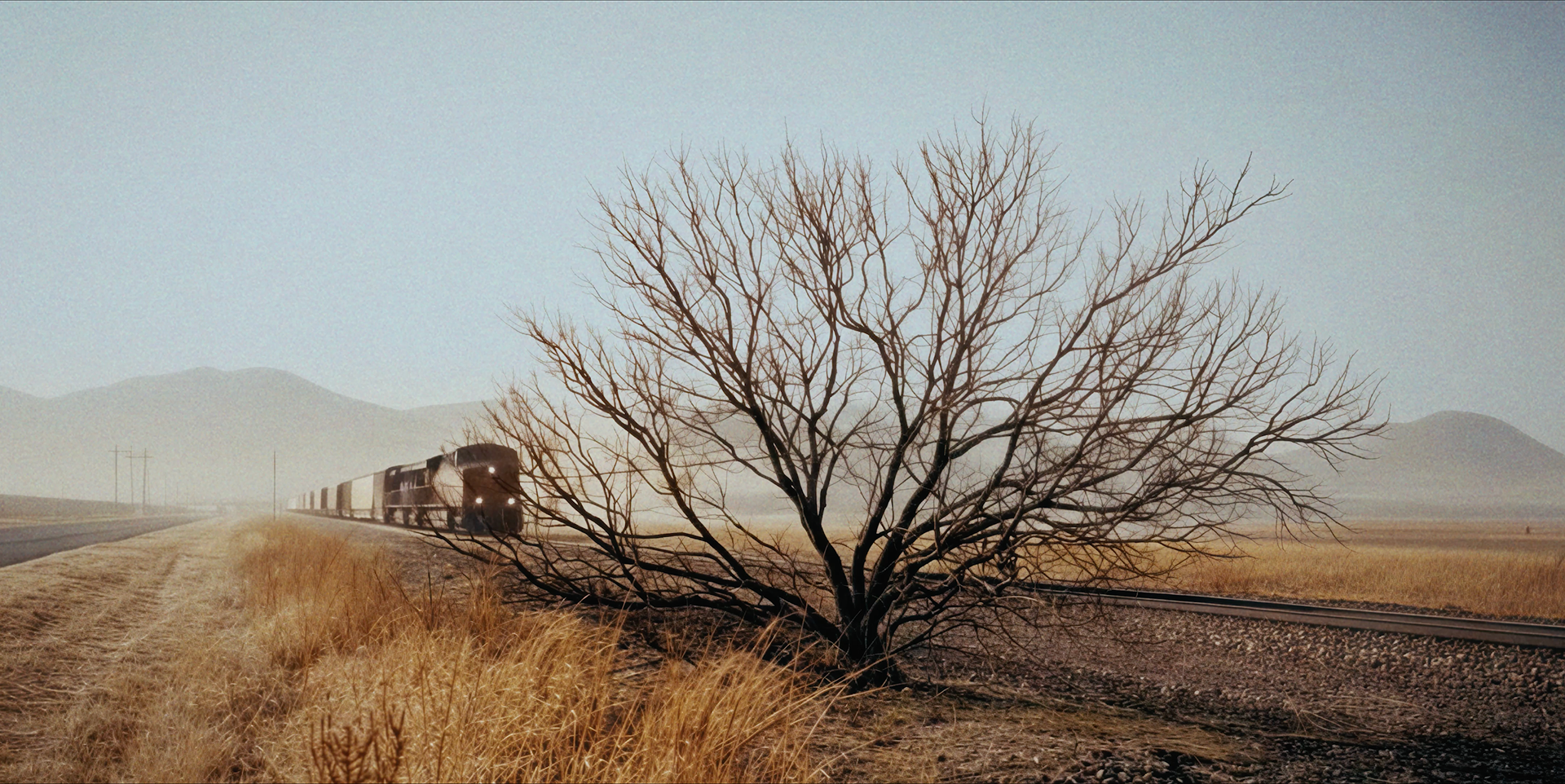
Railbound began with the work of Mike Brodie, one of the most singular photographers of the last two decades. In his early twenties, he jumped freight trains across America and photographed the people he met along the way. His images are raw, intimate, and lived-in.
We wanted to explore whether generative video could extend the life already present in these photographs without altering their intent. To see if a narrative could form that moves between documentary and fiction — connecting moments taken years apart into a single, continuous memory.
What it does
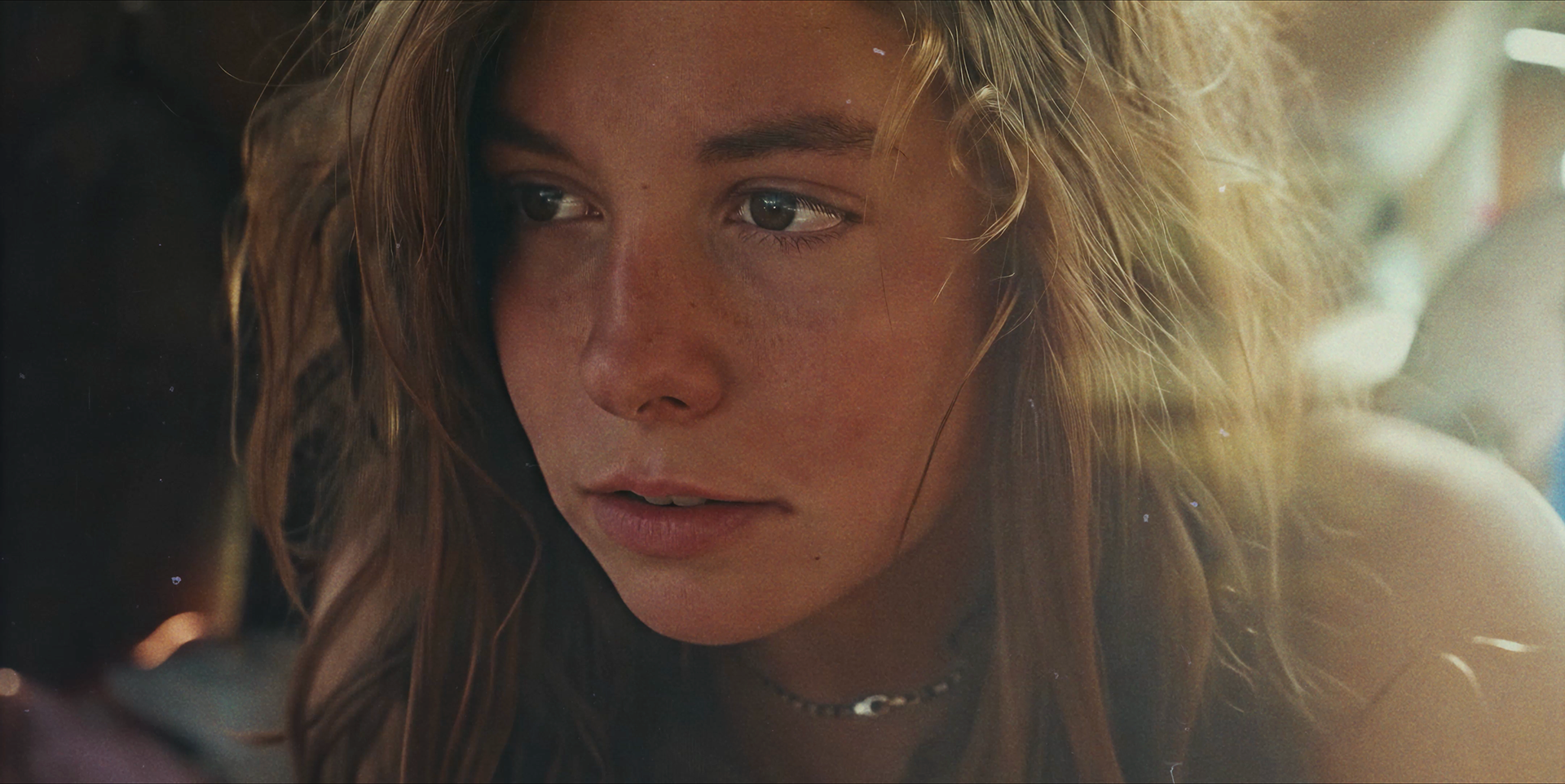
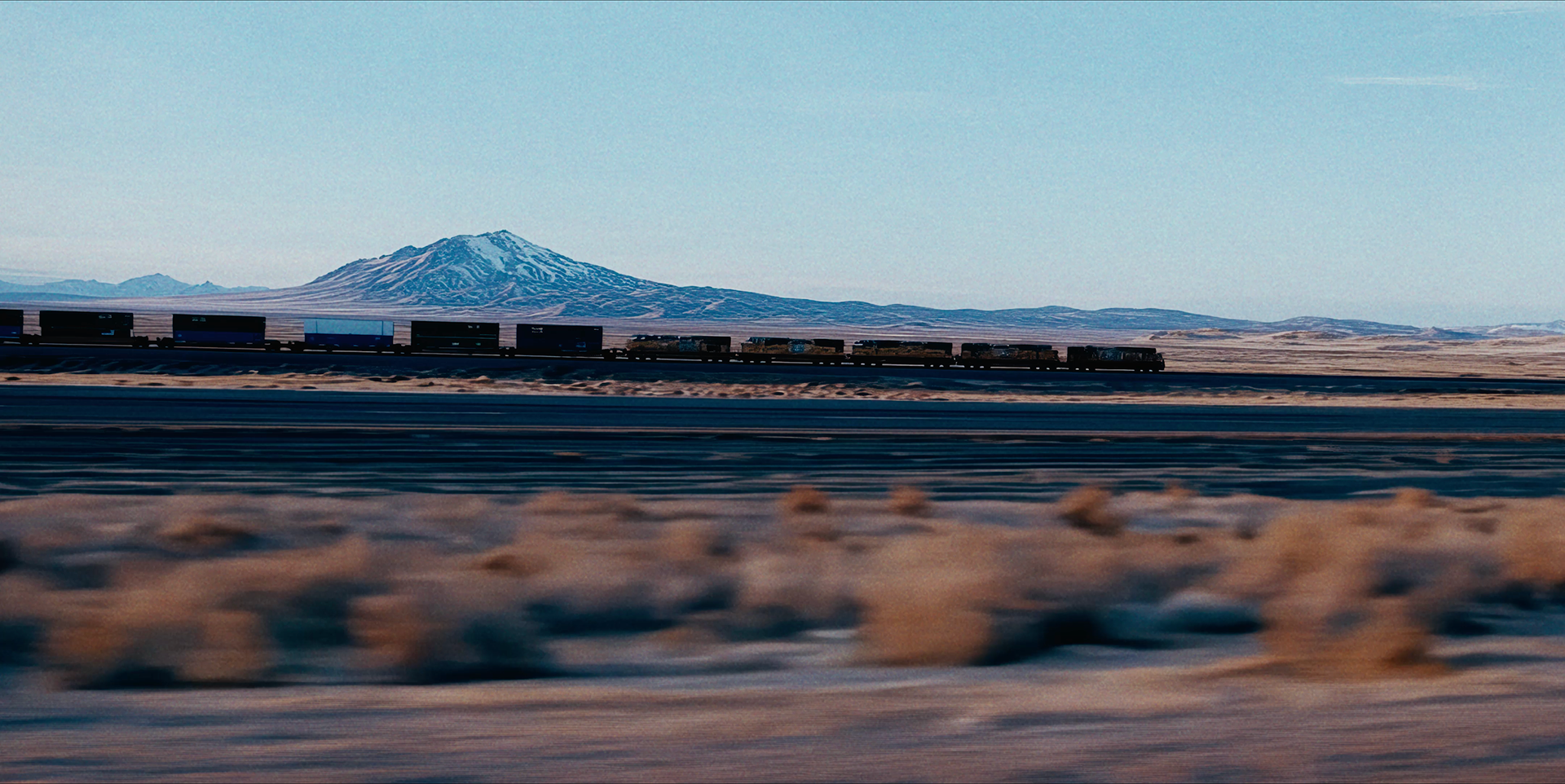
Railbound animates stillness and creates a whole new story based on real-life moments. We take real photographs and create movement that feels like it was always there — the shift of a shoulder, the quiet of dawn light on a train car, the space between two people sitting side by side. It’s less about creating new images, and more about honoring what was already there and crafting a story around this hidden world.
How we built it
Railbound was created during the first Google Labs Flow Sessions, a six-week experimental filmmaking residency. Alex Naghavi was selected as one of ten international artists in the inaugural cohort and developed the film’s visual direction and generative workflow during the program.
• We worked directly with Mike Brodie, who opened both his published and unreleased archive for the project.
• We spent time studying the photographs and looking for recurring relationships, gestures, and states of being that could form a narrative thread.
• We developed a father/daughter conversation as the emotional frame for the film, and recorded two actors together in a car to capture natural closeness and space in the audio.
• We storyboarded the film in Figma, pairing script lines to specific images to define emotional pacing.
• We used Google Flow (Veo 3) to animate the still images, generating subtle motion passes that preserved the original expressions and lighting.
• We used Google AI Studio (Nano Banana) to refine image continuity and create necessary shot variations.
• We used Topaz to upscale motion outputs to 8K for more controlled stabilization (realistic train camera shake) and a final 4K master.
• A small VFX team helped hand-correct artifacts and continuity issues in key shots.
• The original score was composed to reflect the weight and movement of the rails—slow build, held notes, bittersweet tone.
• We worked with a sound designer to create environmental sound that feels grounded, not stylized.
• A colorist performed a full manual grade, adding grain and a vintage quality to bring back texture and life.
• Titles and graphics were designed and animated to feel natural within the world of the film.
• The film was assembled and shaped slowly in edit—continuity, rhythm, and emotional timing were refined frame by frame.
Written & Directed by: Jonathan Perry Visual Director & AI Artist: Alex Naghavi Original Photography: Mike Brodie Produced by: Jonathan Perry & Alex Naghavi Edited by: Jake Bann Original Score: Dan Michaelson Sound Design: Jeffrey Reed Starring: Jeffrey Reed (Garrett), Violet Geissler (Willow) Colorist: Dave Dixon Sound Mixer: Matt Wymer Casting: Jake Lyon VFX Digital Artists: M. Shahrukh, Noman Davis, Ali Khan Title Design & Graphics: Alex Naghavi Animation: Kris Cave Production Assistant: Kemetrea Spearman
Challenges we ran into
• Choosing the right photographs. We had thousands of images. The first challenge was deciding what story to tell, what to leave out, and how to build a narrative thread across moments taken years apart.
• Letting the photographs lead. We avoided forcing movement onto the images. We kept pulling back to make sure we were extending what was already there, not rewriting it.
• Getting generative motion to behave. We tried standard prompting, reverse prompting, structured JSON prompting, and even notes written directly on the images. During Google Flow Sessions, we were limited to Google tools (with generous access). In the end, a mix of methods produced subtle, natural motion.
• Maintaining continuity across shots. Small details mattered: hair movement, direction of train travel, pace of movement, consistent facial features. With ~180 shots, each requiring 6–100 generations, keeping continuity took a lot of manual iteration.
• Working with imperfect source material. Some photographs were grainy, blurry, or shot on film. Animating them without losing texture or drifting into artificial smoothness was a constant balance.
• Avoiding spectacle. We didn’t want the film to “look AI.” Restraint was the rule. If a shot called attention to its own animation, we regenerated it or softened artifacts with grain and motion blur.
• Building a workflow that didn’t exist. There’s no standard process for blending documentary photography, generative video, and narrative. We had to design the pipeline step by step as we made the film.
Accomplishments that we're proud of
The biggest moment for us was showing it to people who are longtime fans of Brodie’s work. We genuinely didn’t know how they’d react — it could’ve gone either way. But the response was emotional. Seeing images they’ve known for years breathe in a new way really landed. That meant more than any award could.
We also built the core of the film in six weeks during the Google Labs Flow Sessions program, working fully within Google’s tools and constraints. It was an intense timeline, and I’m really proud that we delivered something this considered.
And we also coordinated a distributed team across editing, sound, score, color, VFX, SFX, and animation to bring the film together. Managing and directing that many disciplines and personalities is never small — and the final piece feels cohesive because everyone pulled in the same direction.
What we learned
We learned that still photographs already contain movement, character, and emotion — you just have to give them room. When handled slowly and intentionally, generative tools can support that rather than overwrite it. Working with Flow and Nano Banana at a careful pace taught us that the medium itself isn’t the point — the way you use it is. And even within the pressure of a six-week timeline, it’s possible to make something thoughtful if you stay committed to the core feeling you’re trying to protect.
We also came to understand more about the world these photographs came from. Talking with Mike made it clear that train-hopping isn’t always about escape or hardship. For many, it’s about choosing a life of movement, searching, belonging, and figuring out who you are outside of expectations. That realization guided the tone of the film. We weren’t animating images for novelty — we were trying to honor a way of living, and give the photographs a new way to breathe without changing who they are.
What's next for Railbound
We’re releasing Railbound slowly and submitting it to festivals where the film can be seen with care and context. We’re also exploring the possibility of showing the film alongside Brodie’s original prints in a gallery setting — allowing people to experience the photographs and the film in conversation with each other.
We plan to share a behind-the-scenes breakdown of the workflow so other artists can learn from it and adapt it. This hybrid process is still new, and we’d like to contribute to a clearer language around it. And as the relationship continues, we’re interested in collaborating with Mike again — there are many more stories in his archive, and many more ways to approach this kind of work with respect and care.
Built With
- google-ai-studio
- google-flow
- nano-banana
- topaz-ai
- veo-3


Log in or sign up for Devpost to join the conversation.