-
-
logo
-
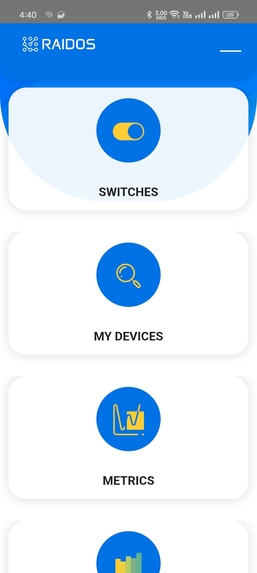
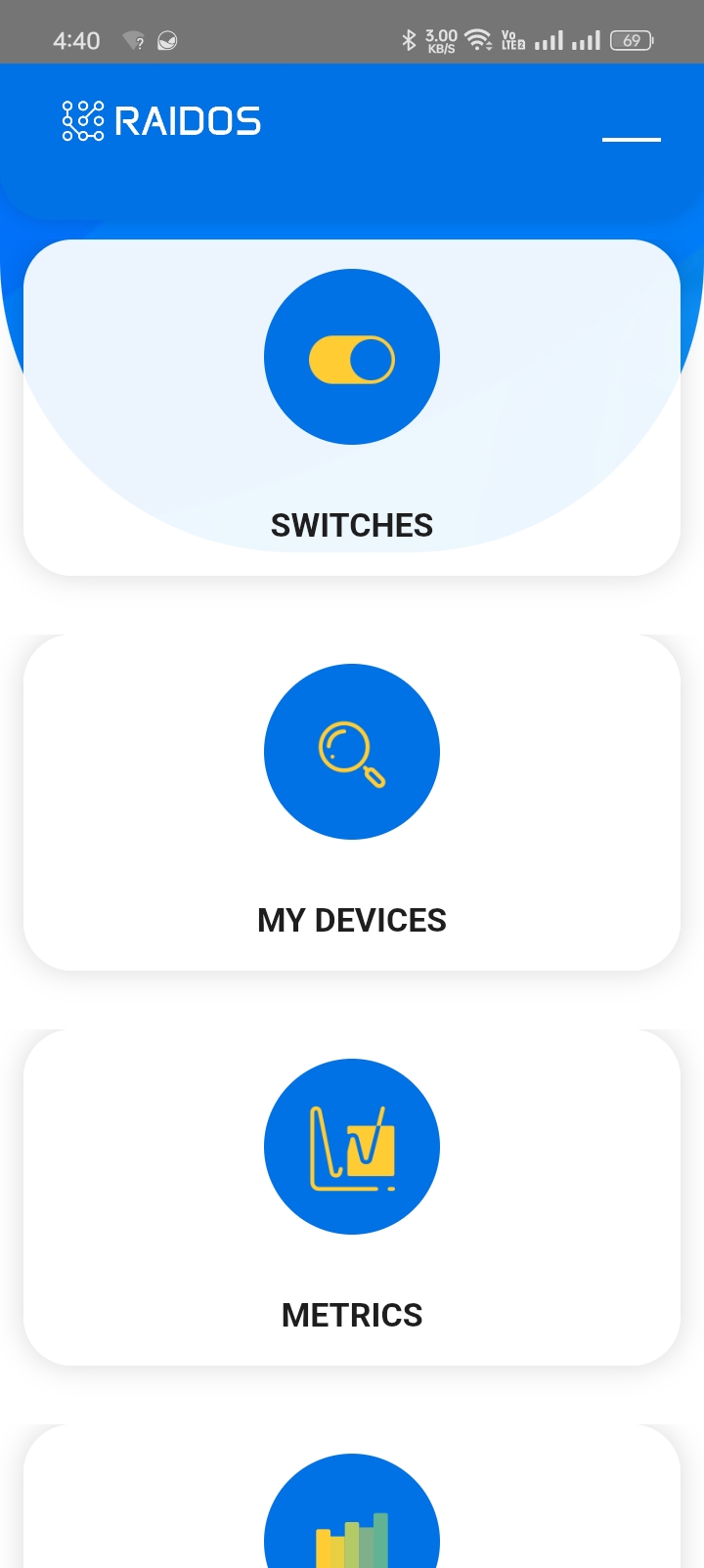
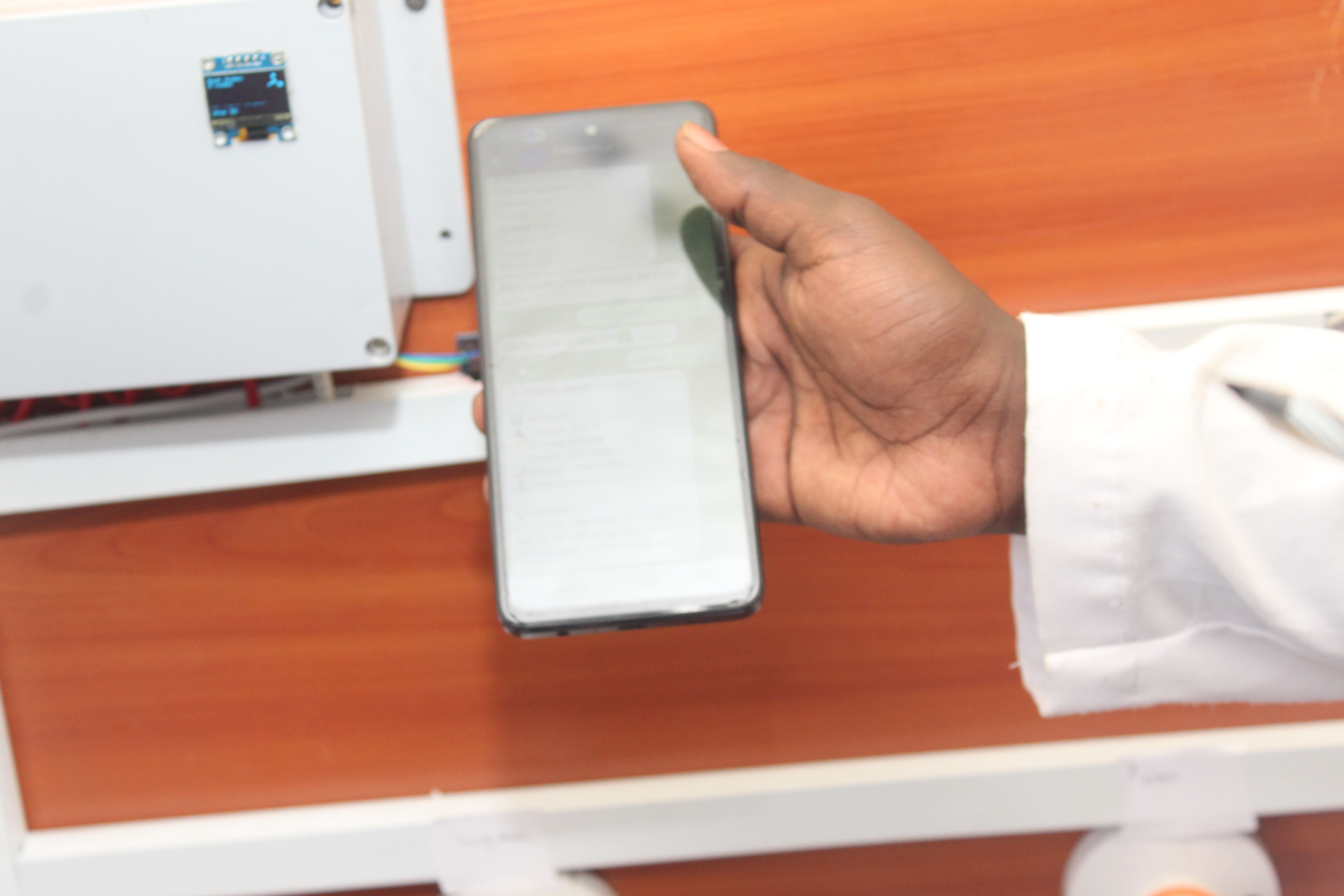
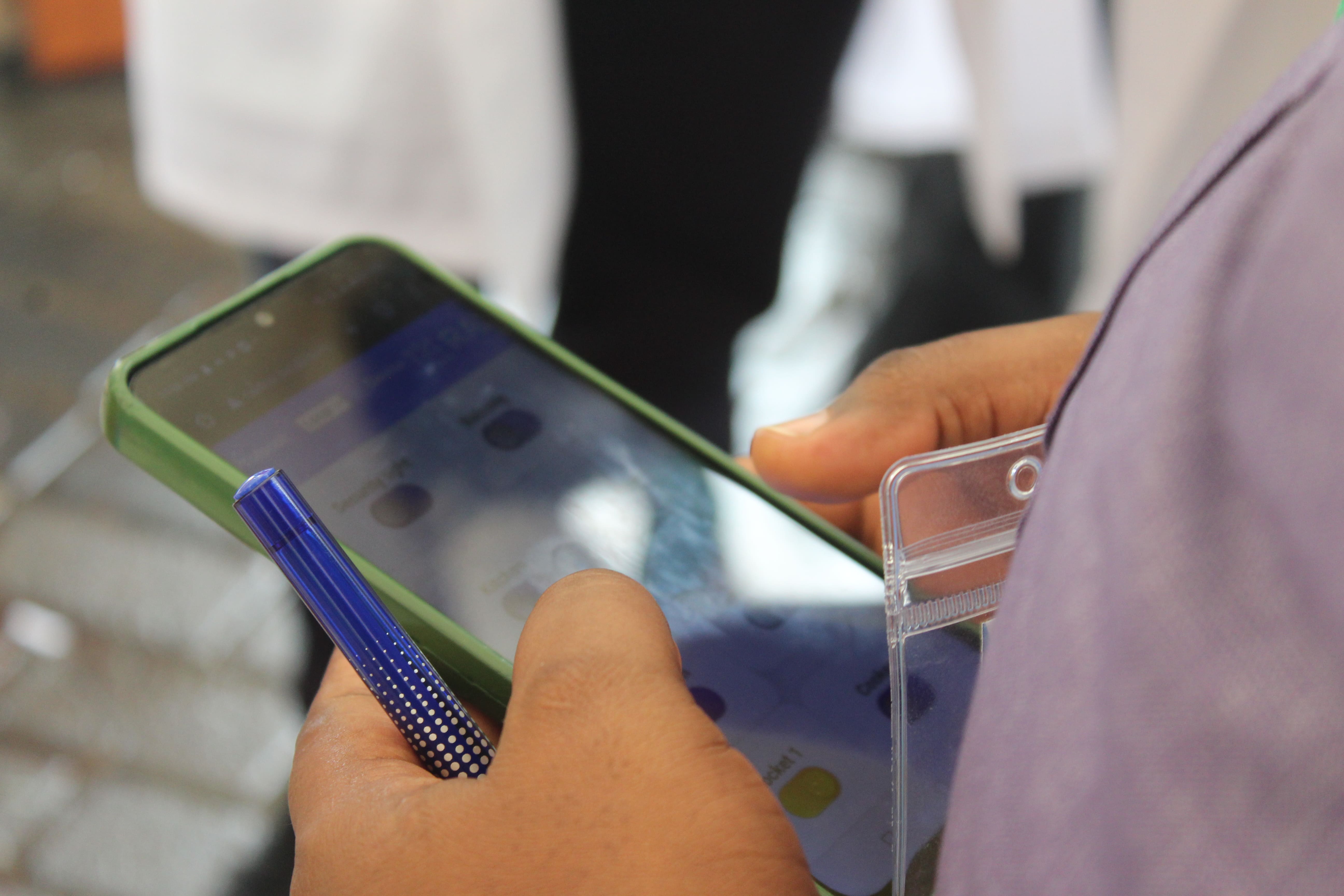
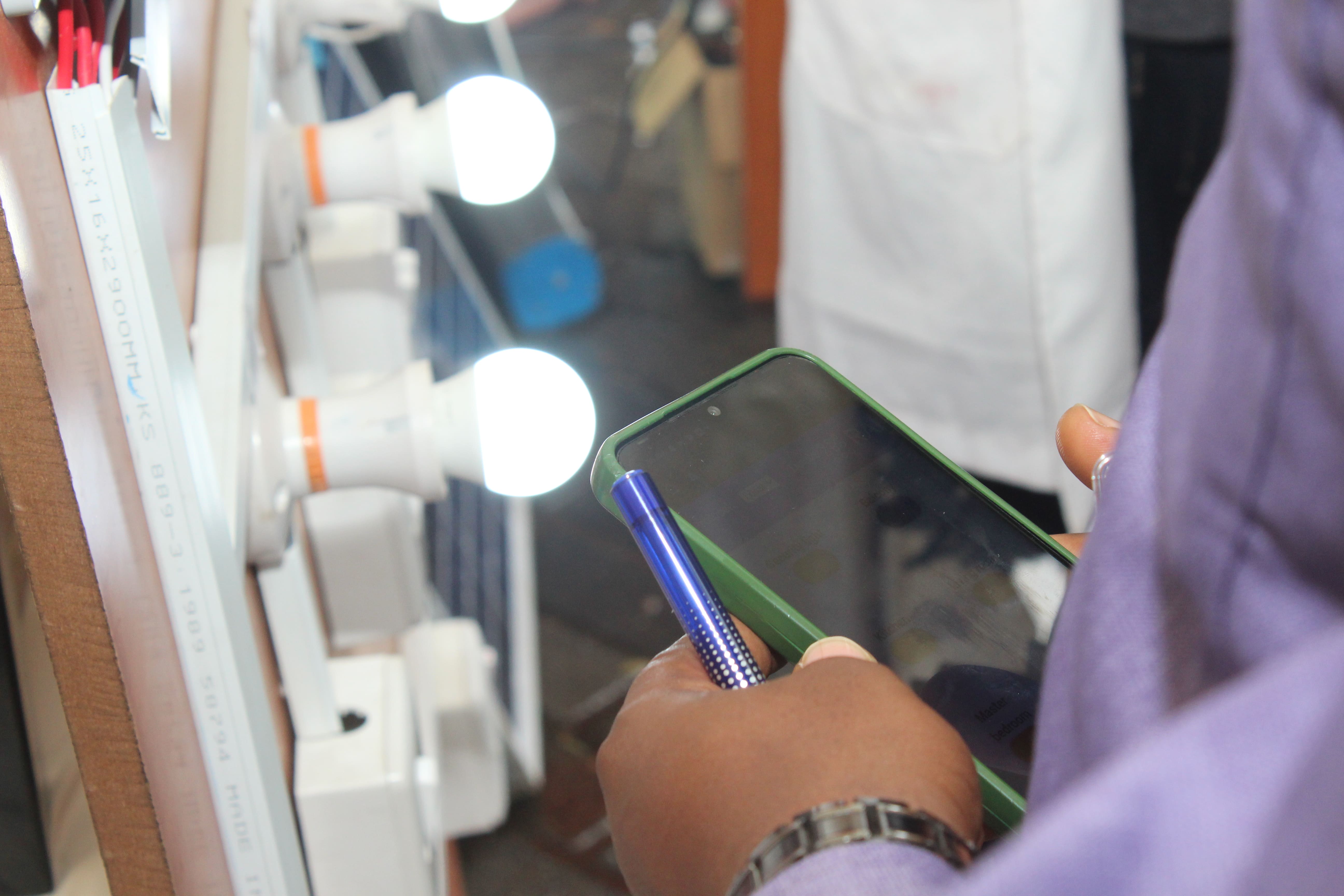
phone app ui
-
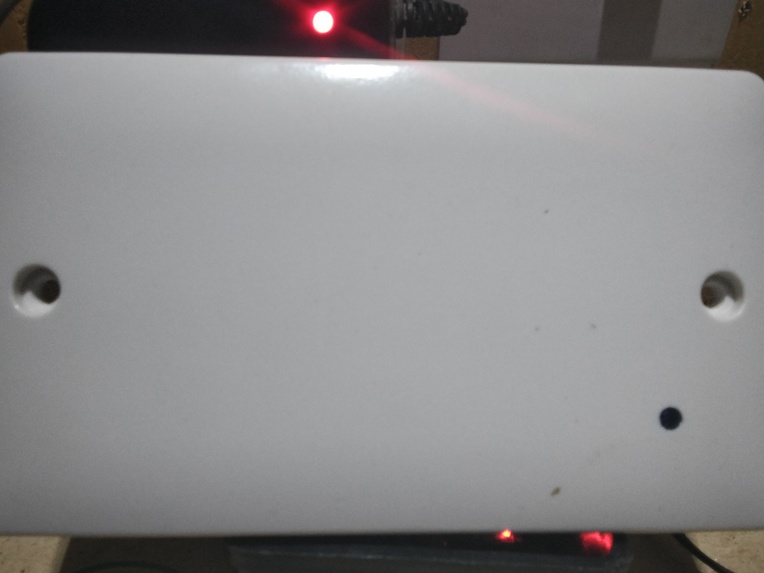
custom integration into existing infrastructure
-
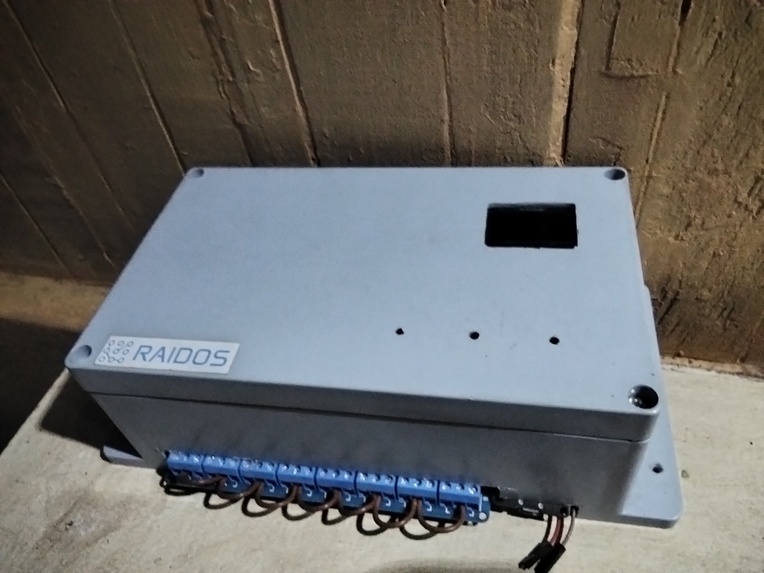
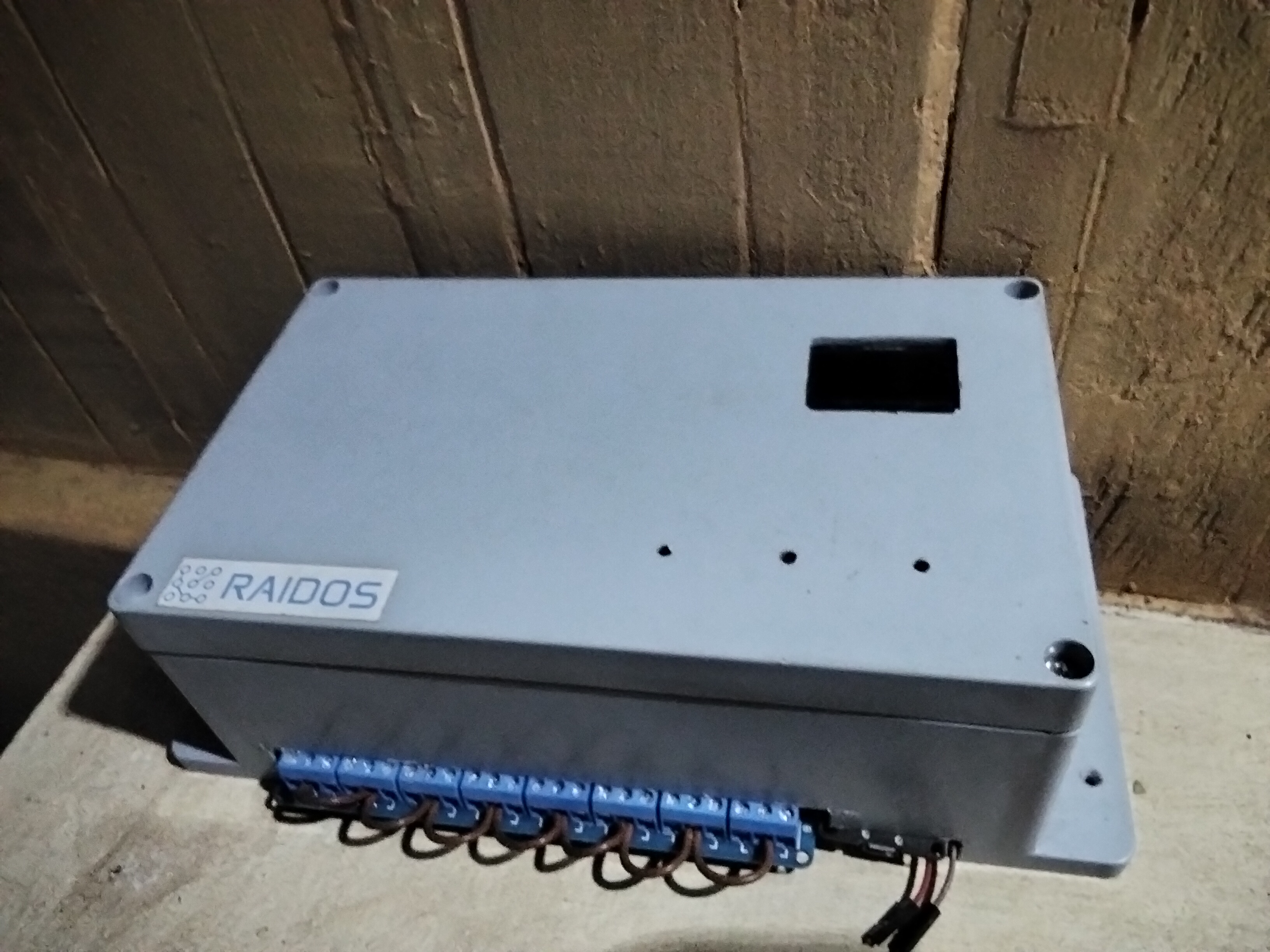
prototype of master
-
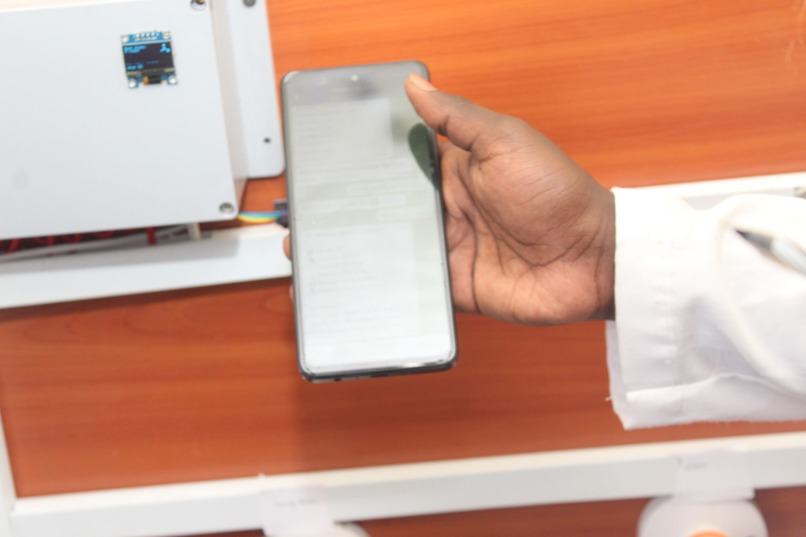
paired with smart devices
-
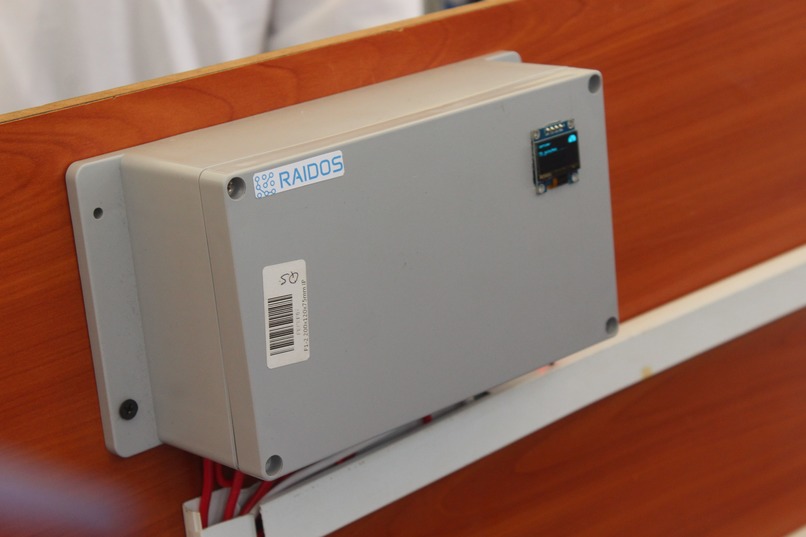
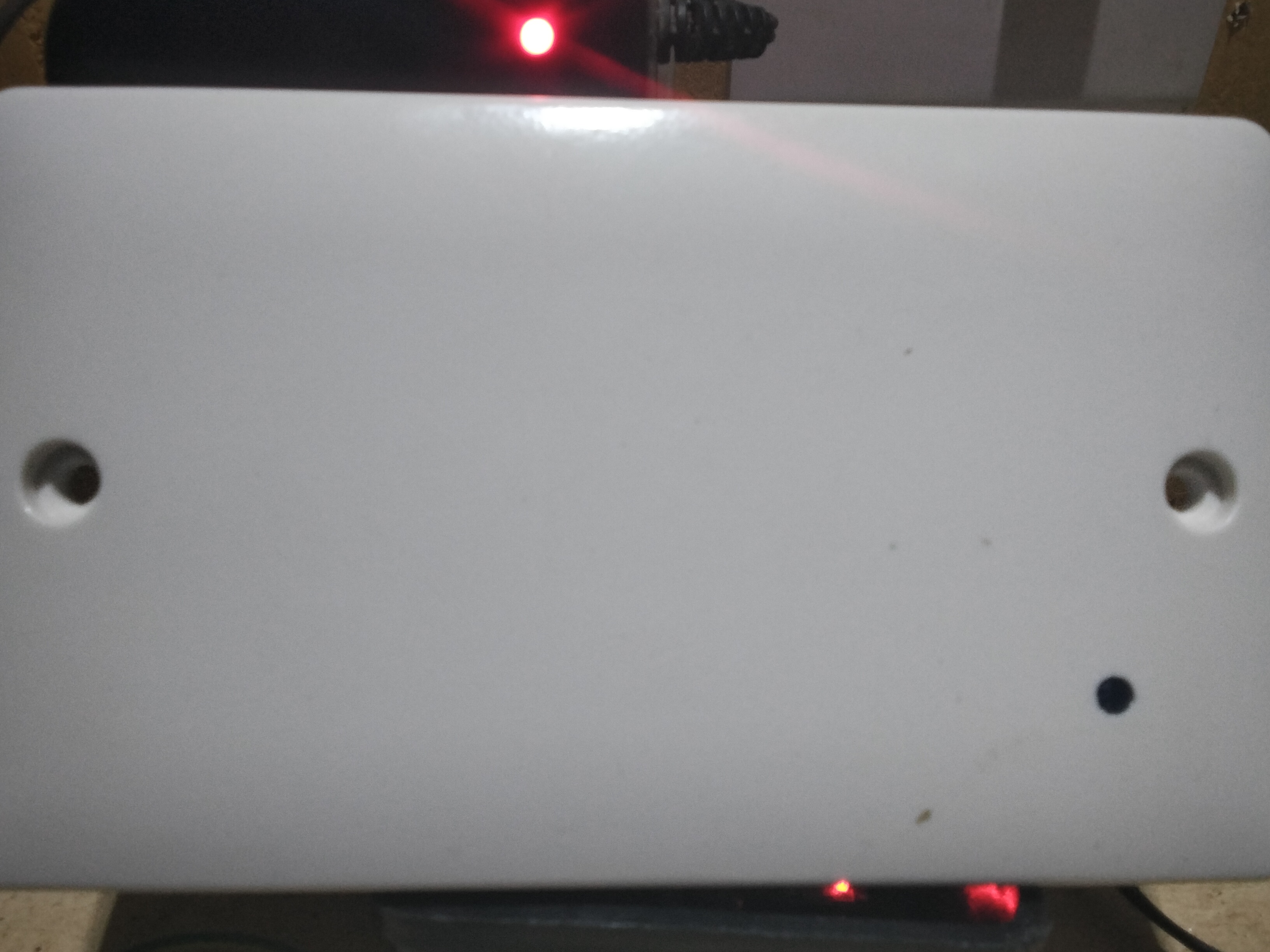
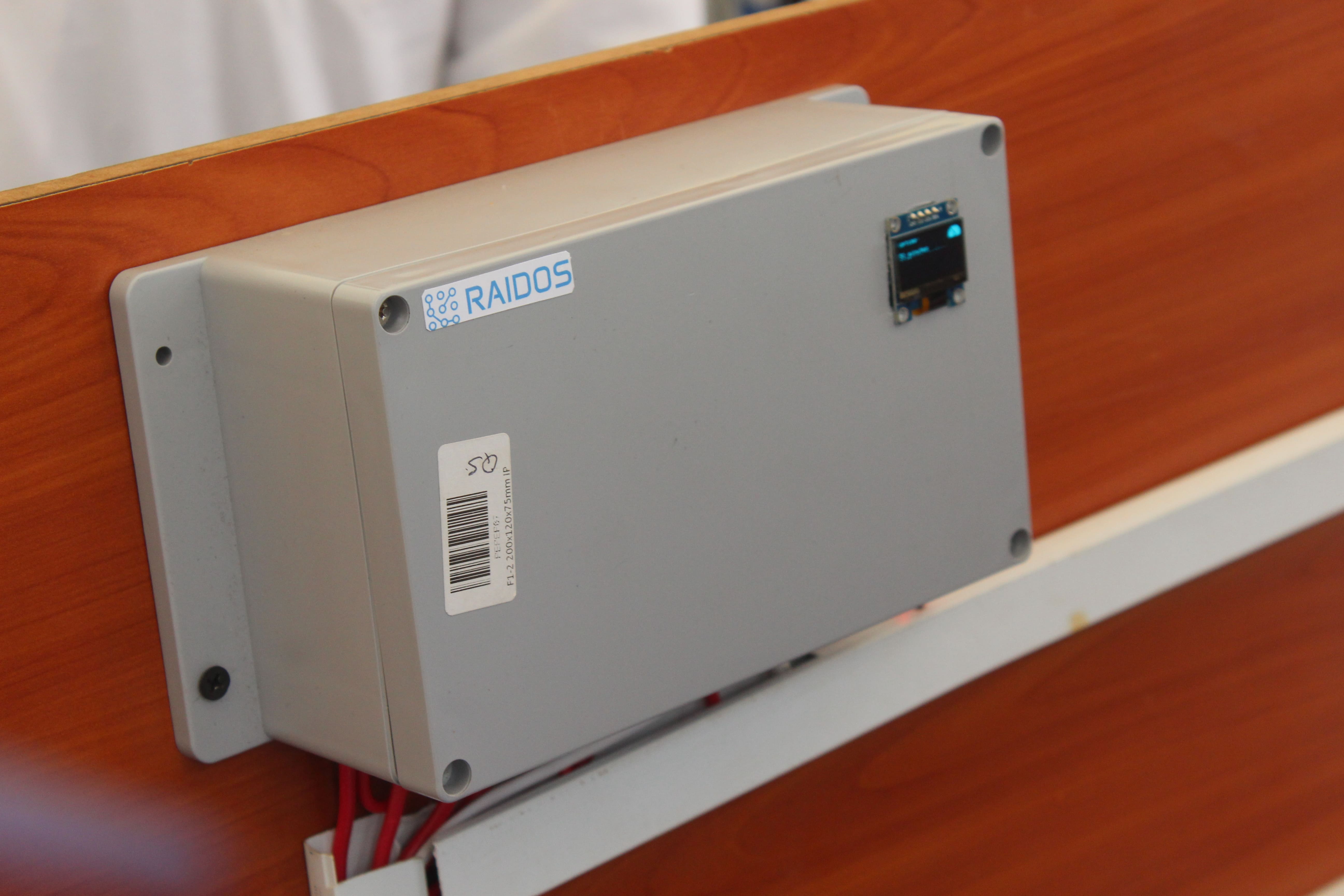
closeup of master unit
-
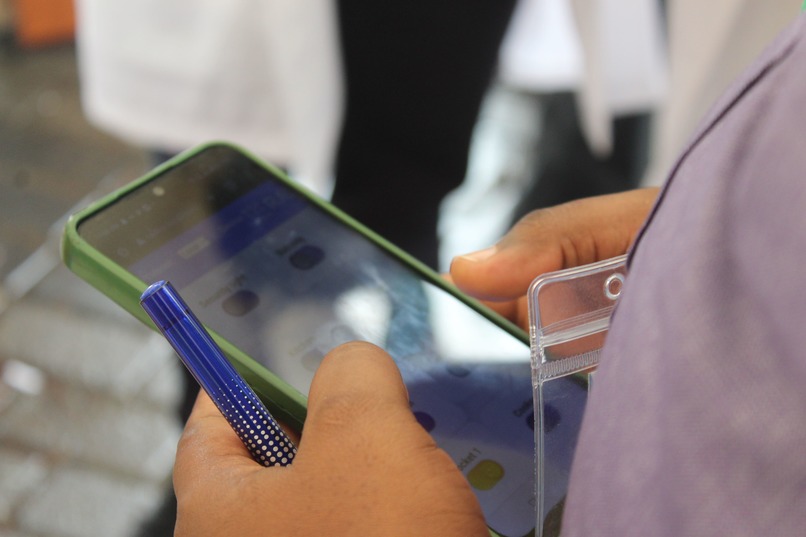
Ui for mobile communication
-
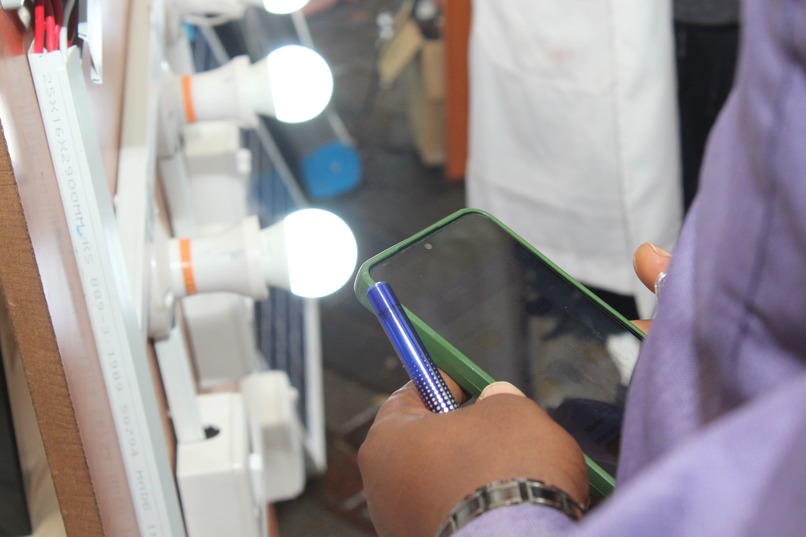
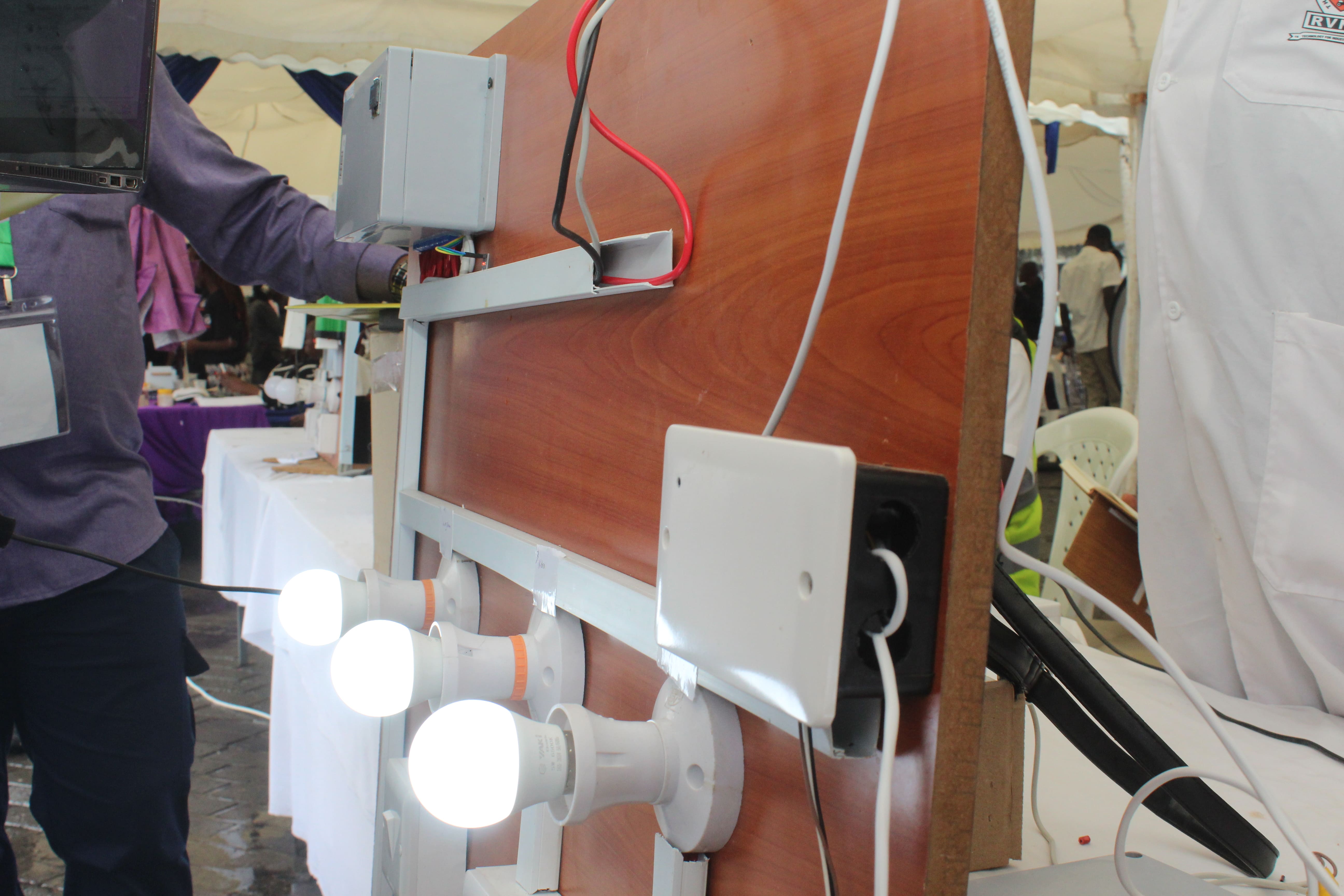
power and light control demo
-
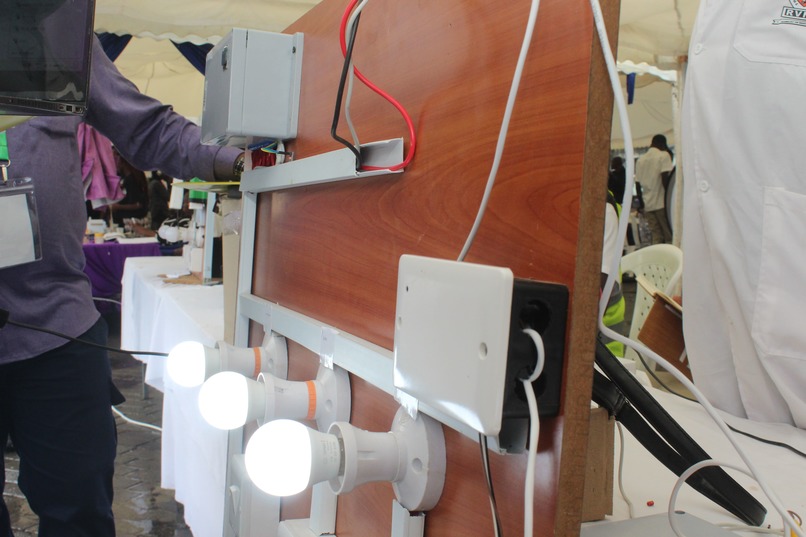
Minimal demo
Inspiration
Growing up around Kenyan homesteads, farms and jua kali workshops we kept seeing the same gap: smart automation was there, but only for people who could afford proprietary, imported systems like Google Home or Amazon Alexa. The people who arguably need reliable power monitoring, security and farm automation the most, such as rural and marginalized populations, were left out because of cost, weak connectivity and a lack of locally relevant solutions. As engineers from Kenya, we wanted to plant a culture of innovation in these neglected sectors, and SDG 11 (Sustainable Cities and Communities) provided us with a clear lens: to develop decentralized, resilient infrastructure that bridges the digital divide rather than deepens it.
What it does
Raidos is a decentralized IoT mesh system for home, farm, and small-industry automation. At its core is the Raidos coordinator, a custom ESP32-based board that manages every device on the network — handling manual remote switching, scheduled automation, and secure connectivity (WPA2 + HTTP auth) over WiFi, local network, or ESP-Mesh (scalable to 512–1000 nodes).
Around that backbone sits a family of specialized nodes:
- Rayos / Lumios – real-time power monitoring with surge/short protection (6ms response) and lighting control
- Gaios family (Floros, Terros, Seios) – agricultural sensing for soil, moisture, temperature, crop and seed storage conditions, with AI-assisted analysis
- Aquos / Aios – water management, from tank/borehole level sensing to filtration and quality-based routing
- Ventros / Aetheros – bulk air movement and HVAC control for greenhouses and industrial spaces
- Hades / Cerberos – security and surveillance, including AI image recognition and access control
Every node talks over a self-healing mesh, is controlled through a simple web UI and companion app, and integrates with Telegram/WhatsApp for alerts and remote access — all at a fraction of the cost of proprietary alternatives (roughly KSh 6,000 buy-once, versus KSh 12,000–30,000 for competitors).
How we built it
The system runs on ESP32 (dual-core Tensilica Xtensa LX6) and ESP8266 (single-core Tensilica L106) microcontrollers on a proprietary board design, with some nodes using ATmega32xx series microcontrollers for lower-power applications. We built on ESP-Mesh for node-to-node communication, with fallback to WiFi/local network and internet connectivity for remote access. The front end uses Bootstrap and JavaScript for a lightweight, locally-hosted control webpage, paired with a bundled quick-connect app. On the backend, we implemented MQTT for messaging, OTA updates for maintenance, persistent variable storage to survive power outages, and free APIs (like Call Me Bot) for WhatsApp/Telegram alerts — keeping running costs near zero for end users.
Challenges we ran into
Designing for rural and semi-urban Kenya meant designing around instability: unreliable power, patchy connectivity, and users with little technical background. We had to build self-healing mesh routing so the network keeps functioning even when individual nodes fail, and a setup process simple enough for non-technical homeowners and farmers to configure themselves. Keeping the bill of materials low — to hit an affordable price point — while still meeting real engineering and safety standards was a constant balancing act, especially for higher-risk features like the security/electrification modules.
Accomplishments that we're proud of
We took Raidos from concept to a working pilot installation in a homestead in Ndarawetta, Bomet County, and successfully expanded from that single pilot to six more households in the same region — proving the system works outside a lab environment. We also priced the product at roughly a fifth of the cost of established competitors while matching them on core features, and built out professional installation and maintenance services around the product, not just the hardware itself.
What we learned
Beyond the technical work — mesh networking, embedded firmware, power electronics — the pilot taught us how much of this problem is about trust and usability, not just cost. Follow-ups, user education, and troubleshooting support mattered as much as the hardware itself in getting families and farmers to actually adopt and rely on the system. We also learned to prioritize ruthlessly: features like Bluetooth support, dual mesh/WiFi connectivity, and advanced power monitoring are still under active development because we chose to ship a reliable core system first.
What's next for Raidos Automation Systems
Our roadmap focuses on deepening what already works: expanding power and energy monitoring, adding Bluetooth connectivity, and strengthening dual mesh/WiFi operation. On the product side, we're moving forward with the agricultural (Gaios) and security (Hades) node families, including AI-assisted crop and image analysis. We're also targeting Kenya's broader addressable market — an estimated 10M homesteads, 200K farms, and 300K small-scale industries — by growing beyond our current pilot region and building out the services layer (installation, maintenance, and customer support) needed to scale responsibly.

Log in or sign up for Devpost to join the conversation.