-
-
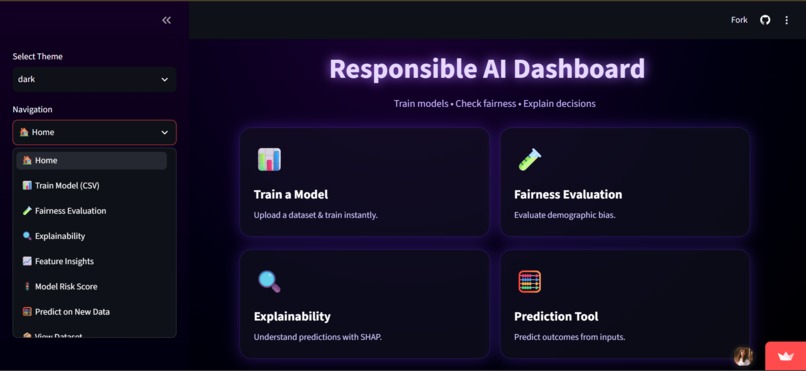
HomePage
-
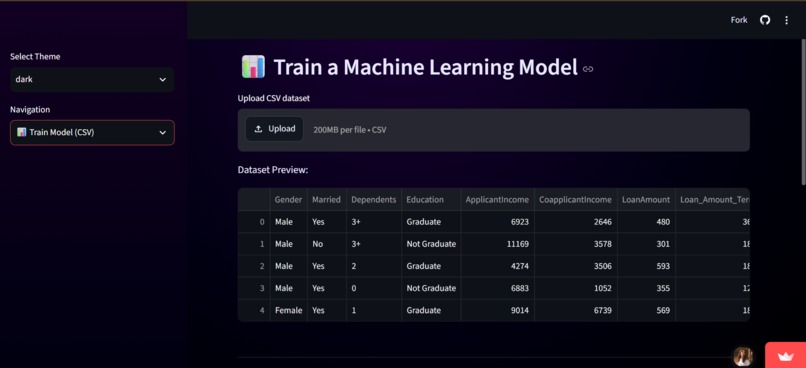
Model Training
-
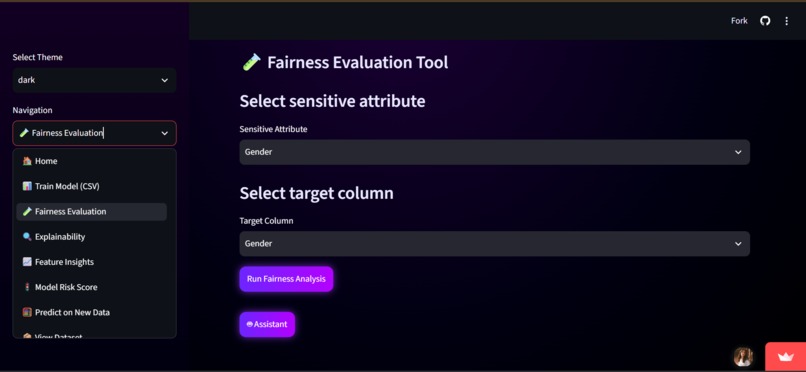
Fairness Evaluation
-
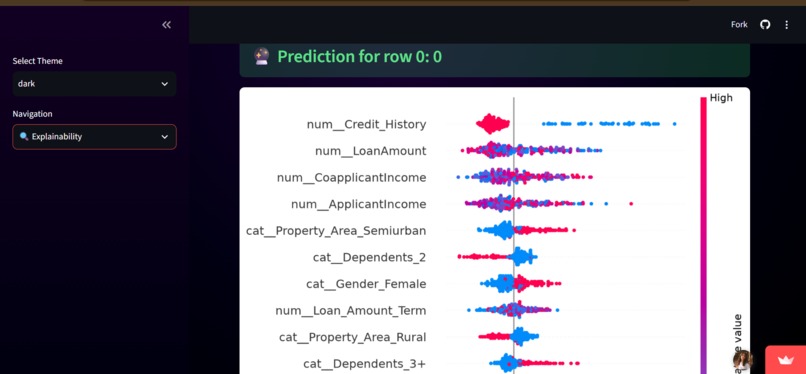
Explainability
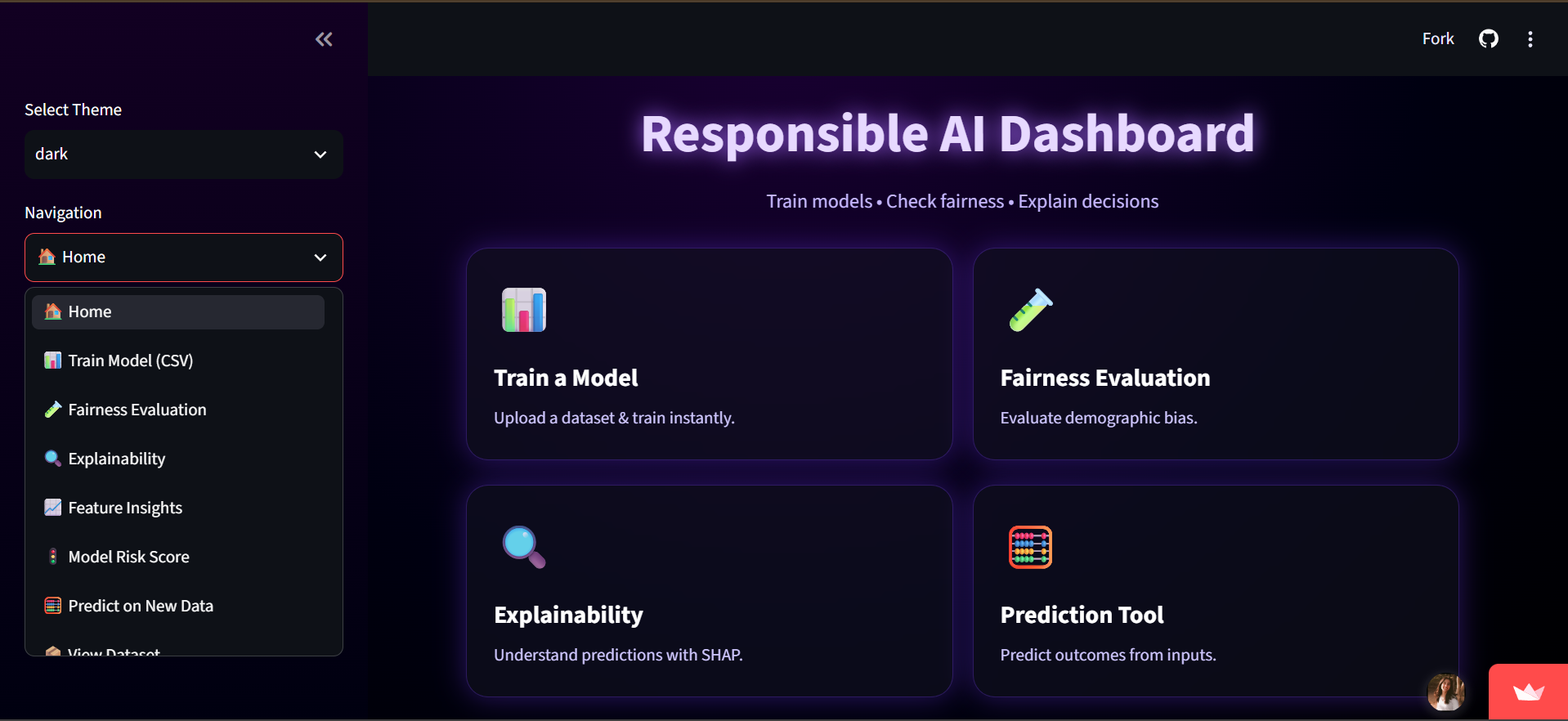
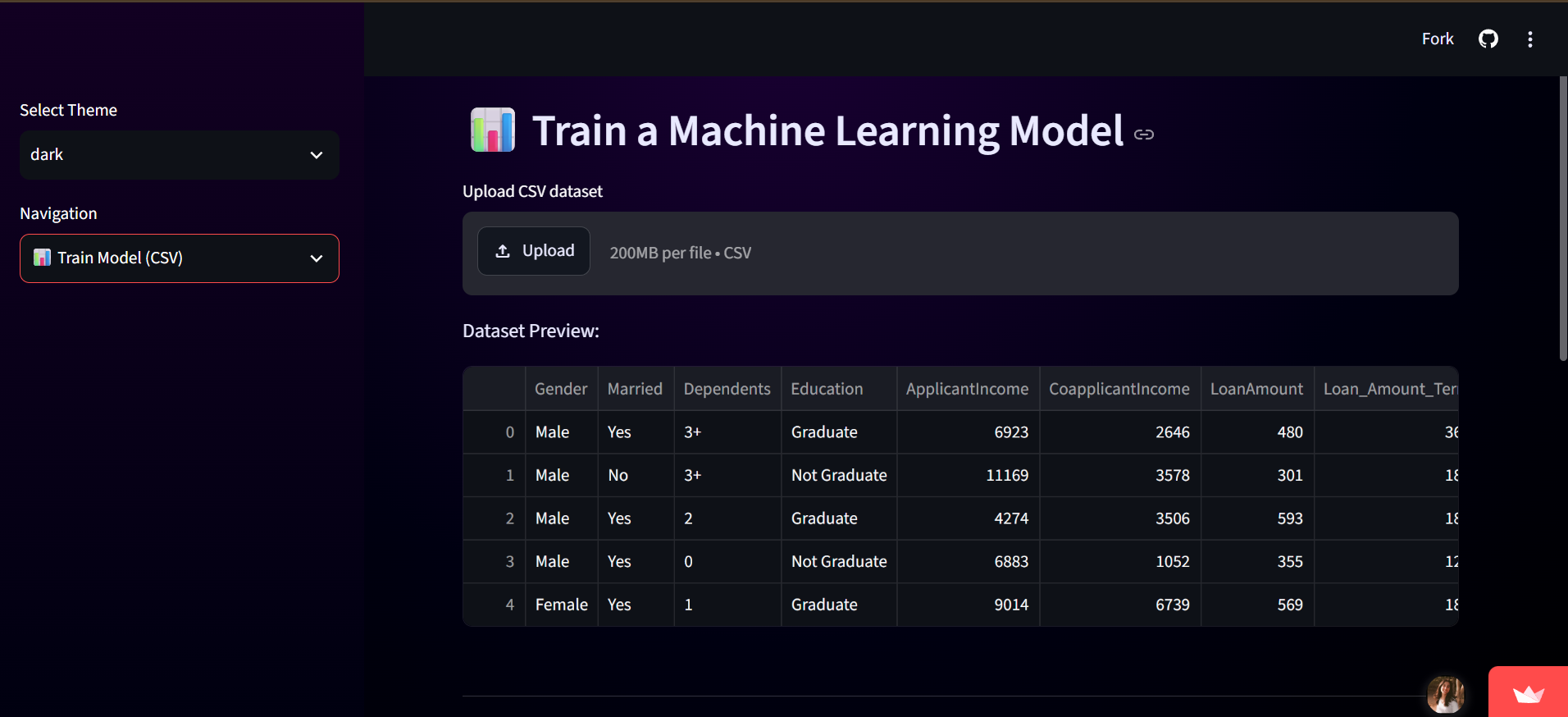
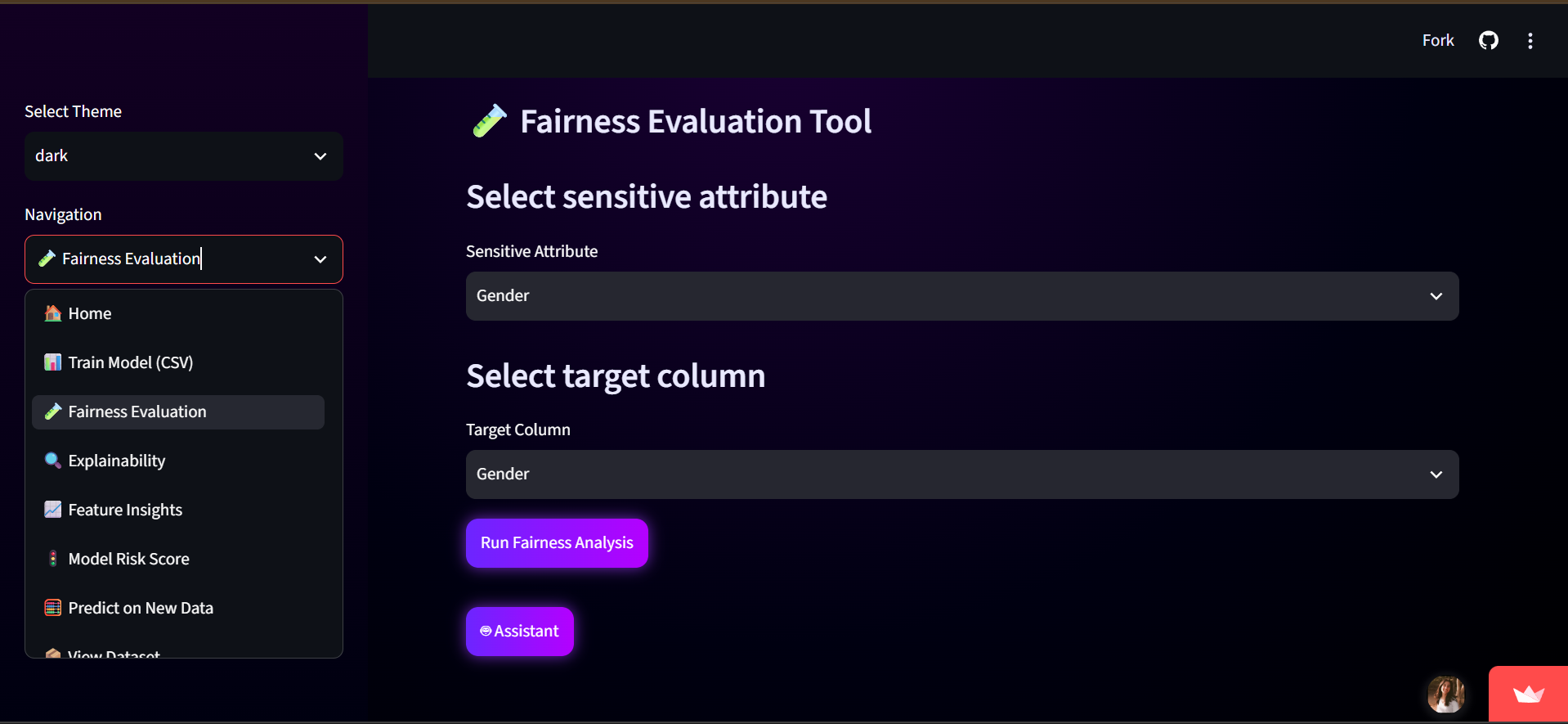
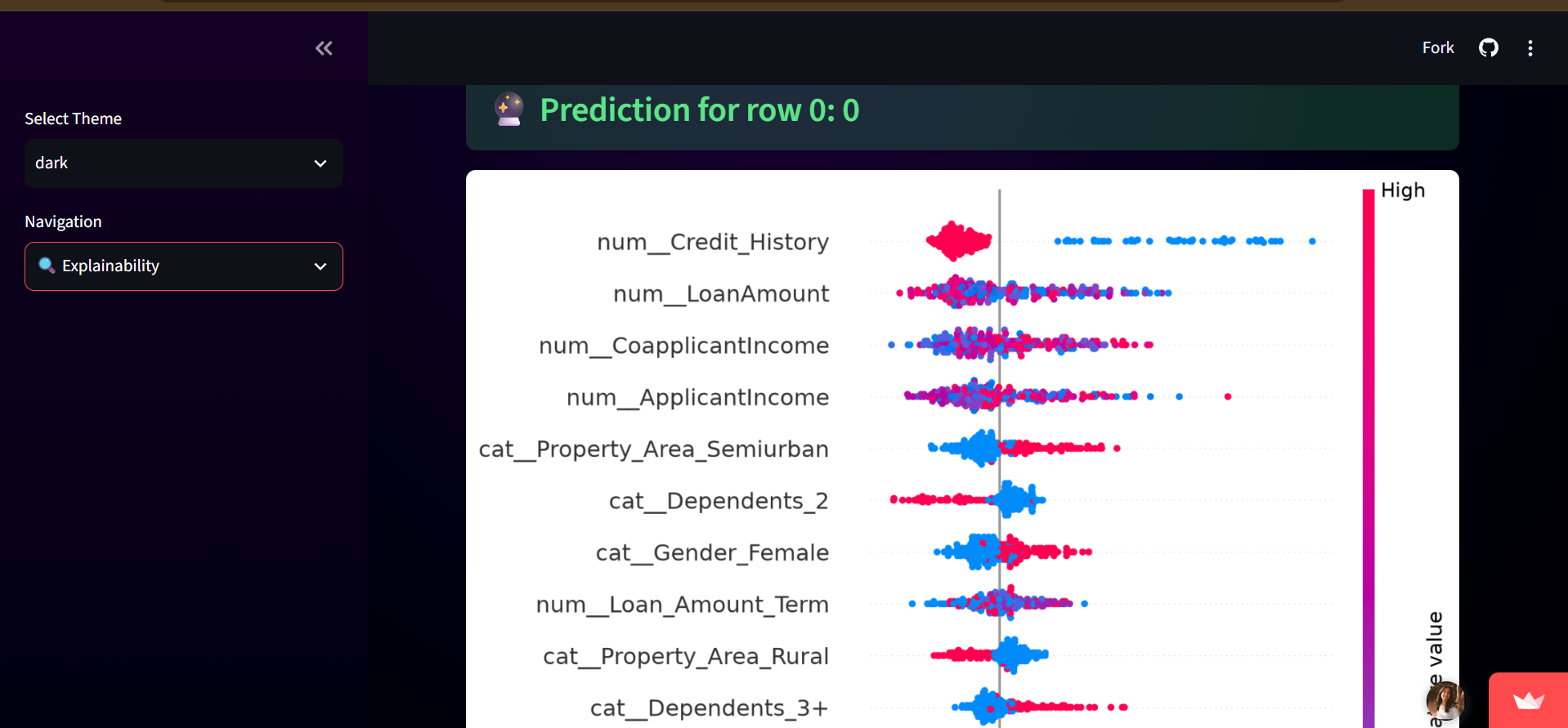
RAI-Guard: AI Overseeing AI
Inspiration
AI is rapidly evolving from a simple assistant into an autonomous collaborator capable of writing code, executing workflows, accessing external tools, and making decisions with minimal human intervention. As these AI agents become more capable, a fundamental question emerges:
Who ensures that AI systems remain trustworthy, transparent, and aligned with human intent?
Current AI applications primarily focus on increasing intelligence and automation, but very few focus on continuously supervising AI itself. We wanted to shift that perspective by building an intelligent oversight layer—one that doesn't replace AI agents but makes them safer, more accountable, and easier to trust.
That idea became "RAI-Guard", an AI-powered governance system that enables "AI to responsibly oversee AI".
What it does
RAI-Guard acts as an intelligent supervisor between users and AI agents.
Instead of blindly accepting every AI-generated response, RAI-Guard evaluates it before it reaches the user by analyzing its safety, reliability, and reasoning quality.
The platform can:
- Detect hallucinations and unsupported claims.
- Identify prompt injection and malicious instructions.
- Flag unsafe or policy-violating responses.
- Generate an explainable AI Trust Score.
- Produce human-readable explanations for every detected risk.
- Maintain an audit trail of AI decisions for transparency.
- Recommend safer alternative responses.
- Monitor multiple AI agents through a unified oversight dashboard.
Rather than replacing AI, RAI-Guard creates a "second layer of intelligence" dedicated to evaluation, governance, and trust.
How we built it
RAI-Guard was built using "OpenAI Codex with GPT-5.6", which became our primary development partner throughout the project.
Instead of using AI only for code completion, we relied on Codex during the entire software development lifecycle- from planning and architecture to implementation, debugging, testing, and documentation.
Tech Stack
- Frontend: React + Tailwind CSS
- Backend: Node.js + Express
- Database: MongoDB
- AI Engine: OpenAI GPT-5.6
- Deployment: Vercel + Render
- Version Control: GitHub
How Codex accelerated development
Codex helped us:
- Design the overall project architecture.
- Generate production-ready backend APIs.
- Build reusable React components.
- Implement AI monitoring pipelines.
- Develop the Trust Score evaluation logic.
- Refactor and optimize code.
- Debug complex integration issues.
- Write unit tests.
- Generate documentation and setup instructions.
How GPT-5.6 powers the product
GPT-5.6 is integrated directly into RAI-Guard to:
- Evaluate AI-generated outputs.
- Identify potential safety risks.
- Explain why a response may be problematic.
- Recommend safer alternatives.
- Generate structured audit reports.
This created a system where one AI intelligently supervises another, making autonomous AI significantly more transparent and reliable.
Challenges we ran into
Building an AI that evaluates another AI introduced several unique engineering challenges.
The most difficult problem was designing a "trust evaluation system" that goes beyond simple keyword matching. Trust is multi-dimensional - it depends on factual consistency, safety, reasoning quality, policy compliance, and context.
Another challenge was reducing false positives. A highly sensitive evaluator flags too many harmless responses, while a lenient evaluator can miss genuine risks. Finding the right balance required multiple iterations of prompt engineering and evaluation logic.
We also focused on explainability. Simply labeling a response as "unsafe" isn't enough; users need to understand "why" it was flagged and how it can be improved.
Finally, we worked to keep the oversight process lightweight, so the additional safety layer introduced minimal latency while remaining scalable for future multi-agent systems.
Accomplishments that we're proud of
Our biggest accomplishment is transforming the concept of "AI Overseeing AI" into a working prototype that demonstrates how AI governance can be embedded directly into autonomous systems.
We are especially proud that we:
- Built a real-time AI oversight platform instead of a traditional chatbot.
- Developed an explainable Trust Score that helps users understand AI reliability.
- Created transparent audit logs for AI decision-making.
- Successfully integrated GPT-5.6 as both the reasoning engine and evaluator.
- Used Codex extensively throughout development, significantly accelerating implementation and iteration.
- Designed a modular architecture capable of supporting multiple AI providers in the future.
Most importantly, RAI-Guard demonstrates that safety and governance can evolve alongside intelligence rather than being treated as an afterthought.
What we learned
This project fundamentally changed how we think about AI systems.
We learned that increasing AI capability alone is not enough- trust, accountability, and transparency are equally important.
Developing RAI-Guard also showed us how powerful Codex with GPT-5.6 can be throughout the software development lifecycle. Instead of serving as a simple coding assistant, Codex became a collaborative engineering partner that accelerated development, simplified debugging, improved code quality, and enabled rapid experimentation.
We also discovered that explainability is essential for building user confidence. People are far more likely to trust AI systems when they understand how decisions are evaluated and why risks are identified.
What's next for RAI-Guard: AI Overseeing AI
Our vision is to make RAI-Guard the "universal governance layer for autonomous AI systems".
Future development includes:
- Support for OpenAI, Anthropic, Gemini, and open-source LLMs.
- Oversight for long-running autonomous agents and multi-agent workflows.
- Automatic intervention to block or correct unsafe AI actions.
- Advanced reliability analytics and historical trust trends.
- Enterprise governance policies and compliance reporting.
- SDKs and APIs for seamless integration into existing AI applications.
- Memory-aware monitoring across extended AI conversations.
- Organization-wide dashboards for monitoring fleets of AI agents.
As AI systems become increasingly autonomous, we believe that "every intelligent agent should have an equally intelligent oversight layer".
"RAI-Guard represents our vision of responsible AI- where powerful AI systems are continuously monitored, explained, and guided by AI itself to ensure they remain safe, transparent, and aligned with human values."
Built With
- ai
- api
- codex
- css
- express.js
- github
- gpt-5.6
- javascript
- json
- llm
- markdown
- mongodb
- mongoose
- next.js
- node.js
- python
- react
- render
- rest
- tailwind
- typescript
- vercel

Log in or sign up for Devpost to join the conversation.