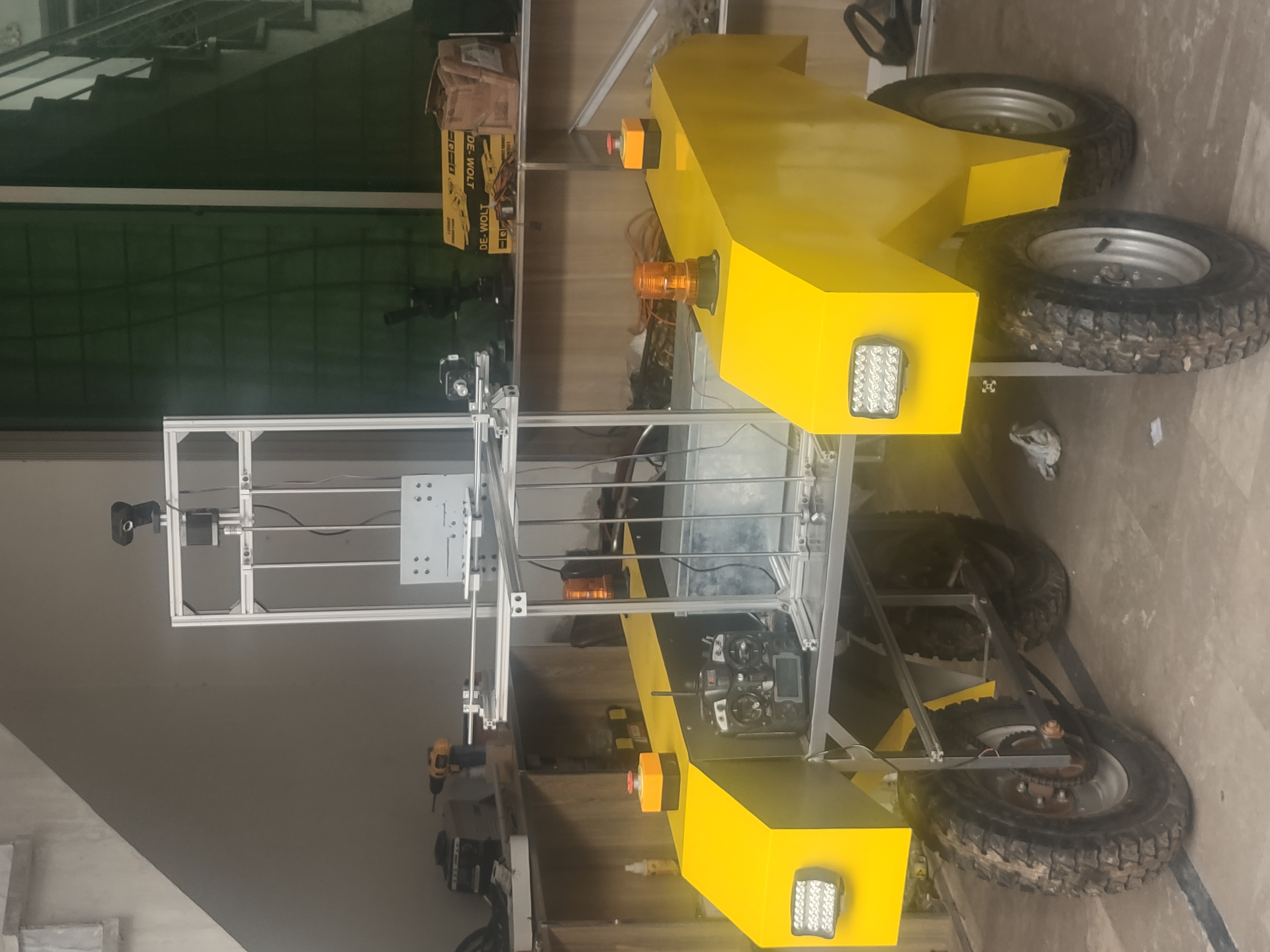
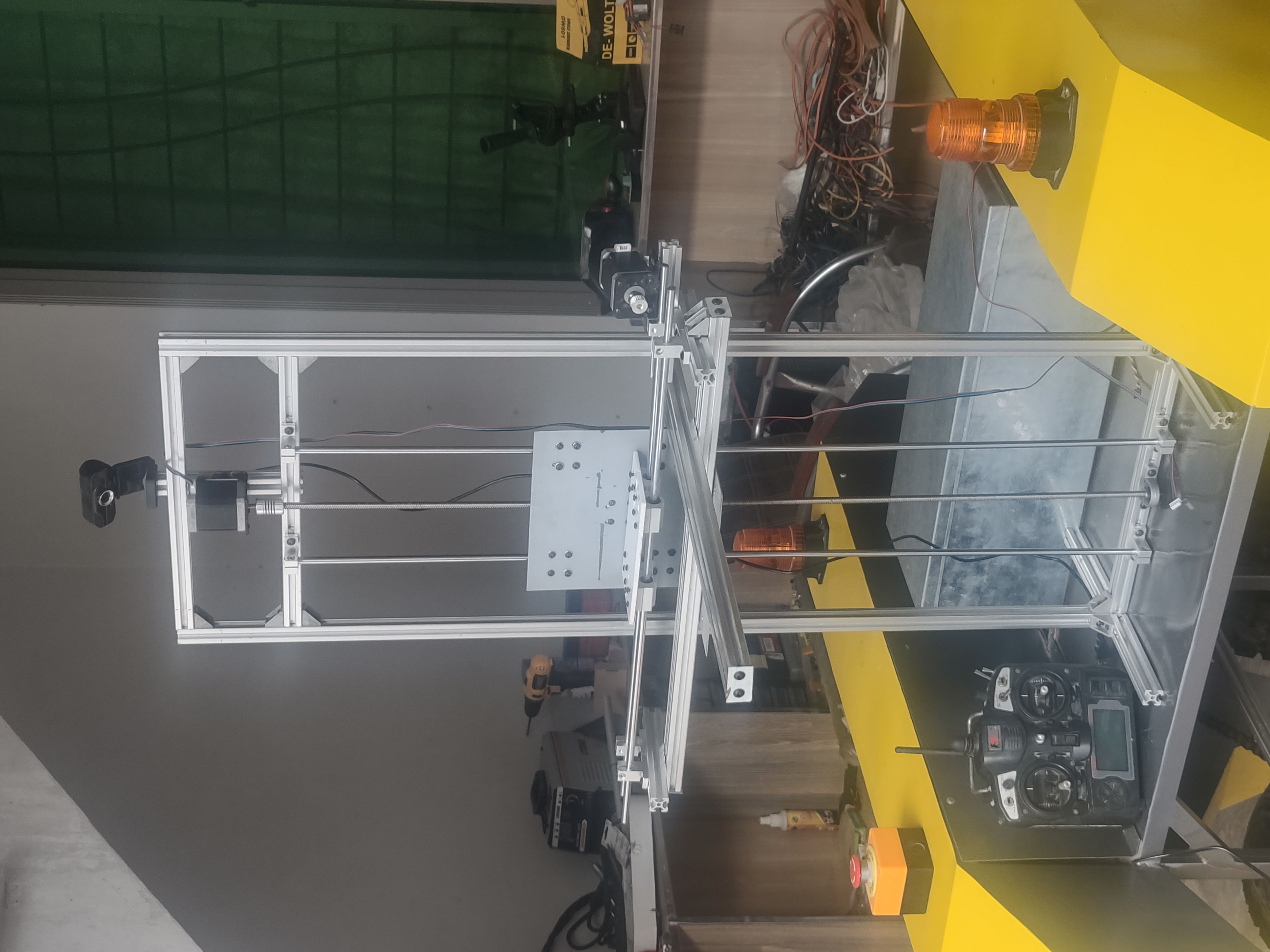
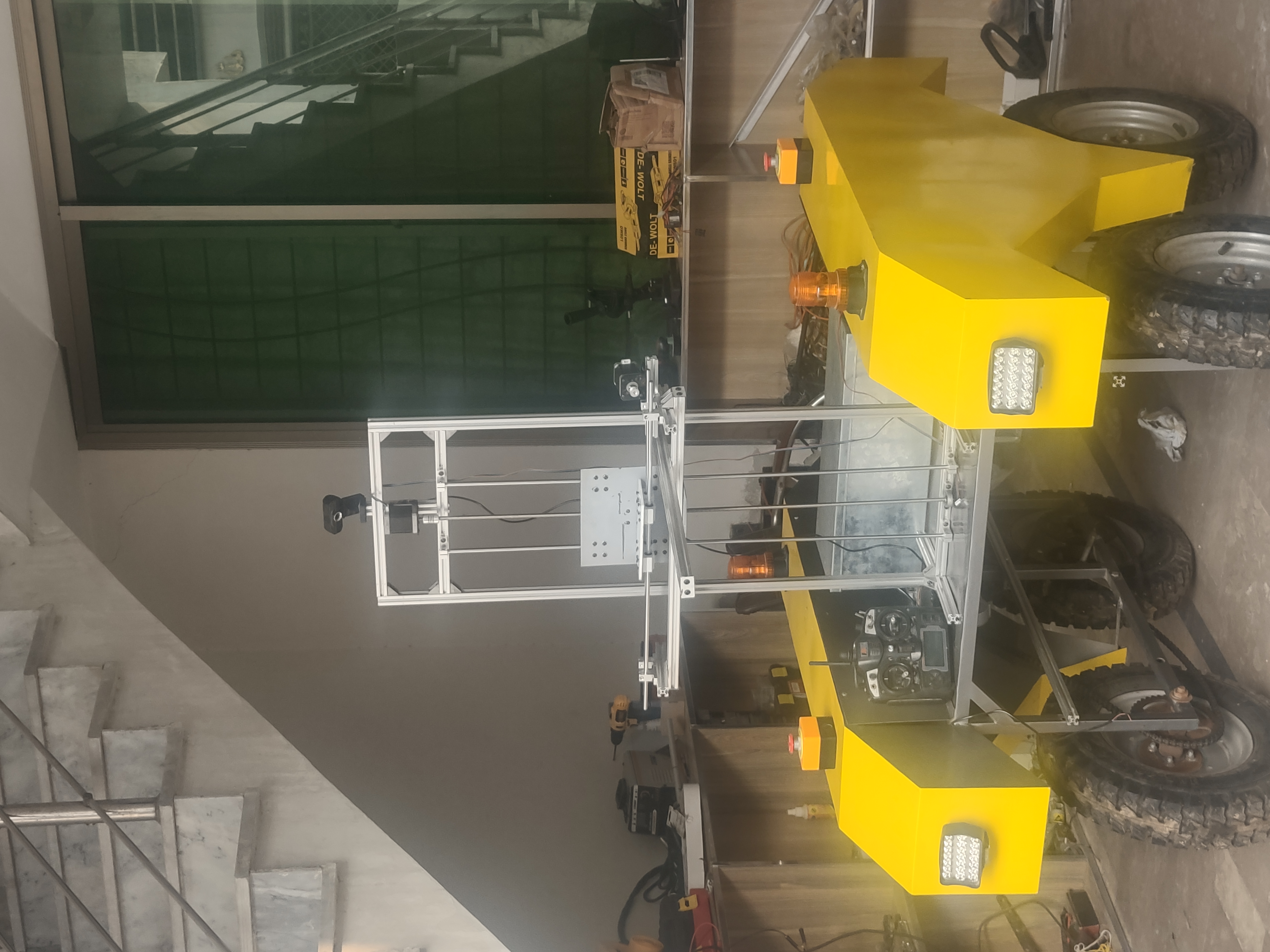
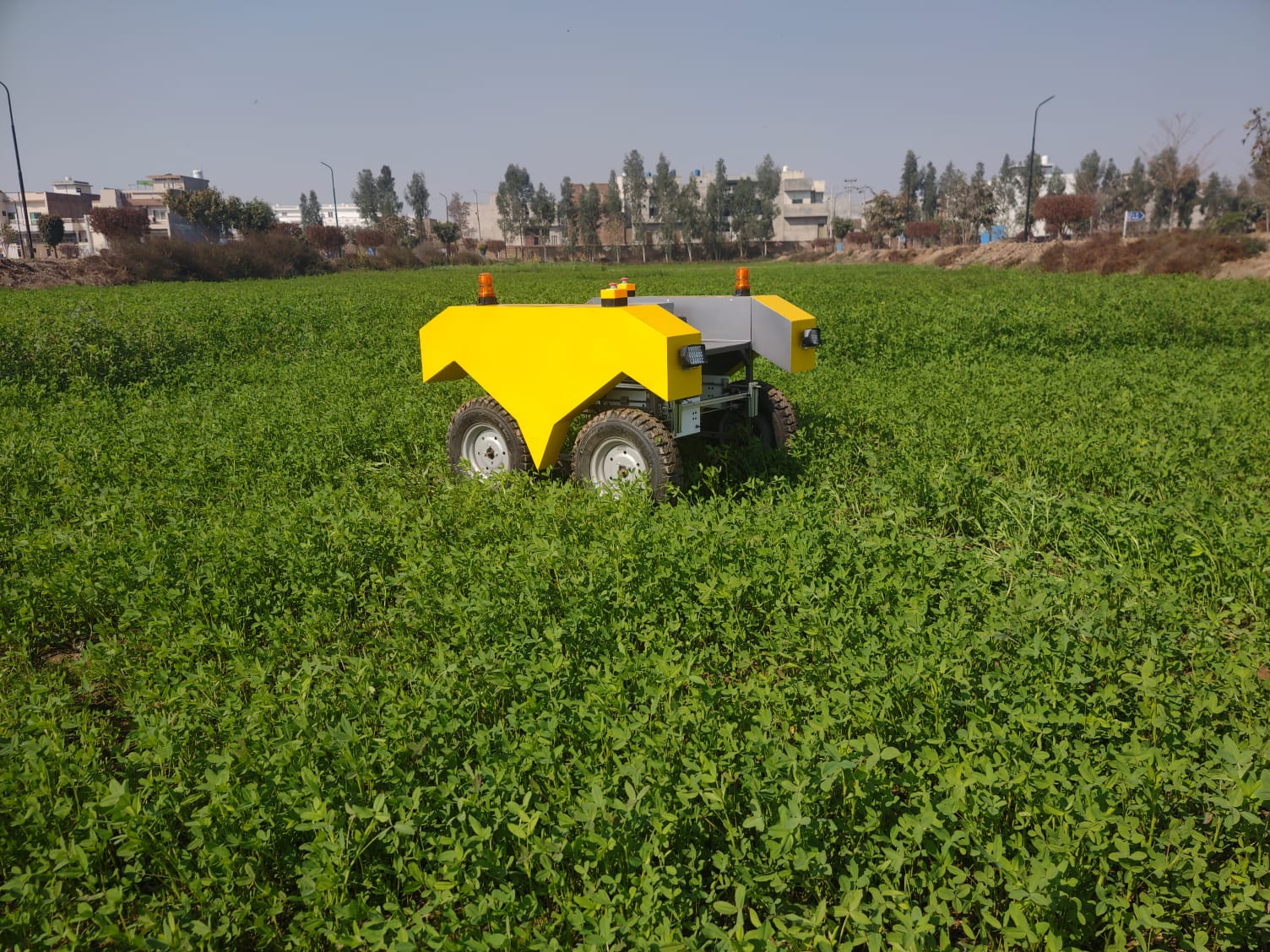
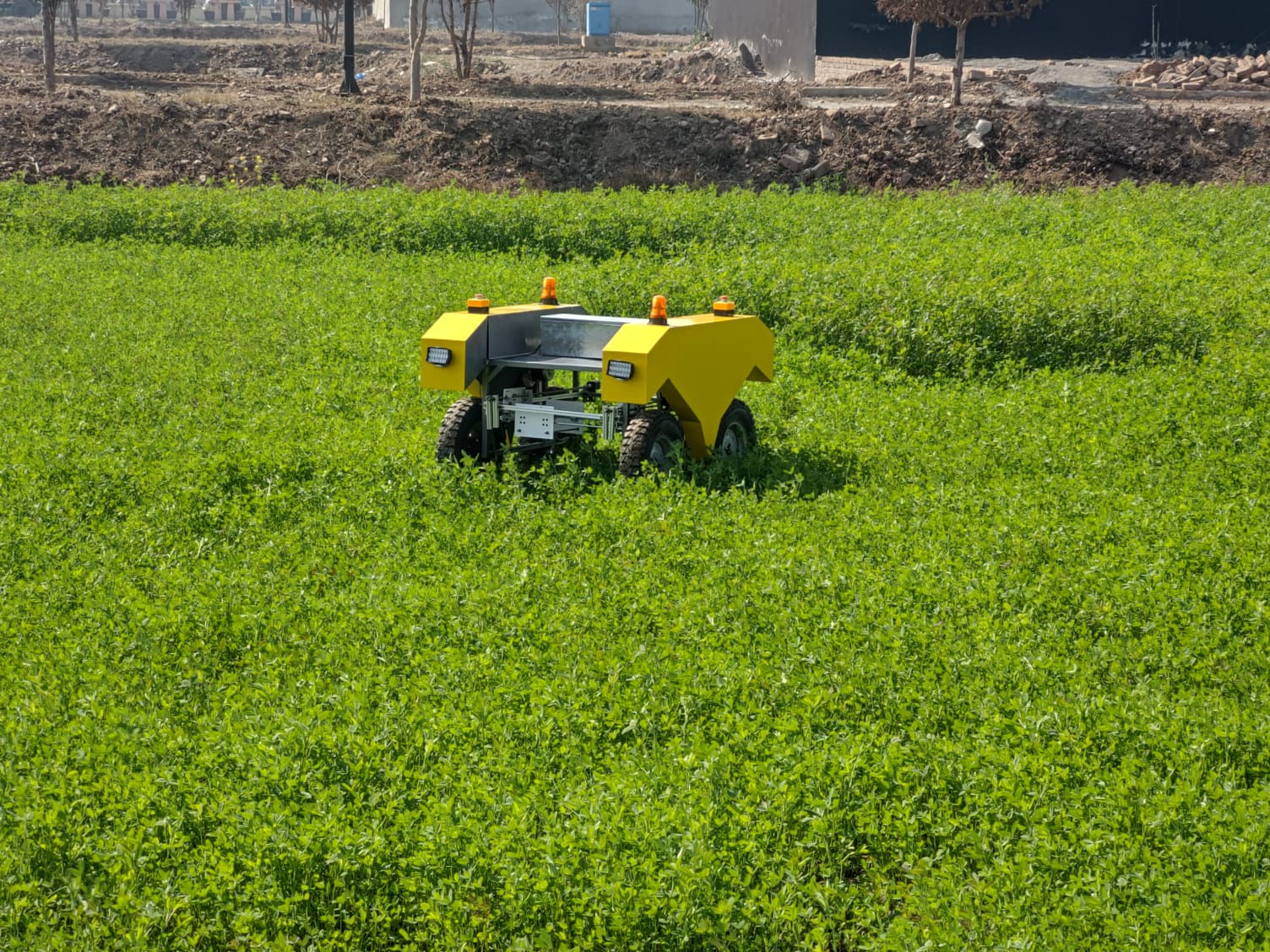
The inspiration for our agritech robotic startup came from a simple yet pressing question: How can we empower farmers to achieve more with less? Agriculture is the backbone of our economy, but inefficiencies and unsustainable practices have long plagued the sector. Observing how farmers struggle with labor shortages, rising costs, and environmental degradation, we envisioned leveraging cutting-edge robotics to revolutionize farming. The drive to create a sustainable and efficient agricultural system that benefits both farmers and the planet has been our guiding force.
What We Learned Throughout our journey, we discovered that precision agriculture is not just about adopting new tools—it's about creating solutions that integrate seamlessly into farmers' workflows. We learned about the real-world challenges of farming, including variable soil conditions, weather unpredictability, and the unique needs of different crops.
We explored how robotics can enhance productivity while minimizing chemical usage. We realized the importance of user-friendly technology in gaining farmers' trust. Through feedback, we understood the critical role of affordability and scalability in agricultural solutions. How We Built Our Project Our journey began with a vision, turning ideas into prototypes and refining them into functional solutions. Here’s how we built it:
Problem Analysis: We interviewed farmers and studied agriculture to identify pain points. Design: We developed modular robots equipped with multi-purpose tools for weeding, soil sampling, and fruit picking. Technology Integration: We enhanced the robots' precision and autonomy by using sensors, computer vision, and AI algorithms. Prototyping and Testing: Early prototypes were tested in controlled environments before real-world field trials. The feedback helped us refine both hardware and software. Challenges We Faced The road was far from smooth, and we faced several obstacles, such as:
Technical Complexity: Building a robot capable of operating in unpredictable farm conditions was a significant engineering challenge. Budget Constraints: Developing prototypes and scaling production while keeping costs low required careful resource allocation. Farmer Adoption: Convincing traditional farmers to embrace robotics was difficult; we needed to prove the value of our solutions through field trials and data. Supply Chain Issues: Procuring high-quality yet affordable components delayed development timelines. Moving Forward Despite the challenges, the experience has been enriching. We’re continuously iterating on our designs, focusing on scaling production, and collaborating with agricultural stakeholders. By tackling real-world problems and learning from them, we aim to revolutionize farming and build a sustainable future for agriculture.

Log in or sign up for Devpost to join the conversation.