-
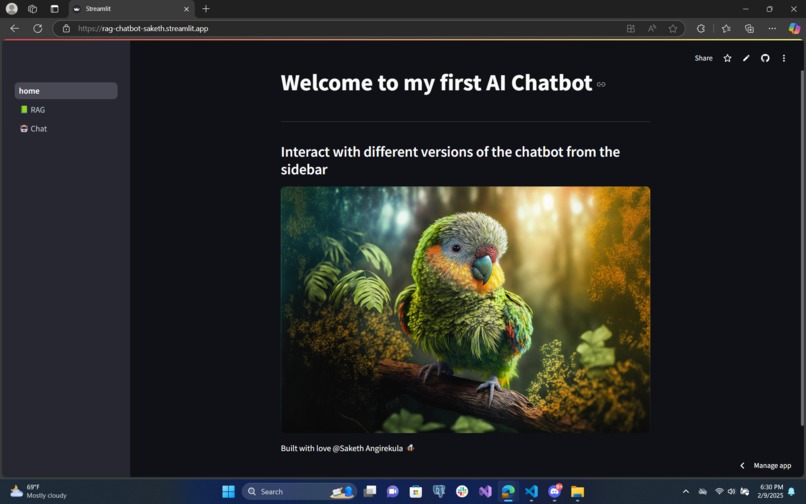
home page
-
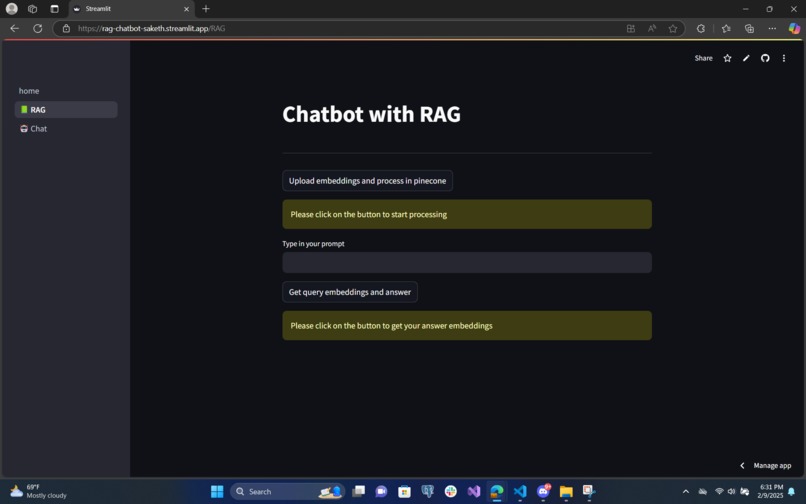
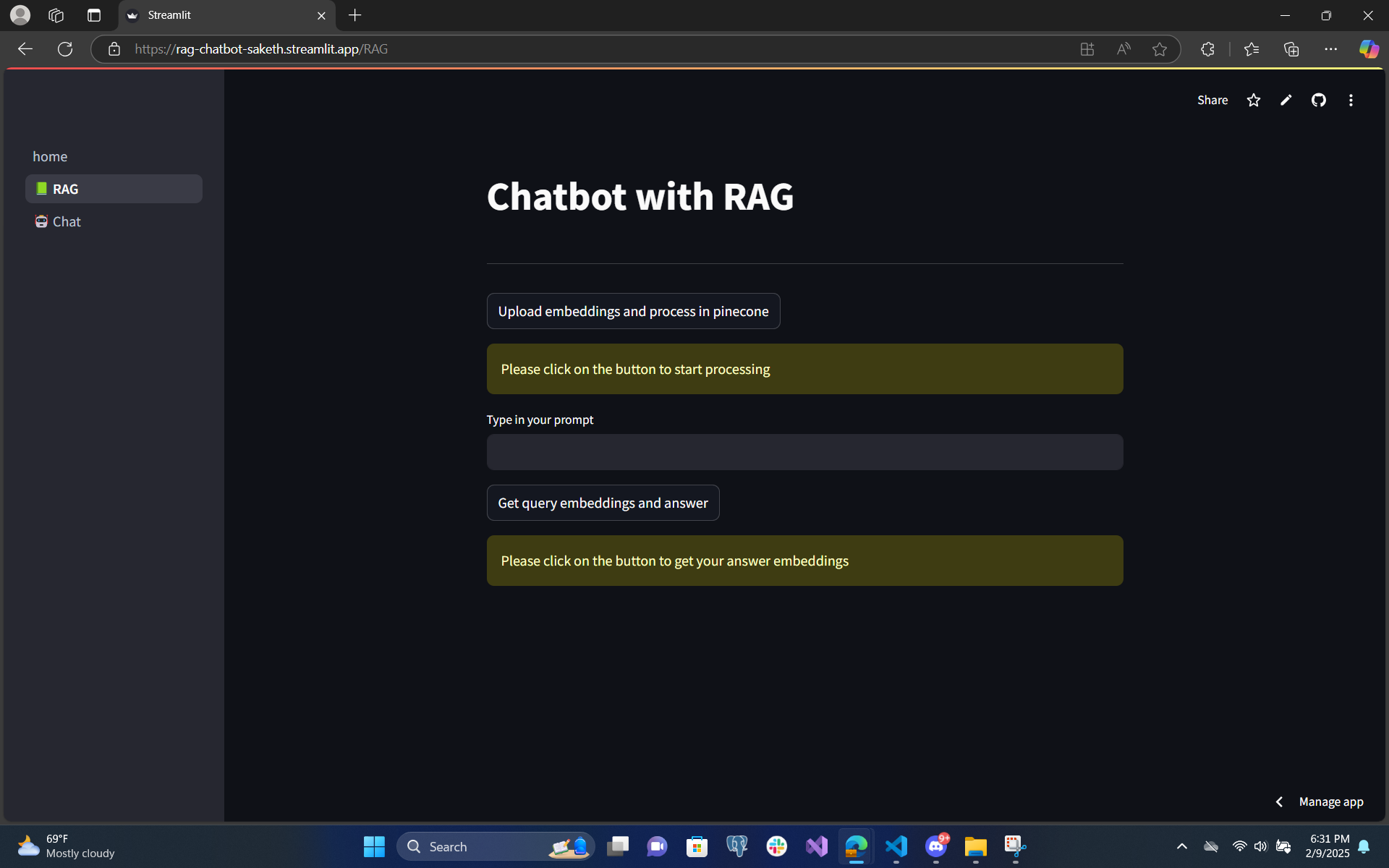
RAG feature

Inspiration
Growing enterprise knowledge bases demand intelligent search beyond traditional methods. RAG (Retrieval-Augmented Generation) offers a solution by combining document retrieval with AI-powered natural language understanding.
What it does
Processes and indexes enterprise documents Provides natural language search interface Generates contextually relevant responses using RAG Maintains source traceability for all responses Integrates with existing document management systems
How we built it
Built using:
Streamlit for web interface LangChain for RAG implementation Pinecone for vector storage and similarity search OpenAI embeddings for document vectorization
Architecture flow:
Document ingestion and chunking Vector embedding generation Storage in Pinecone index Query processing via LangChain Response generation and display through Streamlit
Challenges we ran into
Optimizing vector search performance at scale Maintaining response accuracy with growing document base Balancing between response latency and quality Implementing efficient document chunking strategies
Accomplishments that we're proud of
Achieved sub-second response times Developed scalable document processing pipeline Created accurate citation system Implemented efficient caching mechanisms
What we learned
RAG architecture optimization techniques Vector database performance tuning Large-scale document processing strategies Enterprise system integration patterns
What's next for RAG Chatbot
Moondream Integration Multi-language support Real-time document updates Advanced document type handling Enhanced security features API integration capabilities
Built With
- amazon-web-services
- langchain
- pinecone
- python
- streamlit


Log in or sign up for Devpost to join the conversation.