RADvê — Intelligent Visual Dosimeter Inspection
Inspiration: A Real Radiation Safety Challenge
What happens when someone enters a radiation-controlled area without wearing their required personal dosimeter?
As a researcher working in nuclear engineering and laboratory environments, I have witnessed situations where people forget or incorrectly wear their dosimeters. This creates a serious monitoring concern: without proper dosimeter use, occupational exposure records may not accurately reflect the radiation dose received.
In Brazil, radiation protection requirements established by CNEN, including ANSN 3.01 (Resolution 344/2025), address occupational monitoring and controlled-area access. Yet compliance still depends heavily on human procedures and inspections.
RADvê was born from this real-world challenge: using artificial intelligence to support radiation protection before potential monitoring failures go unnoticed.
What We Built
RADvê is an AI-powered visual inspection platform that analyzes whether workers appear to be wearing personal dosimeters appropriately.
Unlike conventional object detection, RADvê combines:
- OpenCV 5: Pose inference, image quality assessment, and geometric analysis.
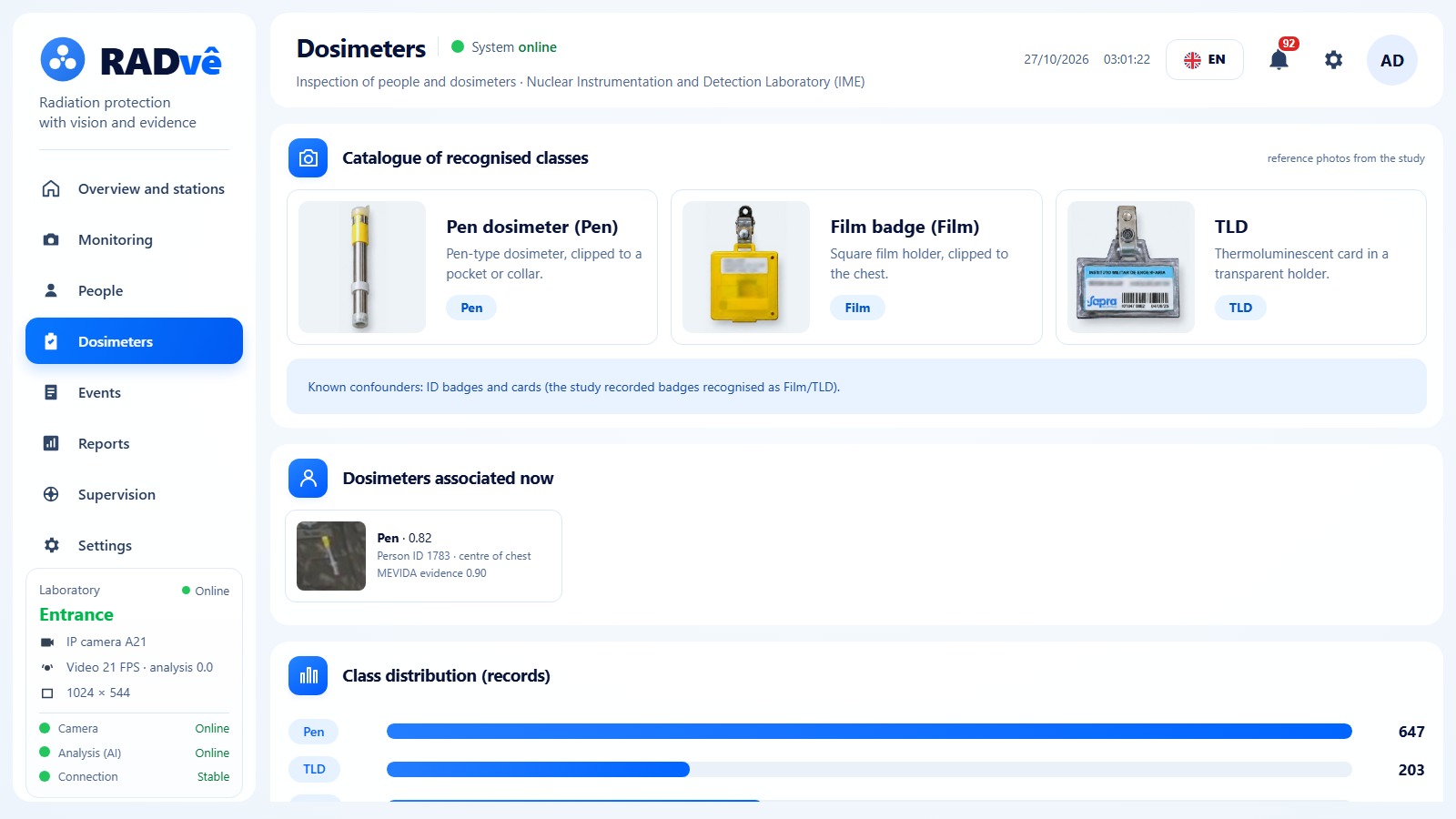
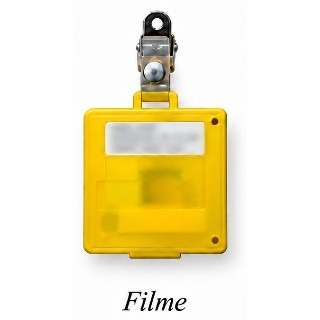
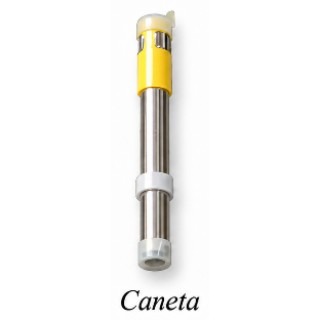
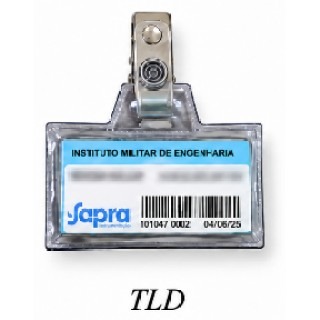
- YOLOv8: Detection of people and Film, Pen, and TLD dosimeters.
- RTMPose: Anatomical landmark estimation.
- ByteTrack: Multi-frame person tracking.
- MEVIDA: Our evidence-based decision engine.
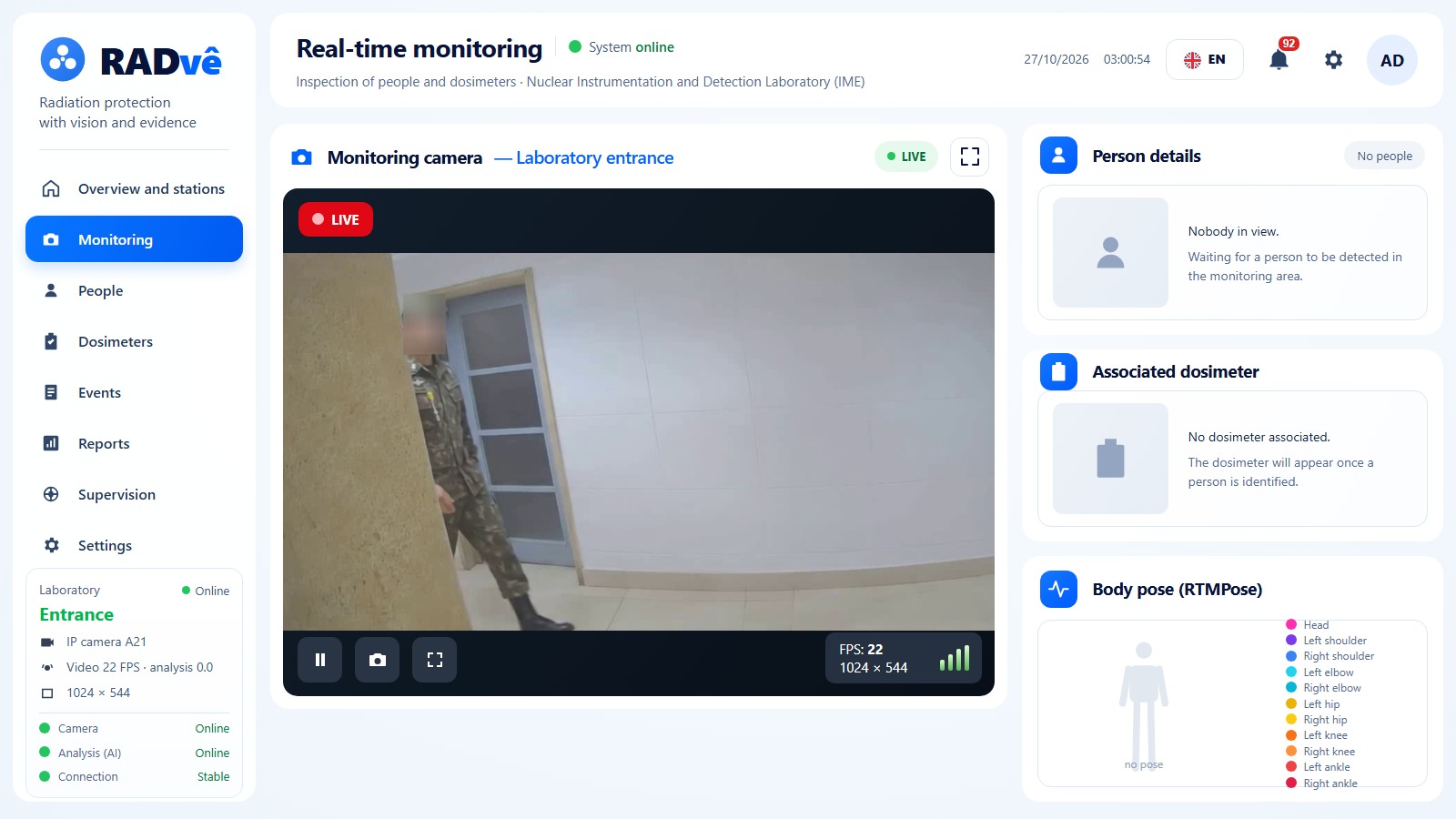
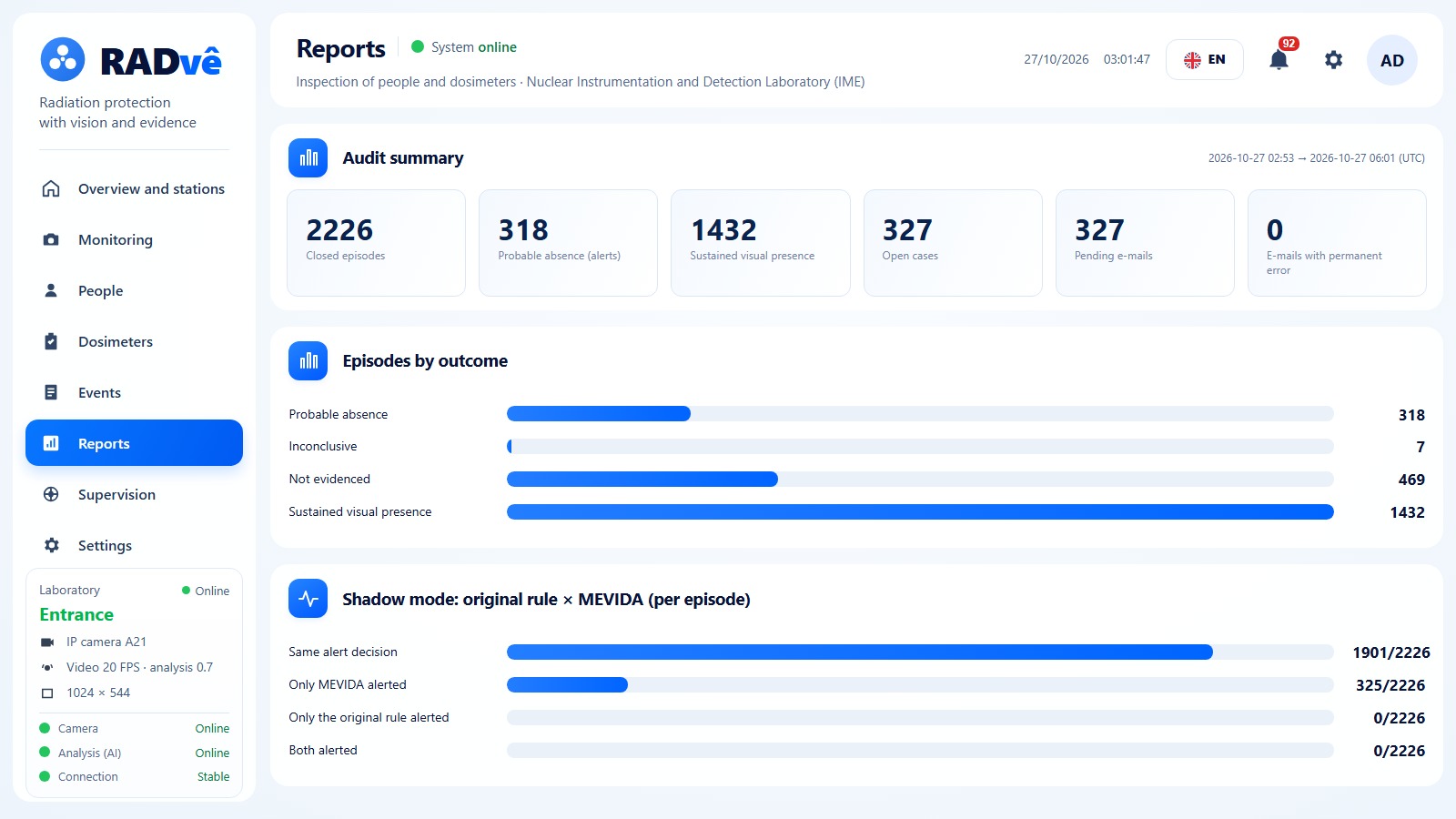
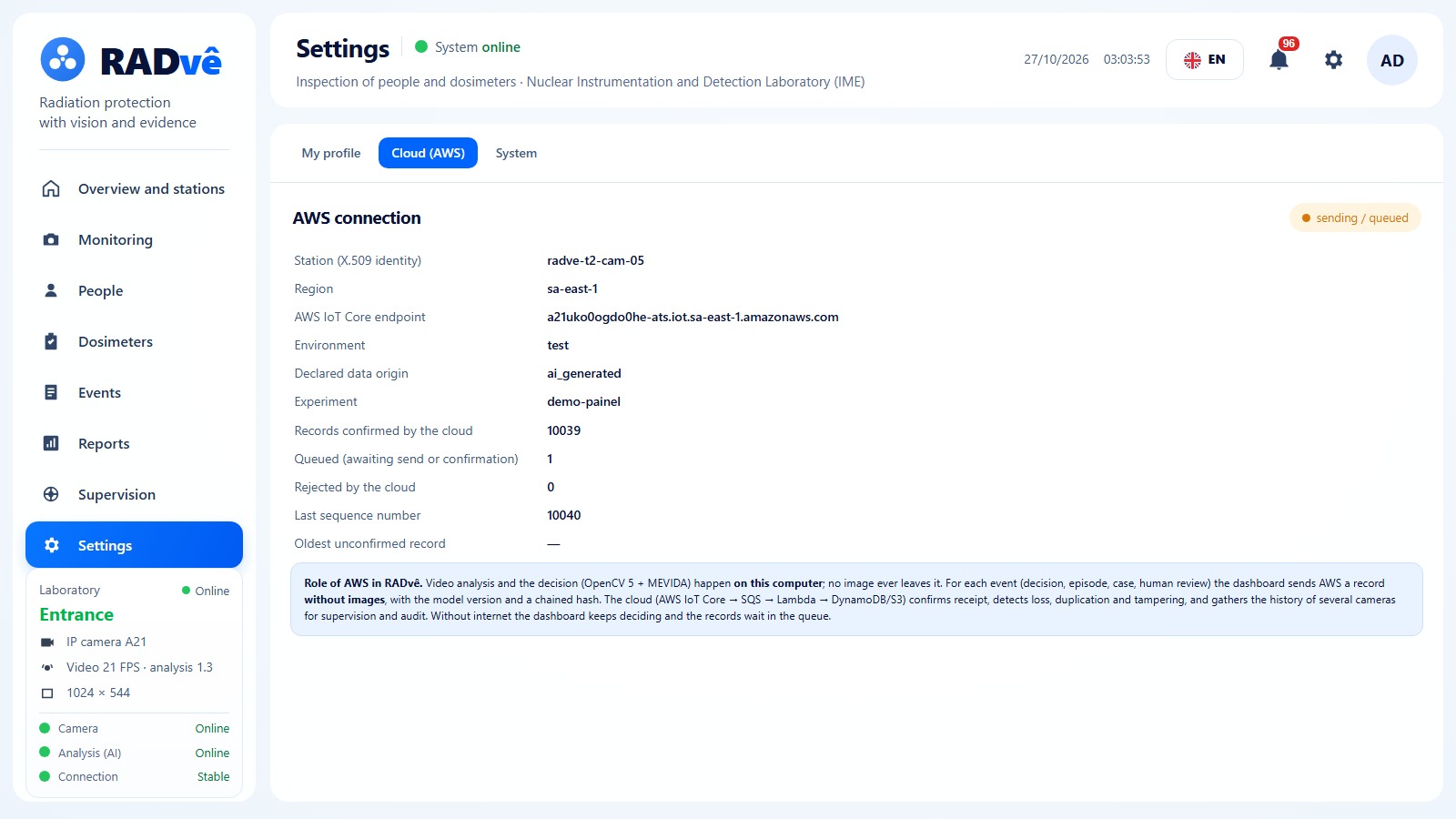
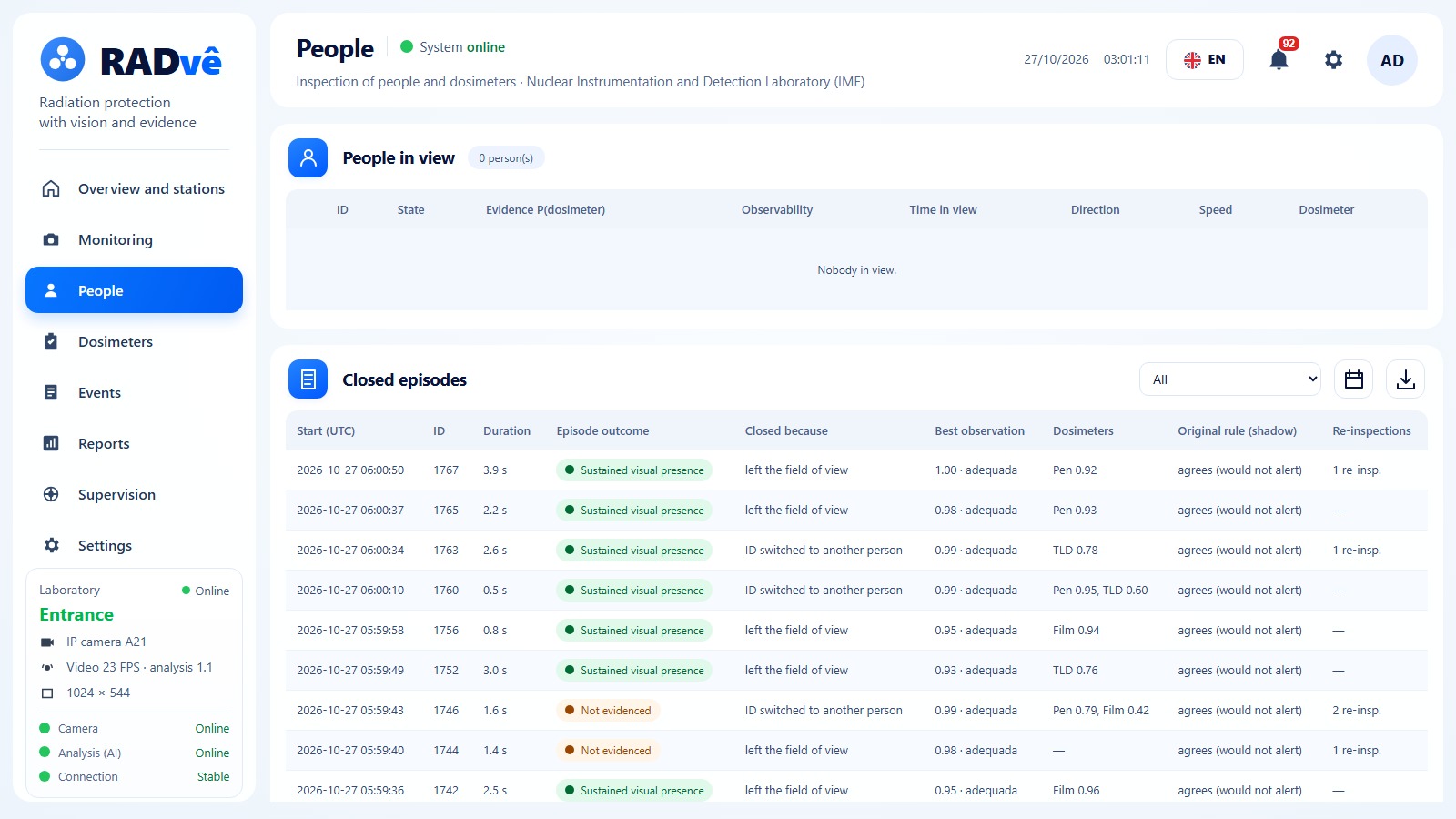
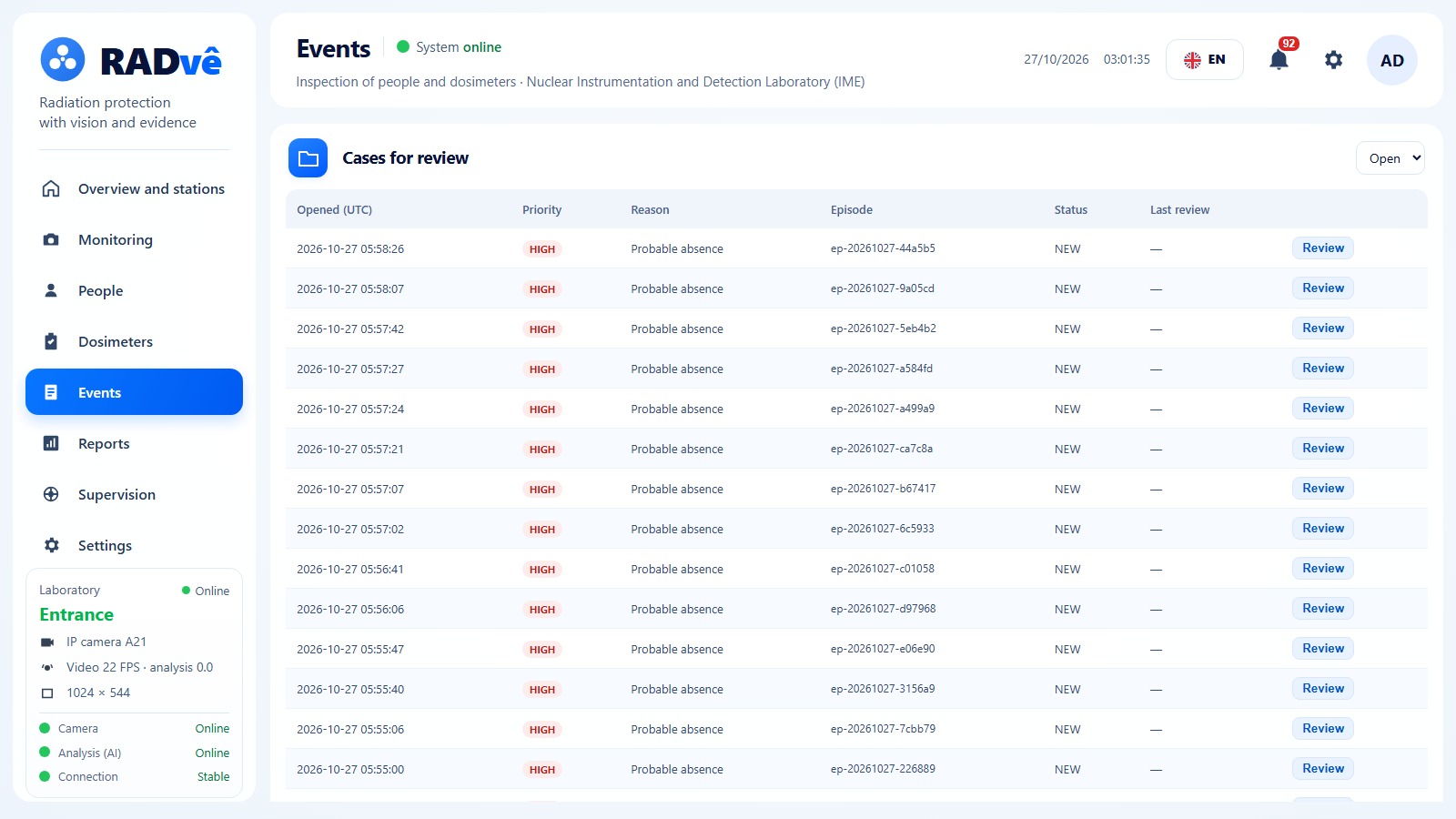
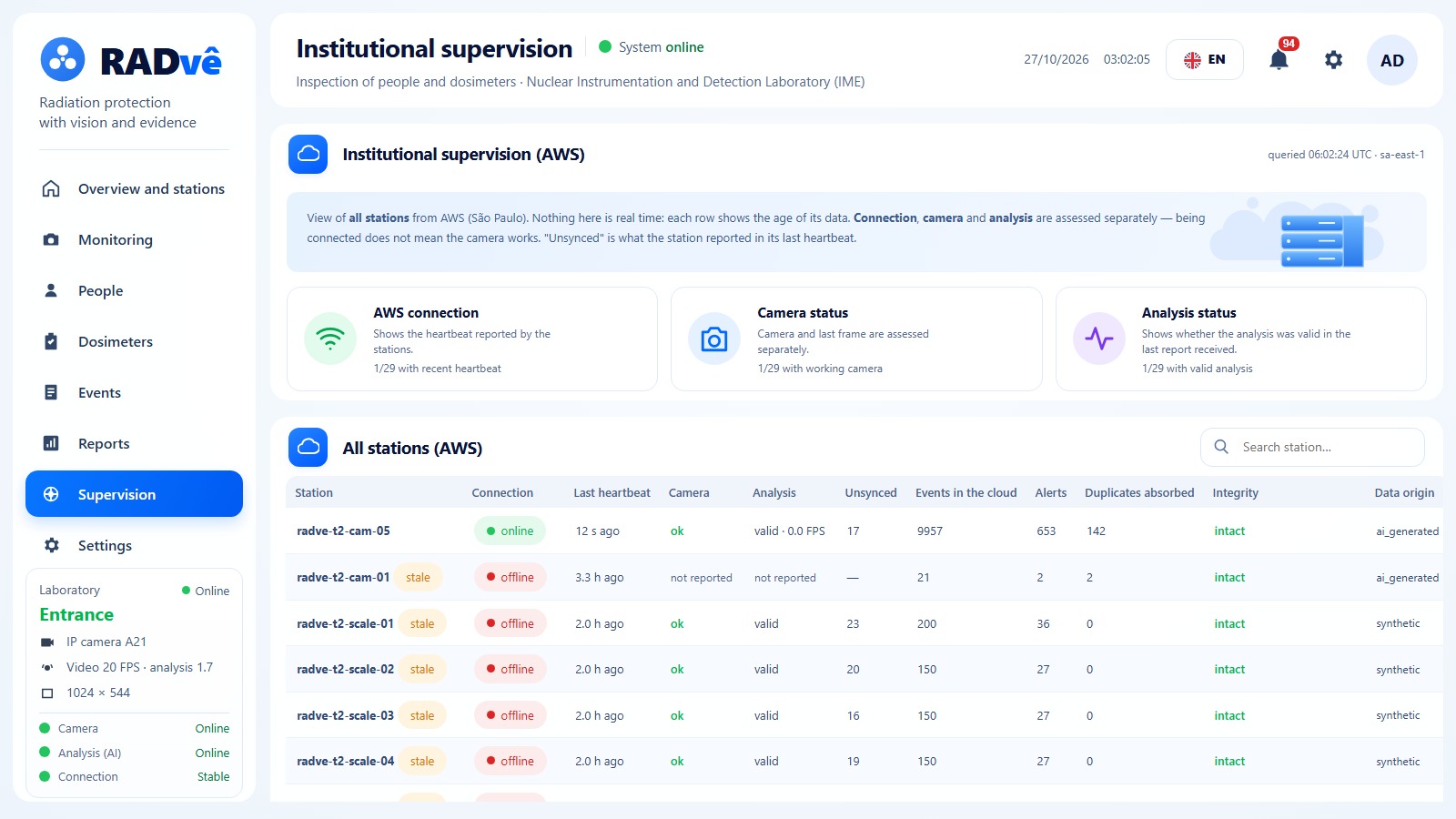
A local web dashboard displays inspections, alerts, and cases requiring human review, supported by SQLite event records.
Our Innovation: MEVIDA
Not detecting a dosimeter does not necessarily mean it is absent.
Dosimeters may be occluded, incorrectly associated with another person, or visible in the background without being worn.
MEVIDA addresses these challenges through five mechanisms:
- Anatomical association: Links detected dosimeters to workers using body geometry.
- Observability: Evaluates whether the relevant body region is sufficiently visible.
- Temporal evidence: Accumulates information across multiple frames.
- Adaptive reinspection: Triggers additional visual analysis when necessary.
- Human supervision: Generates reviewable cases instead of declaring definitive violations.
This creates a perception–decision–action workflow in which visual evidence can change the system's next inspection step.
How We Built It
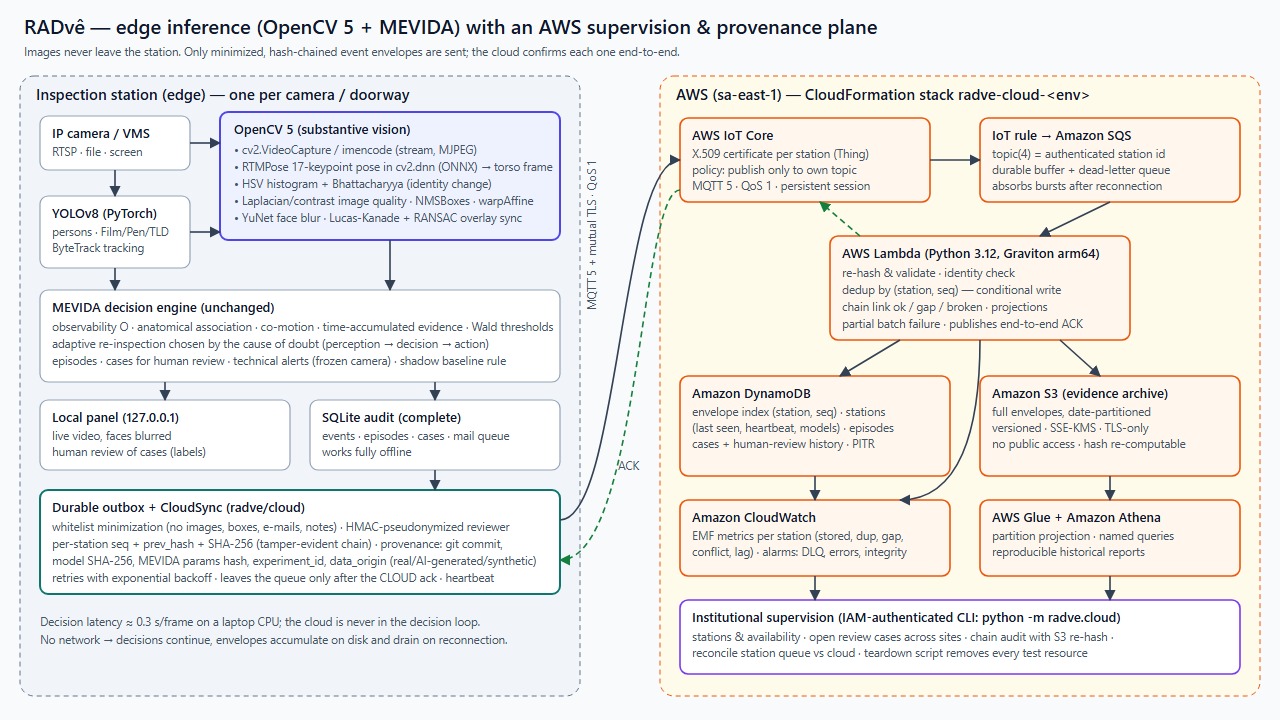
Developed in Python, RADvê integrates YOLO detection, OpenCV 5 DNN-based pose estimation, ByteTrack tracking, and MEVIDA decision-making.
The modular architecture separates perception, decision logic, persistence, and visualization.
OpenCV 5 performs substantial visual analysis, while YOLO handles object detection. MEVIDA evaluates anatomical relationships, observability, temporal consistency, and reinspection needs.
Challenges and Lessons Learned
Our main challenge was distinguishing visual uncertainty from actual dosimeter absence.
Occlusions, camera angles, movement, overlapping workers, and small objects can produce misleading detections.
We addressed these problems through pose analysis, co-movement, temporal reasoning, and adaptive reinspection.
We learned that reliable safety-oriented computer vision requires more than detecting objects: it requires contextual interpretation, traceable evidence, uncertainty awareness, and human oversight.
Privacy, computational limitations, and validation under realistic conditions remain important challenges.
Results
RADvê is a functional research prototype with:
- 69 automated tests passed.
- OpenCV 5-based pose analysis.
- Person and dosimeter detection.
- Anatomical association and temporal tracking.
- Adaptive reinspection and human-review workflows.
- A working local dashboard and event persistence.
In a 120-frame CPU demonstration, RADvê achieved 3.59 FPS, with a 292 ms median processing latency.
Current experiments use synthetic or composed visual materials. These results demonstrate prototype functionality, not validated performance in operational radiation facilities.
Impact and Future Work
RADvê aims to support radiation protection teams in research laboratories, hospitals, and industrial facilities.
Future development includes distributed inspection stations, centralized monitoring, improved traceability, and validation with representative real-world data.
RADvê does not measure radiation, replace personal dosimetry, or independently certify regulatory compliance. It provides complementary visual evidence to support qualified professionals.
Our mission is to make radiation protection practices more observable, consistent, and accountable.
RADvê — Because occupational radiation protection begins before exposure.

Log in or sign up for Devpost to join the conversation.