-
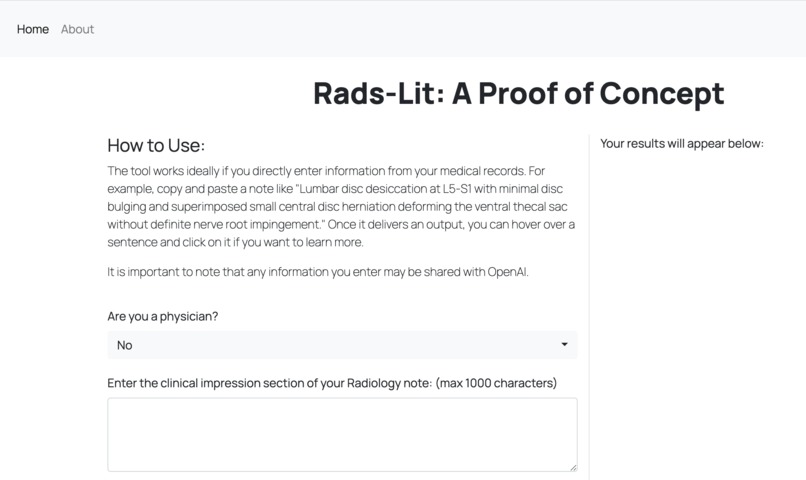
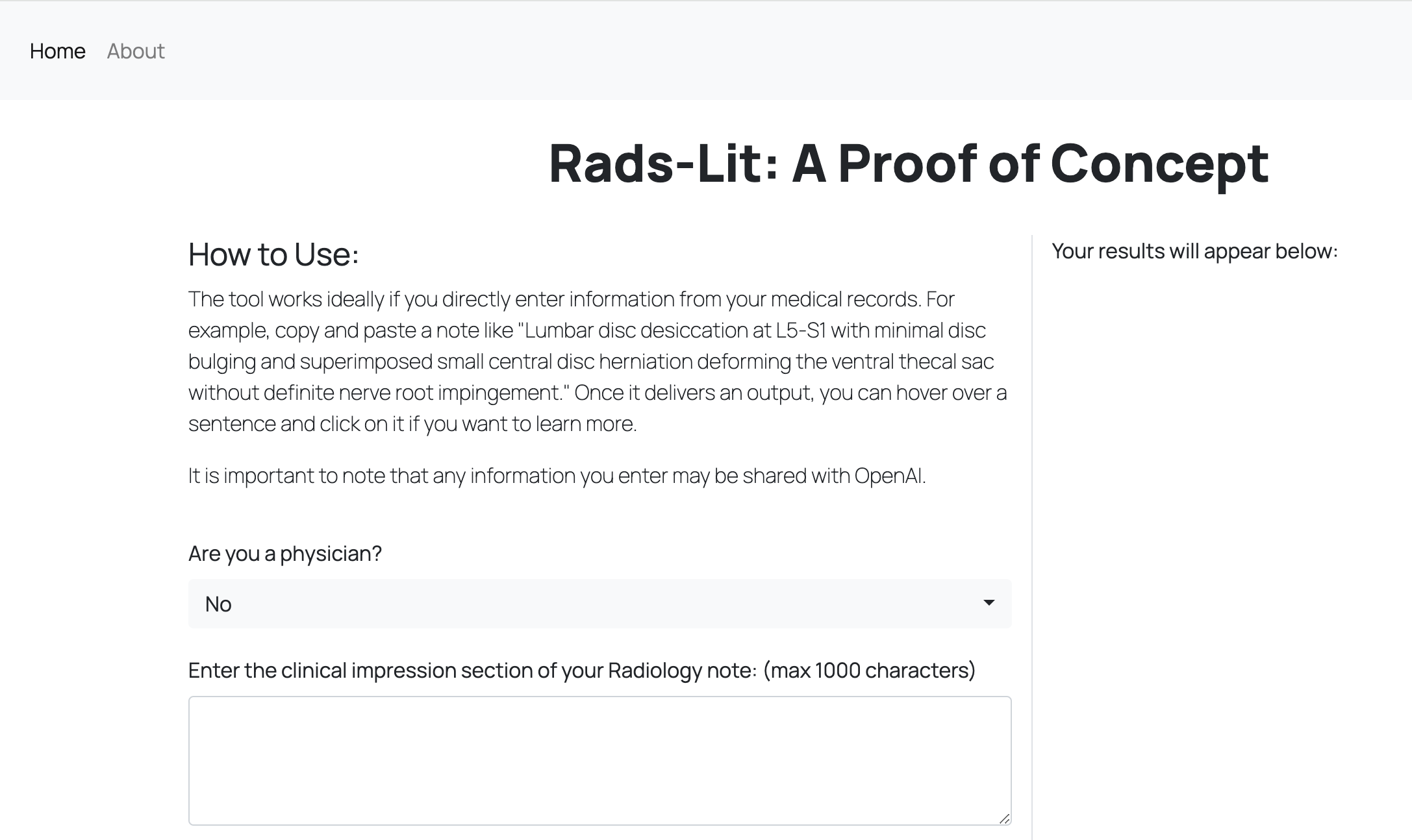
Image of interface
-
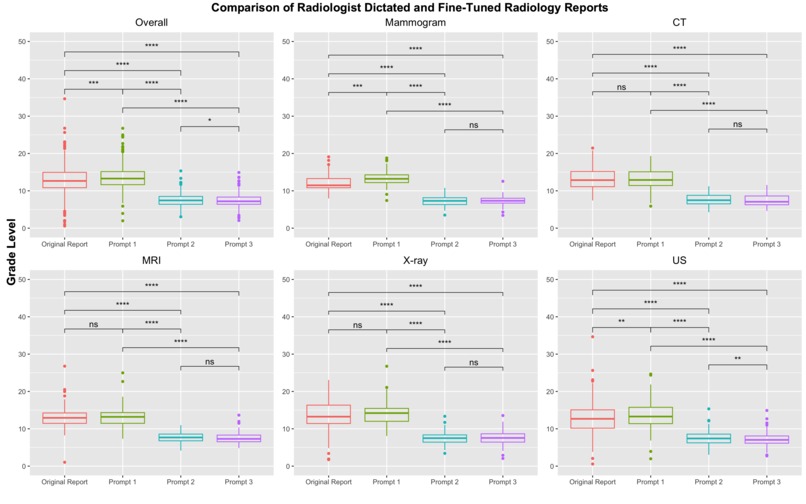
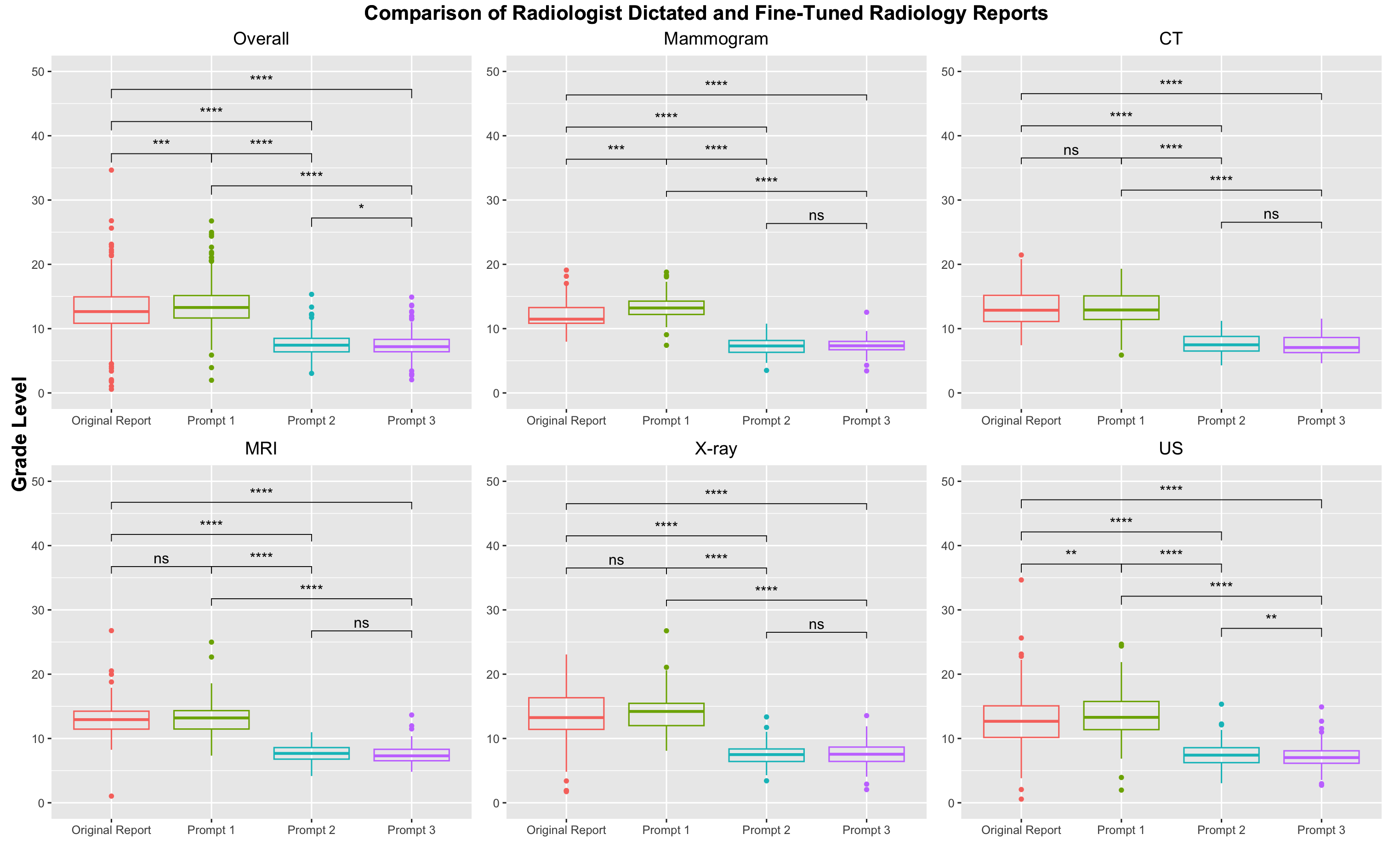
Comparing the radiologist dictated report vs. model outputs using different prompts. Simplification was assessed using readability scales.
-
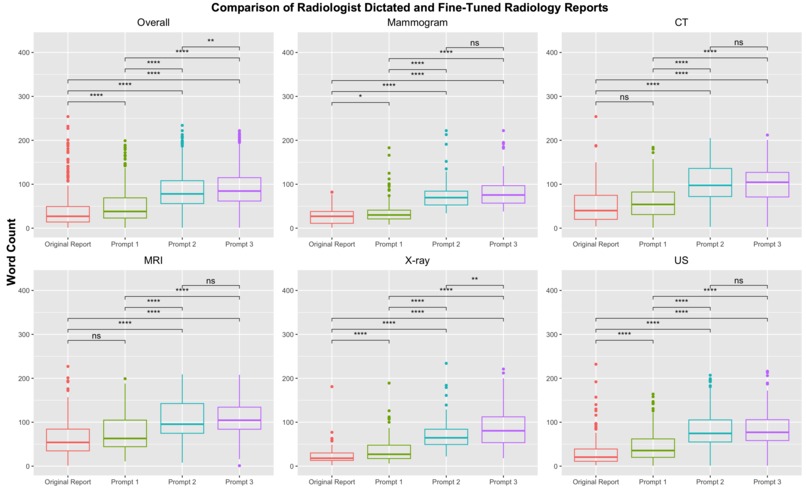
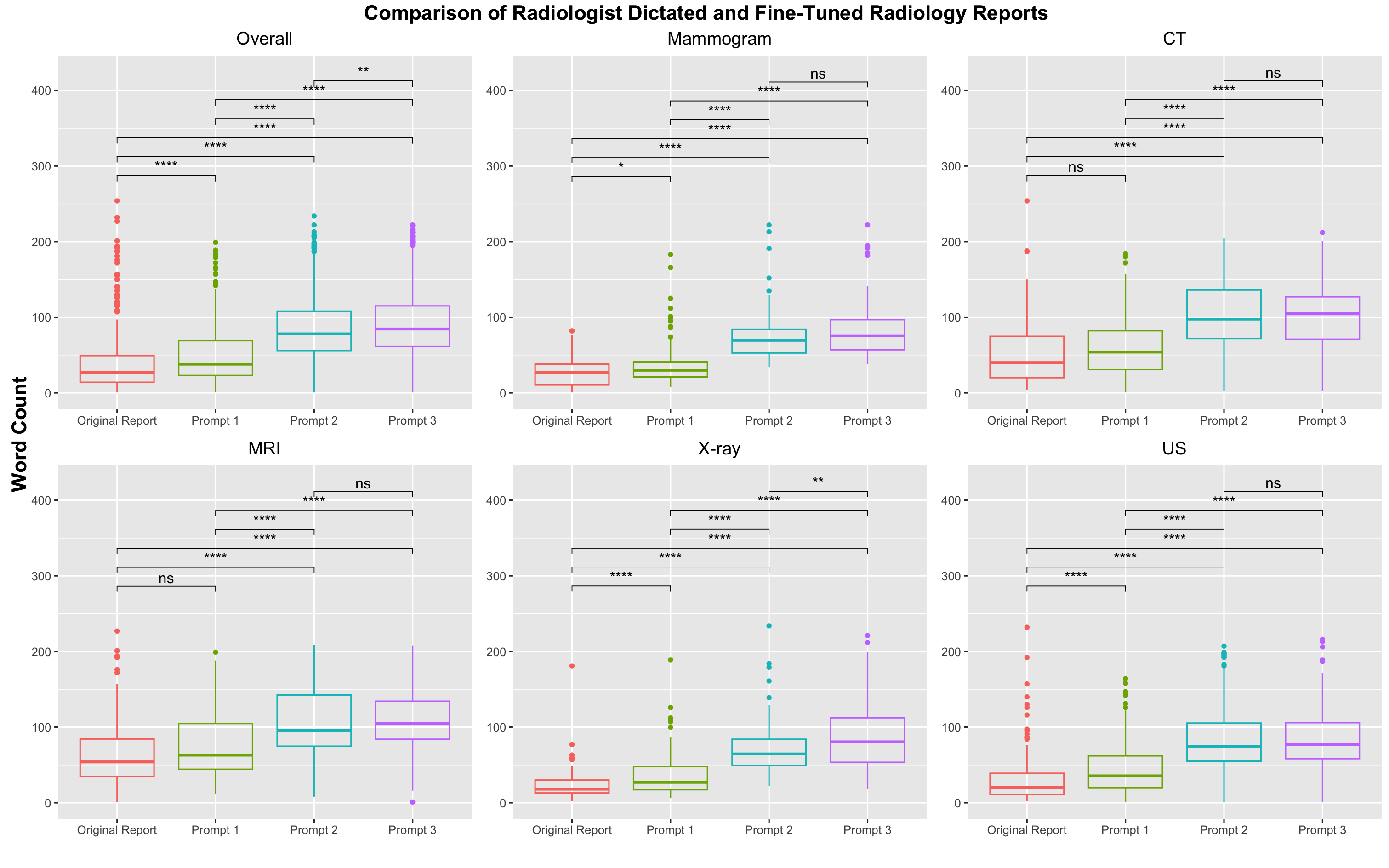
Comparing word count of radiologist dictated radiology report impressions and model generated simplified report impressions
-
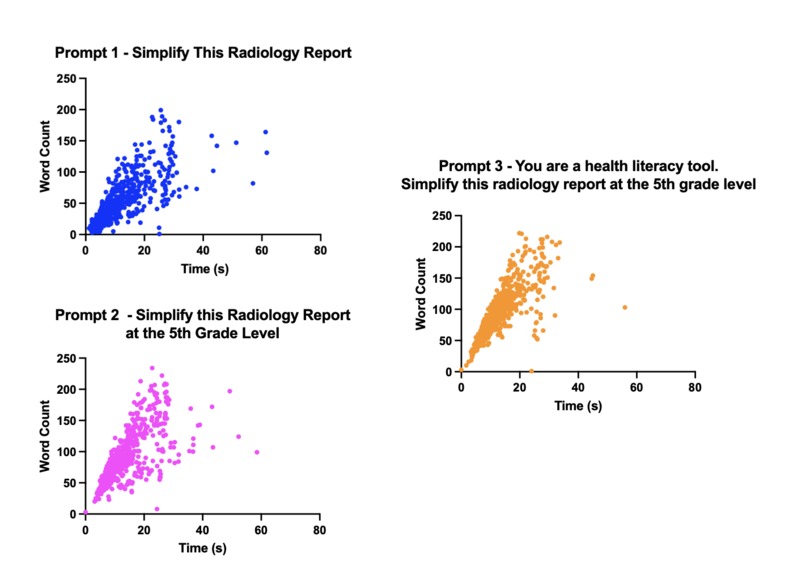
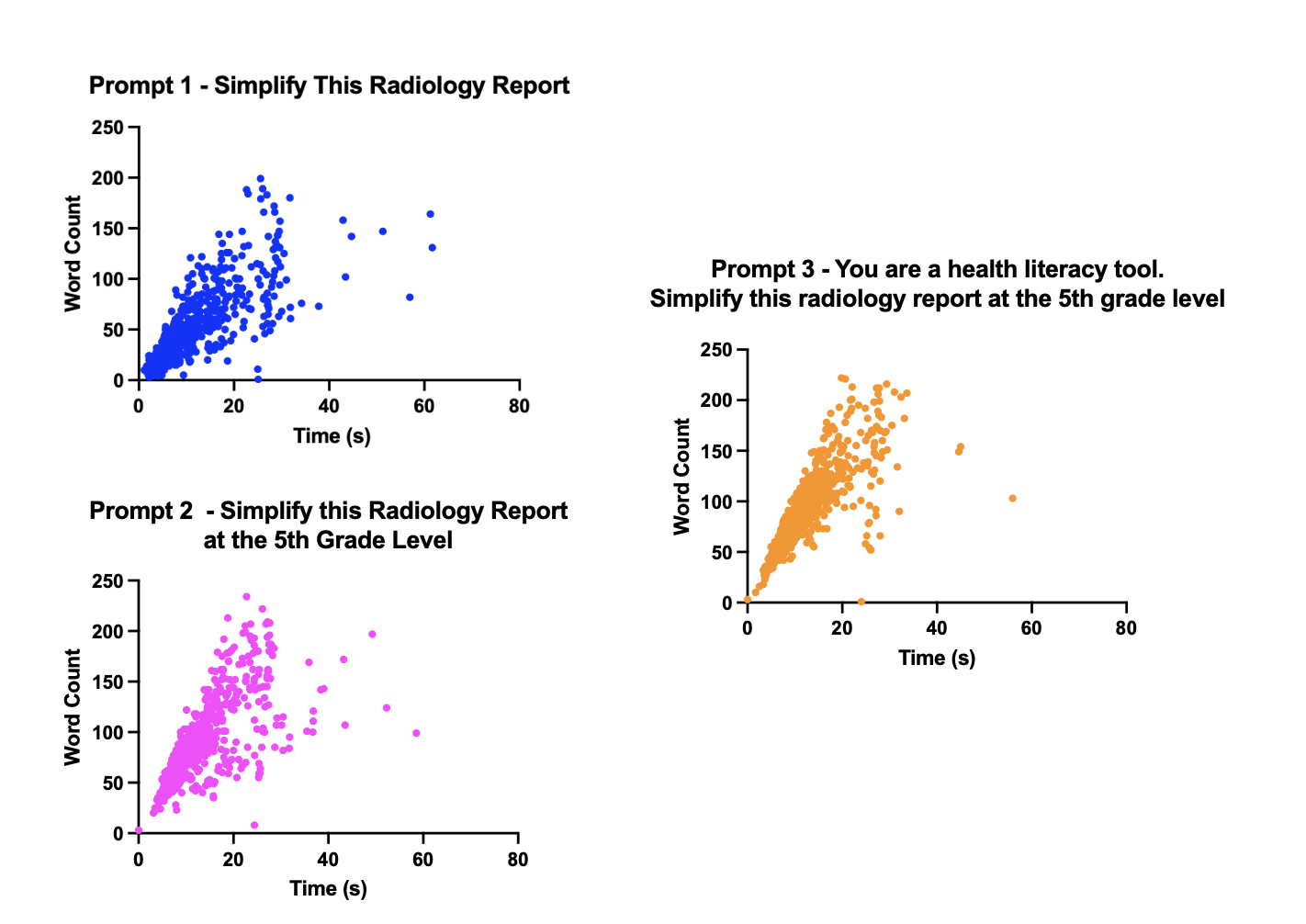
Prompts tested and time to generate each output with corresponding word count (relates to tokens)
RadLit was conceived with a singular mission in mind: to demystify the complex medical jargon of radiology reports, making them accessible and understandable to patients. The impetus for this project stemmed from a common problem observed in healthcare settings worldwide: patients often find their radiology reports incomprehensible, filled with daunting technical terms and phrases. This gap in understanding can lead to anxiety, misinterpretation, and a sense of alienation in one's own healthcare journey.
The primary objective of RadLit was to develop a tool that leverages a locally trained a Llama-2-7B-Chat model to translate complex radiological reports into simple, patient-friendly language. By doing so, the project aimed to improve patient outcomes and foster rapport between underserved patient populations and their healthcare providers.
To fine-tune our models, we utilized the Hugging Face AutoTrain Advanced Python package38, enabling us to train our models. We primarily employed the default settings provided by Hugging Face. Hugging Face AutoTrain leverages Parameter Efficient Fine Tuning (PEFT)39, a method designed for fine-tuning large language models without the need to fine-tune all model parameters. Instead, it only fine-tunes a small subset of additional model parameters, reducing the computational and storage requirements for fine-tuning tasks.
In tandem, we leveraged QLoRA, a novel approach for training large AI models more efficiently, particularly designed to manage memory constraints. It utilizes 4-bit quantization, a process that compresses the model's data from 16-bits to 4-bits without significant loss of information, enabling the use of CPU-only machines.
Built With
- llama
- qlora


Log in or sign up for Devpost to join the conversation.