-
-
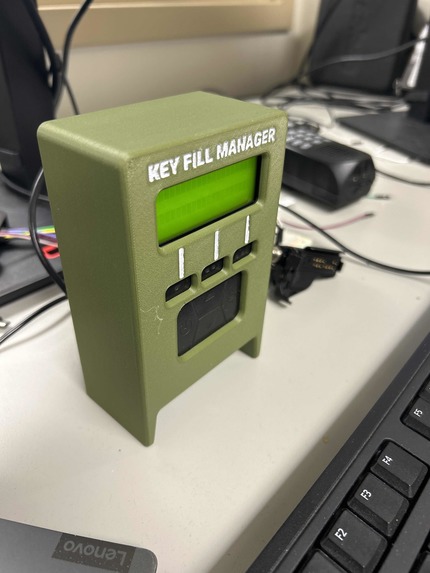
Product
-
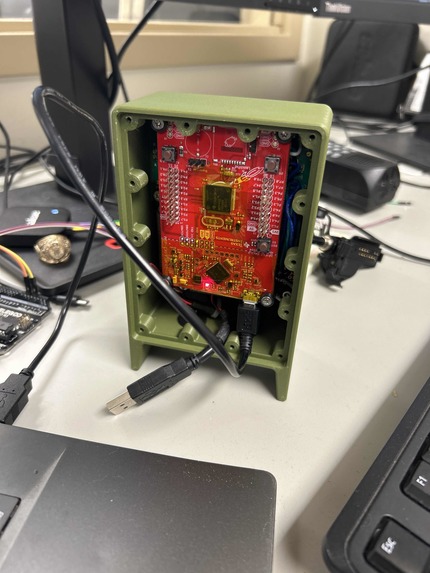
Product
-
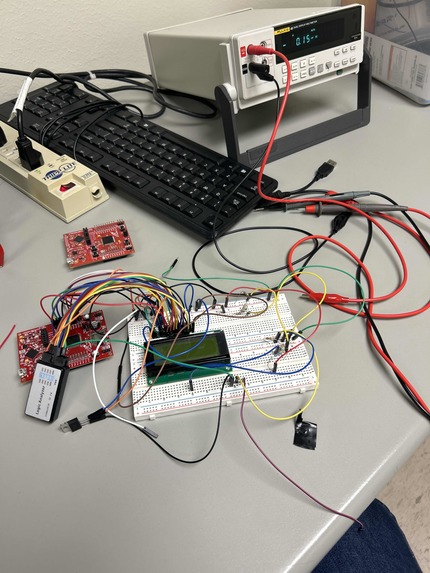
Breadboard Mockup
-
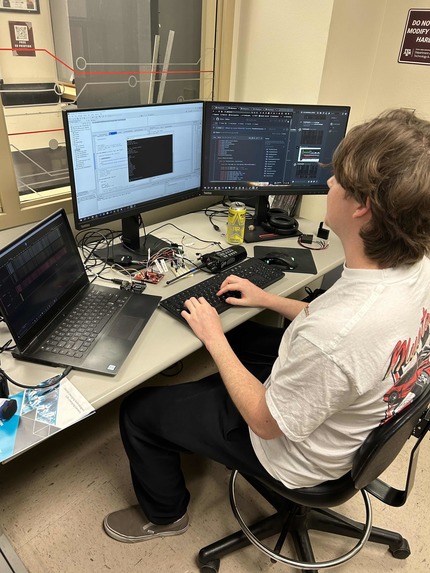
Software Dev
-
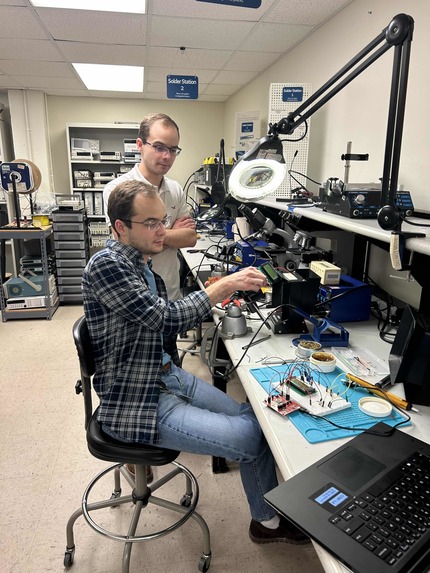
Protoboard Assembly
-
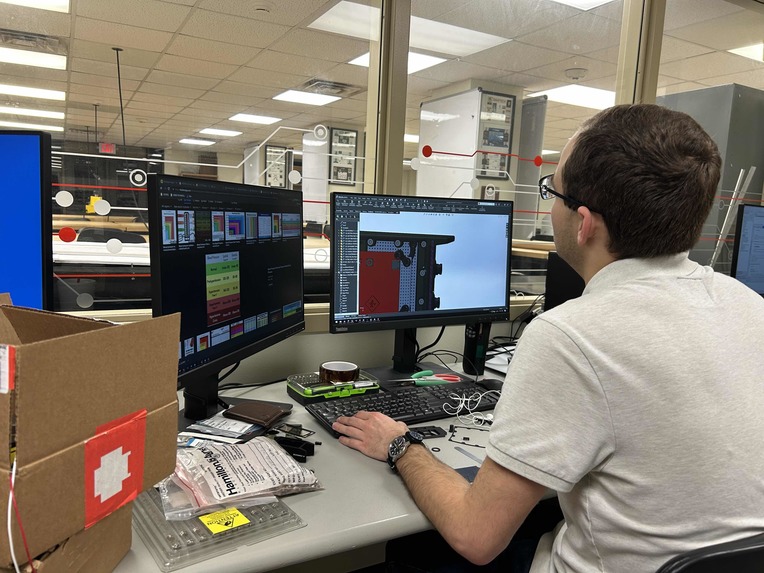
Mechanical Design
-
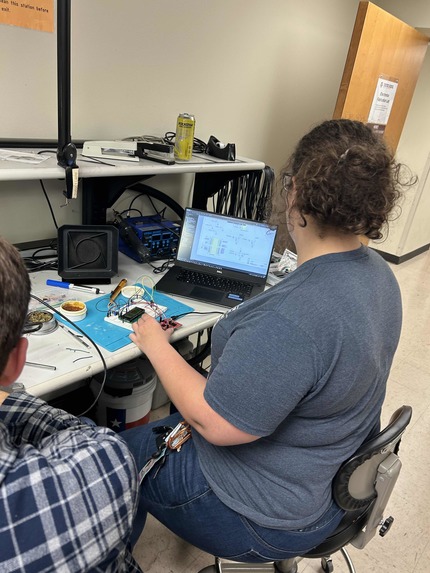
Protoboard Assembly
-
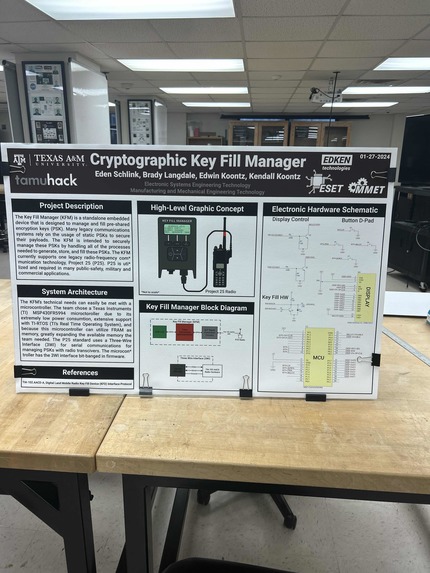
Poster
-
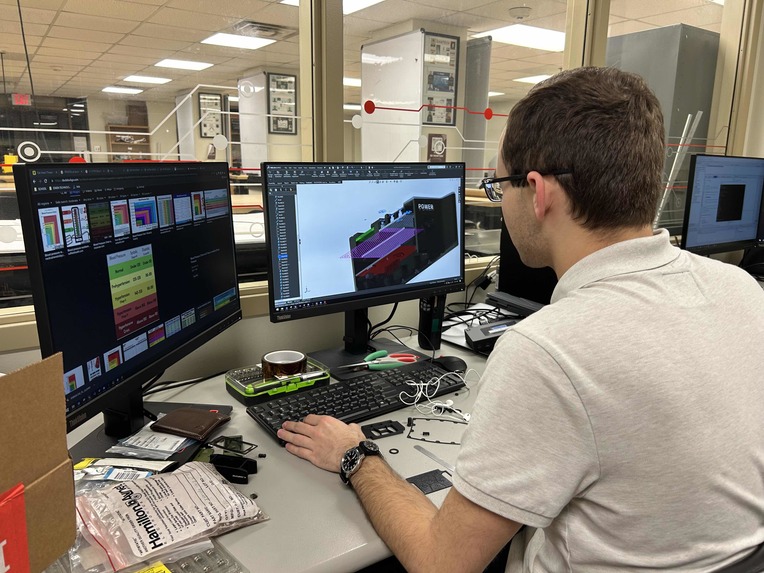
Mechanical Design
-
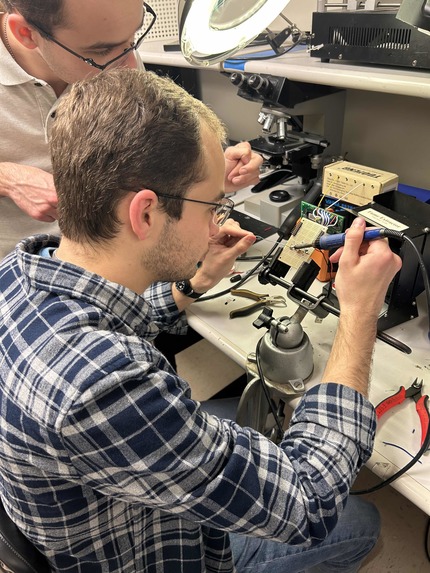
Protoboard Assembly
-
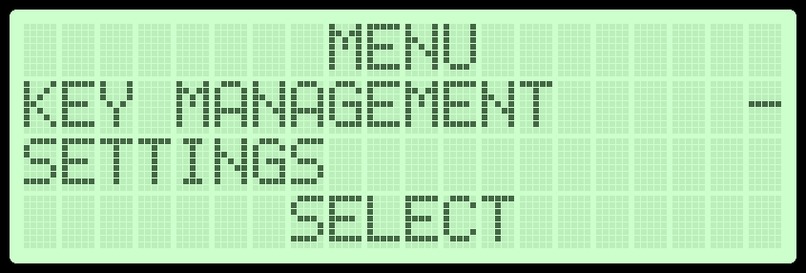
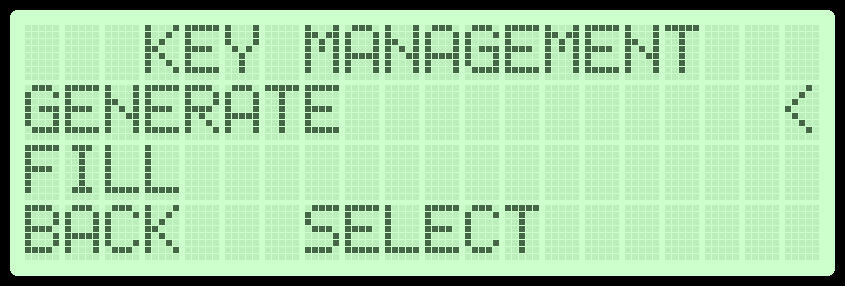
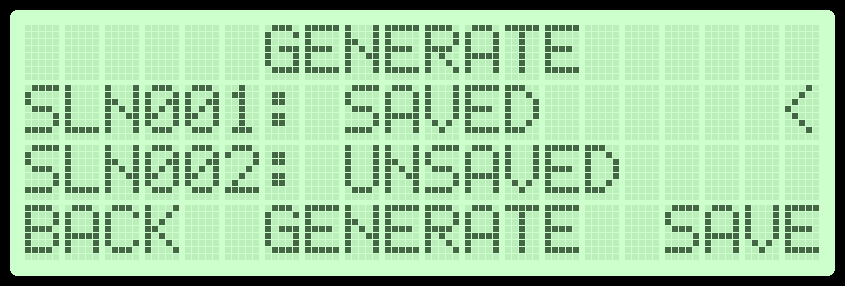
display menu
-
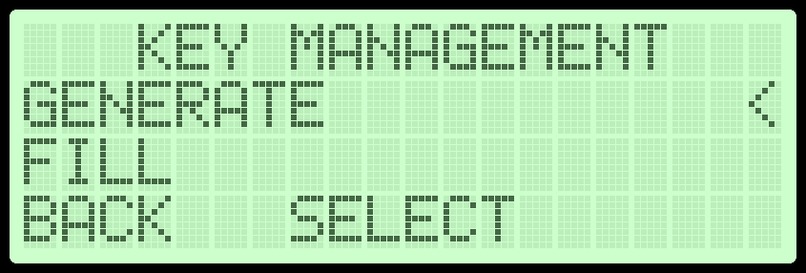
display
-
display
Inspiration
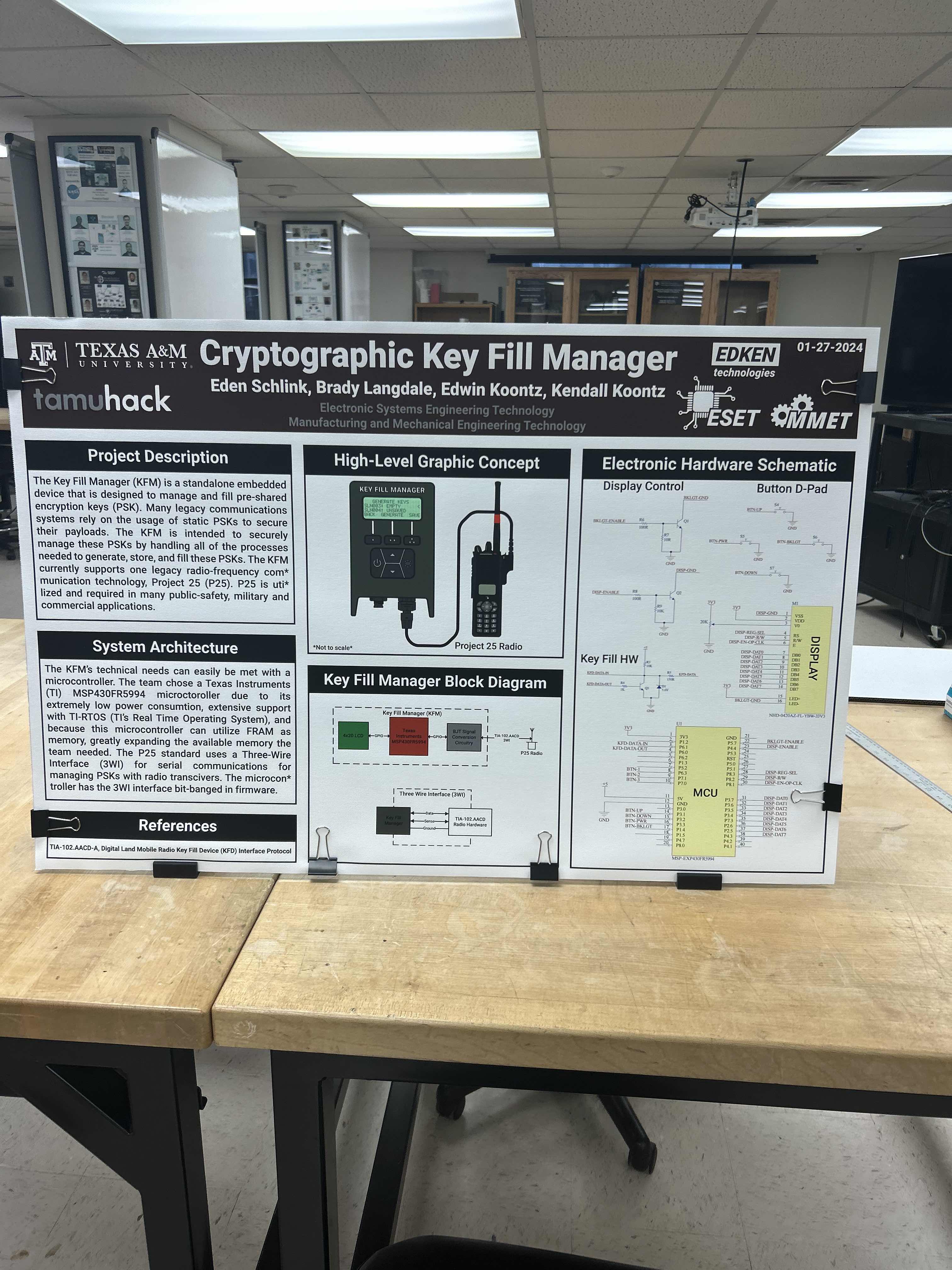
In an era of rapid technological advancements and increased connectivity, the risk of data theft and privacy breaches has become more prevalent than ever. Our inspiration stems from a deep interest in defense, radios, and security and the understanding that secure communication is key to protecting sensitive information. We wanted to create a standalone radio encryption keyfill manager to empower individuals and organizations with the ability to communicate securely and privately.
What it does
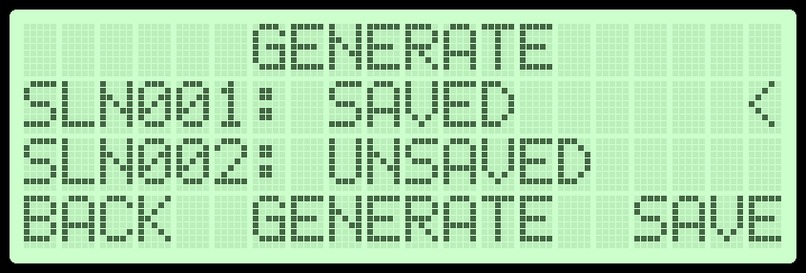
The Key Fill Manager manages symmetric encryption keys in legacy communications equipment. These legacy systems often utilize insecure methods of generating, storing, and securely sharing these keys. The Key Fill Manager is a standalone embedded device that accomplishes these goals. Primarily for this competition, we focused on implementing compatibility with Project 25 (P25) public safety and military radios. The Key Fill Manager utilizes an open standard to load and store encryption keys. These radios are everywhere and often are reused in the commercial market. Therefore, with the need for securing these P25 radios and the demand placed from a growing reused market, a standalone, secure Key Fill Manager is prime. The Key Fill Manager utilizes a central microcontroller, this microcontroller can utilize secure cryptographic key generation (AES-256) which can be used for this encryption key process. Building out our own cryptographic key management device also adds immense benefits. We can add compatibility to fill other devices with encryption keys as well.
How we built it
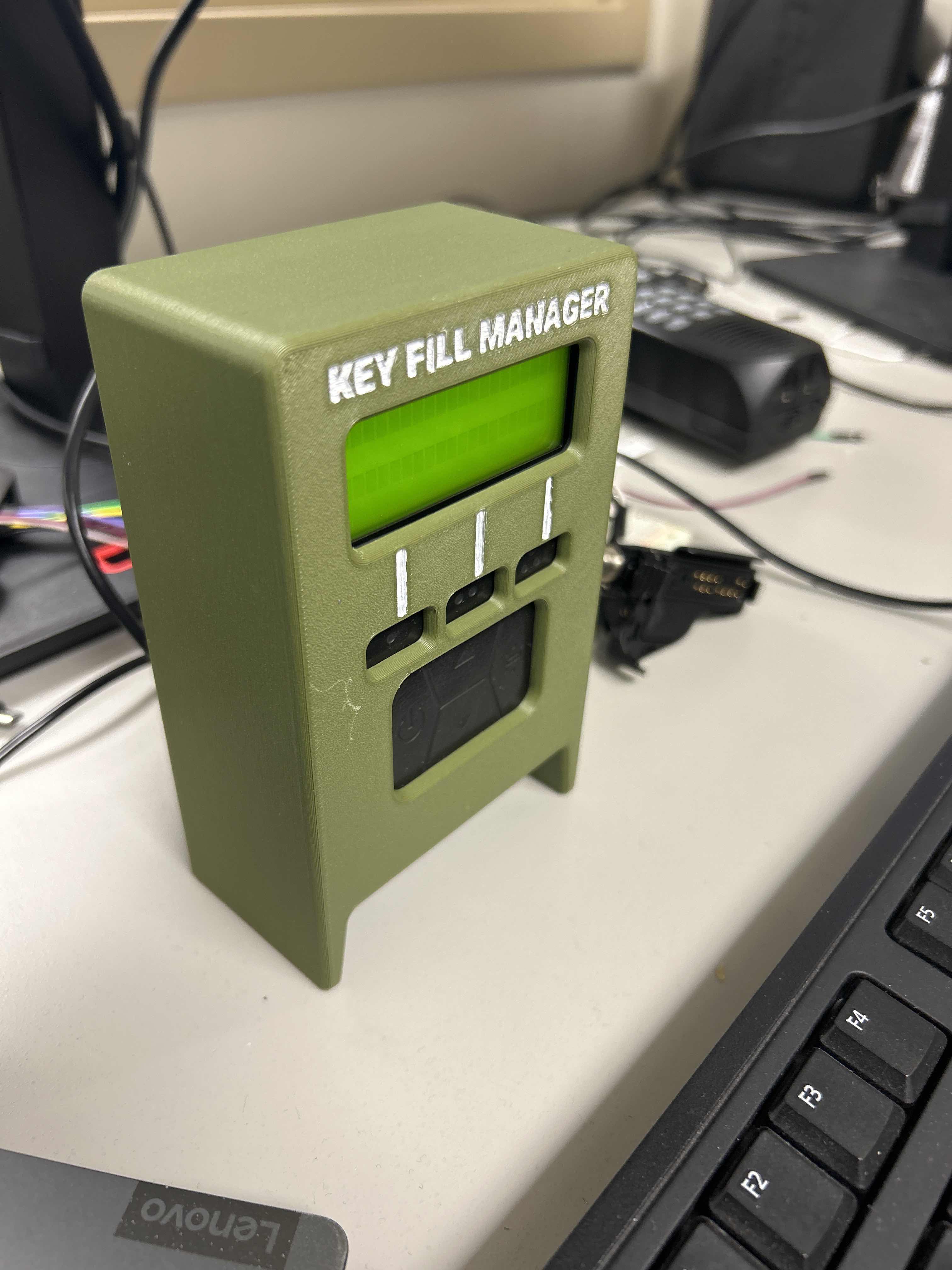
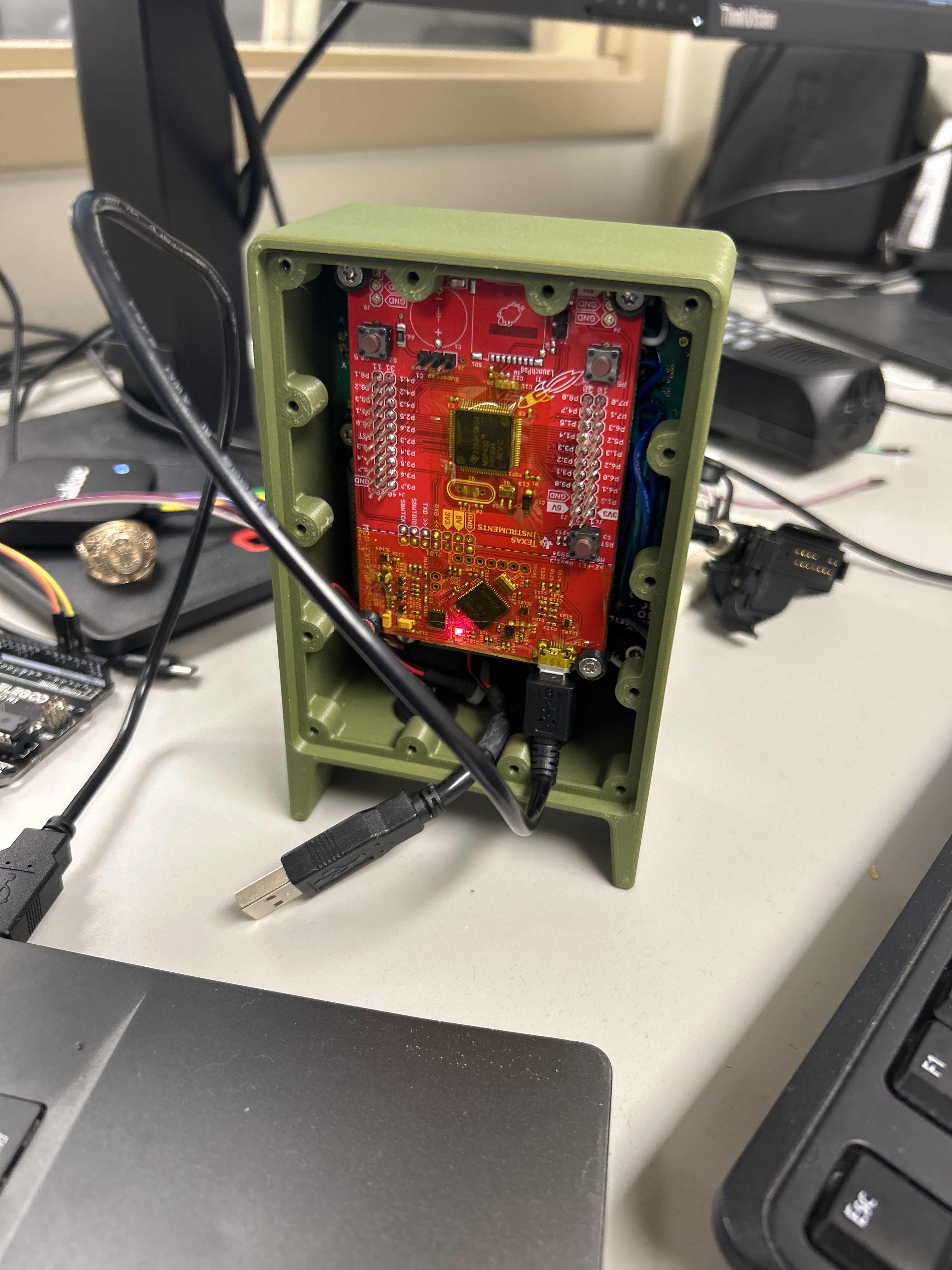
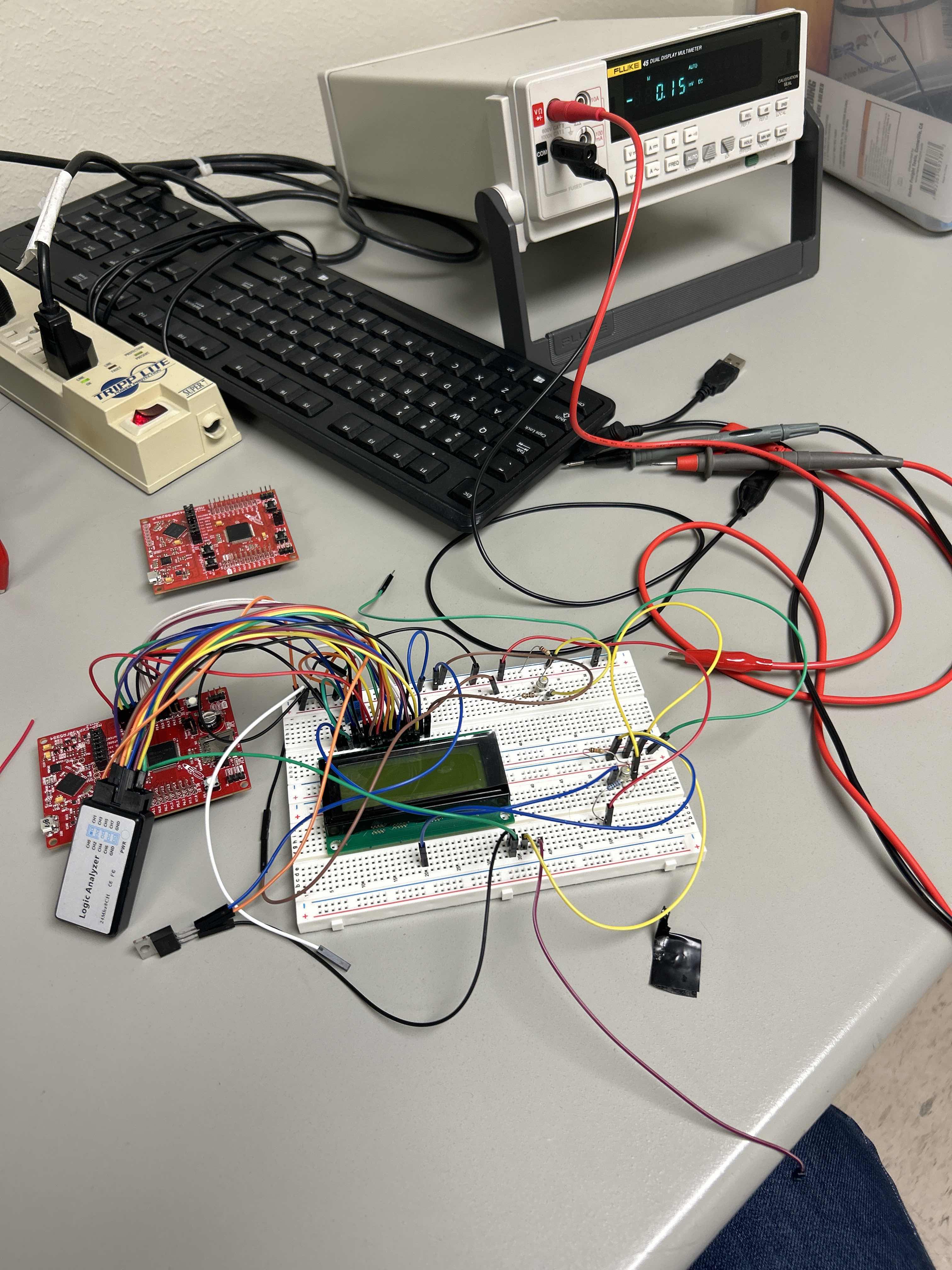
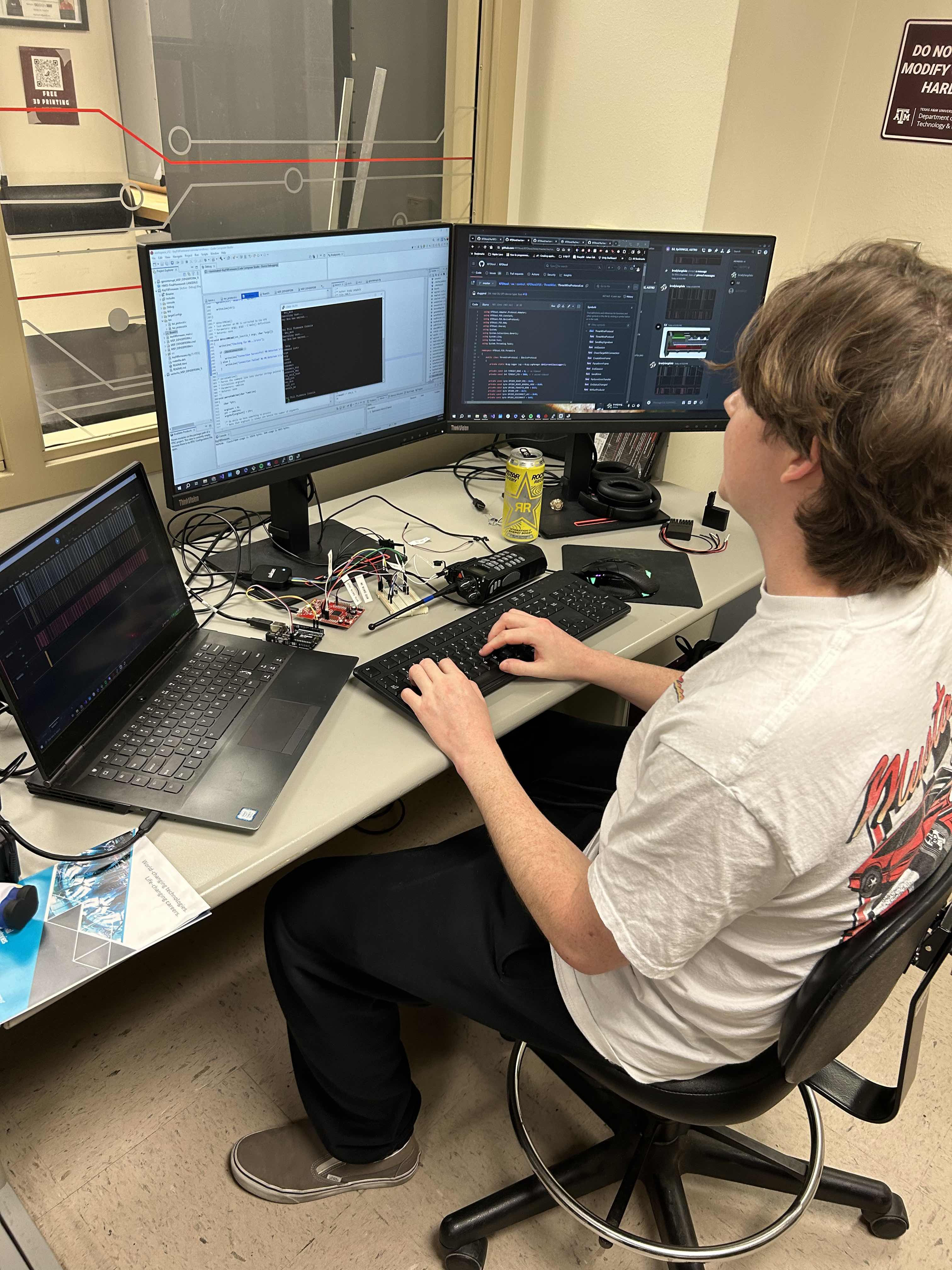
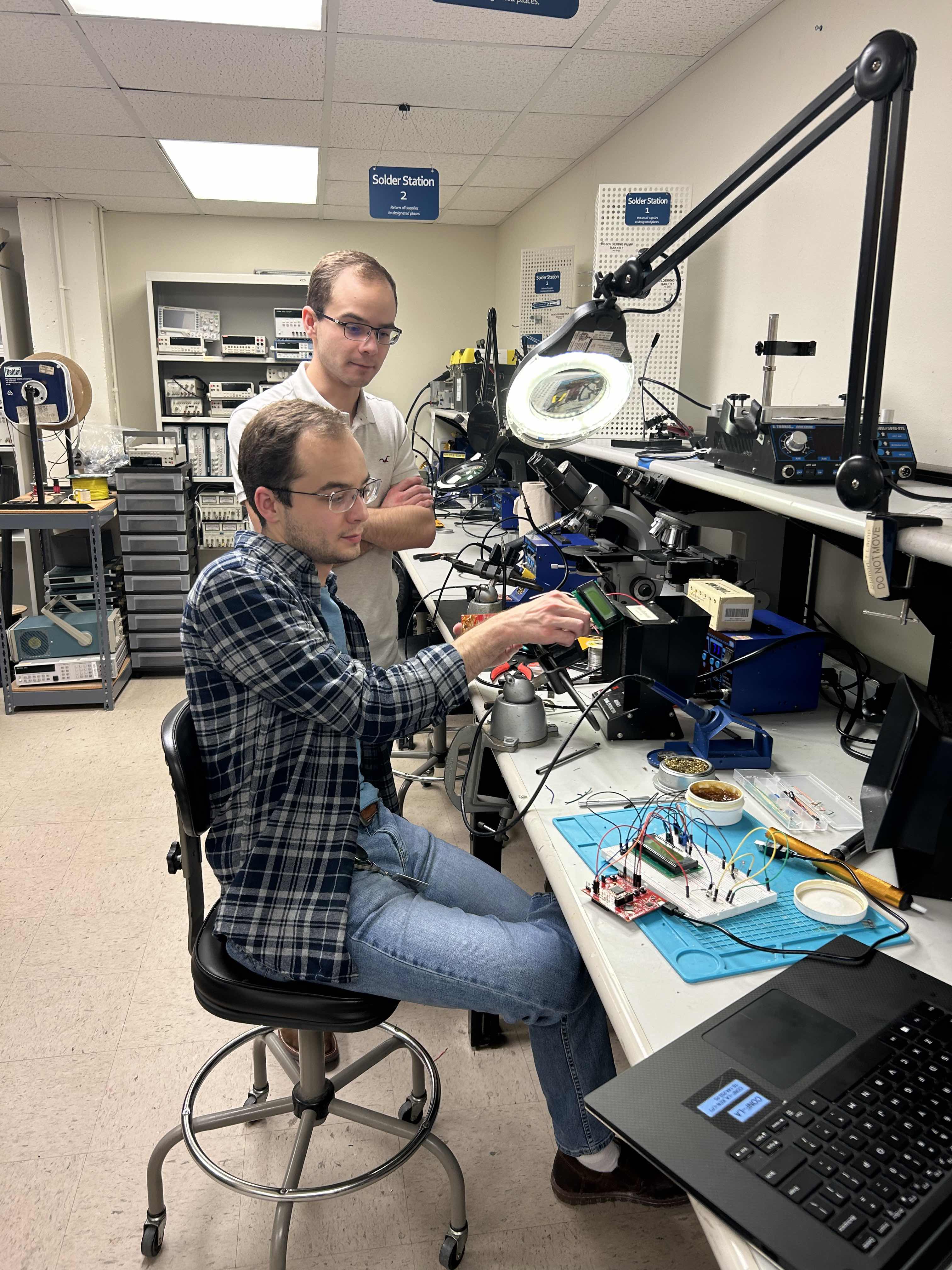
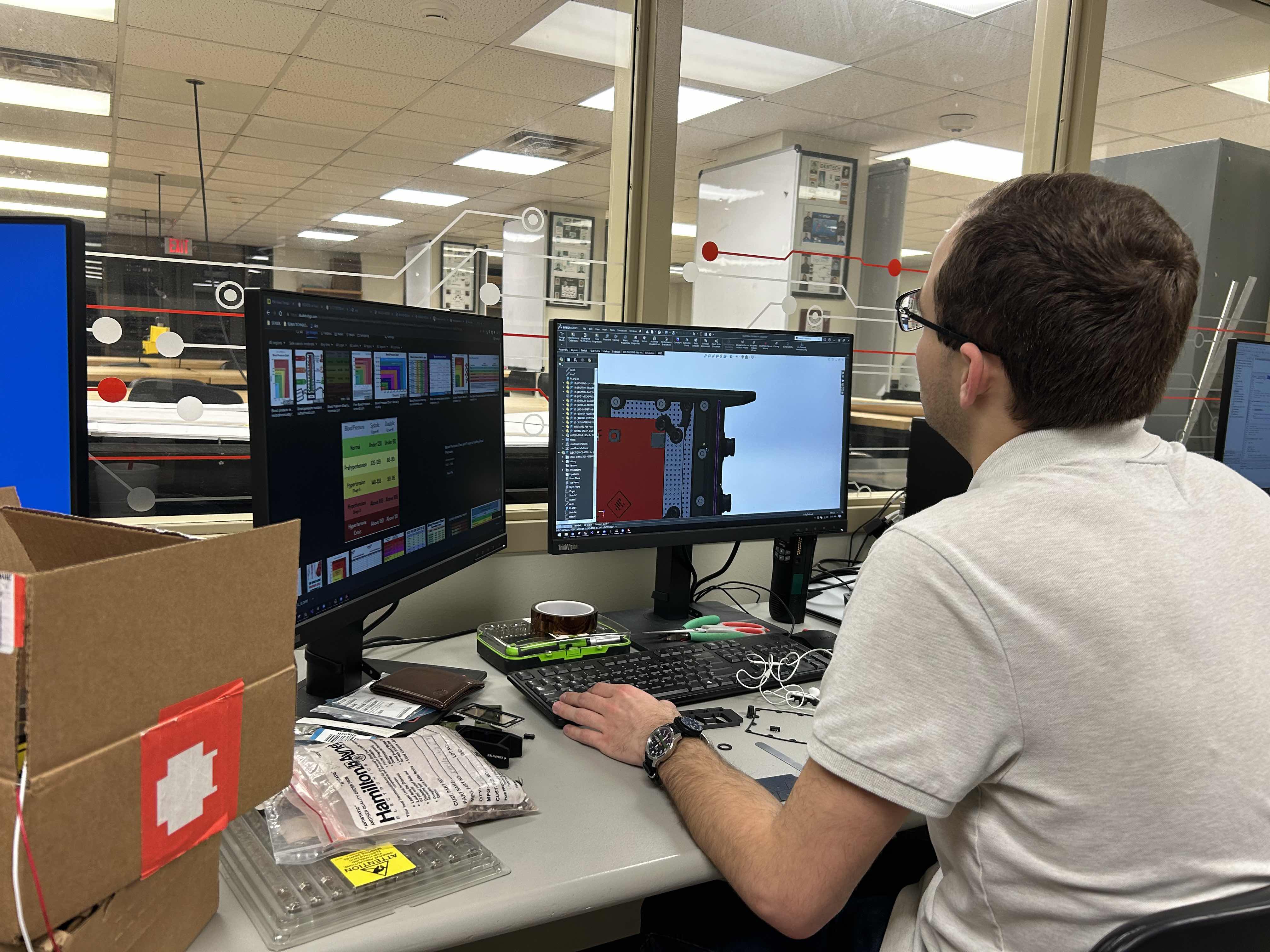
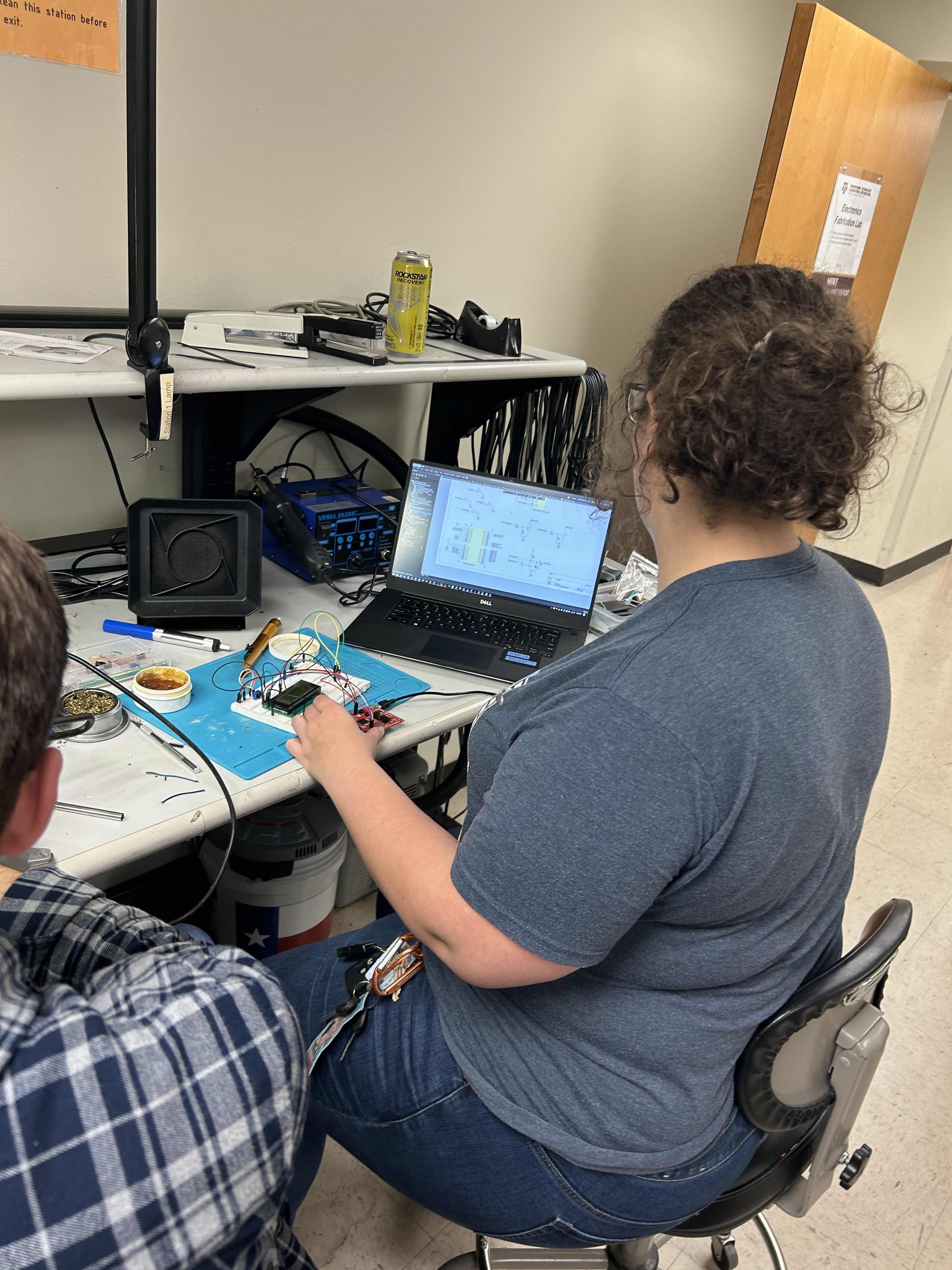
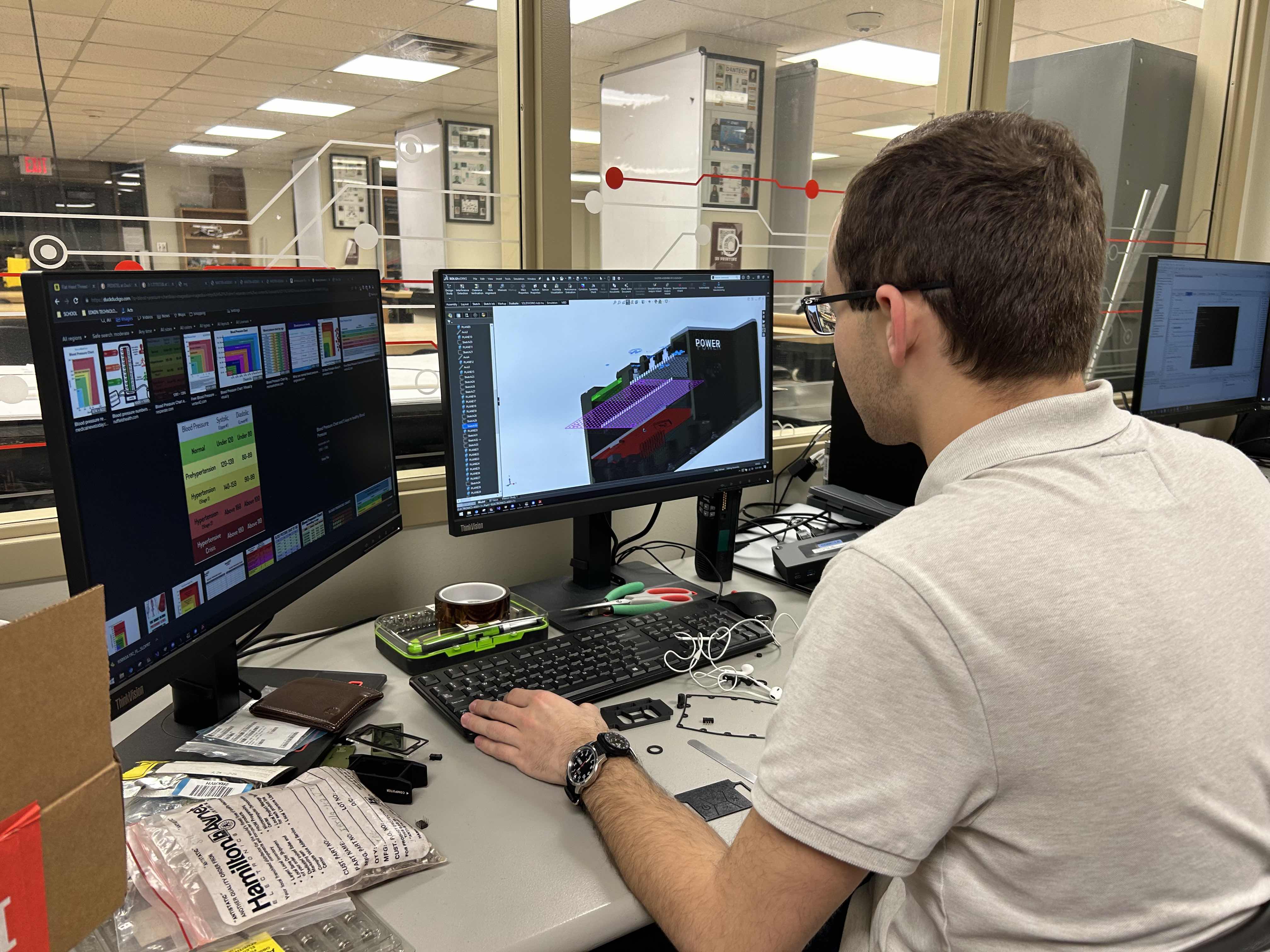
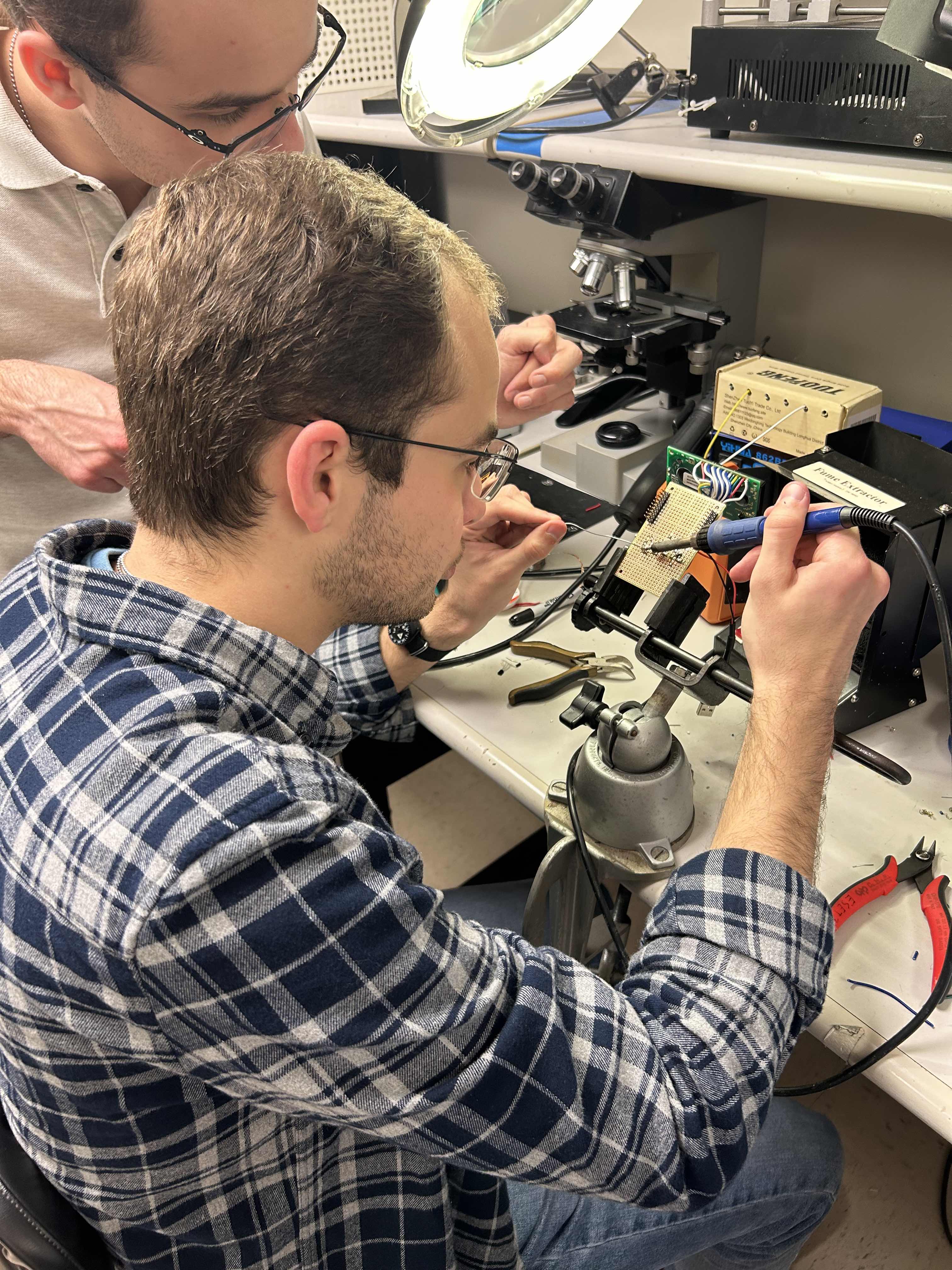
The Key Fill Manager is designed to be durable, water-resistant, and user-friendly. We utilized a wide variety of manufacturing techniques for the housing, such as FDM 3D printing the housing frame in PLA, laser cutting the acrylic display cover, and laser cutting soft rubber gaskets to seal the display cover, the keypad, and the back panel door. For the electronics, we tested everything on a breadboard before fully integrating it. This took time but paid off as we built on top of a Texas Instruments MSP430FR5994 microcontroller running TI-RTOS. This was no easy task as our programmer was saturated constantly. The electronics were mounted onto protoboards inside the housing. These boards have screw holes and allowed our mechanical designer to incorporate the protoboards with the button matrix and other analog/digital logic equipment necessary to increase the power consumption and functionality of the device (screen backlight timer and push button power-on). In total, we all had previous experience in software, electronic hardware, and mechanical design, which greatly aided our design process efficiency and time-to-manufacture for this competition.
Challenges we ran into
Each stage of our project presented a set of challenges. The initial hurdle we faced was the design of the circuitry for each component and aspect of our product. Our device needed to supply two lines of current, one to illuminate the LCD display and the other to power the display itself. Our vision was to have both lines controlled by the MSP and toggle accessible. To achieve this, we used BJT transistors, allowing the MSP-board to regulate both the display and LCD. However, we encountered a challenge. The MSP struggled to provide sufficient current for the display. In response, we made a strategic decision. Instead of relying on the 3.3V supply pin, we switched to the 5V supply pin and introduced a 3.3V regulator. This adjustment addressed the current supply issue and allowed us to maintain control over the voltage while effectively powering the display and other features. The next significant challenge revolved around establishing communication between the MSP and the radio. Overcoming this obstacle required careful consideration and problem-solving, marking a critical step in advancing our project. The greatest challenge was loading a key onto the radio. Many trials and errors frustrated us, but we looked at how much we accomplished as a group and felt emense excitement to continue this journey we started for ourselves. After twenty-four hours of no rest, remembering all the painful challenges is a challenge in itself as we remember countless attempts and redos.
Accomplishments that we're proud of
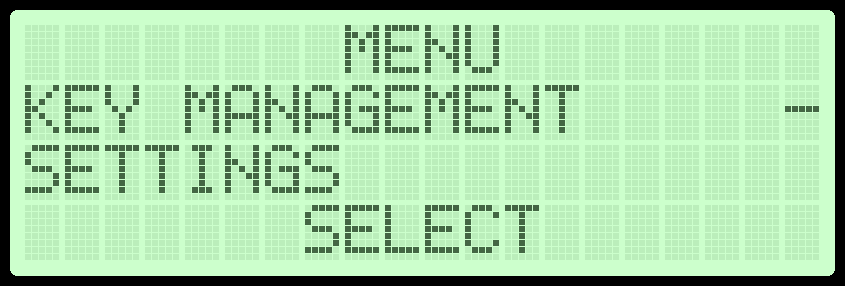
We take immense pride in achieving significant milestones throughout our project journey. One notable accomplishment is the successful establishment of communication between the MSP and the radio. Another accomplishment is our dedication to both aesthetics and functionality is evident in our ability to construct housing and laser-cut buttons within the allocated time frame. This attention to detail extended a place to hold our hardware as we developed a navigation window facilitating communication and key loading to the radio. The evolution of our hardware, progressing from buttons to data pins and ultimately controlling the LCD while communicating to and from MSP. our use of transistors, voltage regulators, and more exciting uses for real-world applications. In doing so, we learned so much from one another and our mistakes. At each juncture, whether it involved buttons, data pins, or LCD control, meticulous planning, design, calculations, testing, and effective communication were all relevant to our success. We're exceptionally proud of our collaborative 'divide and conquer' approach, which allowed us to surpass frustrating challenges related to code, hardware, or housing. Every team member made significant contributions. Above all, our greatest source of pride lies in our cohesive team and the collective sacrifices made for this opportunity. A particularly surprising achievement was the shared commitment that kept us all working for more than 24 consecutive hours, showing our dedication to the project's success.
What we learned
The intensive twenty-four hours we dedicated to this project became a profound learning experience that exceeded what we thought to be our individual expertise. The most valuable lessons emerged from our collaborative efforts and the willingness of each team member to share their knowledge. One striking aspect was the beautiful realization that, within our team, when one person faced a challenge without an immediate solution, another team member was always ready to step in and bridge the knowledge gap. This collaborative synergy was a driving force in this event. The learning extended across diverse domains, providing us with insights into both hardware and software aspects within the cybersecurity industry. From extracting data from an MSP to establishing communication with a radio, each step brought its own set of lessons. External devices such as logic analyzers, the versatile properties of o-scopes, digital multimeters, and soldering techniques became integrated tools. While we had previously encountered these concepts in our academic majors, the experience of seamlessly integrating and applying this knowledge within a single day was nothing short of incredible. We delved into the intricacies of power consumption, signal reading, the consequences of inadequate current or voltage, and innovative methods to manipulate circuits to achieve our desired features. Perhaps one of the most unexpected realizations was how quickly the 24 hours elapsed. Despite the intensity and challenges, the collaborative learning foundation will bring us to future endeavors in the dynamic intersection of hardware, software, and cybersecurity.
What's next for Radio key-fill encryption manager
There is a lot we can do with this project. Specically adding compatibility with other communications systems so that we can securely manage the cryptography in a new way. We foresee a future with this project in academia and as a commercial product. There are several notable technologies which such a key fill manager would be keen. Such as: High Assurance Internet Protocol Encryptor (HAIPE, a VPN but extremely tamper resistant and is a separate piece of hardware), High Frequency (HF) secure digital modems,
Built With
- 3d-printing
- c-programming
- circuits
- codecomposerstudio
- datasheets
- encryption
- github
- lazercutting
- lazeretching
- lcddisplay
- logicanalyzer
- microcontroller
- o-scopes
- pcbsoftware-altium
- project25-radio
- rtos
- solderingstation
- texasinstrumnets


Log in or sign up for Devpost to join the conversation.