-
-
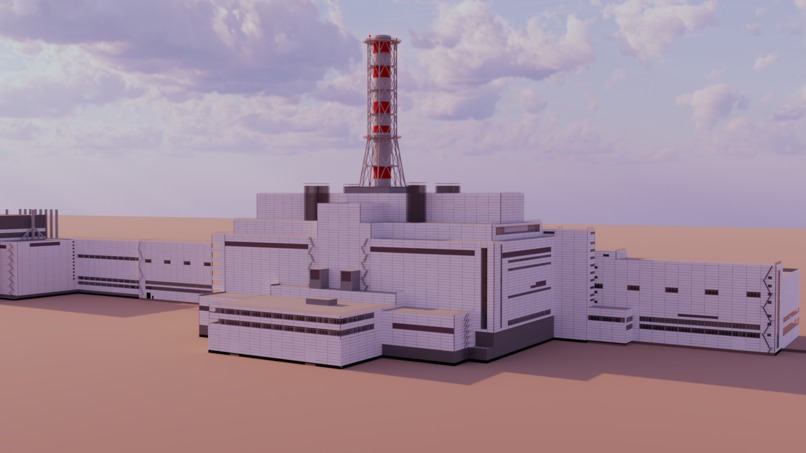
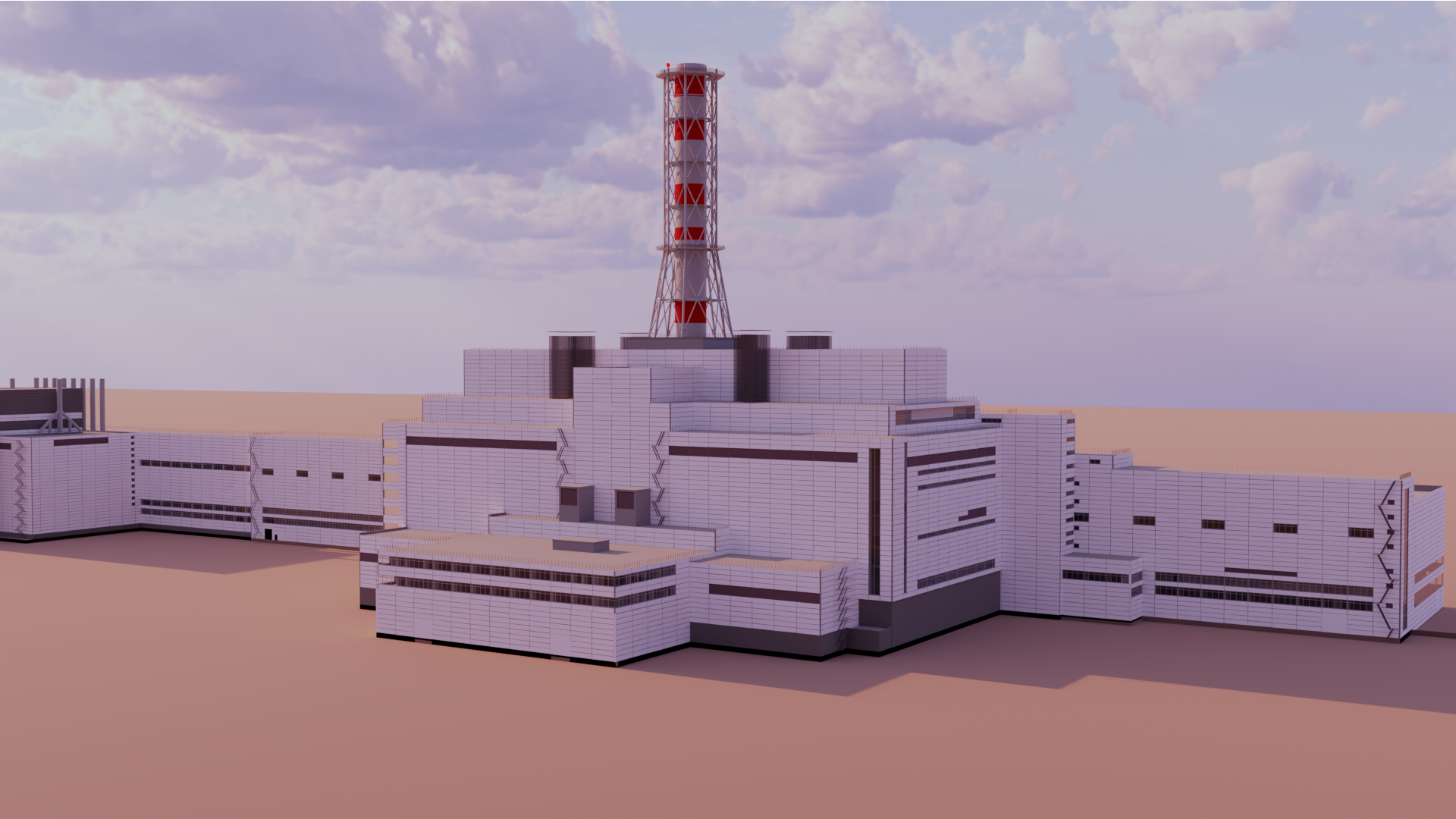
Chernobyl Nuclear Power Plant 3d Model With Paths
-
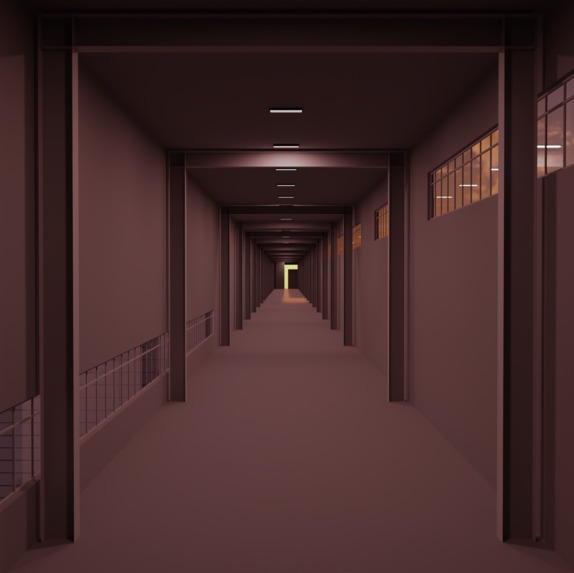
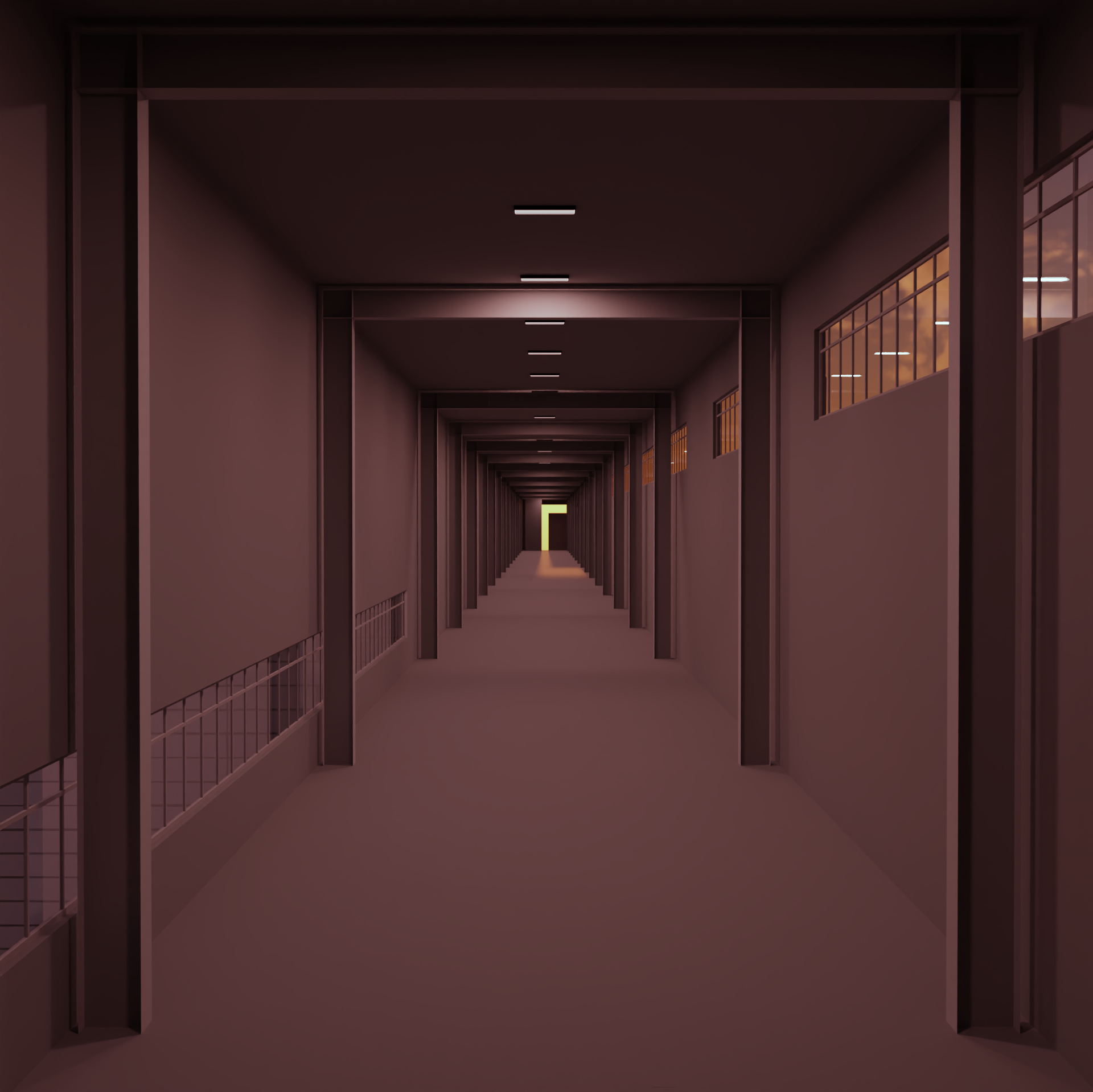
Path For Control Room Of Nuclear Reactor Unit 4
-
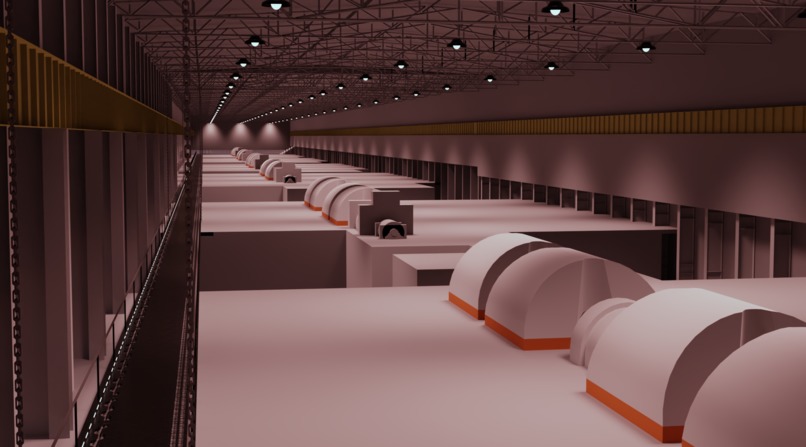
Steam Turbine Hall For Chernobyl Nuclear Power Plant
-
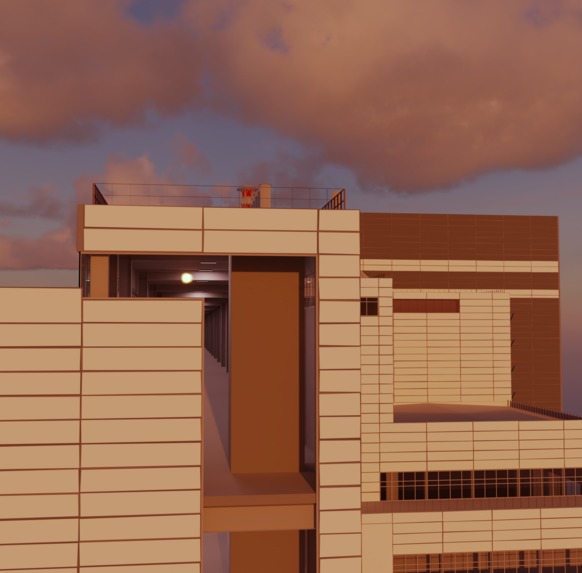
Chernobyl Nuclear Power Plant
-
-
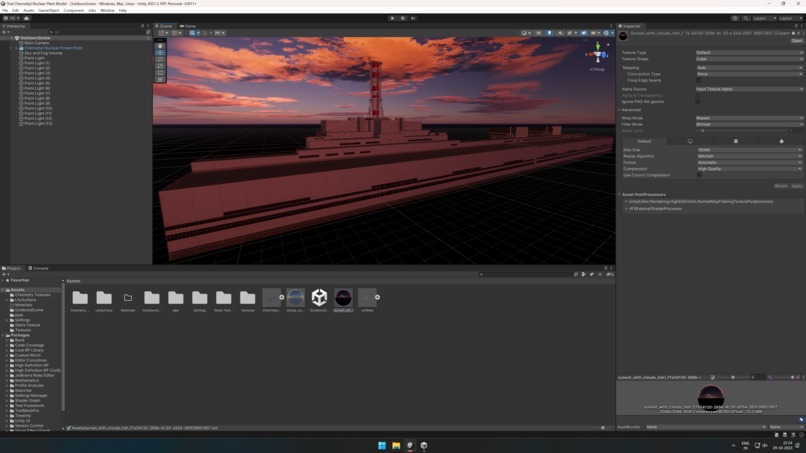
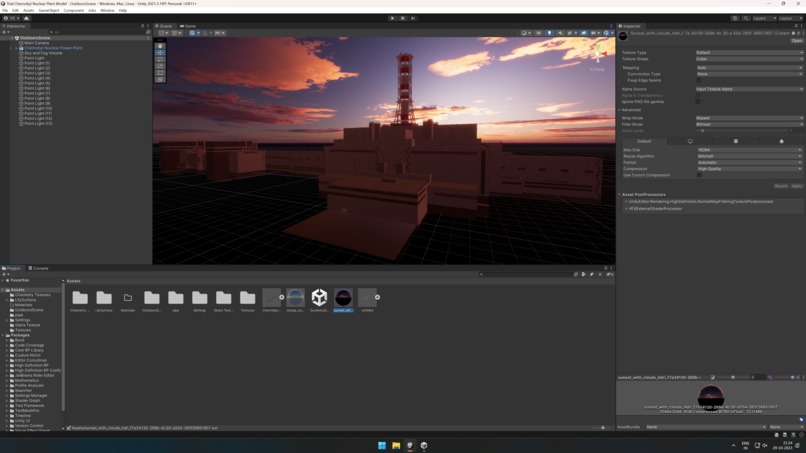
Chernobyl Nuclear Power Plant 3d Model Working In Unity For Escape Simulation
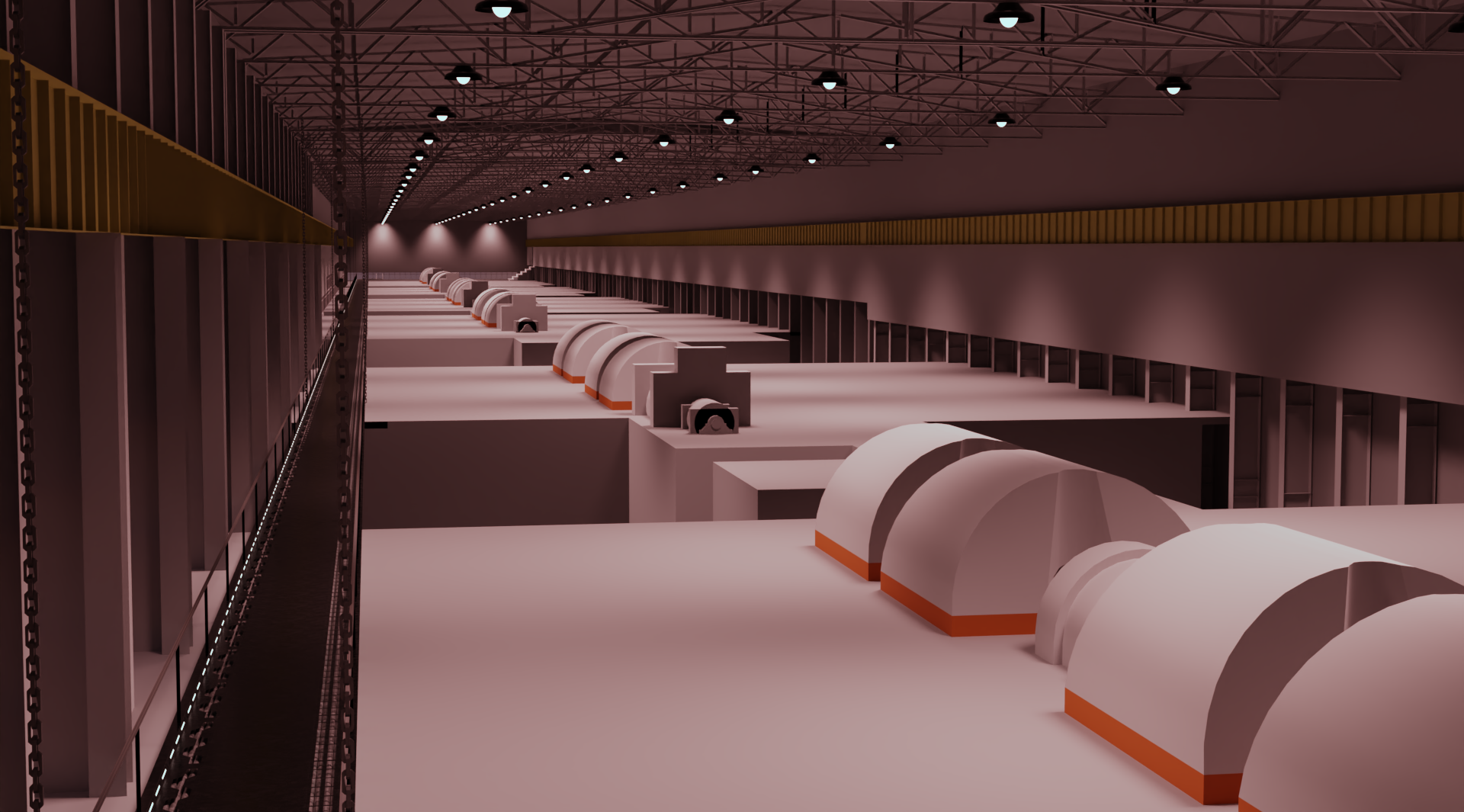
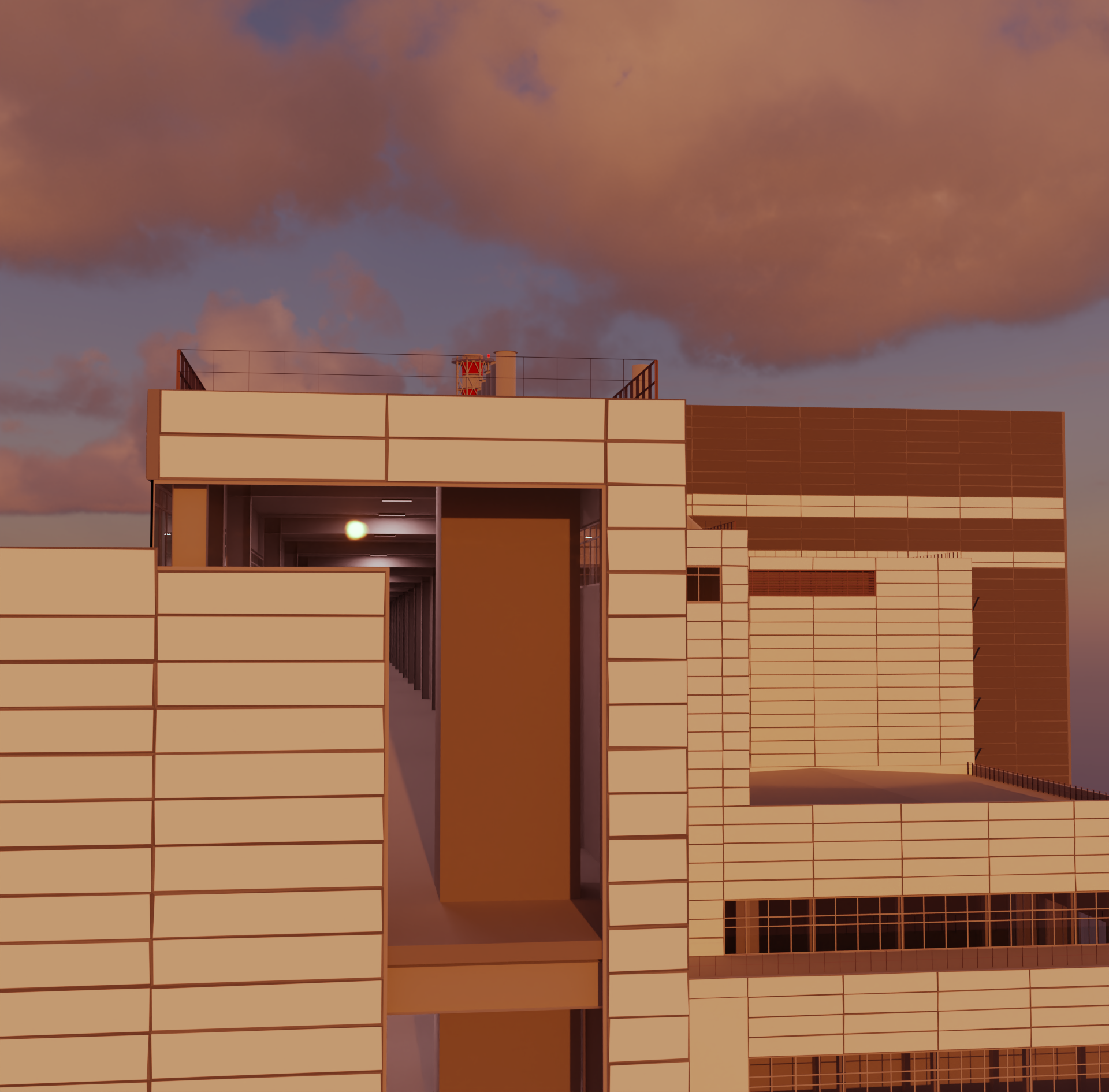
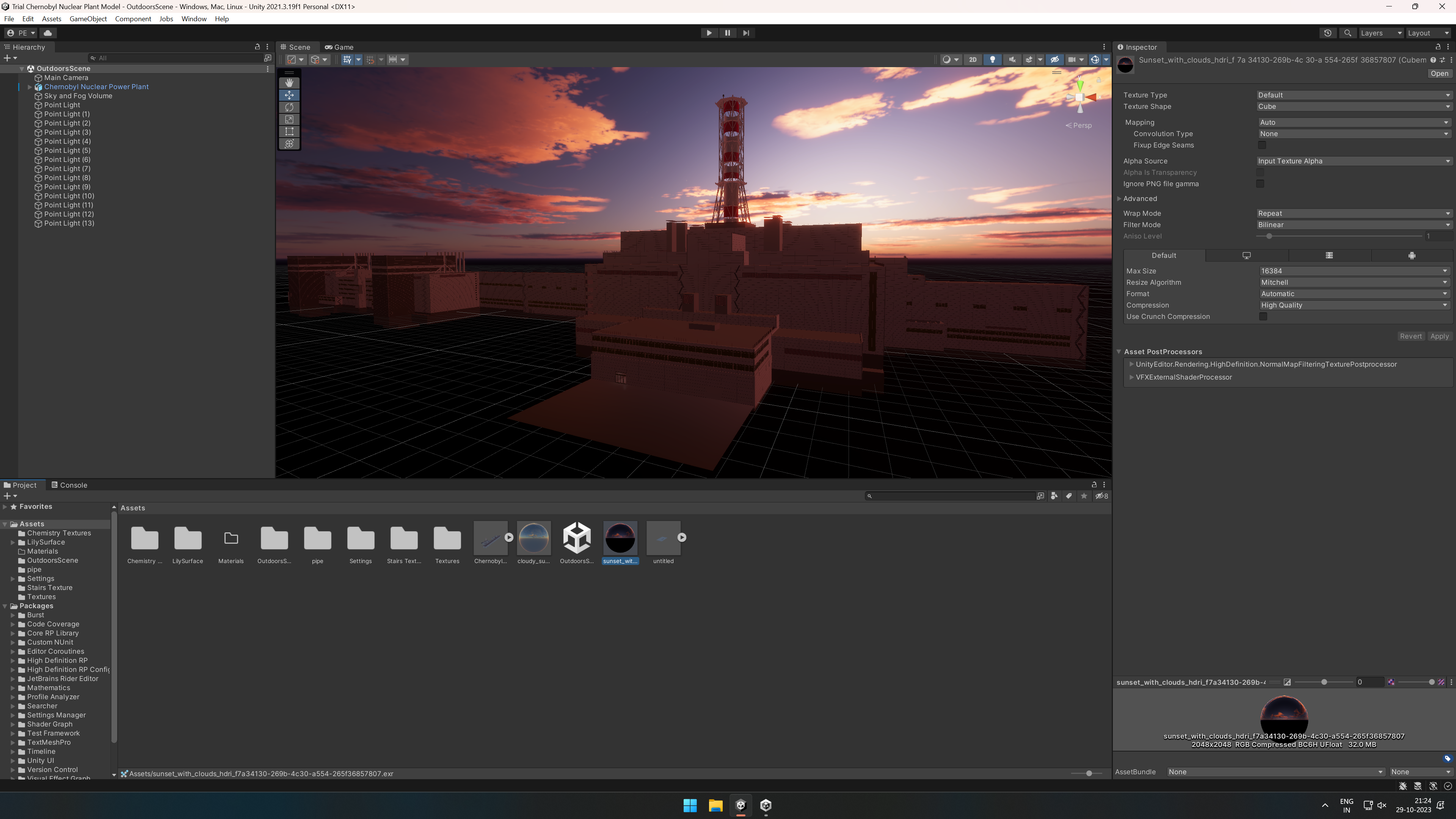
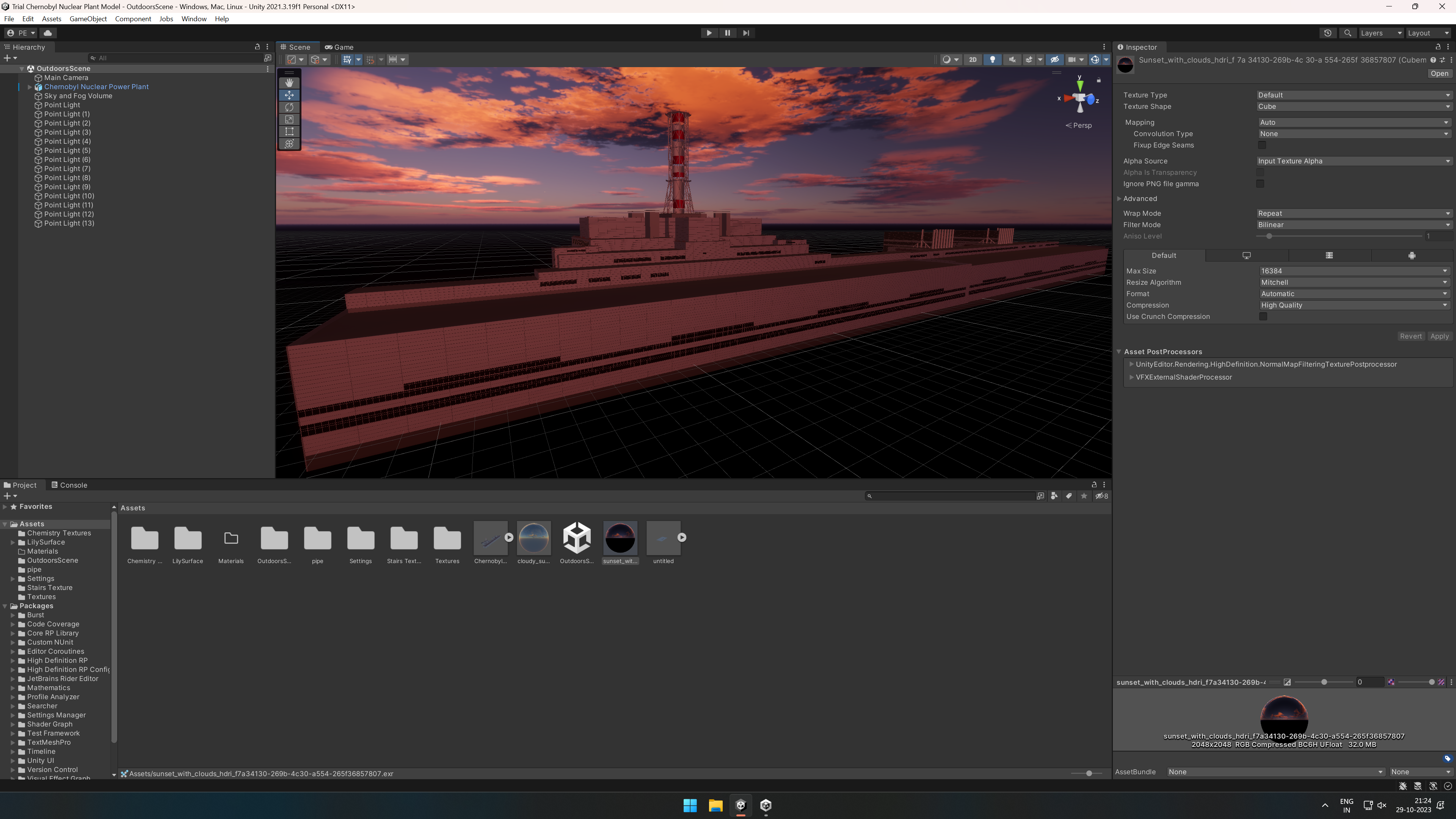
Inspiration
We got inspired by major disasters like the Chernobyl incident, which showed us how important it is to be ready for emergencies. So, We came up with the idea for "VR Shield - A Digital Guardian for Disaster Preparedness." This project uses technology to help us handle really complicated and dangerous situations involving chemicals, diseases, radiation, and nuclear stuff (CBRN incidents).
What it does
While working on this project, We realized that Virtual Reality (VR) can be a game-changer for disaster management. It lets people practice in very realistic situations and we can see how they're doing, which helps them get better at making quick decisions in tough situations. We use data and special training to keep improving their skills.
How we built it
To make this happen, we created VR situations that look and feel like real CBRN emergencies, like handling dangerous stuff, checking radiation, or dealing with disease outbreaks. We also made a system that uses data to see how well people are doing and help them do better. Teamwork and coming up with new ideas were a big part of this project because we wanted to create something that could really make a difference in handling disasters.
Challenges we ran into
We faced some challenges, like making sure the VR scenarios felt real and creating a system that could analyze the data effectively. Also, building a project like this takes a lot of time and resources. But it's all worth it because it can help us get ready for disasters and respond better when they happen.
Accomplishments that we're proud of
Realistic VR Scenarios: We successfully created virtual reality scenarios that feel incredibly real. This means users can practice for CBRN disasters as if they were right there, facing the challenges in a lifelike setting.
Effective Data Analysis: We developed a system to collect and analyze user data in a way that helps us understand their performance. This means we can identify what they're good at and where they can improve.
Valuable Training: The project offers valuable training to disaster management teams. It equips them with essential skills and confidence, making them better prepared to handle CBRN incidents.
Risk Reduction: By using VR Shield, we're reducing the risks and consequences of CBRN disasters. This means fewer lives at risk, less damage to the environment, and stronger communities when facing these significant threats.
Innovation and Dedication: We're proud of the innovation and dedication that went into building this project. It's a resource that prepares us for unexpected events and helps us respond effectively to CBRN emergencies.
What we learned
VR is Amazing: We found out that virtual reality (VR) is an incredible way to practice for disasters. It's almost like being in a real disaster, and it helps us get ready for tough situations.
Data Helps Us Improve: We use data, like how well people do in the training, to see what they're good at and what they need to work on. This helps us make the training even better.
Making Realistic Scenarios is Hard: Creating VR scenarios that feel real is tough. We need to pay a lot of attention to details to make it feel like a real disaster.
It Takes Time and Resources: Building a big project like this needs a lot of time and money. We had to manage everything well to make it work.
We Can Get Better Prepared: Most importantly, we learned that this project can help us get ready for disasters. It teaches people the skills they need to be safer when a big emergency happens.
Innovation and Dedication Matter: We realized that using new technology and being dedicated to making things better is really important in disaster management.
What's next for RADIARE KATASTROFA
Getting Ready for Radiation: This might mean improving how we prepare for radiation emergencies and developing better tools to keep us safe.
Teaching People: They could work on telling people more about radiation risks and how to stay safe. Education is important.
New Technology: The project might look for new and better ways to detect and protect against radiation.
Working Together: They could team up with governments, organizations, and scientists to solve radiation problems.
Collecting Information: Learning more about radiation and its effects is essential. So, they might gather more data and study it.
Following Rules: Projects like this must follow safety rules, and these rules can change. They'll need to stay updated.
Being Ready for Emergencies: Planning for radiation accidents and other crises is a must. They might practice what to do and how to stay safe.
Community Strength: Helping communities in places where radiation might be a problem become more prepared and resilient.
Idea description & Summary of the project
Idea Description:
In response to enduring lessons from tragedies like Chernobyl, the "CBRN Disaster Management with Virtual Reality" initiative represents an innovative approach to preparedness and response for CBRN catastrophes. The central idea of the project is to create a dynamic VR platform that enables participants to immerse themselves fully in CBRN crisis simulations. This immersive experience enhances their readiness for real world situations by refining their decision making skills within a supervised environment. The creative use of VR technology has the potential to revolutionize how first responders and authorities handle CBRN situations and improve public understanding of these infrequent but significant events.
The existing approach of live training is not practical because it involves providing hazmat suits to everyone, which is both challenging and hazardous. Additionally, replicating CBRN disaster scenes is practically impossible.The NDRF persons i.e the users will be evaluated for choosing the right/wrong decision at the moment. VR Shield enables users to gauge radiation levels and make crisis decisions, assessing their competence, with the option to retry for qualification.Upon successful completion of the training, individuals from the National Disaster Response Force (NDRF) will be awarded with a certificate of qualification.
The project aims to elevate CBRN crisis management by focusing on real time data collection, predictive analytics, and VR supported training. Its ultimate aim is to create a future where stakeholders are better equipped, more informed, and capable of mounting effective responses to CBRN disasters, drawing on lessons from past incidents like Chernobyl, Bhopal Gas Tragedy. This project exemplifies how VR technology can transform disaster management, making our communities safer and more resilient in the face of CBRN threats.
Our digital guardian has a transformative impact in the real world. By equipping disaster management teams with essential skills and confidence, it reduces the risks and consequences of CBRN incidents. It saves lives, minimizes environmental damage, and strengthens communities against formidable threats.
In summary, VR Shield goes beyond being a project; it's a beacon of hope for a safer world. It emphasizes that while we can't predict when CBRN disasters will strike, we can always control our preparedness. By embracing virtual reality, leveraging data, and fostering collaboration and innovation, it guides us through uncertainty, safeguarding our shared future.
Abstract/Summary:
In a world full of surprises and challenges, managing disasters is a never ending task. Among the various crises we encounter, CBRN (Chemical, Biological, Radiological, and Nuclear) incidents are especially complex and dangerous. Our response to this formidable challenge is "VR Shield." This forward thinking initiative draws inspiration from the lessons of the Chernobyl incident, envisioning a world where Virtual Reality (VR) technology seamlessly aids in CBRN disaster management. VR Shield invites us to envision a future where the training will be provided to navigate these challenging situations by using VR technology and advanced data analysis. User can choose what kind of disaster they want to be prepared for and the training will be provided for all the Chemical,Biological,Radiological and Nuclear (CBRN) catastrophes. In an uncertain world, being prepared is crucial. Our goal is to create a new approach that puts us in control, ready to face whatever comes our way. The lessons from the Chernobyl nuclear incident serve as a poignant reminder of the gravity of CBRN incidents.
The 1986 disaster was a turning point in understanding nuclear safety and disaster management. Our digital guardian pays tribute to this history, using it as a guide to build a safer future.Virtual Reality isn't just about entertainment; it's a tool for change. VR Shield harnesses VR's potential. It immerses disaster management professionals in lifelike scenarios that replicate CBRN incidents with remarkable accuracy. Allowing the users to wear a hazmat suit, navigating hazardous terrain, monitor radiation levels, or containing a biological outbreak, all within a virtual realm. VR goes beyond simulating environments; it helps develop the skills needed to make critical decisions in high pressure situations. Data plays a crucial role . It collects and analyzes user performance data, providing insights into strengths and areas for improvement. This data driven approach allows tailored training and continuous skill enhancement.
Our digital guardian has a transformative impact in the real world. By equipping disaster management teams with essential skills and confidence, it reduces the risks and consequences of CBRN incidents. It saves lives, minimizes environmental damage, and strengthens communities against formidable threats. In summary, VR Shield goes beyond being a project; it's a beacon of hope for a safer world. It emphasizes that while we can't predict when CBRN disasters will strike, we can always control our preparedness. By embracing virtual reality, leveraging data, and fostering collaboration and innovation, it guides us through uncertainty, safeguarding our shared future.


Log in or sign up for Devpost to join the conversation.