-
-
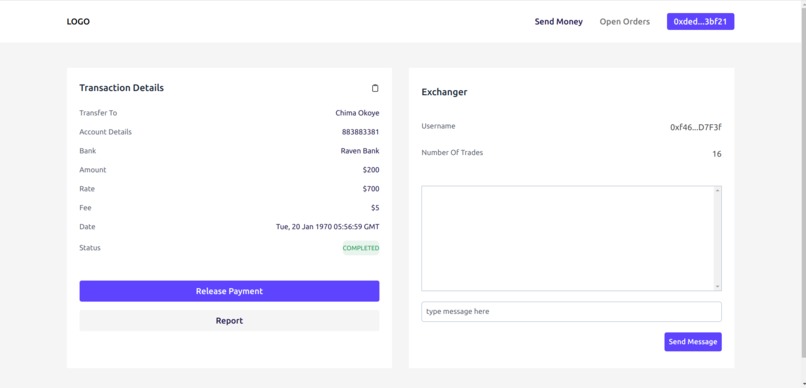
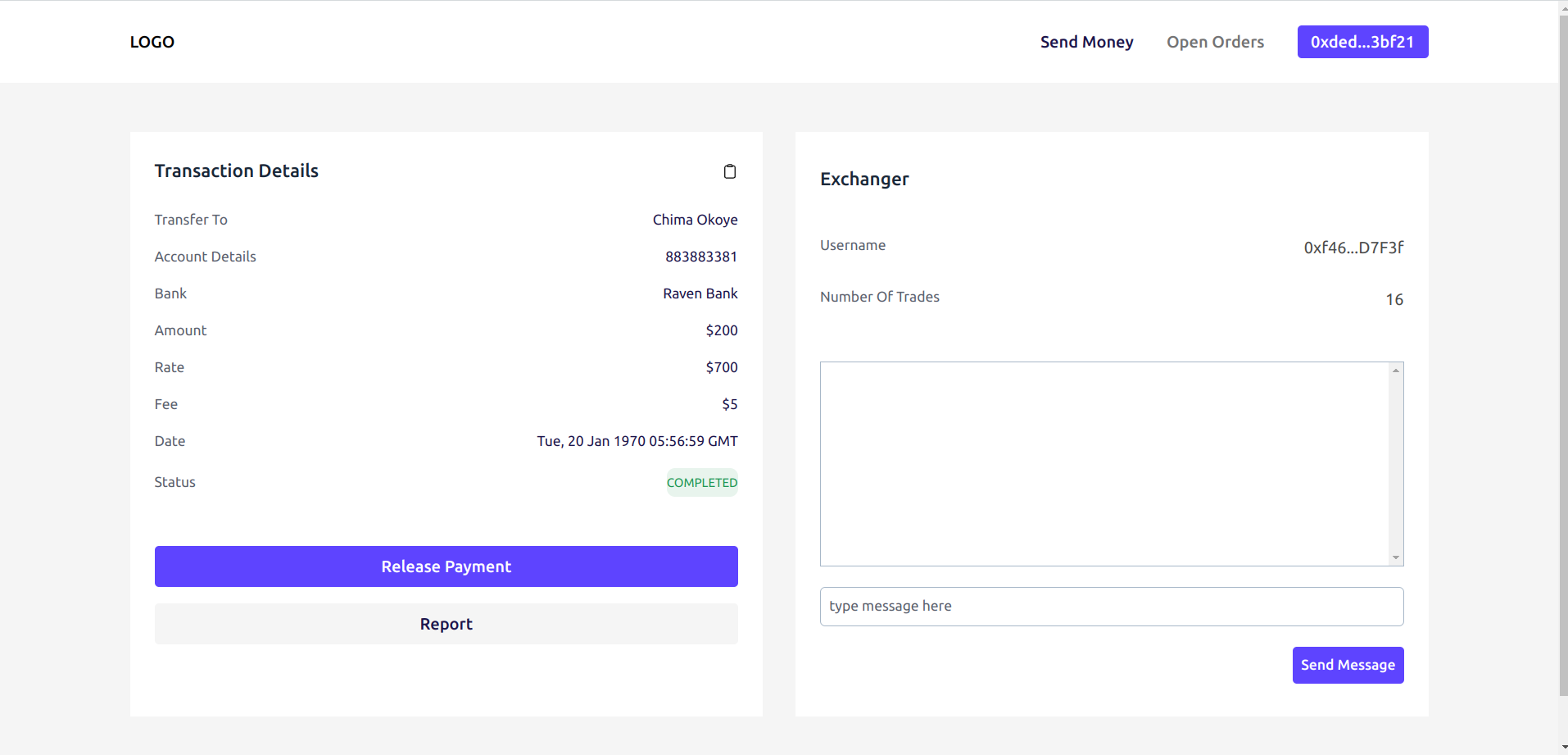
Release Payment Page
-
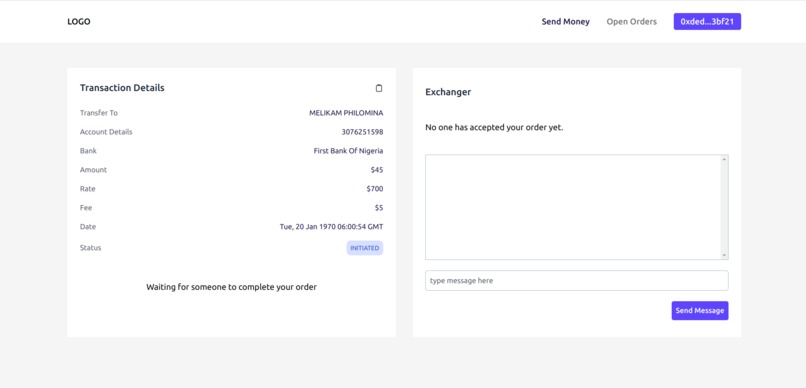
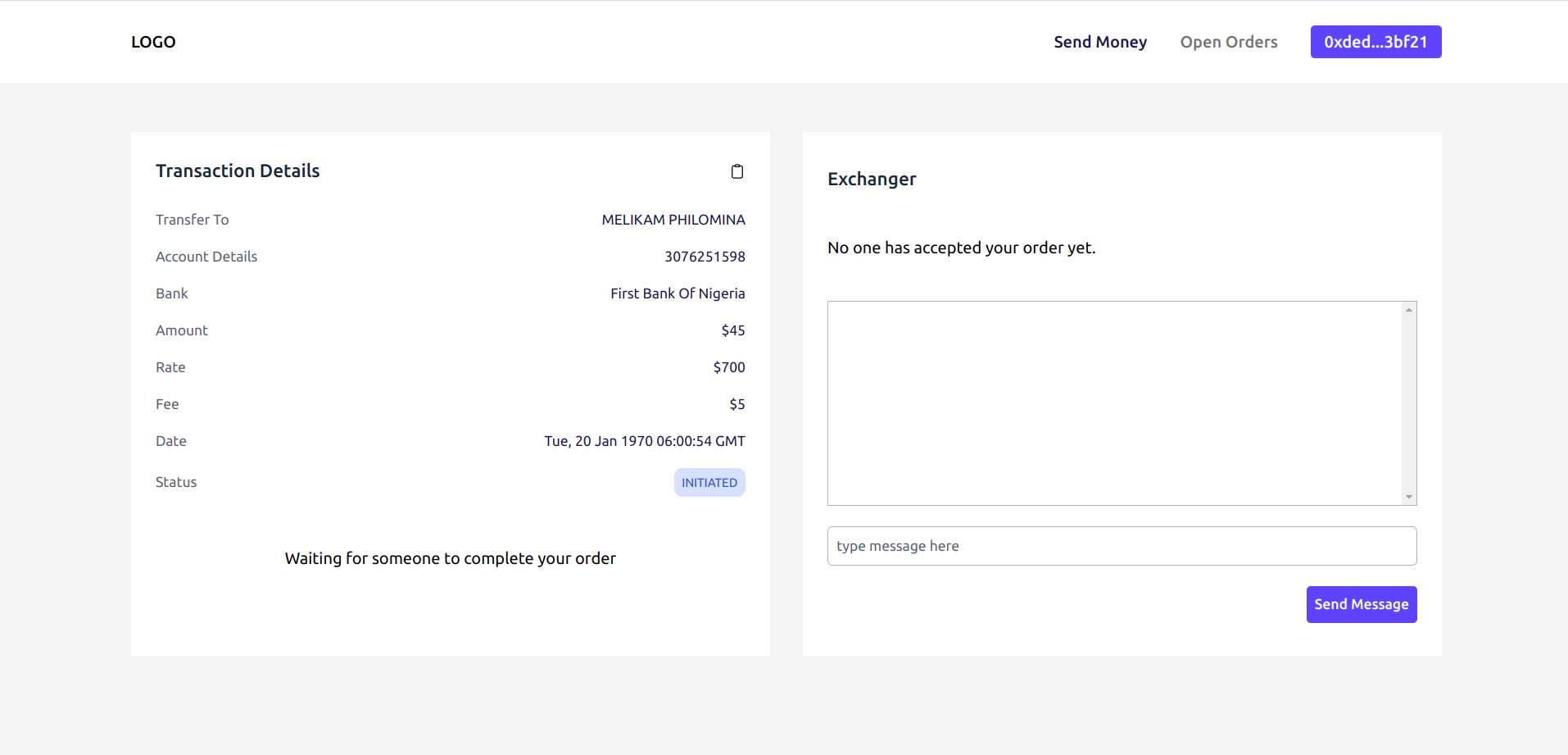
Order Details Page
-
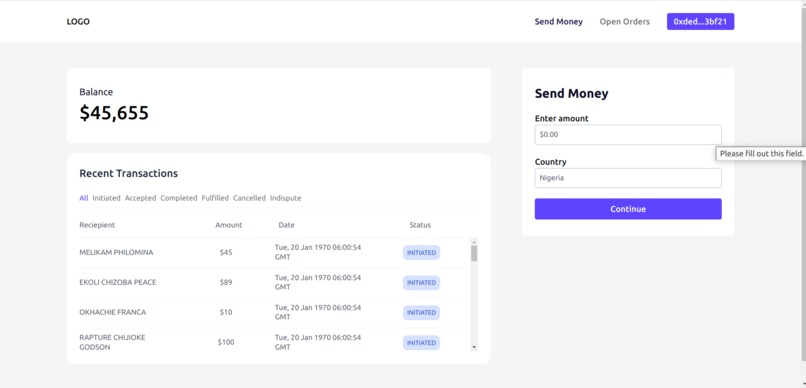
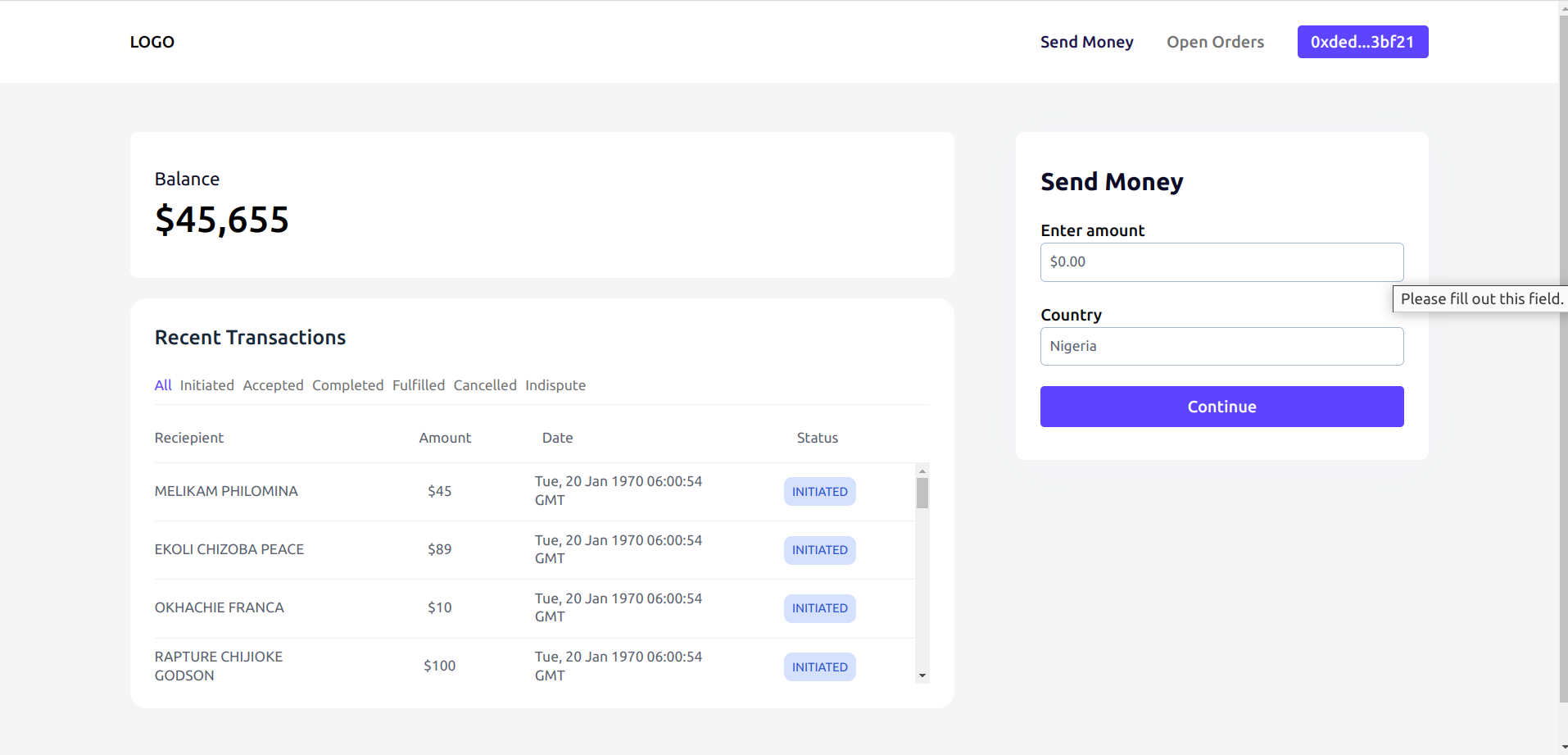
Dashboard
-
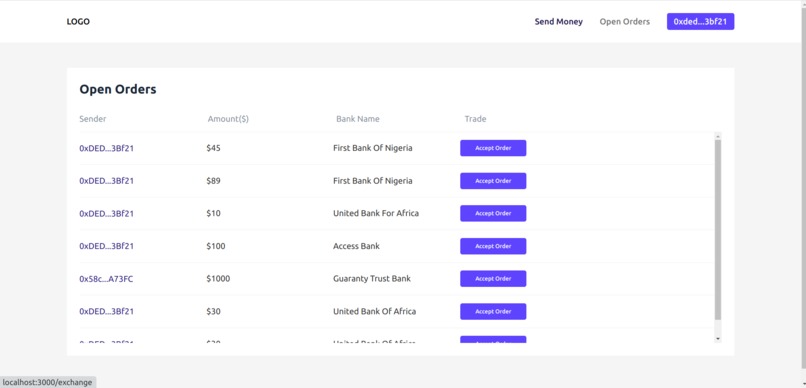
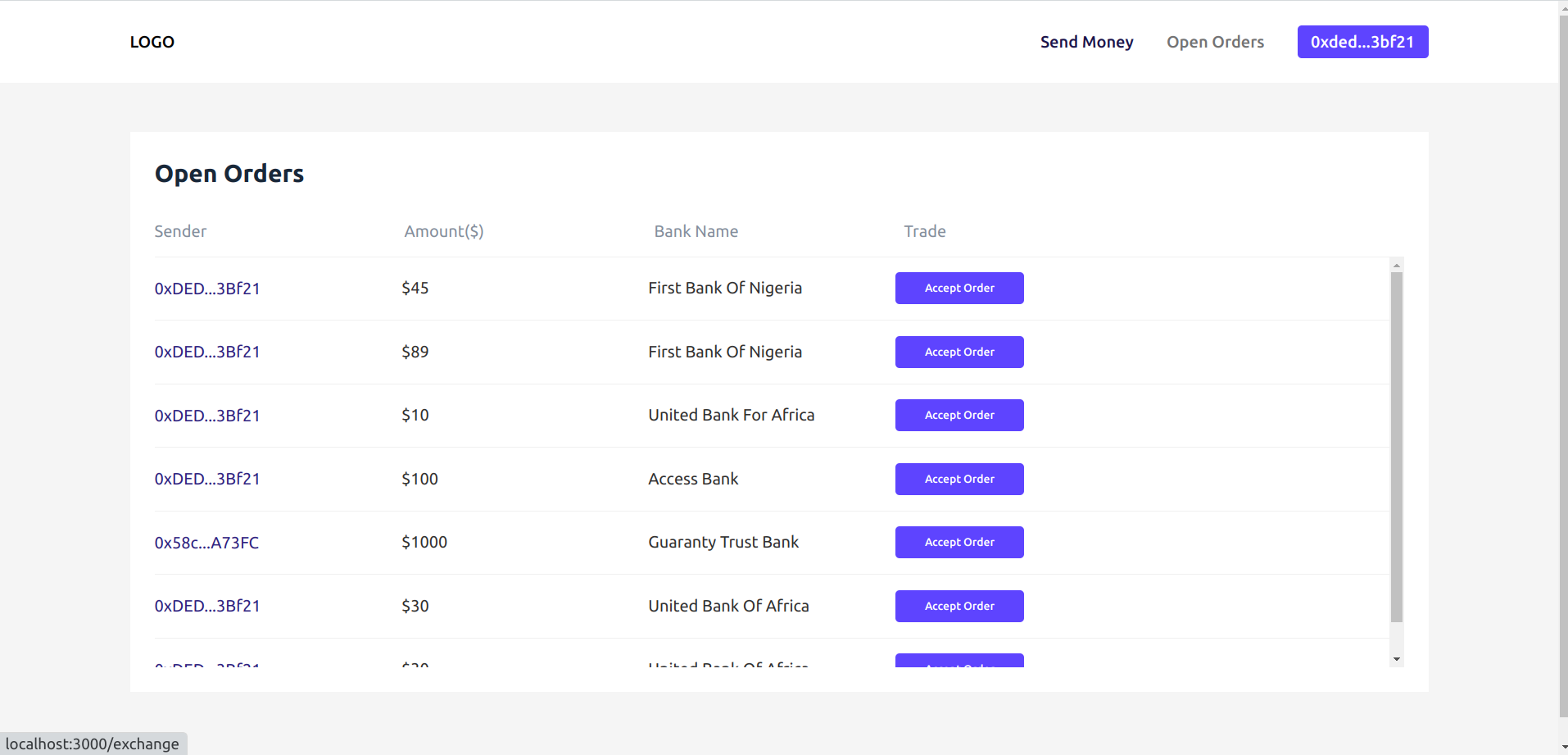
Orders Page
-
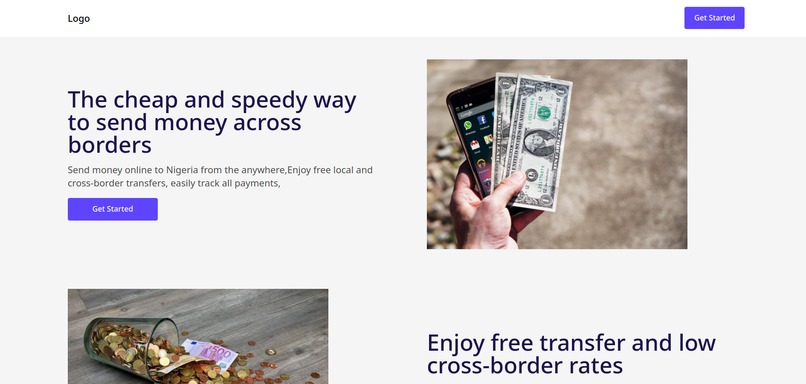
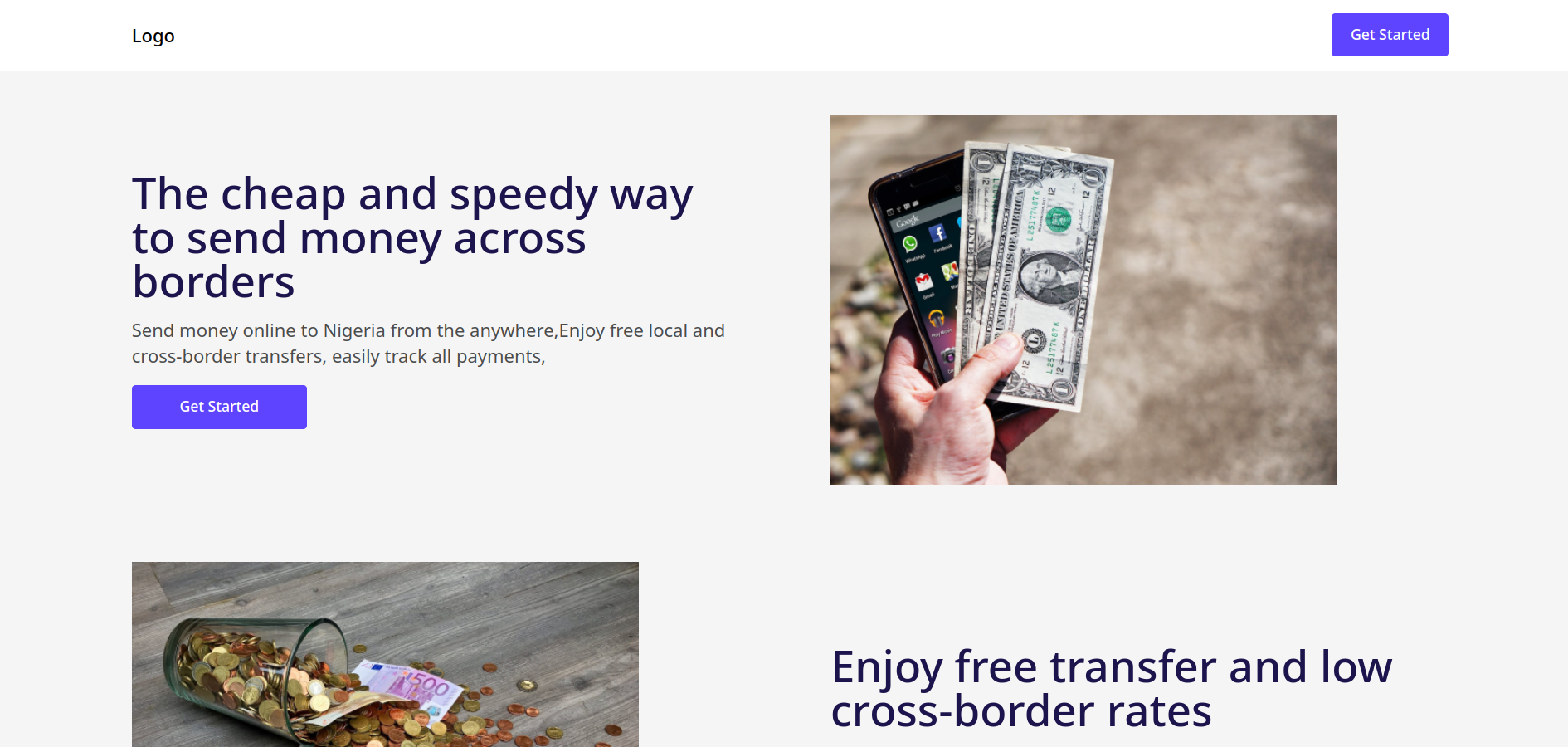
Radenu Homepage
-
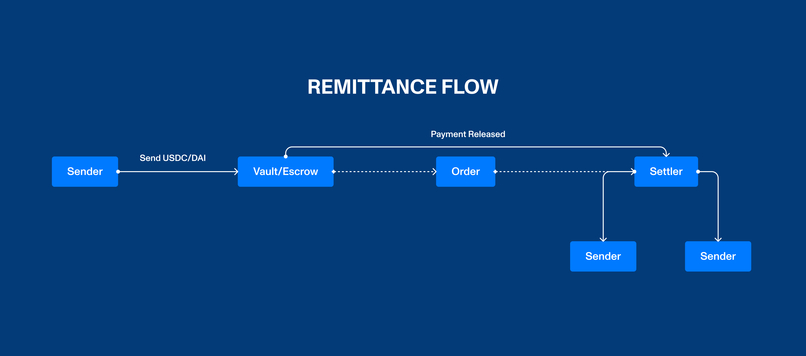
Payment Workflow

Inspiration
We were inspired to build Radenu protocol, a decentralized, non-custodial peer-to-peer remittance payment protocol because we firmly believe that for Web3 to gain true adoption it needs to power real-world business use cases. The World Bank predicts that remittances to low-and-middle-income- countries will be 5.4 trillion US Dollars by 2030. We believe this is a huge addressable market and Web3 can solve the associated problems of traditional solutions such as the time delay in sending money from one country to another and the exorbitant fees paid to the processing bank networks to enable the transfers. We, therefore, decided to take on this challenge by building a Web3 native remittance payment protocol.
What it does
Radenu enables users around the world to send remittance payments to family members in their home countries using cryptocurrency, however, the recipient receives the money in their local currency bank account. This is made possible by a decentralized network of settlers that actually send the amount to the local bank account of the receiver so as to claim the cryptocurrency associated with the payment alongside other incentives.
How we built it
Radenu was built using smart contracts on Evmos, React for the frontend, and Metamask wallet for easy onboarding of users to the platform.
Challenges we ran into
The main challenge we ran into was the problem of arbitration on the platform which is currently based on a time constraint on the transfer of funds.
Accomplishments that we're proud of
Our proudest achievement is the ease of the onboarding experience on Radenu. It allows users new to easily send an amount of money to any bank account in a supported jurisdiction through an order in cryptocurrency (stablecoin), which is fulfilled in the local currency of the recipient.
What we learned
We discovered the efficiency of Evmos because of the low gas fees, a sticking point for some other blockchains that affect the kind of applications that can be built on them, owing to the high cost of on-chain interactions, but with Evmos, different design paradigms could be explored.
What's next for Radenu Remittance Protocol
We intend to continue to build out the product and spun it into a full-fledged startup as it serves a clear use case in an incredible market segment. To that end, we intend to raise funding going forward.
Built With
- evmos
- hardhat
- javascript
- react
- solidity


Log in or sign up for Devpost to join the conversation.