-
-
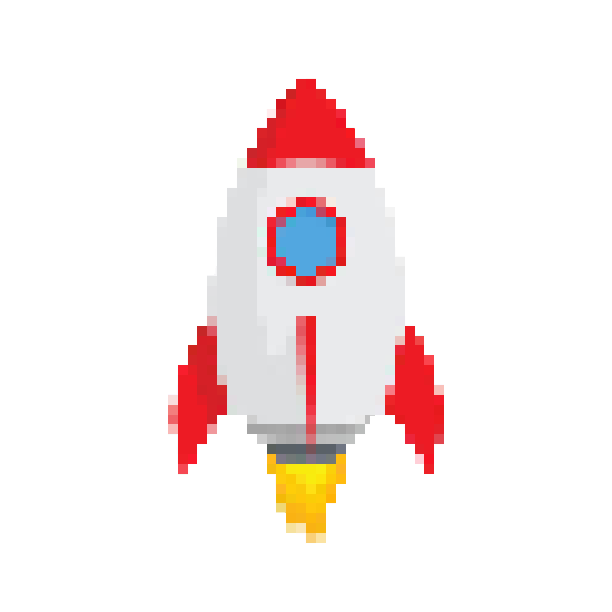
rocketshipSprite1
-
rocketshipSprite2
-
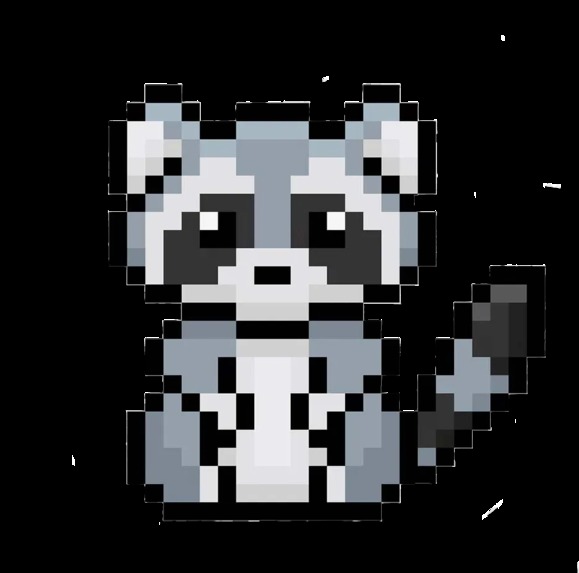
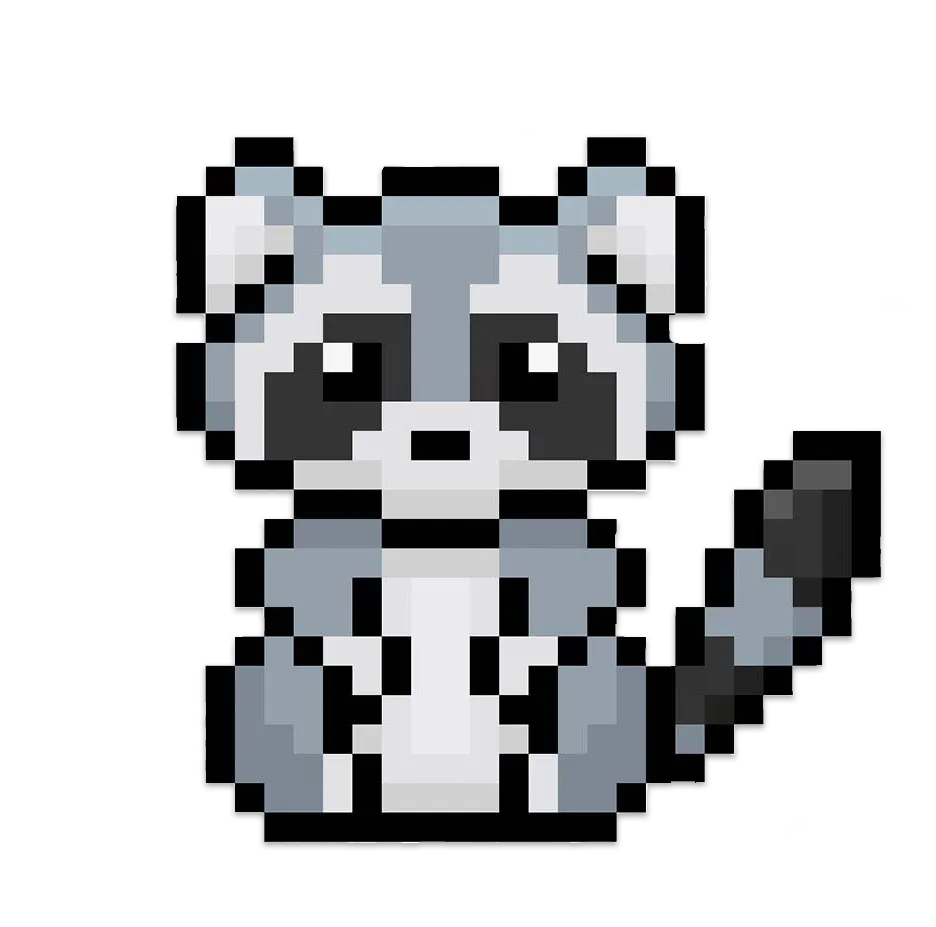
raccoonSprite1
-
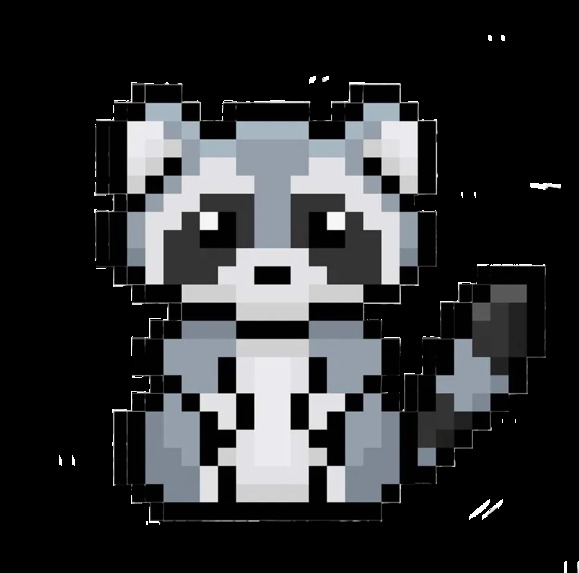
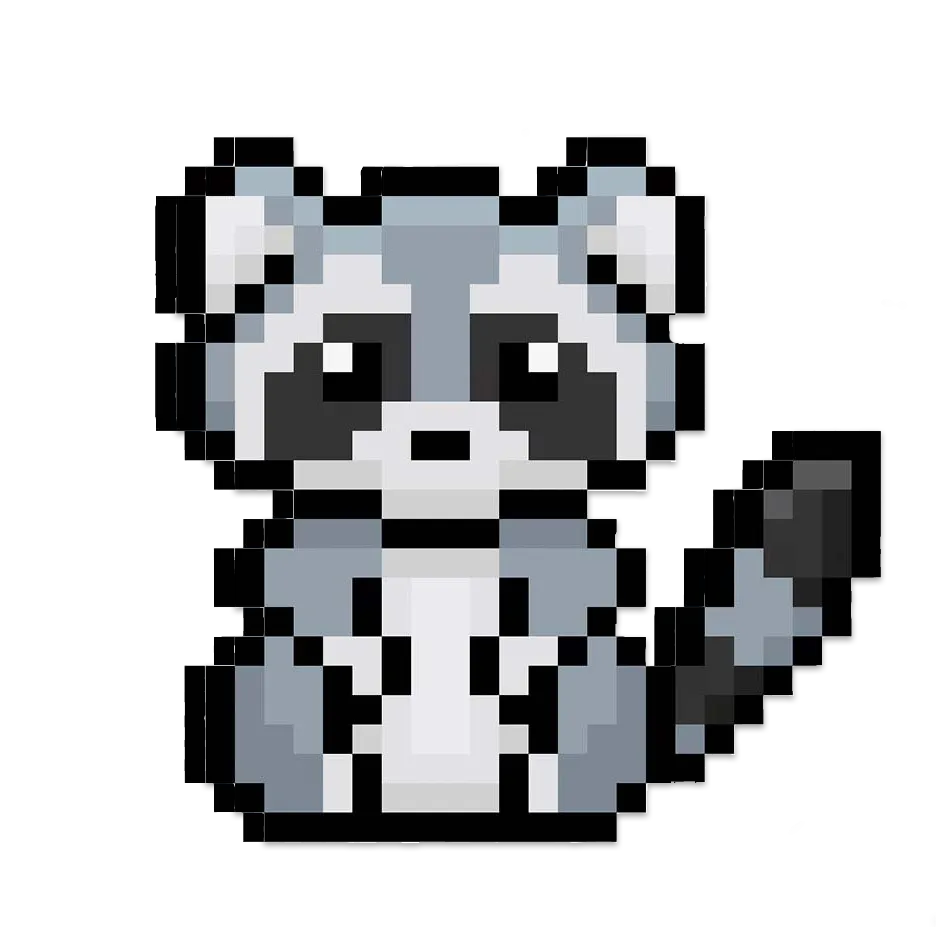
raccoonSprite2
-
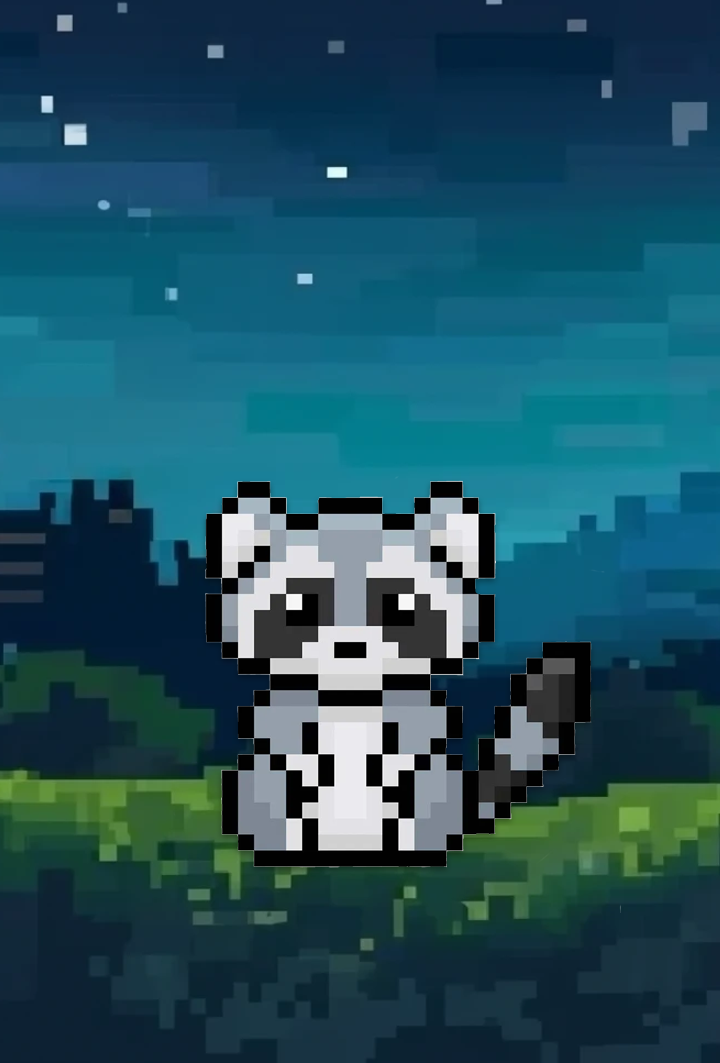
thumbnail
-
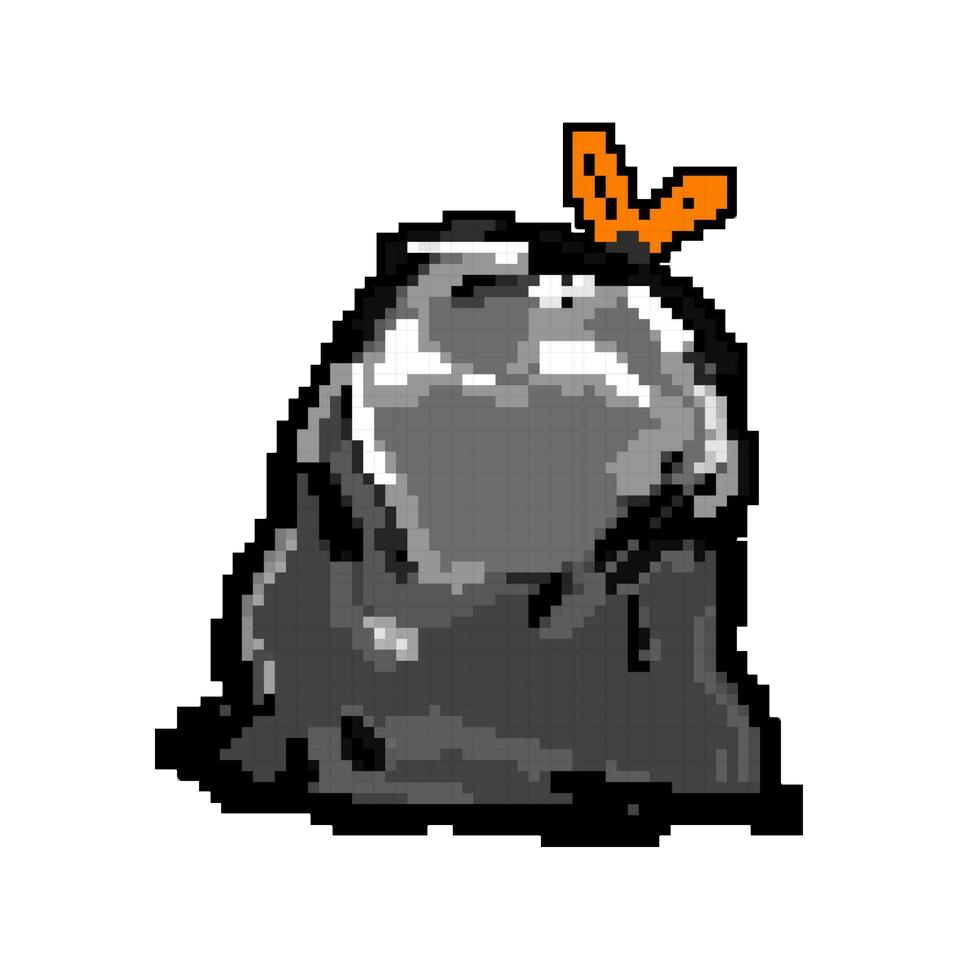
trash1
-
recycle1
Inspiration
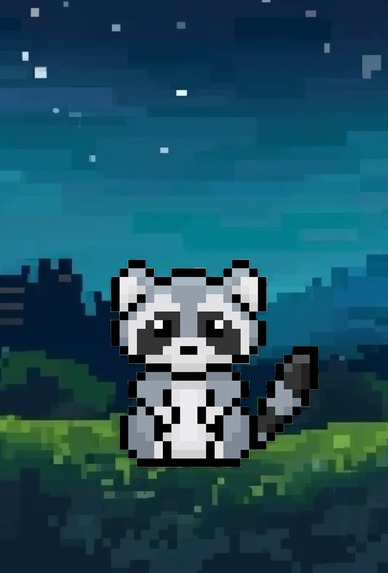
Our group all has experience working with kids and has noticed a consistent problem in a disregard for our environment. Even walking to the hackathon today, we passed by trash bins and recycle bins, and the trash was overflowing with recyclables while the blue recycle bin had barely anything in it. The raccoon mascot from our game actually came from a real raccoon passionately digging around a recycle bin in our Freshmen dorms. Our shared experience in working with young kids led us to believe that teaching children at a young age to do what's right would allow for a better, and more socially sustainable world.
What it does
When something is not obviously affecting a young mind, they often do not see it as an issue, so raising awareness becomes necessary. Additionally, creating this positive impact at a young age would allow for a more concrete foundation for the idea of caring for the environment and even other people in general.
How we built it
Originating with Unity, our group began working with Godot and eventually created an entire game concept with animated sprites, player movement, gravity, randomized and conditional spawning of multiple objects, and collisions. The animations consisted of photoshopping several different png files and creating scripts in GDscript. To do even this small aspect of the hackathon, we had to spend time learning how to use the UI of Godot while allowing it to interact with our code. To create gravity, we created variables such as velocity and changed its value depending on the sprite it was being used on since we recycled code for gravity after figuring it out. Additionally, we made use of the extensive number of nodes in Godot, though this caused countless bugs that took time to solve as the scripts interacted with the nodes. Randomizing numbers for spawnpoints of the trash and recyclables was relatively simple by using modulo for the x value and creating the initial y value before gravity offscreen. As first time users, this learning curve became difficult and even disorientating at times, but our persistence as a group allowed us to proceed and create a final project that we are all extremely happy with.
Challenges we ran into
Implementing our ideas became increasingly difficult, and the learning curve to transfer knowledge into our first game for our first hackathon took time to eventually come out feeling rewarding. Most challenges came from our feelings of inferiority relating to those who are more experienced, but this event definitely helped to make us realize that we are on our way to becoming great engineers.
Accomplishments that we're proud of
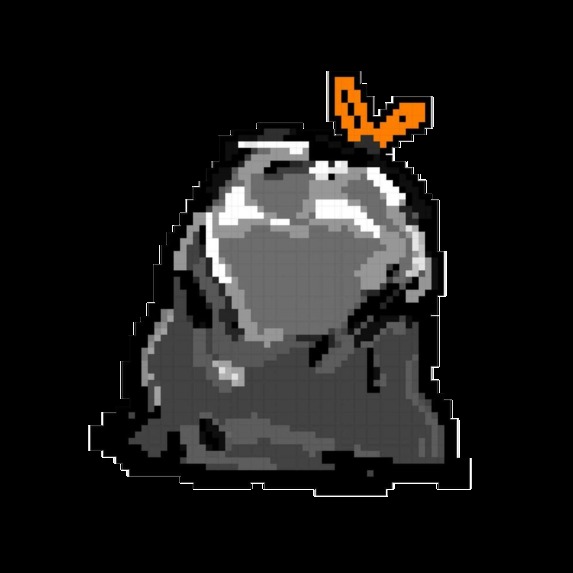
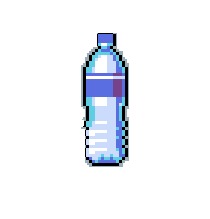
Solving the problems relating to our spawning and initializing instances of the objects (trash and recyclables) took hours, but we eventually solved it. To actually spawn our collectibles, we had to create nodes, child nodes, scripts, animations, variables, and learn beyond what we have in our CS class. This truly pushed our limits as we were learning completely new as we built something entirely from the ground up. Our group grew as engineers alongside the project's growth.
What we learned
Coming into this with no experience in Godot, GDscript, or even hackathons in general led us to having learned an incredible amount of jargon, scripting knowledge, and people as we networked. Talking to our peers and even those older and more experienced than us allowed for growth in ways that normal classes and lectures simply does not.
What's next for Raccoon Recycling
Raccoon Recycling will be refined into a more complete idea after our original concept pitch today as we learn more about Godot. Our group plans to meet up after the hackathon and midterms to discuss what went right and wrong and how we can learn from our experience.
Tracks
We are competing for best beginner, most sustainable, best UI, and best social impact.
Built With
- gdscript
- godot
- photoshop

Log in or sign up for Devpost to join the conversation.