-
-
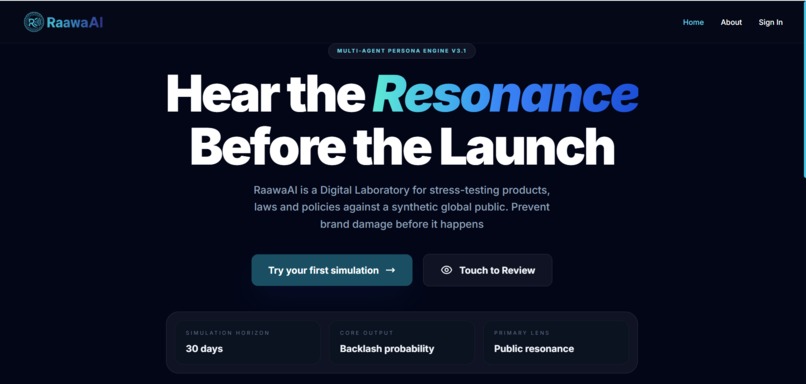
Home page
-
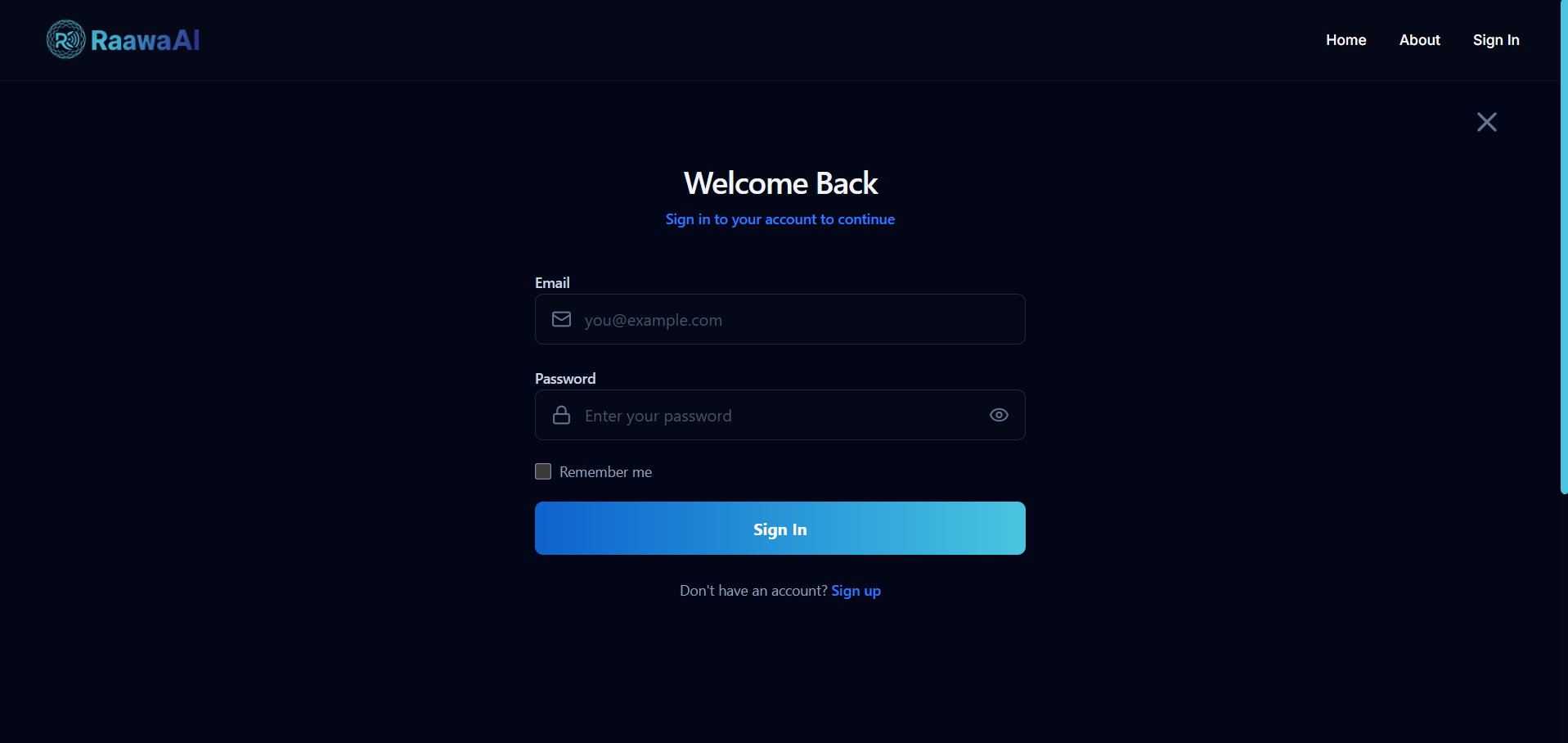
Sign In for organizations page
-
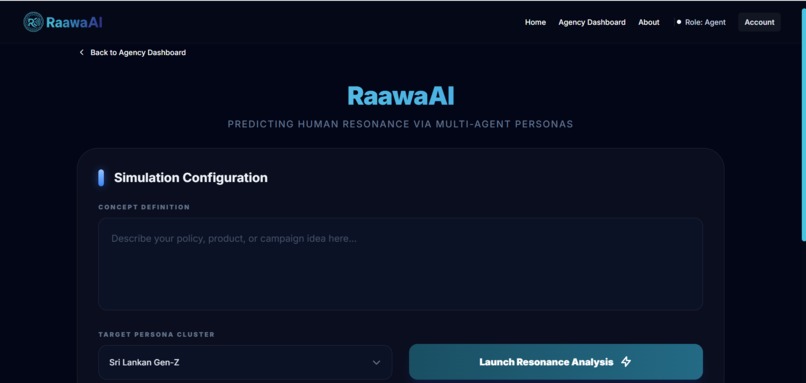
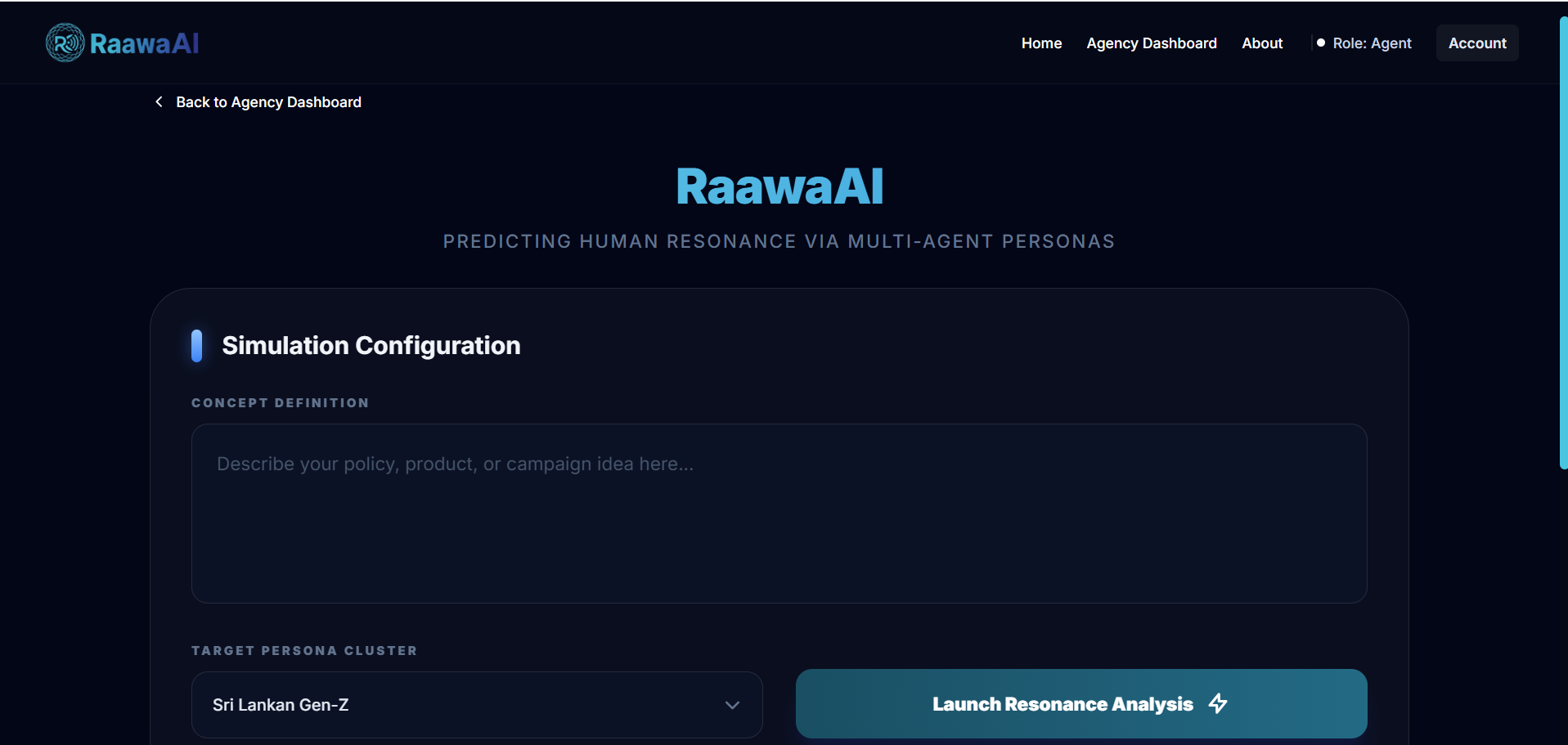
Simulation page
-
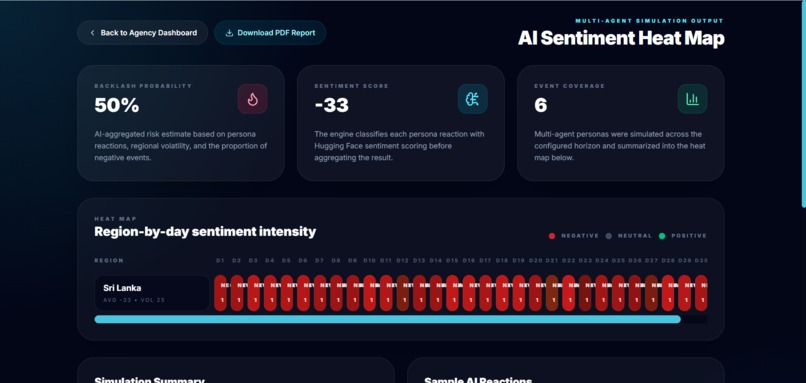
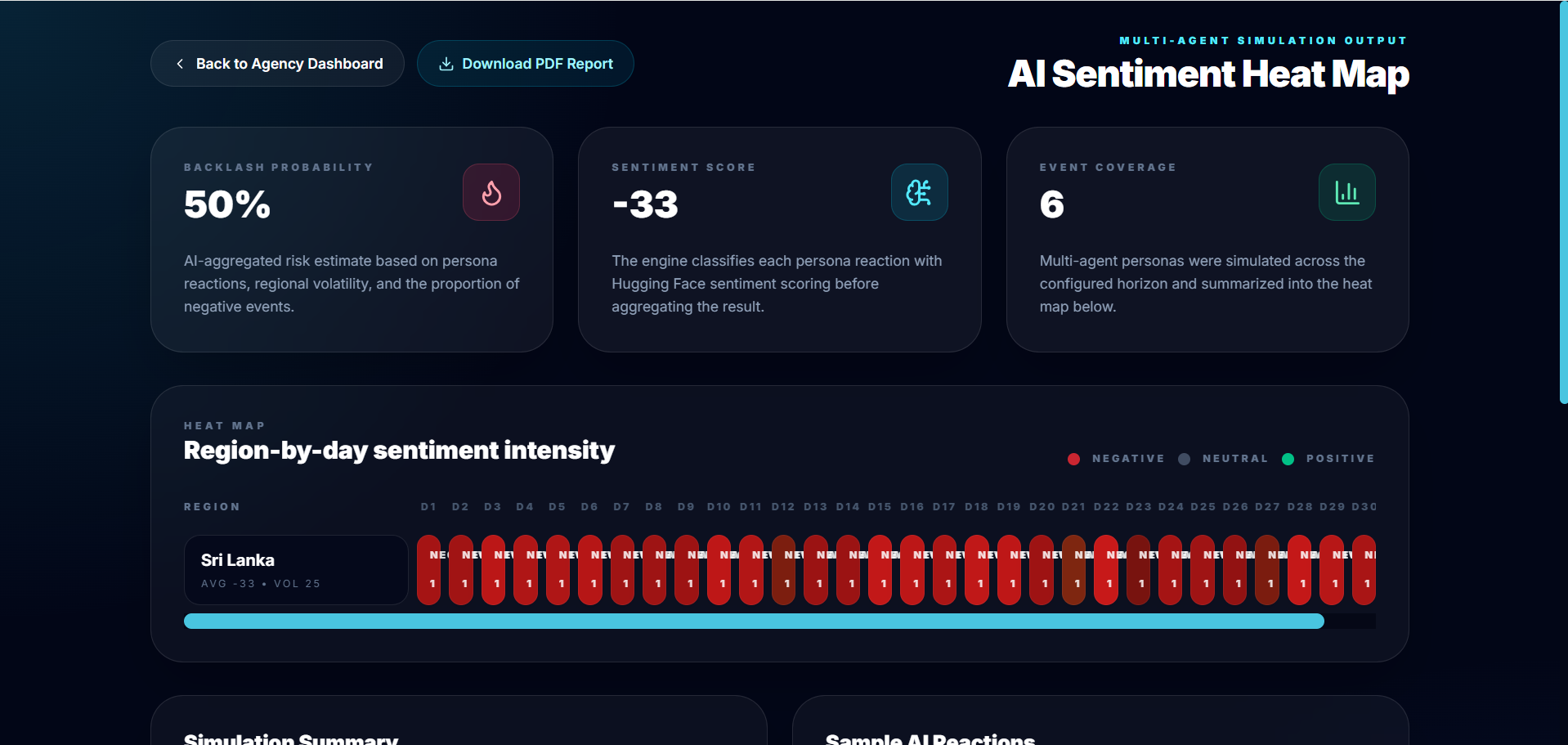
Simulation results and report generation page
-
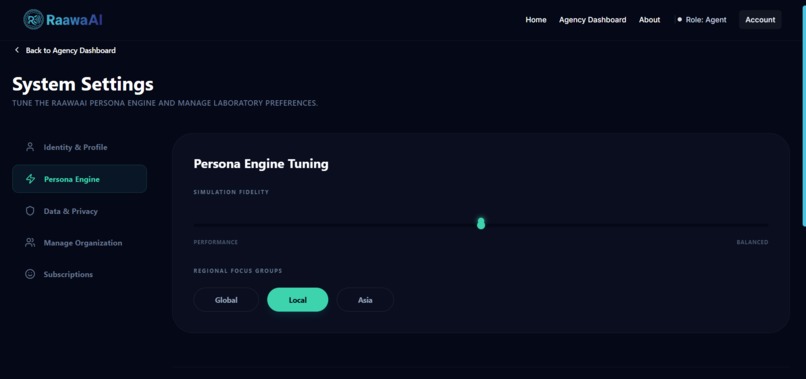
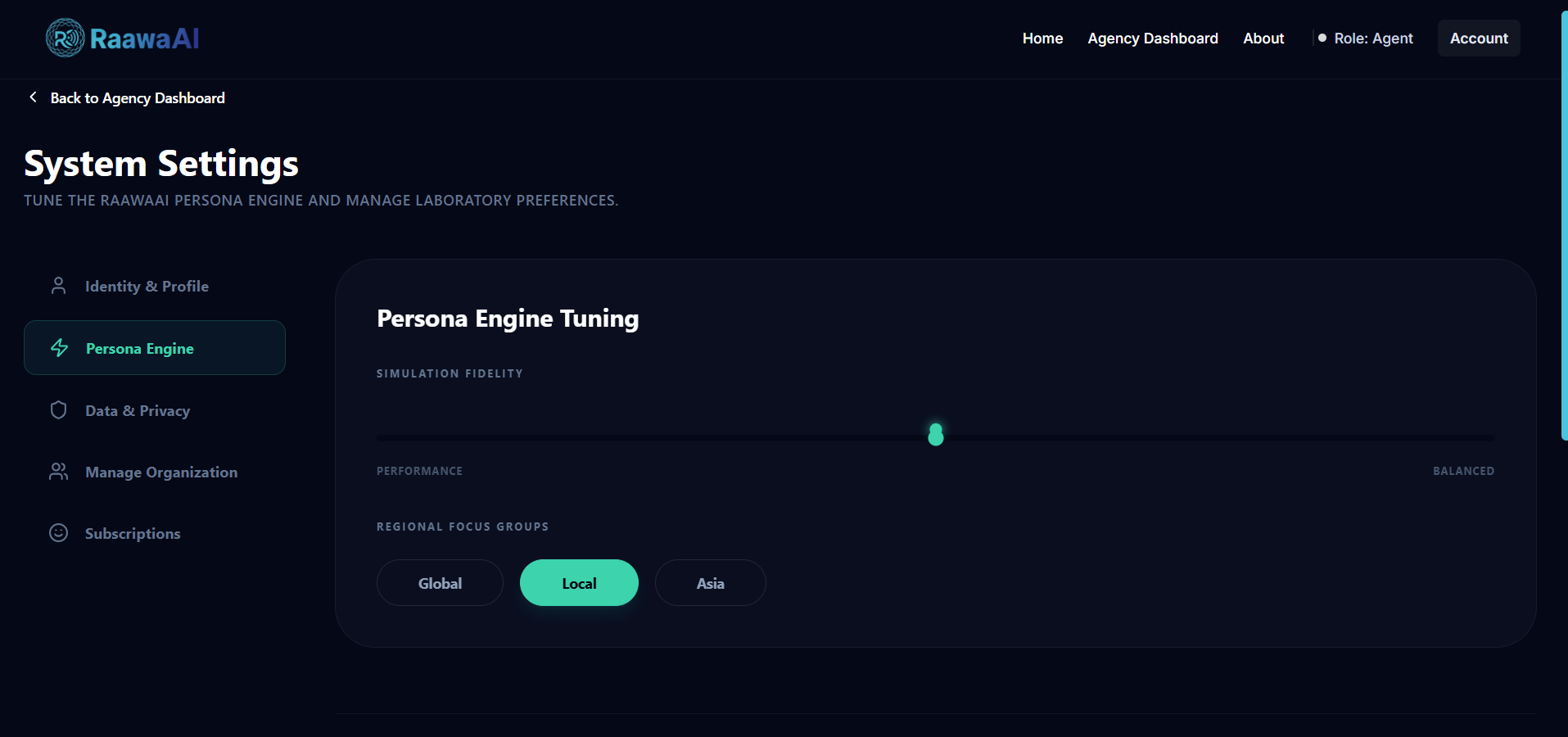
System Settings page
-
Reviewer login page
-
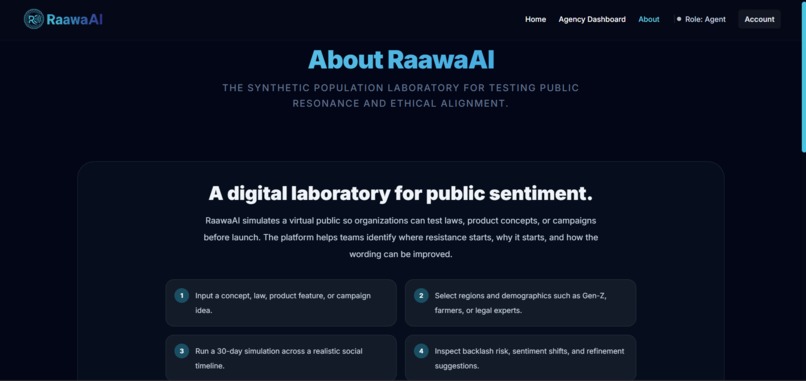
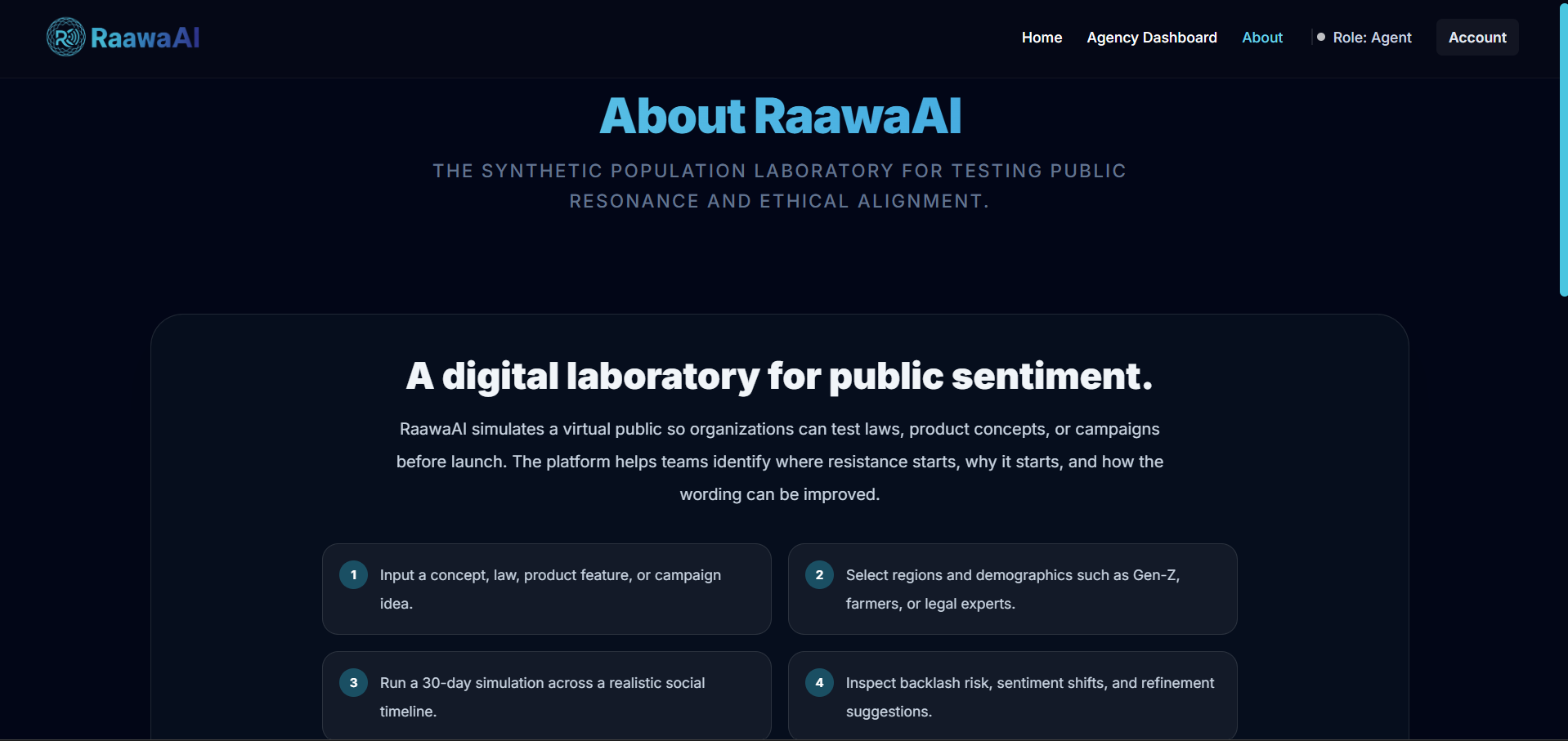
About page
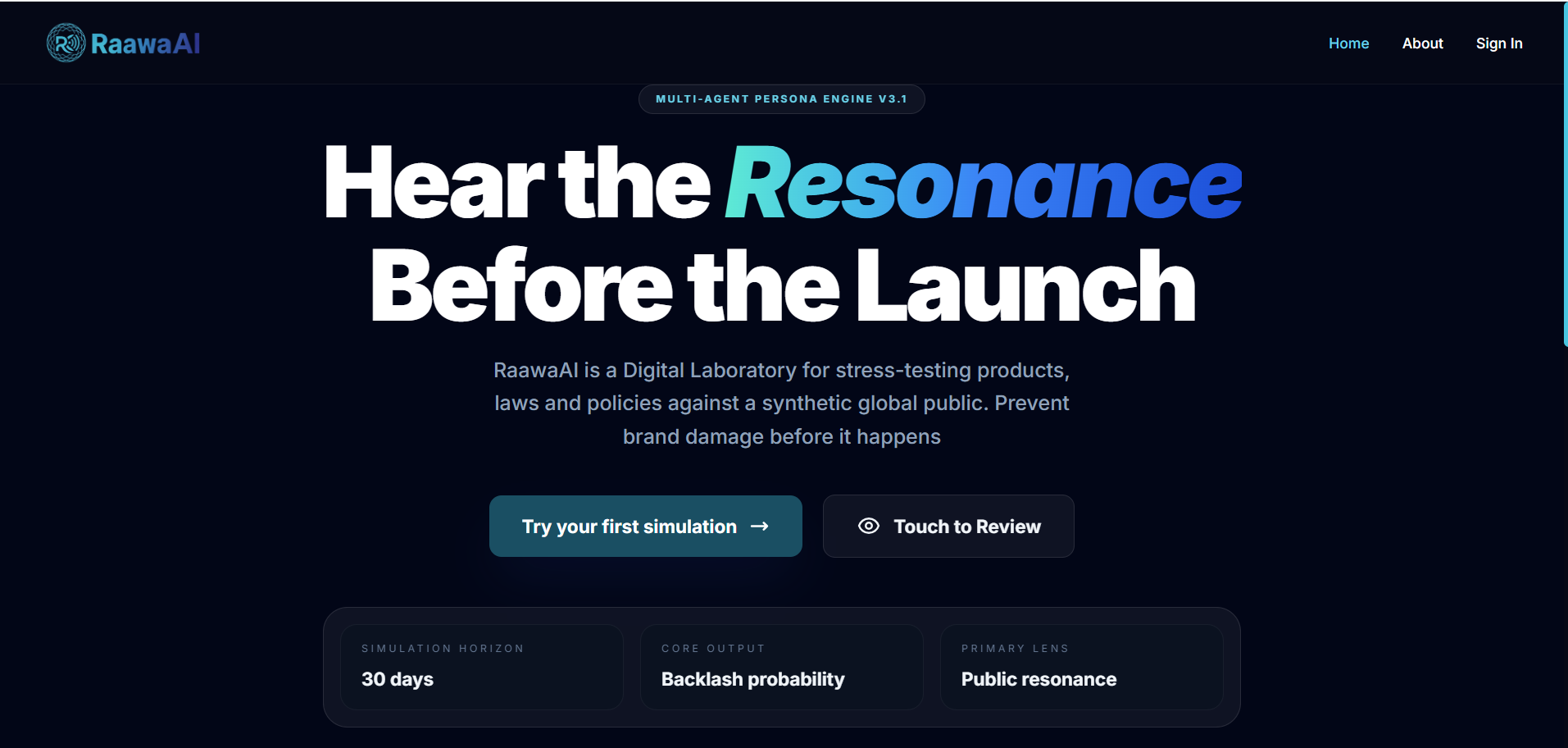
RaawaAI
💡 What Inspired Us
In today’s hyper-connected world, organizations frequently face the "Blind Launch" risk. Whether it is a government introducing a tax policy, a corporate brand launching a product, or a tech giant rolling out a UI update, they usually launch first and analyze the catastrophic public backlash afterward. A single misunderstood feature or policy can instantly destroy brand reputation and waste massive budgets.
We wanted to build a "Social Safety Net for Innovation", A digital sandbox where decision-makers could stress-test their ideas and human emotional resonance with scientific precision before exposing them to the real world. This inspired RaawaAI (named after Raawa, meaning resonance).
🧠 What We Learned
Building a multi-agent social laboratory taught our team deep architectural and socio-technical lessons:
- The Complexity of Human Bias: We learned that public backlash rarely stems from a lack of utility. As we observed in our case studies, factors like UI placement autonomy, material durability expectations, or regional taste thresholds completely dictate public sentiment.
- Synthetic Over Scraping: We realized that traditional data scraping is slow, expensive, and invasive. Shifting to generative multi-agent simulation allows organizations to extract high-level social intelligence while bypassing data privacy barriers entirely.
- Game Theory in AI: We learned how to transition LLMs from basic conversational tools into predictive entities by applying game theory and persona-based configurations.
How We Built the Project
We engineered RaawaAI by bridging Generative AI, Multi-Agent System (MAS) logic, into a unified architecture:
🧠 The Brain (AI Model Engine)
Powered by Large Language Models configured specifically for Persona-Based Reasoning and sentiment classification. We built a hive of diverse, independent AI agents representing distinct demographics (e.g., Sri Lankan Gen-Z, rural farmers, legal experts).
💻 The Body (Web Dashboard)
Built a highly responsive, scannable user interface using React and Tailwind CSS to visualize complex data points.
📊 The Analytics & Backend Layer
Powered by FastAPI (Python) and DynamoDB. It processes user input over a simulated 30-day timeline to generate:
- A Sentiment Volatility Heatmap tracking demographic and geographical risk hotspots.
- A Backlash Probability Score (0-100%) alongside an automated Policy Refinement AI that suggests text modifications to optimize public acceptance.
⚠️ Challenges We Faced
- Preventing LLM Homogeneity: A major technical hurdle was ensuring the AI agents didn't lean into generic, uniform responses. Forcing agents representing polarized groups to think, behave, and maintain distinct cultural and social values independently required strict prompt boundaries and specialized synthetic datasets.
Project Impact: RaawaAI replaces guesswork with simulative data. By allowing organizations to experience "virtual failure," we ensure they achieve real-world success, fostering policies people trust, products people love, and a society with less friction.
