-
-
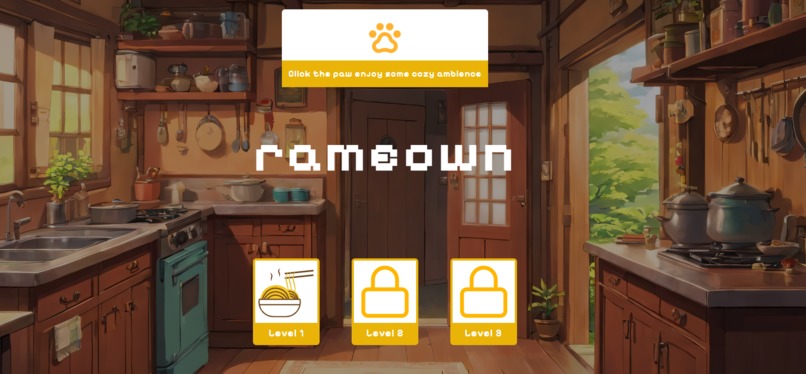
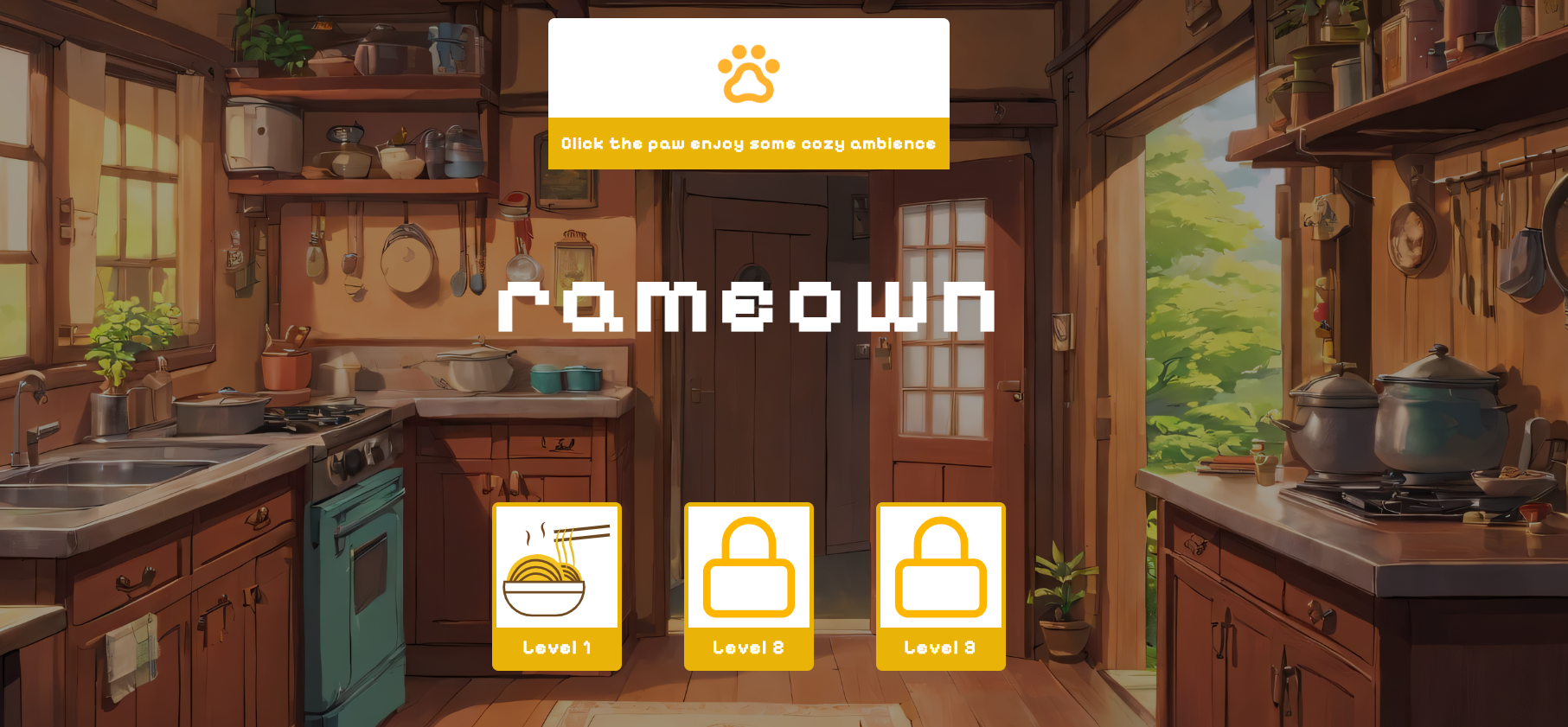
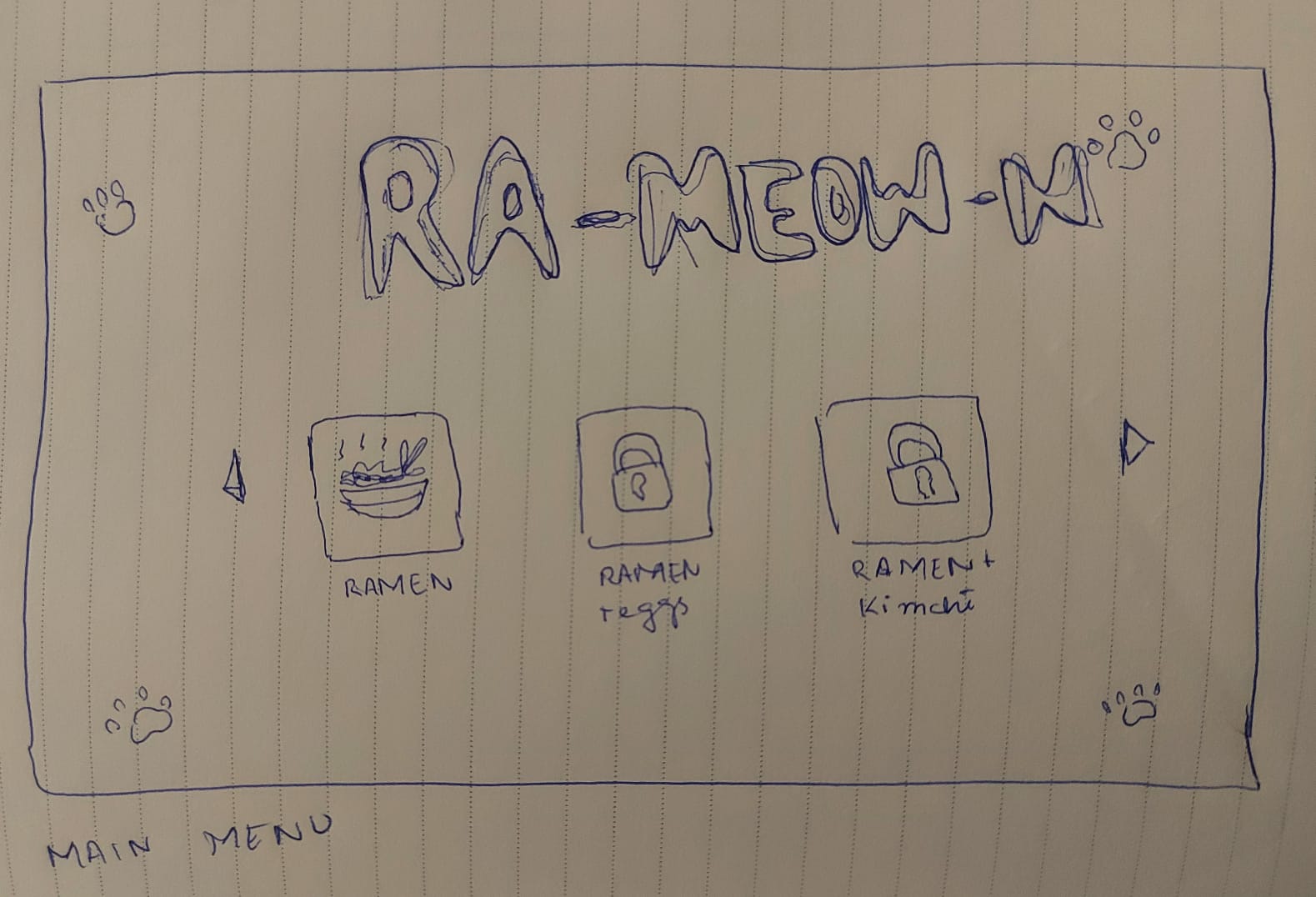
rameown home page
-
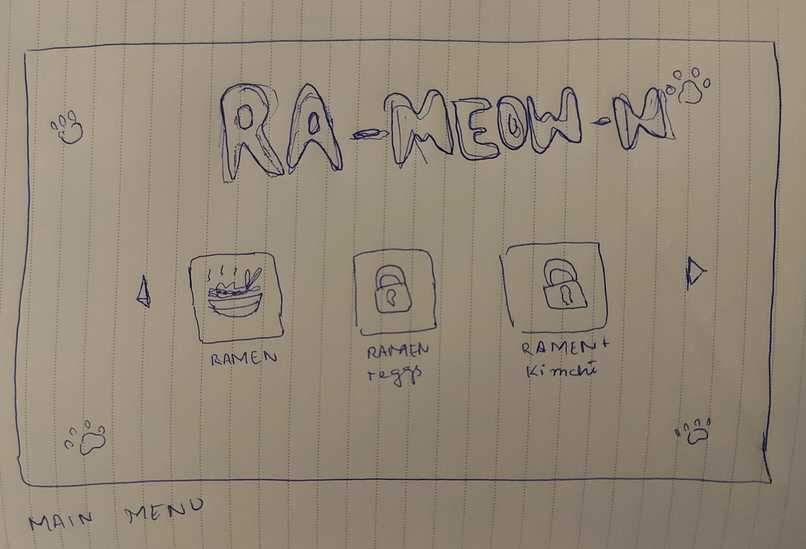
Low-fidelity design sketch for rameown
-
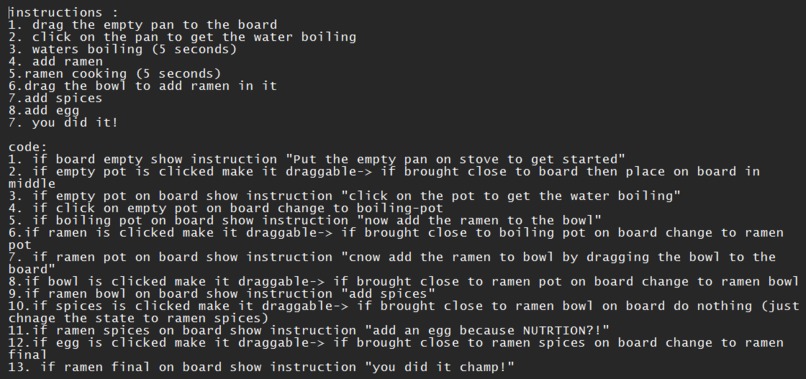
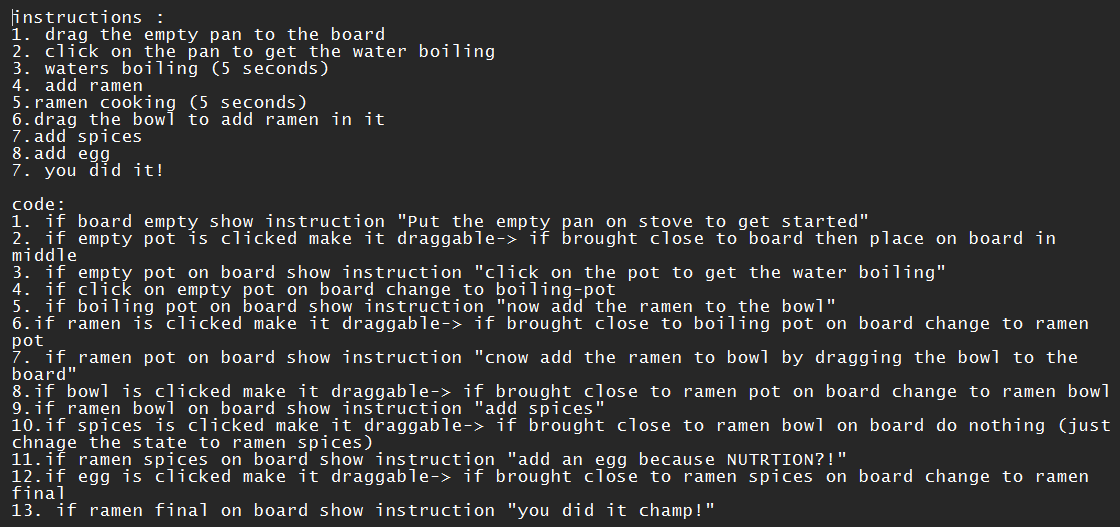
Pseudocode prompt given to amazon q
Inspiration
"Most of our childhood is stored not in photos, but in certain biscuits, lights of day, smells, textures of carpet."
Growing up, I spent hours playing games like Cooking Fever and Hay Day. I loved how time seemed to slow down—like life hit pause, and I could just focus on the simple joy of creating something.
These days, life feels like the opposite—constant rush, endless notifications, and social media overstimulation rarely leave space to breathe. I wanted to recreate the stillness of childhood—the calmness, the joy of small actions, and the way life felt slower and more meaningful.
What It Does
rameown ( ra-meow-n: a combo of ramen+meow) is a game that’s all about slowing down. There’s no rush, no high score to chase—just you, a crackling fire in the background, and your ramen.
The gameplay is simple yet satisfying. You light the fire, put the pan on the stove, and wait for the water to boil. With soft sound effects and a cozy atmosphere, it’s designed to help you relax and enjoy the moment.
Unlike most games that demand speed and strategy, ra-meow-n focuses on the joy of the process. It’s a gentle escape from the busyness of everyday life.
How I Built It
I built ra-meow-n using AWS Amplify, ReactJS, TypeScript, and Vite. Here’s how the process unfolded:
Design Phase:
- I started with a simple idea and sketched low-fidelity designs in my notebook. These sketches helped me map out the basic user flow and gameplay mechanics.
- I started with a simple idea and sketched low-fidelity designs in my notebook. These sketches helped me map out the basic user flow and gameplay mechanics.
Setup:
- I set up the project with Tailwind CSS and TypeScript using AWS Amplify for deployment.
- I set up the project with Tailwind CSS and TypeScript using AWS Amplify for deployment.
Development:
- I wrote basic pseudocode to outline the core gameplay features.
- Amazon Q Developer was my go-to for debugging and feature implementation. It provided insightful recommendations and helped me optimize the game state, making development much smoother.
- I wrote basic pseudocode to outline the core gameplay features.
The sound effects were carefully chosen to enhance the relaxing atmosphere, and AWS Amplify ensured a seamless deployment process.
Challenges I Ran Into
Every project comes with its challenges, and ra-meow-n was no different:
Managing the Game State:
- I struggled with state management initially, but Amazon Q helped me learn about generic types in TypeScript, which made the process much easier.
- I struggled with state management initially, but Amazon Q helped me learn about generic types in TypeScript, which made the process much easier.
Finding the Right Visuals:
- It was difficult to find images and SVGs that matched the cozy aesthetic I envisioned.
- It was difficult to find images and SVGs that matched the cozy aesthetic I envisioned.
Syncing Sound Effects:
- Adding relevant sound effects and ensuring they aligned perfectly with gameplay actions required a lot of trial and error.
- Adding relevant sound effects and ensuring they aligned perfectly with gameplay actions required a lot of trial and error.
Accomplishments That I'm Proud Of
This project was filled with “firsts” for me:
- My first time participating in a hackathon.
- My first time building a game.
- My first time using AWS Amplify for deployment.
- My first time not relying on GPT for project guidance (full credit to Amazon Q for that).
I’m proud of how much I learned and how much fun I had during the process. I’m excited to use these tools and techniques in future projects.
What I Learned
- How AWS Amplify simplifies deployment and hosting.
- The basics of game development for the web.
- How to craft effective prompts to maximize tool output.
- The importance of user experience in designing calming gameplay.
- How sound design can completely change the feel of a game.
- How to use TypeScript’s generic types for better state management.
What’s Next for rameown
- Adding more levels to expand gameplay and introduce new ramen-making challenges.
- Making the website fully responsive for a seamless experience across all devices.
Built With
- amazon-q
- amplify
- tailwind
- typescript
- vite


Log in or sign up for Devpost to join the conversation.