Inspiration
QX-1 began with a simple question: what would quantum travel feel like if it were experienced from inside a spacecraft, rather than only described in a film or shown as static concept art?
I wanted to combine futuristic industrial design, real-time 3D graphics, and virtual reality to create a believable journey between normal space and an imagined quantum transit state. Instead of building only a detailed spaceship model, my goal was to transform the spacecraft into an interactive experience that communicates speed, scale, energy, and atmosphere.
QX-1 is not presented as a scientifically accurate quantum simulation. It is a speculative design and visualization prototype that explores how future transportation technology could be experienced through a browser and a VR headset.
What it does
QX-1 is an immersive browser-based quantum travel experience centered around an original futuristic spacecraft.
The user can experience three different stages of quantum navigation:
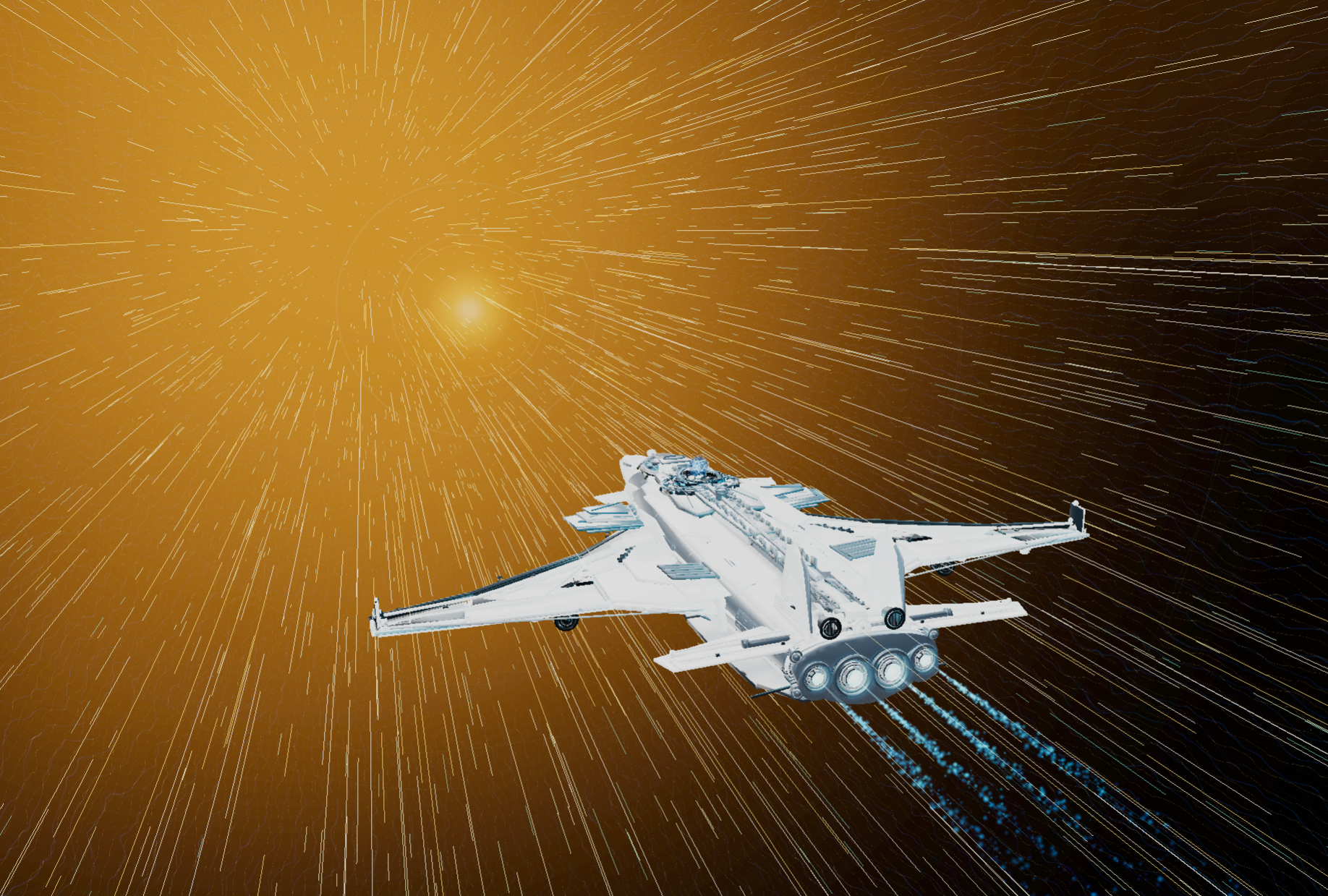
- Jump Initiation — golden particles and energy streaks converge as the quantum drive begins charging.
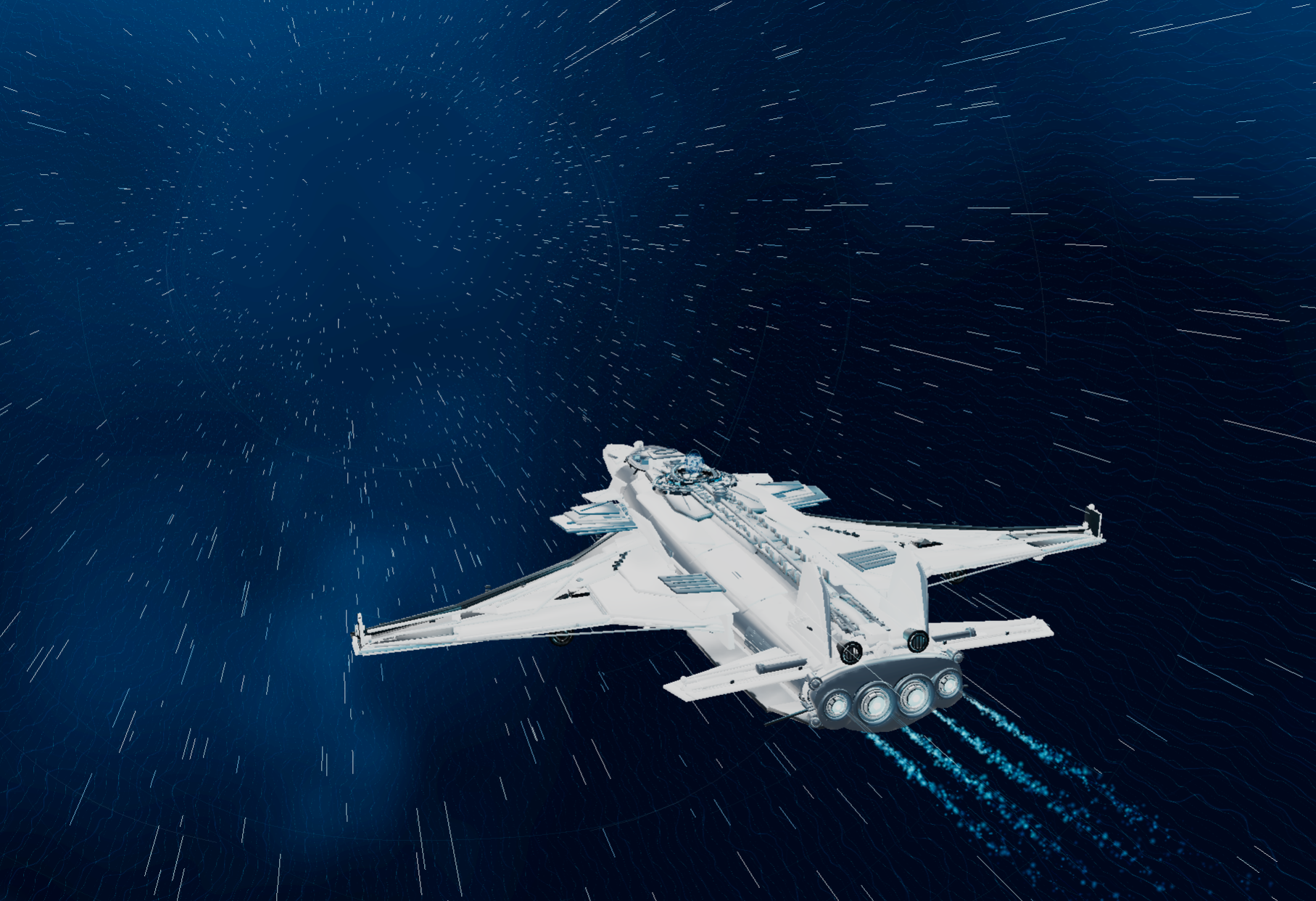
- Quantum Cruise — the spacecraft enters a high-speed blue procedural transit tunnel.
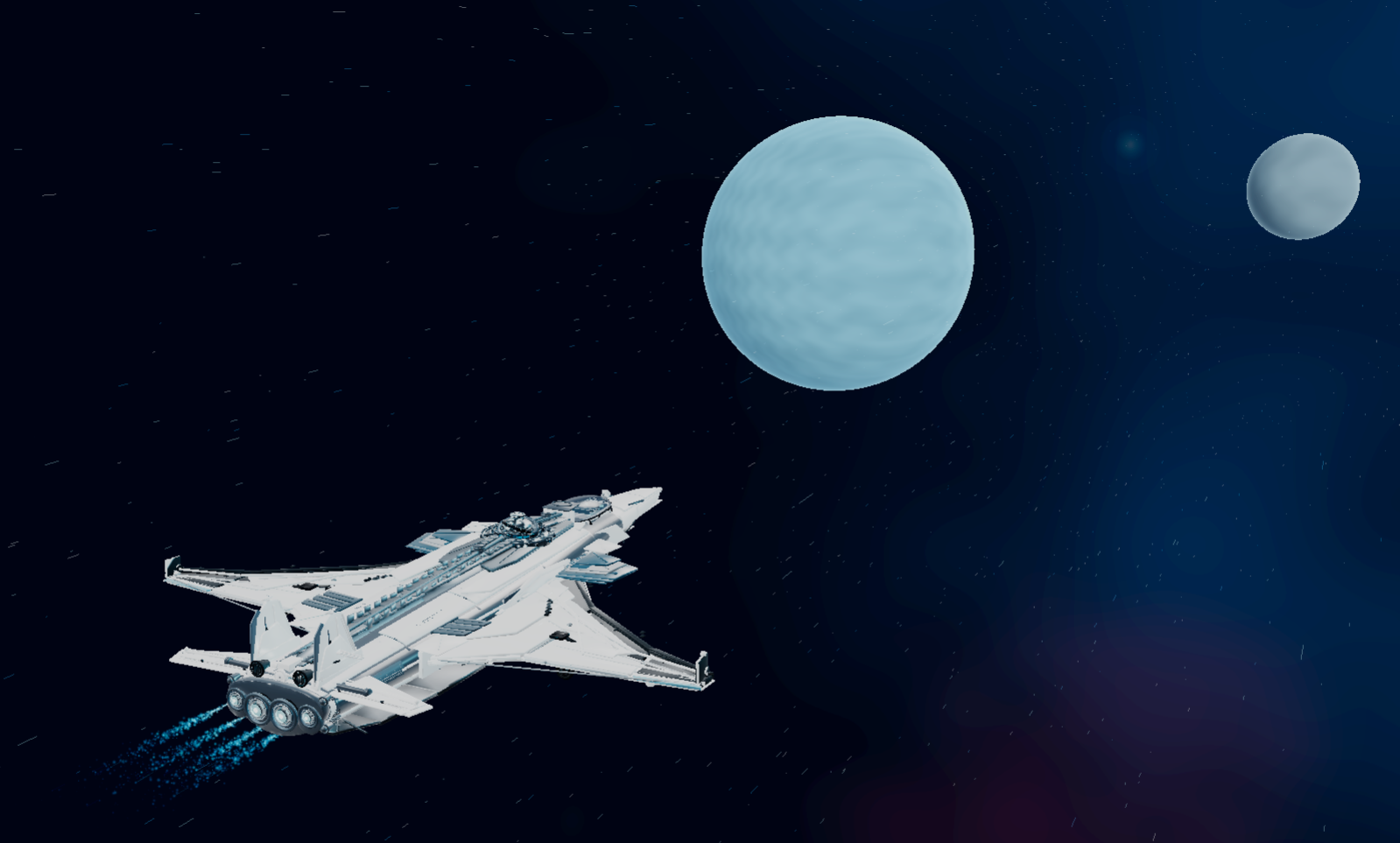
- Real-Space Exit — the tunnel gradually disappears and reveals a planetary environment.
Users can manually adjust the transit speed, energy intensity, and tunnel radius. Individual visual systems—including the procedural tunnel, high-speed star streaks, quantum wavefronts, engine exhaust, structural accents, and camera vibration—can also be enabled or disabled.
The experience includes nine camera modes, such as cinematic, chase, top, close-up, cockpit, quantum-core, wide, and first-person VR views.
In WebXR mode, the viewer is positioned inside the cockpit at the pilot’s head location. The cockpit includes four embedded dynamic displays showing quantum navigation, airframe systems, engine status, transit speed, core energy, and flight-phase information.
How I built it
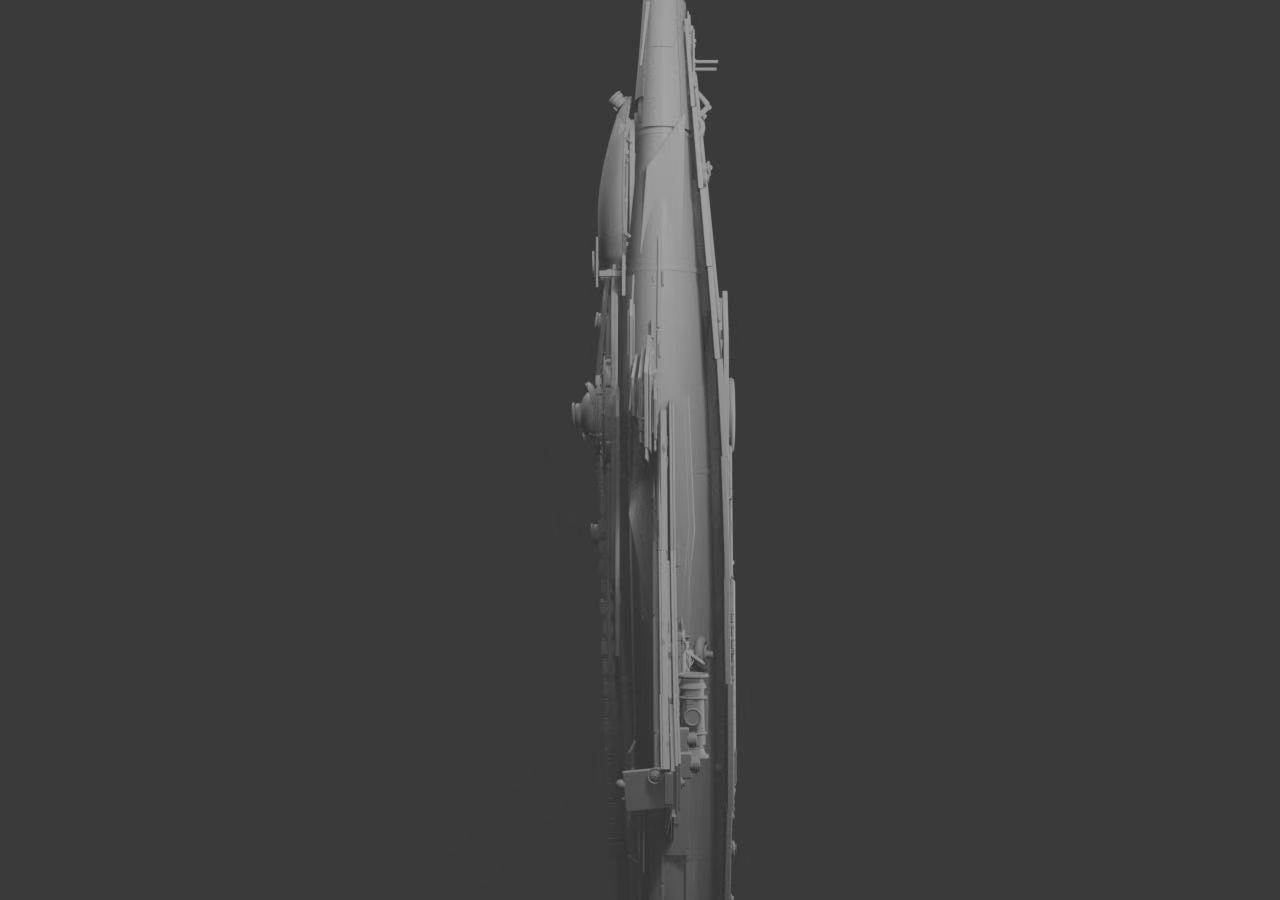
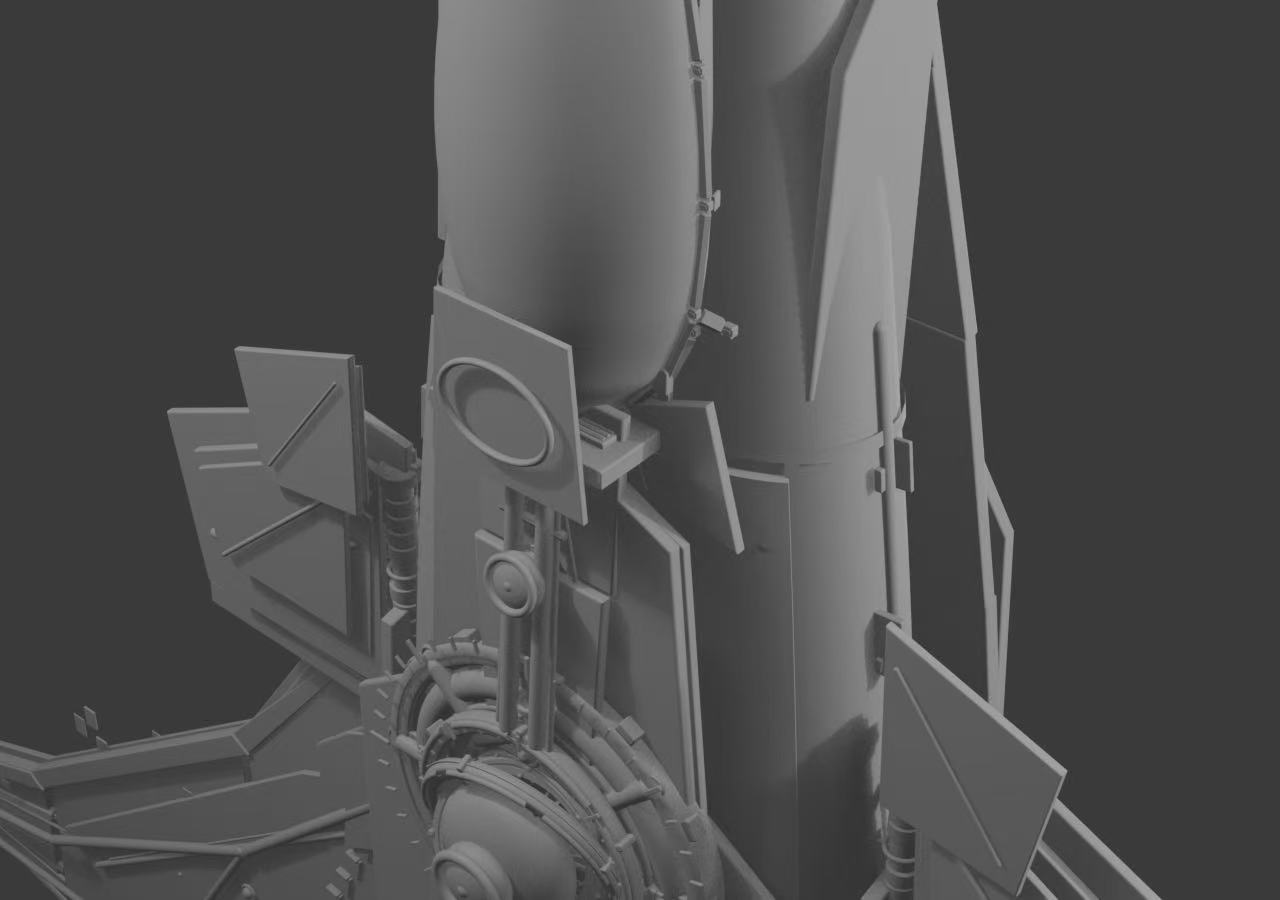
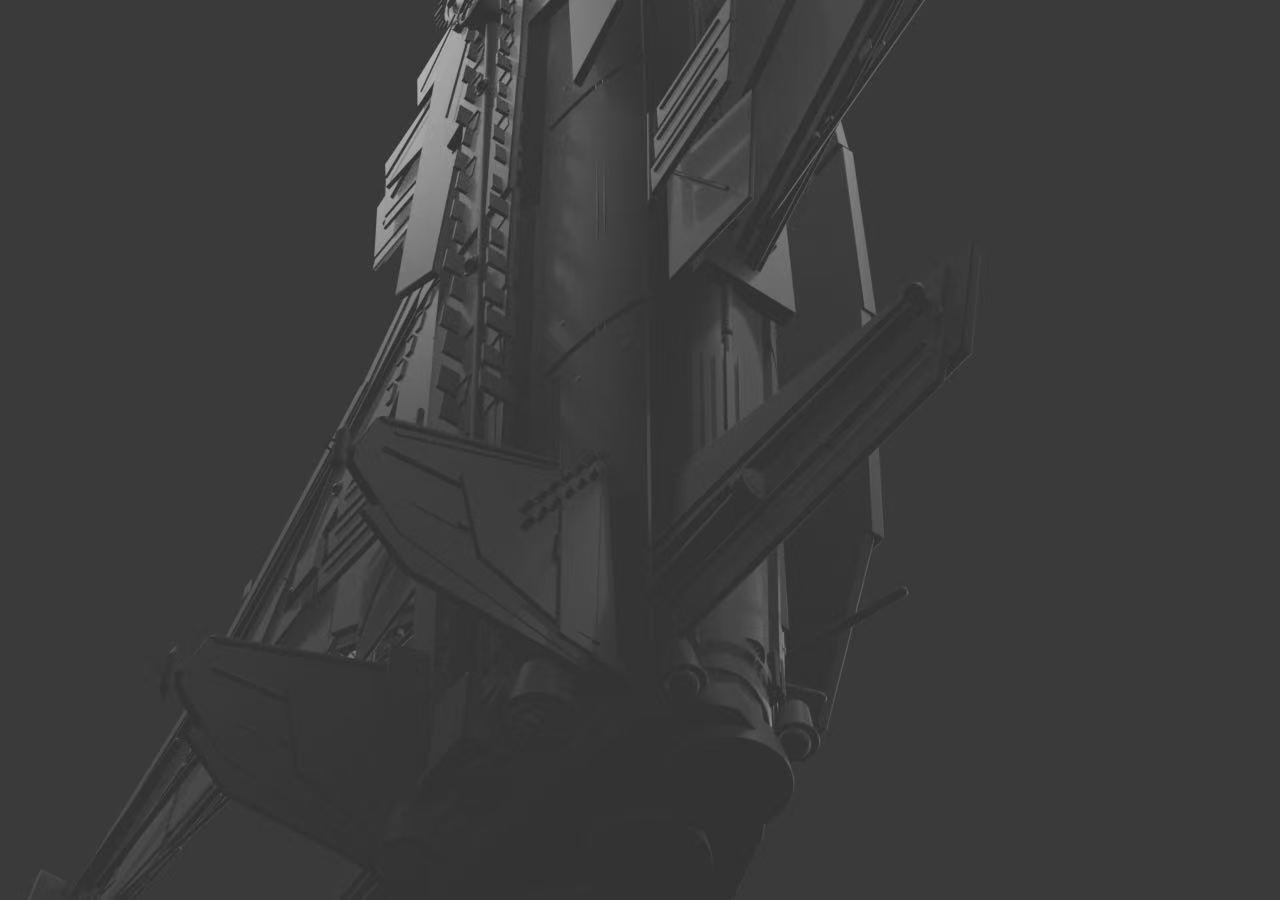
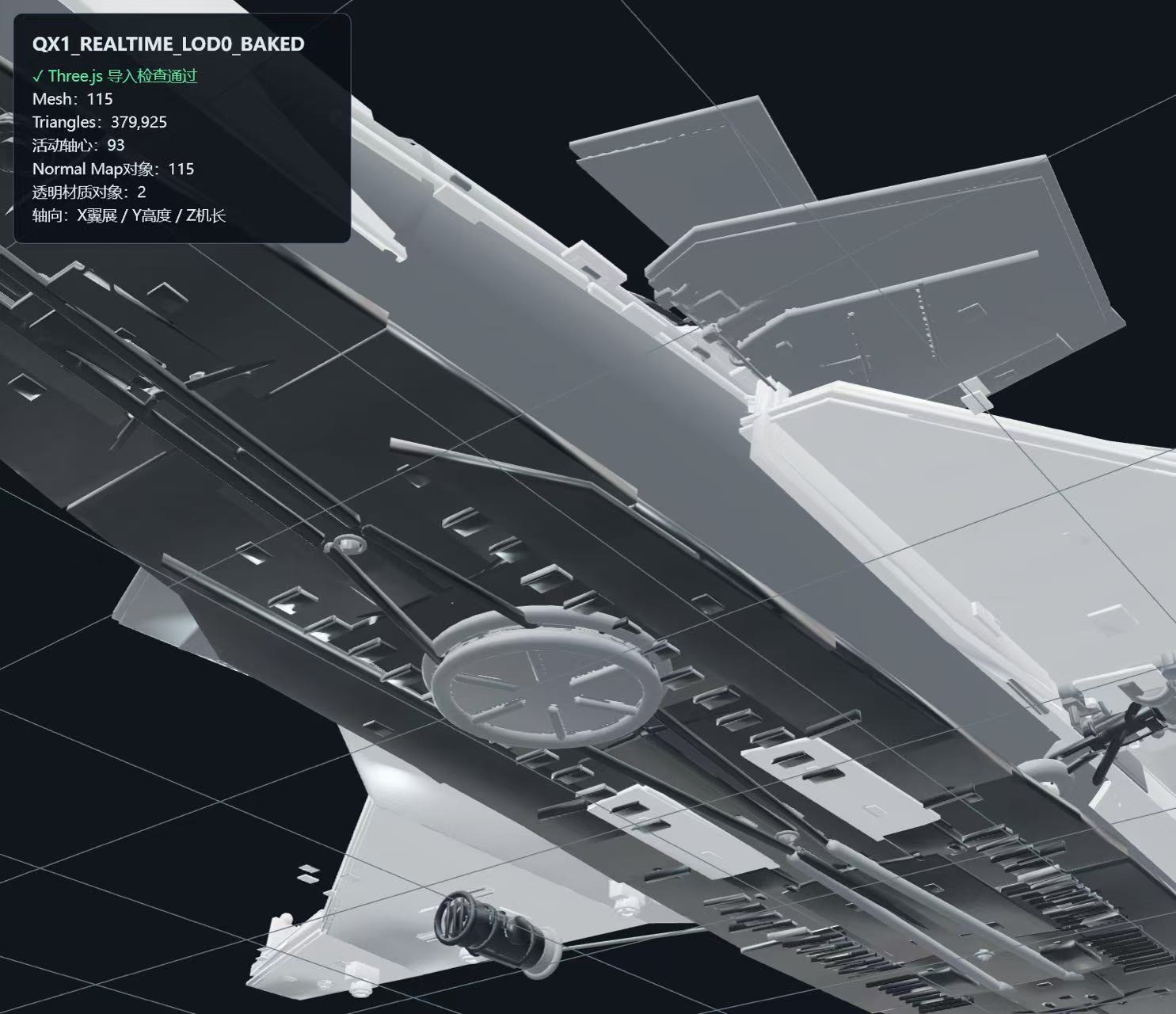
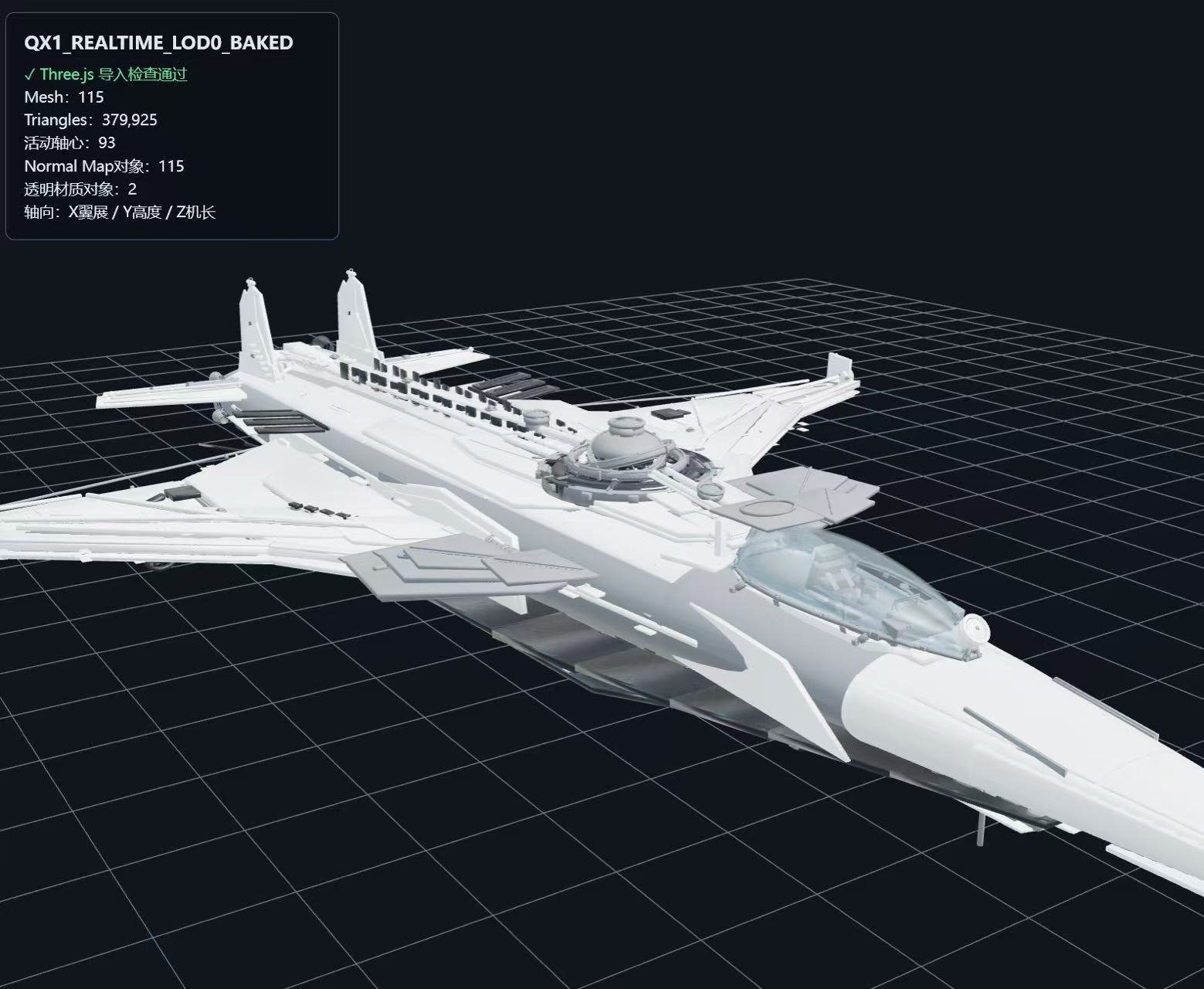
I first designed and iterated the QX-1 spacecraft as a detailed 3D asset. The model was then processed and optimized in Blender before being exported in the GLB format for real-time web rendering.
The current spacecraft asset contains:
- 177 individual meshes
- 377,480 triangles
- 31 materials
- 93 structural pivot nodes
The interactive experience was built with HTML, CSS, JavaScript, Three.js, WebGL, and WebXR.
Custom GLSL shaders generate the quantum tunnel, animated space backgrounds, plasma core, atmospheric planets, energy fields, and particle effects in real time. The visual environment is procedural, meaning it is calculated by the browser rather than played as a pre-rendered video.
The propulsion system includes four vector engine nozzles, 2,000 animated exhaust particles, and additional high-speed energy streaks. The quantum core contains 420 orbiting particles, plasma layers, energy trails, rotating rings, and electrical arcs.
The cockpit interfaces are generated with the HTML Canvas API and updated dynamically during the experience. The renderer uses physically based materials, ACES filmic tone mapping, environmental lighting, fog, additive blending, and bloom post-processing to create a cinematic appearance.
The Three.js runtime and supporting components are bundled locally, allowing the project to operate without depending on an external CDN.
Challenges
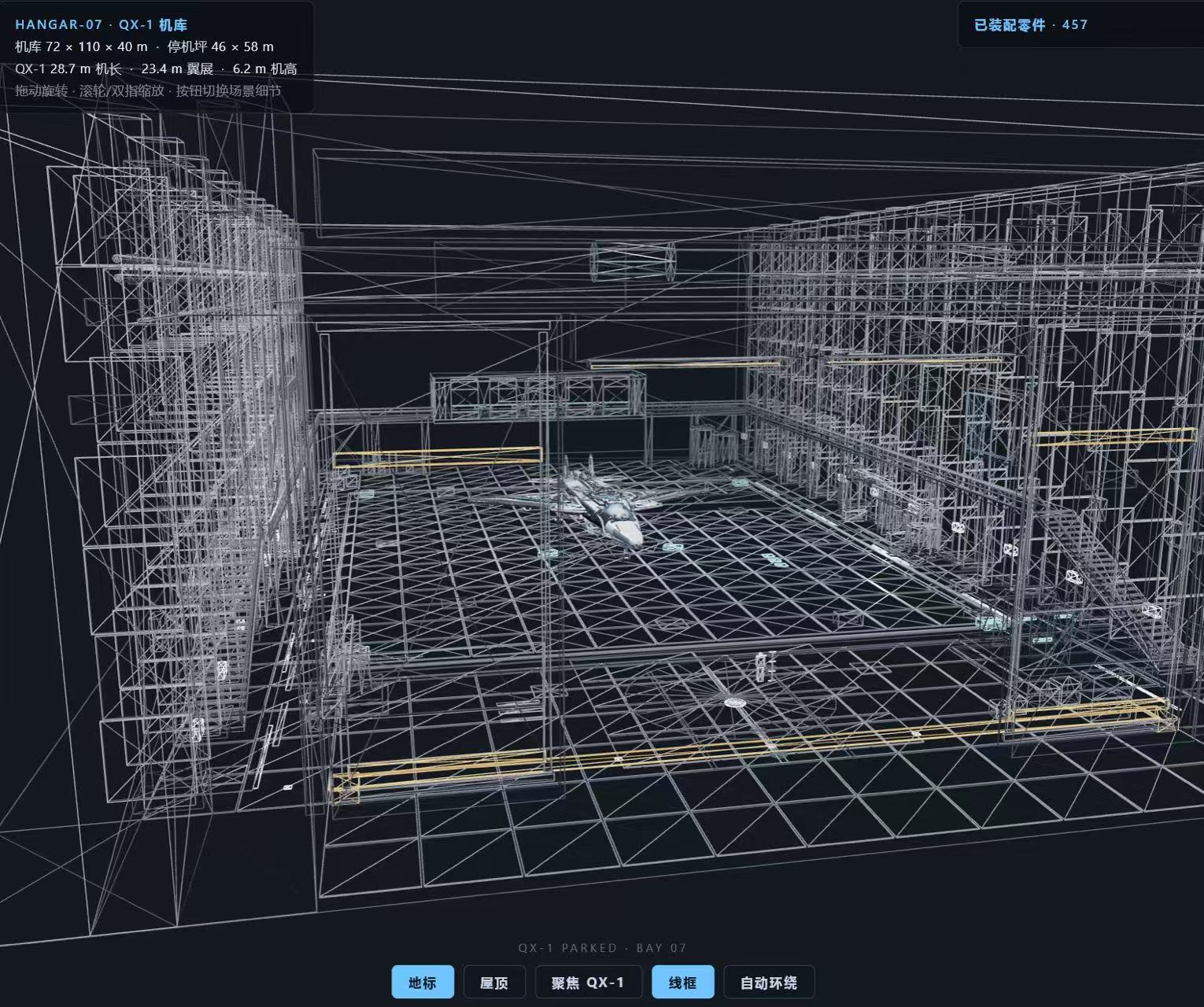
One of the biggest challenges was balancing visual quality with real-time browser and VR performance. The spacecraft is highly detailed, while the scene also contains thousands of animated particles, procedural shaders, dynamic cockpit displays, lighting, and post-processing effects.
Another challenge was making the quantum transition visually understandable. Each stage needed its own identity while still feeling like part of one continuous journey. I used different color systems, particle movement, camera motion, fog, exposure, and transition timing to separate the charging, cruising, and exit phases.
Positioning the first-person camera was also difficult. The camera had to remain correctly connected to the moving spacecraft while providing a comfortable cockpit perspective in both desktop and immersive VR modes.
I also had to solve problems involving model scale, coordinate orientation, material consistency, transparent HUD readability, normal-map configuration, and the alignment of particle exhaust with the four engine ports.
Accomplishments
I am proud that QX-1 developed from a static spacecraft concept into a complete real-time experience with:
- An original high-detail spacecraft
- A procedural three-stage quantum journey
- An immersive WebXR cockpit
- Dynamic navigation and telemetry displays
- Nine cinematic and first-person viewpoints
- Adjustable visual and navigation parameters
- Real-time shader and particle effects
- A portable browser-based build
Most importantly, the project demonstrates that an imagined piece of future technology can be communicated not only through images, but through space, movement, interaction, and immersion.
What I learned
Through this project, I learned how to prepare complex 3D assets for real-time web rendering, build procedural effects with shaders, create GPU-based particle systems, generate dynamic interfaces with canvas textures, and connect a virtual cockpit to a WebXR camera rig.
I also learned that technical optimization and visual storytelling must be developed together. A visually impressive effect is only successful when it supports the user’s understanding of the experience.
What's next for QX-1
The next stage is to transform QX-1 from an interactive visual prototype into a more complete flight experience.
Future development will include:
- Full six-degree-of-freedom spacecraft controls
- VR controller and cockpit interaction
- Spatial engine and quantum-drive audio
- Additional interstellar routes and destinations
- Mission and navigation systems
- Improved LOD and texture compression
- Further optimization for standalone VR headsets
- First-person and third-person flight-mode switching
- A larger connected universe for exploration
The long-term goal is to create an immersive future-navigation platform in which users can enter the QX-1, activate the quantum drive, and travel through a fully explorable interstellar environment.

Log in or sign up for Devpost to join the conversation.