-
-

App Icon
-
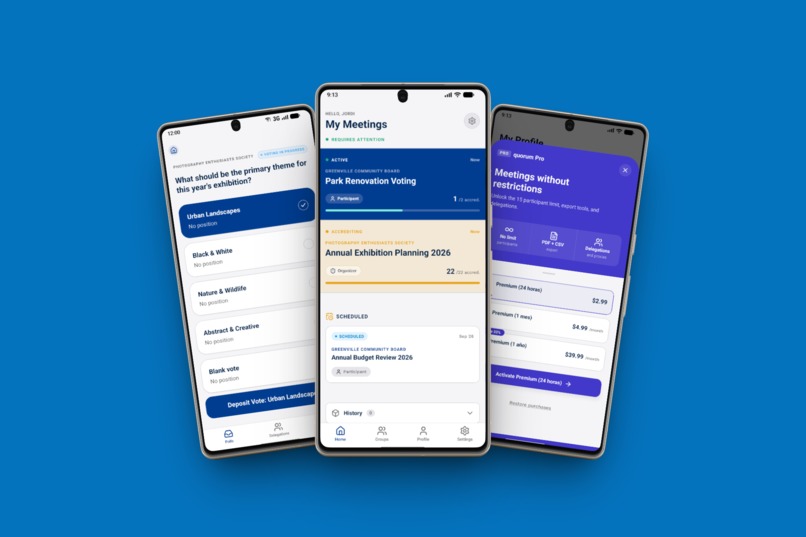
App show
-
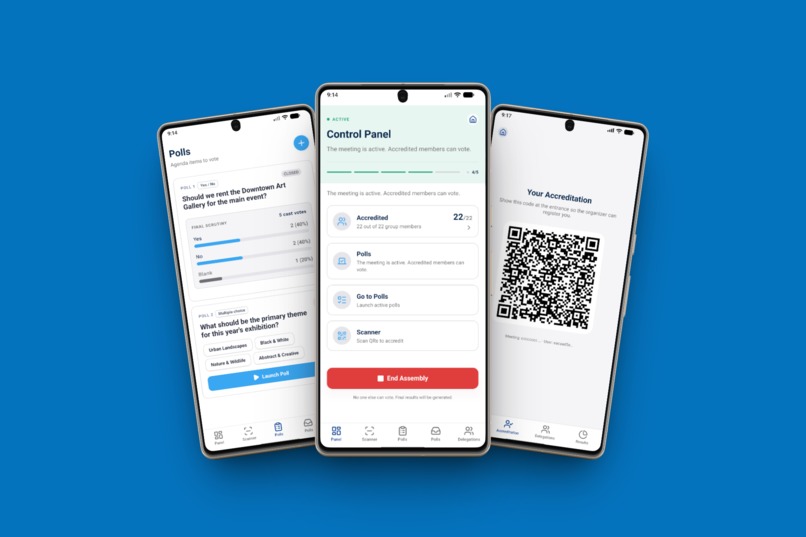
quorum
-
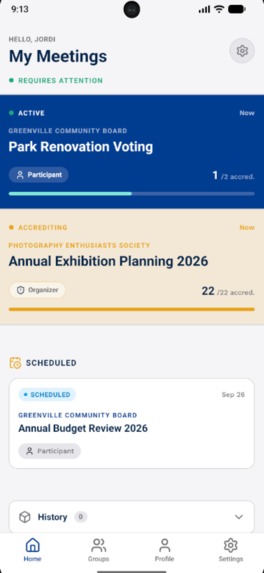
quorum
-
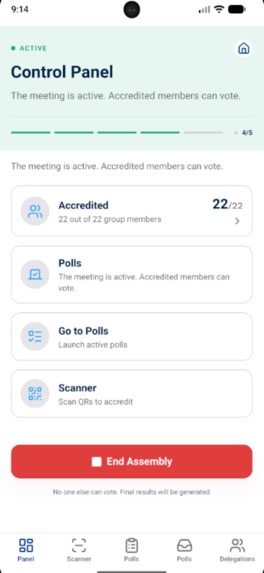
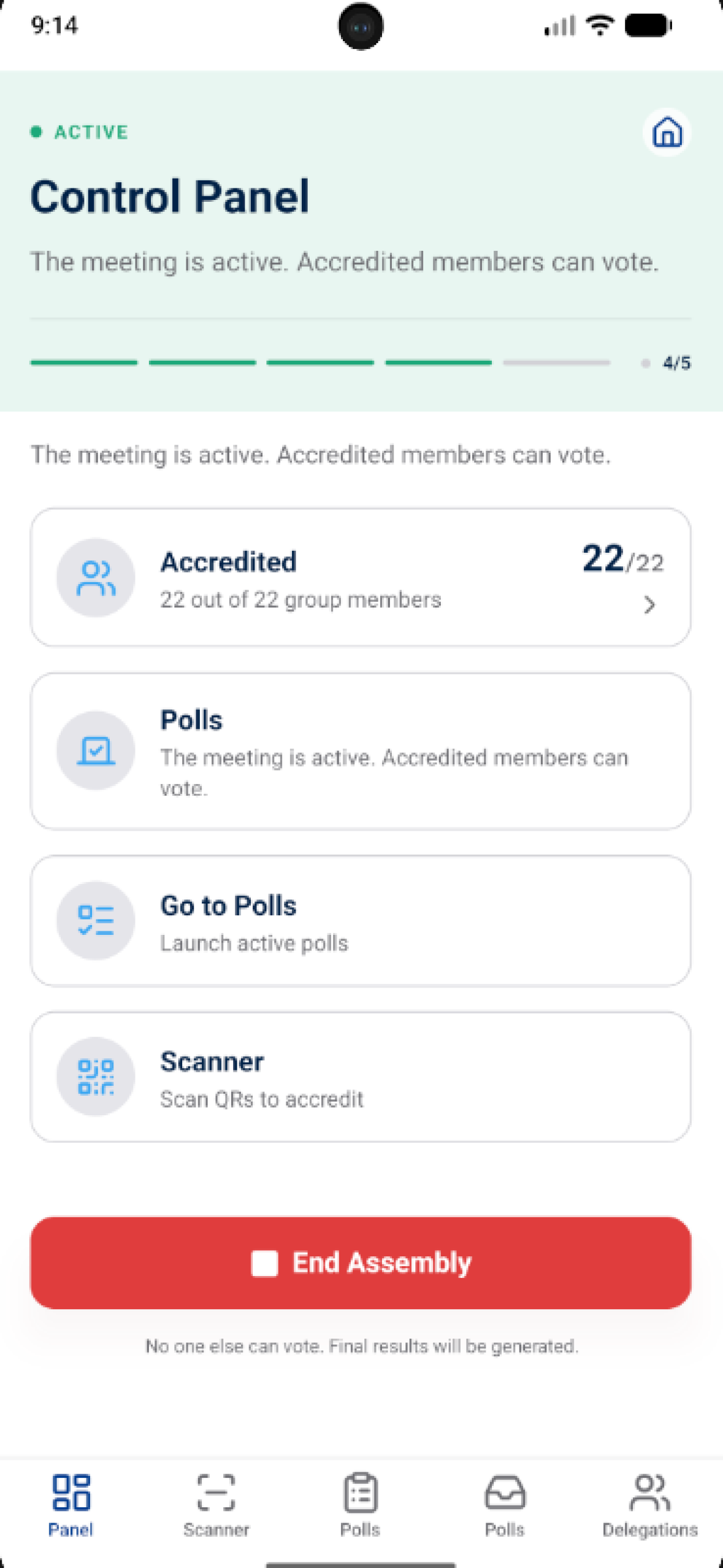
Control Panel Page
-
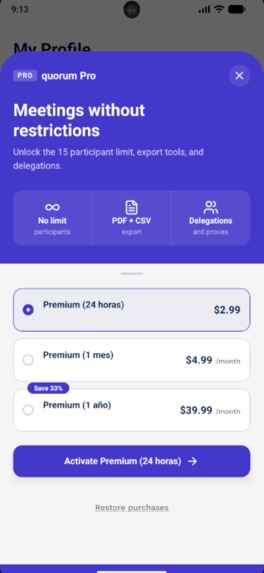
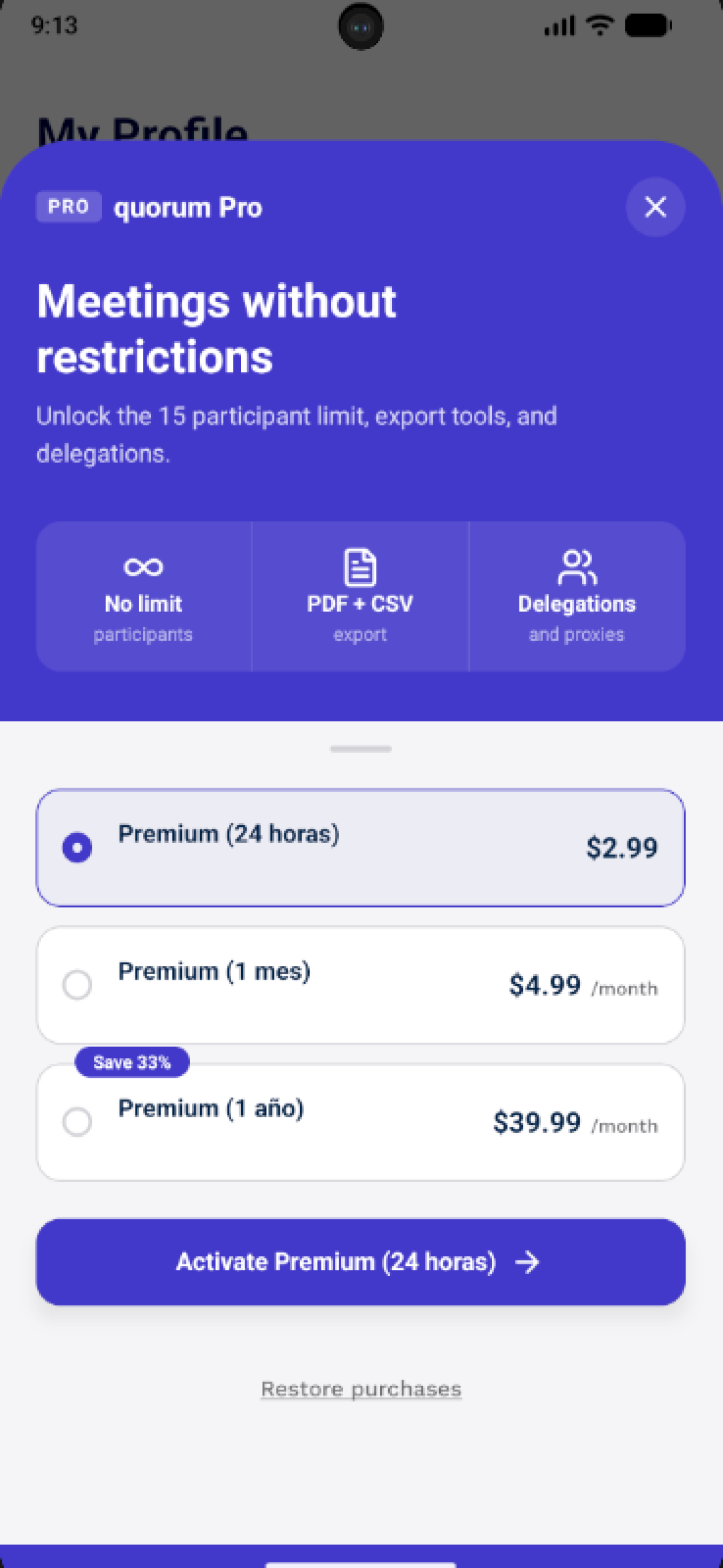
PRO Paywall Page
-
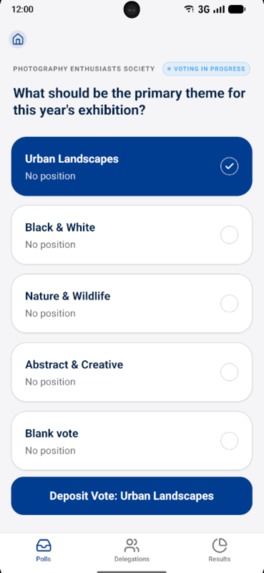
Voting Page
-
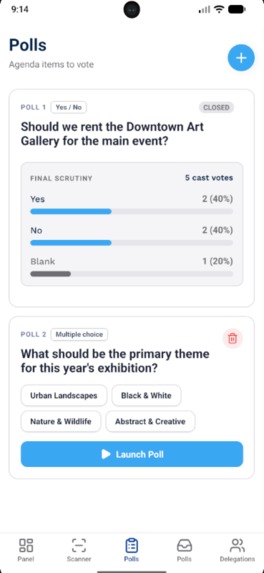
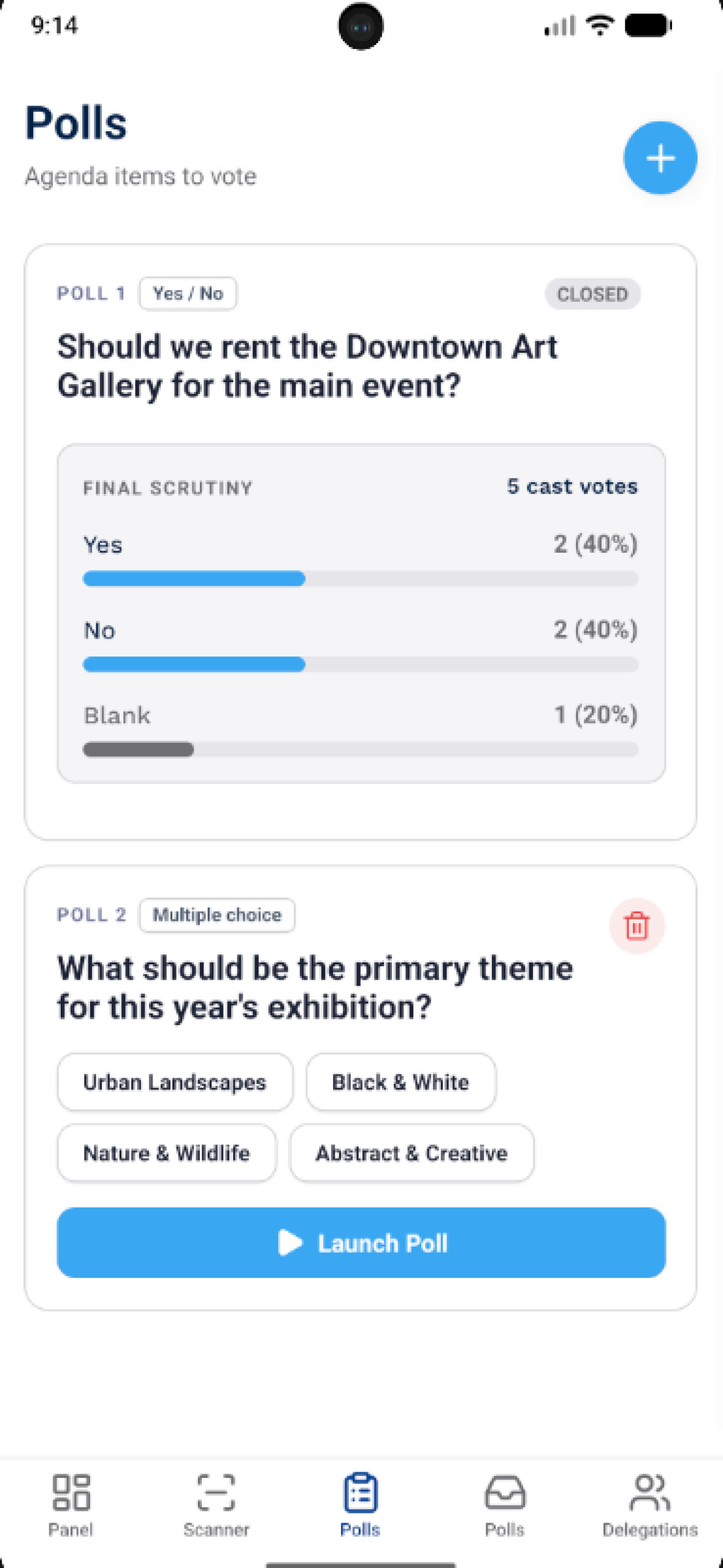
Admin Poll Page
-
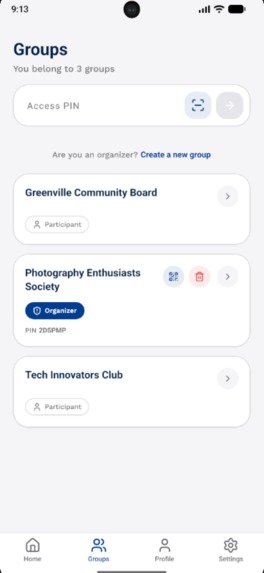
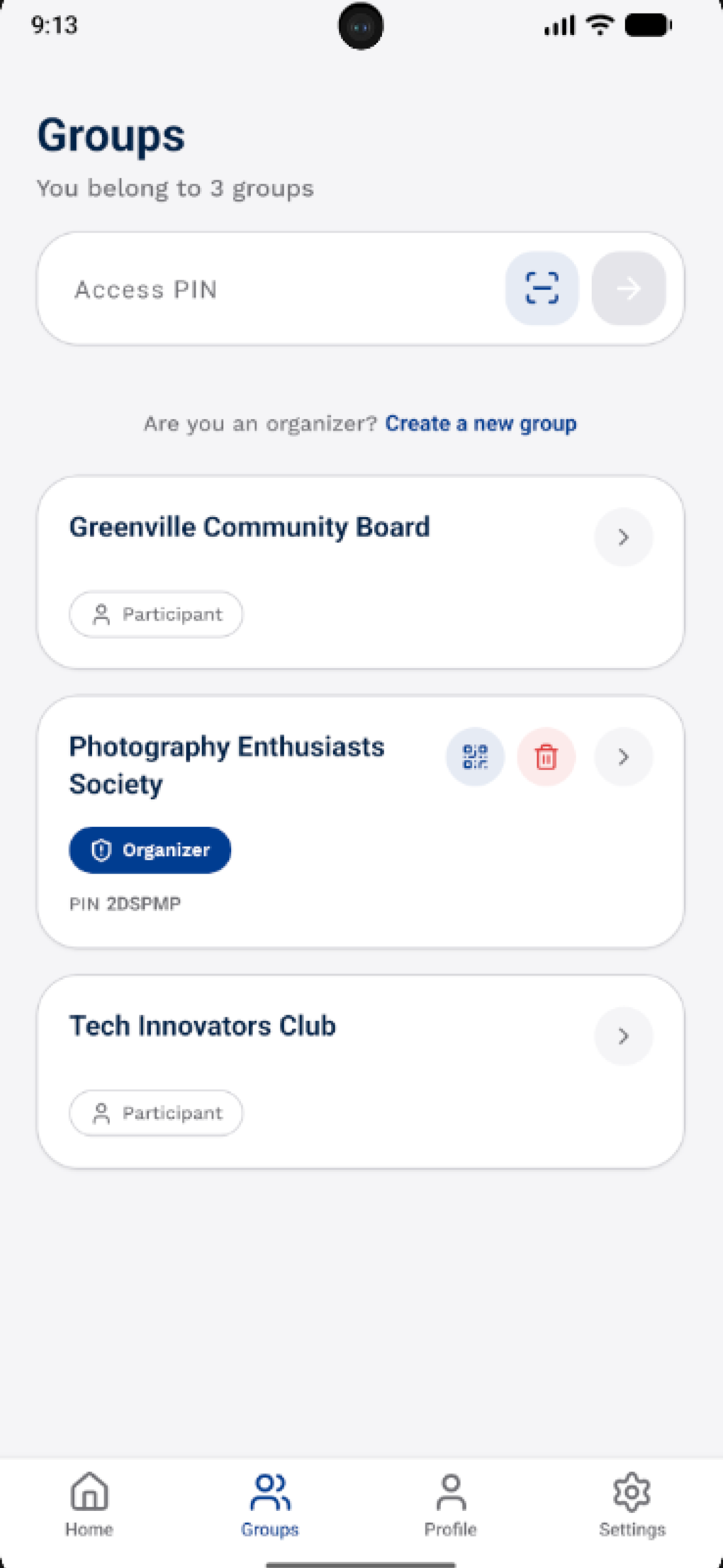
Groups Page
-

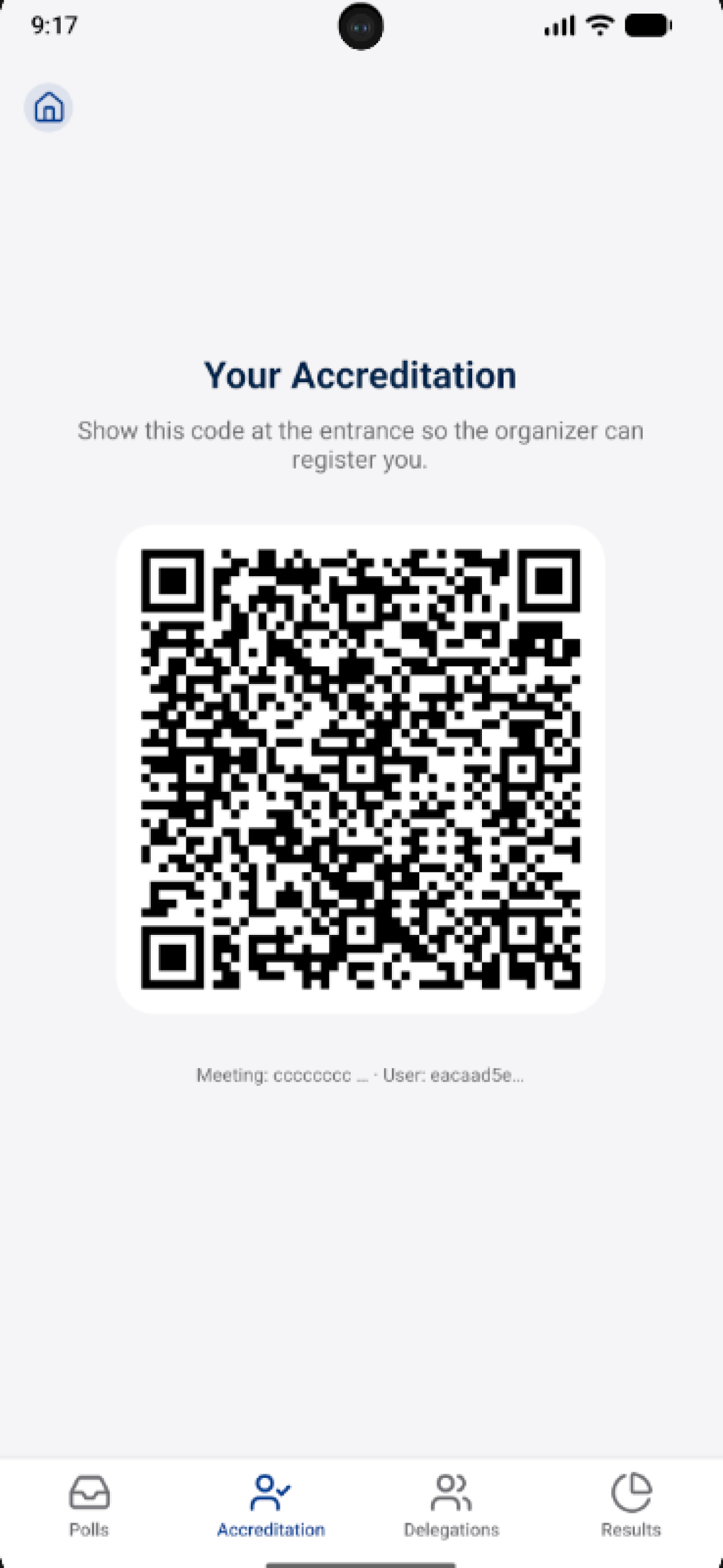
Acreditation Page



Inspiration
Managing assemblies for clubs, associations, and residential complexes is often a logistical nightmare. Organizers struggle with verifying attendee identities, while participants often worry about the lack of privacy or integrity in traditional hand-raising or paper voting. I wanted to bring physical and hybrid assemblies into the 21st century by building a mobile-first solution that makes accreditation frictionless and guarantees truly anonymous, cryptographically safe voting.
What it does
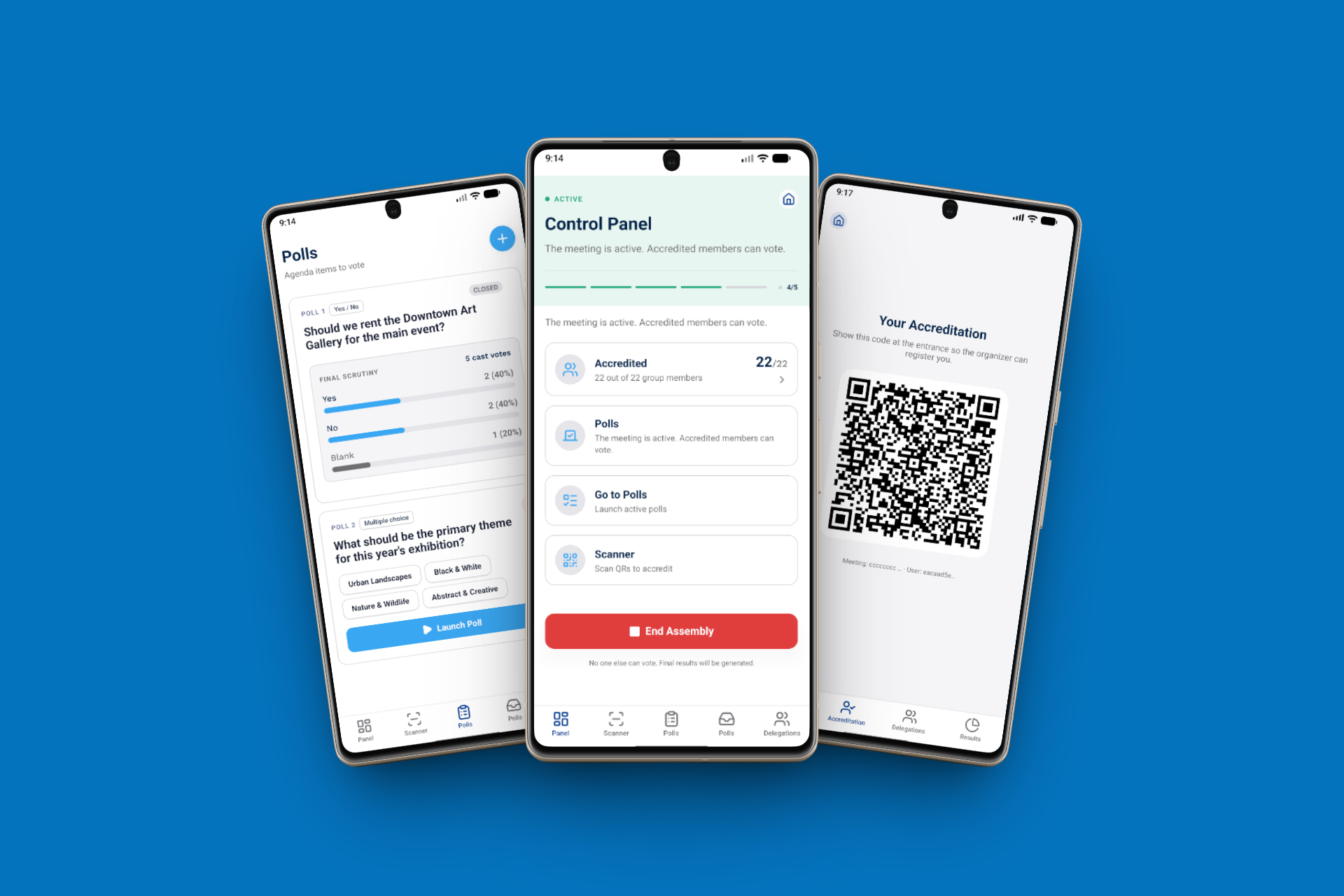
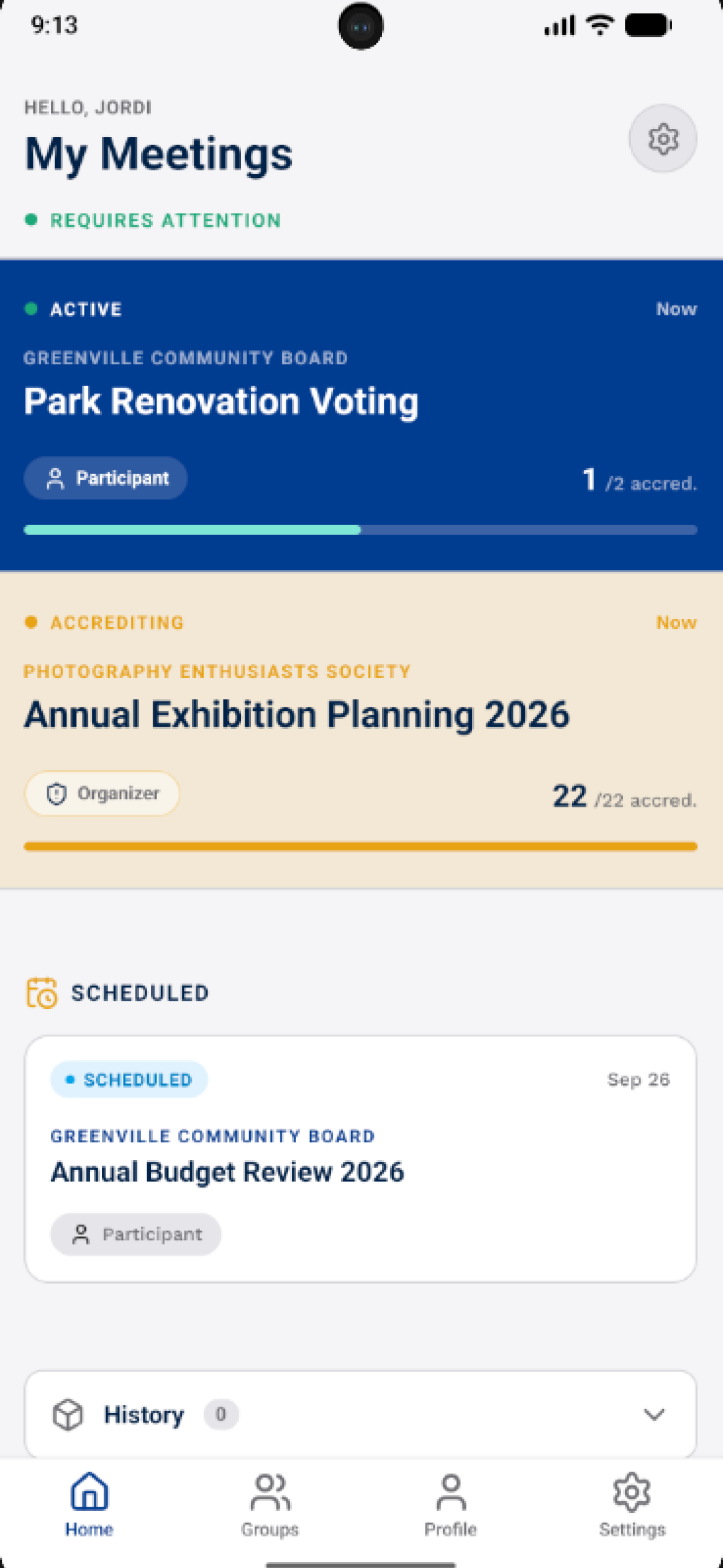
Quorum is a modern mobile platform that simplifies assembly management. For organizers, it provides seamless check-ins using dynamic QR codes. For participants, it offers a secure voting interface where votes are cast entirely anonymously—the server never links a user ID to a vote. Instead, a unique receipt hash is generated and stored locally on the user's device, ensuring the vote is verifiable but private. Once a voting urn closes, results are calculated and published to everyone in real-time.
How I built it
I built Quorum using a scalable, modern, and cross-platform tech stack:
- Frontend: React Native and Expo (SDK 57) to deliver a flawless native experience on Android.
- Styling: NativeWind (Tailwind CSS for React Native) for a clean and responsive UI.
- Backend: Supabase (PostgreSQL, Row Level Security, Edge Functions, and Realtime) to handle my database, secure the data, and publish live voting results.
- Security: Integrated device biometric security (Face ID/Touch ID) to confirm votes and prevent unauthorized actions.
- Monetization: RevenueCat seamlessly handles my in-app purchases and premium paywalls, unlocking advanced assembly management tools and expanded capacities for organizers.
Challenges I ran into
One of the biggest challenges was engineering a system that guarantees absolute voting anonymity while strictly preventing duplicate votes. I had to carefully design an architecture where a user is authorized to vote, but the backend stores the vote completely unlinked from their identity. Implementing the receipt hash system, which is generated and stored securely on the user's local device, required precise state management. Additionally, seamlessly integrating RevenueCat paywalls to feel like a natural part of the user journey required careful fine-tuning.
Accomplishments that I'm proud of
I am incredibly proud of achieving cryptographic anonymity in the voting process without sacrificing user experience. Building a system where users can genuinely trust that their privacy is protected is highly rewarding. I am also proud of the QR accreditation flow—it's incredibly fast and drastically cuts down the time people spend in line before an assembly. Finally, getting the RevenueCat premium upgrade flow working so smoothly was a major win for me.
What I learned
I deepened my expertise in React Native and Expo, particularly working with the latest SDK 57 features. I learned how to effectively implement advanced Row Level Security (RLS) in Supabase to lock down database tables, ensuring the integrity of the voting data. Furthermore, integrating RevenueCat taught me a lot about structuring in-app purchases and managing entitlements for a SaaS mobile product.
What's next for quorum
My immediate next step is to officially release Quorum on the Google Play Store so that organizations can start using it in the real world. Ultimately, I aim to make Quorum the gold standard for modern, secure governance across all types of communities.
Built With
- expo.io
- react-native
- revenuecat
- supabase
- tailwind
- typescript


Log in or sign up for Devpost to join the conversation.