-
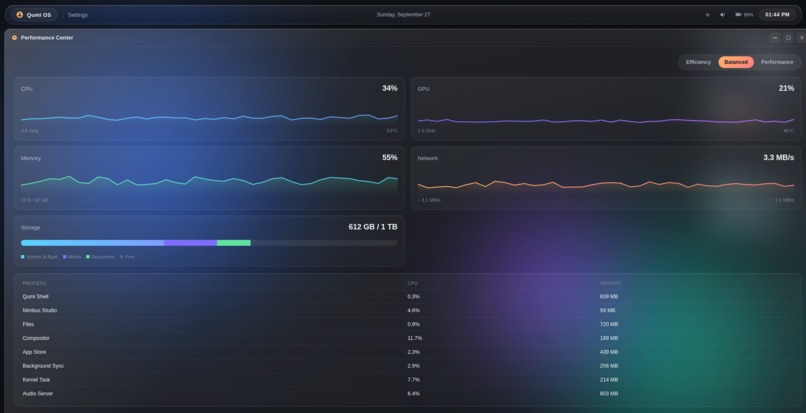
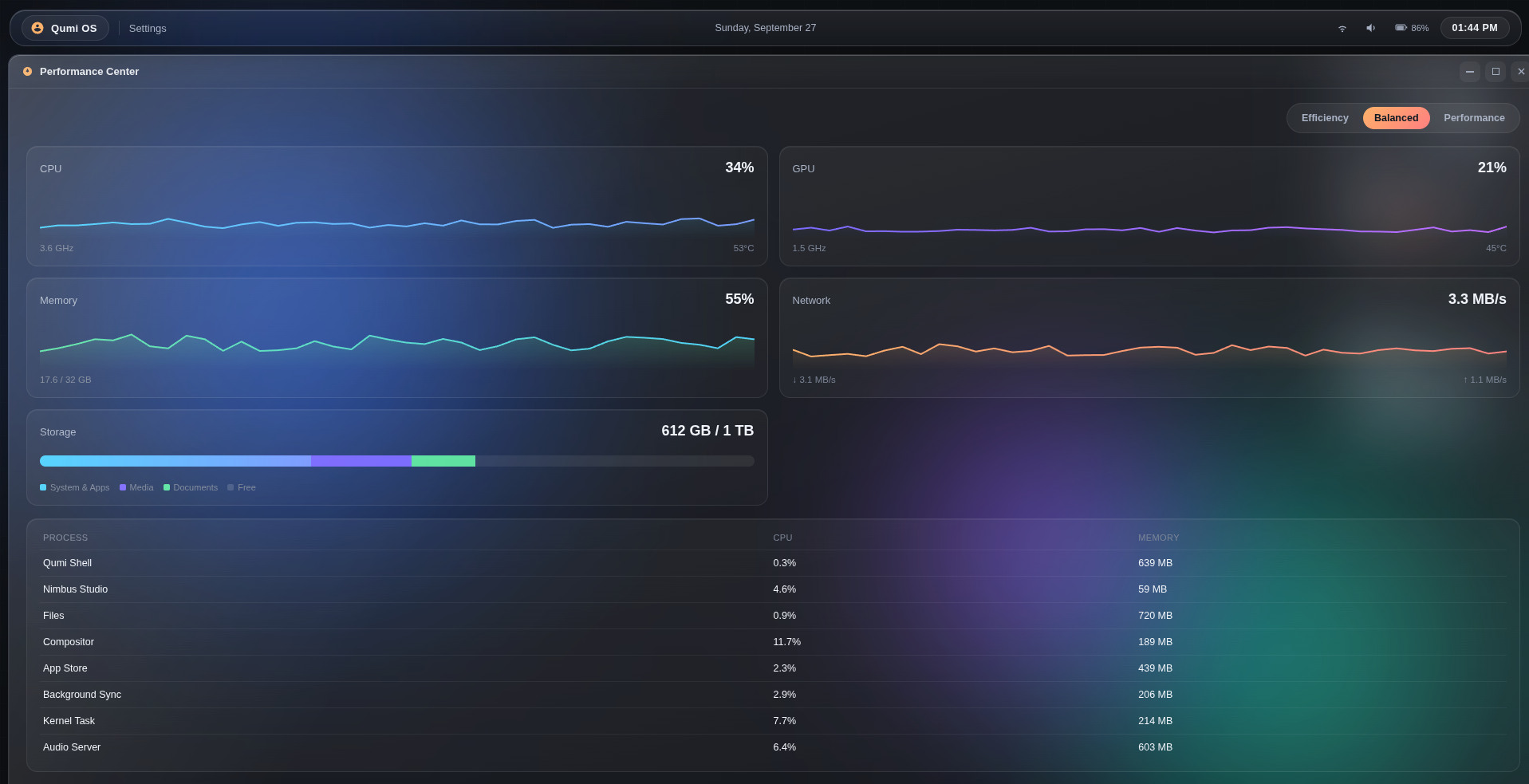
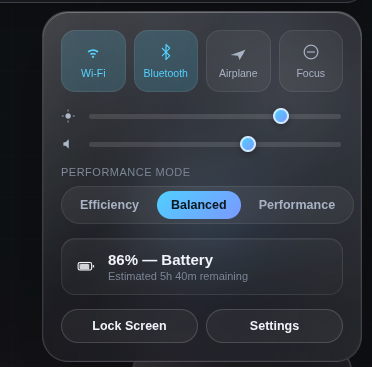
Real-time system insight and intelligent performance controls without the complexity.
-
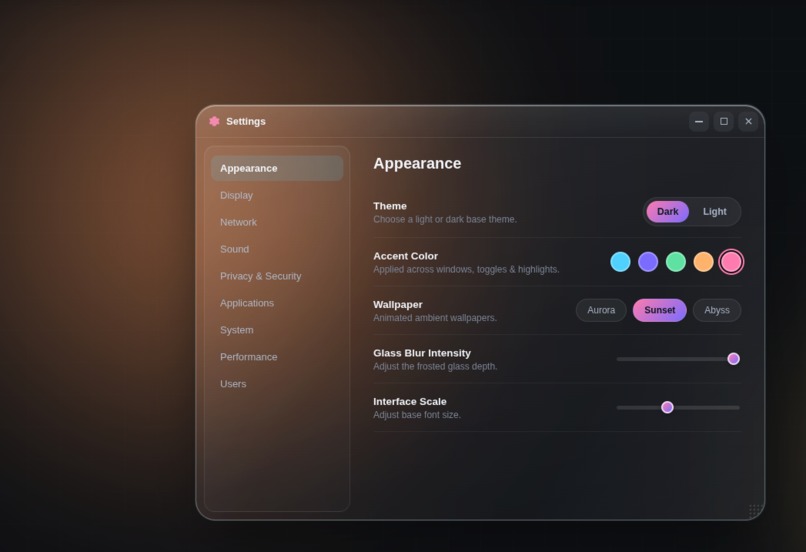
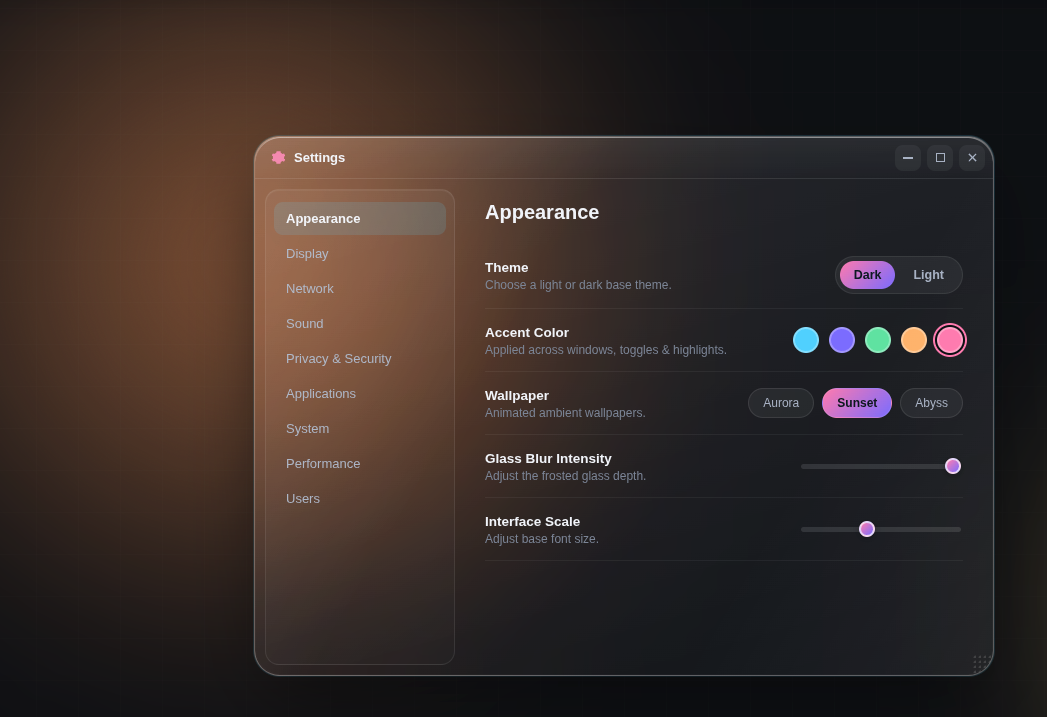
Deep system control, presented through an interface anyone can understand.
-
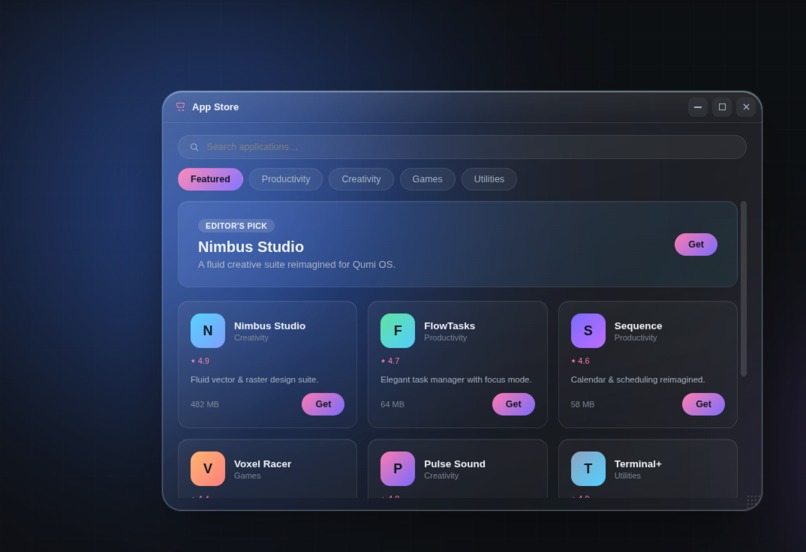
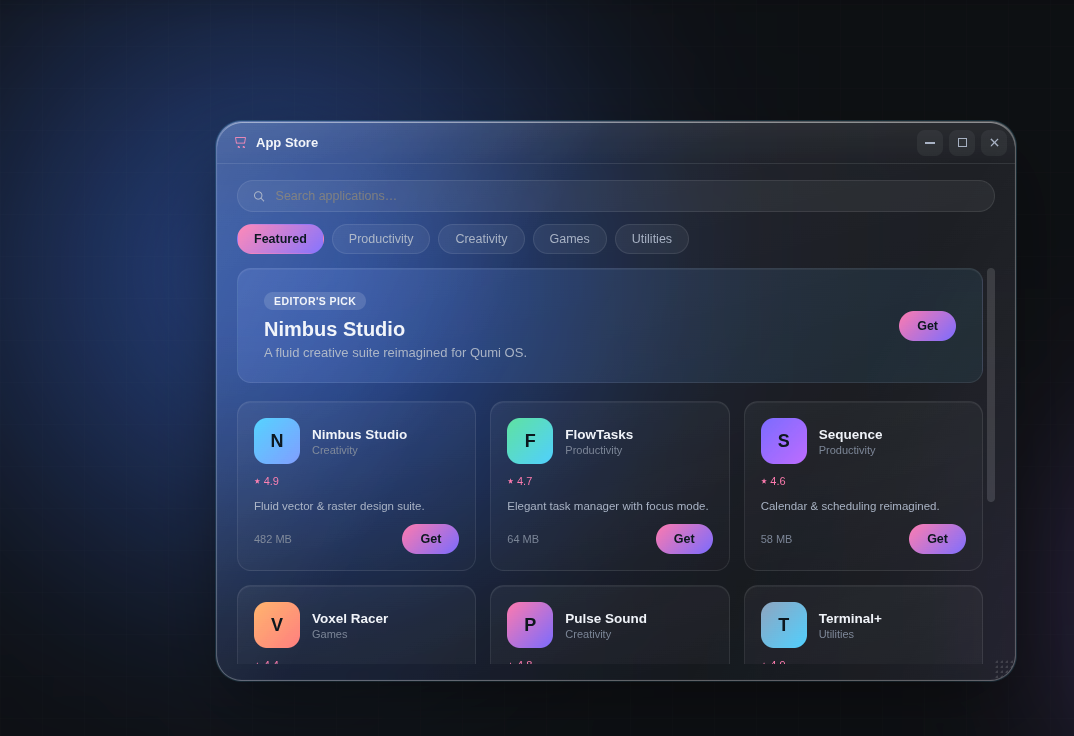
Software discovery is no more a problem.
-
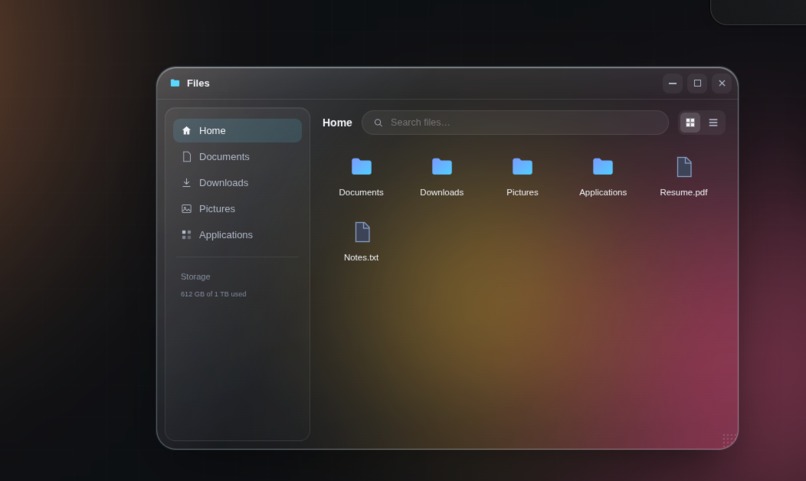
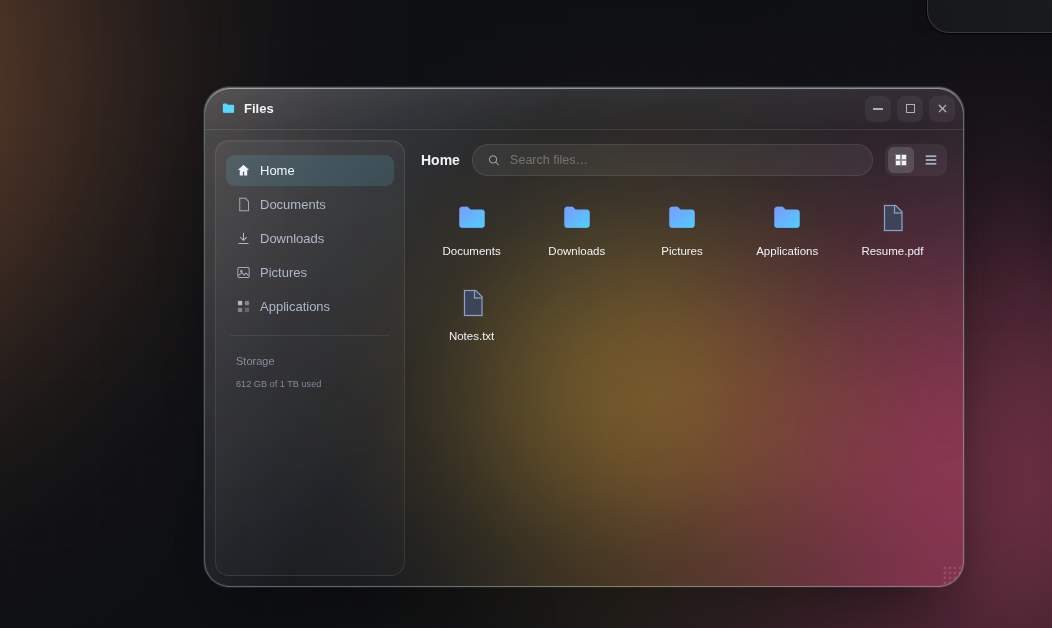
Your files, organized naturally by local models
-
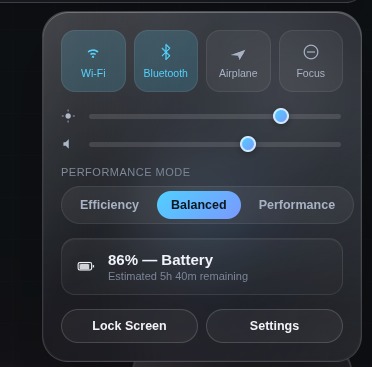
Essential controls brought together for instant access without interrupting your workflow.
Inspiration
We were inspired by a simple question: why does using a computer require users to compromise between simplicity, freedom, performance, security, and hardware longevity?
Windows provides familiarity and broad compatibility, but can become increasingly resource-intensive and gives users limited control over the underlying system. Linux provides enormous freedom and customization, but its flexibility can create complexity for people who simply want their computer to work. macOS provides a highly integrated experience, but is closely tied to Apple's hardware ecosystem.
We envisioned Qumi OS as a different approach: an operating system designed from the beginning to combine the simplicity people expect from a consumer OS with the control, openness, efficiency, and flexibility associated with Unix-like systems.
What it does
Qumi OS is a proposed general-purpose operating system designed around five principles:
simplicity, performance, freedom, security, and longevity.
The system would provide a GUI-first experience where everyday users can install applications, configure hardware, manage updates, troubleshoot problems, and maintain their computer without needing to understand the command line.
Underneath that interface, Qumi OS would use a modular Unix-like architecture with strong process isolation, permissions, application sandboxing, hardware abstraction, package management, recovery mechanisms, and resource-aware system management.
A major goal is hardware longevity. Qumi OS would be designed to use resources efficiently and support capable older computers where technically feasible, helping users avoid replacing functional hardware simply because their operating system has become unnecessarily demanding.
How we built it
Qumi OS is currently a startup concept rather than a production-ready operating system.
We designed its proposed architecture by combining established operating-system principles with ideas focused on modern desktop usability. The concept considers the kernel, hardware and driver layer, system services, security boundaries, package management, graphical stack, desktop environment, application framework, and recovery system as separate components that can evolve independently.
We also developed the concept around a realistic implementation path:
Architecture → minimal system → hardware support → graphical environment → application system → security hardening → compatibility → testing → public release.
The goal is not to claim that difficult operating-system engineering can be solved instantly, but to demonstrate that Qumi OS can be developed incrementally using established technologies and engineering principles.
Challenges we ran into
The biggest challenge is that an operating system is not a single application. It requires many interconnected systems to work reliably together.
We had to consider questions such as:
- How can the system remain simple without removing useful control?
- How can deep customization exist without making the system easy to break?
- How can applications remain isolated while still being convenient to install and use?
- How can updates be safe, reliable, and recoverable?
- How can older hardware remain useful without sacrificing support for modern hardware?
- How can compatibility be improved without simply copying another operating system?
- How can the graphical experience hide unnecessary technical complexity while still allowing advanced users to access it?
These challenges shaped Qumi OS into a concept focused not just on adding features, but on designing how the entire system works together.
Accomplishments that we're proud of
We are proud of turning a broad idea—"a better operating system"—into a structured and technically grounded system concept.
We defined:
- A clear problem statement.
- A GUI-first philosophy.
- A modular Unix-like architecture.
- A security and application-isolation direction.
- A resource-efficiency strategy.
- A hardware-longevity objective.
- A graphical system-management approach.
- A potential application and package ecosystem.
- A staged path from concept to production.
Most importantly, Qumi OS is designed around a real-world problem rather than simply adding another collection of operating-system features.
What we learned
We learned that building an operating system is as much about trade-offs and system design as it is about writing code.
A feature that sounds excellent in isolation can create problems elsewhere. More control can mean more complexity. More compatibility can mean more maintenance. Stronger security can affect usability. Supporting older hardware can constrain architectural decisions.
We also learned that a successful consumer operating system needs more than a kernel. It needs an ecosystem, applications, hardware support, security, updates, documentation, recovery mechanisms, and—most importantly—an experience ordinary users can understand.
What's next for Qumi OS
The next stage would be turning the concept into a technical prototype.
Our planned progression is:
1. Define the core architecture Establish the kernel, system interfaces, security boundaries, filesystem model, and hardware abstraction.
2. Build a minimal bootable system Create the smallest functional Qumi OS environment capable of running core system services.
3. Develop the graphical platform Build the desktop shell, settings, system management tools, notifications, application launcher, and accessibility features.
4. Build the application ecosystem Create a reliable package and application-management system with dependency handling, updates, rollback, and application isolation.
5. Improve hardware compatibility and efficiency Expand driver support and optimize resource usage across different classes of hardware.
6. Security and reliability testing Perform extensive testing, vulnerability analysis, crash recovery testing, and update validation.
7. Prototype with real users Put early versions in the hands of users, measure where they struggle, and use that feedback to improve the system.
Our long-term goal is to create an operating system where users don't have to choose between ease of use, freedom, performance, security, and keeping their existing hardware useful.


Log in or sign up for Devpost to join the conversation.