
Inspiration:
Three potent trends came together to inspire the idea behind QuMetaMesh:
Decentralized Physical Infrastructure Networks (DePIN), which tokenize tangible resources such as bandwidth, storage, and processing power; Evolution of LEO/GEO satellites, providing unexplored possibilities for media delivery and distributed connectivity; DeFi ecosystems that are AI-native, in which intelligent agents are able to independently price, govern, and maximize asset utility.
We envisioned a future in which blockchain, artificial intelligence, and physical assets would enable people to own a portion of satellite bandwidth, rent out AI processing power, or exchange bundles of cloud storage and media rights like stock exchange tokens. QuMetaMesh makes this a reality.
What it does:
The decentralized platform QuMetaMesh does the following:
Data center and satellite gateway assets, including AI processing power, cloud storage, and streaming bandwidth, are tokenized as dynamic NFTs (MetaAssets).
Converts licensed media, cloud computing, media delivery, and broadband internet into tradable service tokens.
Establishes a mesh marketplace in which users can:
Stake or trade meta-assets Tokenized infrastructure can be rented to dApps or metaverse entities. Use satellite APIs to bundle streaming licenses with location-based limitations.
Gives AI agents the ability to:
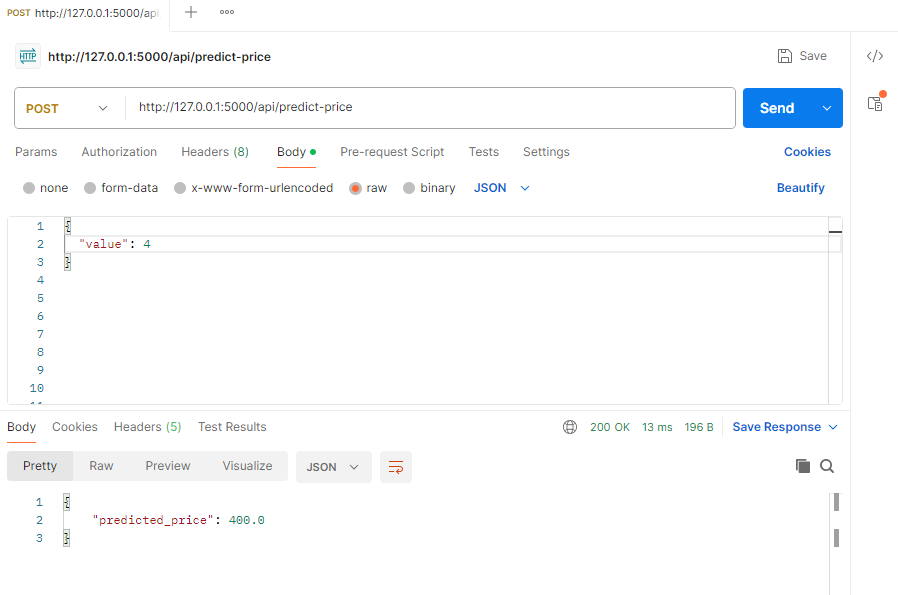
Estimate the value of an asset. Optimize usage in different time zones. Find irregularities or fraud
Supports NFTs with tangible asset values, such as gold or silver, and provides hybrid media licensing along with the possibility of DeFi revenue.
How we built it:
Using a modular, omni-chain, and AI-integrated stack, we constructed the project in Visual Studio Code:
Frontend: ethers.js, Tailwind CSS, and Next.js Solidity (ERC-721/1155 with asset metadata and pricing oracle integration) is a smart contract. AI Layer: Python-based agents with ONNX, Scikit-learn, and LangChain for:
Pricing prediction Fraud detection Scheduling for intelligent streaming Storage & Metadata for Tokens: IPFS, Filecoin
Mock Satellite API: A GEO/LEO API simulation for time-based license validation and asset geozoning DeFi Mechanisms: Compound and Aave-inspired lending/staking pools Real-time Dashboard: An AI insights and asset availability monitoring interface built on React
Challenges we ran into:
It was challenging to model "composable" token units that integrated media, compute, and bandwidth services when designing interoperable asset bundling. Realistically simulating bandwidth APIs and satellite geo-zoning without having access to actual endpoints. Developing artificial intelligence (AI) agents that require synthetic data generation and simulation logic and operate with sparse historical pricing and usage data. Creating ZK-backed NFTs that preserve liquidity and privacy while demonstrating ownership of tangible backing (such as silver for a music license NFT).
Accomplishments that we're proud of:
Successfully combined tokenized services and content with RWA to create a new asset class called MetaAssets. Installed a working AI agent layer that uses tokenized infrastructure to detect fraud and do predictive pricing. Created a modular DeFi + media platform that is compatible with IoT, Web3, and metaverse settings. Used fictitious satellite coverage models to simulate a time-locked real-time token rental and streaming system.
What we learned:
How to use smart contracts to build decomposable digital twins of services and physical infrastructure. The difficulty of creating scalable, decentralized ecosystems that combine satellite APIs, DeFi, and AI in the real world. AI governance is crucial to cryptoeconomics, particularly for auto-scaling, fraud prevention, and asset pricing. How to guarantee verifiable, tamper-proof media licensing in a decentralized platform using zkProof concepts.
What's next for QuMetaMesh — The Quantum-Metaverse Asset Grid:
Enforcing location-aware licensing and pricing models through genuine integration with LEO satellite APIs (such as Kepler and SatNOGS). Utilizing LayerZero and the Cosmos SDK for mainnet deployment to achieve full omni-chain operability. Constructing a VR metaverse plugin and mobile application for renting or trading meta-assets in virtual worlds. Releasing a study on our innovative tokenization system with the title: "Composable MetaAssets: An AI-Governed NFT-Based Decentralized Framework for Bundled Tokenization of Cloud, Satellite, and Media Infrastructure."


Log in or sign up for Devpost to join the conversation.