-
-
QUITHOL home
-
-
-
-
-
-
Logo


Inspiration
The idea for Alcohol Tracker came after Apple rejected my previous app that calculated Blood Alcohol Content (BAC). Instead of focusing on calculation, I wanted to create something more sustainable, motivational, and aligned with user well-being: an app that helps people become more mindful of their drinking habits. I was inspired by:
- Conversations with friends who wanted to “cut down” without going completely sober.
- The rise of health & wellness apps that make self-tracking approachable and not judgmental.
- My own experience as an indie developer wanting to design clean, simple tools that improve everyday life.
What it does
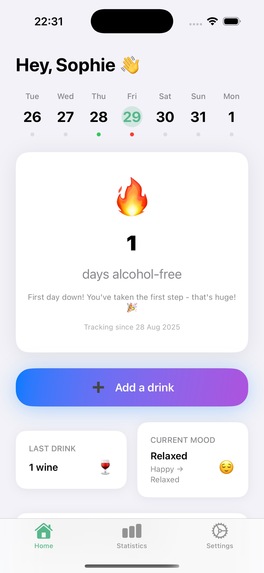
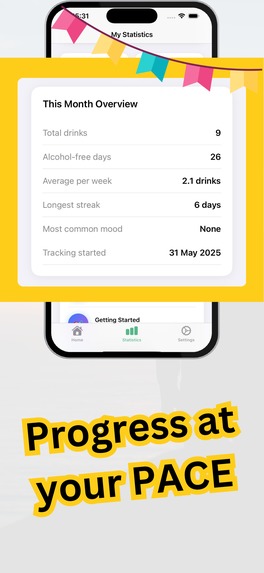
Transform your relationship with alcohol using our mindful approach. Track consumption, monitor mood changes, and build healthier habits one day at a time.
How we built it
Tech stack:
- SwiftUI for the interface
- SwiftData for local persistence
- HealthKit / CareKit for optional health integrations
- RevenueCat for subscription management and analytics
Main features implemented:
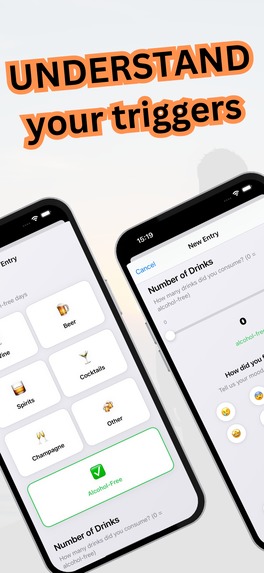
- Logging drinks by type (beer, wine, spirits) and quantity
- Mood/emotion before & after logging
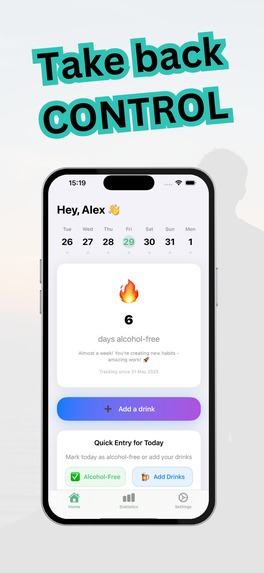
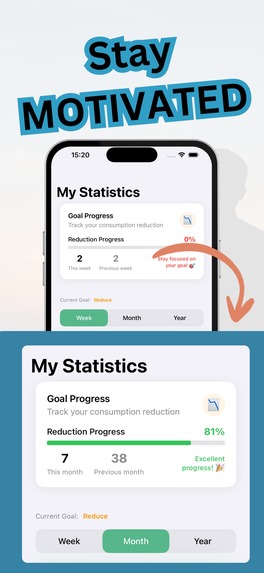
- Dashboard with streak counter (days since last drink), weekly/monthly stats, and mood trends
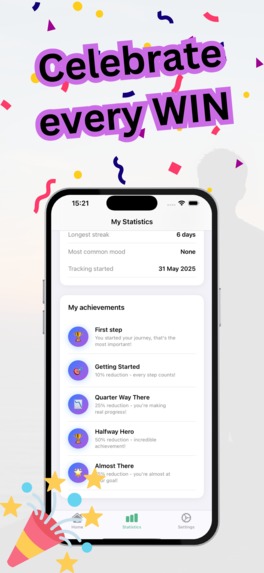
- Badge & reward system with micro-animations (confetti, icons)
- Simple settings with goals (“Reduce” vs “Quit”), reminders, and notifications
Design:
- Palette: calm blues and greens, coral accent
- Layout: one main screen (counter + quick add), one record log, one profile/settings
- Inspiration from iOS design language and productivity apps like Linear
Challenges we ran into
- App Store Guidelines: navigating Apple’s restrictions on alcohol & health apps required me to pivot away from “BAC calculation” and toward “tracking + awareness”.
- Balance: keeping the app motivational without feeling judgmental or like a medical product.
- Data modeling: storing logs for 90 days, calculating streaks, and rendering clear, friendly charts without overwhelming the user.
- Time: as an indie developer coding at night, balancing simplicity with ambition was key.
What we learned
- User psychology matters as much as features: tracking alcohol is a sensitive subject, so the design had to be empathetic, not preachy.
- Simplify onboarding: users don’t want to fill endless forms; one tap to log a drink makes the app stick.
- RevenueCat integrations: I learned how to set up in-app purchases and subscriptions in a way that feels fair, transparent, and non-intrusive.
- RevenueCat + SwiftUI + CareKit: building a modern, cross-Apple-device experience with SwiftData for persistence taught me how to architect a small app that still scales.
What's next for QUITHOL | Quit Alcohol Addiction
- Add community features: allow optional anonymous sharing of streaks or milestones.
- Introduce personalized insights using lightweight on-device machine learning (e.g., “You tend to drink more on Fridays, mood is lower on Mondays”).
- Expand subscription tiers via RevenueCat with premium features like exporting history or advanced statistics.

Log in or sign up for Devpost to join the conversation.