
QurioPilot: Revolutionizing Education Through AI-Powered Interactivity
Inspiration
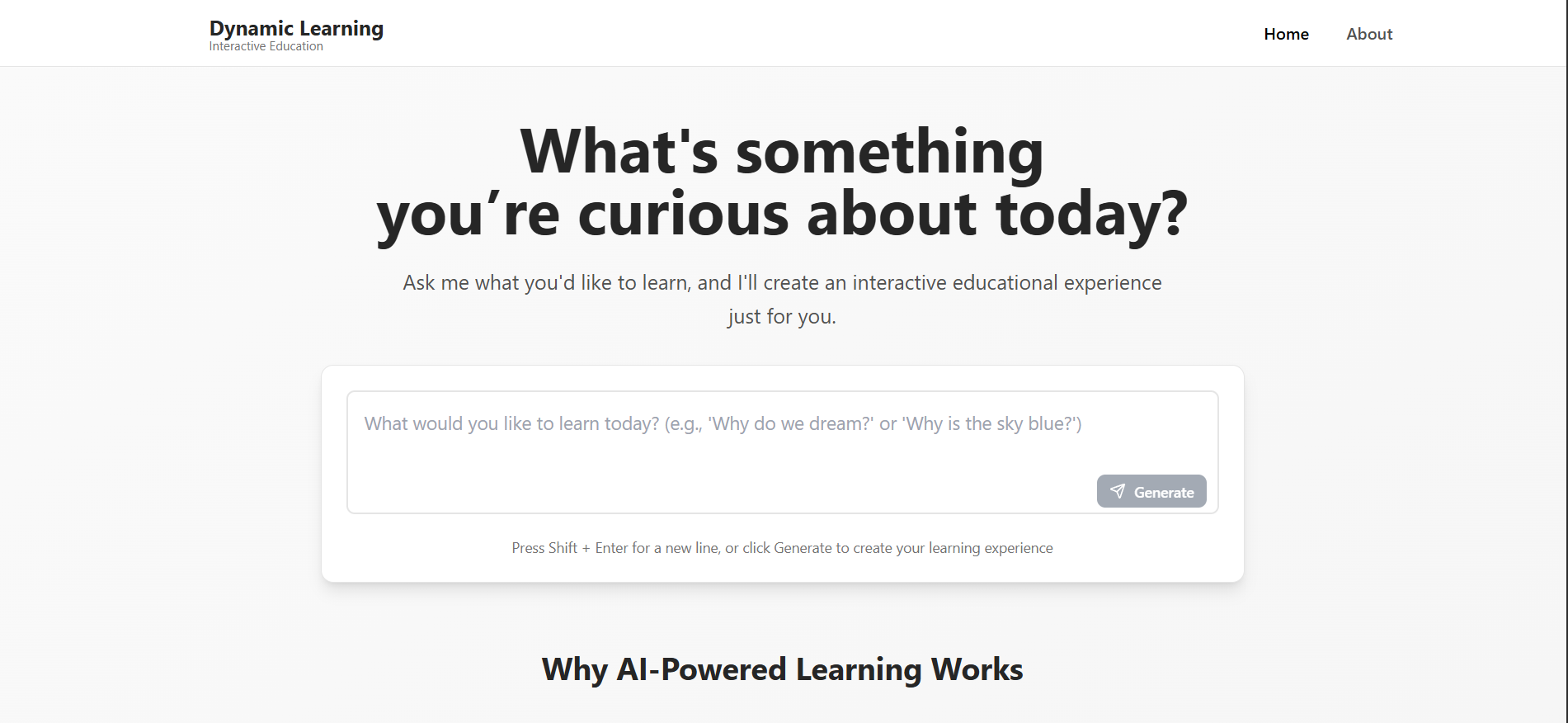
We were frustrated by how traditional education still treats curiosity like a side quest, not the starting point. Students are expected to follow rigid curriculums, with little space to ask questions or explore tangents that genuinely interest them. What if we flipped that? What if a learner could simply ask "Why do chairs look so different across history?" and get an entire personalized learning journey?
That's how QurioPilot was born — a platform where curiosity drives the learning, not just supplements it.
What it does
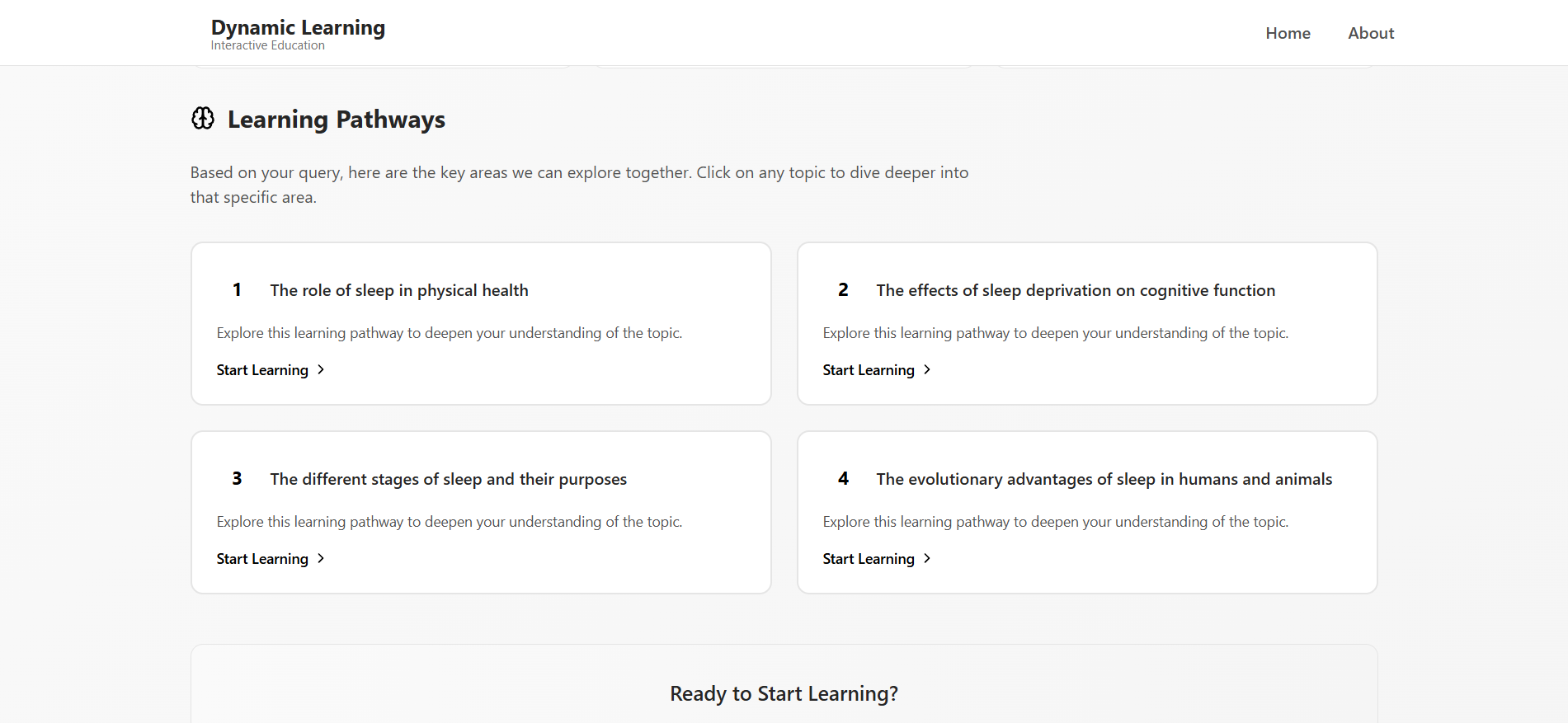
QurioPilot transforms any natural-language question into:
- A set of focused subtopics to explore
- Concise explanations of each subtopic
- Interactive activities (like drag-and-drop games, match pairs, quizzes) that make the learning fun and sticky
It's like having a personal tutor, content creator, and educational game designer — all rolled into one AI-powered platform.
How we built it
Frontend: React + TypeScript, styled with Tailwind and animated using Framer Motion. React Router handles smooth stateful navigation between curiosity paths.
Backend: FastAPI handles all logic, AI queries, and JSON responses.
AI Model: We used Meta's open-source LLaMA-3.3-70B-Instruct-Turbo-Free model for generating subtopics, explanations, and activities. It's instruction-tuned, lightning-fast, and runs cost-effectively at scale.
Pipeline: Every user question is passed through a GPT-style reasoning engine that:
- Identifies the subject, depth, and subtopics
- Chooses an interactive format (e.g., drag_drop, fill_blanks)
- Generates JSON-ready content for the frontend to render games
Challenges we ran into
Unpredictable JSON from the AI: AI responses sometimes broke the frontend. We implemented layered retry logic, JSON repair functions, and prompt engineering tailored for LLaMA to fix this.
Maintaining context across flows: Preserving the original question through subtopic selection and explanation phases was tricky. We used React Router state passing + backend memory objects to keep things in sync.
Responsive drag-and-drop on all devices: Making interactions smooth on mobile and desktop required careful event handling, Framer optimization, and real-time feedback systems.
Accomplishments that we're proud of
- Built a fully functional prototype that creates interactive learning experiences from any student question
- Achieved JSON consistency and performance using open-source models (no expensive APIs!)
- Designed an elegant frontend that makes curiosity exploration feel intuitive and fun
- Enabled real-time interaction generation for any subject: psychology, physics, history—you name it
What we learned
- Curiosity is underrated: Designing around it creates deeper learning and higher motivation
- AI + interactivity = magic: Engagement skyrockets when students actively play with ideas, not just read them
- Open-source AI is viable at scale: LLaMA-3.3 delivered competitive quality while keeping costs and flexibility in check
- UX matters more than content: Even great explanations fail without flow, feedback, and smooth animations
What's next for QurioPilot
- Add long-term learning memory to personalize paths over time
- Track learning progress and recommend next questions
- Expand to support image and video generation
- Let educators remix activities into custom learning playlists
- Launch mobile-first experiences for bite-sized curiosity quests
Built With
- fastapi
- python
- react
- typescript

Log in or sign up for Devpost to join the conversation.