-
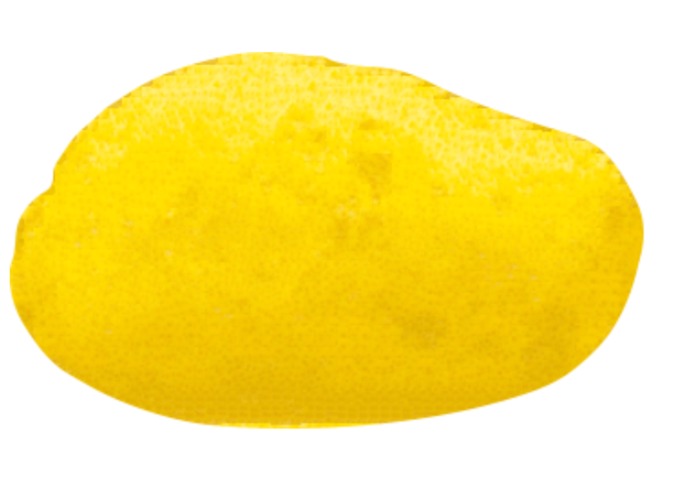
Lemon potato
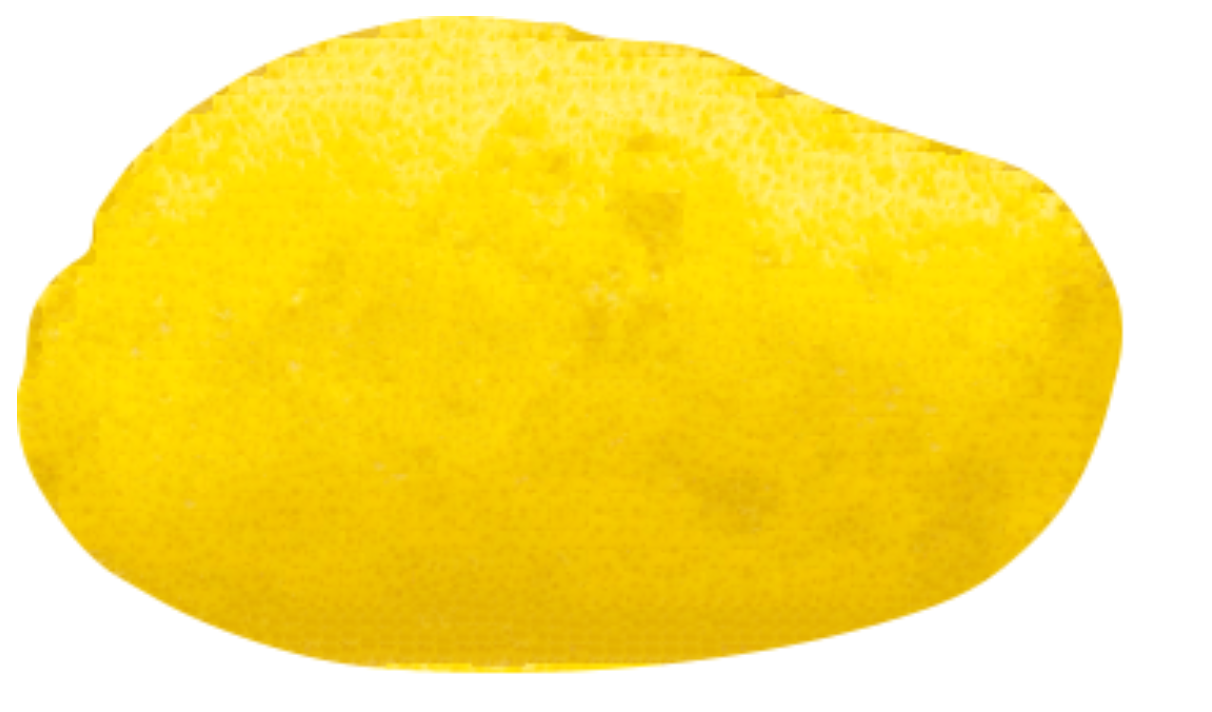
Inspiration
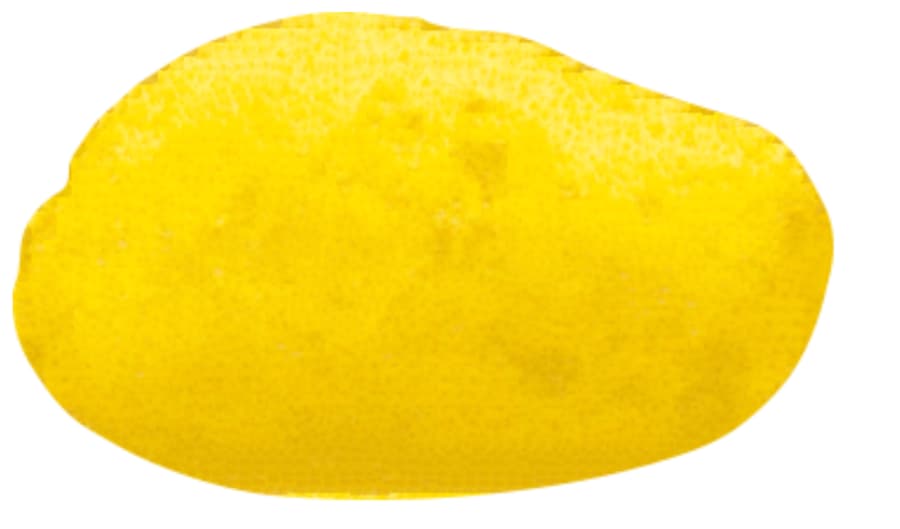
We can take a texture like this:
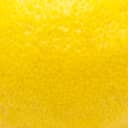
... and a potato like this:
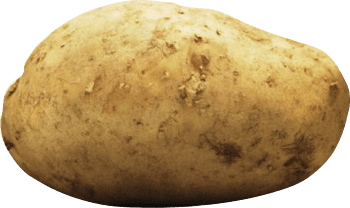
... and we can create a lemon potato:
What it does
It uses a machine learning / energy minimization algorithm (specifically, loopy belief propagation over a finite Markov field with a few heuristics) in order to a model a transposition of a texture onto another natural image.
Our web demo lets users take pictures from their webcams and retexture them using a number of default options.
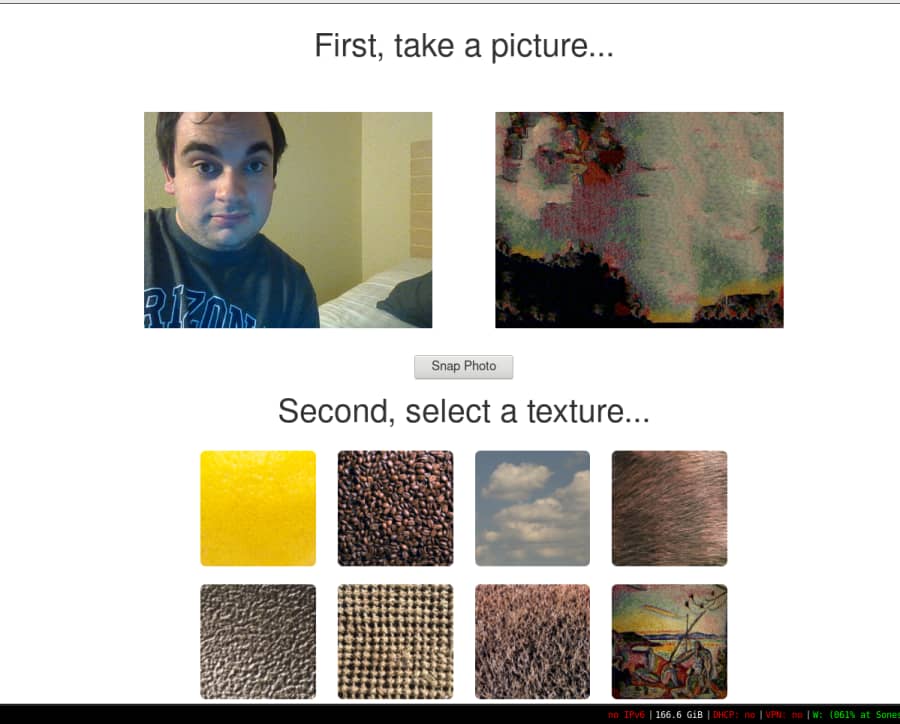
tl;dr it copies the texture from one picture onto another
How we built it
We wrote the entire algorithm from the ground-up in C++, including neighbor search data structures, energy minimization routines, and marshaling code. We compiled the C++ code using emscripten so that the entire algorithm can be ran in native asm.js JavaScript on the client side.
Based on the initial ideas presented by Efros and Freeman.
Challenges we ran into
Debugging memory faults in emscripten compiled JavaScript is really hard! We had to write a light-weight version of Valgrind (and libVEX) to track down a few nasty bugs. The algorithm itself was also pretty tricky, requiring us to gain a little bit more mathematical knowledge than we had before.
Accomplishments that we're proud of
It works! And we have some neat images that really show how everything works.
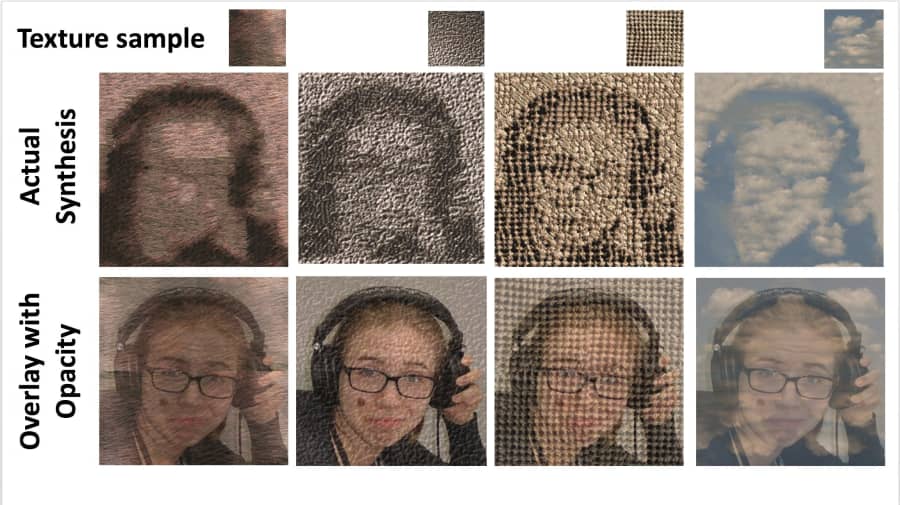
Team member Sofiya pictured, comparing actual synthesis to an overlay / soft light blending.
What we learned
So, so much about low-level optimizations and image processing!
What's next for Quilty
Expanding it beyond just the client, doing video texture transfer.
Built With
- c++
- emscripten
- javascript

Log in or sign up for Devpost to join the conversation.