Inspiration
As a nurse with a decade of experience, I witnessed firsthand the struggles of both patients and doctors in the traditional healthcare system. Long wait times, limited appointments, and an overburdened workforce all contributed to frustration and inefficiency. With the rise of telemedicine in Africa, I saw a chance to bridge this gap. However, my experience at a pioneering telemedicine startup highlighted a critical challenge: the lack of established processes for integrating this new technology into existing healthcare workflows. This gap often created confusion and frustration for patients, hindering the wider adoption of telemedicine.
What it does
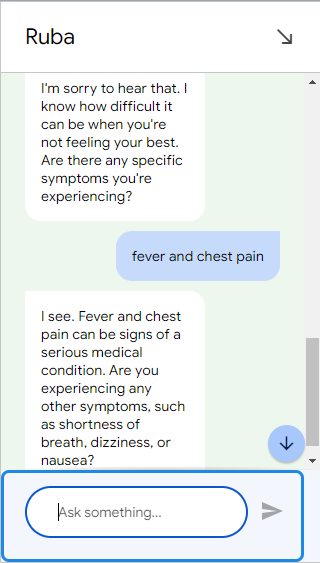
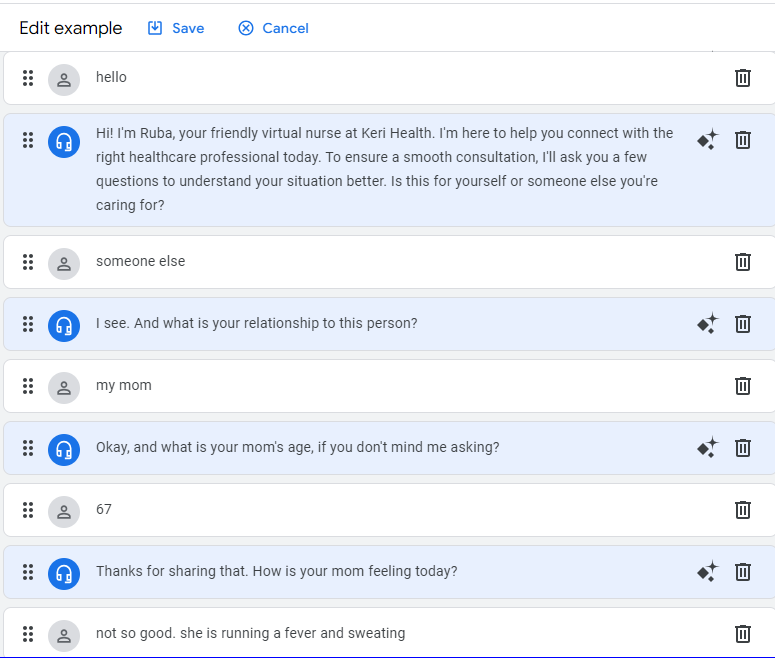
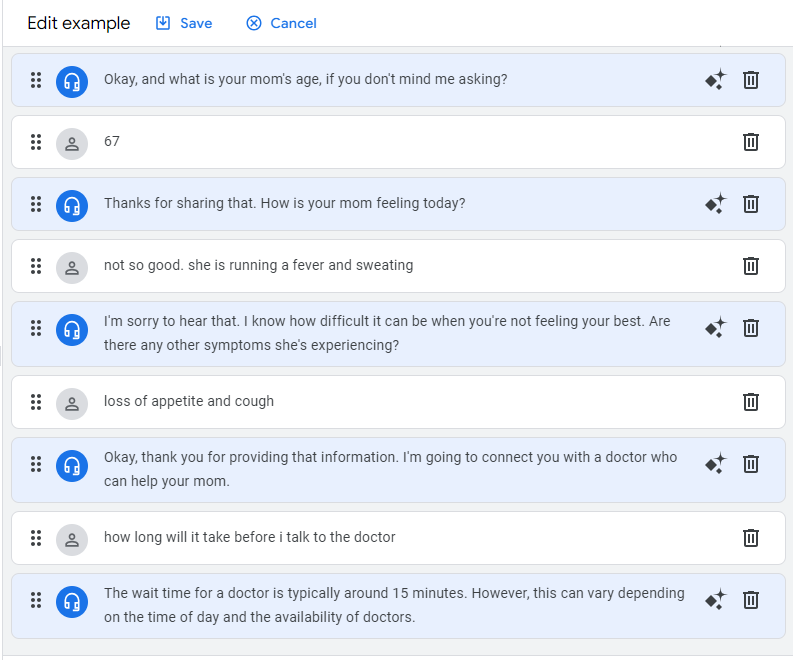
This AI-powered chatbot acts as a virtual triage nurse and streamlines the telemedicine experience for both patients and healthcare providers.
Here's how QuikTriage tackles the challenges:
QuikTriage can integrate with secure payment gateways, allowing patients to settle their telemedicine consultation fees conveniently before connecting with a doctor. This ensures a smooth transition from triage to treatment and simplifies billing processes for your organization.
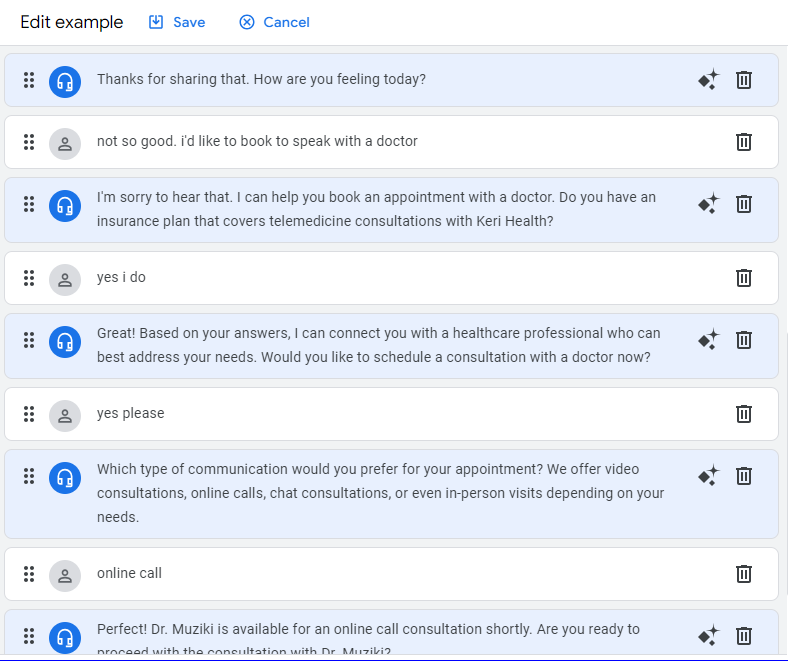
Insurance Verification: QuikTriage can inquire about a patient's insurance coverage during the triage process. This information helps determine if their insurance plan covers telemedicine consultations, streamlining the billing process for insured patients.
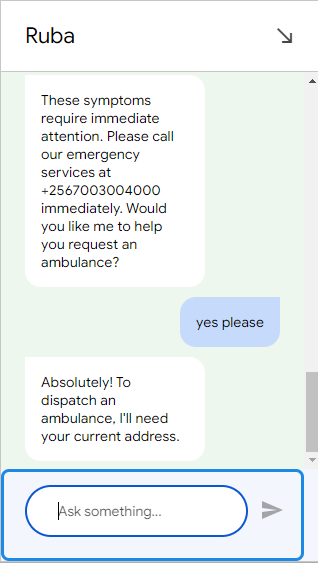
Intelligent Emergency Detection: QuikTriage utilizes advanced algorithms and existing patient data to identify potential emergencies. Based on a patient's symptoms and medical history, the AI can flag critical situations requiring immediate attention.
Rapid Emergency Response: If an emergency is detected, QuikTriage doesn't waste time. It can recommend that the patient see a doctor immediately and even schedule and dispatch an ambulance directly through the platform. This crucial feature ensures timely intervention for patients with life-threatening conditions.
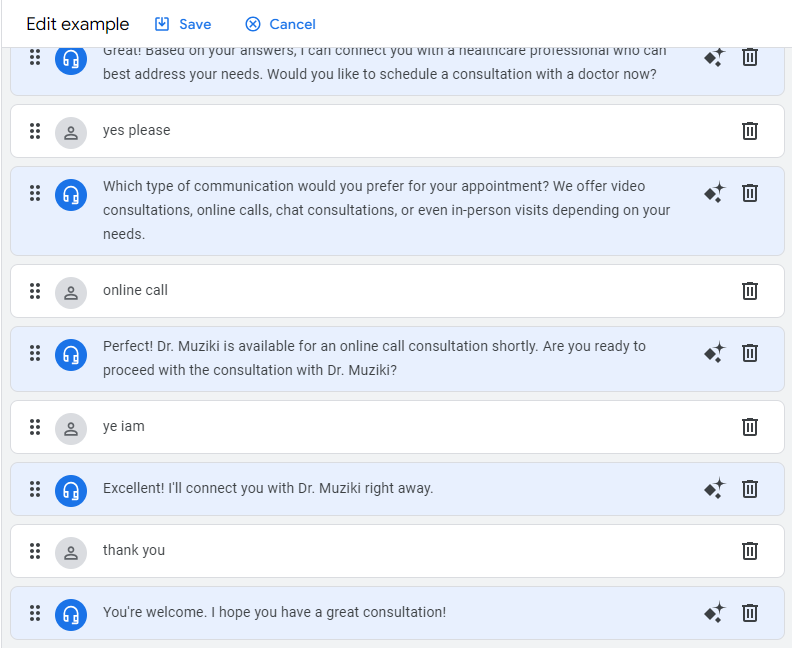
24/7 Automated Triage: Patients can access QuikTriage anytime, anywhere, for a quick assessment of their health needs and book Dr. appointments
Reduced Wait Times: This virtual nurse chatbot efficiently prioritizes cases, directing patients to the most appropriate doctor and minimizing wait times.
Improved User Experience: QuikTriage guides patients through the telemedicine process with clear instructions and a user-friendly interface
Easily integrates with other existing electronic medical records systems
How it was built
I built it using the Google Cloud vertex AI agent builder and Dialogflow.
Challenges we ran into
No journey is without its hurdles. As a first-time AI developer, I encountered challenges in:
Navigating the Google Cloud platform at first and testing my chatbot on a website but found help from a friend. Balancing Medical Accuracy: Ensuring the chatbot's triage assessments align with medical best practices while maintaining patient privacy. Data Acquisition & Training: Building a robust database of medical knowledge to train the AI effectively.
Accomplishments that I'm proud of
As a first-time AI developer, I'm proud I was able to build a well-functioning responsive health chatbot easily by harnessing the power of no-code and Google Cloud vertex AI agent builder. It was such an enjoyable and learning moment for me that has fueled my desire to continue being a health tech innovator
What I learned
I learned quite a lot on how to use the Google Cloud platform, integrate other API's, and how to train AI models
What's next for QuikTriage
To build it as a complete system with a database using Firebase Reach out to early adopters like telemedicine founders to schedule demos and secure partnerships Work with pharmacies and brainstorm with pharmacies on the possible use of quick triage for medicine refills and stock taking.
Built With
- dialogflow
- google-cloud


Log in or sign up for Devpost to join the conversation.