-
-
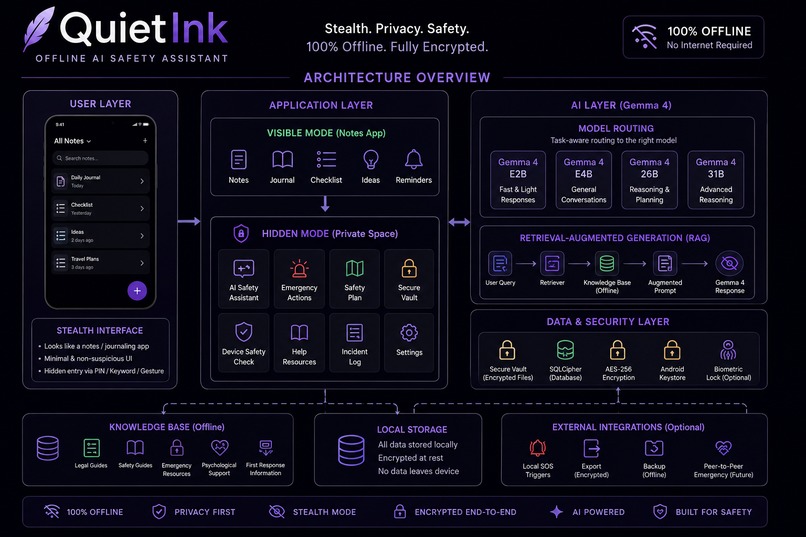
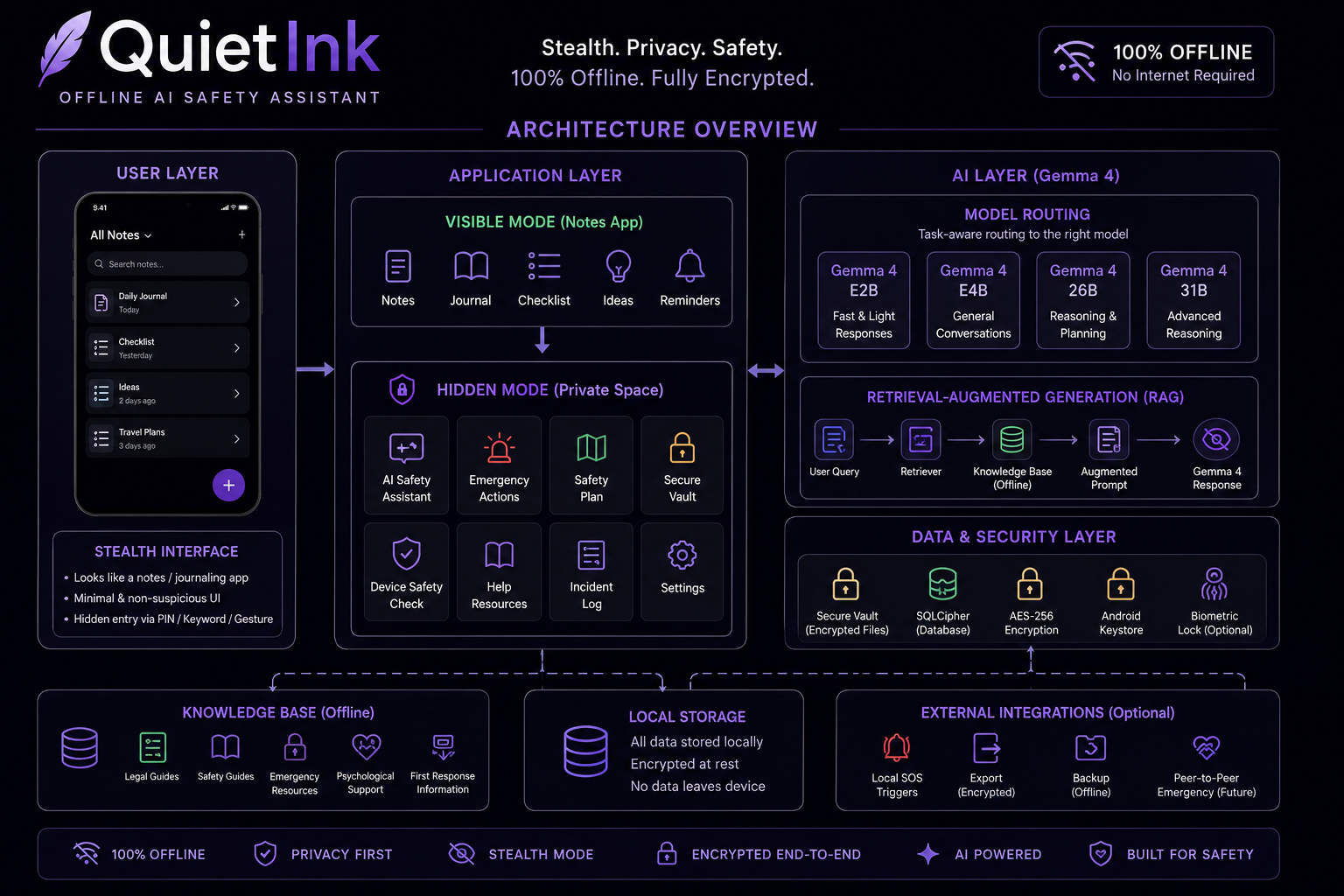
Architecture
-
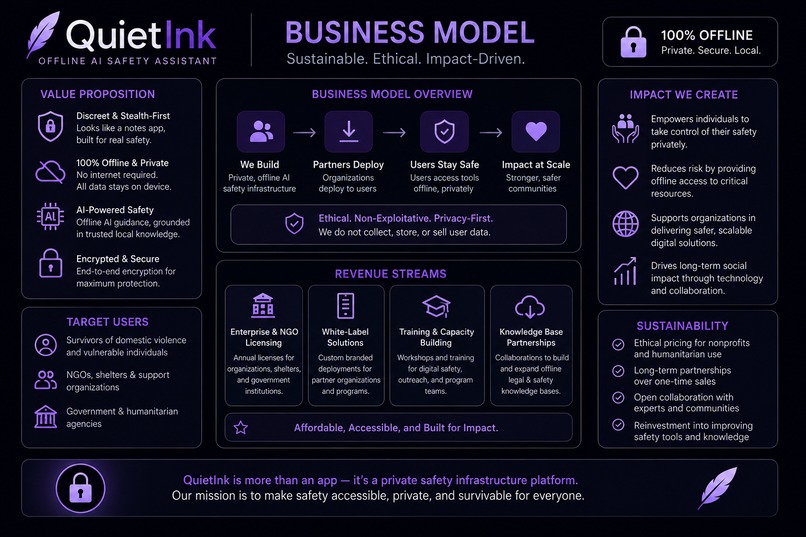
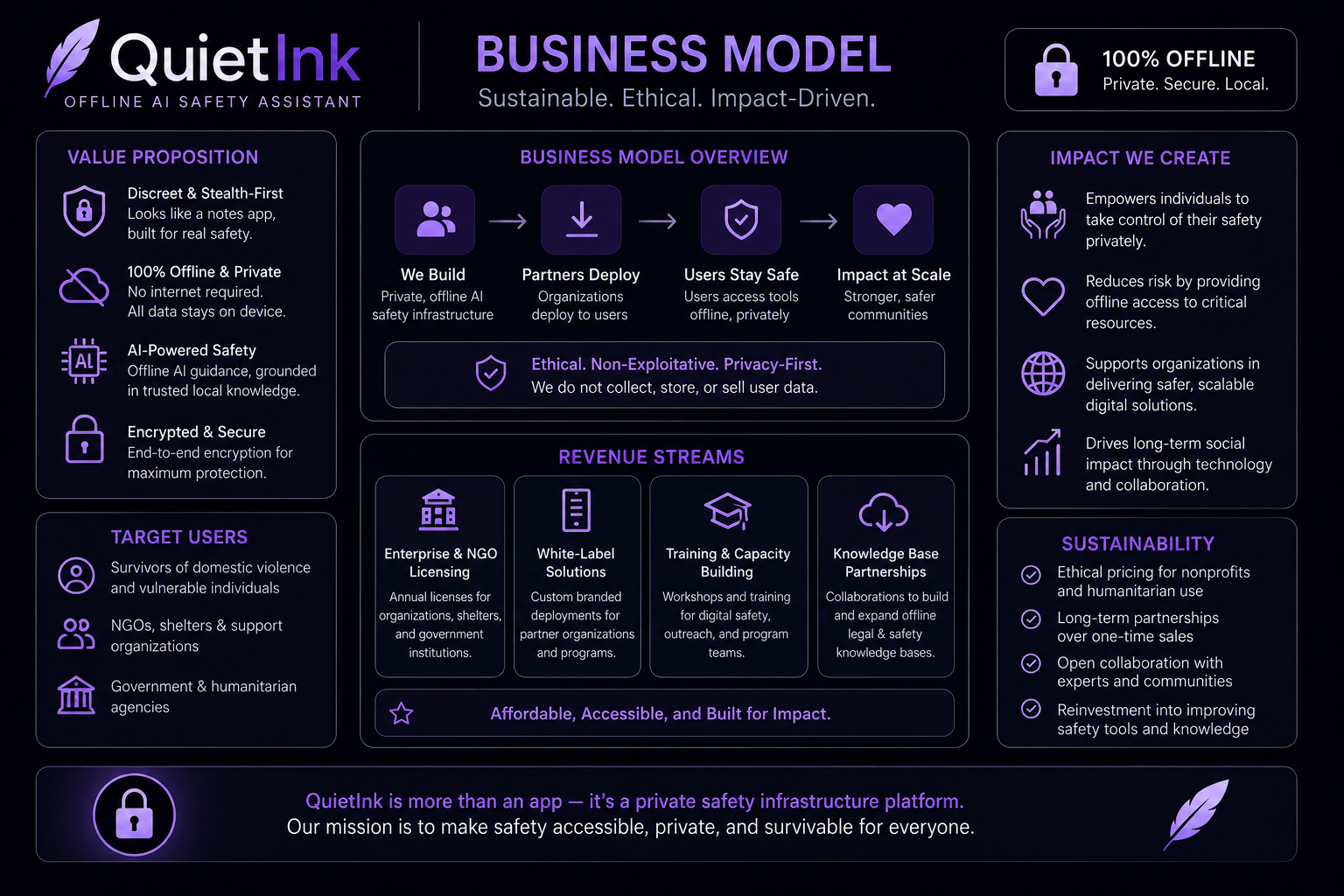
Business Model
-
Splash Screen
-
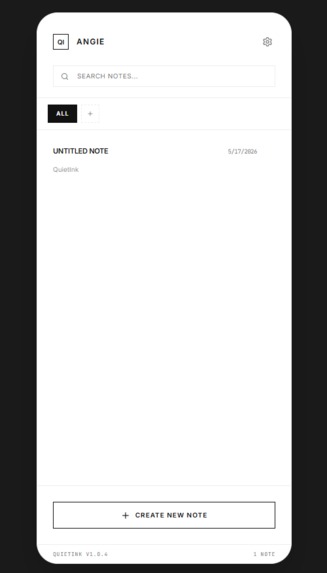
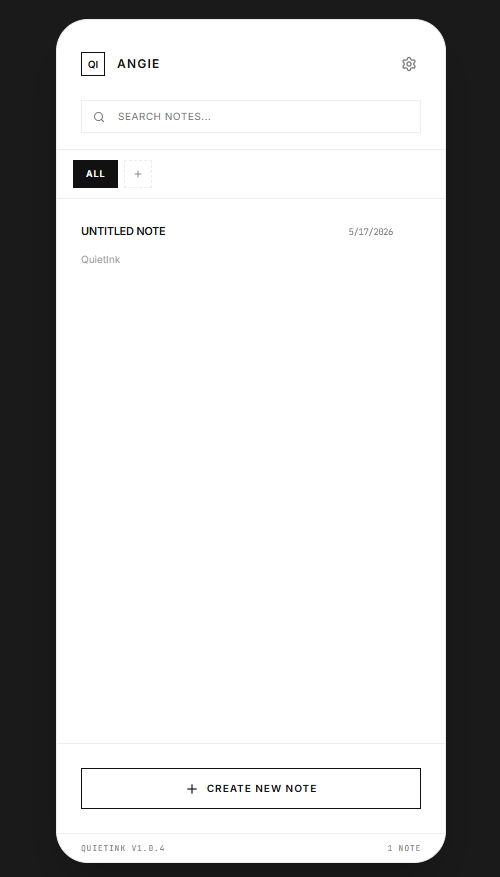
Home Screen
-
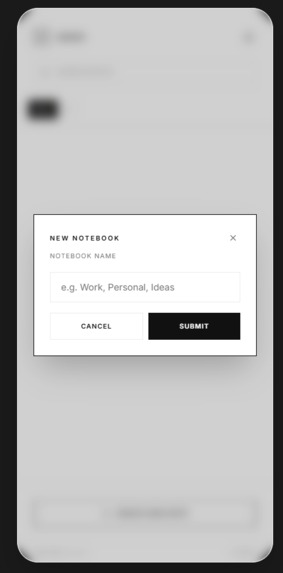
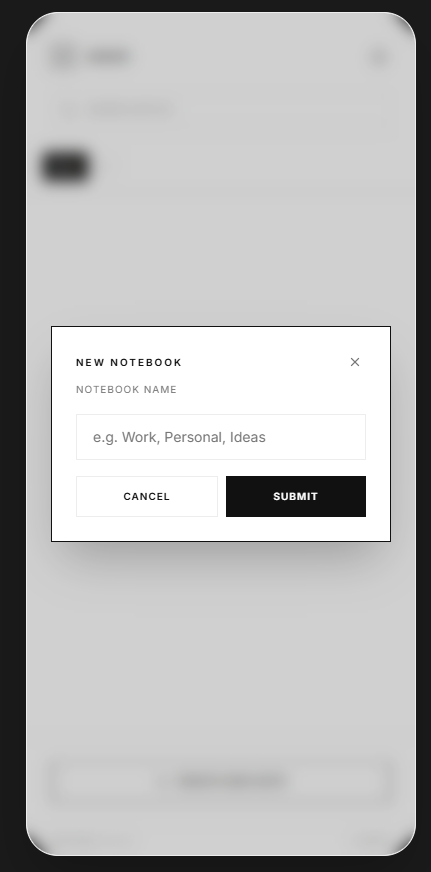
New Noetbook Category Popup
-
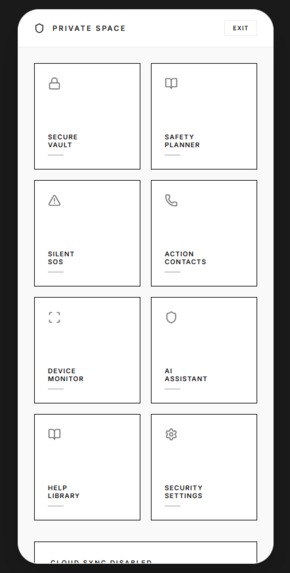
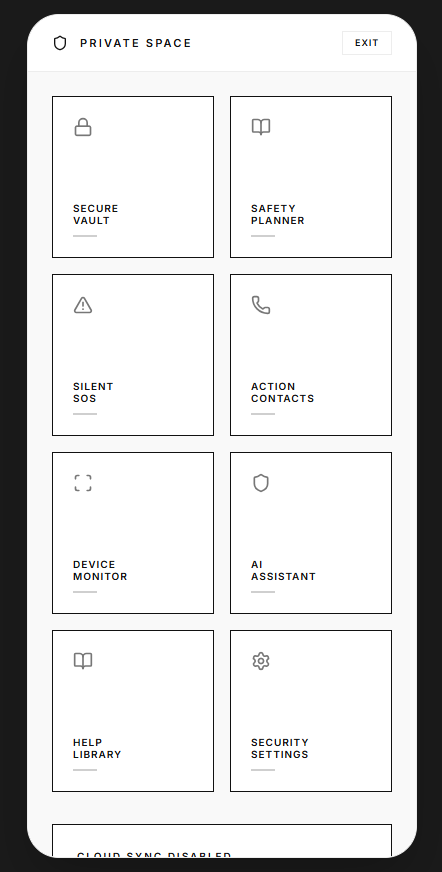
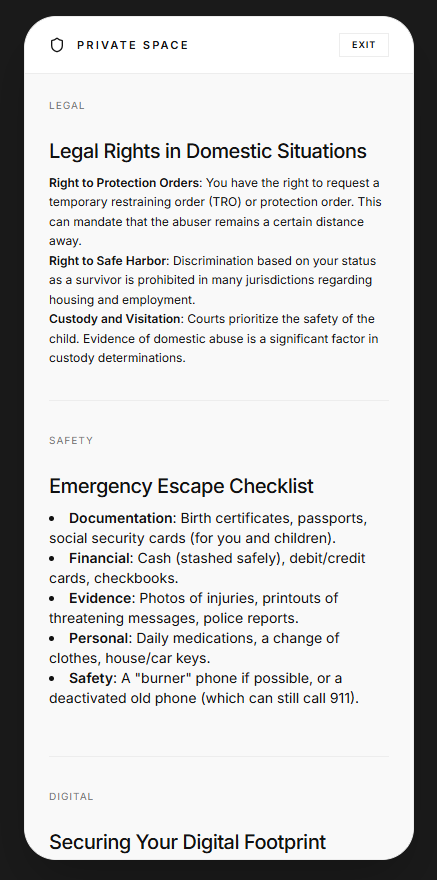
Private Space
-
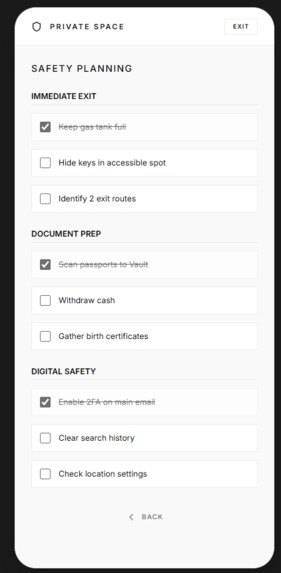
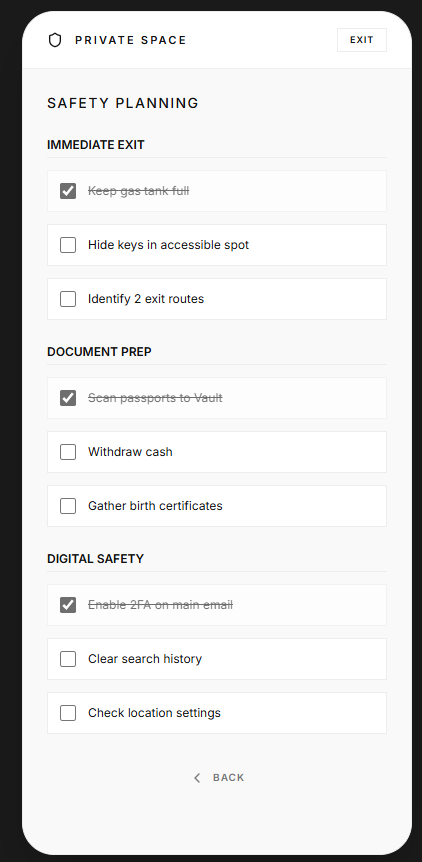
Safety Planner
-
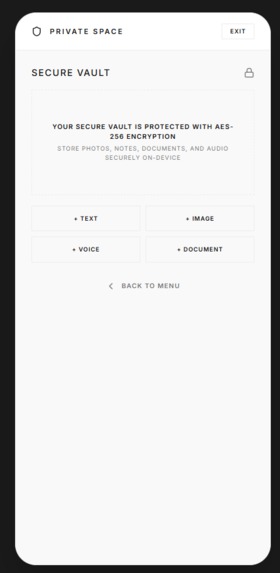
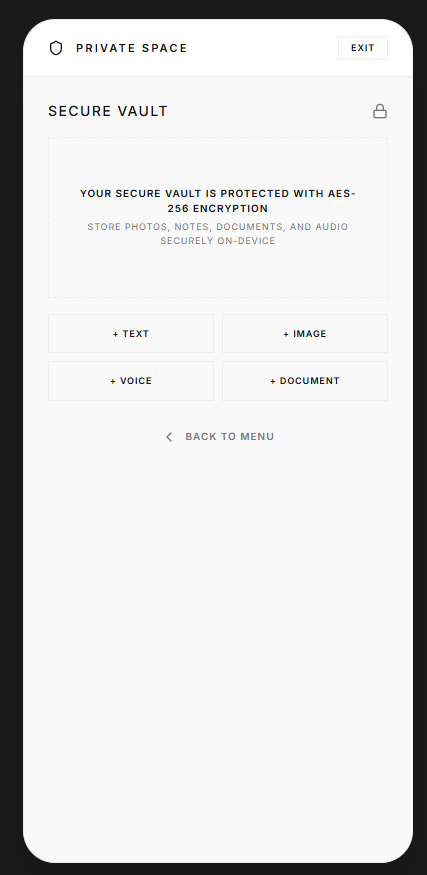
Secure Vault
-
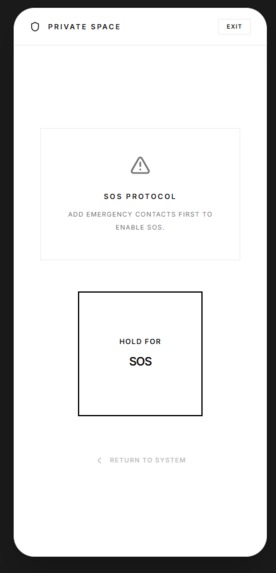
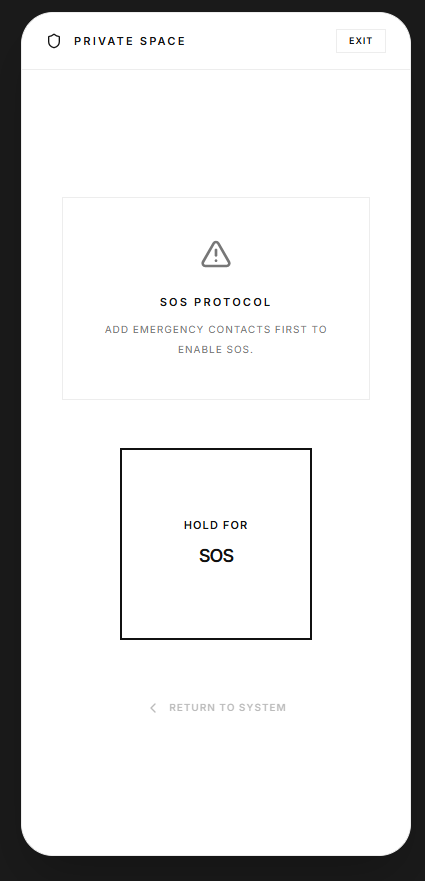
SOS Button
-
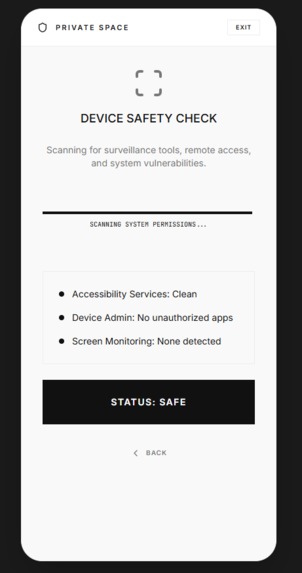
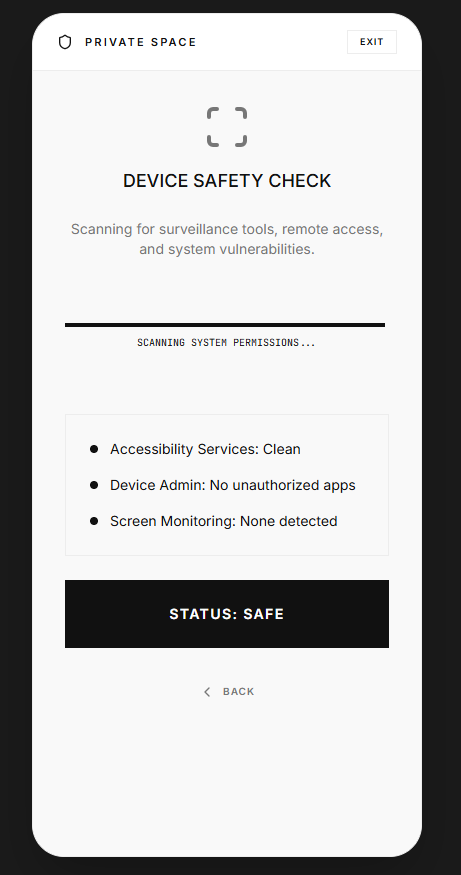
Device Scan
-
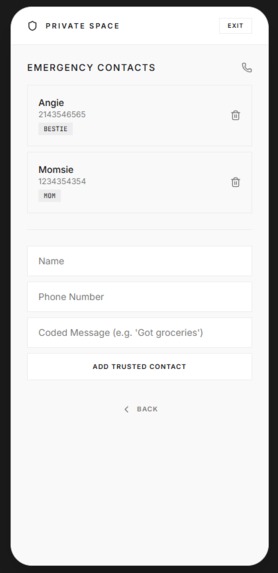
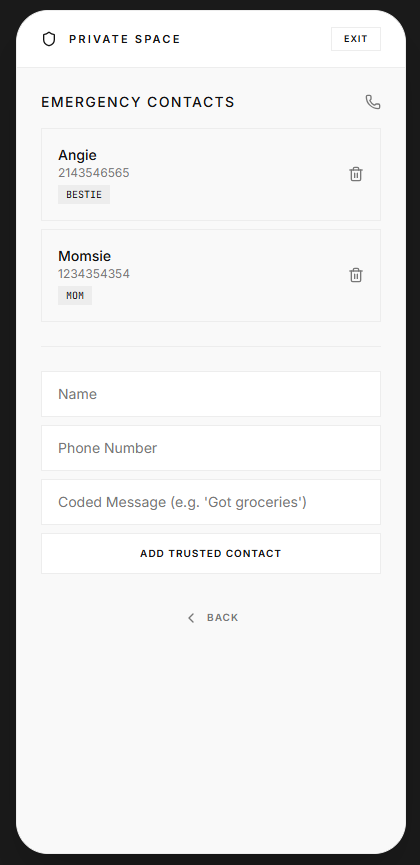
Emergency Contacts
-
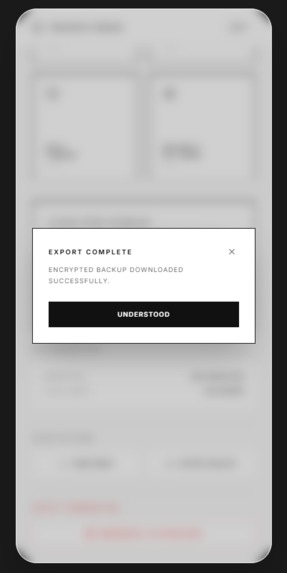
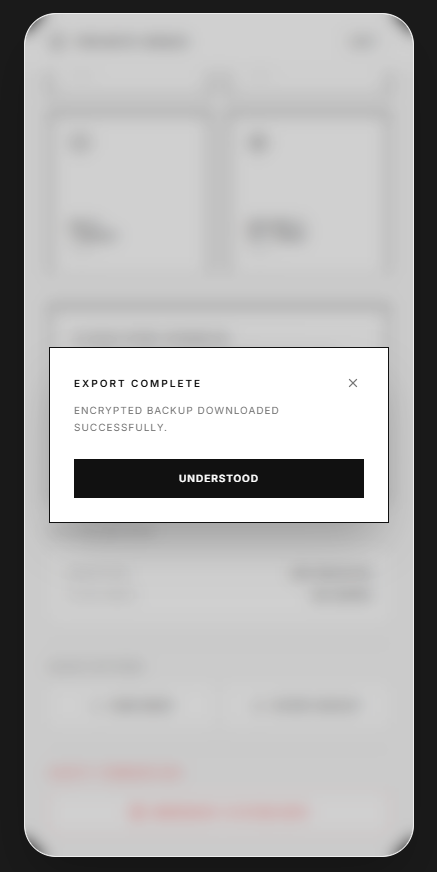
Export Files Popup
-
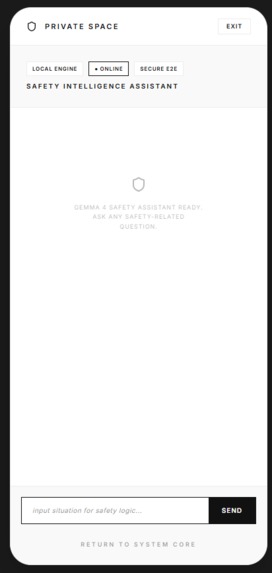
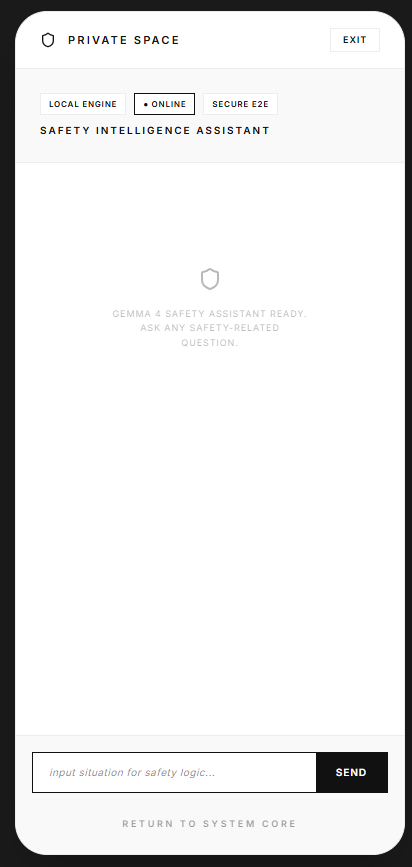
AI Assistant
-
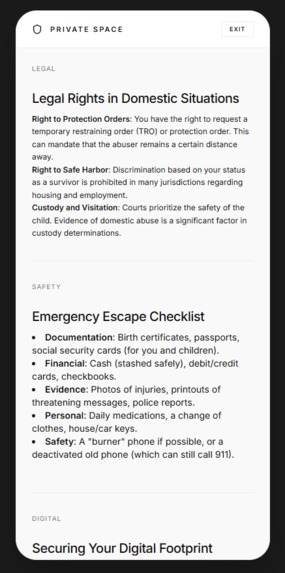
Legal Rights
-
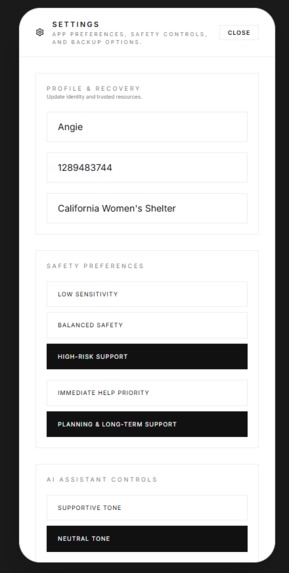
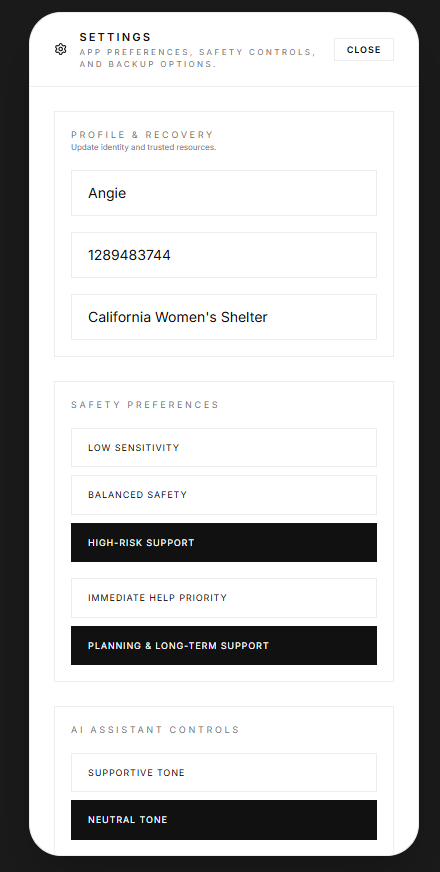
Settings
Inspiration
QuietInk was inspired by the reality that many domestic violence survivors and vulnerable individuals live under constant digital surveillance. Phones are often checked, messages monitored, internet access restricted, and even searching for help can increase danger.
Most safety applications depend heavily on cloud infrastructure, visible interfaces, and internet connectivity, which can become unreliable or unsafe in coercive environments.
I wanted to explore how AI could be transformed from a general-purpose assistant into a form of private offline safety infrastructure, something discreet, grounded, survivable, and accessible even on low-end mobile devices.
The goal was to build a stealth offline AI assistant that quietly helps users access safety planning, emergency workflows, encrypted evidence storage, and grounded support without drawing attention.
What it does
QuietInk is a stealth offline AI safety assistant disguised as a minimal notes and journaling mobile application.
On the surface, it behaves like a normal productivity app for:
- note taking
- journaling
- checklists
- personal organization
Hidden beneath the visible interface is a secure environment called Private Space, accessible only through hidden triggers such as:
- secret keywords
- hidden gestures
- secondary PINs
Inside Private Space, users can access:
- offline AI-powered safety guidance
- emergency planning workflows
- silent SOS systems
- encrypted Secure Vault storage
- device safety checks
- offline legal/help resources
The application uses multiple Gemma 4 models:
- Gemma 4 E2B
- Gemma 4 E4B
- Gemma 4 26B
- Gemma 4 31B
To improve reliability and reduce hallucinations, the AI assistant uses Retrieval-Augmented Generation (RAG) with grounded offline datasets instead of relying purely on free-form generation.
How I built it
I built QuietInk as a local-first architecture focused on:
- privacy
- offline functionality
- performance
- survivability under coercive environments
Frontend The application interface was built using:
- React
- Vite
- TypeScript
The UI follows a minimal monochrome design system with:
- SF Pro-style typography
- no flashy visuals
- no suspicious branding
- a clean journaling-app appearance
AI Layer The AI architecture integrates:
- Gemma 4 E2B
- Gemma 4 E4B
- Gemma 4 26B
- Gemma 4 31B
A routing system determines which model handles each request:
- lightweight models for fast local responses
- larger models for structured planning and advanced reasoning
To ensure grounded outputs, I implemented:
- Retrieval-Augmented Generation (RAG)
- offline knowledge retrieval
- prompt routing
- safety-focused response constraints
- Security Layer
The secure infrastructure includes:
- AES-256 encryption
- SQLCipher encrypted storage
- Android Keystore integration
- local encrypted vault architecture
- optional biometric locking
The Secure Vault supports encrypted storage for:
- documents
- photos
- audio recordings
- incident logs
Challenges I ran into
One of the biggest challenges was balancing:
- stealth
- usability
- ethical AI safety
The app needed to remain:
- easy for intended users
- but non-suspicious during casual inspection
Another major challenge was reducing hallucinations in safety-critical situations. Standard AI chat systems can fabricate legal information or unsafe guidance, which becomes dangerous in real-world domestic violence contexts.
To address this, I focused heavily on:
- grounded retrieval systems
- constrained AI responses
- offline datasets
- model routing
Running multiple AI models efficiently on mobile devices was also difficult. Optimizing local inference while maintaining acceptable response quality required careful architectural decisions.
Designing for offline-first environments also introduced challenges around: storage optimization
- memory usage
- inference speed
- lightweight deployment
Accomplishments that I'm proud of
I’m proud that QuietInk became more than just a chatbot prototype.
It evolved into:
- a stealth safety platform
- an offline AI assistant
- a privacy-focused mobile infrastructure system
Some accomplishments I’m especially proud of:
- integrating all required Gemma 4 model variants
- building a grounded RAG-based AI workflow
- implementing encrypted Secure Vault functionality
- designing hidden entry systems
- creating a fully offline-first architecture
I’m also proud that the app maintains a calm, minimal, and realistic notes-app appearance while containing advanced safety-focused functionality underneath.
What I learned
This project taught me that building AI for vulnerable users requires a fundamentally different mindset than building conventional AI applications.
I learned:
- grounded retrieval is essential for safety-sensitive AI
- metadata minimization matters as much as encryption
- offline-first architecture changes product design completely
- UX decisions can directly impact user safety
I also learned more about:
- secure mobile architecture
- local AI inference optimization
- retrieval-augmented generation
- stealth-oriented UX design
Most importantly, I learned that impactful AI systems are not just about intelligence — they are about trust, reliability, and survivability.
What's next for QuietInk
The next goal is to evolve QuietInk from a prototype into a deployable humanitarian safety platform. Future plans include:
- Flutter-native Android deployment
- multilingual support
- stronger offline inference optimization
- improved threat and surveillance detection
- expanded legal/help knowledge bases
- collaboration with domestic violence organizations and digital safety experts
I also want to improve:
- encrypted offline exports
- adaptive emergency workflows
- secure peer-to-peer emergency communication systems
Long term, I envision QuietInk becoming:
- a private offline safety infrastructure platform for vulnerable individuals worldwide.
Built With
- aes-256
- gemma
- machine-learning
- node.js
- python
- rag
- react
- sqlcipher
- sqlite
- typescript
- vite

Log in or sign up for Devpost to join the conversation.