-
QuietHours
Inspiration
The idea came from observing how customers often struggle with everyday experiences—not because services are bad, but because timing, accessibility, and lack of information make them frustrating. I wanted to build a solution that puts users first and uses technology to reduce friction in simple, meaningful ways.
What it does
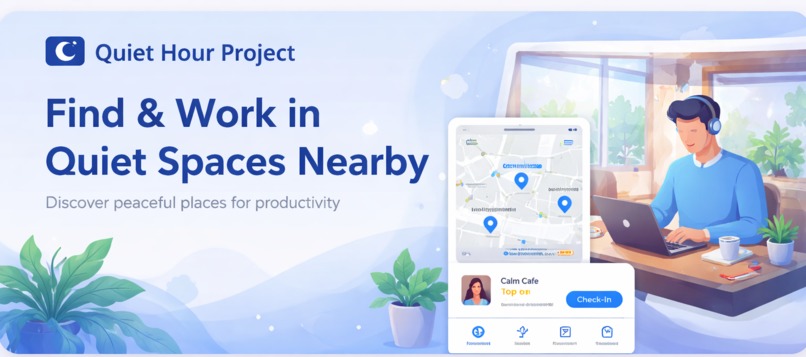
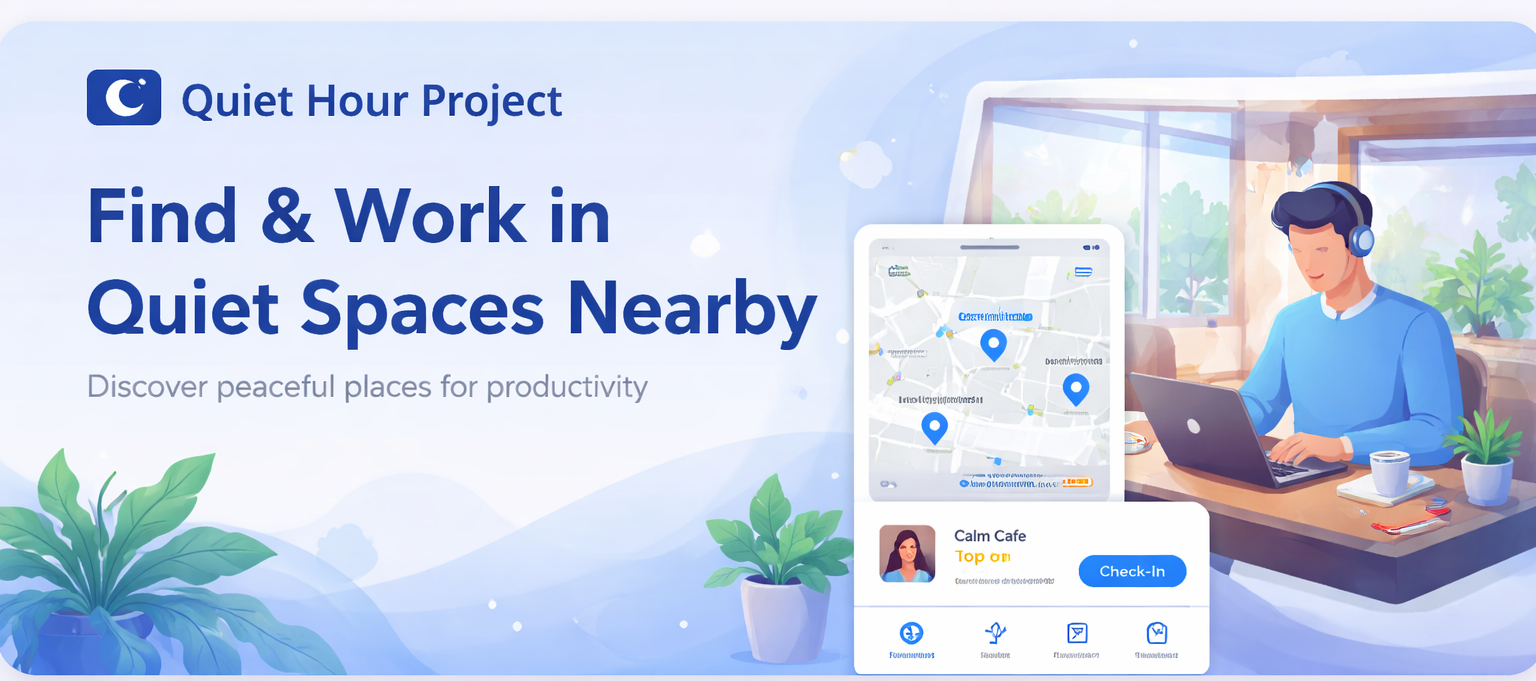
Quiet Hours helps users find the best time to visit public places like cafés, banks, hospitals, or stores by showing crowd and noise levels throughout the day. Users can check low-traffic time slots, leave feedback, and plan visits that are calmer and more comfortable—especially helpful for neurodiverse users, seniors, and remote workers.
How we built it
We built Quiet Hours as a full-stack web application. The backend was developed using ASP.NET Core with RESTful APIs following microservice principles. The frontend was built with React.js for a responsive and accessible user experience. We used SQL Server for data storage and Azure DevOps for source control, CI/CD pipelines, and deployment.
Challenges we ran into
One of the main challenges was designing a reliable crowd-level model using limited real-time data. Balancing performance, clean API design, and rapid development within hackathon timelines was also challenging. Coordinating frontend and backend integration under time pressure required careful planning and communication.
Accomplishments that we're proud of
Delivered a working end-to-end product within the hackathon timeframe Built scalable APIs with clean architecture Created an accessibility-focused, user-friendly UI Successfully deployed and demonstrated a real-world, impactful solution
What we learned
We learned how important it is to prioritize core features, communicate clearly within a team, and design with inclusivity in mind. The project strengthened our skills in full-stack development, system design, and rapid problem-solving under constraints.
What's next for Quiet Hours
Next steps include integrating real-time data sources, adding AI-based crowd predictions, launching a mobile app, and onboarding businesses to manage and publish their quiet-hour schedules. Our goal is to make Quiet Hours a go-to accessibility tool for everyday planning.
Built With
- azure
- express.js
- express.js-database:-microsoft-sql-server-apis:-restful-apis-(http/json)-tools-&-platforms:-git
- git
- github
- javascript
- microsoftsqlserver
- node.js
- react
- restfulapi
- sql
- sql-frontend:-react.js-backend:-node.js


Log in or sign up for Devpost to join the conversation.