-
-

Google Sign in
-
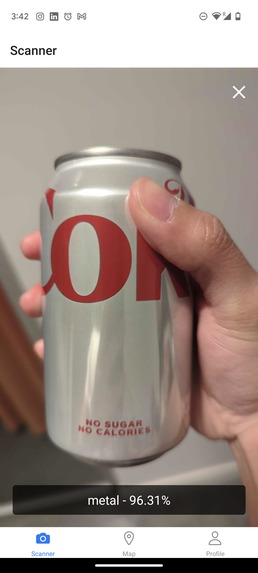
Garbage Quicksort
-
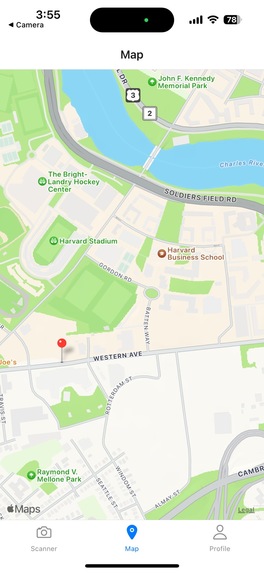
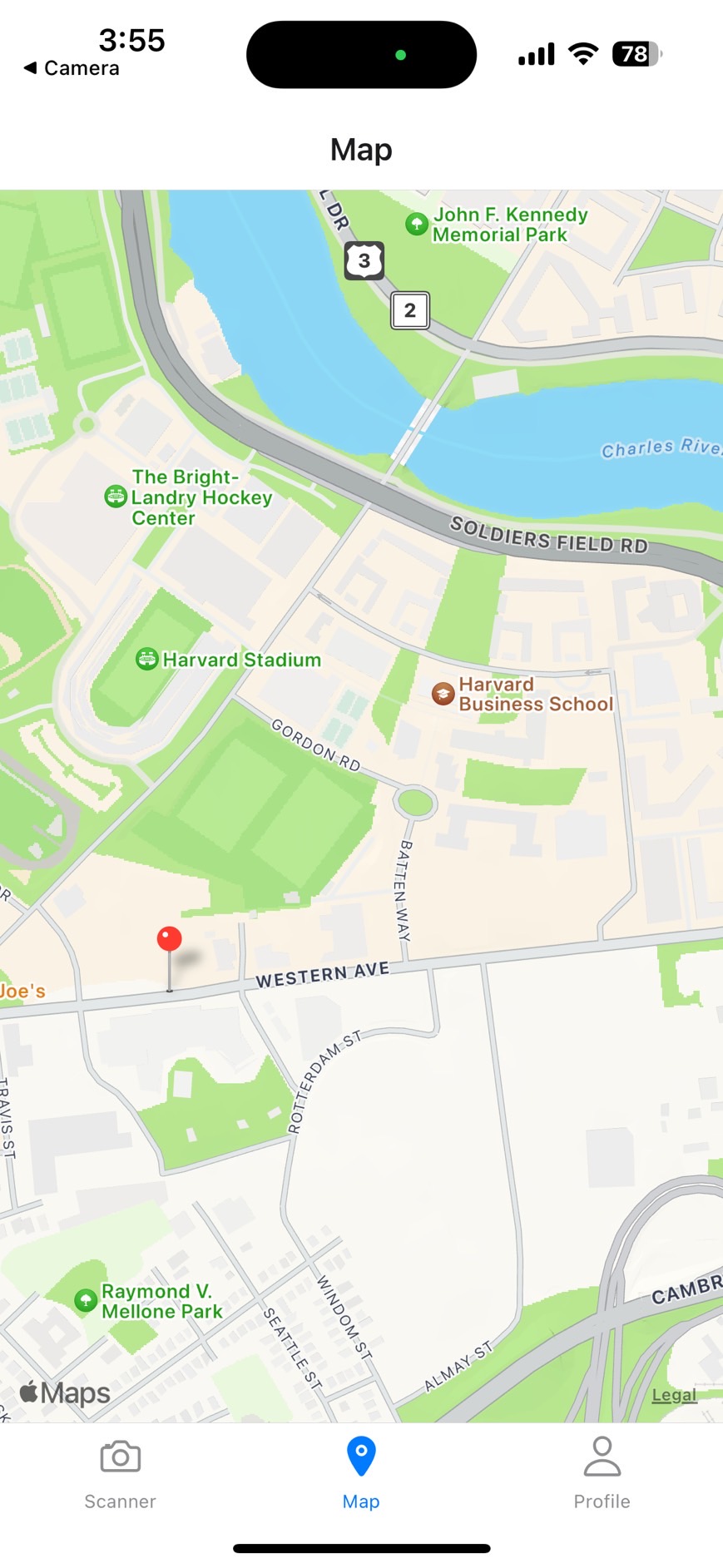
Google Map
-
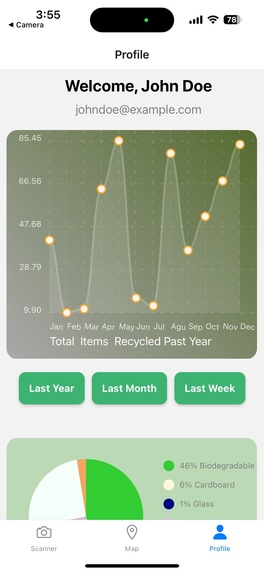
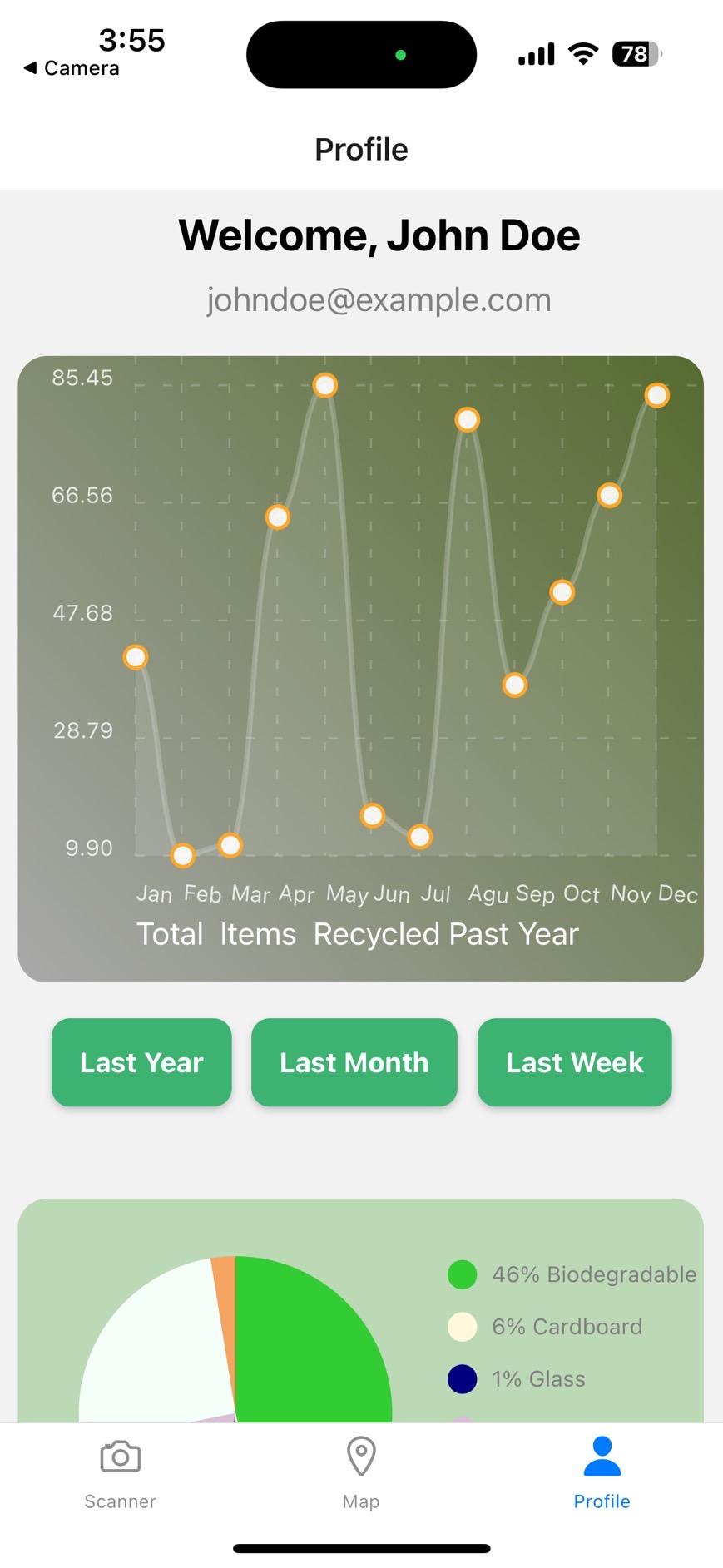
LineChart && Pie chart to record total items recycled

Inspiration
- Manual sorting of garbage is a difficult and expensive process and the global waste for recyclable materials has significantly increased over the years.
- It is projected by the World Bank that in 2050, the world will generate 3.4 billion tons of waste per year which is a 70% increase compared to 2023.
- Our strong desire to reduce the negative impact of waste and maintain a sustainable environment in the next 100 years brought us together, brainstorming methods for automated garbage sorting to improve the recycling process.
- We shared knowledge about machine learning, deep learning, Google Cloud, and full-stack development skills and we decided to design a mobile app that can automatically quick-sort the garbage with the support of machine learning models and lead the user to the nearest recycling places on Google Maps.
What it does
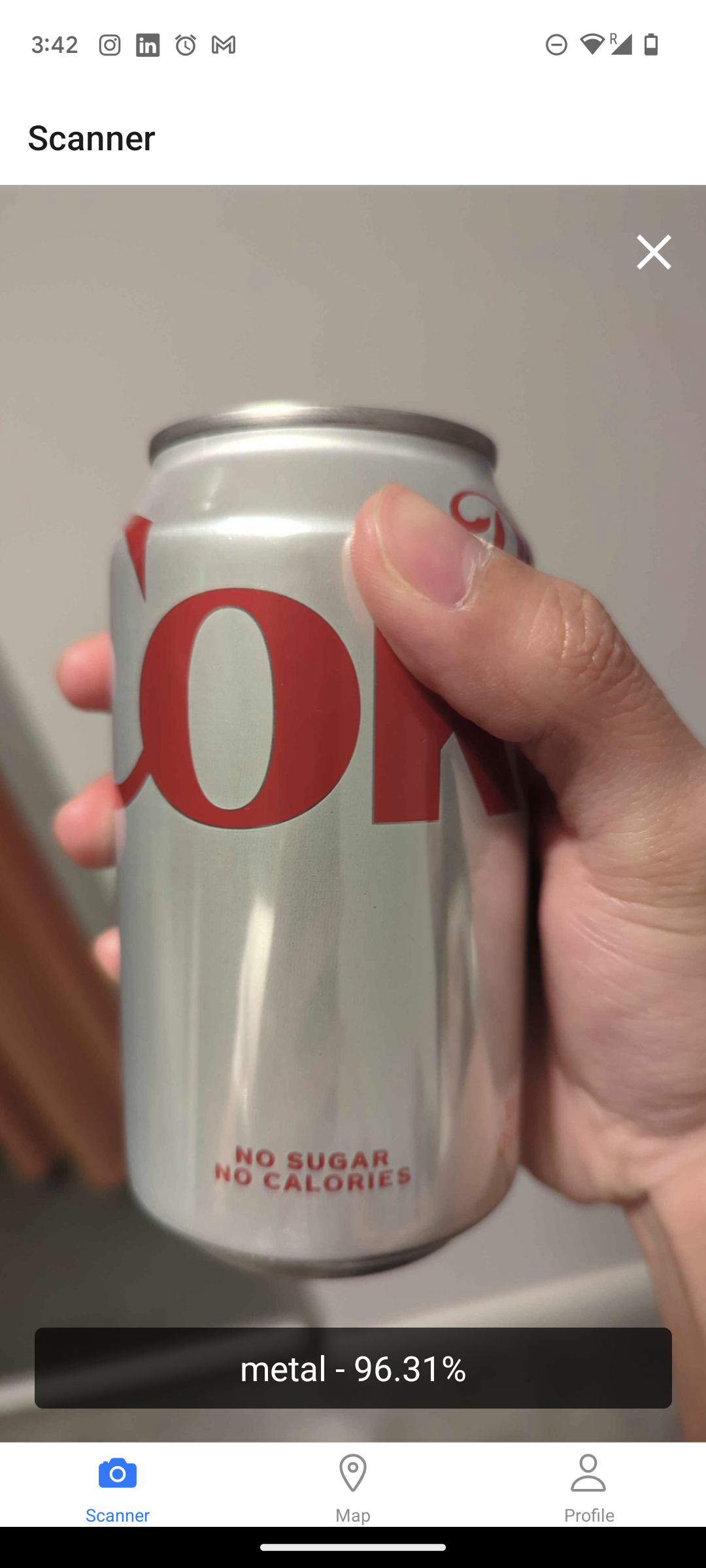
- Users can scan everyday objects with the scanner in QuickSort and will immediately sort things into various categories with the support of the Machine Learning Model.
- The Maps feature will lead the users to the nearest garbage recycling places on Google Maps to improve the recycling process.
- With the support of Google Cloud, QuickSort will record the total amount of garbage recycled by the users in the past year/month/week and display the data on line charts and pie charts.
How we built it:
- Machine Learning: PyTorch, Deep Learning
- Hosting: Google Cloud, CockroachDB
- Frontend: React Native
- Backend: Node.js, Express.js, TypeScript, PostgreSQL
- UI Design: Figma
Challenges we ran into
- Flask server setup to connect with MongoDB and Google Cloud SQL.
- Implementation of authentication with Google.
- Speed of classification using our models.
Accomplishments that we're proud of
- Trained numerous models using PyTorch with over 20k+ images.
- Set up the Node.js server to connect with CockroachDB hosted on Google Cloud.
What we learned
- Mobile development using React Native for device cross-compatibility.
- Learned the process of connecting to various database services (Google Cloud SQL, MongoDB, CockroachDB)
- The process of setting up a server in Flask and Express.js.
What's next for QuickSort
- Live-feed detection for rapid detection speed to improve user experience.
- Global recycling management system to track total garbage recycled on a global scale for further research.
- Implementation of a bonus system based on the amount of garbage a user recycles to encourage them to reduce waste production everyday.


Log in or sign up for Devpost to join the conversation.