-
-
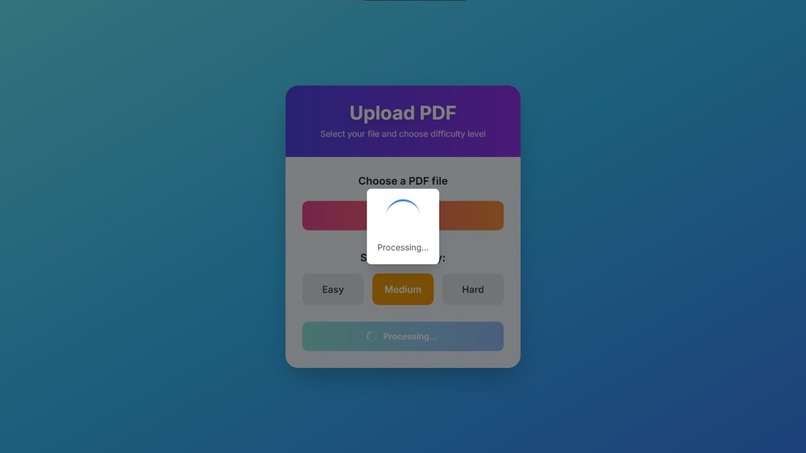
Document undergoing chunking
-
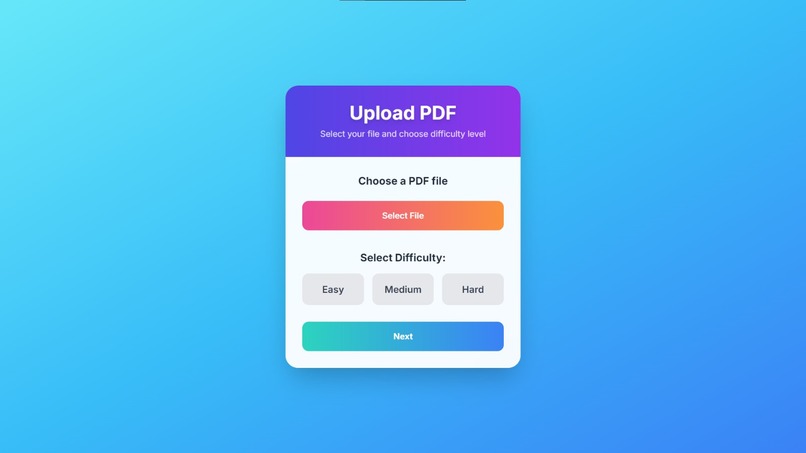
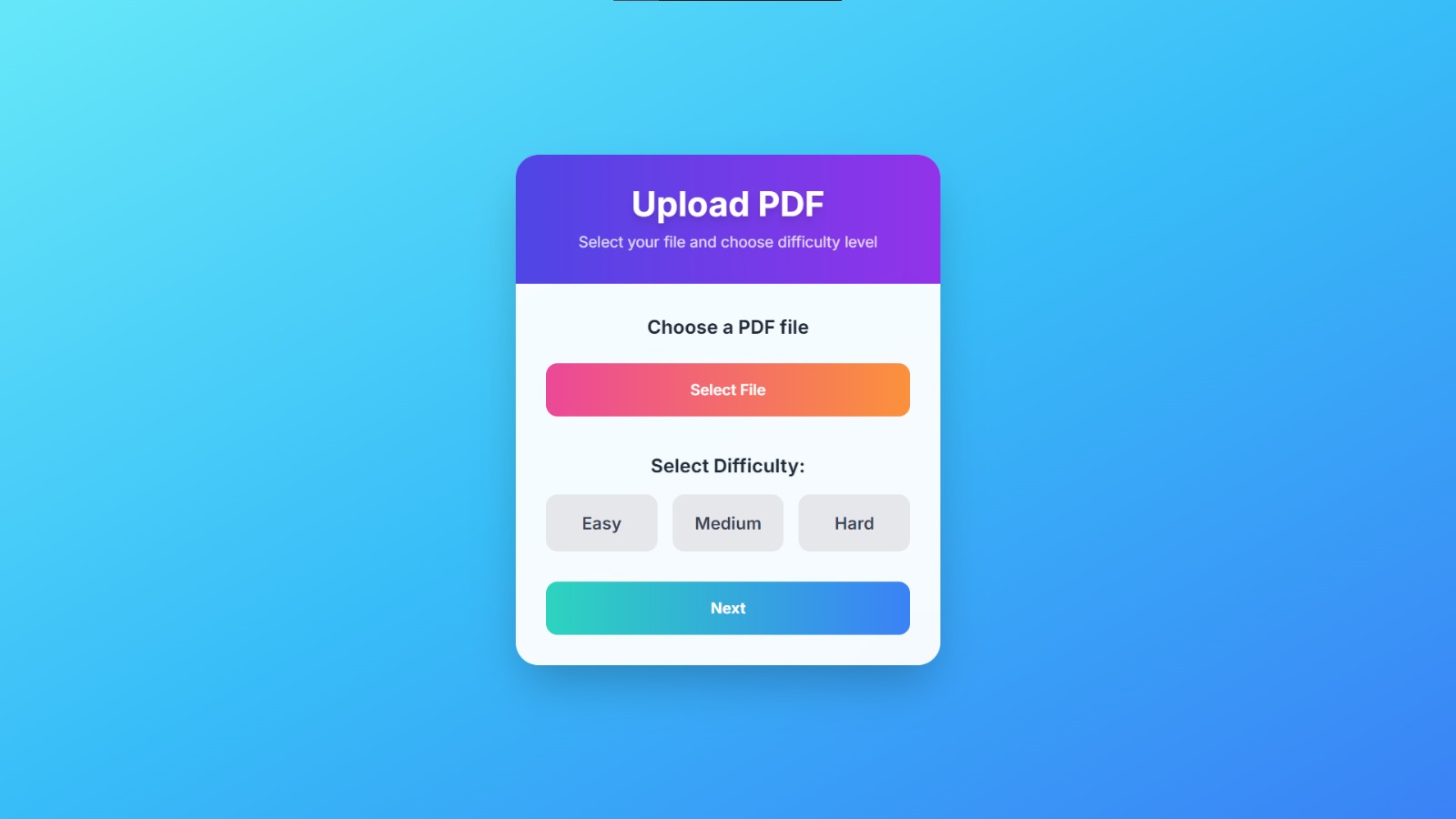
Landing Page
-
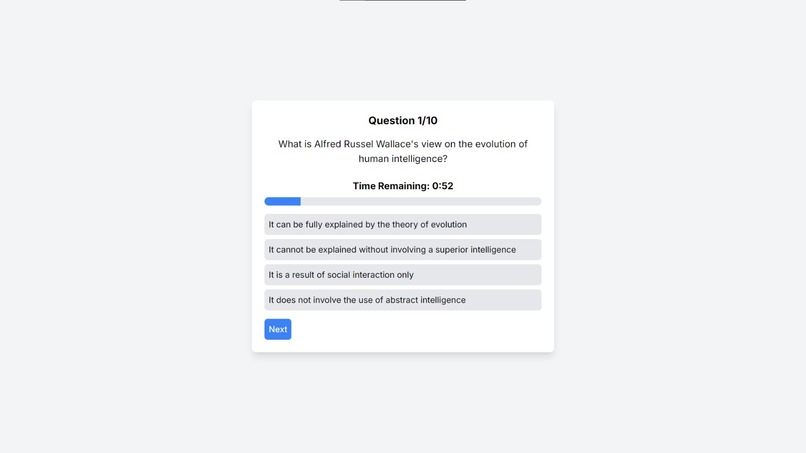
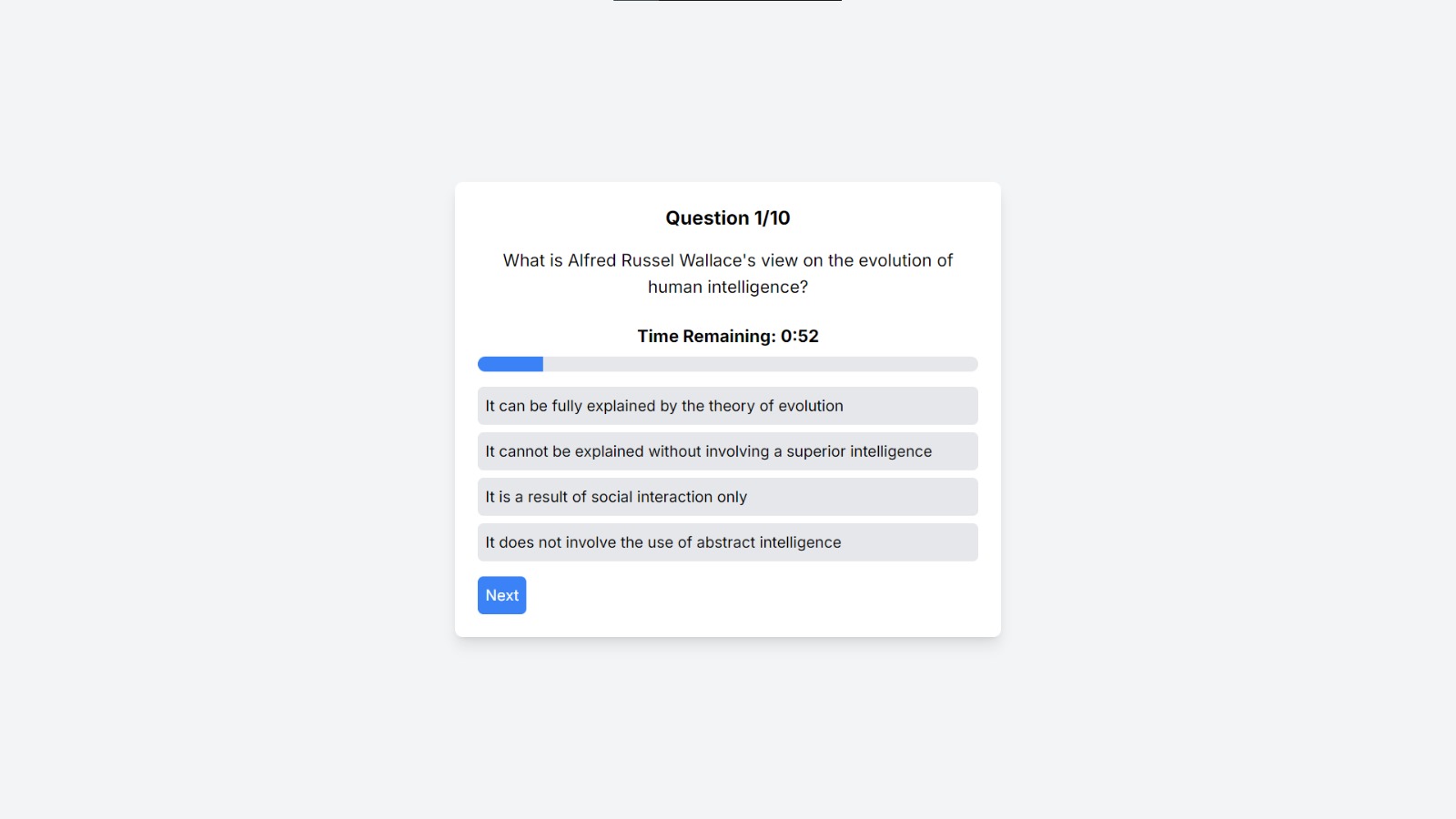
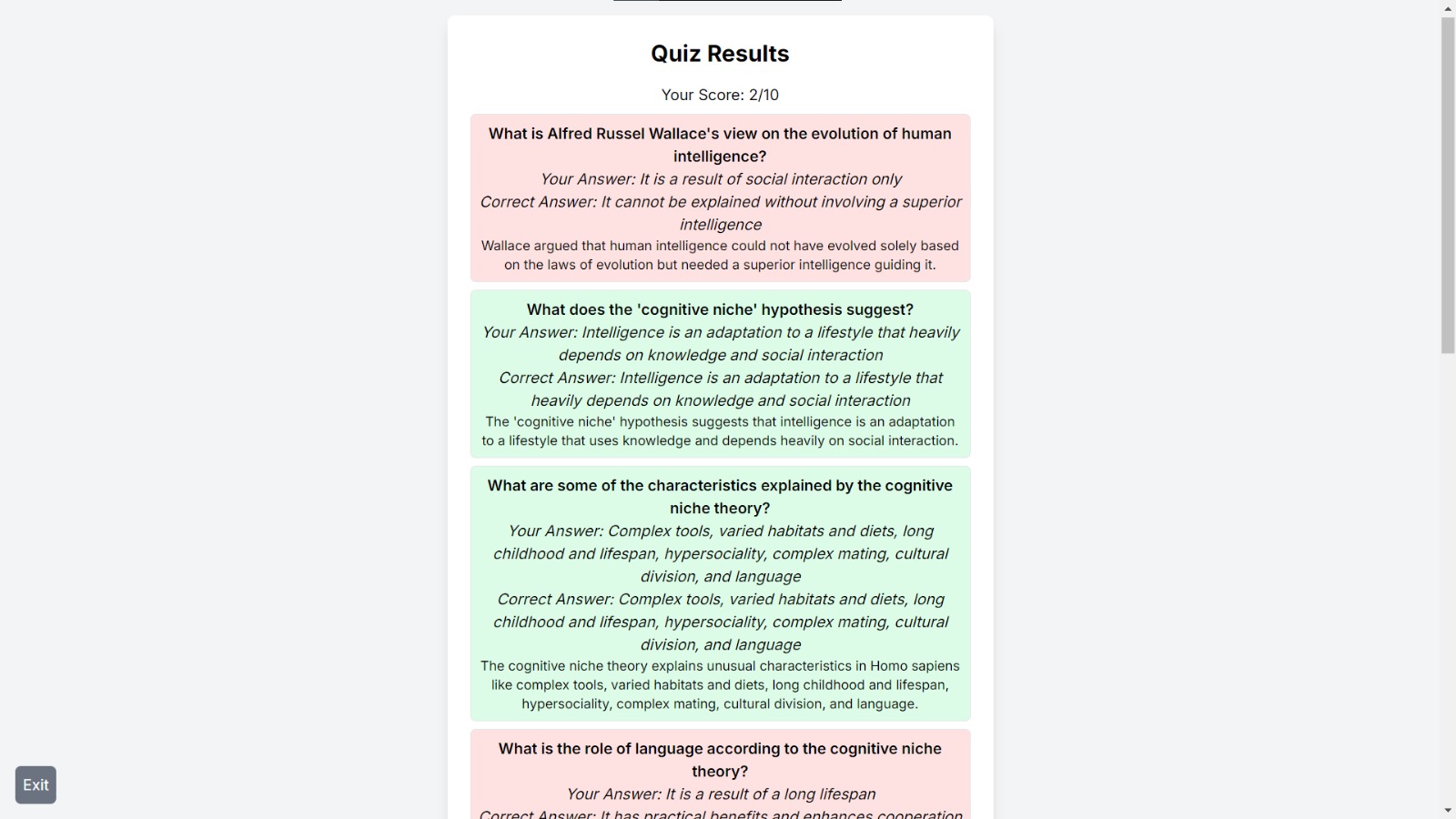
OpenAI API powered generated quiz
-
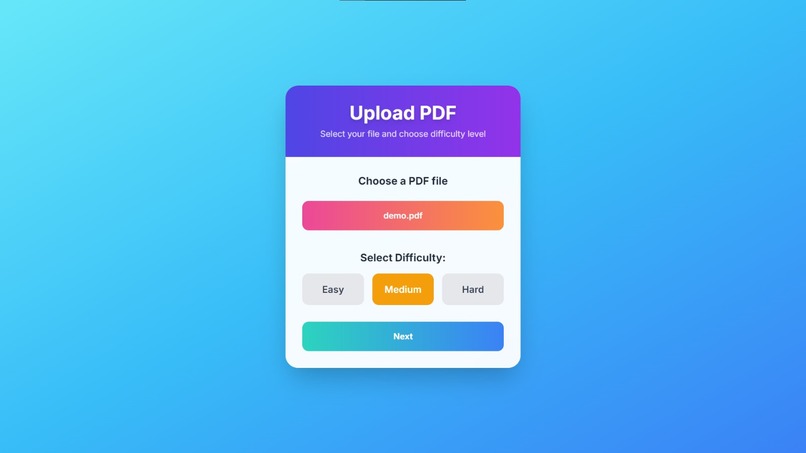
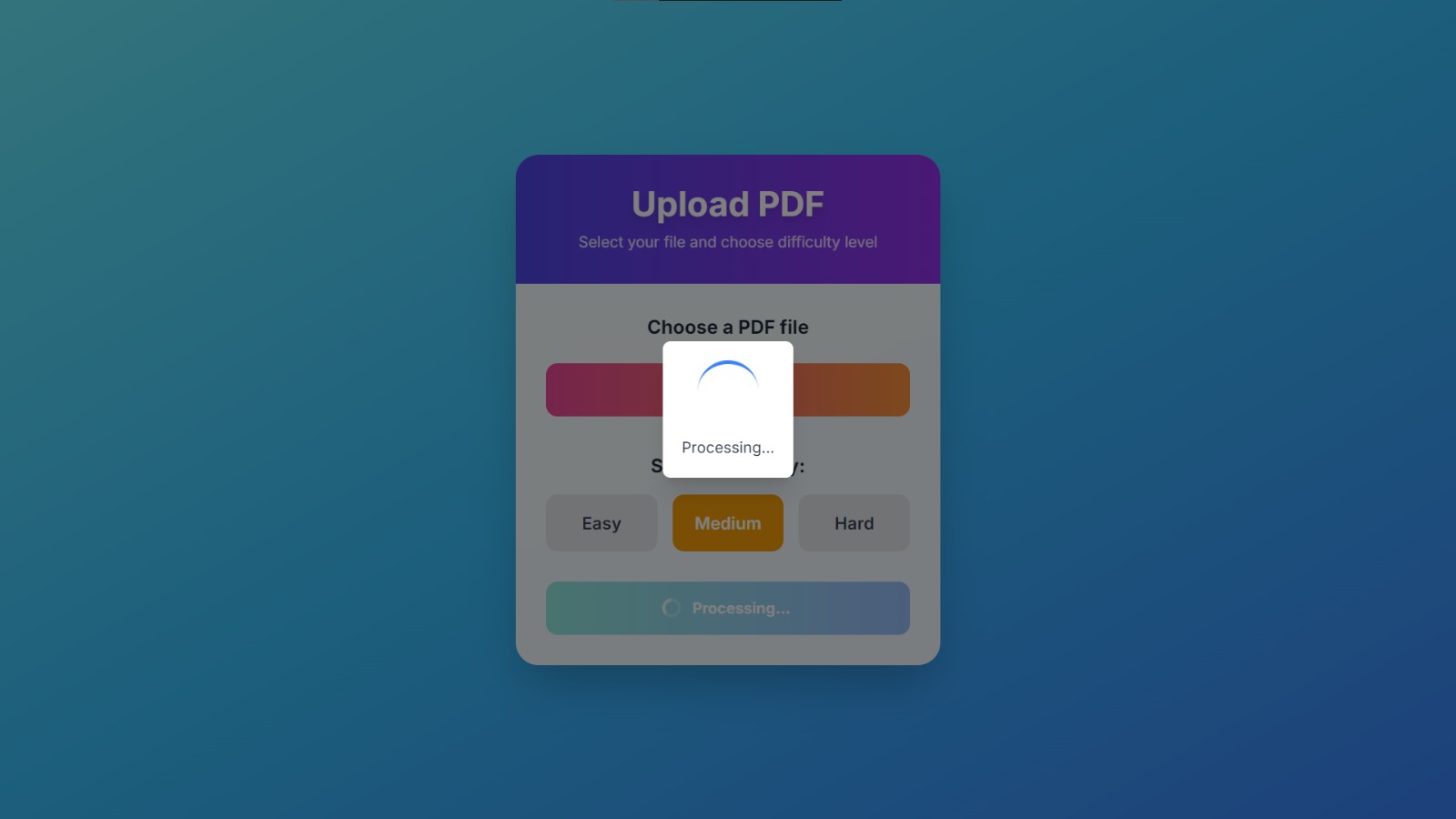
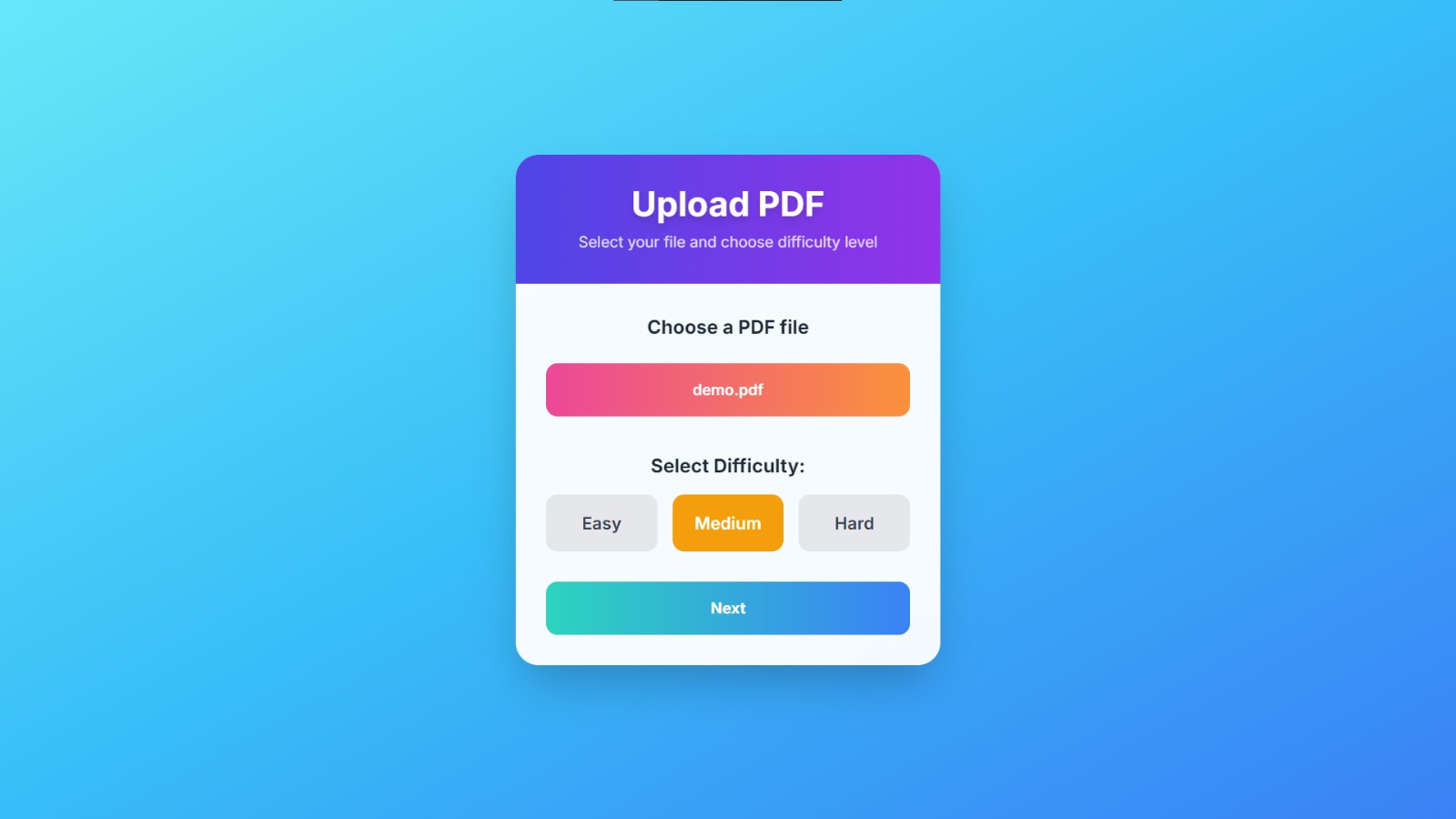
Uploading document and selecting difficulty track
-
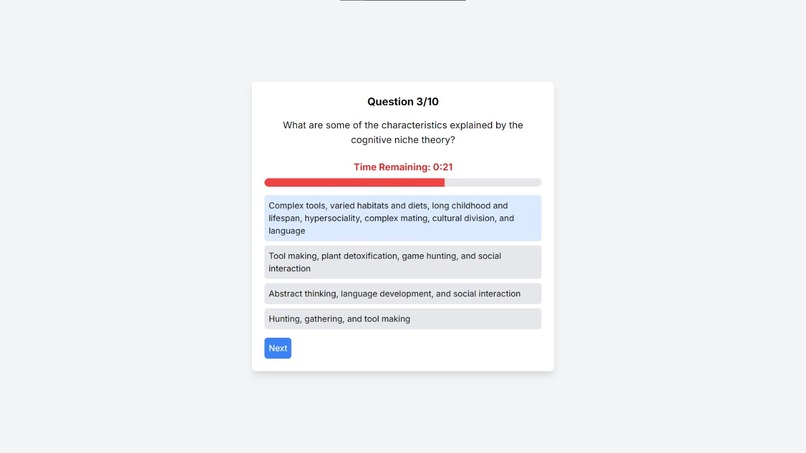
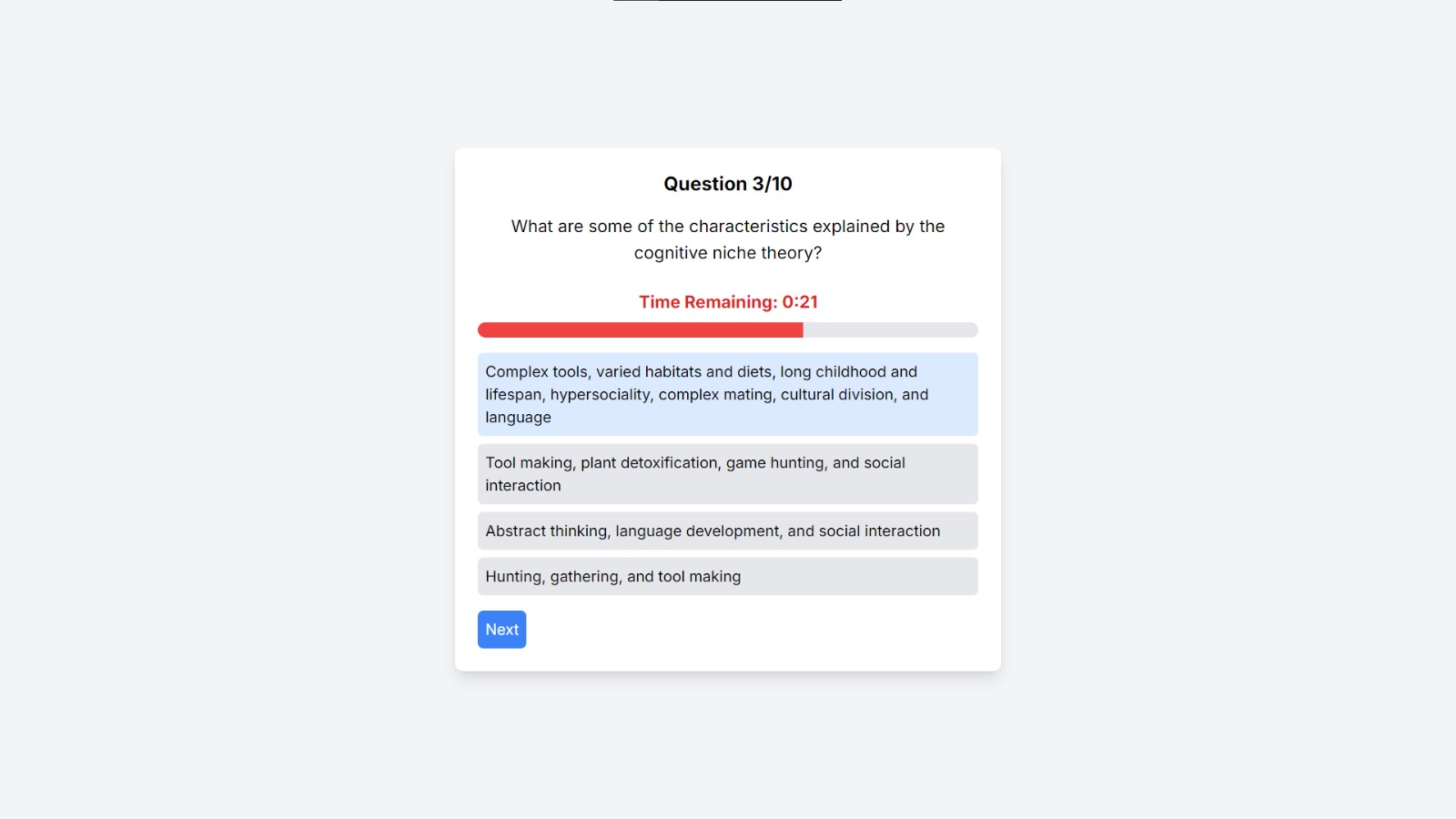
Dynamic time managed learning
-
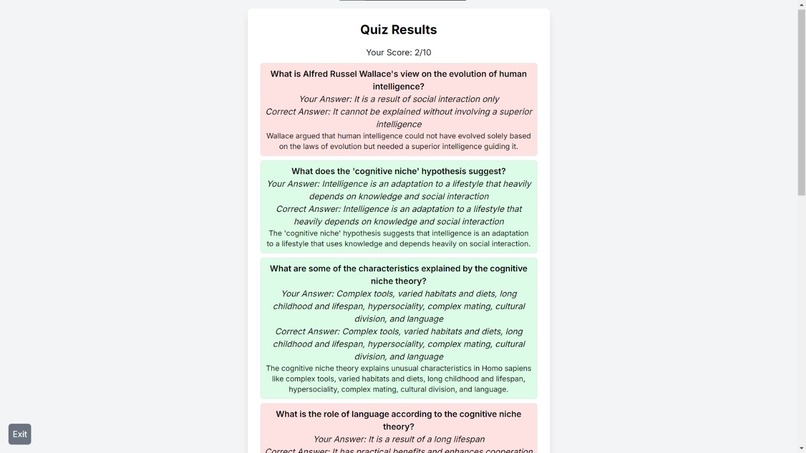
RAG powered quiz answers and justifications
-
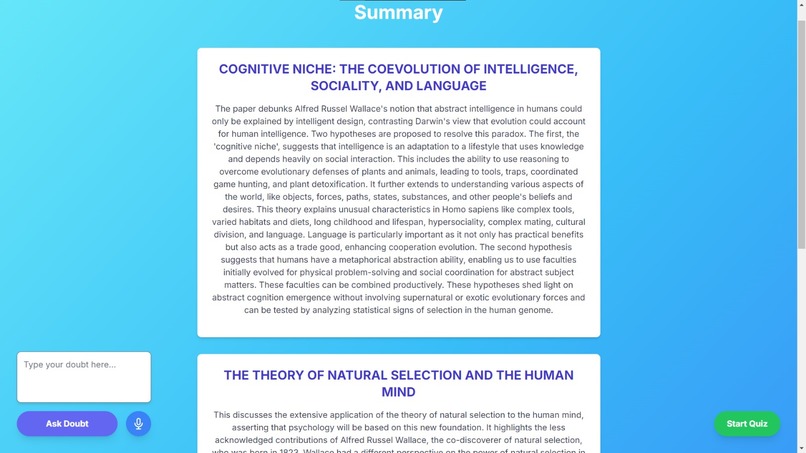
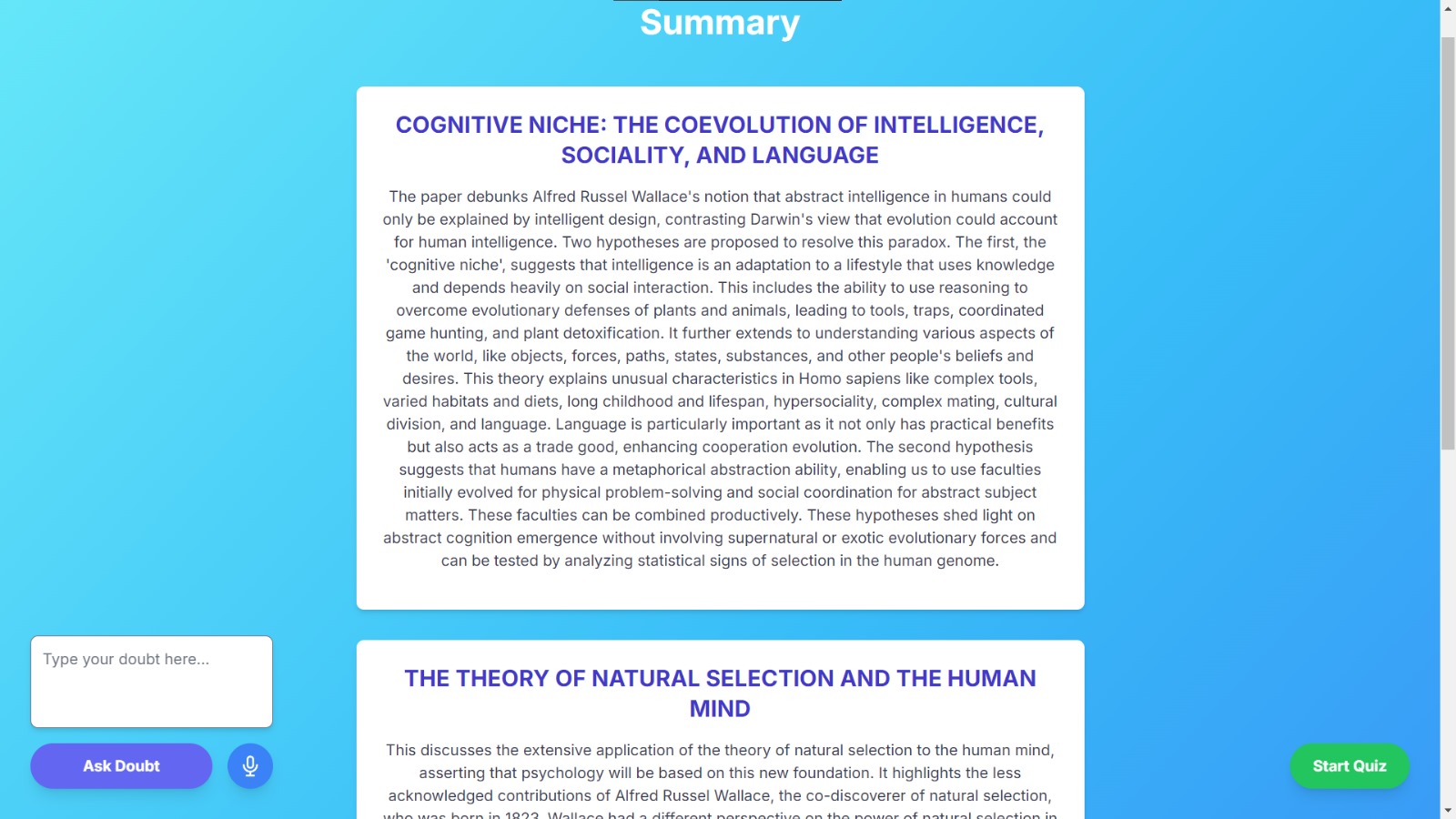
Prompt Engineering based summarizations of document based on difficulty track
Inspiration
The inspiration behind our project came from the pressing need for accessible and engaging education solutions. We wanted to harness the power of AI to break down barriers in education, making learning not only more interactive but also more inclusive. We also drew inspiration from the idea that traditional educational materials (like PDFs) can be transformed into dynamic learning experiences, creating an adaptive and immersive environment for learners of all levels and abilities.
What it does
Our application takes a PDF document and uses AI to transform it into an interactive learning experience. The app parses the content, breaking it into bite-sized slides, while providing **accessibility features such as text-to-speech and speech-to-text. It also includes a **quiz generator, allowing users to test their knowledge, and an interactive **query engine where users can ask questions related to the document’s content. Users can also choose their difficulty level (Easy, Medium, Hard) to customize the depth of their learning.
How we built it
We built the project using a React JS front-end and a Python Flask back-end. The application leverages **LangChain and ChatGPT-4 APIs for AI-powered summarization, chunking, and natural language processing. We used a vector database (ChromaDB) to store and retrieve data efficiently. The back-end handles PDF parsing, chunking the data for analysis, summarizing it into slides, and generating quizzes based on the user's chosen difficulty level. All the elements integrate to provide a smooth and adaptive user experience.
Challenges we ran into
We faced several challenges along the way:
- Parsing PDFs accurately and breaking them down into meaningful, interactive slides required significant optimization.
- Ensuring that the app’s accessibility features worked seamlessly for a wide range of users was technically demanding.
- Managing large amounts of data and ensuring real-time responsiveness, especially with AI-generated content, posed performance challenges.
- Integrating the AI models and APIs efficiently, particularly handling quiz generation and query resolution, required fine-tuning.
Accomplishments that we're proud of
- Successfully implementing AI-powered chunking and summarization to convert PDFs into dynamic learning slides.
- Creating a user-friendly, accessible application with features like text-to-speech that can accommodate different learning needs.
- Developing a real-time quiz generator based on user interaction and document content.
- Building an intuitive and interactive interface that allows users to ask questions and receive relevant answers instantly.
- Making education more inclusive, personalized, and engaging through adaptive learning paths.
What we learned
- We gained deeper insights into natural language processing and how to apply AI to improve educational tools.
- We learned the importance of balancing accessibility with functionality, ensuring that every feature added value to users of all abilities.
- We explored the complexities of parsing structured data from PDFs and using it effectively for interactive content.
- We understood how critical user engagement is and how to design educational tools that encourage active participation.
What's next for QuickQuiz
- Expanding accessibility by integrating more features like real-time translation, **AR/VR immersive learning, and additional language support.
- Improving customization options, such as allowing users to select specific sections of a PDF to learn from or providing more granular control over difficulty settings.
- Enhancing the quiz engine by adding more complex types of questions, such as matching or interactive drag-and-drop exercises.
- Exploring partnerships with educational institutions to implement the tool in real-world classrooms.
- Extending the AI capabilities to automatically generate videos or interactive animations from the parsed content for a richer multimedia experience.
Built With
- chromadb
- flask
- javascript
- langchain
- openai
- python
- rag
- react


Log in or sign up for Devpost to join the conversation.