-
-
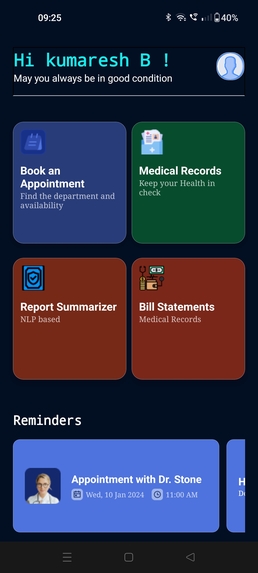
landing page
-
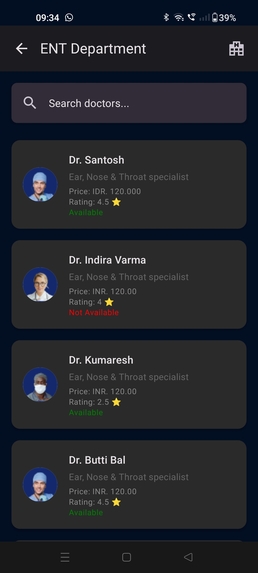
available doctors
-
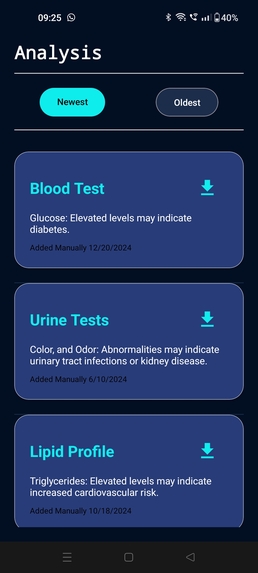
book appointment
-
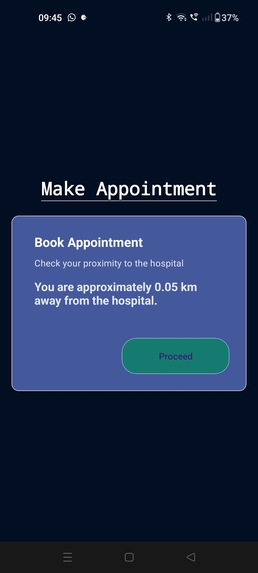
confirmation
-
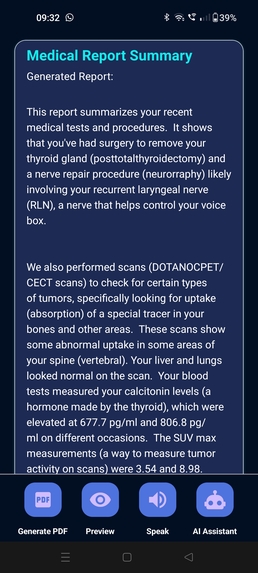
NLP summarizer
-
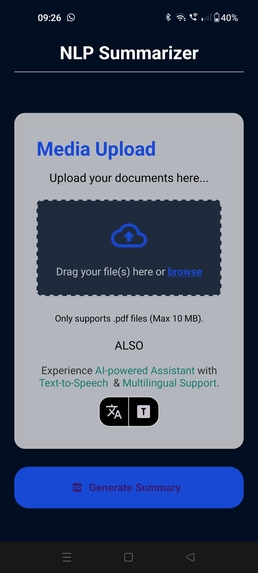
upload reports
-
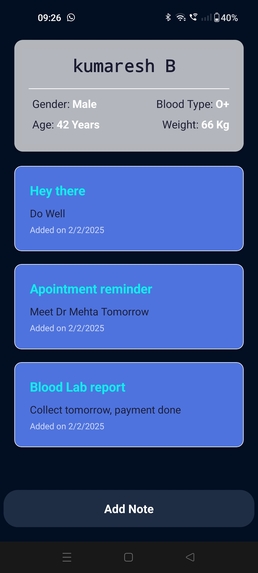
view reports from doctors


Inspiration The idea for QuickMeds stemmed from the frustration of navigating healthcare in government hospitals, where long queues, limited doctor availability, and unclear medical reports often leave patients overwhelmed. We wanted to harness technologies like NLP to simplify communication and create a solution that empowers patients while supporting overworked doctors, making healthcare more accessible and efficient in underserved systems.
What It Does QuickMeds is a dual-interface platform connecting patients and doctors. The mobile app lets patients book appointments when near a hospital, pre-book emergencies for faster response, and uses deep learning with NLP to interpret medical reports into simple, conversational explanations. The web app for doctors, built with Next.js, provides an intuitive dashboard to view appointments, review patient overviews, and manage schedules—streamlining care delivery in busy government hospitals.
How We Built It We developed the client-side mobile app using Flutter for cross-platform compatibility, integrating geolocation APIs for proximity-based booking and a deep learning model enhanced with NLP (possibly using Python libraries like spaCy or Hugging Face) to analyze and explain medical reports naturally. The doctor-side web app was crafted with Next.js for fast, server-rendered performance, paired with Node.js and MongoDB as our database to handle flexible, scalable appointment and patient data storage. Everything syncs in real-time via a secure cloud setup, optimized for low-resource environments.
Challenges We Ran Into Integrating NLP with deep learning for report analysis was complex—tuning it to understand medical terms and output plain, patient-friendly language required extensive testing. Ensuring MongoDB handled real-time updates smoothly on slow hospital networks was tough, as was optimizing Next.js builds for older browsers doctors might use. We also wrestled with keeping the app functional offline or on low-end devices common in government hospital settings.
Accomplishments That We’re Proud Of We’re proud to have a prototype where patients can get a conversational breakdown of their blood test results thanks to NLP, and doctors love the snappy Next.js dashboard pulling data from MongoDB. A mock trial with a local government hospital gave us glowing feedback, and building a scalable system that balances cutting-edge tech with accessibility feels impactful.
What We Learned We discovered how powerful NLP can be for making medical info approachable, though it needs careful refinement. Using Next.js taught us about optimizing web performance, and MongoDB showed us the flexibility of NoSQL for healthcare data. Patients wanted even simpler report explanations, while doctors needed quick load times—user feedback shaped our priorities. We also mastered teamwork under pressure to focus on high-impact features.
What’s Next for QuickMeds Next, we’ll expand QuickMeds with multilingual NLP support and analysis for more report types (like X-rays). We’re eyeing pilot tests with government hospitals and plan to add telemedicine features via Next.js for remote consultations. Enhancing the AI to suggest follow-ups based on reports, integrating with hospital EHR systems, and leveraging MongoDB for richer patient profiles are also on deck to make QuickMeds a comprehensive healthcare bridge.
Built With
- dart-(for-flutter)
- e.g.
- ec2-or-amplify)
- firebase-(real-time-syncing
- google-maps-api-(hospital-location-integration).-ai/ml-tools:-tensorflow-(deep-learning-for-report-analysis)
- javascript-(for-next.js-and-node.js)
- natural-language-processing
- next.js-(doctor-side-web-app)
- node.js-(backend-runtime).-platforms:-mobile-(ios/android-via-flutter)
- optional-fallback).-databases:-mongodb-(flexible
- python-(for-nlp-and-deep-learning).-frameworks:-flutter-(cross-platform-mobile-app)
- react-native
- scalable-storage-for-appointments-and-patient-data).-apis:-geolocation-api-(proximity-based-booking)
- web-(next.js-for-doctors).-cloud-services:-aws-(hosting-and-scalability
