-
-
Landing screen
-
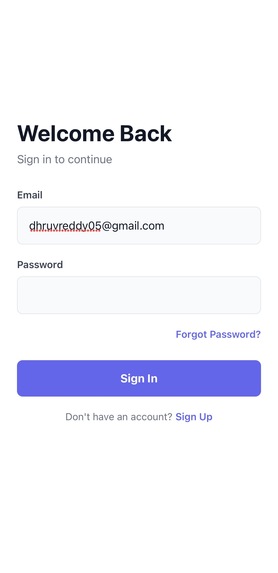
Login Page
-
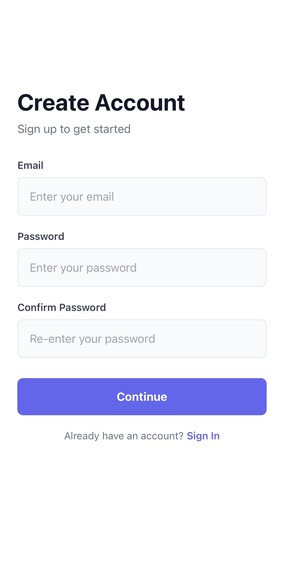
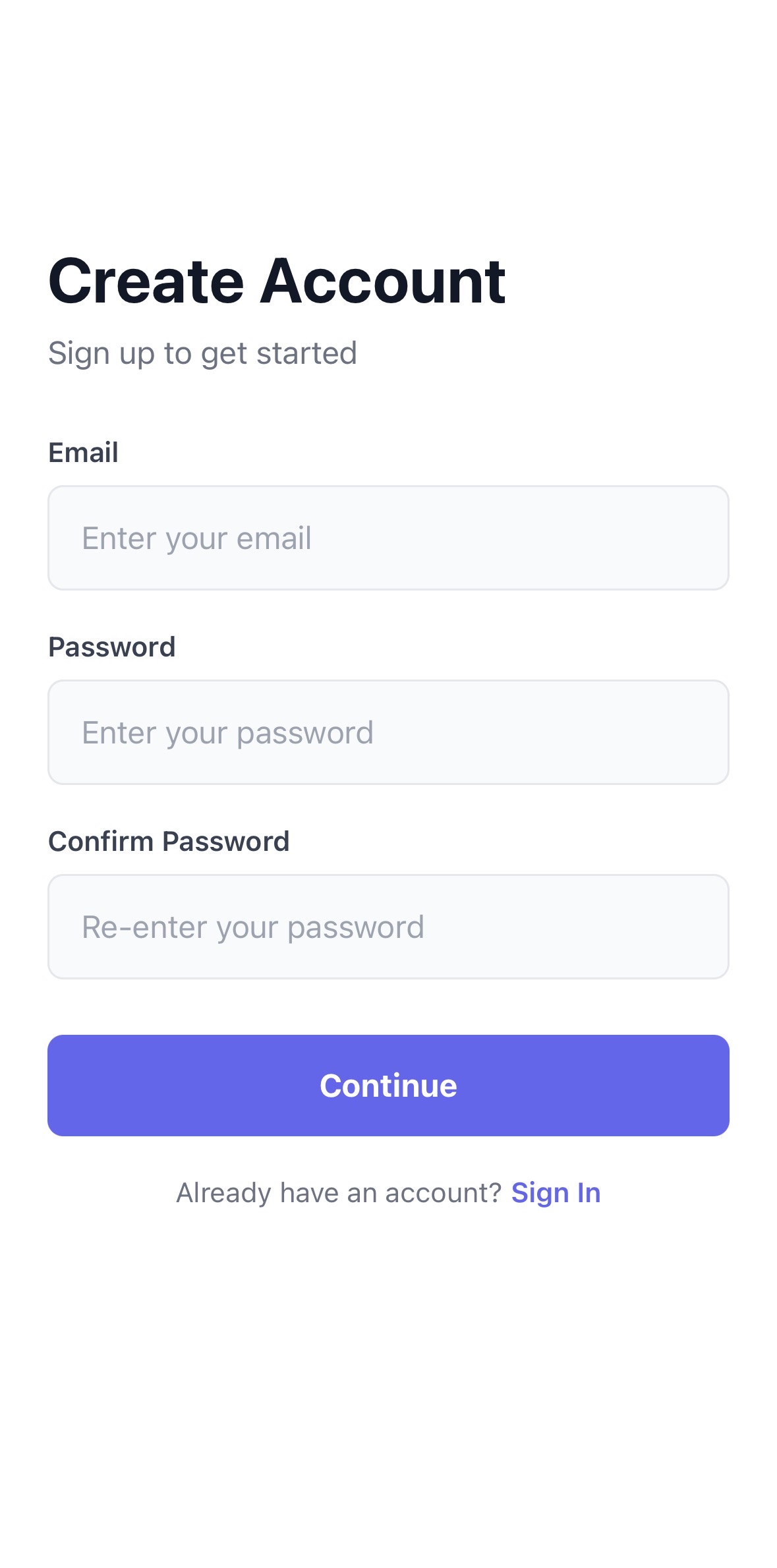
Signup page
-
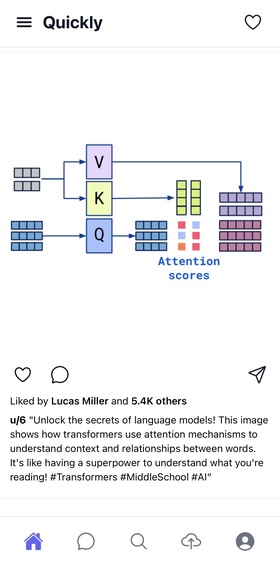
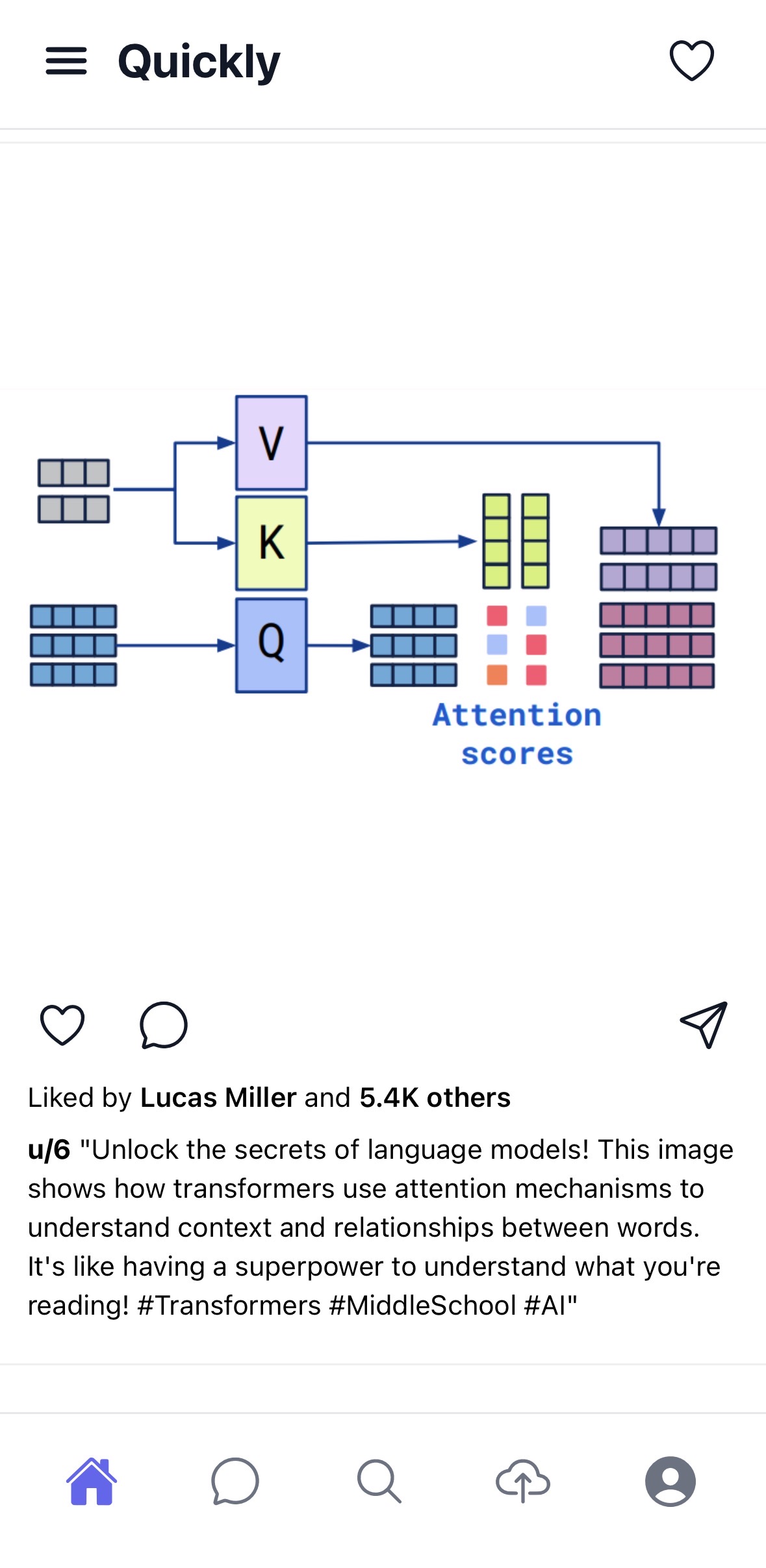
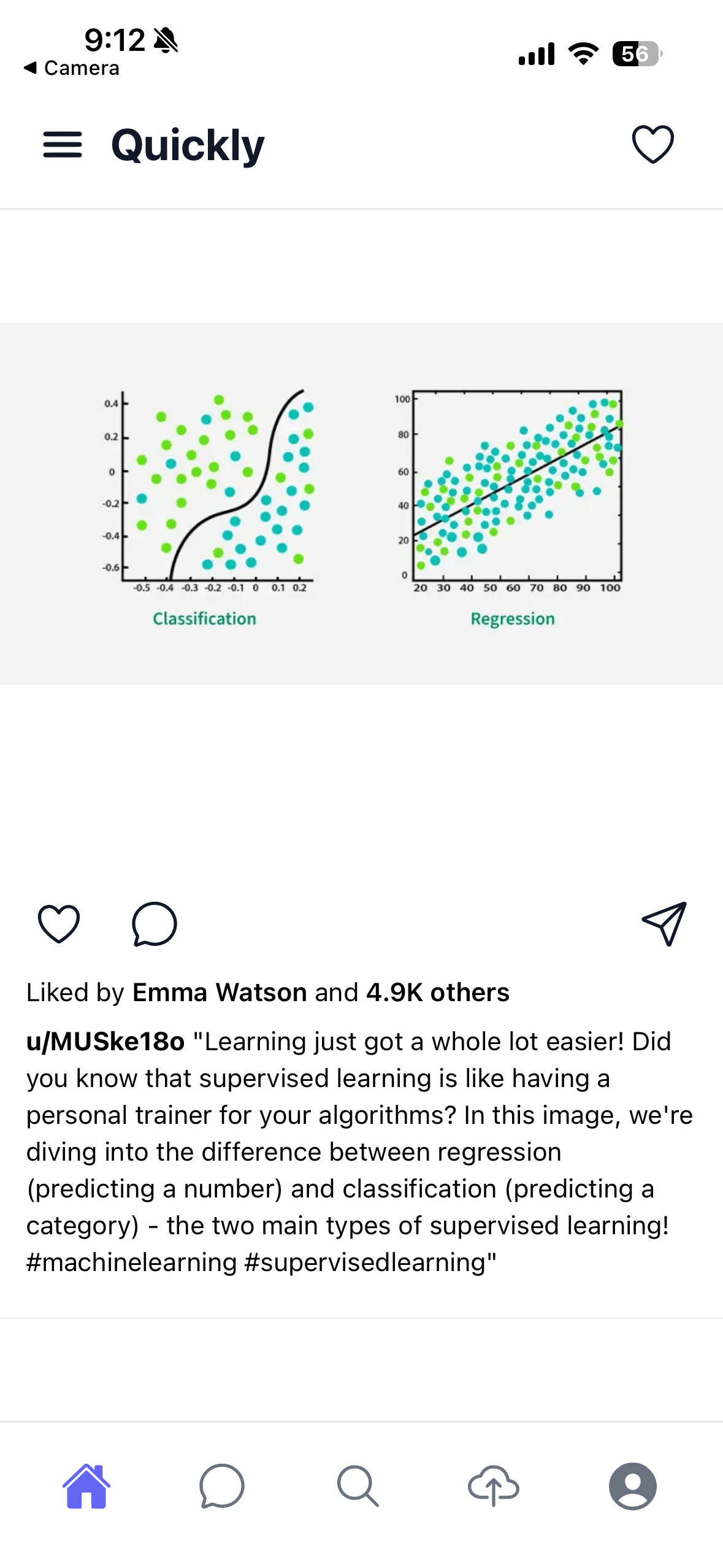
Homepage(for you page)
-
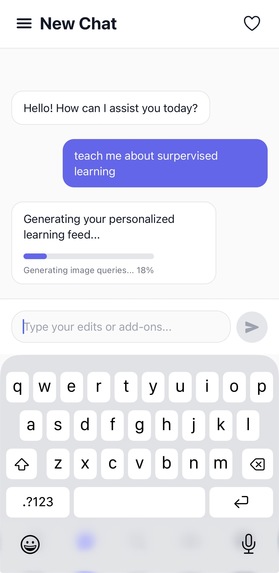
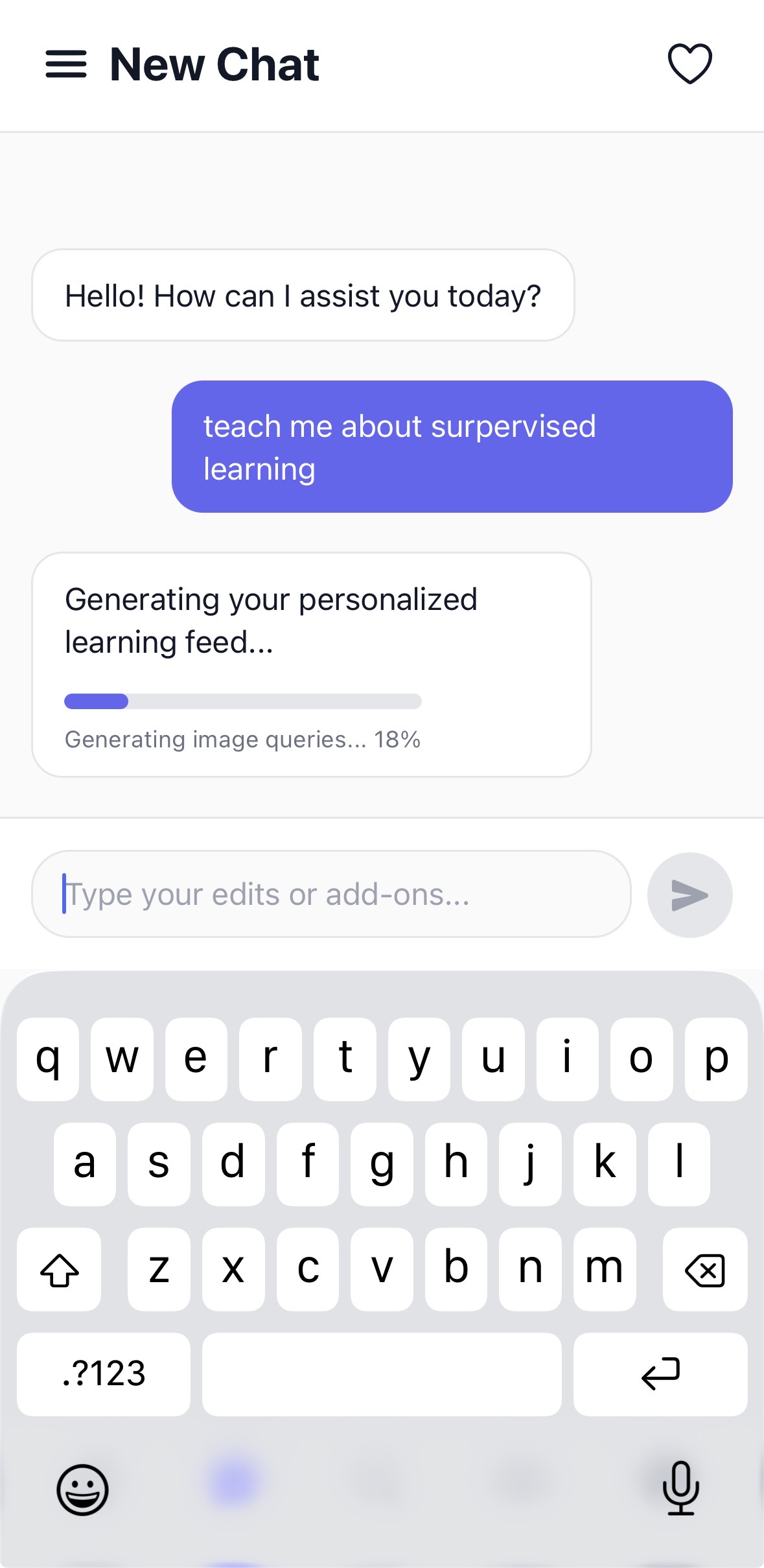
Prompting chat to make posts
-
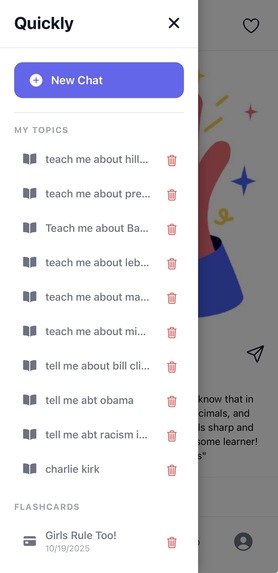
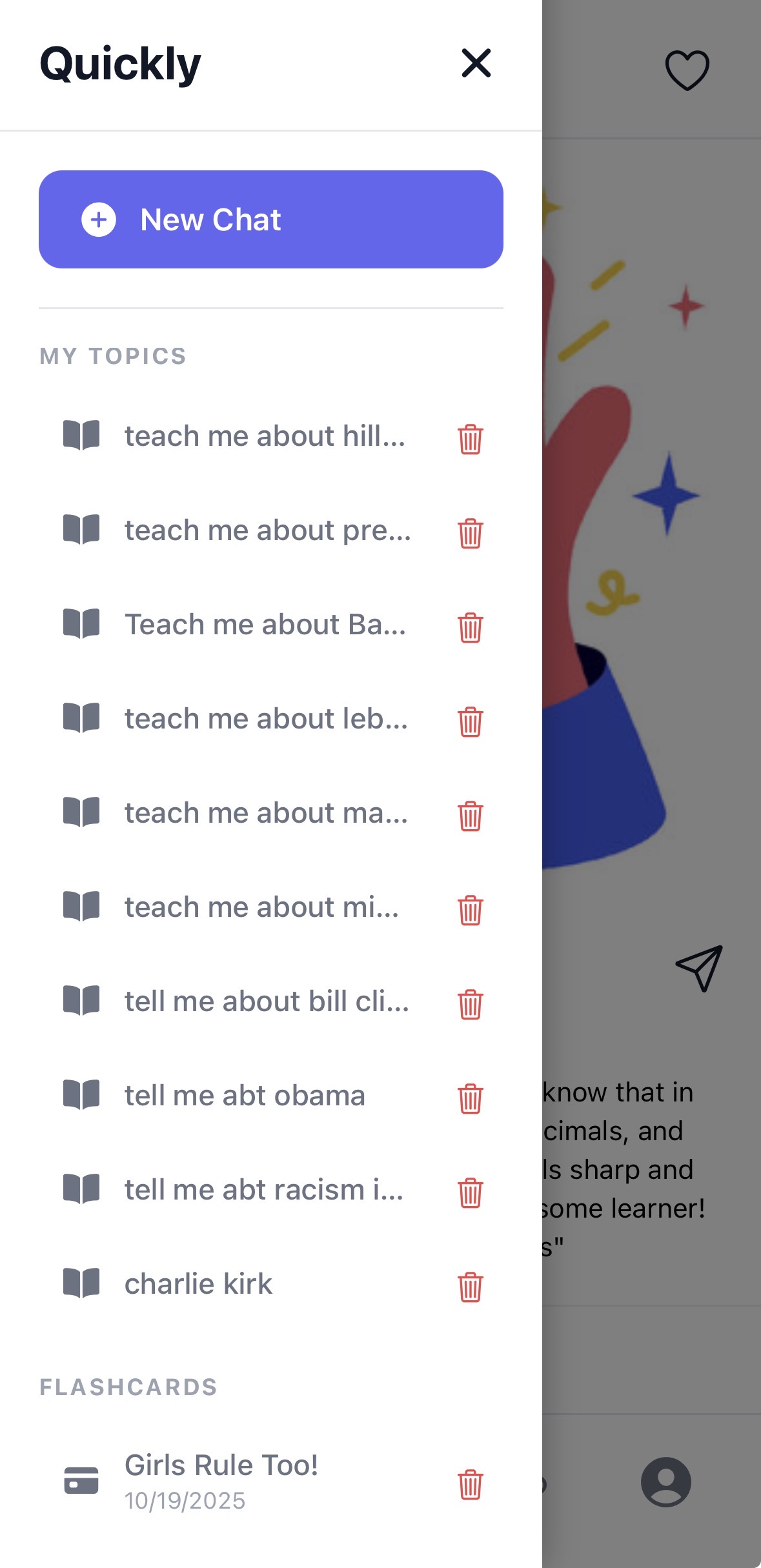
Your content( feeds, flashcards, quizzes)
-
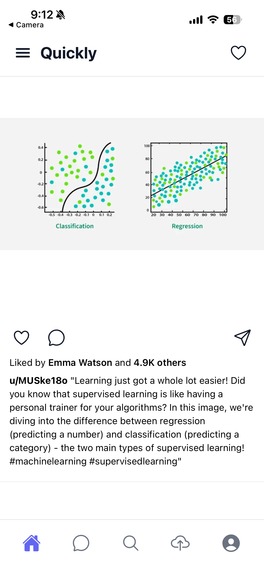
Post
-
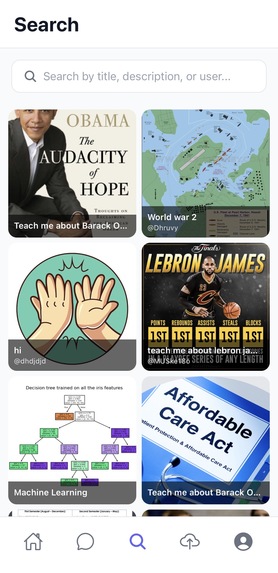
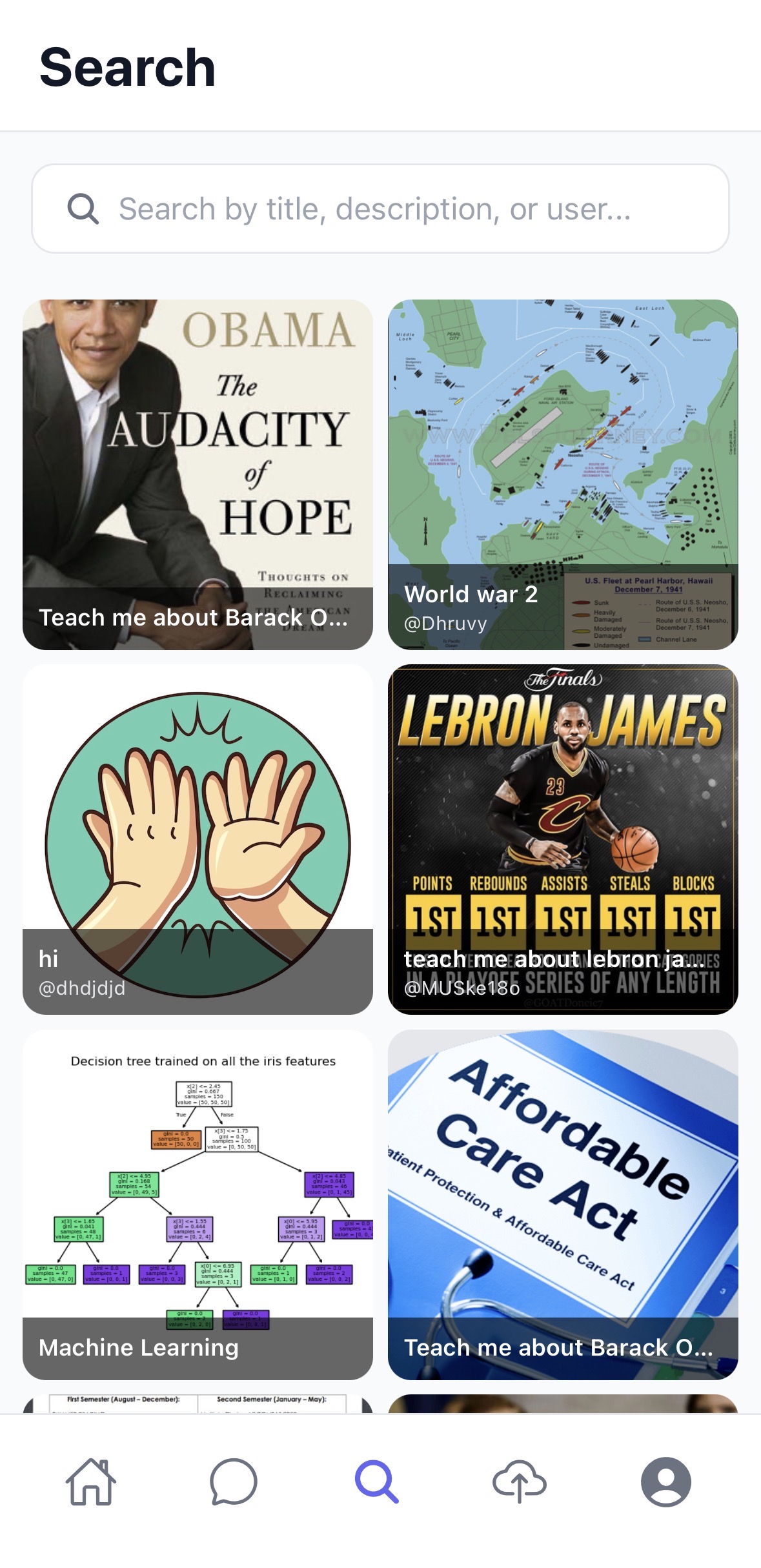
Search page
-
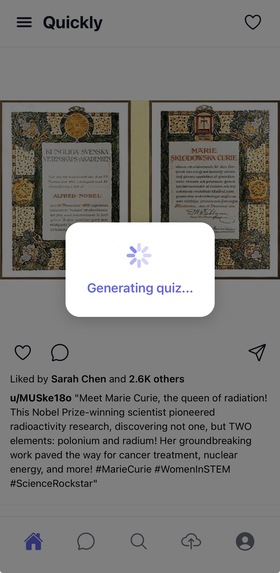
-
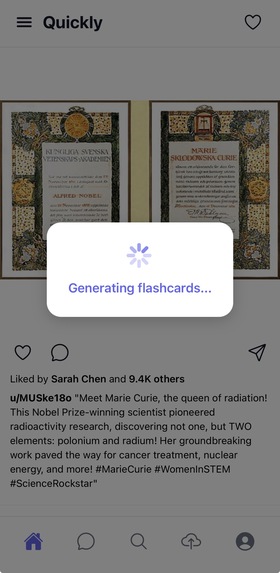
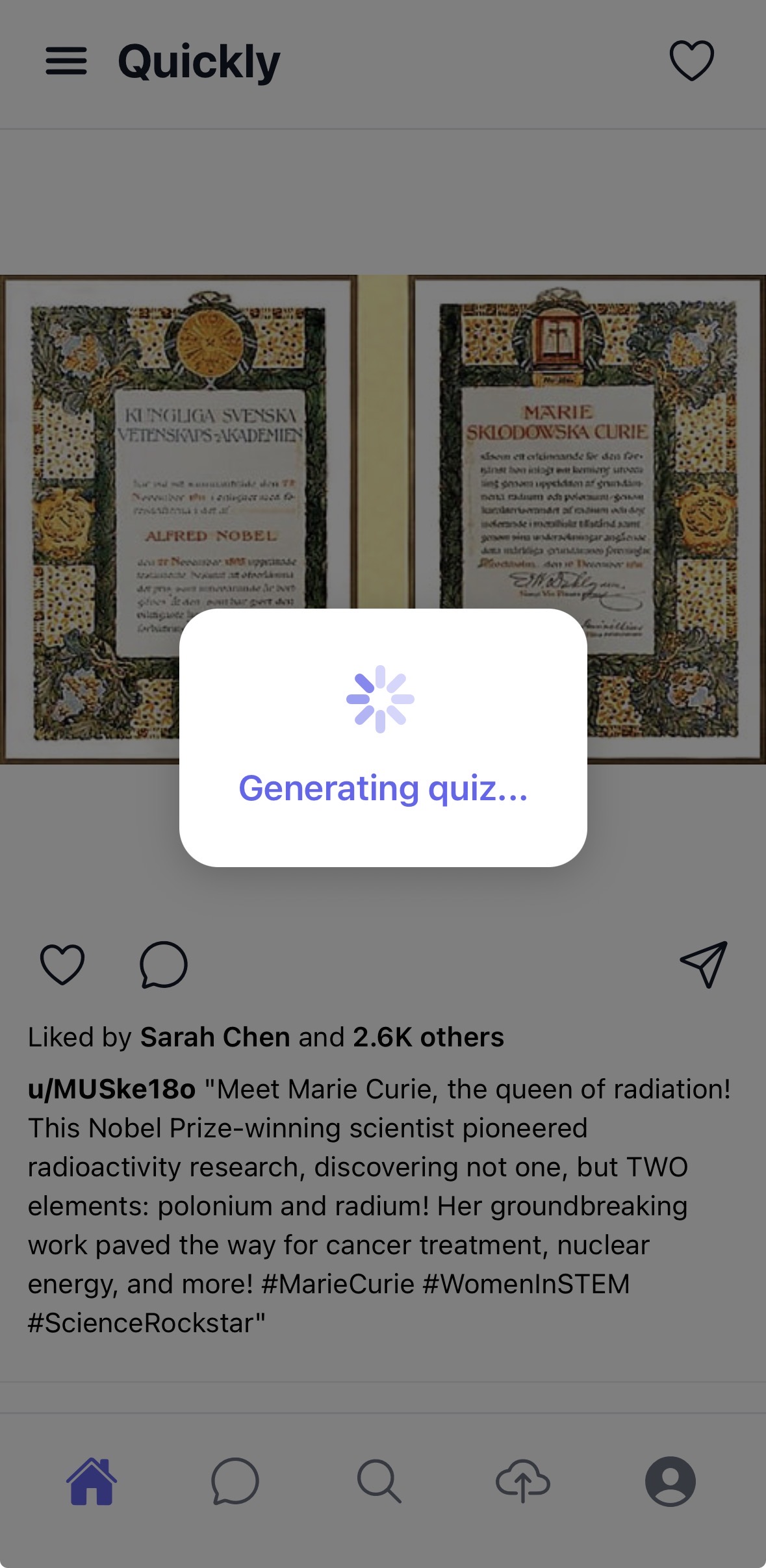
Quiz generation after choosing a picture
-
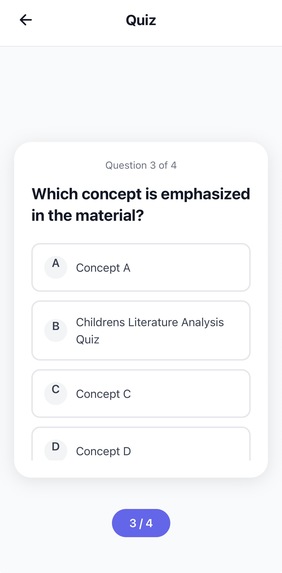
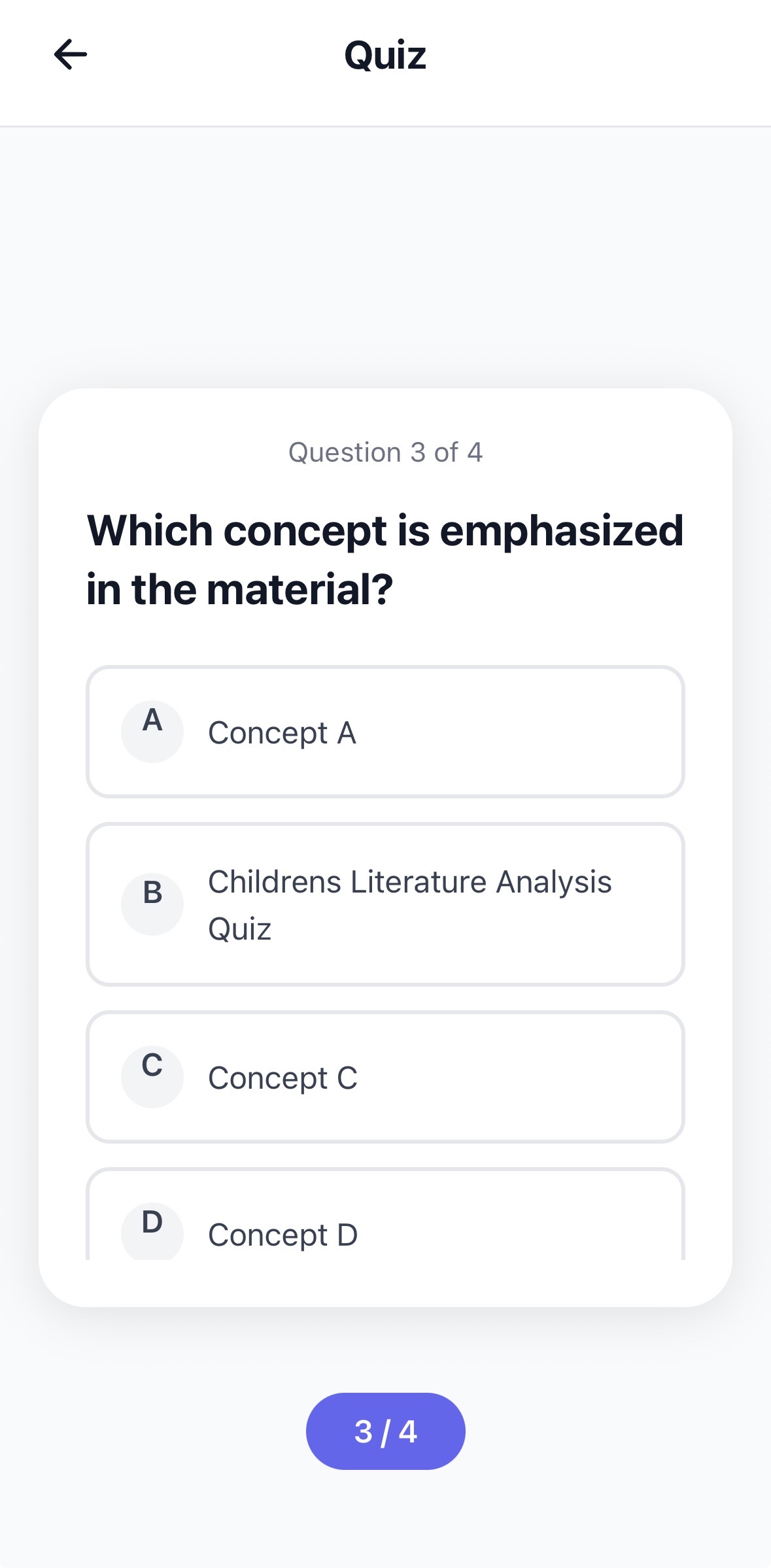
Auto geenerated Quiz
-
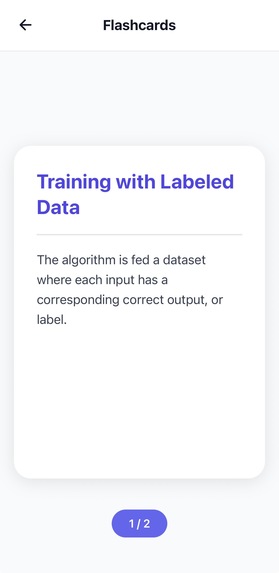
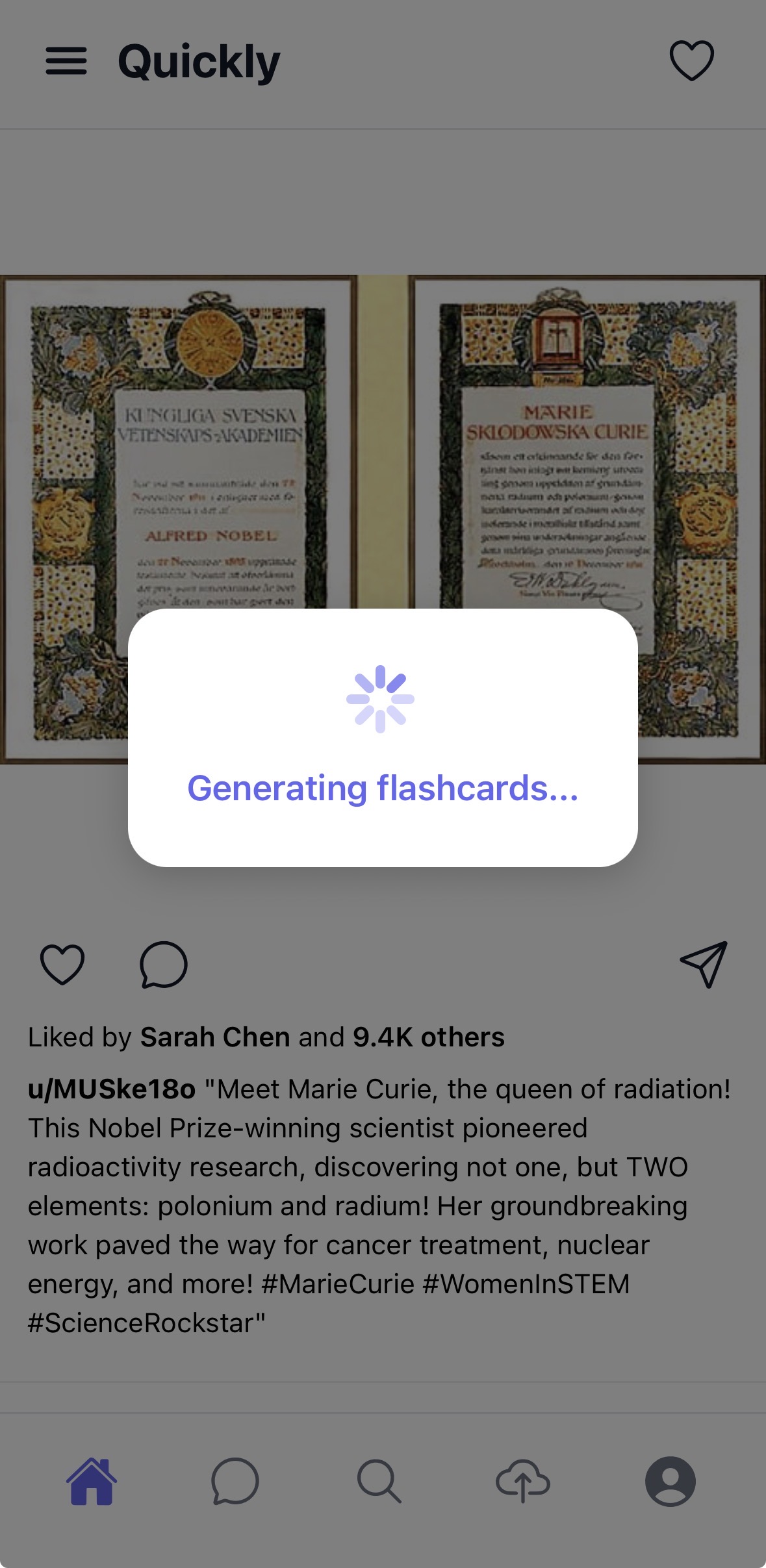
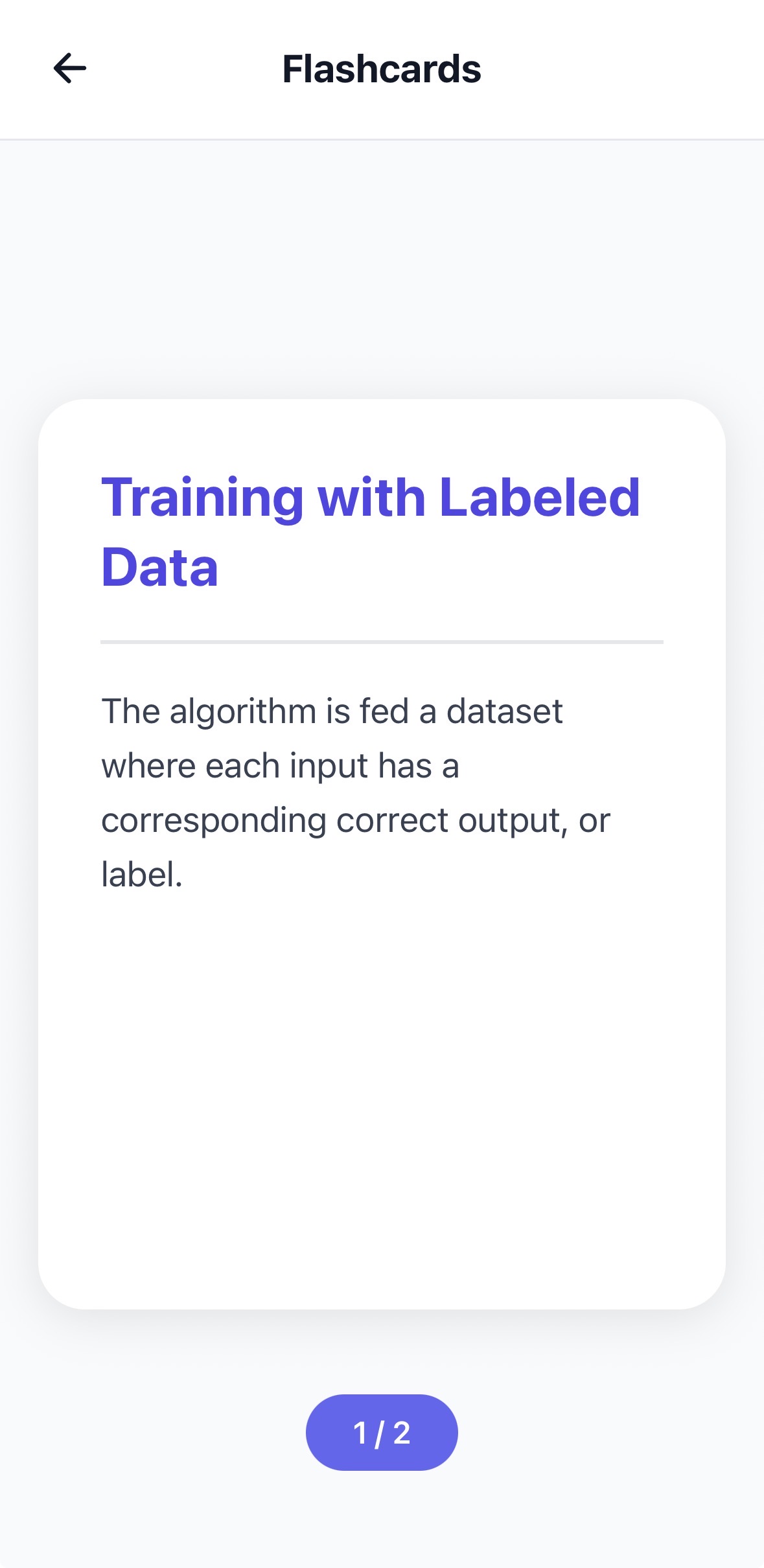
AI generated Flashcards
-
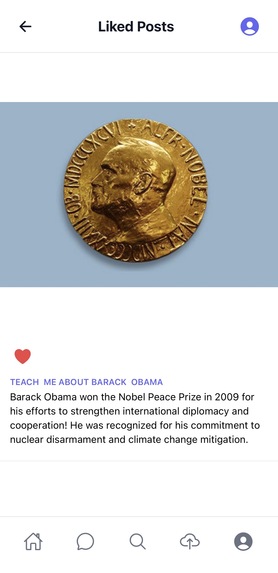
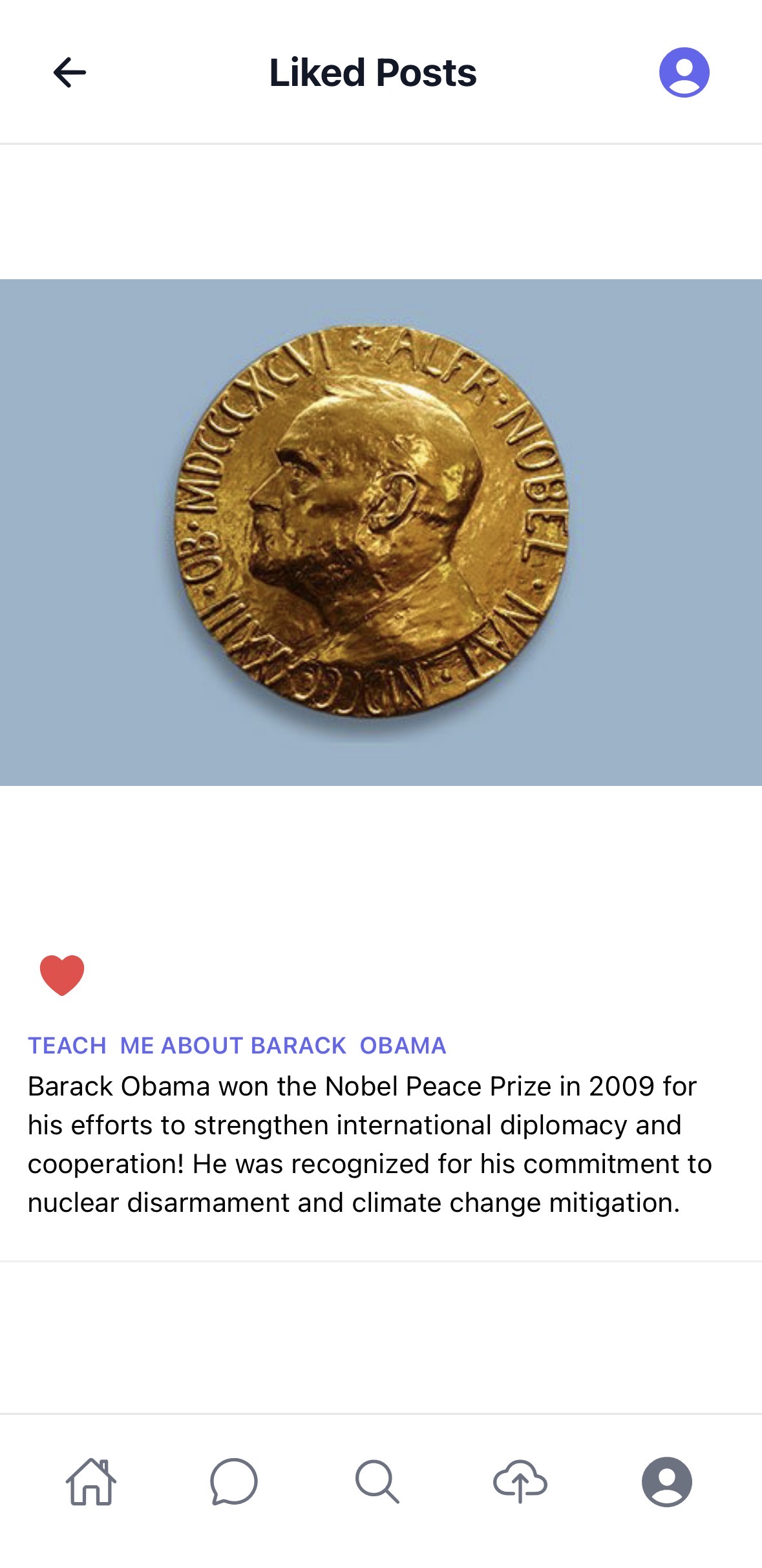
Liked posts
-
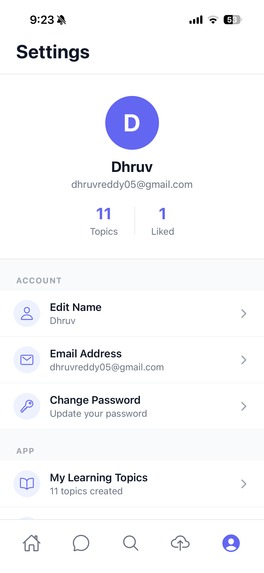
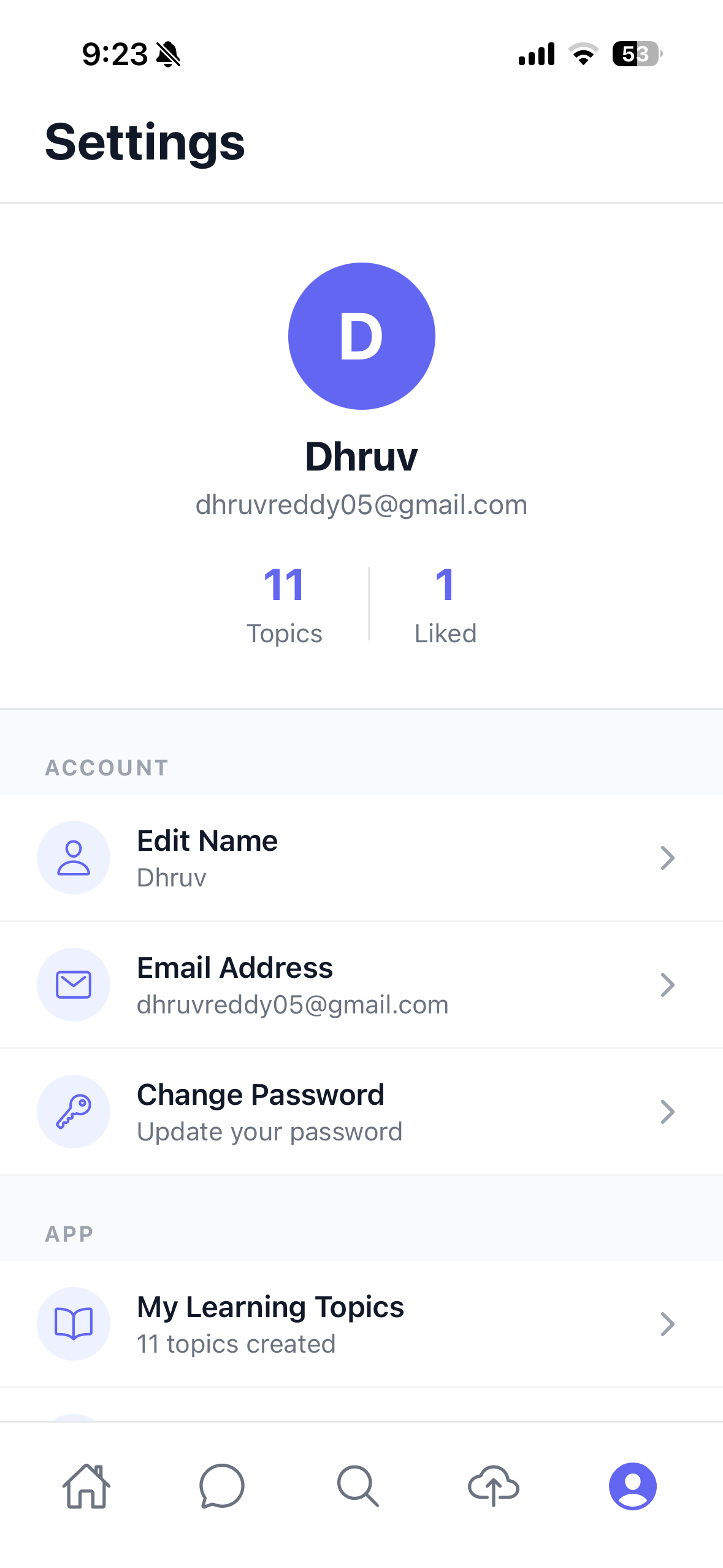
Profile screen
Inspiration
We've all been there—endlessly scrolling through Instagram, TikTok, or Twitter, absorbing memes and viral content without retaining much. But what if that same dopamine-driven scrolling experience could be harnessed for learning? The inspiration for Quickly came from a simple observation: people spend an average of 4-5 hours per day on social media, yet struggle to dedicate even 30 minutes to intentional learning. We asked ourselves, "What if we could hijack our dopamine system and redirect it toward education?" Instead of fighting the scroll, we embraced it. Quickly transforms any topic into a visually immersive, Instagram-like learning feed—complete with detailed images, bite-sized explanations, flashcards, and simulated social engagement (likes, comments, shares). Quizzes are also generated from uploaded material. Learning becomes as effortless as scrolling through your favorite app.
What it does
Quickly takes any topic—like "quantum computing," "climate change," or "ancient history"—and turns it into an AI-generated learning feed. Each post features a short educational caption, a relevant image, or optional interactive elements like quizzes or flashcards to simulate Instagram. Users can like, comment, and share posts, creating a social learning experience that feels familiar yet purposeful. The platform also supports OCR functionality, allowing users to upload images of diagrams, notes, or textbooks to automatically generate flashcards, quizzes, and study materials from their own content.
How we built it
We leveraged multiple AWS services to power our platform: AWS Bedrock hosting Llama 3 for generating concise, engaging educational content, AWS Rekognition for image analysis and content moderation, AWS Comprehend for natural language processing and sentiment analysis, S3 for scalable media storage, and DynamoDB for fast, flexible data management. The backend, built with Python (Django), handles content generation, caching, and API integration across these AWS services. The frontend, built with React Native (Expo), recreates the feel of an Instagram-style feed with smooth scrolling and dynamic updates. Firebase powers real-time features and user authentication, while the social elements (comments, likes, shares) are simulated to create an authentic social media experience without the complexity of real user-generated content moderation.
Challenges we ran into
Getting the AI to produce posts that were both educational and engaging, rather than overly formal or generic. Managing API rate limits across multiple AWS services when scaling content generation for multiple topics simultaneously. Ensuring fast response times without compromising the quality of generated posts. Integrating OCR functionality to accurately extract and process text from user-uploaded images.
Accomplishments that we're proud of
Developed a working prototype that turns any topic into a visually scrollable educational feed. Successfully integrated multiple AWS services (Bedrock, Rekognition, Comprehend, S3, DynamoDB) to create a cohesive learning platform. Built a design that feels natural and addictive while maintaining educational value. Created a seamless mobile experience that mimics popular social media platforms. Implemented OCR functionality that transforms physical study materials into interactive digital content.
What we learned
How to effectively balance educational content with entertainment-driven UI design. The importance of structuring AI prompts to yield consistent, high-quality results across different AWS services. How dopamine-based UX patterns can be redirected toward productive behavior. That learning can be just as engaging as social media—with the right approach. The power of combining multiple AI services to create a comprehensive educational experience.
What's next for Quickly
Integrate AWS Polly to create video content and voiceovers, transforming static posts into dynamic multimedia learning experiences. Enhance the OCR feature to support more complex diagrams and handwritten notes. Add personalized learning recommendations based on user interaction patterns. Introduce gamified elements like streaks, levels, and badges to encourage retention. Expand collaborative feeds where users can contribute their own educational posts. Implement multilingual support and optimize mobile-first deployment. Explore partnerships with educational platforms to bring Quickly into classrooms and microlearning environments.
Built With
- amazon-dynamodb
- amazon-web-services
- aws-bedrock
- django
- expo-go
- google-web-search-api
- llama3
- node.js
- python
- react-native


Log in or sign up for Devpost to join the conversation.