Inspiration
The inspiration behind this process is the saddening reality of emergency room environments globally. Oftentimes, people do not get the treatment they need on time, leading to unnecessary suffering and, in the worst cases, loss of life. This project aims to remedy this as we have the vision of reducing suffering, saving time, and saving lives.
What it does
It calculates the priority of a patient's attendance to a doctor session in comparison to all other patients in the lobby by determining the severity of the patient's condition based on submitted metrics measured during the patient check in. After the health severity is calculated, the patient is then placed into the appropriate position in the queue where the patient at the top of the queue is the next to be called upon for the doctor session and the patient at the bottom would be called last. There will be appropriate views for this for both the waiting patients and the admins who have access to the running of the system. The patient is poppoed from the queue when they begin their doctor session. The last patient popped from the queue is also showed when they are in sesssion.
How we built it
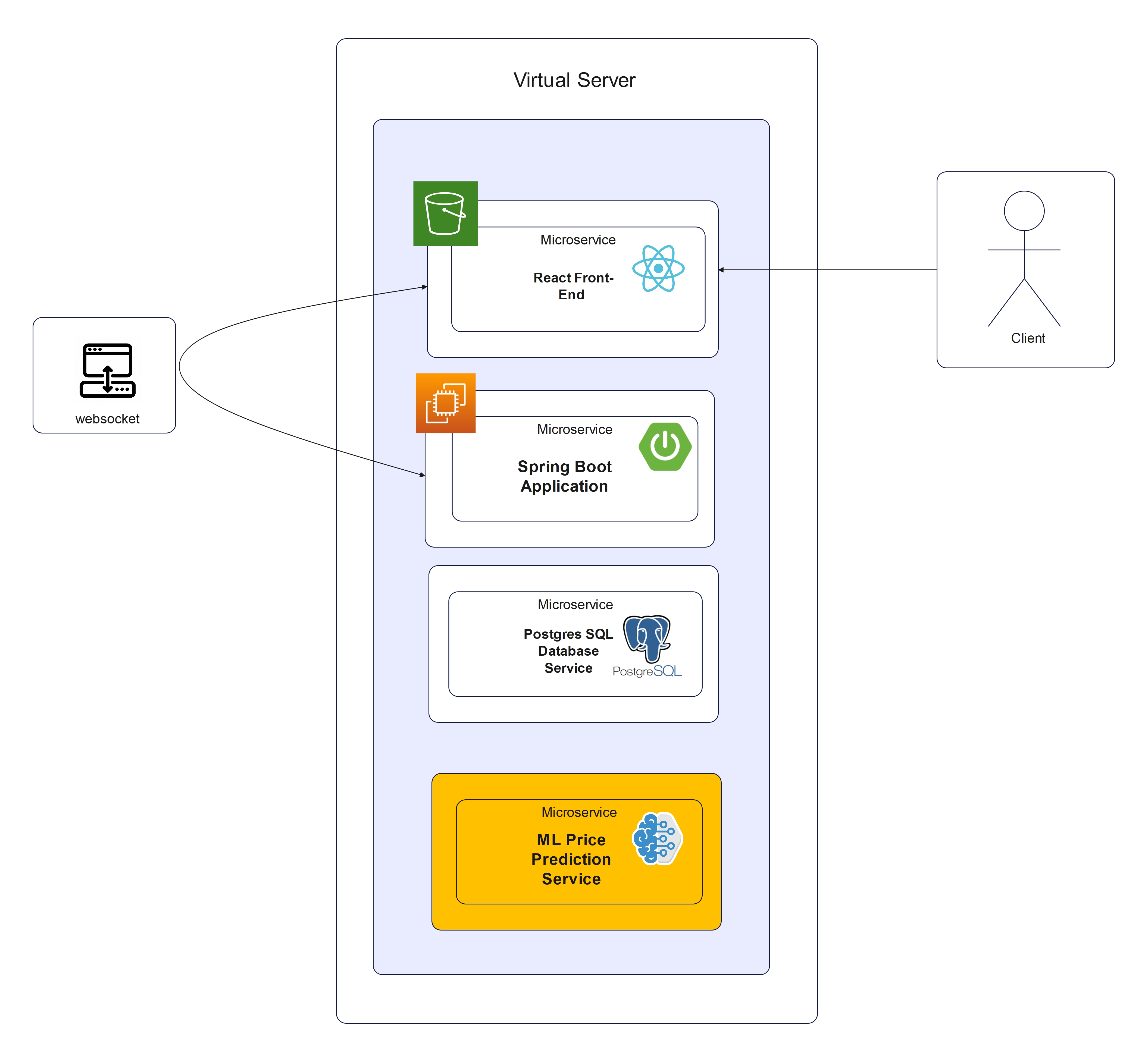
Our tech stack included Spring Boot, PostgreSQL, React, and Bootstrap. We established a client-to-server WebSocket connection on the backend using Spring Boot and SimpleMessageBroker. REST API endpoints were created to support requests from the frontend, which were triggered by user interactions. On the frontend, React used Axios to send patient data to the appropriate endpoint on the server side, which would then trigger an HTTP request to update the in-memory data holding information about patient records in the queue.
Challenges we ran into
We encountered several challenges, such as deprecated dependencies, network connectivity issues while obtaining an SDK, and switching between Spring Boot and Laravel for the backend. Additionally, we had to reimplement certain functions.
Accomplishments that we're proud of
We were able to get used to multiple technologies we've never used before such as Springboot, PostGres etc. It has taught us a lot about how to adapt, overcome coding bugs and stay focused on the end goal. We had to increase our versatility as our languages and frameworks required us to think outside the box and gain new valuable skills. We accomplished abilities that we will be able to tell people about, and we've also improved the skills we already had. Even simple things such as typing speed, ability to work and cooperate in a group and formatting code have really improved, so our accomplishments have been grand overall.
What we learned
We learned to persevere through challenges together as a team, experiencing firsthand the process of building real-time innovative solutions. Words cannot describe the individual growth we have experienced in our current skill sets from this endeavor. Even when things do not go as anticipated, amazing breakthroughs can happen when we take the time to think things through, turning the story around. These are some valuable skills we have gained as students, programmers, and innovators participating in this hackathon.
What's next for QuickHealthX
We plan to continue working on and learning from this project, and hopefully, in the near future, have it serve the people of our nation and the world at large.
Built With
- amazon-ec2
- amazon-web-services
- postgresql
- react
- springboot
- sw3

Log in or sign up for Devpost to join the conversation.