-
-
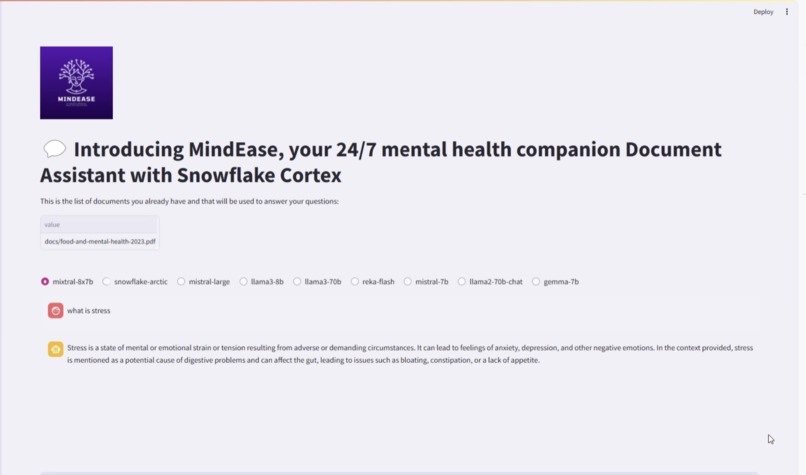
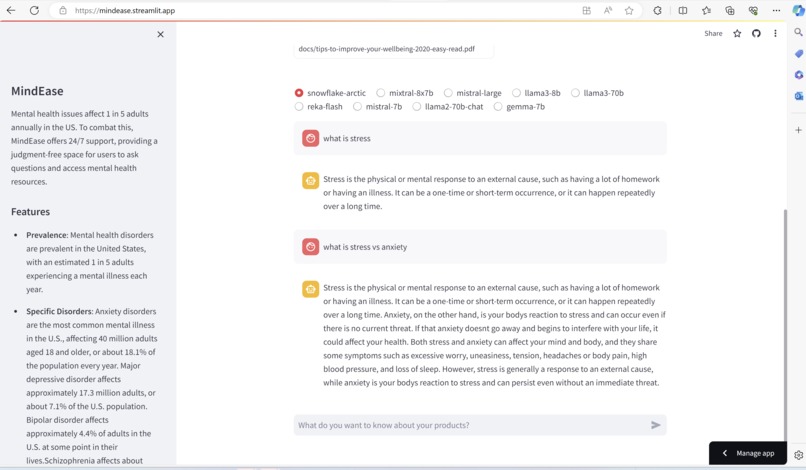
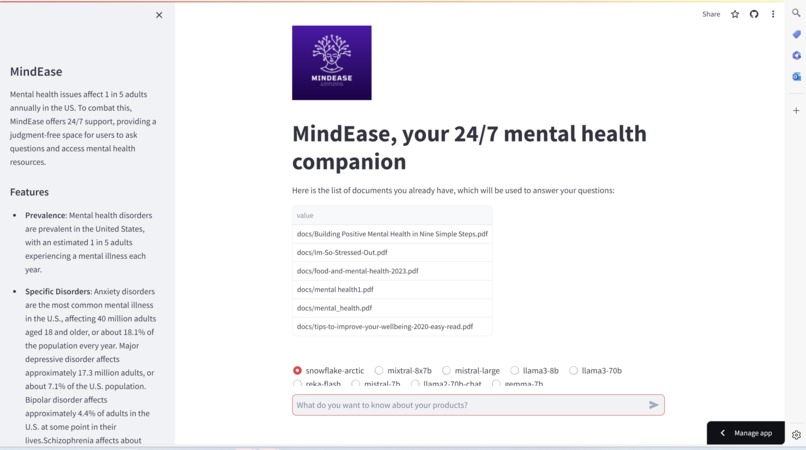
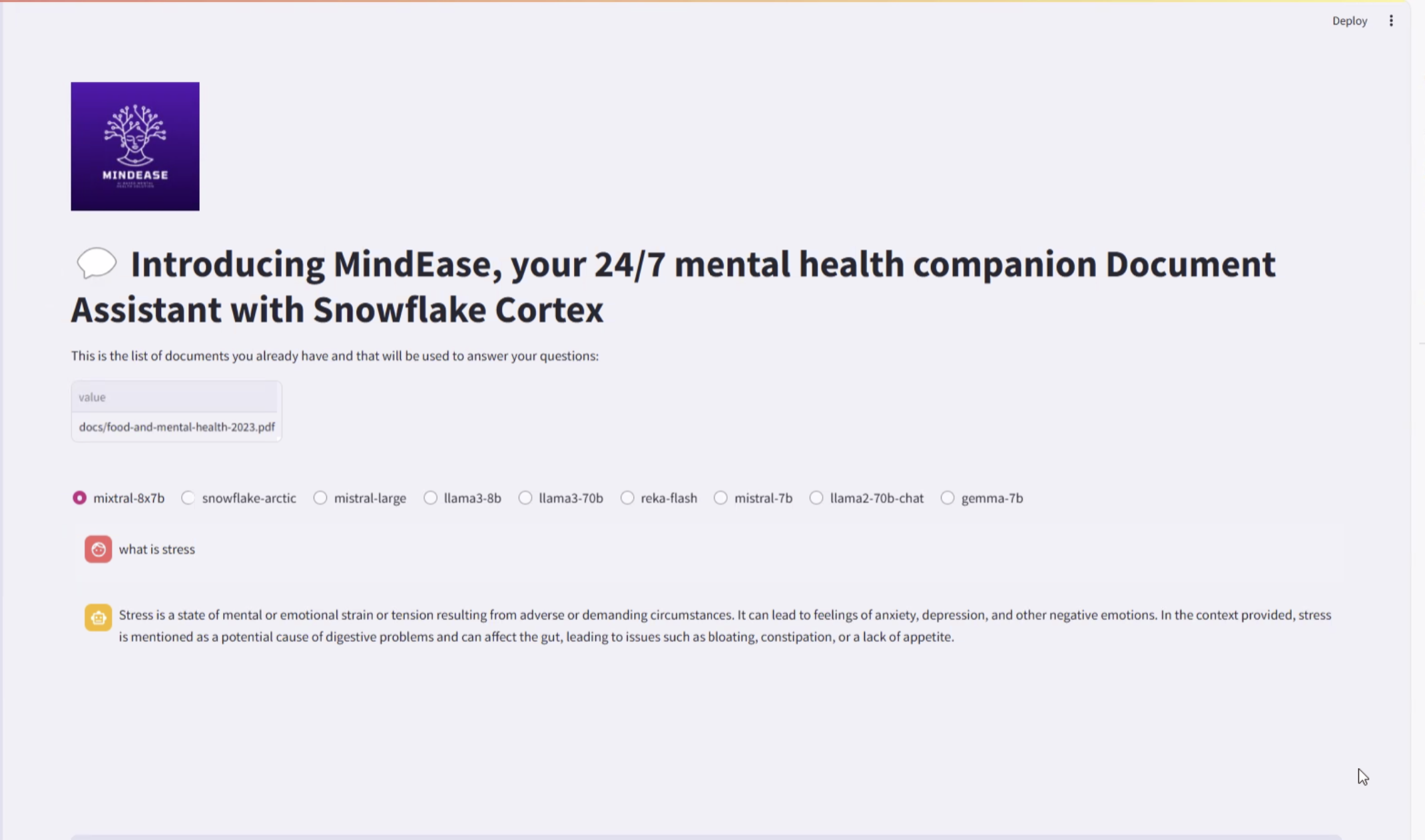
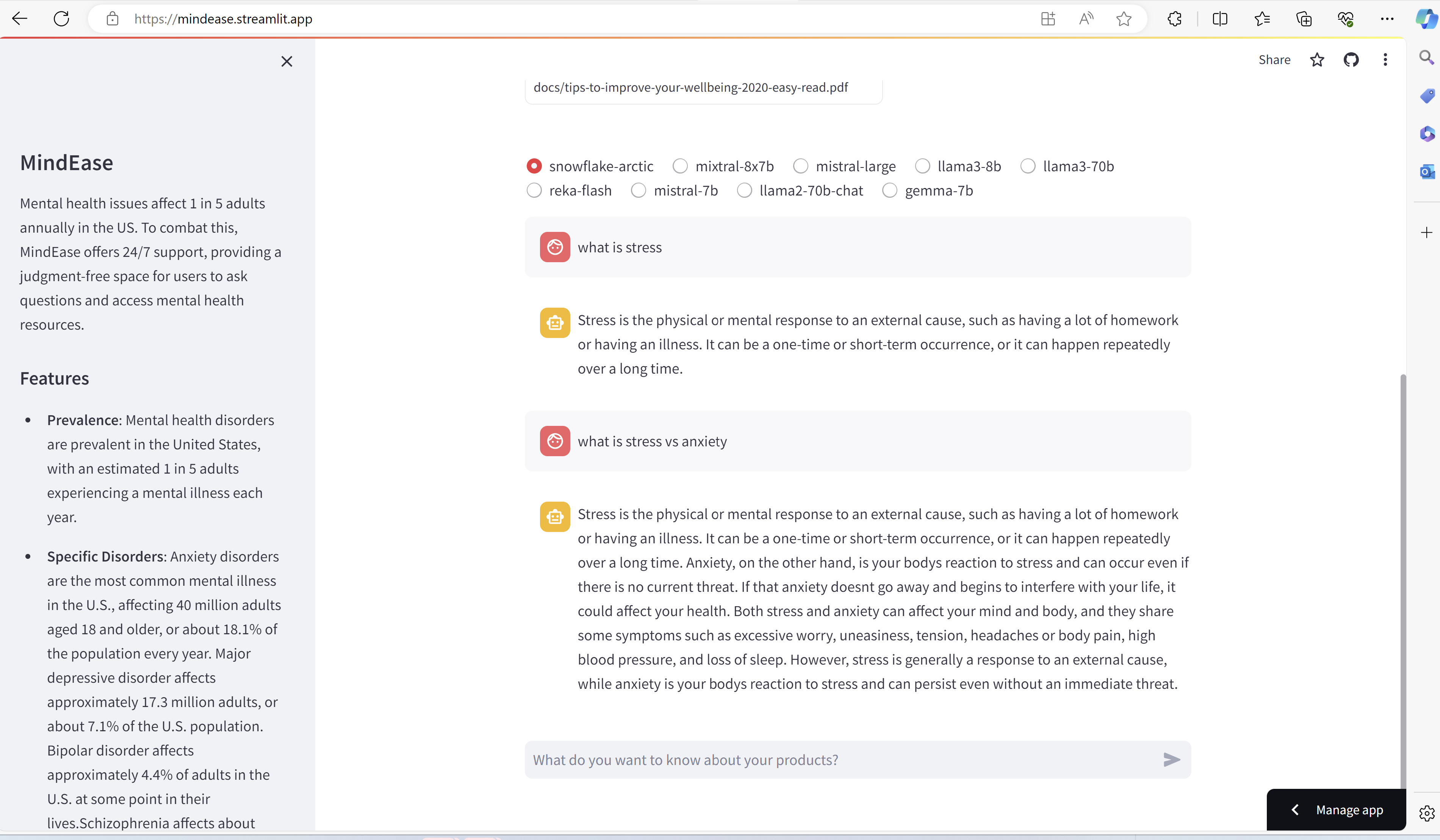
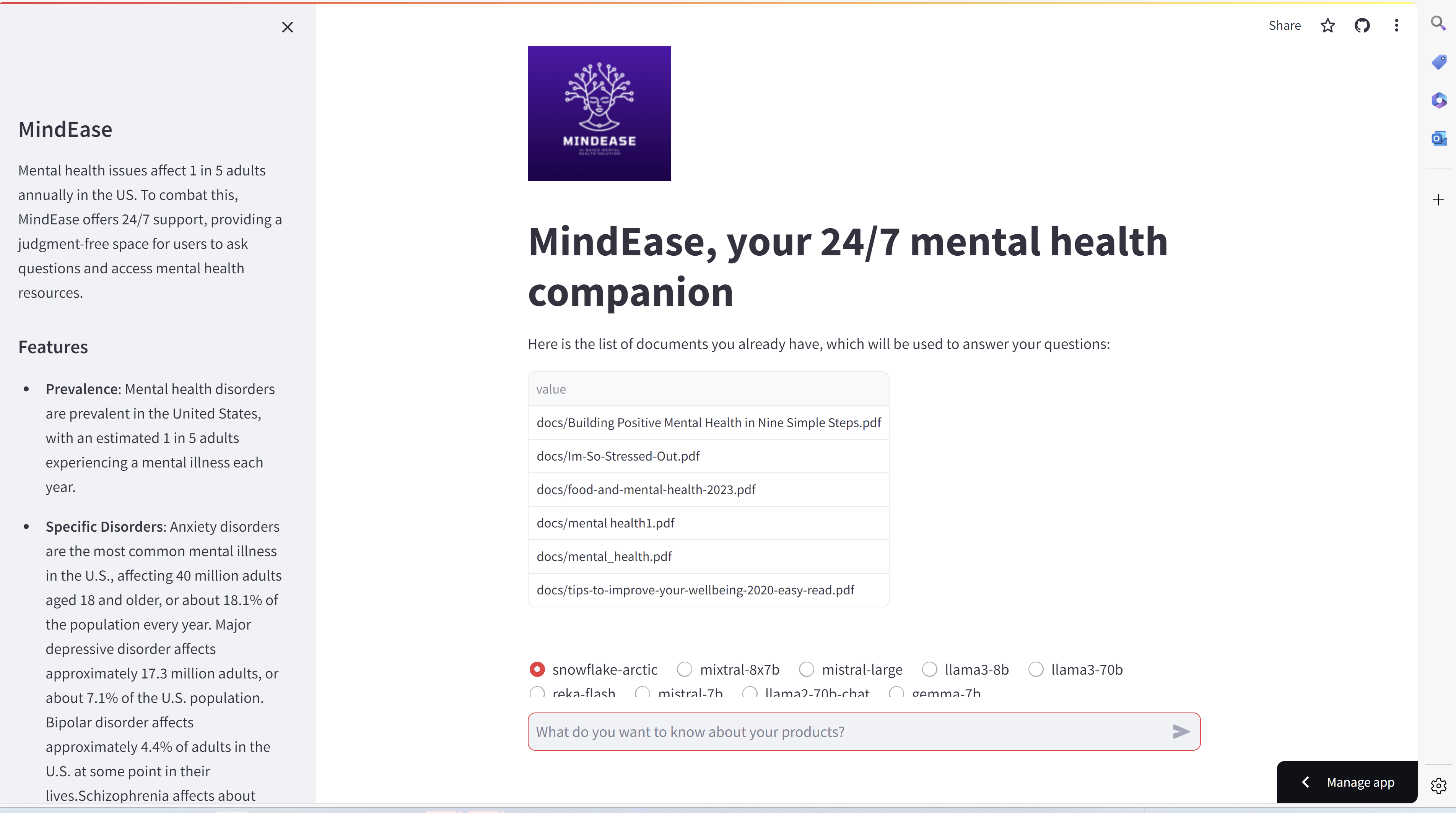
MindEase app interface
-
-
Inspiration
"Welcome to MindEase, your 24/7 mental health companion. With MindEase, you have a safe space to ask any mental health-related questions without fear of judgment. Our app connects you with experienced professionals who provide personalized answers and support tailored to your needs. Take control of your mental well-being with MindEase - because everyone deserves guidance and understanding on their journey to mental wellness."
What it does
MindEase is an innovative mental health question and answer app designed to provide users with instant access to reliable support and information. Here's what MindEase offers:
24/7 Availability: MindEase is available round-the-clock, ensuring users can seek help and guidance whenever they need it, day or night.
Judgment-Free Environment: MindEase fosters a safe and non-judgmental space where users can freely ask any mental health-related questions without fear of stigma or criticism.
Expert Guidance: The app connects users with experienced mental health professionals who offer personalized answers, advice, and support tailored to each individual's unique needs and concerns.
Accessible Resources: MindEase provides a wealth of resources, including articles, guides, and tools, to empower users with knowledge and strategies for managing their mental well-being.
Confidentiality: MindEase prioritizes user privacy and confidentiality, ensuring that all interactions and inquiries remain strictly confidential.
Empowerment: By offering immediate access to reliable information and support, MindEase empowers users to take control of their mental health and make informed decisions about their well-being.
Overall, MindEase is a comprehensive mental health resource that aims to break down barriers to seeking help and provide accessible, judgment-free support to anyone in need.
How we built it
we have built it using streamlit and snowflake Artic
Challenges we ran into
Collecting the documents
Accomplishments that we're proud of
It answers mental health related questions and is a safe app for users to chat with.
What we learned
learnt app development using stream lit and Snowflake Artic, Learnt to create a vector function in snowflake.
What's next for Mind Ease
Enhance the app and provide a customized set of options for every user
Built With
- snowflake-artic
- streamlit


Log in or sign up for Devpost to join the conversation.