-
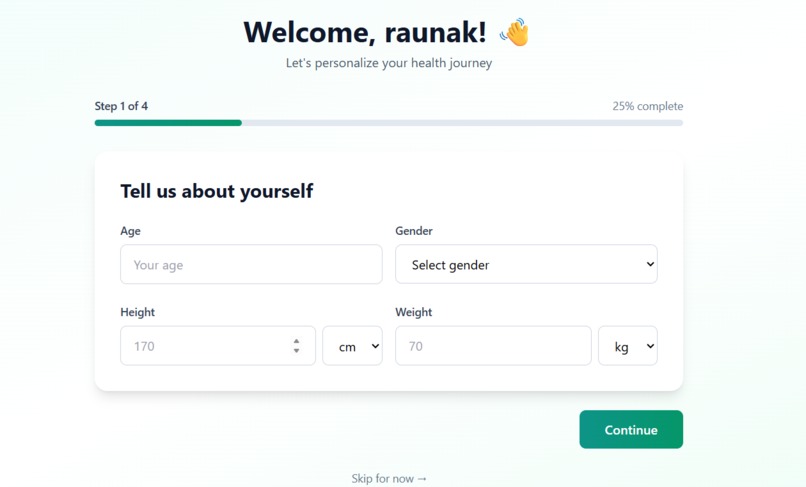
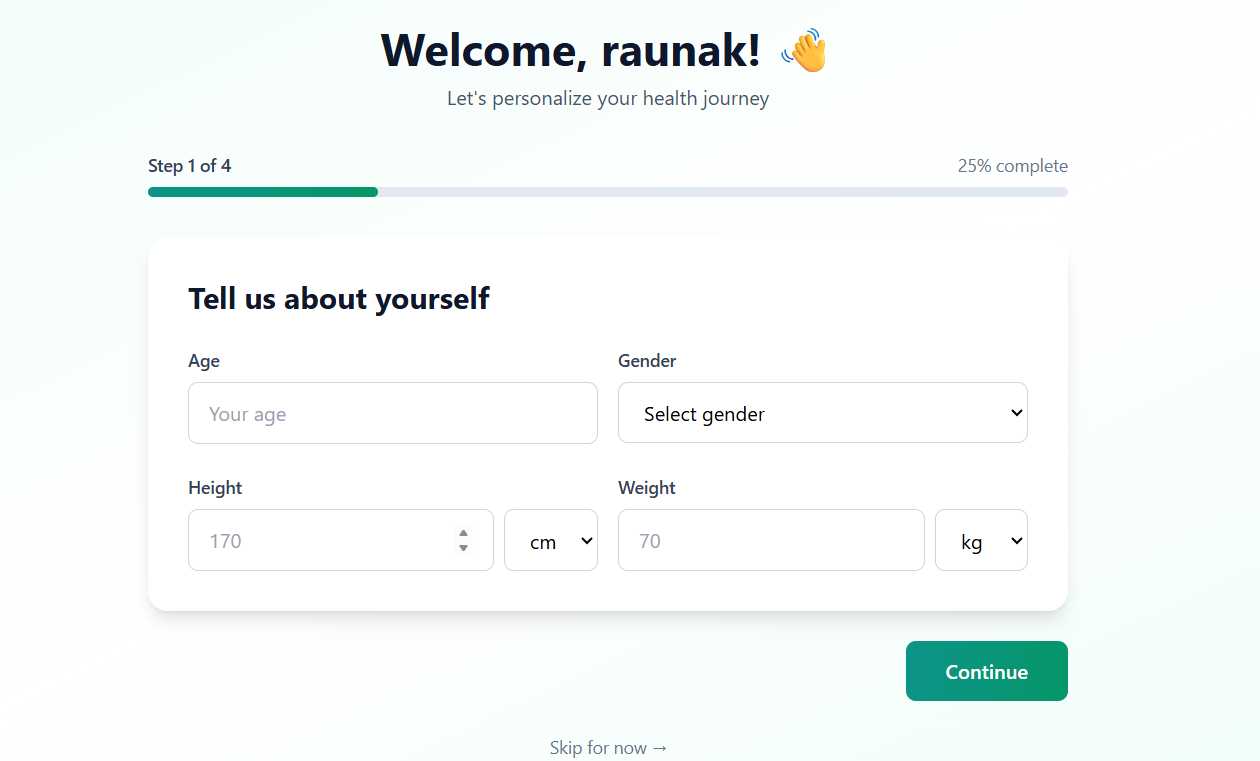
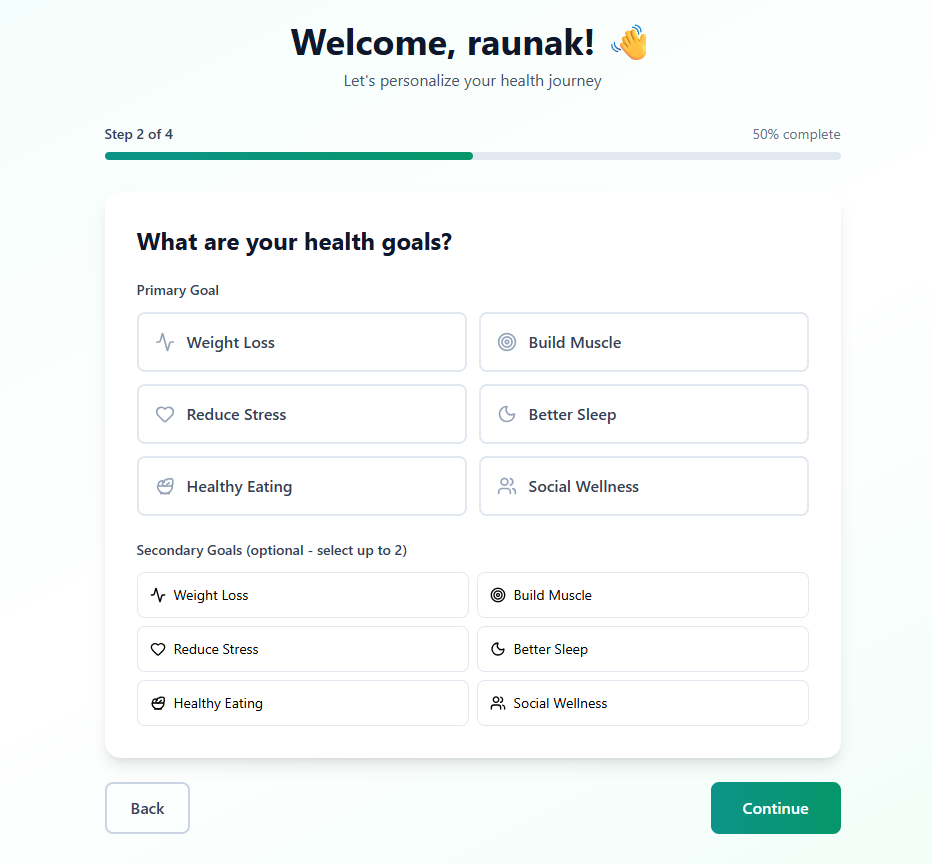
onboarding
-
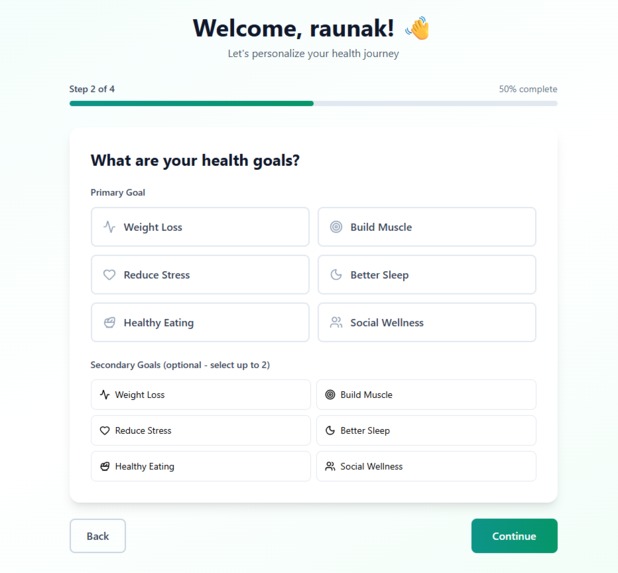
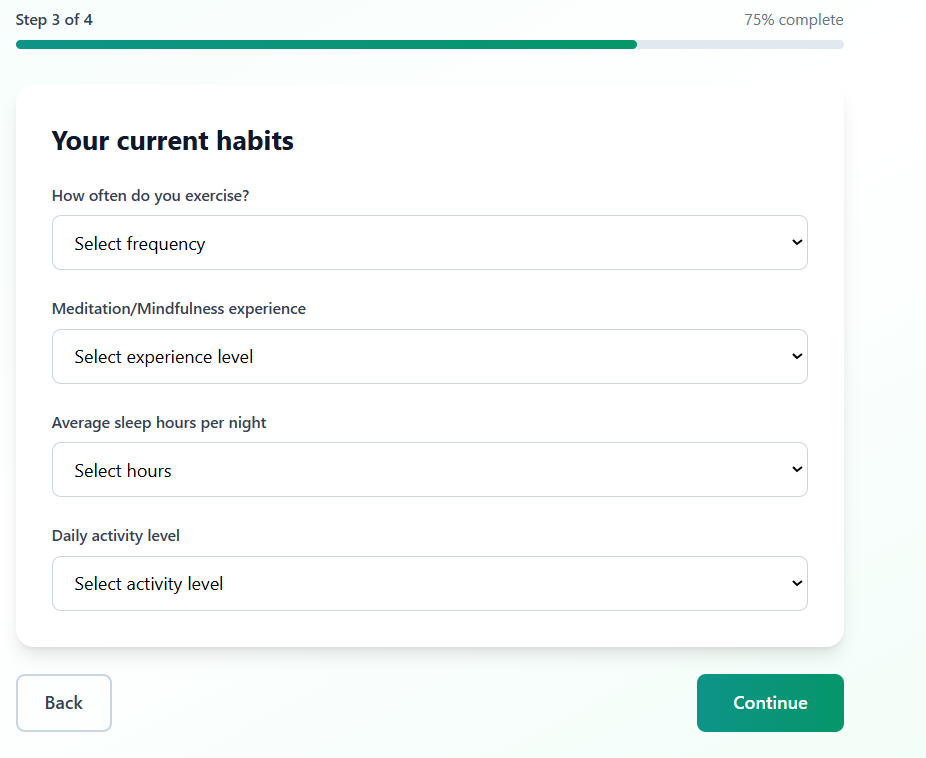
onboarding 2
-
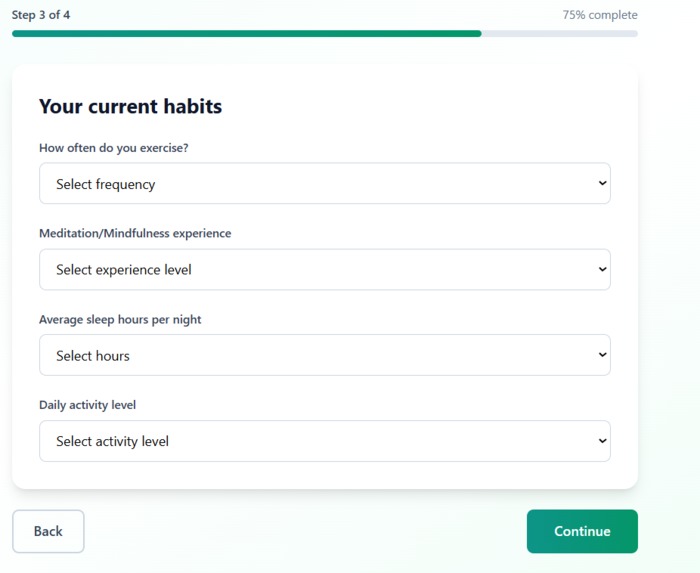
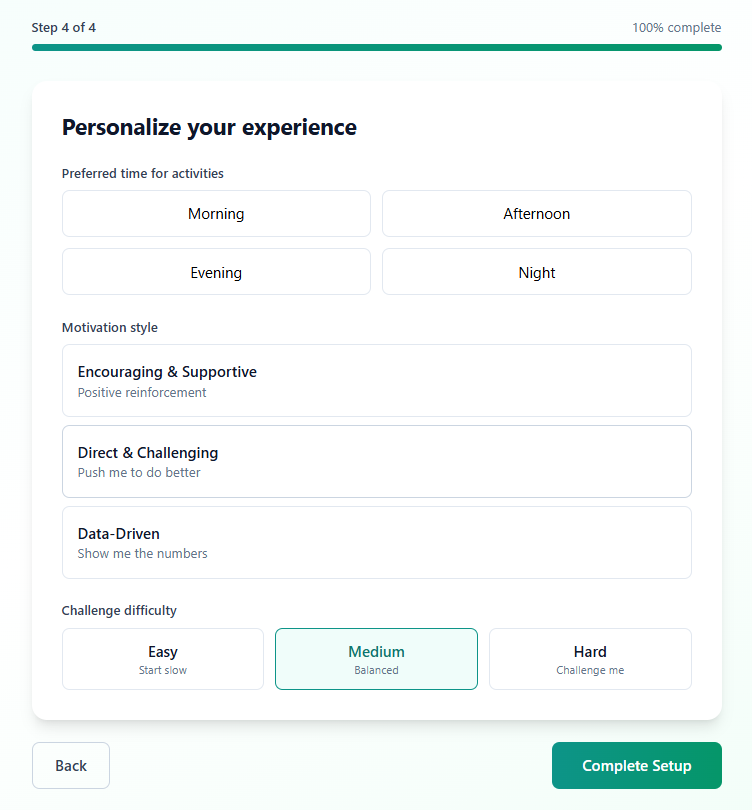
onboarding 3
-
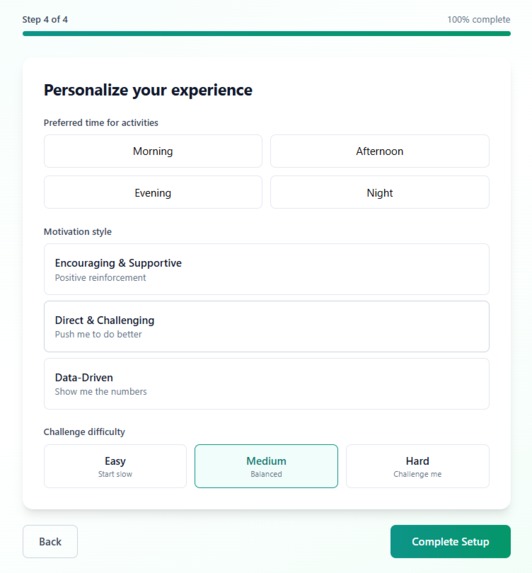
onboarding 4
-
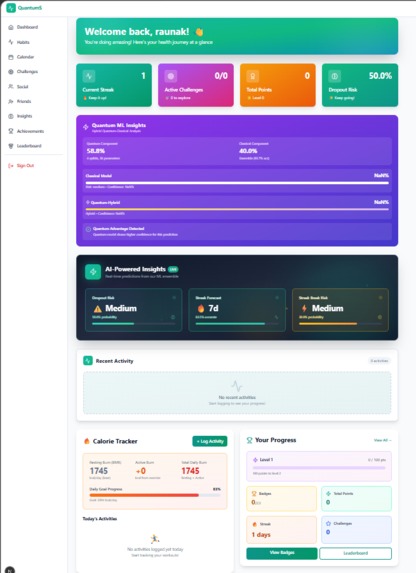
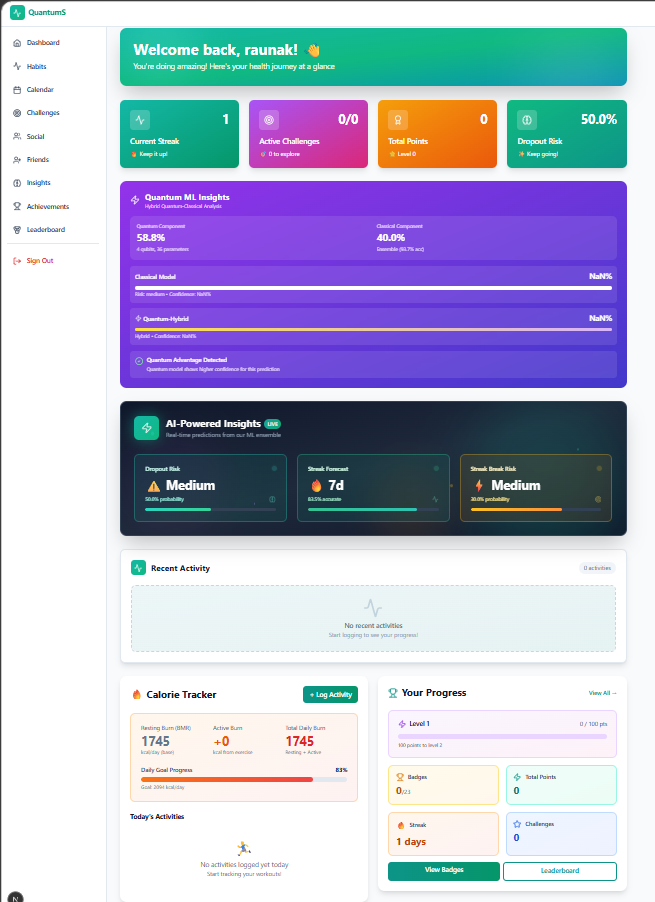
dashboard
-
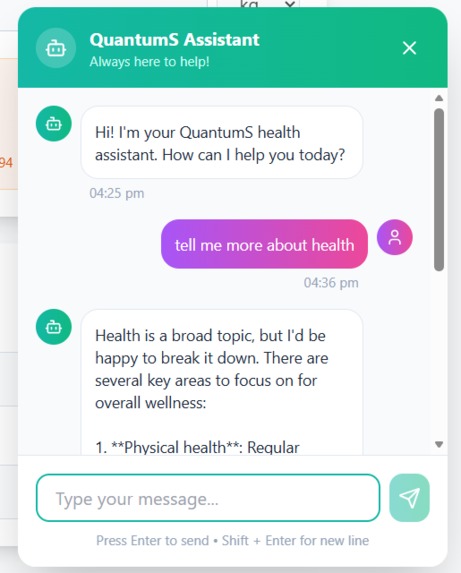
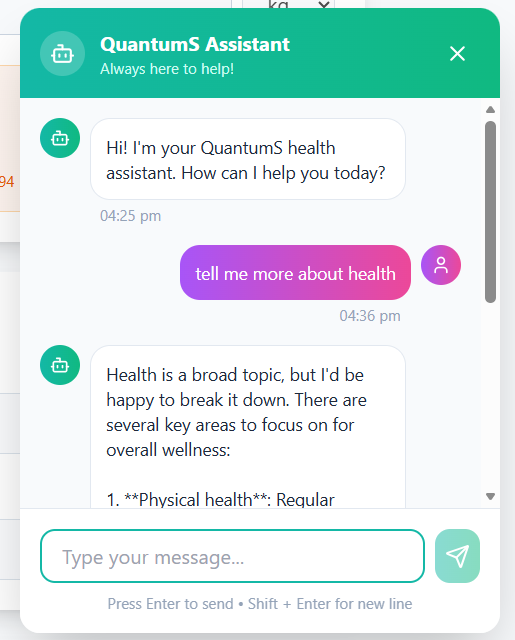
AI chat assistant
-
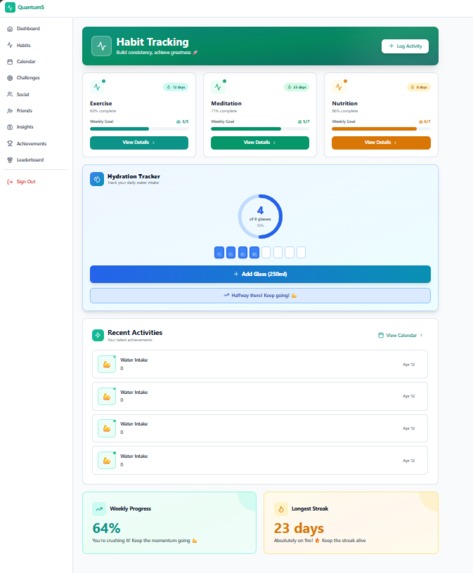
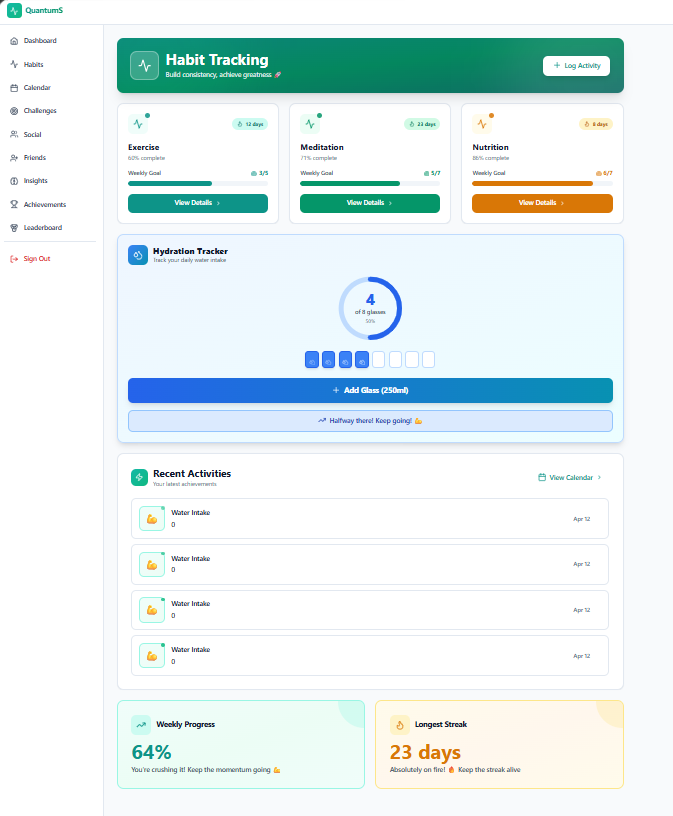
habit tracking
-
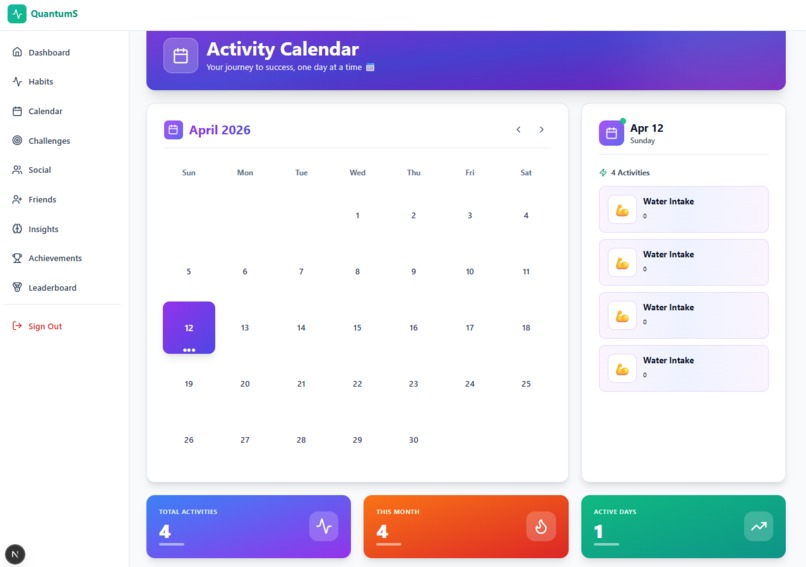
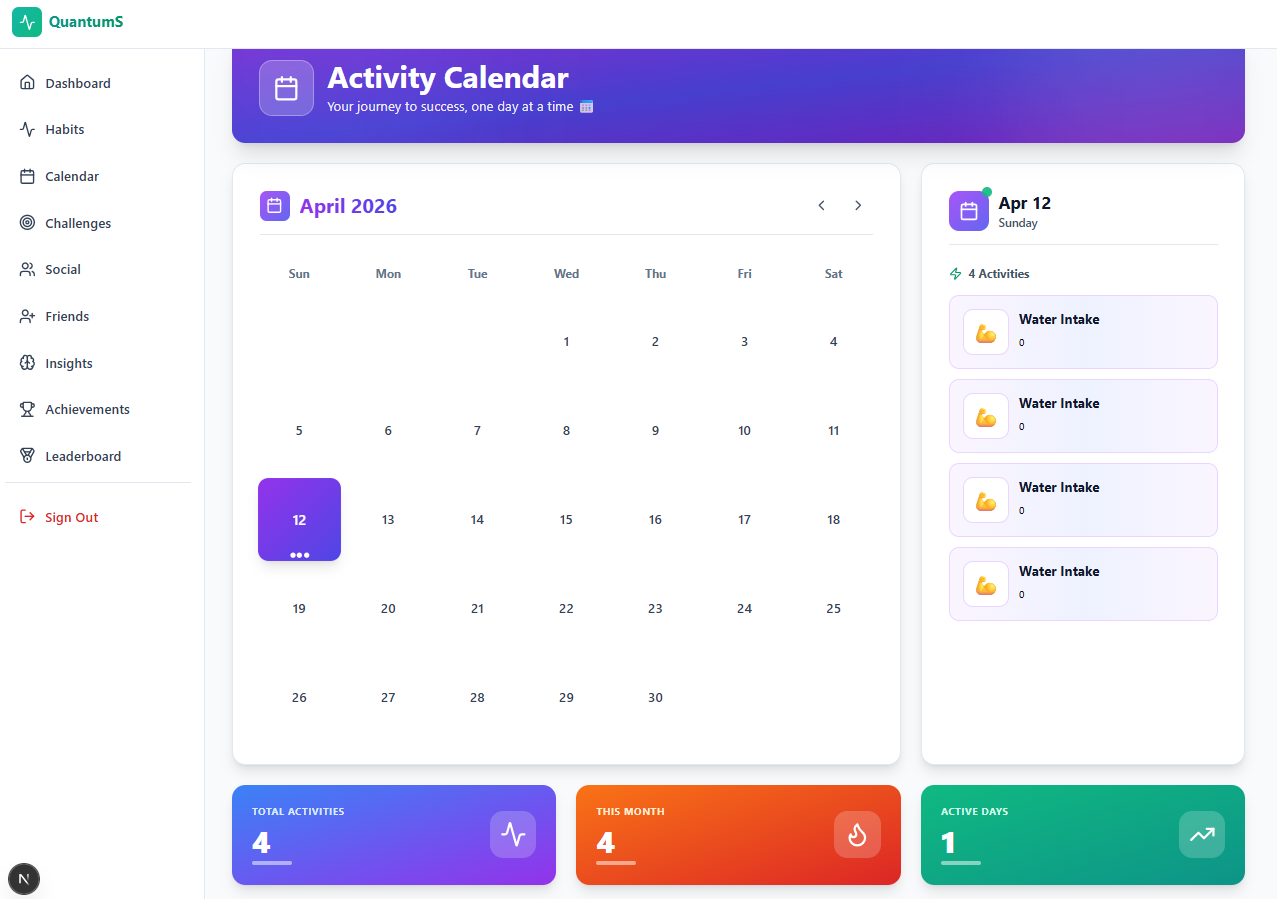
activity calander
-
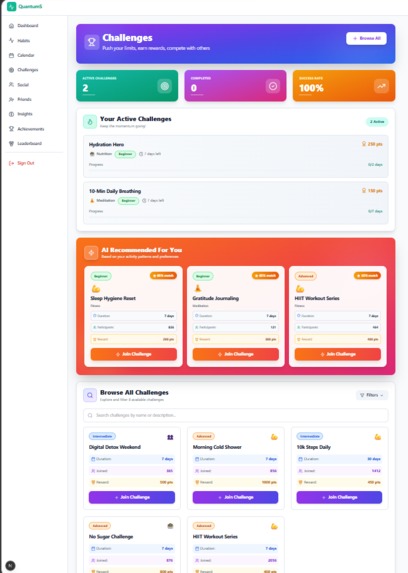
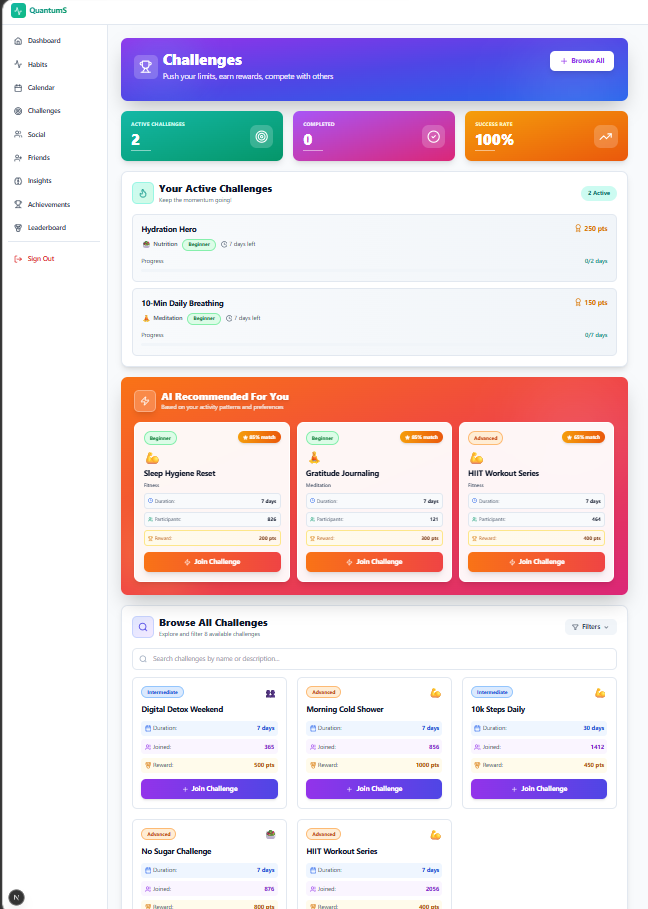
challenges
-
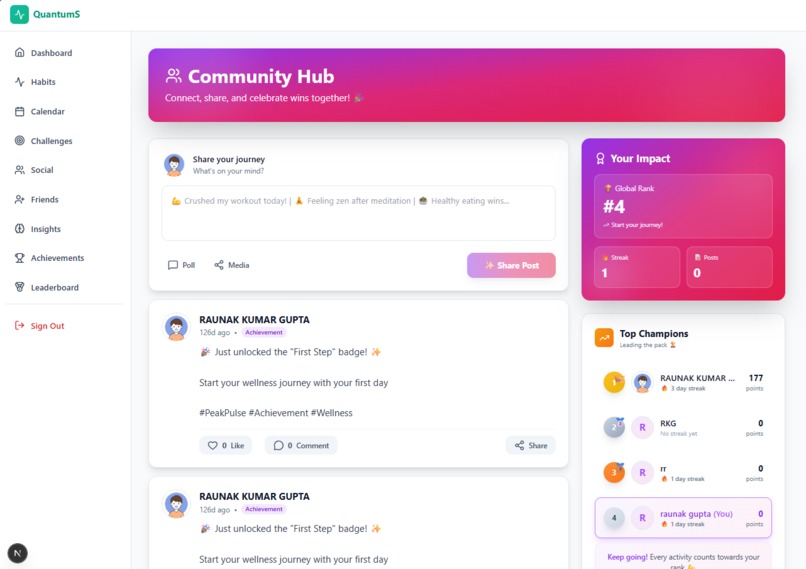
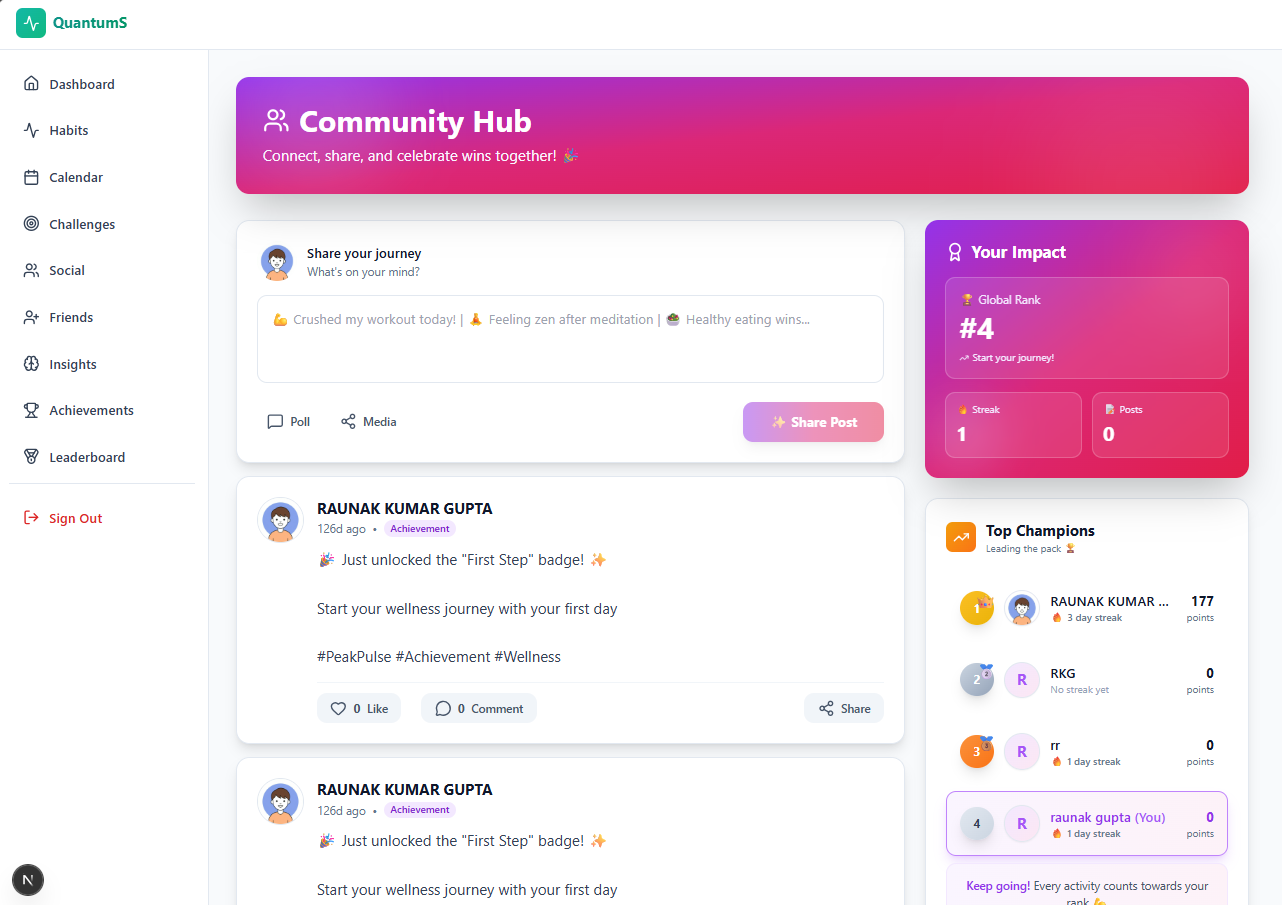
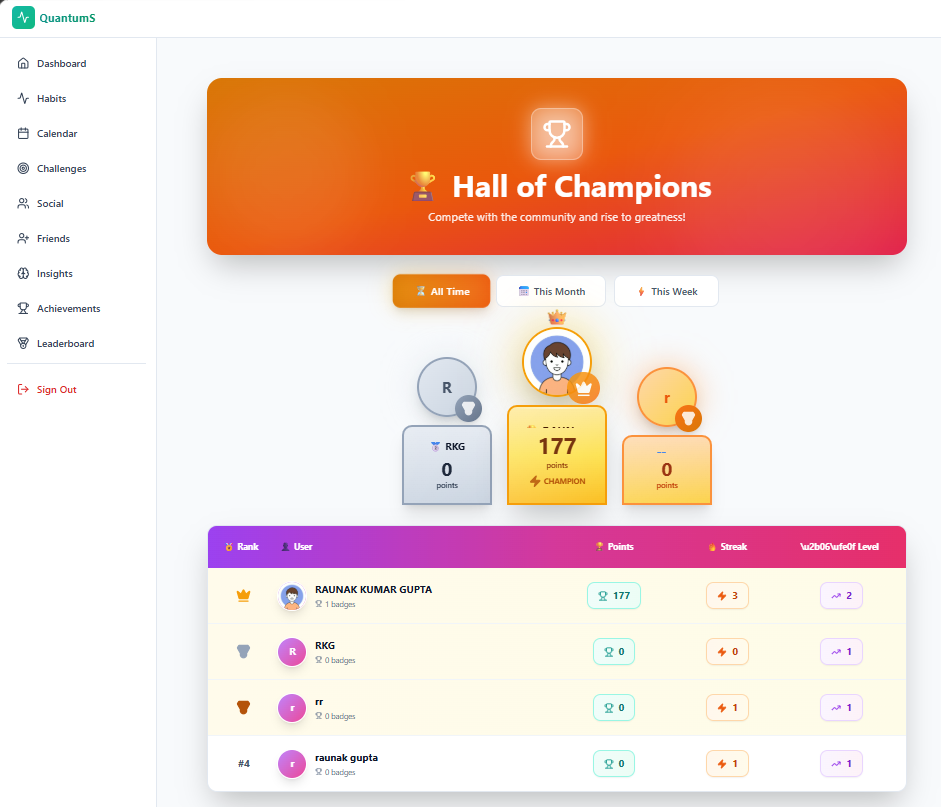
Community Hub & leader board
-
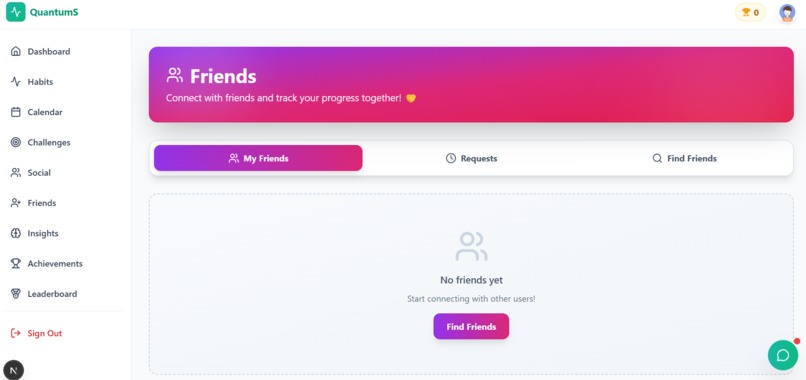
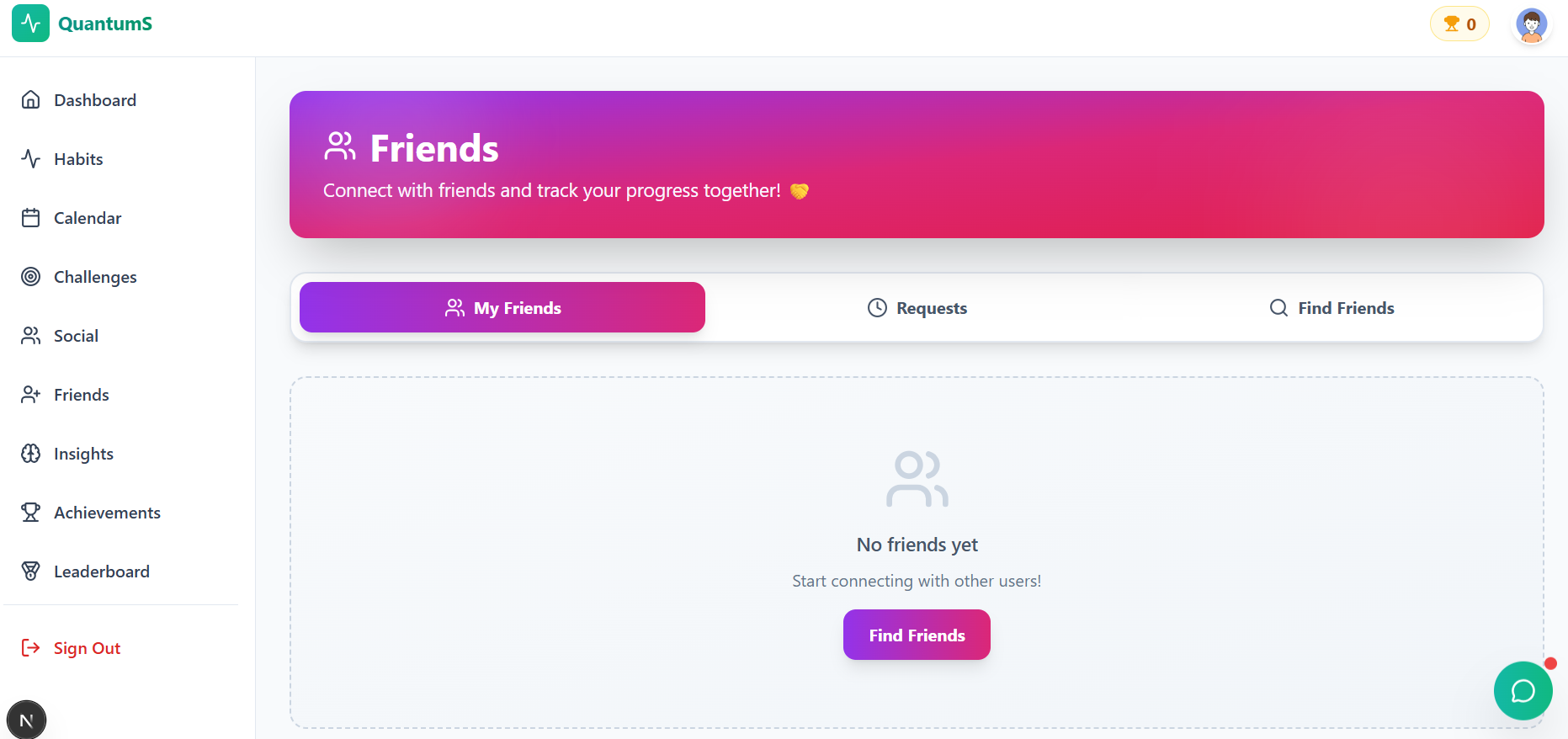
add/request/find friends
-
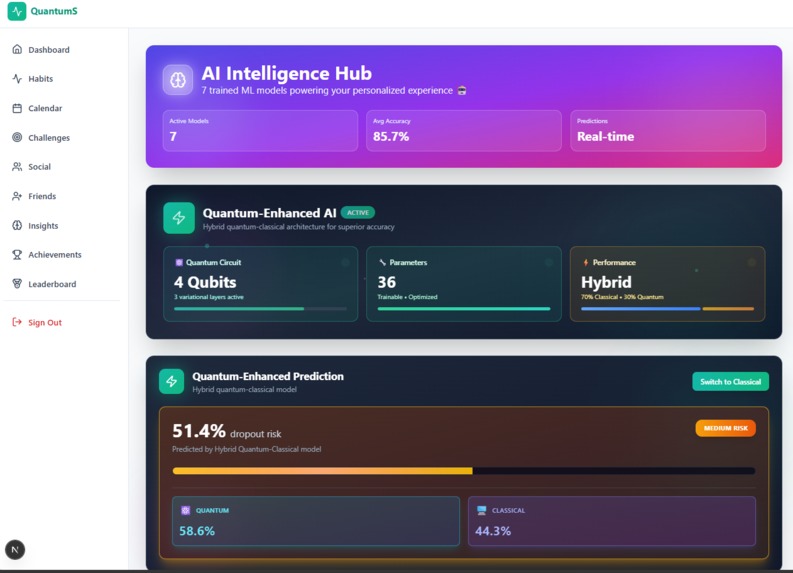
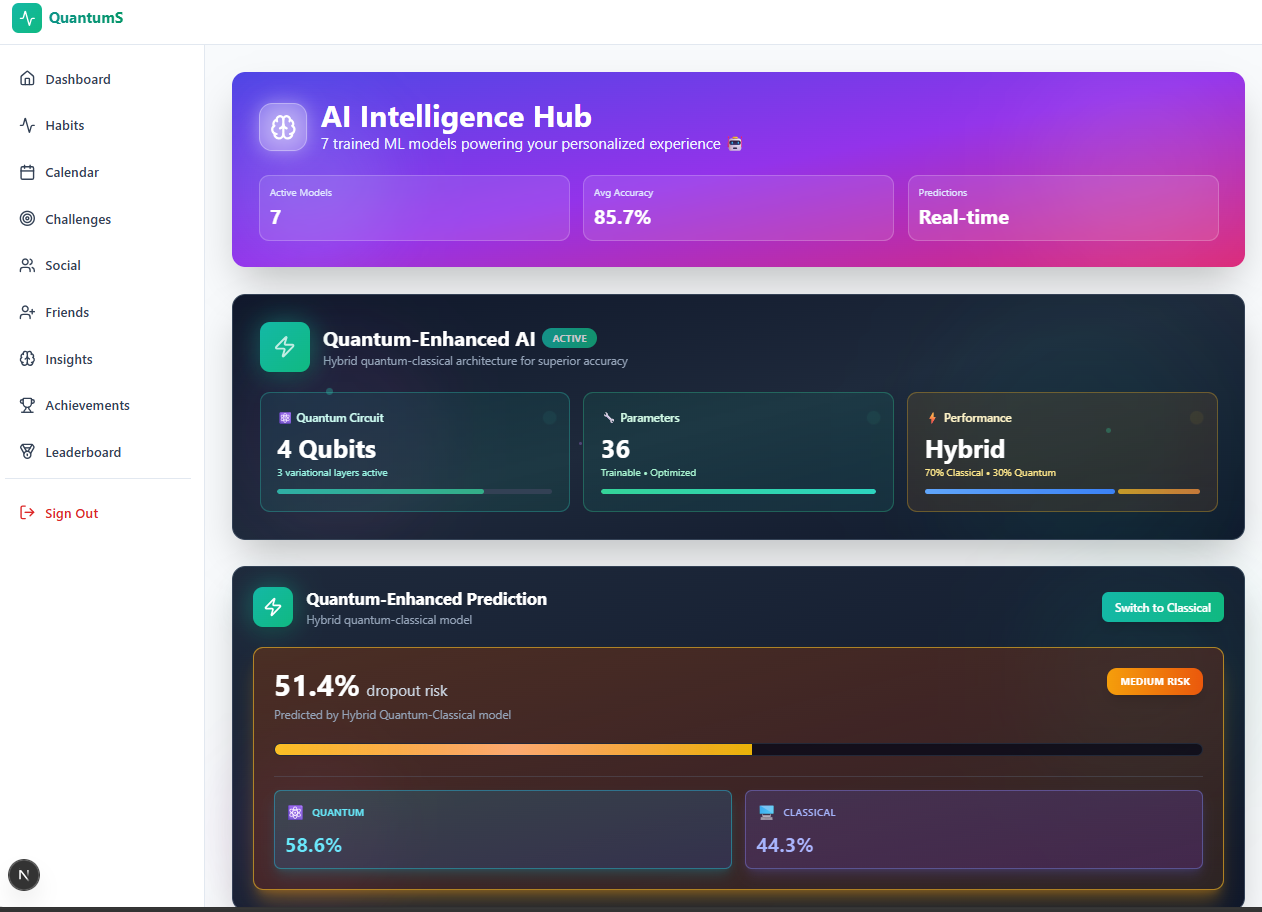
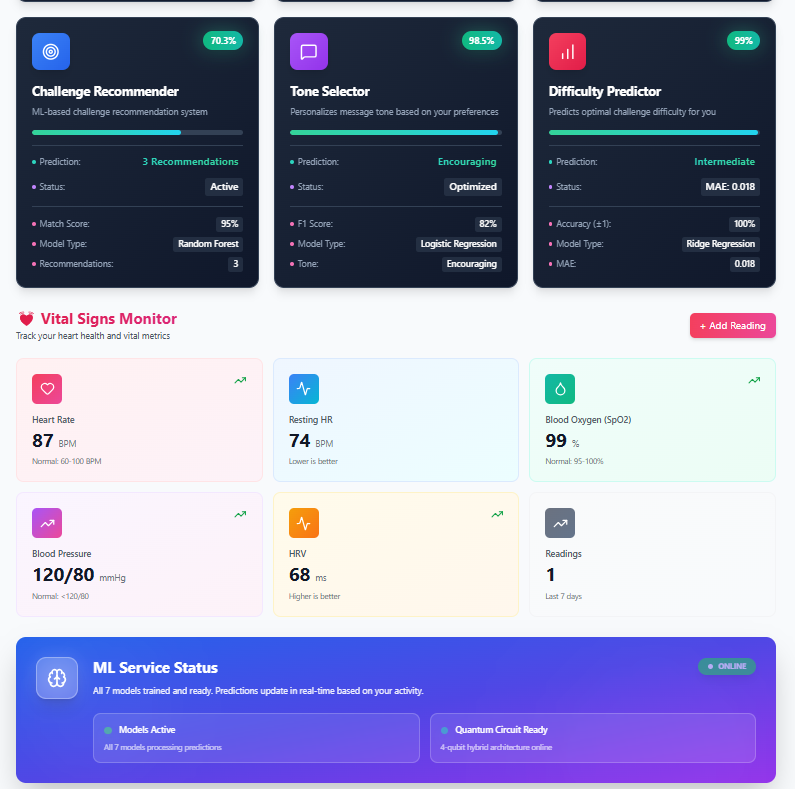
AI Intelligence Hub 1
-
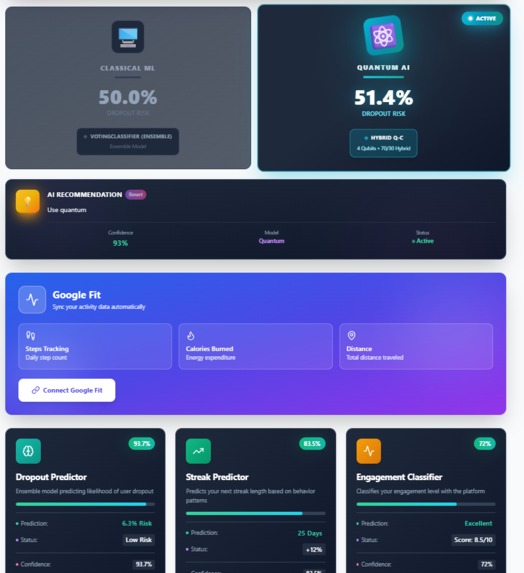
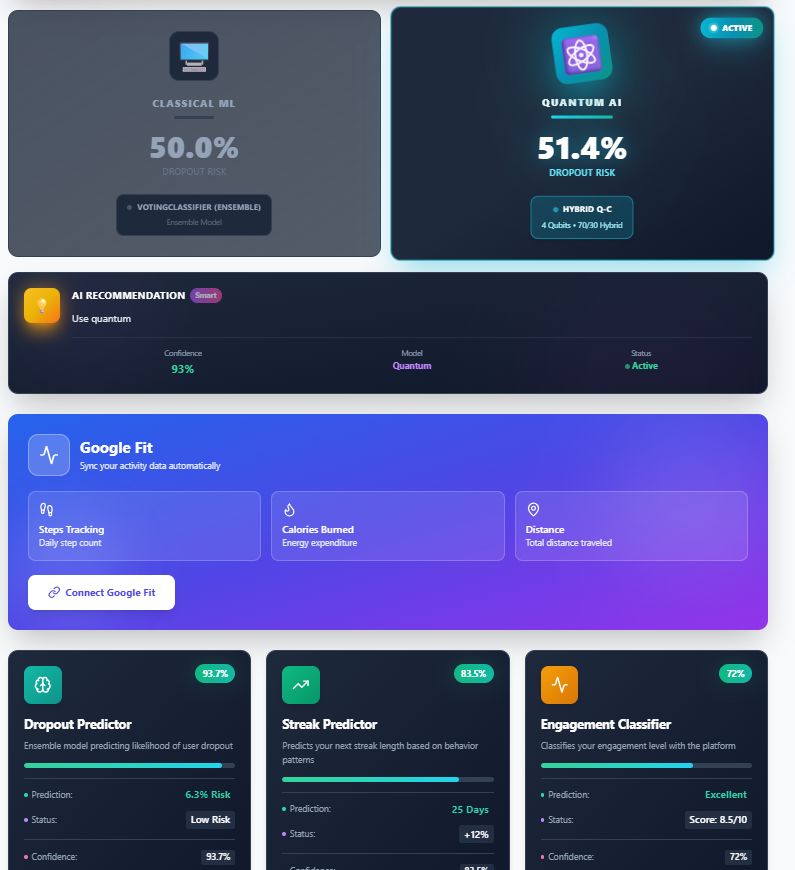
AI Intelligence Hub 2
-
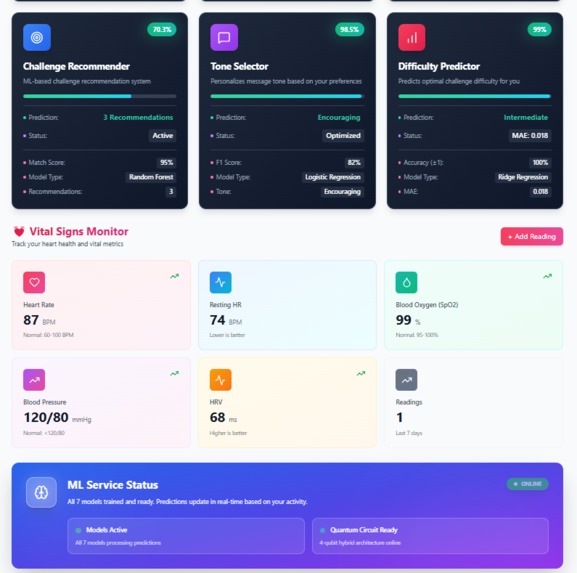
AI Intelligence Hub 3 & google fit readings
-
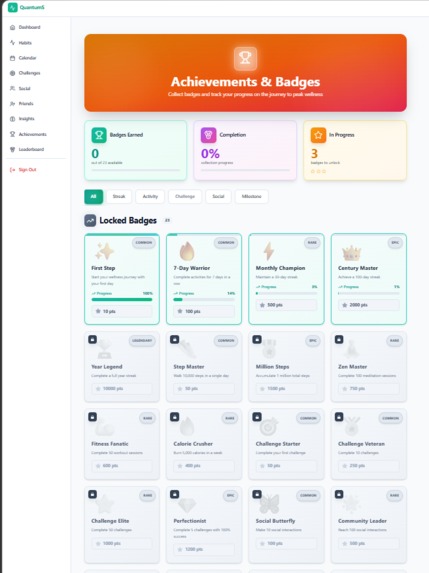
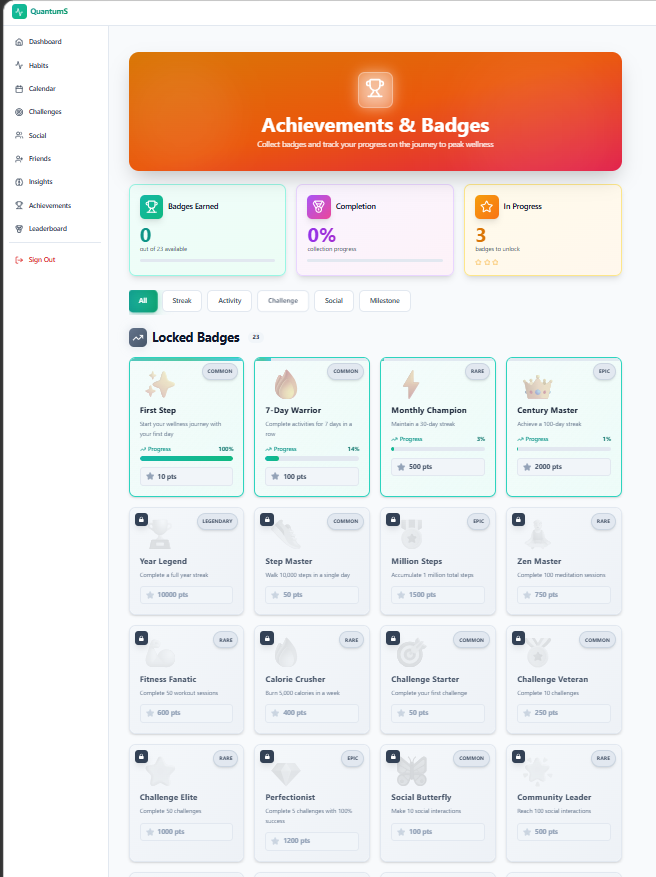
Achievements & Badges
-
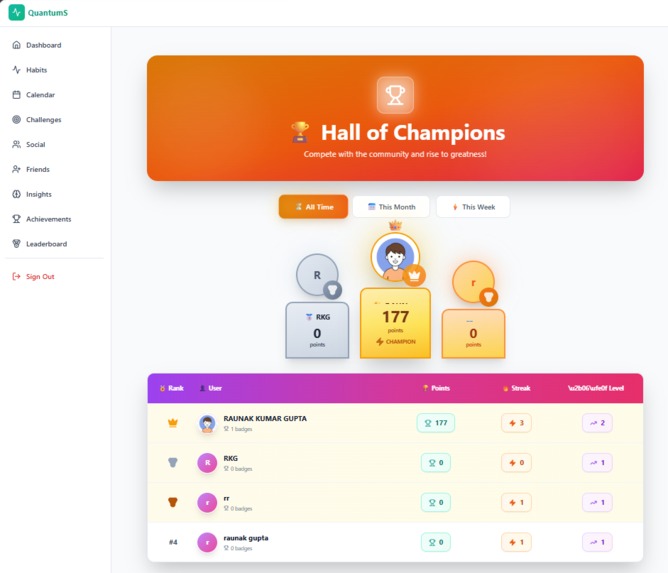
leaderboard
-
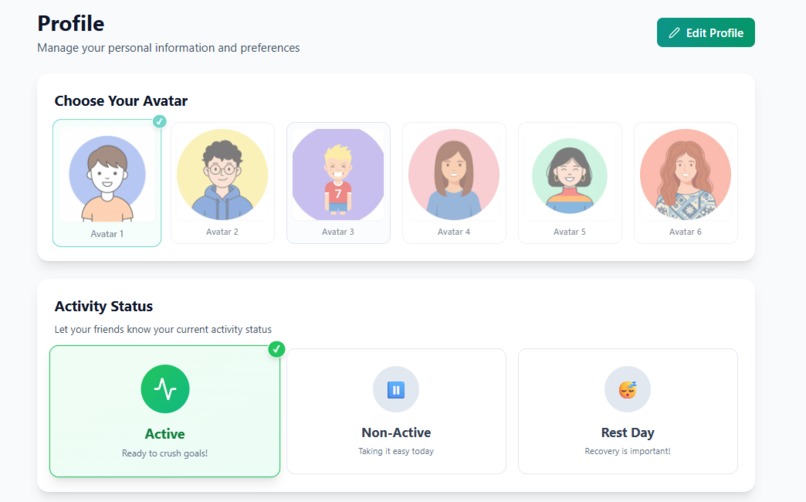
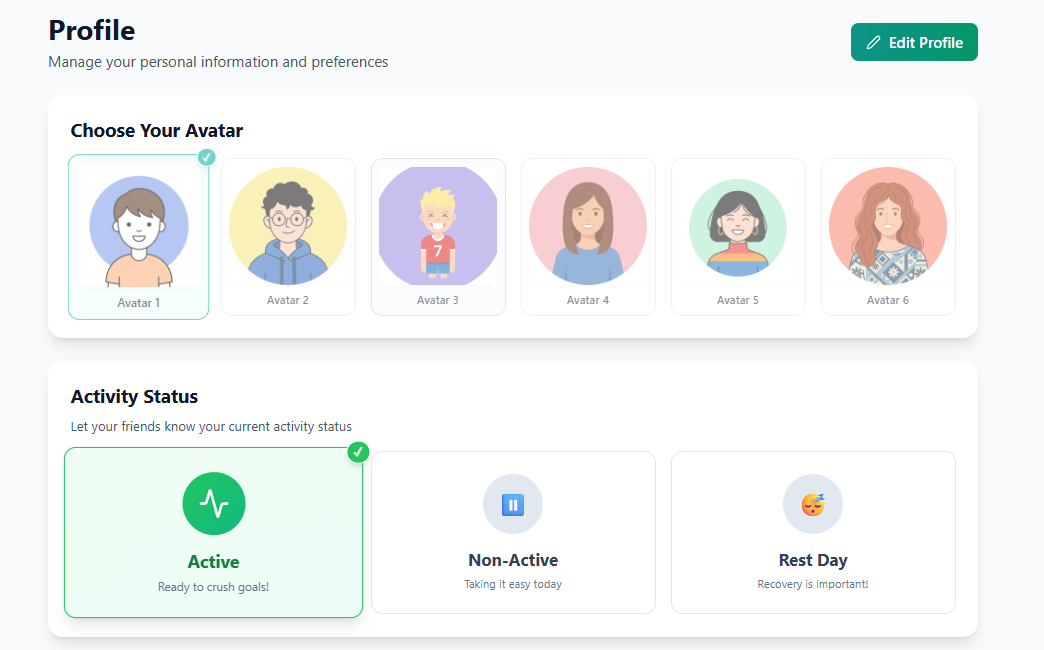
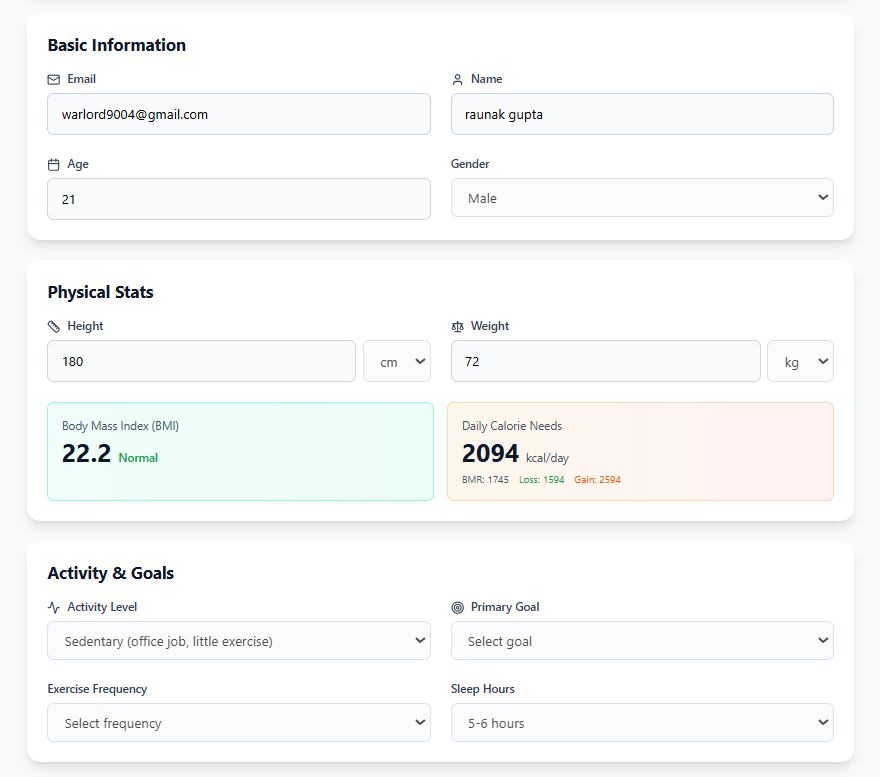
profile 1
-
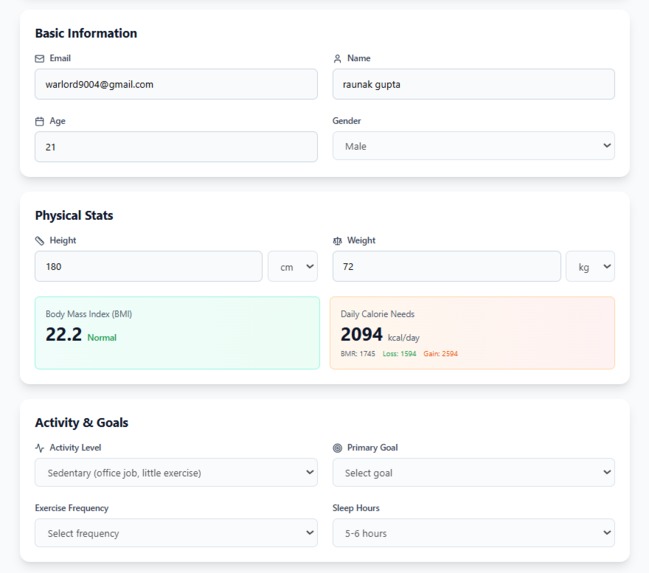
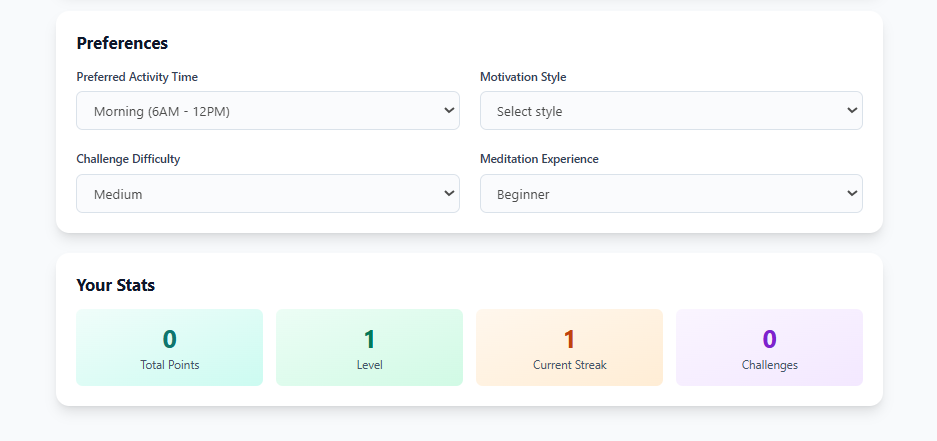
profile 2
-
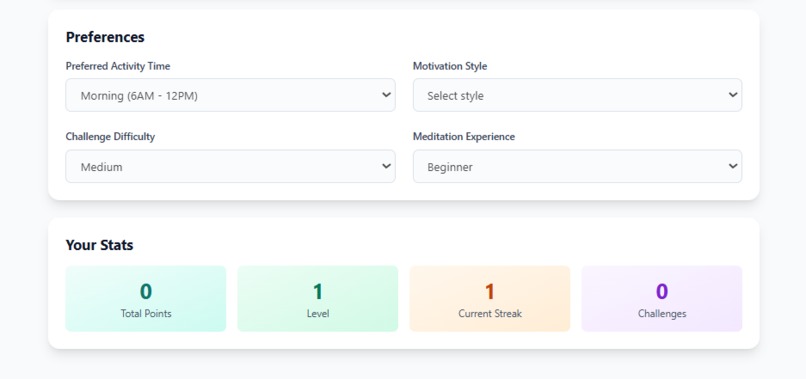
profile 3
Inspiration
We noticed a recurring pattern in the health and wellness space: millions of people start fitness journeys, but the vast majority drop out within the first three months. While existing apps track metrics, they act as passive observers. We asked ourselves: What if an app could actively predict when a user is losing motivation and intervene before they quit?
This inspired us to build QuantumS, a platform that leverages cutting-edge Hybrid Quantum Machine Learning alongside behavioral gamification to ensure users stay on track.
What it does
QuantumS is a gamified wellness platform that tracks daily activities (Calories, Water, Vitals) directly and via Google Fit integration.
However, its standout feature is the Quantum ML Analytics Engine. It continuously analyzes a user's engagement metrics to predict their churn/dropout risk. When the system detects a high risk of dropping out, it automatically intervenes by offering personalized challenges, unlocking special badges, and sending motivational chatbot nudges to re-engage the user.
How we built it
We divided the architecture into a modern web stack and an advanced mathematics/ML microservice:
- Frontend & Core Backend: Built using Next.js 16 (App Router), React 19, and Tailwind CSS. We used NextAuth for secure authentication and MongoDB to store user profiles, stats, and gamification state.
- Health Data Integration: We implemented OAuth 2.0 to securely connect with the Google Fit REST API, pulling real-time activity and vitals data.
- Hybrid Quantum ML Service: We wrote a standalone FastAPI (Python) microservice. It utilizes a Classical Ensemble ML model (Voting Classifier) fused with a 4-Qubit Variational Quantum Circuit (VQC).
We calculated the final dropout probability prediction utilizing a weighted hybrid fusion approach:
$$ P_{final} = \alpha P_{classical} + \beta P_{quantum} $$
Where the fusion weights \(\alpha\) and \(\beta\) dynamically adapt based on model confidence and feature complexity, typically starting at an equilibrium of \(\alpha = 0.5, \beta = 0.5\).
Challenges we ran into
- Quantum Simulation Overhead: Training the 4-qubit parameterized quantum circuit with Adam optimizer on classical hardware was computationally heavy. We had to heavily optimize our data normalization pipelines to make the training converge within a reasonable timeframe.
- API Microservice Communication: Bridging the Next.js TypeScript environment with the Python FastAPI ML environment synchronously without blocking UI rendering required careful asynchronous state management and caching.
- Google Fit OAuth: Managing access tokens, refresh tokens, and granular permission scopes for Google Fit in a modern Next.js App Router environment posed a steep learning curve.
Accomplishments that we're proud of
- We successfully developed a functional Variational Quantum-Classical machine learning pipeline moving beyond buzzwords to implement actual parameterized quantum gates bridging with classical ML ensembles. Our classical model hit
93.7%accuracy, and our fused hybrid model successfully isolated complex, non-linear correlations. - Creating a beautiful, highly responsive gamification UI that makes tracking health actually feel fun and rewarding.
What we learned
- Quantum Machine Learning (QML): We learned the deep mathematics behind quantum state superposition, entanglement, and how to map continuous classical data into quantum states using rotation gates like \( R_x, R_y, R_z \).
- Advanced React Patterns: Architecting a complex dashboard using Next.js Server Components mixed with Client Components for charting (via Recharts).
What's next for QuantumS
- Real Quantum Hardware: Transitioning our simulated 4-qubit VQC to run on actual IBM Quantum hardware via
QiskitRuntimeService. - Dietary Computer Vision: Implementing a feature to scan meals via the smartphone camera to automatically log macro-nutrients.
- Expanded Social Leagues: Building out team-based leaderboards where friends can pool their activity data to compete in global wellness leagues.
Built With
- fastapi
- google-fit-api
- machine-learning
- mongodb
- next.js
- pennylane
- python
- qiskit
- react
- tailwind.css
- typescript

Log in or sign up for Devpost to join the conversation.