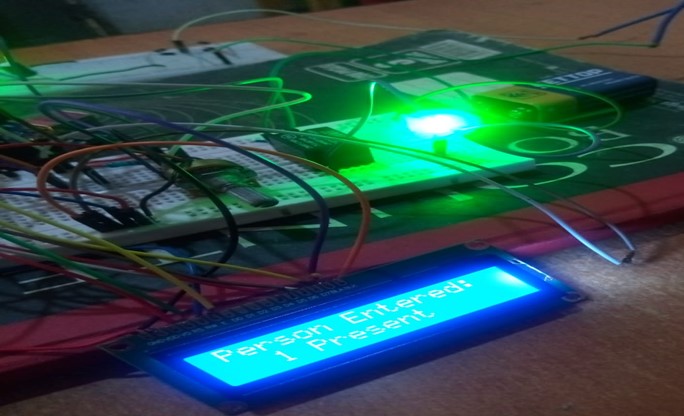
The idea for the Automatic Room Light Controller with Control Access Visitor Counter (ARLC-CAVC) was inspired by the persistent problem of electricity wastage in conventional lighting systems, where up to 30% of energy is lost due to inefficiencies. I wanted to create a solution that not only saved energy but also enhanced security and visitor management in environments like offices, schools, and residential complexes. The vision was to bring automation, access control, and real-time visitor tracking into a single system, making spaces smarter and more efficient.
Throughout the project, I learned how automation can save up to
𝐸 𝑠 𝑎 𝑣 𝑖 𝑛 𝑔 𝑠 ≈ 20 % of total energy consumption E savings
≈20% of total energy consumption
by ensuring lights operate only when needed. I gained skills in sensor integration, combining IR sensors for occupancy detection, RFID and biometrics for access control, and visitor counting mechanisms using cameras and image processing. I also explored app development through a prototype called LUME, which allows users to log in, switch lights on/off, adjust brightness, and monitor room usage remotely. Beyond the technical side, I learned how to pitch ideas effectively to non-technical audiences, showing the real-world benefits of the innovation.
The building process followed a step-by-step approach. I designed the system architecture, sourced hardware components such as IR sensors and microcontrollers, and developed the software interface. The app incorporated essential features like 2FA authentication, reservations, timestamps, and even a user community section for interaction. Testing and demonstrations gave me feedback that helped refine the design and validate its practicality.
The journey was not without challenges. I faced hardware integration issues, especially ensuring smooth communication between the sensors, controller, and app. Accurate visitor counting was tricky when multiple people entered or exited simultaneously. Data security and ensuring reliability of access logs were also pressing concerns. Funding constraints limited exploration of advanced features like DNA-based visitor identification, while balancing complexity with user-friendliness remained a constant design trade-off.
In the end, this project was more than just about building a device — it was about solving a real problem. I came to appreciate how human-centered design and practical innovation can transform everyday systems, leading to energy savings, operational efficiency, and improved security. The ARLC-CAVC system reflects the belief that even small technological steps can redefine how we manage and interact with our environments.

Log in or sign up for Devpost to join the conversation.