Inspiration
Bridging the gap between classical computer architecture and quantum mechanics is tough. Traditional simulators require users to manually drag and drop gates or write complex code just to test basic concepts like superposition or entanglement. I realized there was a massive gap for an Agentic AI Copilot in the quantum space—a tool that lowers the barrier to entry by letting developers build and debug quantum circuits using natural language.
What it does
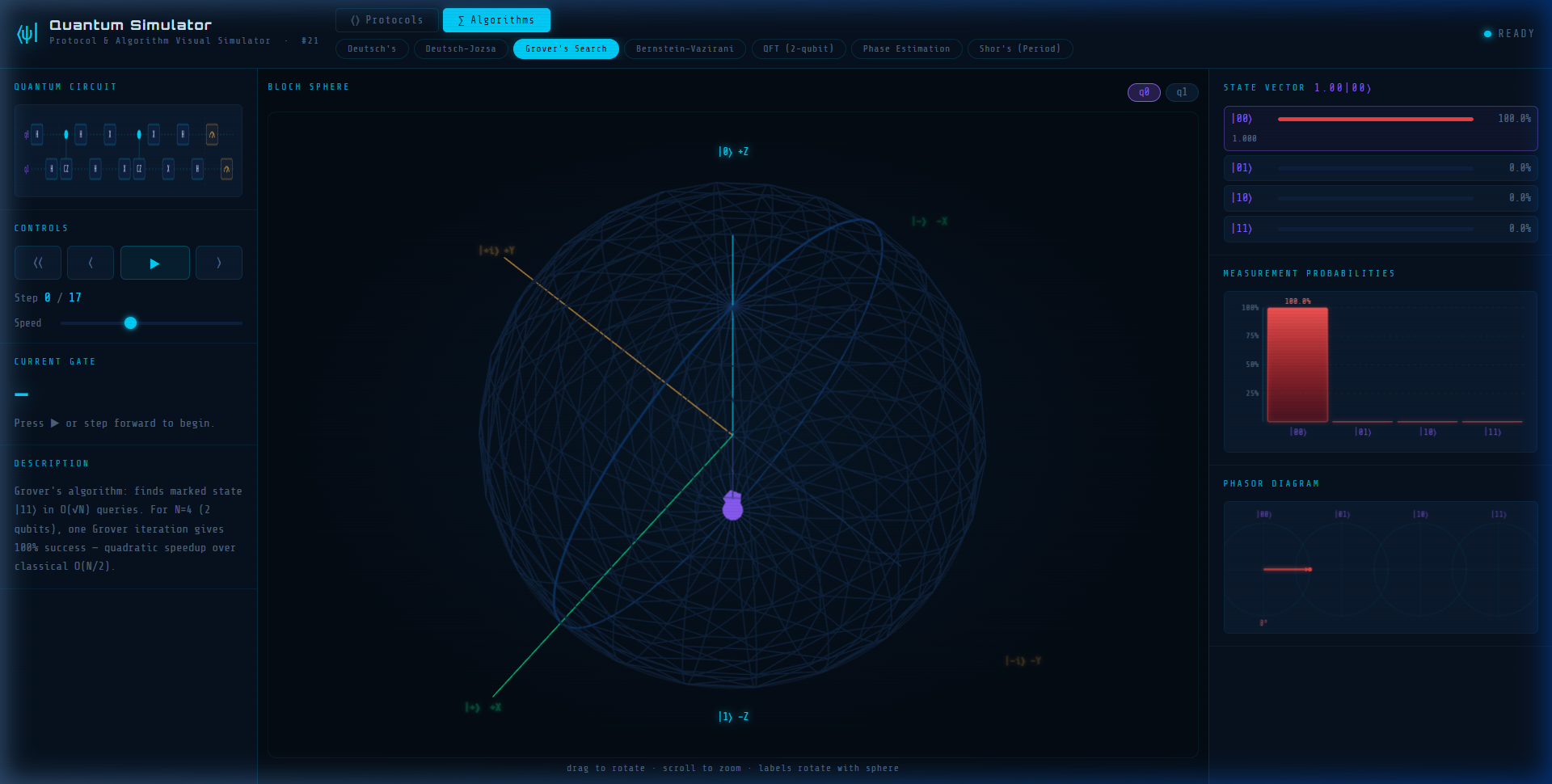
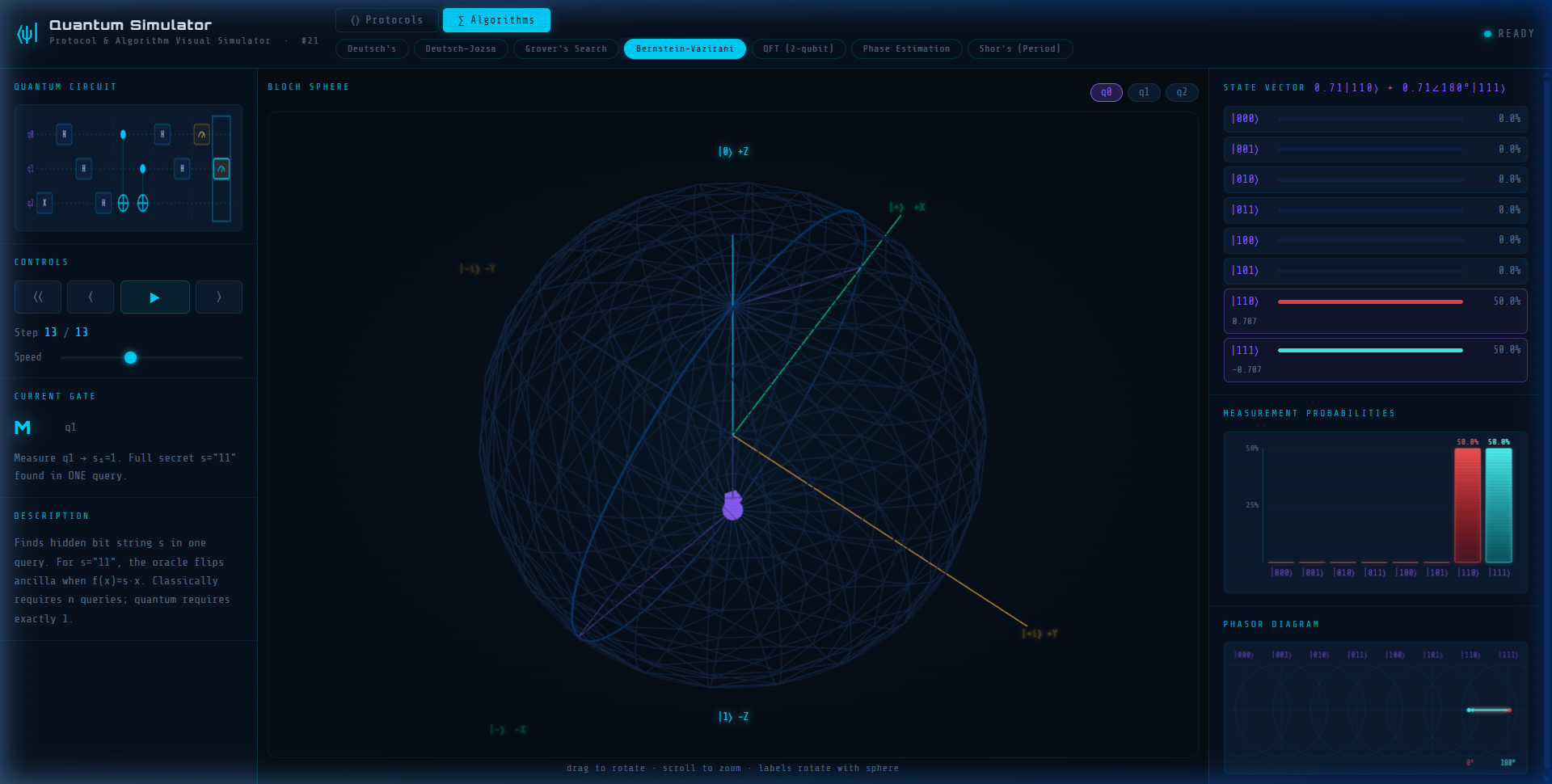
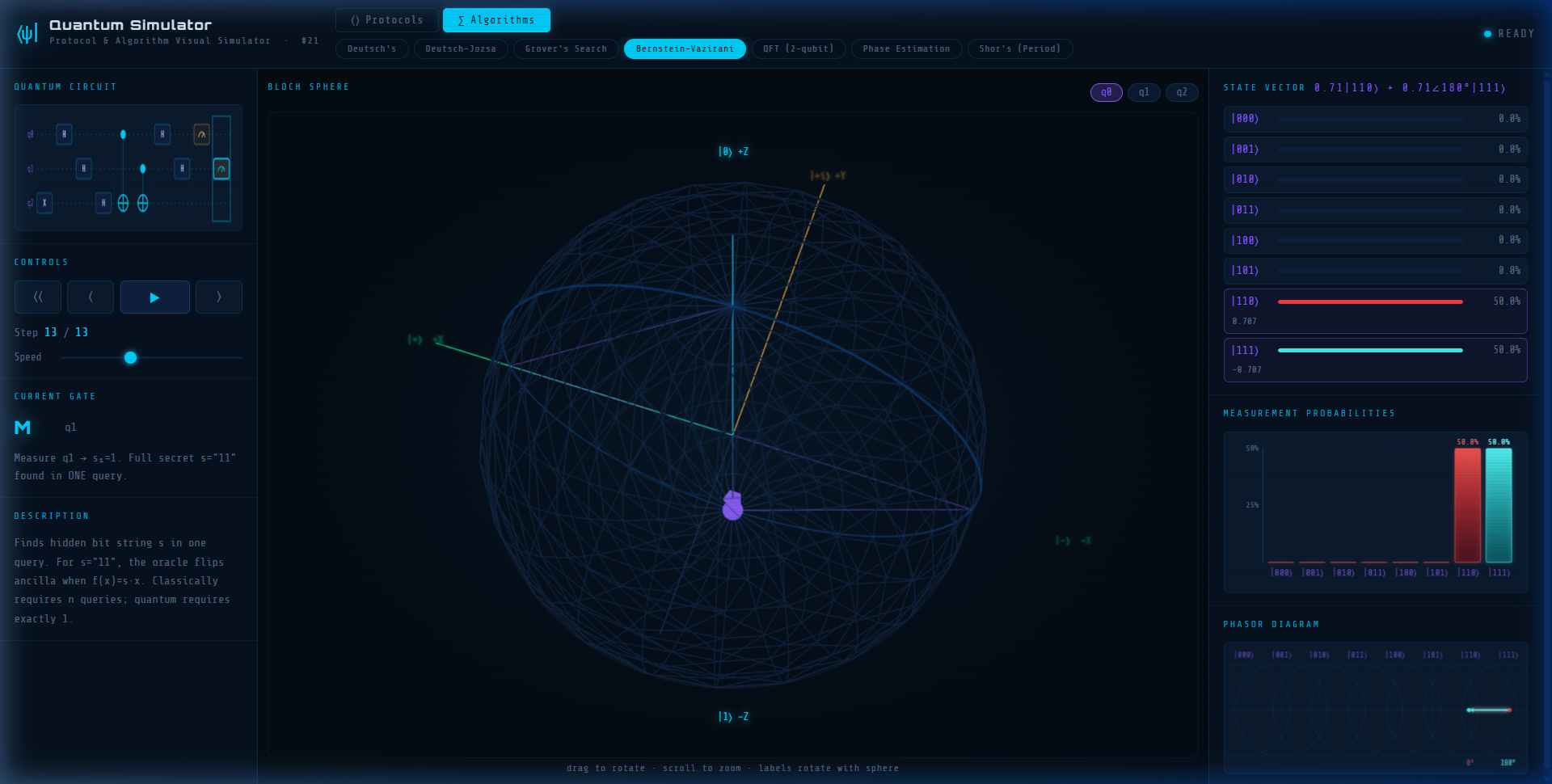
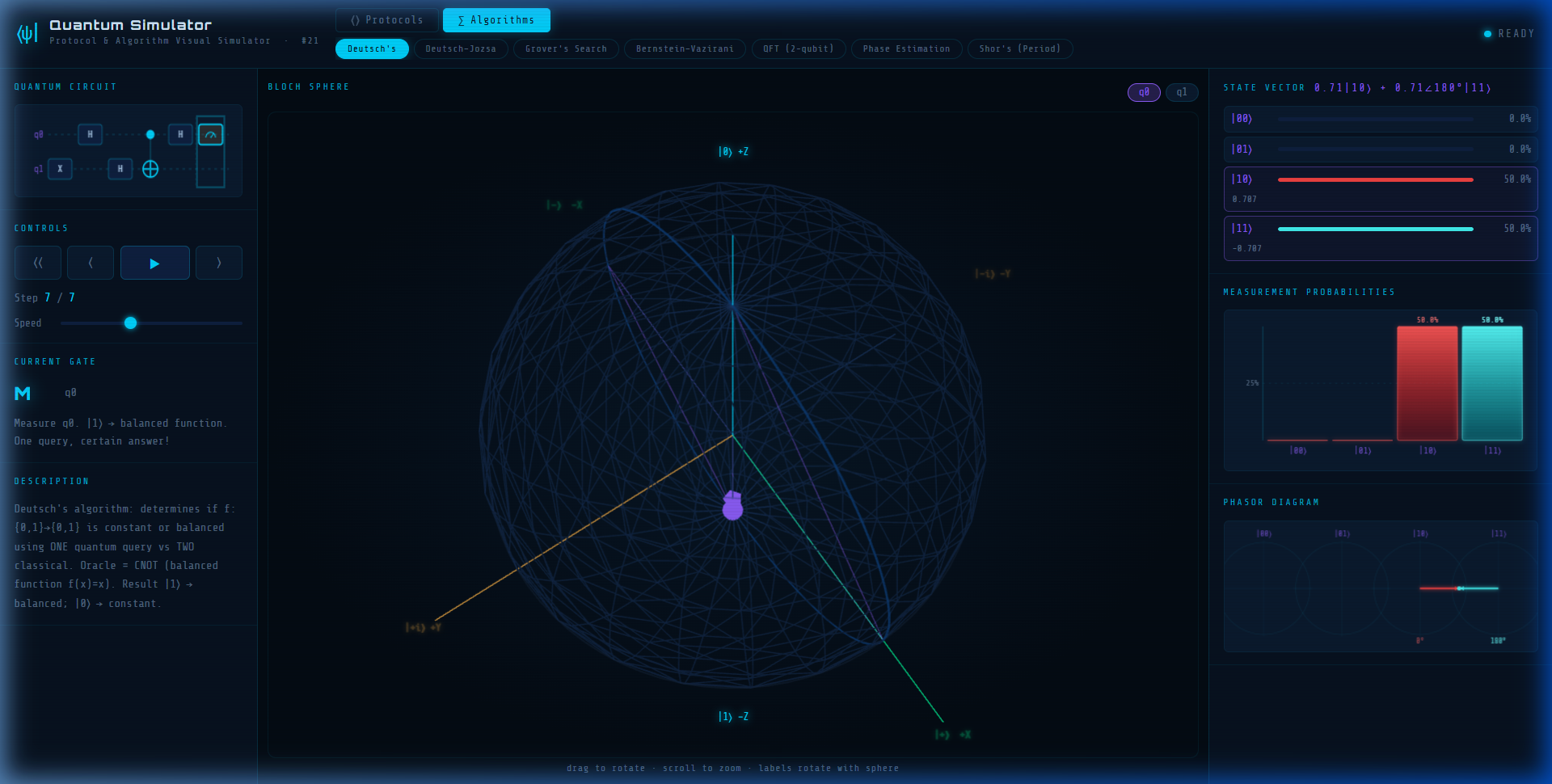
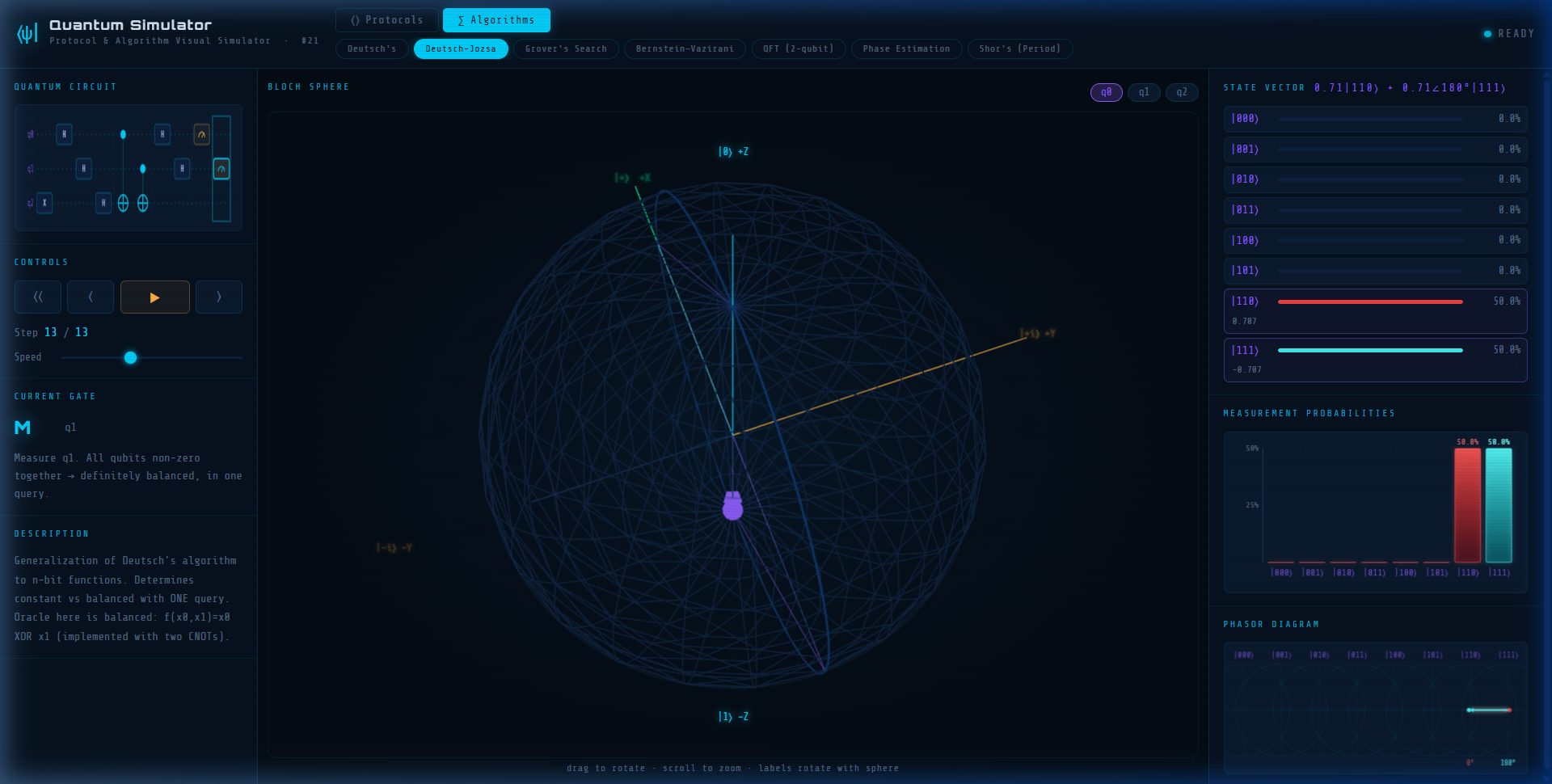
QuantumAI is an AI-powered development environment that translates plain English into executable quantum circuits. Instead of manually placing gates, a developer can simply type, "Create a 2-qubit Bell State," and our underlying AI agent processes the intent, selects the correct quantum operations (like Hadamard and CNOT gates), and autonomously renders the functioning circuit on the simulator canvas. It acts as an intelligent co-pilot, turning a static educational tool into a generative AI sandbox for quantum engineering.
How we built it
We built the frontend using pure HTML, CSS, and Vanilla JavaScript to ensure lightning-fast performance in the browser without the overhead of heavy frameworks. The core simulator relies on custom JavaScript logic to map qubit states and render gates visually. For the Agent layer, we integrated the Google Gemini REST API directly into the frontend. The system takes the user's natural language prompt and passes it to the LLM with strict context instructions, acting as an autonomous agent that returns the exact function calls needed to manipulate our simulator.
Challenges we ran into
The biggest challenge was bridging the gap between natural language and strict programmatic execution. LLMs are great at generating text, but getting the AI to consistently output instructions that mapped perfectly to our simulator's custom JavaScript functions (without breaking the UI or throwing errors) required highly specific prompt engineering and error handling. Doing all of this entirely on the frontend without a dedicated backend server was a massive sprint.
Accomplishments that we're proud of
Successfully transforming a standard, manual tool into a truly Agentic AI application. Watching the simulator autonomously draw a complex circuit based solely on a conversational prompt for the first time was a "magic" moment. Building this entire AI integration under extreme hackathon time constraints is a huge win.
What we learned
Code Export: Adding a feature where the AI not only draws the circuit but automatically generates the equivalent Python code for frameworks like IBM's Qiskit. Agentic Debugging: Expanding the AI to analyze failing user-built circuits and autonomously suggest (or automatically apply) the exact gates needed to fix the quantum logic errors.
What's next for QuantumAI: The Agentic Copilot
I learned a massive amount about integrating LLM APIs directly into native browser environments using native fetch, managing asynchronous UI updates, and crafting strict system prompts to force an AI to act as a programmatic agent rather than just a chatbot.
What's next for QuantumAI: The Agentic Copilot
Code Export: Adding a feature where the AI not only draws the circuit but automatically generates the equivalent Python code for frameworks like IBM's Qiskit. Agentic Debugging: Expanding the AI to analyze failing user-built circuits and autonomously suggest (or automatically apply) the exact gates needed to fix the quantum logic errors.
Built With
- and
- export
- qiskit
- voice-to-circuit

Log in or sign up for Devpost to join the conversation.