Inspiration:
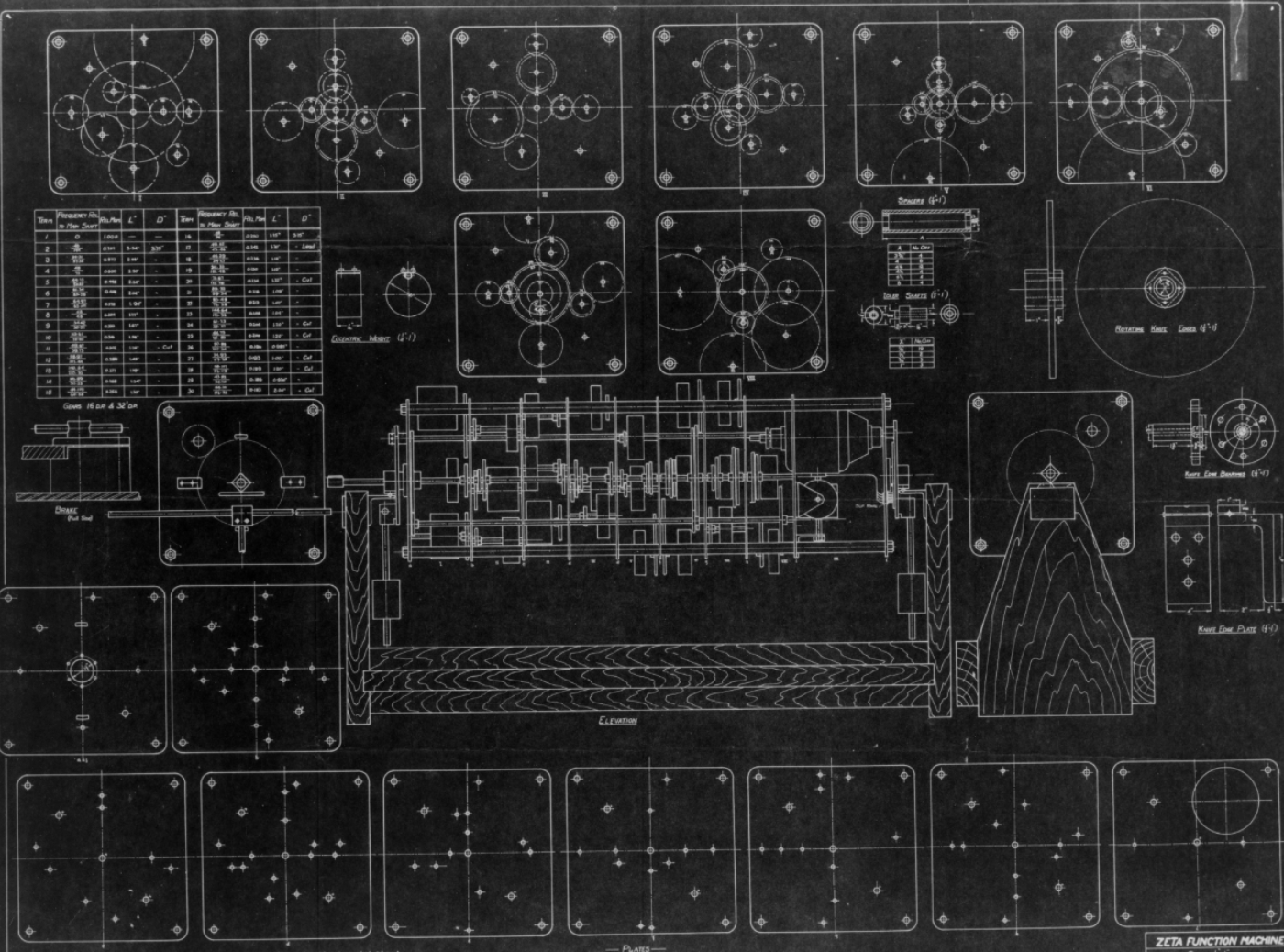
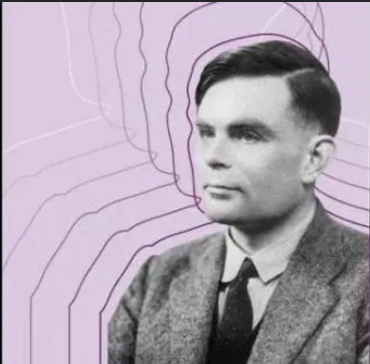
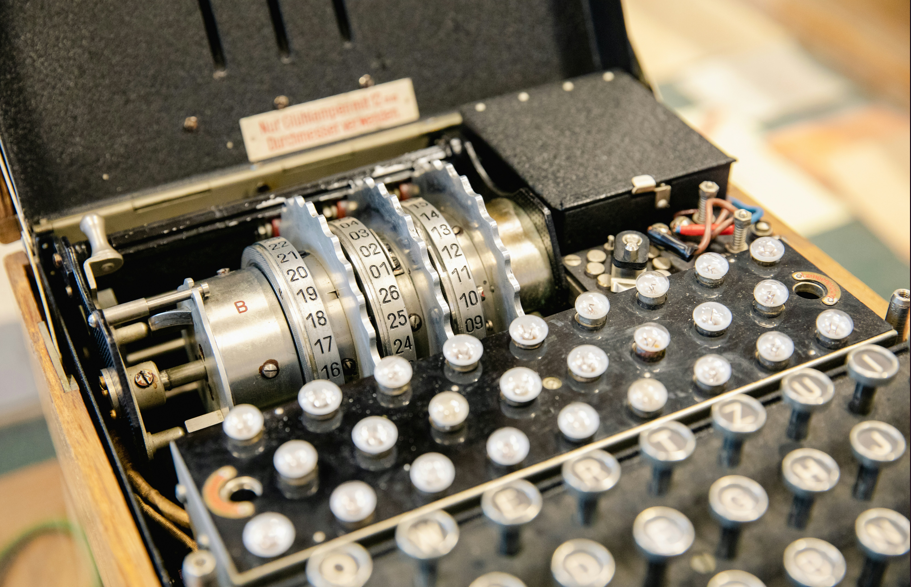
In 1941, Alan Turing and his team at Bletchley Park cracked the "unbreakable" Enigma cipher, changing the course of WWII. Their work proved that no encryption lasts forever. New technology always breaks old codes.
Today, we face the same inflection point. Quantum computers will render current encryption obsolete, just as computing power broke Enigma. The organizations that act now will be the ones protected when quantum arrives.
That's where we come in.
What it does:
Phase 1 is discovery, which lasts from weeks 1-4, and is a consulting-led assessment of current cryptographic posture. We interview security teams, map infrastructure, and deploy our scanner to locate every instance of RSA, ECDSA, and vulnerable key exchange.
Phase 2 is remediation, which lasts from weeks 4-16. Using our software, we generate a prioritized vulnerability report by severity. QuantumShield automates encryption migration systems to NIST-approved algorithms. Module-Lattice-Based Key-Encapsulation Mechanism(ML-KEM), Module-Lattice-Based Digital Signature Algorithm (ML-DSA), and Stateless Hash-Based Digital Signature Algorithm (SLH-DSA).
Phase 3 is monitoring, where we offer ongoing services as a Software as a Service (SaaS). Our platform continuously scans for cryptographic regressions, new deployments, and third-party integrations. Real-time dashboards, severity alerts, and compliance audit reports included.
How we built it:
We designed the full product experience in Figma, mapping out the user journey from initial cryptographic assessment through to the real-time monitoring dashboard. Figma allowed us to rapidly prototype the interface, iterate on the vulnerability reporting views, and visualize how enterprises would interact with their quantum readiness data.
Challenges we ran into:
Figma had a steep learning curve coming in. Mastering components, auto-layout, and prototyping interactions took real time investment. Translating a technically complex product into a clean, intuitive interface was a design challenge that pushed us to simplify how we communicate risk to non-technical stakeholders like CISOs and board members.
Accomplishments that we're proud of:
We leveraged Figma AI to accelerate the design process significantly, using it to generate layout suggestions, refine UI components, and stress-test our design decisions faster than we could manually. Getting a polished, investor-ready prototype of a technically complex security product across the finish line is something we're genuinely proud of.
What we learned:
Building this forced us to go deep on how modern cryptography actually works — understanding why RSA and ECDSA are vulnerable to quantum attacks, how lattice-based mathematics underpins the NIST replacement standards, and why migration is harder than simply swapping one algorithm for another. That technical depth made us better designers and sharper founders.
What's next for Quantum Shield:
As Alan Turing stated, "We can only see a short distance ahead, but we can see plenty there that needs to be done." The 2030 NIST compliance deadline is closer than most organizations realize and we must act now. Our immediate focus is to secure our first clients in government agencies and finance and healthcare industries, where regulatory pressure is high. From there, we refine our product and scale as we go.
Built With
- figma
- nist

Log in or sign up for Devpost to join the conversation.