-
logo
-
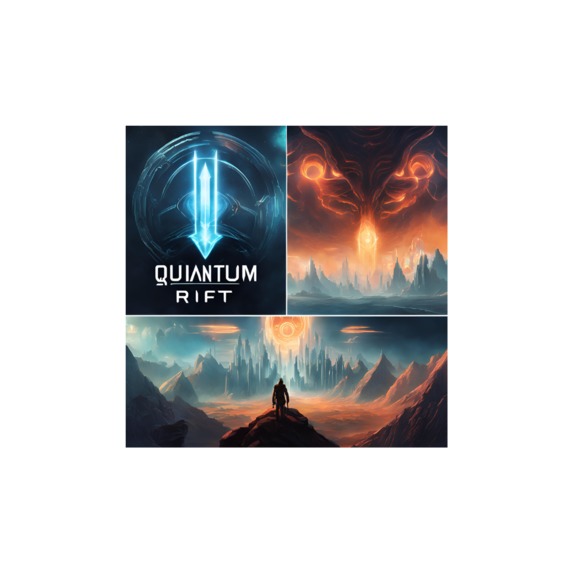
A panoramic shot of Quantum Rift's alien world, showcasing vast, procedurally generated landscapes and the game's mysterious beauty.
-
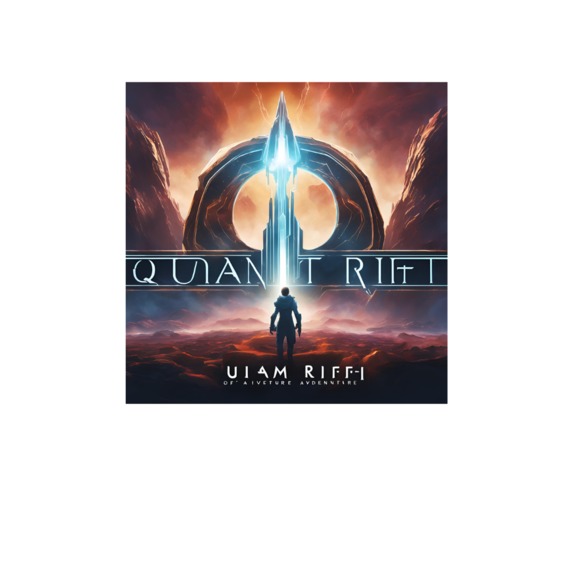
This image shows the game's starting view, showcasing the expansive, procedurally generated world and its mysterious atmosphere.


Inspiration
The inspiration for Quantum Rift came from the desire to explore the limitless possibilities of cloud-powered game design. I’ve always been fascinated by how the cloud can transform the way we build, play, and experience games. By integrating AWS services, I wanted to create a dynamic and evolving world that adapts to players’ choices and offers new experiences every time they play.
I was inspired by the idea of creating a quantum reality—where actions in the game could alter the environment in unexpected ways, much like how quantum physics describes unpredictability and transformation at the smallest scales.
What it does
Quantum Rift: A Cloud Adventure is a multiplayer, cloud-powered action-adventure game set in a dynamically evolving world. Players explore a vast universe filled with shifting environments, AI-driven characters, and procedurally generated quests. Every decision the player makes impacts the world, creating a unique experience for each session. Powered by AWS, the game scales effortlessly to support large numbers of players, adapting the gameplay in real-time using cloud services like AWS GameLift, Lambda, and DynamoDB.
How we built it
The development of Quantum Rift combined traditional game design with cloud computing technology, allowing us to build a dynamic and scalable game world. Here's an overview of how we used AWS to bring the game to life:
AWS GameLift: We used AWS GameLift to handle matchmaking and host multiplayer sessions, allowing players from around the world to seamlessly join the same server. AWS Lambda: Lambda functions were used for serverless event handling, enabling us to dynamically adjust the game world and NPC behavior based on player actions. Amazon S3: Game assets such as textures, 3D models, and levels were stored and served from Amazon S3 to ensure efficient, scalable content delivery. Amazon DynamoDB: DynamoDB was essential for managing player data, world states, and progression in real-time across sessions. Procedural Generation: We built a procedural generation system that uses cloud-based AI to dynamically generate new levels, quests, and enemies, ensuring a fresh experience for each playthrough.
Challenges we ran into
While working on Quantum Rift, we faced several challenges, especially related to cloud infrastructure and multiplayer mechanics:
Optimizing Multiplayer Sync: One of the biggest hurdles was synchronizing multiplayer gameplay across different regions while minimizing latency. AWS GameLift was crucial in addressing this, but fine-tuning server regions and matchmaking algorithms to ensure smooth gameplay required significant testing and iteration.
Scaling Procedural Generation: Procedurally generating a game world that adjusts to player actions was a technical challenge. Ensuring that the world felt alive, diverse, and responsive to player choices involved complex cloud event handling, and required a lot of trial and error with AWS Lambda functions to get the right balance.
Cloud-Driven AI Logic: Creating AI that could adapt to player behavior on-the-fly was a difficult task. Leveraging AWS Lambda for event-driven AI logic was powerful, but getting the NPCs to react in a way that felt natural and meaningful took considerable effort.
Data Management Across Sessions: Managing real-time player data, world states, and progress across multiplayer sessions was complex. We needed to ensure that player choices were persistent and meaningful without overloading our cloud services, which we solved using DynamoDB and careful data structuring.
Accomplishments that we're proud of
Scalable Infrastructure: The game seamlessly supports large numbers of players, thanks to AWS GameLift and Lambda, making it highly scalable without compromising performance.
Dynamic World: We successfully created a game world that evolves in response to player choices. The procedural generation system is able to create new, unique content each time a player logs in, making every session feel fresh and exciting.
Serverless Event-Driven AI: Using AWS Lambda, we implemented cloud-driven AI that reacts to player decisions, allowing for more dynamic and unpredictable NPC behavior.
Real-Time Player Data: With DynamoDB, we managed real-time player data and game states across multiplayer sessions, ensuring players’ choices persisted across different game worlds.
What we learned
Cloud Technologies in Game Development: The project deepened our understanding of how cloud services like AWS GameLift, Lambda, and DynamoDB can be leveraged for game development. Cloud computing enables highly dynamic, scalable, and immersive experiences that were previously difficult to achieve in traditional game development.
Serverless Architecture: We learned how to build serverless architectures for real-time, event-driven game logic. Lambda provided a flexible and scalable way to handle events without worrying about server maintenance.
Multiplayer Scaling: Building a multiplayer game that can scale effortlessly was a critical learning experience. We learned how to optimize matchmaking, reduce latency, and ensure a smooth player experience across different regions.
Procedural Generation and AI: Implementing procedural content generation and responsive AI was a significant learning curve. It taught us how to balance randomness with narrative structure, ensuring the game is both exciting and coherent.
What's next for Quantum Rift: A Cloud Adventure
The future of Quantum Rift involves expanding its multiplayer capabilities with larger-scale battles and cross-platform play. We're enhancing AI-driven storytelling, where NPCs react more dynamically to player choices, and introducing new procedural worlds that evolve with player interactions. We'll also be adding social and community features like leaderboards and player-generated content, while optimizing the game’s cloud infrastructure for smoother, scalable experiences. In the long term, we plan to integrate VR/AR support, further expand AWS services for advanced AI, and introduce seasonal updates to keep the game world fresh and engaging for players.
Built With
- amazon-dynamodb
- amazon-web-services
- aws-api-gateway
- c#
- gamelift
- javascript
- python
- s3
- sagemaker
- unity


Log in or sign up for Devpost to join the conversation.