

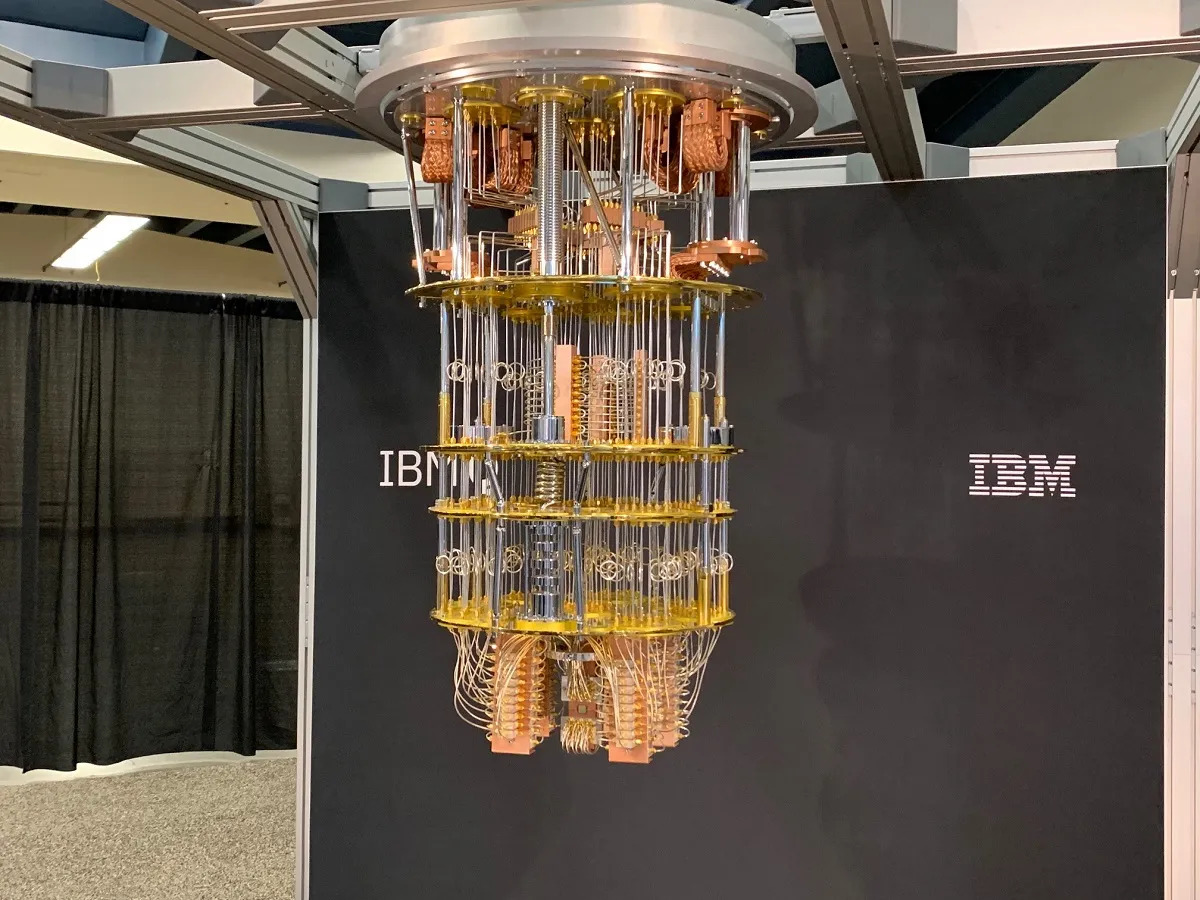
Inspiration
Quantum computers draw inspiration from the principles of quantum mechanics, a branch of physics that deals with the behavior of matter and energy at the smallest scales. Here are some key concepts that inspired the development of quantum computers:
Superposition: Unlike classical bits, which can exist in a state of either 0 or 1, quantum bits or qubits can exist in a superposition of both 0 and 1 simultaneously. This property allows quantum computers to process multiple possibilities at the same time.
Entanglement: Qubits can be entangled, meaning the state of one qubit is directly linked to the state of another, regardless of the distance between them. This enables quantum computers to perform complex computations more efficiently than classical computers for certain tasks.
Quantum Gates: Quantum computers use quantum gates to manipulate qubits and perform operations. These gates enable the creation of quantum circuits that can solve specific problems more efficiently than classical algorithms.
Quantum Parallelism: Quantum computers can process information in parallel, exploring multiple solutions simultaneously. This can lead to exponential speedup for certain algorithms, such as factoring large numbers or searching unsorted databases.
Quantum Tunneling: Quantum tunneling allows qubits to overcome energy barriers that classical bits cannot. This property is exploited in quantum algorithms to efficiently solve problems that would be intractable for classical computers.
The inspiration for quantum computers comes from the unique and counterintuitive properties of quantum mechanics. Researchers and engineers are exploring how to harness these principles to build powerful quantum computers that can outperform classical computers in solving specific problems. However, it's essential to note that quantum computers are still in the early stages of development, and significant technical challenges must be overcome before they become widely practical for a broad range of applications.
What It Does
Quantum computers leverage the principles of quantum mechanics to perform certain types of calculations more efficiently than classical computers. While classical computers use bits to represent information as either a 0 or a 1, quantum computers use quantum bits or qubits. The unique properties of qubits allow quantum computers to execute specific algorithms faster than classical counterparts for particular tasks.
How We Built It
Building a quantum computer is an advanced and complex task.
Understand Quantum Mechanics: Gain a deep understanding of quantum physics principles.
Choose a Model: Select a quantum computing model based on available resources and goals.
Design Quantum Circuits: Develop quantum algorithms and design circuits for desired computations.
Select Qubit Technology: Choose a qubit implementation technology (e.g., superconducting circuits or trapped ions).
Develop Error Correction: Create techniques to address errors caused by decoherence and noise.
Build a Quantum Processor: Construct the physical quantum processor, addressing technical challenges.
Implement Cooling Systems: Install cooling systems, like dilution refrigerators, to maintain low temperatures.
Create Connectivity Systems: Develop infrastructure for controlling and reading out qubits.
Testing and Calibration: Rigorously test and calibrate the quantum computer for proper functionality.
Software Development: Build software tools and interfaces for programming and control.
Note: Building a quantum computer requires significant expertise, resources, and is typically undertaken by specialized organizations and research institutions.
Challenges I Ran Into
During the project, we encountered some disagreements on certain aspects and faced difficulties regarding the dimensions of the drawings
Accomplishments That I'm Proud Of
We take pride in successfully bringing such a challenging project to life in a short period.
What We Learned
How to draw autocad drawing, how to scale, how to make technical drawing, how to prepare the report.
What's Next For Quantum Computer
In the future, quantum computers will offer significant advantages in solving real world problems across various industries, playing a critical role in simplifying our lives.
Built With
- api
- yapayzeka

Log in or sign up for Devpost to join the conversation.